创业邦

Search documents
日薪300,我在后厂村“手搓”人形机器人
创业邦· 2025-12-23 03:12
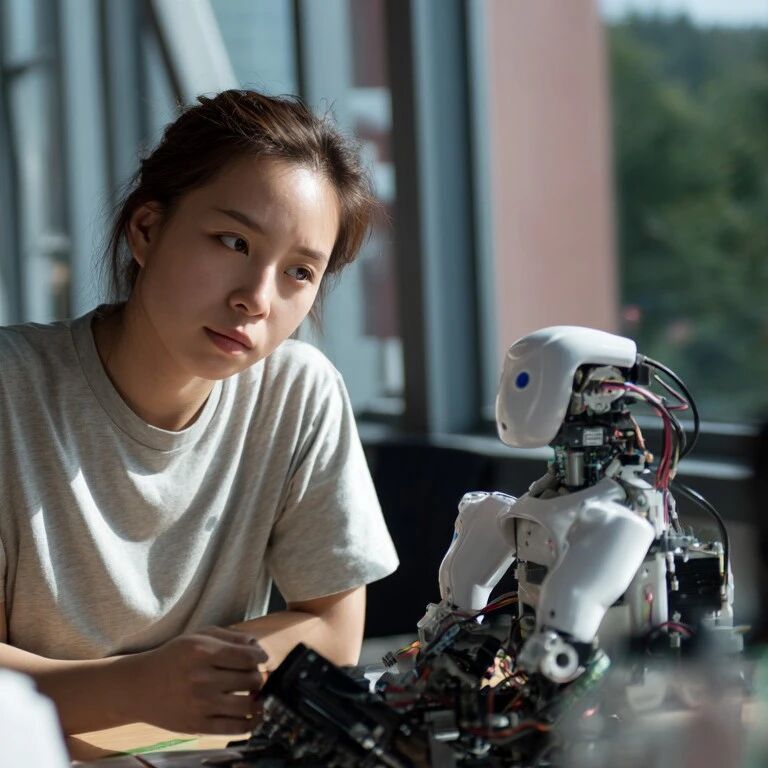
以下文章来源于刺猬公社 ,作者刺猬公社编辑部 刺猬公社 . 互联网内容行业观察与研究 来源丨刺猬公社(ID: ciweigongshe ) 作者丨 园长 编辑丨 陈梅希 图源丨Midjourney 北京后厂村,距离"互联网十字路口"不远的某座写字楼里,一间教室大小的房间内,几十个工人分成 两批,一组在桌上用螺丝刀和扳手拼装轴承模组,一组在旁边的测试区,用示波器和万用表对已经组 装好的总成做检测。 这不是什么小作坊,而是 2025 年的科技创业风口——人形机器人产业的生产环节。 从咖啡到汽车,我参观过各行各业数不清的智能工厂,通常是产品科技含量越高,需要人手工操作的 环节越少,流水线越标准规范,工人和流水线几乎融为一体。以此类推,创造"具身智能"的地方应该 充满了各种黑科技。 但情况并不是我事先想象的那样, 这里没有流水线,也没有除了金属工件冷冻机之外的大型设备,组 装规范全靠人手一本翻到起毛边的 A4 纸手册 ...... 它更像一间大学里自动化专业的实验室,或者一个忙忙碌碌的家电维修部。为了看看当前的机器人产 业究竟发展到什么程度,我报名了某个具身智能企业的外包兼职,本意是想在流水线上,看清这个行 业的冰山 ...

卢伟冰确认小米17 Ultra将涨价,称定价压力非常大;阿里旗下夸克AI眼镜再推两款新品丨智能制造日报
创业邦· 2025-12-23 03:12
Group 1 - Xiaomi's President Lu Weibing confirmed that the new flagship model Xiaomi 17 Ultra will see a price increase due to significant pressure from rising memory costs, which have been exacerbated by the growing demand for high-performance computing (HPC) over the past three years [2] - Huawei launched the nova 15 series featuring dual red maple lenses on both the front and back, with a 50-megapixel front camera and an upgraded 50-megapixel rear camera utilizing the RYYB imaging system [2] - Faraday Future announced that its pre-production vehicle, FX Super One, has rolled off the assembly line at its Hanford factory in California [2] - Alibaba's Quark AI glasses have launched two new products for pre-sale, with the G1 model starting at a price of 1999 yuan, while the flagship S1 series has introduced a new tortoiseshell color option, maintaining high-end hardware specifications [2]


武汉又冲出一个医药IPO!60岁武大学霸带队
创业邦· 2025-12-23 03:12
Core Viewpoint - Hanse Aitai Biopharmaceutical Technology (Wuhan) Co., Ltd. successfully listed on the Hong Kong Stock Exchange, marking it as the second company from Wuhan to go public under the HKEX's 18A biotech rules. The company focuses on developing innovative drugs for cancer and autoimmune diseases, addressing unmet medical needs in these areas [3][4]. Group 1: IPO Details - Hanse Aitai issued 18.321 million H-shares at an offering price of HKD 32 per share, raising a total of HKD 586 million, with a market capitalization of nearly HKD 4.4 billion at issuance [3]. - On its first trading day, the opening price was HKD 28.9, and the latest market capitalization was HKD 3 billion [3]. - The company has completed three rounds of financing prior to the IPO, totaling approximately RMB 154 million, with major investors including Betta Pharmaceuticals and Longpan Investment [4]. Group 2: Product Pipeline and R&D Focus - The core product, HX009, is the world's only PD-1/SIRPα dual-function antibody fusion protein, currently in Phase II clinical trials in China after completing Phase I trials in China and Australia [4][20]. - Another innovative product, HX044, has initiated Phase I clinical trials for advanced solid tumors in both China and Australia [4][21]. - The company plans to allocate approximately 35% of the raised funds to advance HX009, 33% to develop HX301 and HX044, and 5% for commercialization preparations [4]. Group 3: Founder's Background and Company Development - Founder Zhang Faming, who has a strong academic and professional background in biochemistry and pharmaceutical development, has previously founded and sold successful biotech companies [10][11]. - Hanse Aitai was established in 2014 and has since focused on developing next-generation immunotherapies, particularly targeting the limitations of existing PD-1 therapies [15][17]. - The company has built a robust R&D team, integrating expertise from various fields to enhance its drug development capabilities [15][20]. Group 4: Market Context and Competitive Landscape - The global PD-1/PD-L1 antibody market is projected to reach USD 53.7 billion by 2024, with expectations to grow to USD 72.5 billion by 2030, highlighting the competitive nature of the immunotherapy sector [25]. - Hanse Aitai's dual-target design for HX044 aims to address the challenges of PD-1 resistance, positioning the company in a competitive landscape with several other firms pursuing similar therapeutic strategies [26][28]. - The company is one of the few globally to have two clinical-stage products targeting the SIRPα pathway, indicating significant long-term collaboration potential [28].

贷款8万看剧,饭圈正在捧杀音乐剧
创业邦· 2025-12-23 03:12
Core Viewpoint - The musical theater market in China is experiencing significant growth, with a 15.1% year-on-year increase in box office revenue for the first half of 2025, driven by popular productions and a strong fan base [5]. Group 1: Market Trends - The popularity of musical theater is evidenced by successful productions such as "The King's Guard: Sword and Flower" and "The Miserable World," which have achieved both critical acclaim and box office success [5]. - The secondary ticket market has become chaotic, with scalpers profiting significantly, leading to frustrations among genuine fans who struggle to purchase tickets at original prices [8][11]. - The phenomenon of "Stage Door" (SD) interactions has evolved, with fans prioritizing celebrity encounters over the actual performances, leading to disorder and complaints [19][22]. Group 2: Consumer Behavior - Female audiences dominate the musical theater market, accounting for 88.5% of ticket sales in early 2025, reflecting their emotional connection to the art form and willingness to spend on star power [34]. - The "human shield" culture, where fans feel compelled to maintain a presence in the theater scene to be remembered by their favorite actors, has emerged, raising concerns about the sustainability of this behavior [25][36]. - The trend of prioritizing marketing and star power over quality content in musical productions is evident, with many shows relying on established actors rather than focusing on artistic merit [28][33]. Group 3: Industry Challenges - The influx of scalpers and fraudulent ticket sales has created a challenging environment for genuine fans, with reports of sophisticated scams targeting the theater-going community [11][14]. - The industry faces criticism for its reliance on marketing and celebrity culture, which may undermine the long-term development of quality productions and audience engagement [35]. - There is a growing concern that the current trajectory of the musical theater market, characterized by quick profits and superficial engagement, may not be sustainable in the long run [30][33].

济南市设立50亿元人工智能产业基金;齐济投资二期人民币基金顺利完成9亿元首关募集丨12.15-12.21
创业邦· 2025-12-23 00:24
Key Points - The article discusses significant fund establishment events in China from December 15 to December 21, highlighting various government and private sector initiatives aimed at fostering innovation and investment in key industries [5]. Government-Backed Funds - Shenzhen has established a new fund, the Shenzhen National Innovation Fund, with a total capital of 18.9 billion RMB, focusing on venture capital investments in unlisted companies [7]. - Inner Mongolia has launched a 6 billion RMB mother fund for strategic emerging industries, with a focus on attracting social capital for investments in nine key sectors, including new information technology and high-end equipment manufacturing [8]. - Jinan has initiated a 5 billion RMB artificial intelligence industry fund to support hard technology sectors, including model development and intelligent computing [9]. - Beijing's Fengtai District has set up a 5 billion RMB government investment mother fund to enhance regional industrial ecosystems [9]. - Chaoyang District in Beijing has created two 20 billion RMB funds to support digital economy development, focusing on various emerging industries [10]. Private Sector Initiatives - The Xuzhou Guorun Industry Investment Fund has been established with a total scale of 2 billion RMB, targeting strategic emerging industries and future industries [10]. - Hubei Cultural Tourism Group and Jingmen City have signed an agreement to establish a 1 billion RMB aerospace and digital industry fund, focusing on low-altitude economy sectors [11]. - The Hangzhou Western Common Prosperity Fund has been launched with a total scale of 1 billion RMB, aimed at supporting high-quality projects in the region [12]. - The Suqian New Materials Mother Fund has successfully registered its first sub-fund with a scale of 500 million RMB, focusing on key material sectors [12]. Academic and Collaborative Funds - Wuhan University of Science and Technology has initiated a 200 million RMB seed fund in collaboration with local government and industry partners, focusing on early-stage technology projects [13]. - Tianjin Economic Development Zone has established a 120 million RMB new venture capital fund, targeting hard technology sectors [14]. - The Nanjing AIC Fund has completed its first project investment of 50 million RMB in a key industrial digital transformation company [15]. Emerging Industry Focus - The Yunnan Advanced Manufacturing Equity Investment Mother Fund has been registered, focusing on traditional industry upgrades and strategic emerging industries [16][17]. - The Hubei Port and Shipping Development Fund is seeking to recruit fund management institutions to invest in logistics and transportation sectors [18]. - The Hainan Aerospace Star Arrow Manufacturing Fund aims to attract social capital for aerospace-related investments, with a target scale of 3 billion RMB [19]. Conclusion - The article emphasizes the growing trend of establishing various funds across China, driven by both government and private sectors, to support innovation and development in key industries, particularly in technology and manufacturing sectors [5].



快手回应大量色情内容刷屏:遭到灰黑产攻击,已报警;字节大模型关键人物被曝加入腾讯;比亚迪回应技术研发人员涨薪丨邦早报
创业邦· 2025-12-23 00:24
Core Insights - The article discusses various significant events and trends in the technology and investment sectors, highlighting issues such as cybersecurity attacks, executive movements, and market performance in different industries. Group 1: Cybersecurity and Company Responses - Kuaishou experienced a severe cybersecurity incident on December 22, where explicit content flooded multiple live streams, causing user panic. The company reported that it was a result of a gray-black industry attack and has since taken measures to address the issue and reported it to the authorities [3][5]. Group 2: Executive Movements - Feng Jiashi, a key figure in ByteDance's AI model development, has joined Tencent as the head of the multimodal team at the AGI Research Center. His previous experience includes significant roles in academia and industry, indicating a strategic move for Tencent in AI development [5][6]. Group 3: Market Performance - Sanya's duty-free sales have seen remarkable growth, with daily sales exceeding 100 million yuan for three consecutive days, reaching 1.18 billion yuan on December 18, and showing a year-on-year increase of 45.8% and 47% on subsequent days [6][7]. - The number of billionaires in mainland China is projected to increase by 70 by 2025, with a total of 470 billionaires, second only to the United States. The total wealth of these billionaires is expected to reach 15.8 trillion USD, marking a 13% increase [6][7]. Group 4: Technology and Product Developments - Xiaomi's upcoming flagship model, the Xiaomi 17 Ultra, is set to increase in price due to rising memory costs, which have been exacerbated by the growing demand for high-performance computing [7]. - OpenAI has reportedly improved its profit margin for paid products, achieving a 70% computing profit margin by October, up from 52% at the end of 2024, indicating a strong financial performance in the AI sector [14]. Group 5: Investment and Financing Activities - Several companies have recently completed significant funding rounds, including Zhi Yuan Pharmaceutical with nearly 300 million yuan in Pre-IPO financing, and Shanghai Blueprint Aviation with 500 million yuan in A-round financing, reflecting a robust investment climate in the tech and healthcare sectors [20][20][20].





千问App发布2025十大AI提示词,股票位列榜首;OpenAI今年付费产品的计算利润率提高丨AIGC日报
创业邦· 2025-12-23 00:24
1.【MiniMax稀宇科技副总裁薛子钊:全球仅四家公司在三模态均达到领先水平】MiniMax稀宇科技 副总裁薛子钊表示,目前全球仅四家公司在语言、视觉、声音三个模态均有全球领先模型,分别是 OpenAI、谷歌、MiniMax和字节跳动。公司相信国内大模型公司被严重低估,未来将提供更高性价 比的智能服务。(新浪科技) 4.【报道称OpenAI今年付费产品的计算利润率提高】据报道,OpenAI努力保持其在人工智能领域领 先地位的同时,今年付费产品利润率有所提高。据报道,OpenAI提高了其"计算利润率",这一内部 指标为扣除为企业和消费者产品付费用户运行模型的成本后收入所占比例。报道援引一位知情人士 称,截至10月OpenAI的计算利润率达到70%,高于2024年底的52%,是2024年1月的两倍。 OpenAI的发言人表示,公司没有公布这些数据,并拒绝进一步置评。(界面新闻) 更多AIGC资讯…… 扫码可订阅产业日报 2.【千问App发布2025十大AI提示词,股票位列榜首】12月22日,千问App发布"2025十大AI提示 词"榜单,揭示了2025年人们使用AI的十大高频场景,其中问得最多的三类问题为股票、 ...
“山东首富”造车,千亿铝业帝国的赌局
创业邦· 2025-12-22 10:11
Core Viewpoint - The Chinese automotive market in 2025 is characterized by a stark contrast between industry consolidation and the influx of new entrants, with established companies facing bankruptcy while new players, such as Weiqiao Group, are entering the electric vehicle sector [5][10]. Industry Overview - The automotive industry is undergoing significant changes, with notable bankruptcies including Hozon Auto and GAC Fiat, indicating a harsh market environment [5]. - New entrants like Chasing Technology and Weiqiao Group are emerging, driven by government support and the need for diversification from traditional sectors [5][10]. Weiqiao Group's Background - Weiqiao Group, originally established in 1951, has diversified into various sectors including textiles and aluminum, and has been recognized as a global leader in aluminum production [7][8]. - The company has faced challenges in its core textile and aluminum businesses, prompting a strategic shift towards the electric vehicle market [10][13]. Strategic Shift to Electric Vehicles - The decline in the textile industry, with a reported 24.8% drop in profits for major textile enterprises in 2022, has pressured Weiqiao Group to seek new growth avenues [10]. - Environmental regulations have severely impacted the aluminum sector, leading to significant production cuts and financial strain [10][13]. - Weiqiao Group's entry into the electric vehicle market is seen as a response to these challenges, with government backing aimed at establishing a vehicle production base in Shandong [13][14]. Leadership and Vision - Zhang Bo, the son of the founder, has taken over leadership and is focused on expanding the automotive segment while maintaining the core textile and aluminum businesses [17][20]. - Under Zhang Bo's leadership, Weiqiao Group has made significant investments in research and development for electric vehicles, collaborating with various institutions to enhance its technological capabilities [18][20]. Automotive Brand Development - Weiqiao Group has established four automotive brands through acquisitions and strategic partnerships, including 212, Jishi, Ruisheng, and Leichi, covering a wide range of market segments from commercial to passenger vehicles [21][30]. - The company has adopted a capital and industry integration approach, differentiating itself from competitors by leveraging its existing resources and expertise in aluminum production [30]. Market Position and Future Outlook - In 2024, Weiqiao Group reported a revenue of 558.5 billion yuan, a 7.4% increase year-on-year, with net profits soaring by 112% to 32.3 billion yuan, indicating a successful pivot towards electric vehicles [20]. - The automotive sector is positioned as a new growth driver for Weiqiao Group, although it also introduces new uncertainties and challenges [20][30].
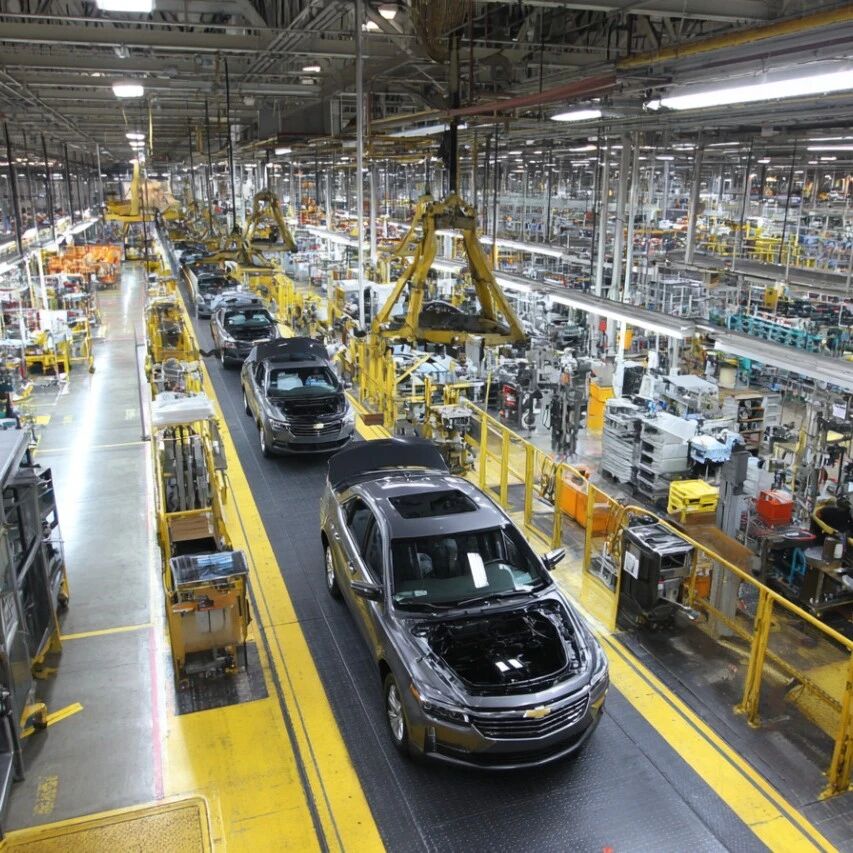
纯电大三排SUV11月销量创历史新高;保时捷将关停所有自建充电站丨汽车交通日报
创业邦· 2025-12-22 10:11
Group 1 - The core viewpoint of the article highlights the significant growth in the sales of pure electric large three-row SUVs, which reached a historical high of 46,209 units in November 2025, marking a 16% month-on-month increase and maintaining the top position among all power types for three consecutive months [2] - Porsche has announced the shutdown of its self-built charging network, totaling approximately 200 stations, effective March 1, 2026, and will shift focus to deep collaborations with leading charging operators in the industry [2] - The first prototype of the new automotive brand "Yijing," co-created by Dongfeng Motor and Huawei, has officially rolled off the production line, with the first mass-produced model expected to debut at the Beijing Auto Show in April 2026 [2] - Uber is partnering with Baidu to conduct trial operations of autonomous taxis in London, with plans to launch a pilot project using Baidu's Apollo Go RT6 autonomous vehicles in the first half of 2026, aiming for official operations by the end of next year [2]

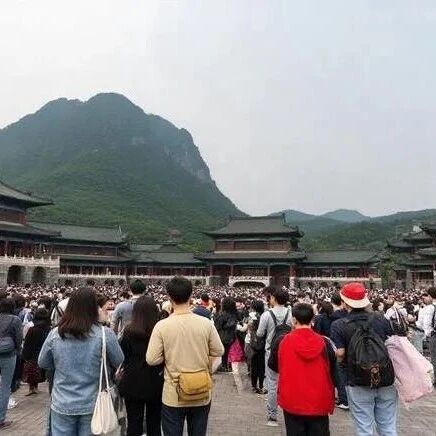
中国景区,大型工业预制菜?
创业邦· 2025-12-22 10:11
Core Viewpoint - The current state of Chinese tourist attractions is likened to industrial pre-packaged meals, emphasizing convenience and efficiency over unique experiences and cultural depth [5][7]. Group 1: Standardization and Homogeneity - The tourism experience in China has become highly standardized, lacking in uniqueness and depth, akin to pre-packaged meals that are easy to consume but lack soul [7][8]. - The rapid increase in the number of A-level tourist attractions, reaching 16,500, indicates a trend towards industrialized production of attractions, with a focus on uniformity and standardization [12][14]. - The A-level rating system for tourist attractions creates a competitive environment where all attractions must conform to the same standards, leading to a lack of diversity in offerings [12][14]. Group 2: Commercialization and Visitor Experience - The focus on hard metrics for scoring, such as the size of visitor centers and parking facilities, leads to an emphasis on infrastructure over visitor satisfaction and experience [14][18]. - The commercialization of attractions results in a high turnover of visitors, prioritizing quick financial returns over meaningful engagement with the site [18][19]. - The experience of visitors is often reduced to a mechanical process, where they are funneled through attractions without genuine engagement, leading to a sense of fatigue and disillusionment [11][18]. Group 3: Comparison with International Practices - In contrast to international practices, where local residents often enjoy lower entry fees to attractions, China's approach tends to impose higher costs on visitors, raising questions about the management of public resources [19][20]. - The upcoming implementation of the National Park Law in China may provide an opportunity to rethink the commercial logic of tourism, potentially leading to a more integrated approach that benefits both visitors and operators [20][23]. - Successful international models demonstrate that providing free access to natural resources while enhancing visitor experience through quality services can lead to greater economic benefits than merely charging for entry [23].