后浪研究所

Search documents
我,19岁,在短国当「百亿顶流」
后浪研究所· 2025-12-12 09:54
Core Viewpoint - The article discusses the trend of younger actors emerging as leading figures in the short drama industry, highlighting the decreasing age of successful actors and the impact of this shift on the industry [4][5][6]. Group 1: Rising Young Actors - The age of leading actors in popular short dramas is decreasing, with actors born in the 2000s and even 2006 gaining significant recognition [5][6][7]. - Yang Pengcheng, born in 2006, has appeared in over 40 short dramas this year, accumulating over 10 billion views [7]. - Wang Nianjiang, who transitioned from being the youngest goalkeeper in the Chinese Super League to a leading role in a short drama, showcases the trend of young actors taking on significant roles [9][10]. Group 2: Impact of Short Dramas - The short drama "True Rich Girl" featuring Zhang Yingfei achieved over 20 billion views within a month, marking a significant success for a newcomer [12][14]. - The narrative of short dramas is evolving, with characters like Zhang Yingfei's Lin Siwang breaking traditional molds by focusing on academic pursuits rather than romantic relationships [16][17]. - The rise of young actors is attributed to a combination of favorable market conditions and the increasing popularity of short dramas, which have become a mainstream cultural product [49][52]. Group 3: Industry Dynamics - The short drama industry is experiencing a shift towards higher quality content, moving away from previous lowbrow perceptions [45][46]. - New production companies are emerging, focusing on refined storytelling and aesthetics, which enhances the overall quality of short dramas [53]. - The competitive landscape is intensifying, with a need for innovation in storytelling and production to stand out in the crowded market [53][54]. Group 4: Actor Development - Young actors like Yang Pengcheng and Wang Nianjiang are diversifying their roles, with Yang taking on various character types, including emotional and complex roles [36][31]. - The experience gained from diverse roles is seen as beneficial for the actors' growth and adaptability in the industry [36][39]. - The article emphasizes the importance of practical experience and the willingness of young actors to take risks in their performances [39][40].


离婚不离家,中产的离婚静悄悄
后浪研究所· 2025-12-10 09:08
有房有车有娃,无性无爱无话。 撰文| 张晶 封面来源| 《不够善良的我们》 今年夏天,46岁的苏可结束了她12年的婚姻。 但是,平静的生活下面是各种不易察觉的隐形矛盾。 12年的婚姻里,丈夫每月给她几千元的生活费,自从孩子从托班上了幼儿园,学费降了,男人提议生 活费减半。苏可用她的收入和生活费负责家庭开支,但是完全不知道家里的财务状况,她曾多次提及 家庭财务,都被前夫警觉地避开了。 婚后自从有了孩子,老人搬来同住,家庭关系一下子变得复杂起来。 一家四口排列组合,任何三人组 都有话说,唯独夫妻没话说。她说,他们夫妻从不吵架,但也从无欢笑。 孩子出生后,他们夫妻开始分房睡,苏可每天需要起夜喂奶,但丈夫可以睡个整觉。更重要的是,四 年多的时间里,他们没有一次夫妻生活。 无性无爱无正常沟通,她的婚姻像正在进行一场缓慢的凌迟。 去年,在前夫提议降生活费的一个深夜,她决定离婚。为了降低对4岁孩子的影响,他们商议后决定 先离婚不离家。孩子的抚养权归前夫,自己还暂住在前夫家。 除了极个别亲密的亲友外,几乎没人知道她离婚了,包括她的父母。大多数人可能都无法理解她在没 有家暴出轨债务等"硬指标"的情况下选择离婚的必要。 但是,她 ...

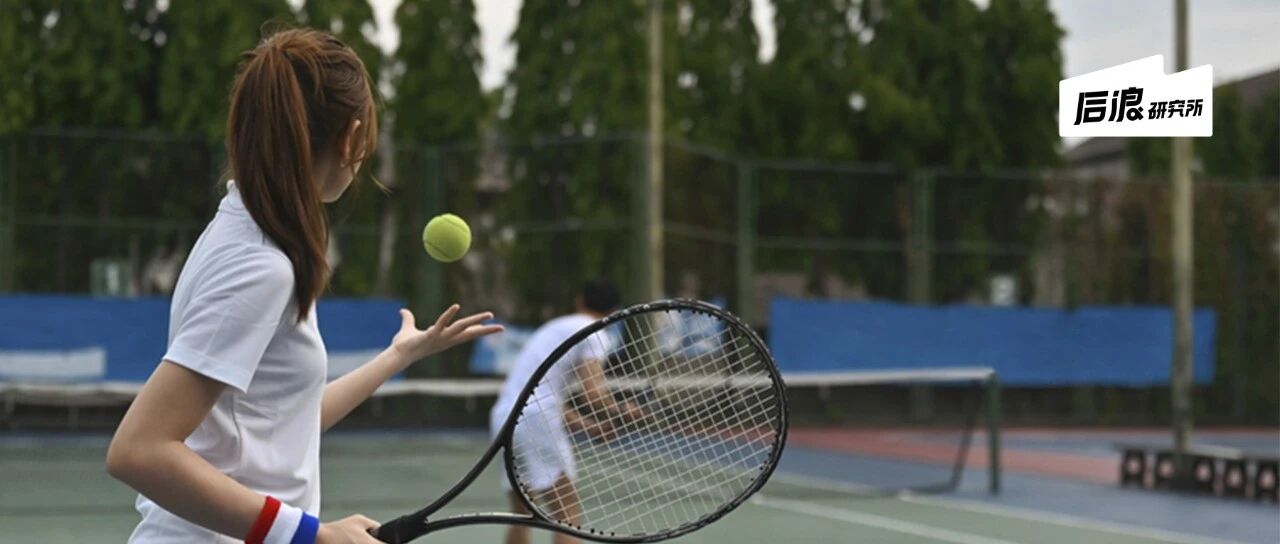
花2万去巴厘岛练网球,这届新中产爱上「体校式旅行」
后浪研究所· 2025-12-09 06:03
Core Insights - The article discusses the rise of "Sportcation" or sports-focused vacations, particularly highlighting the growing popularity of tennis vacations among young people [7][8][10] - It emphasizes that tennis has become a significant driver for this new travel trend, transforming traditional vacation experiences into active, sports-oriented ones [9][10][12] Group 1: Trends in Sports Travel - The shift from "Staycation" to "Sportcation" reflects a change in consumer preferences, with more individuals seeking active vacations centered around sports training [7][8] - Tennis has emerged as a unique sport that appeals to a broader audience, leading to an increase in tennis vacation offerings [9][10] - The popularity of tennis is evidenced by significant engagement on social media platforms, with millions of views on related content [10][12] Group 2: Market Dynamics - The tennis vacation market is characterized by a diverse range of offerings, from short weekend camps to extended training sessions, catering to different skill levels [10][12] - The growth of tennis participation in China is notable, with a projected increase in registered players and tennis facilities by 2025 [13] - The article highlights the economic impact of tennis events, such as the Shanghai Masters, which generated over 100 million yuan in ticket sales [13] Group 3: Consumer Behavior - Young consumers are increasingly drawn to tennis vacations not just for the sport, but also for the social experiences and lifestyle associated with them [27][29] - The article notes that while some participants are serious about improving their tennis skills, others are more interested in the social aspects of these vacations [26][27] - The challenge for organizers is to balance the needs of dedicated tennis enthusiasts with those seeking a more casual, social experience [26][27] Group 4: Challenges and Opportunities - Despite the enthusiasm for tennis vacations, there are concerns about the high entry barriers for beginners, which may deter new participants [17][18] - The market is becoming segmented, with a distinction between serious tennis players and casual participants, impacting the sustainability of vacation offerings [26][27] - The article suggests that while tennis is currently trending, other sports like yoga and surfing may also emerge as popular options for active vacations in the future [33][34]
那些买黄金的年轻人,后悔了吗?
后浪研究所· 2025-12-04 08:40
Group 1 - The article discusses how gold, once a traditional wedding necessity, has transformed into a financial product for young people, with various forms of investment such as gold bars, jewelry, and ETFs [3] - Young investors are actively comparing prices across platforms and strategizing purchases during shopping festivals to secure the best prices for gold, indicating a high level of engagement and research in their buying decisions [3] - The volatility of gold prices creates anxiety for young investors, shifting their emotions from excitement at the time of purchase to concern post-investment [3] Group 2 - The article poses questions about the future of gold purchases in 2025, inviting readers to share their experiences and insights on selecting gold products and the emotional impact of buying gold [4]

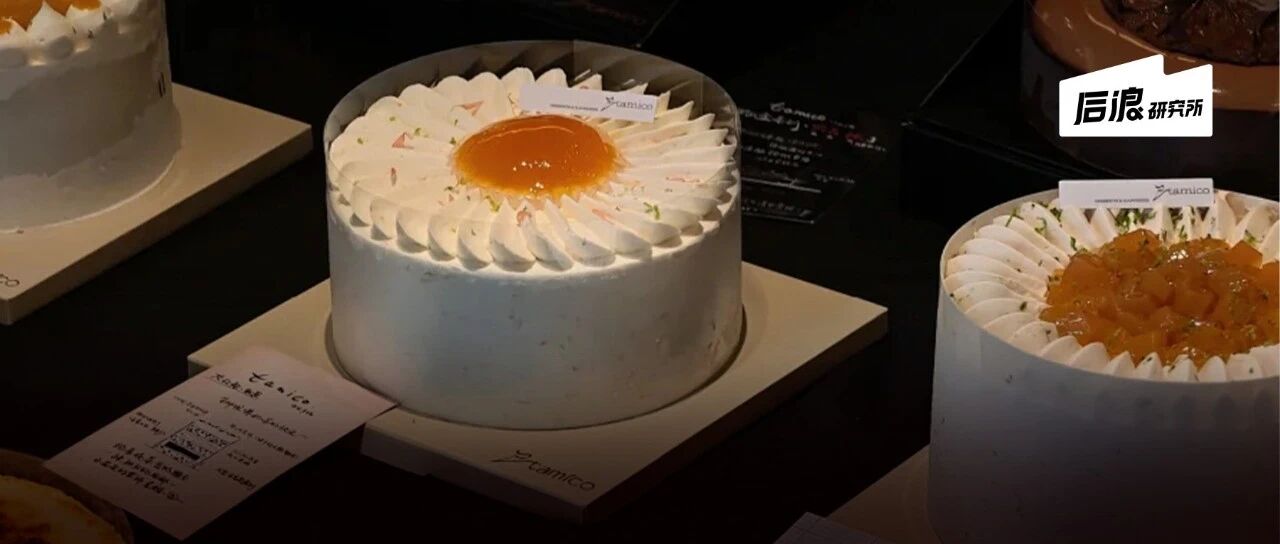
抱团「拼好糕」的杀糕大会,被北上广的年轻人抢疯了
后浪研究所· 2025-12-04 08:40
Core Viewpoint - The rise of "cake-killing parties" reflects a growing trend among dessert enthusiasts to share high-quality cakes at a lower cost, driven by increasing cake prices and limited access to popular dessert shops [5][9][19]. Group 1: Cake-Killing Parties - "Cake-killing parties" involve purchasing well-known cakes and sharing them among participants, allowing everyone to taste different flavors at a fraction of the cost [5][6]. - The average cost per participant at these events is significantly lower than buying individual cakes, with participants like Vivian spending only 143.7 yuan for nine different cakes [6][9]. - The trend originated in Hangzhou and has spread to major cities like Beijing, Shanghai, and Guangzhou, as well as smaller cities [9][19]. Group 2: Market Dynamics - The cake market is becoming increasingly competitive, with a rapid introduction of new flavors and types, leading to higher prices for consumers [20][22]. - Consumers are expressing dissatisfaction with cake prices, with many feeling that cakes have become luxury items [24]. - Despite high prices, the demand for cakes remains strong, particularly among young people seeking comfort food amid rising work and life pressures [24][26]. Group 3: Marketing Opportunities - Businesses are recognizing the potential of cake-killing parties as a marketing tool, with some brands sponsoring events to gain exposure [26][30]. - Local dessert shops are leveraging these gatherings to attract customers and promote their products, often providing free samples or drinks in exchange for social media promotion [36][38]. - The phenomenon has led to a mix of genuine consumer engagement and opportunistic marketing, raising questions about the future of these events [38][39].
全网围观的「荒野求生」比赛,坑人又坑钱
后浪研究所· 2025-12-03 09:09
Core Viewpoint - The article discusses the chaotic and unregulated nature of wilderness survival competitions in China, highlighting the risks participants face and the lack of proper organization and safety measures [2][12][34]. Group 1: Event Organization and Safety - The event organizers promised safety measures, including 13 safety personnel and a helicopter for emergencies, but failed to deliver on these promises during the competition [3][20]. - Participants reported that the organization was poorly structured, with inadequate safety protocols and a lack of professional oversight, leading to dangerous situations [12][20][34]. Group 2: Participant Experiences and Expectations - Many participants, like Da Shu, entered the competition with high expectations of winning substantial prizes, such as a 50,000 yuan reward for the champion, but faced disorganization and unsafe conditions instead [5][27]. - The article illustrates how participants were often treated as free labor, with their experiences being exploited for the organizers' profit through live streaming and merchandise sales [30][37]. Group 3: Industry Growth and Challenges - The rise of wilderness survival competitions has attracted a wide audience, leading to a surge in similar events, but many lack proper regulations and oversight, resulting in a chaotic environment [7][14][38]. - The article emphasizes the need for participants to thoroughly vet event organizers and their credentials to avoid falling victim to poorly managed competitions [37][38].

那些买黄金的年轻人,后悔了吗?
后浪研究所· 2025-12-03 09:09
Group 1 - The article discusses how gold, once a traditional wedding necessity, has transformed into an investment product for young people, with various forms such as gold bars, jewelry, and ETFs being popular choices [3] - Young investors are actively comparing prices across platforms and utilizing shopping festivals to secure the best deals on gold, indicating a strategic approach to purchasing [3] - The volatility of gold prices creates anxiety for young investors, shifting their emotions from excitement at the time of purchase to concern post-investment [3] Group 2 - The article poses questions about the future of gold investment in 2025, asking whether young people will continue to buy gold and how they will select gold products [4] - It invites readers to participate in a survey to share their experiences and insights regarding gold purchases, highlighting a community engagement aspect [4]

在330万个「小应用」中,我读懂了脑洞大开的年轻人
后浪研究所· 2025-12-02 06:20
Core Insights - The article discusses the rise of a new app called "Lingguang," which allows users to easily create personalized mini-applications in a matter of seconds, reflecting the creativity and needs of young people [3][9][24]. Group 1: User Engagement and Application Creation - Users are generating a wide variety of applications, from games to practical tools, showcasing their creativity and addressing personal needs [4][6][11]. - The app has gained significant popularity, with over 2 million downloads within six days and more than 3.3 million applications created in two weeks [9][22]. - The ease of use has democratized app creation, allowing individuals from various backgrounds, including children and non-technical users, to participate [24][35]. Group 2: Emotional and Practical Needs - Many applications serve as a coping mechanism for young people facing pressures from work and life, providing a sense of control and relief [14][17]. - The applications reflect users' desires to express their individuality and creativity, transforming everyday frustrations into shareable content [20][33]. - The trend indicates a shift in how young people communicate, moving from verbal expressions to creating tangible applications that convey their feelings and experiences [29][35]. Group 3: Cultural and Social Implications - The emergence of "Lingguang" aligns with a broader cultural trend where young people seek safe and subtle ways to express themselves in a digital landscape [28][29]. - The app serves as a platform for users to share their creations on social media, enhancing their social interactions and providing a sense of accomplishment [21][22]. - The variety of applications created reflects the diverse interests and lifestyles of young people, from practical tools to whimsical creations [12][20].

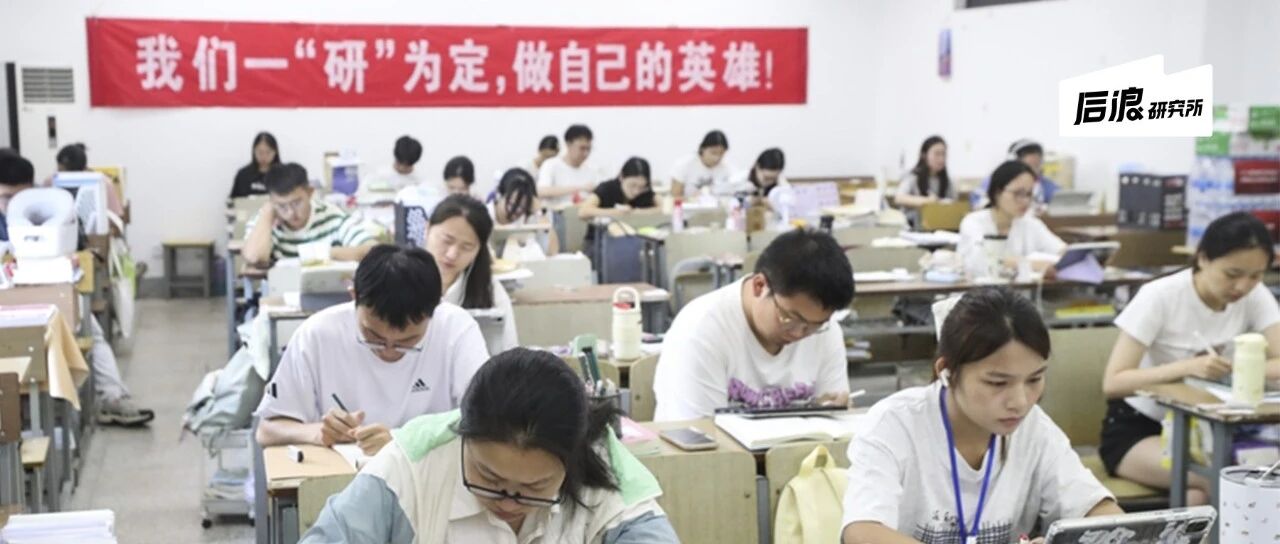
为了上岸,年轻人开始「降级考研」
后浪研究所· 2025-11-24 08:28
Core Viewpoint - The article discusses the increasing trend of students lowering their expectations for graduate school admissions due to the competitive nature of the exam and the job market, leading to a phenomenon known as "downgrade graduate school" [4][9][25]. Group 1: Trends in Graduate School Admissions - The number of graduate school applicants has been rising rapidly since 2017, with annual growth rates exceeding 10% over the past five years [5]. - By 2019, the admission scores for popular majors and schools had increased significantly, with some scores rising by 15 points compared to the previous year [5]. - Despite the expansion of graduate programs, the admission rate has not kept pace, with only one in three to four applicants successfully gaining admission [7]. Group 2: Student Strategies and Choices - Students are increasingly adopting conservative strategies in their school selection, often choosing lower-tier institutions to ensure admission [9][10]. - There is a trend where students aiming for "good employment" majors are forced to apply to less prestigious schools in less desirable regions [10]. - Many students are prioritizing practical, high-employment majors over prestigious institutions, reflecting a shift in perception regarding the value of school reputation [10][11]. Group 3: Psychological and Social Factors - The pressure to gain admission to graduate school has created a "must succeed" mentality among students, leading to a collective anxiety about academic performance and future prospects [8][12]. - Social media has amplified this pressure, with many students seeking validation and support from peers in similar situations [13][14]. - The concept of "sunk cost" is prevalent among students, where repeated attempts at graduate school create a psychological barrier to abandoning the pursuit [19]. Group 4: Employment Market Dynamics - The job market increasingly favors candidates with graduate degrees, but this trend is shifting as employers begin to prioritize undergraduate credentials over graduate degrees from less prestigious institutions [22][23]. - There is a growing realization among students that obtaining a master's degree may not guarantee better job prospects, leading to a reconsideration of the value of pursuing further education [25]. - Many students are now recognizing that entering the workforce directly may be a more viable path than pursuing a graduate degree, especially when faced with the realities of the job market [25].
没TA不欢?这才是年轻人吃火锅的「隐形标配」丨2025火锅搭子报告
后浪研究所· 2025-11-21 02:07
Core Insights - The article discusses the rising trend of young people preferring to have hot pot at home rather than in restaurants, highlighting the emotional and social aspects of this dining experience [6][7][10]. Group 1: Home Hot Pot Trend - 40% of young people now prefer to eat hot pot at home, with the 95s generation showing a stronger inclination towards this trend compared to the 00s generation [7][8]. - The top three reasons for choosing home hot pot include a relaxed atmosphere (65.7%), the ability to choose ingredients freely (61.1%), and the opportunity to spend time with family and friends (60.5%) [10][11]. Group 2: Hot Pot Preferences - The most popular hot pot base among young people is the spicy hot pot (74.9%), followed by tomato base (60.9%) and clear broth (59.4%) [23]. - Over 50% of young people prefer to purchase hot pot ingredients online, with 30% buying all ingredients through online platforms [24][25]. Group 3: Social and Emotional Aspects - The article identifies four types of hot pot gatherings that cater to different emotional needs: solitary enjoyment, stress relief with friends, group gatherings for shared interests, and family bonding [52][67]. - The atmosphere during hot pot gatherings is enhanced by music, movies, and conversations, making it a unique emotional experience beyond just food [53][56]. Group 4: Additional Insights - Many young people also purchase snacks and drinks alongside hot pot ingredients, with 57.9% considering fruits essential and 34.7% opting for desserts [36]. - The article emphasizes the importance of convenience, with platforms like Meituan Shanguo providing quick delivery options to meet spontaneous needs during hot pot gatherings [72].