后浪研究所

Search documents
从50个快消新锐逆袭样本中,看见中国消费的真实面向
后浪研究所· 2025-09-18 09:52
Core Insights - The article highlights the evolving landscape of consumer behavior in China, emphasizing a shift from a focus on low prices to a preference for brand and quality, as evidenced by the CBI index and CBI500 list [2][5][17] Group 1: Consumer Trends - The CBI index has shown a consistent upward trend over the past nine quarters, indicating that brand and quality remain important to consumers [2][5] - The latest CBI500 list reveals that during major promotional events like the 618 shopping festival, consumers are increasingly choosing quality products over low-priced items, suggesting a shift in consumer loyalty [5][26] - The emergence of new consumer brands reflects a collective trend where domestic brands are no longer just low-cost alternatives but are competing on technology and cultural value [15][17] Group 2: Fast-Moving Consumer Goods (FMCG) Insights - The newly introduced "Fast-Moving New Brands List" captures the essence of consumer trends, showing that brands relying solely on traffic-driven strategies are losing ground [3][4] - The list emphasizes the importance of continuous product innovation and the ability to engage high-value consumers for sustained growth [4][8] - The ranking system for the new brands focuses on five dimensions: market opportunity, novelty, recognition, reputation, and loyalty, rather than just sales volume [8] Group 3: Brand Strategies - Successful brands are finding unique niches and establishing long-term relationships with consumers, moving away from reliance on single promotional strategies [9][12] - Brands like "海龟爸爸" and "至本" illustrate different strategies, such as focusing on niche markets and building sustainable practices to enhance customer loyalty [10][11] - Emotional connection and cultural resonance are becoming critical competitive advantages, as seen with brands like "独特艾琳" that transform everyday products into meaningful experiences [12] Group 4: Market Dynamics - The rise of new brands is not isolated; it reflects a broader phenomenon where domestic brands are gaining strength in R&D, distribution, and narrative [13][14] - Cities like Hefei and Zhengzhou are emerging as new centers for brand development, indicating a shift in market focus from traditional major cities [26] - The investment landscape is also changing, with a growing interest in brands that demonstrate long-term potential rather than those that rely on short-term gains [26][27]


韩国防猝死套餐,收割中国年轻人
后浪研究所· 2025-09-17 08:28
Core Viewpoint - The article discusses the rising trend of health supplements, particularly the "anti-sudden death package" popular among young workers in China, which is heavily influenced by similar trends in South Korea [4][5][10]. Group 1: Health Supplements Market - The "anti-sudden death package" typically includes fish oil, magnesium, vitamin D3, and B vitamins, with some variations including coenzyme Q10 and lutein [5][6]. - Young workers in China are increasingly investing in these supplements to cope with long working hours and stress, often spending significant amounts on them [6][10]. - The average cost of maintaining this supplement regimen ranges from 5.4 to 15.2 yuan per day, translating to approximately 2000 yuan annually, with premium brands costing over 5000 yuan [9][10]. Group 2: Consumer Behavior - There is a notable consumer trend where young professionals are willing to research and invest in health supplements, reflecting a growing awareness of health and wellness [6][10]. - The article highlights that while these supplements may provide some health benefits, they are not a guaranteed solution to prevent sudden death [13].

现在还有年轻人不「偷偷」用AI工作吗?
后浪研究所· 2025-09-17 08:28
Core Viewpoint - The article discusses how young professionals, particularly those born after 1995, are leveraging AI to transform their work environments, enhancing efficiency and autonomy while reducing repetitive tasks [7][25][62]. Group 1: AI Implementation in Work Processes - A young employee, Sun Nan, revolutionized the internal clothing fitting process at Semir by creating an automated system using AI forms, significantly improving efficiency and reducing manual communication [4][17]. - Sun Nan also developed an "explosive product rewriting machine" that generates design sketches and marketing copy based on input images and design requirements, showcasing the potential of AI in creative processes [5][29]. - The use of AI allows employees to transition from passive task execution to active rule-making, enhancing their sense of control and autonomy in the workplace [7][19][62]. Group 2: Overcoming Workplace Challenges - Many young professionals face repetitive and tedious tasks that contribute to workplace anxiety, which they seek to optimize through technology [8][12]. - The introduction of AI tools, such as DingTalk AI forms, has enabled employees to automate mundane tasks, allowing them to focus on more meaningful work [13][20]. - Employees in various sectors, including airport staff and hotel workers, have successfully implemented AI solutions to streamline their workflows and reduce the burden of manual tasks [19][22][30]. Group 3: Cultural and Mindset Shifts - The integration of AI in the workplace is fostering a culture of innovation, where employees feel empowered to create and optimize processes rather than merely following orders [49][60]. - This shift is leading to a new understanding of work, where young professionals view their roles as opportunities for creativity and self-expression rather than just task completion [28][62]. - The article highlights how AI is acting as a catalyst for change, enabling employees to develop systematic thinking and innovative solutions to everyday challenges [56][61].

不敢谈恋爱的女孩,在网上批量「定制」男友
后浪研究所· 2025-09-16 09:25
Core Viewpoint - The article explores the emotional and psychological impact of AI chat applications on users, particularly focusing on how these platforms allow individuals to create idealized relationships that fulfill unmet emotional needs in real life [2][3][4]. Group 1: User Experiences - Rita, a 24-year-old user, engages with multiple AI boyfriends from different historical contexts, highlighting the diverse character options available in AI chat apps [3][4]. - Users like Rita and Gege find that AI chat apps provide a customizable experience where they can set their own character backgrounds and narratives, enhancing their engagement and emotional investment [5][6]. - The interactions with AI characters often lead to deep emotional connections, with users spending extensive hours chatting, sometimes leading to physical consequences like weight loss due to neglecting basic needs [9][10]. Group 2: Emotional Fulfillment - AI boyfriends are described as nearly perfect entities that cater to users' emotional needs, providing companionship and understanding that may be lacking in real-life relationships [11][12]. - Users express that AI characters can simulate ideal traits such as loyalty and emotional stability, which are often hard to find in real-life partners [12][14]. - The AI chat experience allows users to explore different emotional dynamics, such as role-playing and character development, which can be therapeutic and fulfilling [6][26]. Group 3: Limitations and Challenges - Despite the emotional benefits, users often encounter moments of disillusionment when AI fails to provide genuine understanding or depth in conversations, revealing the limitations of current AI technology [16][18]. - Technical issues, such as bugs and restrictions on conversation topics, can disrupt the user experience, leading to frustration and a sense of artificiality in interactions [19][20]. - Users acknowledge that while AI can provide emotional support, it cannot replace real-life relationships and the complexities that come with them [29][28].
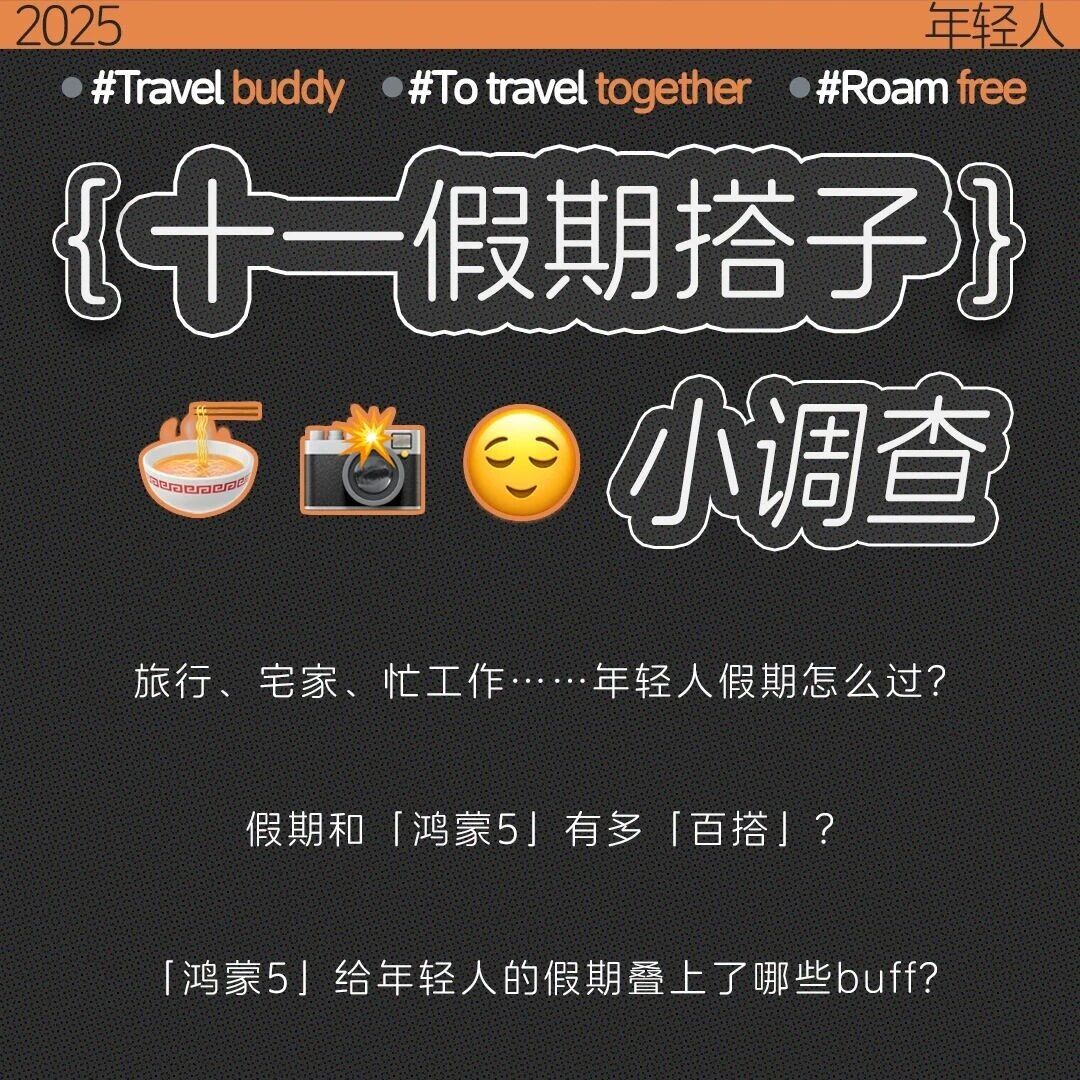
假期怎么可能和谁过都一样?丨年轻人十一「假期搭子」小调查
后浪研究所· 2025-09-16 09:25
Group 1 - The article discusses the upcoming long holiday period combining National Day and Mid-Autumn Festival, highlighting diverse plans among young people, including travel, staying at home, or working [2] - It emphasizes the unique lifestyle attitude of young individuals who prefer personalized experiences during holidays, particularly in their choice of companions or "搭子" [2] - The article mentions the adoption of the latest HarmonyOS 5 system by many internet-savvy users, suggesting a trend in technology usage among the youth [2] Group 2 - The article invites readers to participate in a survey regarding their holiday experiences and the use of technology, indicating an engagement strategy to gather insights from the audience [2]
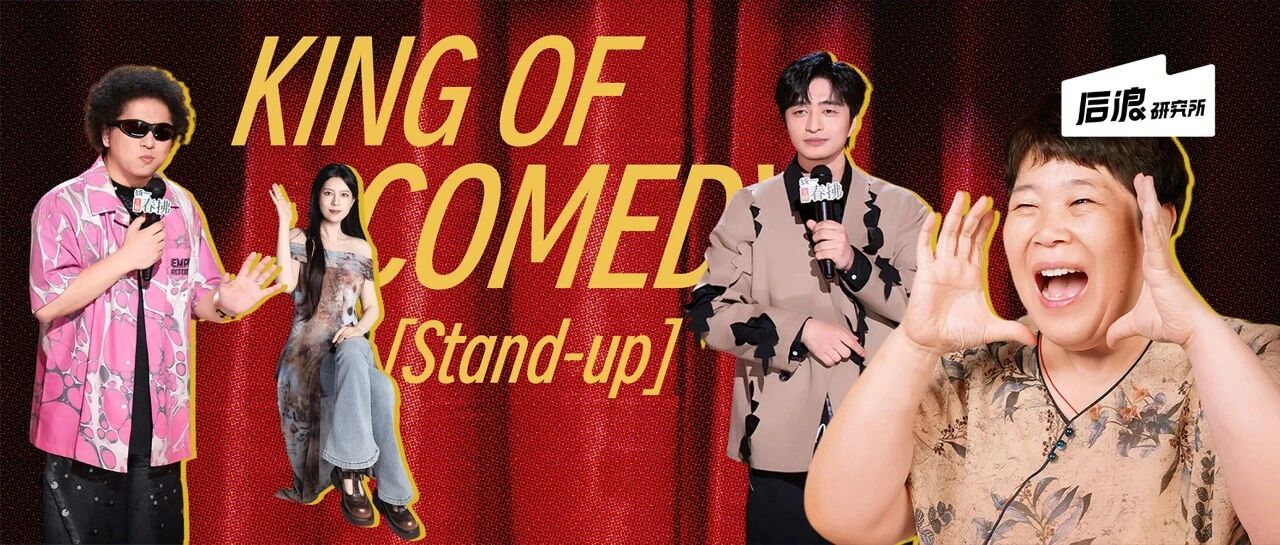
脱口秀演员「炸现场」,喜剧综艺「炸市场」
后浪研究所· 2025-09-13 05:29
Core Viewpoint - The article highlights the significant impact of the second season of "Comedy King Stand-Up Season" on the comedy industry, showcasing how it has transformed the perception of stand-up comedy and created a thriving market for it, particularly among younger audiences [5][19][60]. Group 1: Audience Engagement and Popularity - The show has become a weekend ritual for many young people, akin to traditional cultural practices, indicating its deep integration into social life [7]. - "Comedy King Stand-Up Season" has achieved high ratings, with an average score of 7.9 on Douban, outperforming similar shows [8]. - The second season has generated substantial online engagement, with over 61,000 posts on Xiaohongshu and 23.8 billion views on Weibo, demonstrating its popularity [11][13]. Group 2: Market Dynamics and Industry Growth - The rise of stand-up comedy has led to a significant increase in offline clubs, with a notable expansion into lower-tier cities, indicating a broader market penetration [17][19]. - The show has collaborated with over 35 comedy clubs across multiple cities and countries, enhancing its reach and influence [18]. - The stand-up comedy sector has seen a remarkable growth in ticket sales, with a 135% increase in box office revenue and a 54% rise in performance frequency [23][24]. Group 3: Brand Integration and Marketing Opportunities - The advertising revenue for "Comedy King Stand-Up Season" has doubled compared to the first season, reflecting its market appeal and the potential for brand partnerships [26]. - The second season has attracted a diverse range of sponsors, including both emerging and established brands, enhancing the program's commercial viability [28]. - The integration of brand marketing with comedy content has proven effective, with brands leveraging popular segments and humor to connect with audiences [51][52]. Group 4: Social Impact and Cultural Significance - The show serves as a platform for marginalized voices, allowing "small characters" to be seen and heard, thus contributing to social discourse [52][61]. - The emergence of new talent, particularly among younger performers, signifies a shift in the comedy landscape, making it more inclusive and representative [53][56]. - The program's ability to address real-life issues through humor fosters a deeper connection with audiences, transforming comedy into a medium for social commentary [60][61].
为什么越来越多的女生,恋爱前要交换体检报告?
后浪研究所· 2025-09-11 08:46
Core Viewpoint - The article discusses the increasing trend among young people to undergo health checks before entering a romantic relationship, emphasizing the importance of mutual health awareness and responsibility in relationships [2][8][12]. Group 1: Health Check Motivation - Many young individuals, particularly women, are initiating discussions about pre-relationship health checks, driven by a desire for safety and assurance regarding their partner's health status [9][13]. - Social media plays a significant role in promoting the idea of pre-relationship health checks, with various posts and discussions encouraging couples to consider this practice [9][10]. Group 2: Personal Experiences - The article shares personal stories of individuals like Old Wang and Xiao M, who both felt the need to undergo health checks before solidifying their romantic relationships, highlighting their motivations and the emotional significance of these checks [3][6][20]. - The experiences of couples during the health check process reveal differing perceptions and reactions, with some finding it a bonding experience while others face discomfort or embarrassment [21][24]. Group 3: Gender Dynamics - The article notes that women are more likely to propose health checks in heterosexual relationships, reflecting a greater awareness of health risks and a proactive approach to personal safety [14][15]. - The discussion includes insights from a sociologist, emphasizing the unequal health risks faced by women in sexual relationships and the cultural factors influencing these dynamics [14][19]. Group 4: Outcomes and Reflections - The completion of health checks often leads to a sense of reassurance and trust between partners, reinforcing their commitment to each other and their relationship [26][24]. - The article concludes with a call for mutual responsibility in relationships, suggesting that health checks can serve as a foundation for trust and safety in romantic partnerships [26][29].

社交倦怠的年轻人,遇见有「活人感」的AI
后浪研究所· 2025-09-10 11:57
Core Viewpoint - The article discusses how young people are increasingly turning to AI characters from TV shows as emotional companions, fulfilling their need for social interaction and emotional support in a time of social fatigue [3][8][36]. Group 1: Social Interaction and Emotional Needs - Young people are experiencing "social fatigue," leading to a heightened need for emotional support and companionship [3][4]. - The phrase "Have you chatted with your AI buddy today?" has become a new social cue among the youth, indicating their reliance on AI for emotional connection [4][6]. - AI characters are seen as ideal companions because they can engage in meaningful conversations, provide comfort, and even share in the user's daily experiences [6][8]. Group 2: AI Characters as Companions - AI characters from popular TV shows are increasingly viewed as essential "life buddies," allowing users to immerse themselves in fictional worlds while sharing their thoughts and feelings [8][29]. - Platforms like iQIYI's "Peach Bean World" offer interactive AI experiences where users can chat with characters from various popular series, enhancing the emotional connection [8][36]. - Users have reported feeling a sense of closure and emotional healing by interacting with AI versions of their favorite characters, as seen in the example of a user guiding an AI character to a better outcome in a storyline [10][12]. Group 3: User Engagement and Content Creation - The interaction with AI characters has evolved into a collaborative experience where users actively create narratives and scenarios, thus becoming co-creators of their emotional experiences [21][22]. - Features like "Sugar Water" allow users to generate unique storylines based on existing character arcs, fostering a sense of ownership and creativity [24][27]. - The community aspect of these platforms encourages users to share their experiences and strategies for interacting with AI characters, transforming individual experiences into collective knowledge [19][20]. Group 4: Emotional Resonance and Long-term Engagement - The article emphasizes that young users are seeking deeper emotional resonance and are willing to invest time in creating personalized interactions with AI characters [21][36]. - The concept of a "parallel universe" is introduced, where beloved characters continue to exist and evolve beyond their original narratives, maintaining user engagement over time [29][38]. - By allowing users to interact with and shape the narratives of their favorite characters, platforms are transforming one-time viewing experiences into ongoing emotional relationships [36][37].

不再低调的二次元,正在经营一种「痛系生活」
后浪研究所· 2025-09-09 12:46
Core Viewpoint - The article highlights the transformation of the "二次元" (2D) culture from a niche subculture to a mainstream phenomenon, particularly among the younger generation, with significant growth in participation and expression of interests in various aspects of life [2][26][61] Group 1: Cultural Shift - The younger generation, particularly those born after 2000, openly expresses their love for "二次元" culture, contrasting with older generations who were more reserved [4][12] - The term "痛文化" (pain culture) has emerged, where individuals showcase their interests prominently in daily life, leading to a surge in related content on platforms like Xiaohongshu [4][12] - The number of "二次元" interest groups on Xiaohongshu has reached 137 million, making it the third-largest content category on the platform, with a 175% increase in content publication within a year [4][43] Group 2: Social and Community Engagement - The concept of "我推" (my push) signifies deep emotional connections to favorite characters, with over 200,000 users sharing their "推活日常" (pushing daily life) experiences on Xiaohongshu [9][12] - The rise of "2.5次元" culture reflects the blending of virtual and real-life experiences, with young people creating themed events and gatherings to celebrate their interests [6][25] - The trend of "祖孙cos" (grandparent-grandchild cosplay) showcases intergenerational connections through "二次元" culture, indicating its broad appeal across age groups [30][32] Group 3: Economic and Market Growth - The "二次元" user base in China is projected to reach 503 million by 2024, indicating a substantial market opportunity [12] - The growth of offline events, such as themed cafes and exhibitions, has been significant, with cities like Shanghai hosting numerous "二次元" events and pop-ups [43][57] - The emergence of new consumption patterns, including themed merchandise and experiences, reflects the integration of "二次元" culture into everyday life [43][61] Group 4: Creative Expression and Content Creation - The number of "同人创作" (fan creations) on Xiaohongshu has surpassed 24 million, with a 220% increase in publication, indicating a shift towards user-generated content [39][41] - The accessibility of content creation has lowered barriers, allowing more fans to engage in creative activities, from fan art to storytelling [41][42] - The community's engagement in sharing and supporting niche interests fosters a vibrant ecosystem where even lesser-known works can gain visibility [44][49]
「职场好学生」消亡史:年轻人经历过的31种「原生公司创伤」
后浪研究所· 2025-09-04 07:12
Core Viewpoint - The article discusses the concept of "original company trauma," highlighting the negative experiences young professionals often face in their first jobs, which can lead to long-lasting psychological impacts [5]. Group 1: Experiences of Original Company Trauma - Many young professionals enter their first jobs with unrealistic expectations, leading to confusion and potential psychological harm due to the stark differences between academic and corporate environments [5]. - Numerous stories shared by individuals illustrate various forms of trauma, such as excessive criticism, lack of support, and toxic work cultures that contribute to feelings of inadequacy and anxiety [7][9][11][15][17][19][21][23][33]. - The prevalence of toxic management practices, including manipulation and emotional abuse (PUA), is a common theme in these narratives, indicating a systemic issue within certain corporate cultures [11][15][41]. Group 2: Cultural and Structural Issues in Companies - The article highlights the detrimental effects of a culture that prioritizes overwork, such as the expectation to work long hours without regard for personal well-being, which can lead to burnout and mental health issues [17][21][22][41]. - There are accounts of companies implementing punitive measures for absenteeism, which can create a fear-based environment that discourages employees from taking necessary breaks or sick leave [17][19]. - The narratives also reflect a lack of accountability and support within organizations, where employees feel they are blamed for failures without constructive feedback or solutions [15][19][23]. Group 3: Positive Experiences and Reflections - Some individuals report positive experiences in their first jobs, emphasizing supportive environments that foster growth and healthy work relationships, contrasting sharply with the negative experiences shared by others [42][43][45]. - These positive accounts suggest that not all companies contribute to original company trauma, and that a nurturing workplace can significantly influence an employee's career trajectory and mental health [42][43][45].