后浪研究所

Search documents
卖价过万的「大头娃娃」,成了「痛系」年轻人的新型奢侈品
后浪研究所· 2025-10-14 06:36
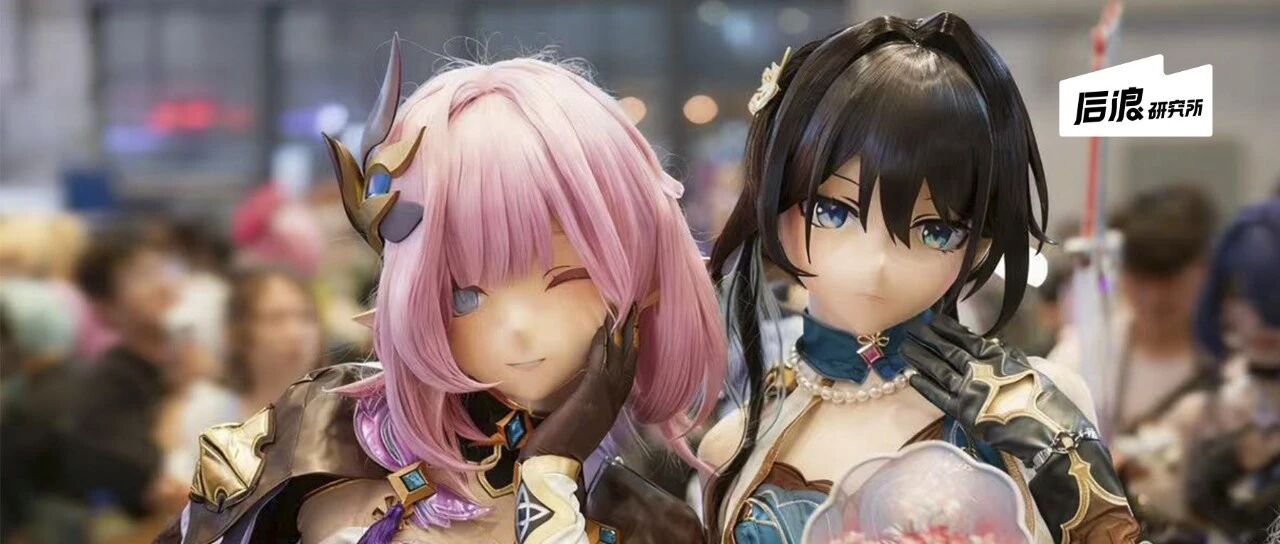
Core Viewpoint - The article discusses the emerging trend of "kigurumi" or "kig" culture among young people, where individuals transform themselves into life-sized dolls using oversized heads and costumes, creating a unique blend of 2D and 3D aesthetics [3][4][36]. Group 1: Kigurumi Culture - Kigurumi players, known as "kig players," wear custom-made heads and costumes to embody their favorite 2D characters, allowing them to express their fandom in a tangible way [3][4]. - The kigurumi culture is distinct from traditional cosplay, as it focuses on hiding the player's identity and presenting a pure representation of the character [3][4]. - The market for kigurumi products is growing, with prices for custom heads averaging around 3000 RMB, and some high-end options exceeding 6000 RMB [4][9]. Group 2: Market Dynamics - The kigurumi market is becoming increasingly competitive, with new entrants like KIGLAND offering lower-priced options, such as a head for 998 RMB, which has raised concerns about quality among consumers [11][37]. - The demand for kigurumi products is expanding, with the number of participants in the culture increasing significantly, as evidenced by the growing number of players at events [37][39]. - The overall size of the broader ACG (Anime, Comic, Game) market in China has grown from 212 million users in 2017 to an expected 503 million by 2024, indicating a shift towards more open expressions of fandom [13]. Group 3: Entrepreneurial Ventures - KIGLAND, founded by a young entrepreneur, has quickly gained traction in the kigurumi market, securing seed funding within a year of its establishment [4][12]. - The founder, who has a diverse background in sports and technology, aims to standardize production processes to meet the growing demand for kigurumi products [17][20]. - The company is investing in technology, including AI models, to streamline the customization process and improve the quality of their products [30][31]. Group 4: Production Challenges - Many kigurumi head manufacturers operate as small workshops, struggling with production capacity and long lead times, which can range from three months to over a year [16]. - The founder of KIGLAND is addressing these challenges by learning 3D modeling and establishing a more efficient production process, which has allowed them to reduce costs significantly [18][22]. - The company has also hired skilled professionals to enhance the quality of wigs and other components, moving away from the traditional reliance on hobbyists [25][26].

靠定制短剧火出圈,毛铺草本酒凭什么圈粉年轻人?
后浪研究所· 2025-10-13 03:03
Core Viewpoint - The article discusses the success of the custom short drama "I Looked Up to My Father in the 90s," which promotes the concept of enjoying health-conscious drinking through the lens of family relationships and personal growth, particularly targeting the younger generation's evolving drinking culture [4][9][13]. Group 1: Short Drama and Its Impact - The short drama has gained popularity on various platforms, resonating with young audiences who relate to the themes of family and personal struggles [4][8]. - The narrative follows the protagonist, who learns that every life has its challenges, and true happiness is not absolute but found in shared experiences, particularly over drinks with family [4][12]. - The integration of the product, Mao Pu Herbal Liquor, into the storyline is seamless, enhancing brand recognition while aligning with the emotional themes of the drama [10][12]. Group 2: Marketing Strategy - Mao Pu Herbal Liquor's approach to content marketing through this short drama represents a new strategy that combines traditional brand storytelling with modern entertainment formats [9][10]. - The short drama format, characterized by its quick pacing and emotional highs and lows, appeals to younger viewers seeking quick entertainment and emotional connection [9][10]. - The product's features, such as its herbal ingredients and lighter drinking experience, are effectively highlighted within the narrative, reinforcing the brand's health-conscious message [10][17]. Group 3: Changing Drinking Culture - Recent trends indicate a shift in the drinking habits of younger generations, with 31.8% of young people now accepting and enjoying white liquor, reflecting a growing acceptance of traditional spirits [14][18]. - Young consumers are increasingly enjoying alcohol in relaxed settings, such as at home with friends, rather than in bars or nightclubs, indicating a transformation in social drinking culture [18]. - Mao Pu Herbal Liquor has adapted to these trends by offering a unique herbal blend that enhances the drinking experience, making it more appealing to younger audiences [15][17].

假期怎么可能和谁过都一样?丨2025年轻人十一假期「赛博搭子」报告
后浪研究所· 2025-10-11 08:39
Core Viewpoint - The article highlights how Huawei's HarmonyOS 5 has become an essential tool for young people during their holidays, enhancing their travel and leisure experiences through various applications and services [3][63]. Group 1: Holiday Activities - During the National Day and Mid-Autumn Festival holiday, many young people chose to travel, while 50% also spent time at home, with 21.1% dedicating time to study [11][12]. - Different industries showed varied holiday preferences: the education sector favored international travel, while finance professionals were more likely to work during the holiday [13]. - Nearly 50% of respondents used Huawei themes to set festive wallpapers, and 40% created holiday wish lists [14][15]. Group 2: Travel Preferences - Among young travelers, 67.3% preferred city tours, followed by 53.4% for scenic tours and 46.2% for cultural tours [20]. - 70% of young people utilized the AI assistant "Xiao Yi" for travel planning, with 60% frequently consulting it for local knowledge and recommendations [21][22]. - The article notes that 50% of respondents had international travel experience, with 5.8% planning future trips [28]. Group 3: Overcoming Travel Barriers - Common barriers to international travel included language barriers (76.9%) and difficulty understanding maps (65.4%) [30]. - Huawei's "Tianji Tong" service helped 69.2% of respondents overcome internet connectivity issues abroad [30]. Group 4: Home Activities - During the holiday at home, 88.5% of young people prioritized sleep, while 78.9% watched shows and movies [41]. - Different professions showed distinct preferences for home activities, with finance professionals favoring video streaming and internet workers exploring new apps [43][44]. Group 5: Work and Study - One-third of young people continued to work or study during the holiday, with many using HarmonyOS 5 to enhance productivity [49]. - The AI assistant "Xiao Yi" was utilized by 70% of working respondents for task management and reminders [53]. Group 6: Future Prospects - Huawei is promoting the HarmonyOS developer incentive program to encourage the development of applications, games, and services, aiming to expand the Harmony ecosystem [64].

第一批回县城开球馆的羽球人,卷疯了
后浪研究所· 2025-10-10 08:28
Core Viewpoint - The article discusses the rapid growth of badminton courts in county towns, highlighting a shift from scarcity to abundance in options for badminton enthusiasts, driven by lower costs and increased demand for recreational activities [2][4][12]. Summary by Sections Growth of Badminton Courts - In a short span, five new badminton courts opened in a small county, providing a total of 46 courts, contrasting with the previous limited options available [3][6]. - The cost of playing badminton in the county is significantly lower than in major cities, with prices as low as 10 yuan for casual play and 20 yuan for court rental, compared to 100-200 yuan in Beijing [3][4]. Factors Driving Demand - The increase in badminton popularity is attributed to various factors, including educational requirements for physical fitness and the influence of social media [7][14]. - Young entrepreneurs are capitalizing on this trend, with many returning to their hometowns to open badminton facilities, seeing it as a lucrative business opportunity [10][11]. Market Dynamics - The article notes a shift in entrepreneurial focus from coffee shops to badminton courts, as the latter has become a more appealing business model due to rising interest [7][12]. - Entrepreneurs are leveraging lower costs in county towns to establish badminton courts, often repurposing existing facilities to meet demand [13][14]. Challenges and Competition - Despite the initial success, the article highlights challenges in sustaining profitability due to low court fees and competition from newly opened facilities [23][25]. - Many court owners face difficulties in attracting consistent customer traffic, especially during off-peak times, leading to financial strain [26][27]. Differentiation Strategies - To survive in a competitive market, court owners are exploring differentiation strategies, such as unique court designs and community engagement [31][32]. - The article emphasizes the importance of creating a welcoming atmosphere and building relationships with customers to foster loyalty [33][36]. Future Outlook - The article concludes that while the current surge in badminton courts may seem promising, the long-term viability of these businesses will depend on their ability to adapt to local market conditions and customer preferences [37].

只要不在工位,去哪都行!你有过「旅游饥渴症」吗?
后浪研究所· 2025-09-30 07:03
Group 1 - The article highlights the trend of young people prioritizing travel and experiences over traditional work commitments, indicating a shift in lifestyle preferences [3] - It emphasizes the importance of understanding the travel aspirations of the younger generation, suggesting that companies should adapt their offerings to meet these desires [3] - The call to participate in the "2025 Young People's Travel Trends" survey reflects a growing interest in gathering data on travel preferences and behaviors among young individuals [3]

Solotrip,治好了年轻人的旅行内耗
后浪研究所· 2025-09-30 07:03
只要愿意,你随时可以上路。 撰文| 锅包柚 封面图源| Unsplash 先是节奏,完全自己拿捏。 一人出行,意味着彻底告别了"导游"的身份,再也不用出发前就纠结"同伴能吃啥""同伴想去哪",主打一个随心所欲。 你可以特种兵出行,在周五下班后 赶最近的飞机,坐着红眼航班抵达目的地,开始两天一夜的"微信步数破万挑战赛";也可以摆烂式出游,只定城市不定行程,在路上才决定去哪个景点,到 景点才定好附近的酒店,主打一个开盲盒般的体验;当然,也可以选择白人式度假,找个舒服又惬意的酒店,最好有泳池有躺椅,想躺就躲在酒店里一天不 出门,想逛就在酒店附近溜达,睡到自然醒,景点随机选…… 图源unsplash 还有地点,也凭喜好解锁。 在社交媒体上搜索Solotrip,能看到年轻人已经把Solotrip的脚印拓到了地图的每个角落,从新疆、甘南这些热门旅行大环线,到福州、泉州、大同这些历 史宿命感拉满的古城,再到普洱、乐山这些慢节奏的烟火气小城, 就没有他们不能一个人去的地方,只有还没出发的年轻人。 "我的旅行我做主" 年轻人总能搞出旅行新花样。 继特种兵旅行、拼团游、窝囊游后,年轻人中又开始流行一种旅游新趋势——Solotri ...

披上「兽装」的年轻人,享受不露脸的社交
后浪研究所· 2025-09-24 07:41
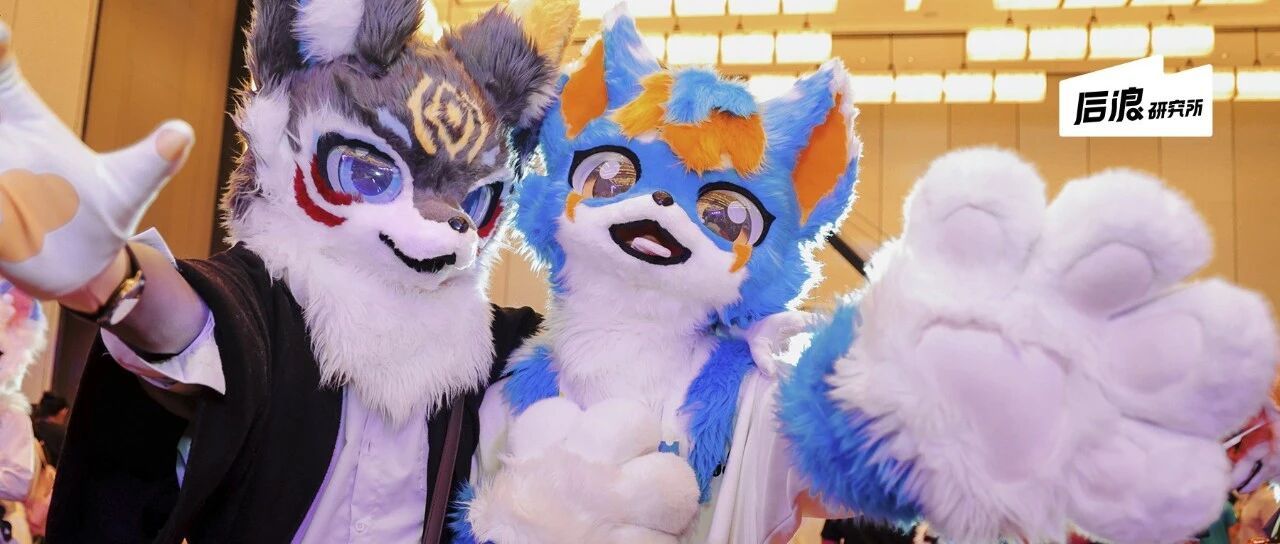
Core Viewpoint - The article discusses the rise of the furry community in China, particularly among younger generations, highlighting its transformation from a niche subculture to a mainstream social activity that fosters connections and self-expression [3][6][34]. Group 1: Furry Culture and Community - The furry community, originally a niche culture, has evolved into a safe social tool for young people, allowing them to engage in social activities without revealing their identities [6][10]. - The second large furry convention in Beijing, "万萬 吉," attracted a significant number of participants, primarily teenagers and their parents, indicating a shift towards family-friendly events [3][10]. - The popularity of furry conventions has surged since the end of the pandemic, with numerous new events scheduled across various cities in China, reflecting a growing interest in this subculture [8][34]. Group 2: Economic Aspects and Accessibility - Historically, the furry community was perceived as expensive due to the custom nature of furry costumes, which could cost thousands of yuan, creating a high entry barrier [14][20]. - Recent trends show a decrease in costume prices and an increase in the availability of affordable options, making it easier for newcomers to join the community [20][22]. - The furry community is expanding its definition, now including various forms of media and merchandise, allowing more people to identify as part of the furry culture without necessarily owning a costume [22][24]. Group 3: Social Dynamics and Personal Expression - The furry community serves as a platform for social interaction, where individuals can express themselves through their furry personas, often leading to deeper connections and friendships [27][29]. - Participants often feel a sense of safety and freedom when wearing furry costumes, allowing them to explore different aspects of their identities [29][31]. - Events are designed to encourage socialization beyond the costumes, helping participants to find their true selves and build confidence in social settings [33][34].
比恋人更长久的关系,是「职场发小」|后浪告解室
后浪研究所· 2025-09-23 09:09
这里是"后浪告解室"栏目,没有神父,却为你保留一个安静的"告解座位"。 征集年轻人的心里话,袒露内心深处的向往。真诚的表达本身就充满力量。 这是"后浪告解室"的第5期,让我们一起来聊聊"职场发小"。 职场发小,也叫初代同事 ,是指年轻人毕业后初入职场时,在同一家公司、同一批入职或者共事的同事。也许是因为年龄相 仿、经历相似,他们在职场上相互陪伴、共同成长的过程中建立起深厚的友谊。 在许多人心里, 职场发小和学生时代的友谊一样珍贵,是职场上永远的白月光。 他们曾相互陪伴熬过最不知所措的阶段,见证了彼此从"职场小白",成长为独当一面的"大人";也曾共同经历过无数次加班、 无数个方案修改、甚至怀疑自我的艰难时刻;更能在混杂的职场里,放心把后背交给对方,在互相托举中成长。 这次,"后浪研究所"发起了一项有关"职场发小"的征集。他们和职场发小的故事,从尘封的记忆里的缓缓展开,在这个秋高气 爽的季节里,给我们带来了最温暖的回忆。 01 我们是在2023年冬天认识,在秋招面试的候场房间里。一共4个候场室一百多人, 她是倒数第二个去面试的,我是倒数第一 个,她去面试的时候我还给她加油。 没想到第二年七月份报道的时候,我们再次 ...

假期怎么可能和谁过都一样?丨年轻人十一「假期搭子」小调查
后浪研究所· 2025-09-19 10:36
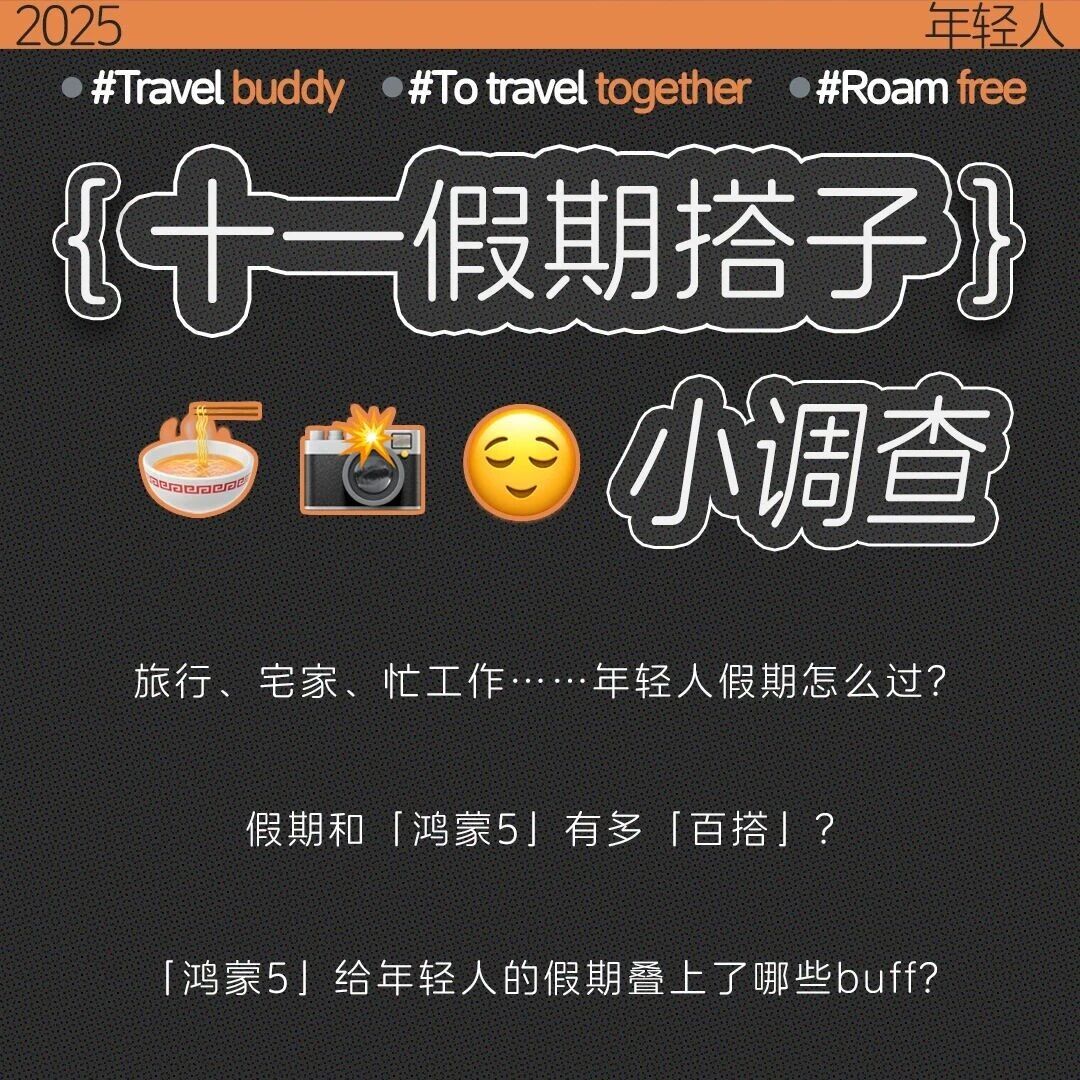
Group 1 - The article discusses the upcoming long holiday period combining National Day and Mid-Autumn Festival, highlighting diverse plans among young people, including travel, staying at home, or working [2] - It emphasizes the attitude of young individuals who prefer unique experiences during holidays, indicating a trend towards personalized leisure activities [2] - The mention of the latest HarmonyOS 5 system suggests a technological upgrade among internet-savvy users, reflecting the integration of technology in leisure planning [2] Group 2 - The article invites readers to participate in a survey regarding their holiday experiences, indicating an engagement strategy to gather insights on consumer behavior [2]
囚鲸之死:一名女驯鲸师的觉醒
后浪研究所· 2025-09-19 10:36
Core Viewpoint - The article discusses the transformation of a former whale trainer, Shao Ran, into an advocate for marine animal rights, highlighting the ethical implications of animal captivity and performance in marine parks [4][5][8][30]. Group 1: Background and Transformation - Shao Ran's career as a whale trainer began at the age of 25, where she initially found joy in her work, believing it to be a fulfilling profession [9][10]. - A near-death experience with a beluga whale named Sophie prompted Shao Ran to reevaluate her role and the treatment of marine animals in captivity [4][21]. - The death of a dolphin she trained, named Huahua, who committed suicide after being neglected, further deepened her awareness of the emotional and psychological suffering of these animals [20][30]. Group 2: Ethical Concerns and Advocacy - Shao Ran's awakening led her to establish the "Ran Ai Tong Sheng" nature protection community in 2016, advocating against animal performances and promoting awareness of animal rights [8][27]. - She emphasizes the cruel conditions under which marine animals are kept, including the physical and psychological toll of constant performances and training [19][30]. - The article highlights the legislative changes in various regions that have begun to prohibit the captivity and performance of marine mammals, indicating a shift in societal attitudes towards animal rights [24][30]. Group 3: Personal Reflections and Future Actions - Following Sophie's death, Shao Ran reflects on her past actions and the impact of her work, feeling a sense of despair for not being able to save the animals she cared for [30][35]. - She has transitioned to a more direct and passionate approach in her advocacy, aiming to awaken empathy and compassion in others regarding animal welfare [31][35]. - Shao Ran's journey has also led her to adopt a vegan lifestyle, advocating for animal welfare in all aspects of life, including food choices [35].