国家能源局

Search documents
专家解读丨系统谋划赋能,推动能源领域人工智能与行业深度融合发展
国家能源局· 2025-09-19 09:46
Core Viewpoint - The article emphasizes the urgent need for the integration of artificial intelligence (AI) in the energy sector, highlighting its role as a key technological engine for building a new energy system and driving industry innovation [3][4]. Group 1: Necessity for Breakthrough - AI is recognized as a strategic force leading a new wave of technological revolution and industrial transformation, significantly impacting energy production and consumption [3]. - Current AI applications in the energy sector are fragmented, leading to resource redundancy and systemic barriers, which hinder long-term development [3][4]. Group 2: Development Goals - The "Implementation Opinions" set two key development targets for 2027 and 2030, focusing on foundational work and establishing benchmarks in the initial phase, followed by comprehensive empowerment and ecosystem construction in the later phase [4]. - The 2027 goal aims to establish industry-level professional large models and typical scenario exploration, while the 2030 goal seeks to achieve world-leading levels in AI technology within the energy sector [4]. Group 3: Implementation Pathways - The article outlines a systematic approach to enhance the quality and efficiency of AI in the energy sector, focusing on key technological breakthroughs, widespread application of industry-level large models, and deep empowerment of high-value scenarios [5][6]. - Key technical directions include solidifying data foundations, enhancing computational power, and improving model capabilities to address common challenges in the energy sector [7]. Group 4: Deep Application of AI - The "Implementation Opinions" propose focusing on high-value application scenarios in areas such as power grids, new energy, and traditional energy sources, aiming to enhance AI's role in energy supply-demand balance and safety monitoring [9]. - The goal is to create an intelligent closed-loop system for perception, analysis, decision-making, and execution, driving energy security and green transformation [9]. Group 5: Innovation Ecosystem - The article stresses the importance of building an open and collaborative industrial ecosystem to support systemic changes in the energy sector [10]. - It highlights the need for pilot demonstrations to stimulate innovation, establish standard norms for orderly development, and strengthen collaborative innovation mechanisms [11][13][14].


国家能源局发布2025年8月全国可再生能源绿色电力证书核发及交易数据
国家能源局· 2025-09-19 09:46
Green Certificate Issuance - In August 2025, the National Energy Administration issued 271 million green certificates, covering 306,500 renewable energy generation projects, with 152 million being tradable green certificates, accounting for 55.99% [2] - For the period from January to August 2025, a total of 1.878 billion green certificates were issued, of which 1.277 billion were tradable [2] - The breakdown of green certificate issuance in August 2025 by renewable energy type includes: Wind Power (6,494), Solar Power (7,327), Conventional Hydropower (11,767), Biomass Power (1,328), and Other Renewable Energy (228) [3] Green Certificate Trading - In August 2025, a total of 48.38 million green certificates were traded nationwide, with 17.63 million being green electricity trading certificates [4] - From January to August 2025, a total of 464 million green certificates were traded, including 158 million green electricity trading certificates [4] - The average trading price for green certificates in August 2025 was 5.66 yuan per certificate, reflecting a month-on-month increase of 22.77% [6] Trading Price Overview - The trading price for green certificates has varied by production year, with 2025 showing an average price of 8.10 yuan per certificate, a month-on-month increase of 17.83% [8] - The average trading price for all certificates in August 2025 was 5.66 yuan, with a significant increase of 22.77% compared to the previous month [8]

专家解读丨机制优化与规范运营双轮驱动 电力市场建设再上新台阶
国家能源局· 2025-09-19 06:15
Group 1 - The core viewpoint of the article emphasizes the importance of optimizing the electricity market system in China, particularly through the implementation of the "Guidelines" issued by the National Development and Reform Commission and the National Energy Administration [2][3] - The article highlights the significant achievements in electricity market construction since the pilot of the electricity spot market began in 2017, noting that while progress has been made, there is still a gap to mature market standards [2][3] - The "Guidelines" aim to enhance the operational management level of the electricity market and provide a reference for regions that have not yet achieved continuous operation of the electricity spot market [2][3] Group 2 - The "Guidelines" propose strengthening the connection between long-term and spot market trading mechanisms to address the issue of price discrepancies that create arbitrage opportunities, thereby promoting fair trading [3][4] - The article discusses the need to improve the integration of energy and ancillary service market trading mechanisms, as the demand for ancillary services has rapidly increased in the new power system [4][5] - It emphasizes the importance of connecting wholesale and retail markets to ensure transparent pricing and effective transmission of market prices to end users [4][5] Group 3 - The article outlines the necessity of aligning the electricity market with the construction of a new power system, focusing on optimizing market mechanisms for renewable energy integration and establishing reliable capacity compensation mechanisms [5][6] - It stresses the importance of not only building a robust market but also ensuring effective management of market operations, including standardizing operational processes and enhancing technical support capabilities [6][7] - The "Guidelines" call for the regulation of market interventions to maintain order and competition, while also advocating for innovative regulatory approaches to improve market oversight [7][8]

专家解读丨持续健全电力市场体系 助力全国统一电力市场建设
国家能源局· 2025-09-19 06:15
Core Viewpoint - The article emphasizes the importance of advancing the construction of a unified national electricity market, with specific guidelines for accelerating the development of the electricity spot market by the end of 2025 [2][3]. Group 1: Optimization of Spot Market Trading Mechanism - The share of market-based trading of renewable energy has increased, reaching 52.3% in 2024, with a push for all renewable projects to enter the electricity market [3]. - The guidelines support local exploration of mechanisms for the full market participation of renewable energy, focusing on optimizing the clearing mechanism to reflect supply-demand relationships and cost adjustments [3]. - The guidelines also stress the importance of load forecasting and renewable power forecasting to ensure the safe and stable operation of the electricity system [3]. Group 2: Improvement of Medium- and Long-term Market Trading Mechanism - The medium- and long-term market is crucial for the stability and sustainability of the electricity market, with most provinces having normalized trading by the end of 2024 [5]. - Specific requirements are set for trading organization, contract duration, and pricing limits to enhance management and better connect with the spot market [5][6]. - The guidelines propose a dynamic adjustment mechanism for contract signing ratios to stabilize investment expectations while meeting green electricity consumption demands [5]. Group 3: Auxiliary Service Market System - The auxiliary service market is evolving to meet the increasing complexity of electricity system operations, with a need for diverse and refined service offerings [8]. - The guidelines suggest expanding the types of auxiliary services and establishing market mechanisms to convert system adjustment demands into price signals [8][9]. - Encouraging various entities, including new business models, to participate in the auxiliary service market is aimed at enhancing system flexibility and operational efficiency [9]. Group 4: Capacity Compensation Mechanism - Recent policies have explored compensation mechanisms for pumped storage and coal power, ensuring reasonable returns while reflecting their flexible adjustment value [10]. - The guidelines propose establishing a capacity assessment mechanism to evaluate the contribution of various power sources to system capacity, leading to a market-oriented capacity compensation mechanism [11]. Group 5: Retail Market Development - The retail market has seen steady growth, with an annual increase of approximately 14.9% in trading volume from 2021 to 2024 [12]. - The guidelines recommend building online retail trading platforms and enhancing market transparency to improve competition and reduce transaction costs [12]. - Encouraging innovative retail packages, including green electricity options, aims to support the transition to a low-carbon economy [12]. Group 6: Market Regulation and Management - The guidelines emphasize the need for a closed-loop management system to enhance market regulation, operational efficiency, and fairness [13]. - Establishing monitoring and intervention mechanisms is crucial for preventing market power abuse and reducing price distortions [13]. - The implementation of these guidelines is expected to support the continuous operation of the electricity market and contribute to the construction of a unified national electricity market [13].

“十四五”能源成就企业谈丨深入贯彻能源安全新战略 为推进中国式现代化贡献力量
国家能源局· 2025-09-19 01:58
Core Viewpoint - The article emphasizes the achievements and strategic initiatives of the Southern Power Grid Company during the "14th Five-Year Plan" period, highlighting its commitment to energy security and modernization in China [2][3]. Group 1: Achievements and Developments - The Southern Power Grid Company has built the world's most advanced power grid, ensuring reliable power supply in the Guangdong-Hong Kong-Macao Greater Bay Area, and has led the global ultra-high voltage sector into a new era [3][4]. - The company has constructed 19 major power transmission corridors, delivering over 30 trillion kilowatt-hours of electricity, with the highest load reaching 256 million kilowatts during the "14th Five-Year Plan" [5]. - Customer average outage time has decreased by over 60%, and the reliability of rural power supply has improved to 99.9% [5]. Group 2: Economic Impact - The company plans to complete fixed asset investments of 740 billion yuan during the "14th Five-Year Plan," contributing to economic recovery and growth [6]. - By 2024, the total electricity consumption in Guangdong, Guangxi, Yunnan, Guizhou, and Hainan is expected to reach 1.7 trillion kilowatt-hours, an increase of over 30% compared to 2020 [6]. Group 3: Reform and Innovation - The Southern Power Grid Company has initiated continuous settlement trials in the southern regional electricity market, marking a significant step towards a unified national electricity market [9]. - The company has achieved breakthroughs in key technologies, including the world's first megawatt-level floating wave energy generation device and the successful development of China's first power control chip [10]. Group 4: Strategic Transformation - The company is transitioning into a digital grid operator, integrating energy industry value chains, and enhancing its core functions [12][13]. - It has established a comprehensive modern power service system, achieving full coverage of charging stations in towns and villages, and has become a leader in the electric vehicle charging industry [15]. Group 5: Brand and Cultural Development - The Southern Power Grid Company has significantly improved its brand recognition, ranking among the top 200 in the "World's 500 Most Valuable Brands" [20]. - The company has established a culture of knowledge and action, benefiting over 420,000 rural students through its educational initiatives [20].
经济日报丨“AI+能源”大势所趋影响深远
国家能源局· 2025-09-18 12:00
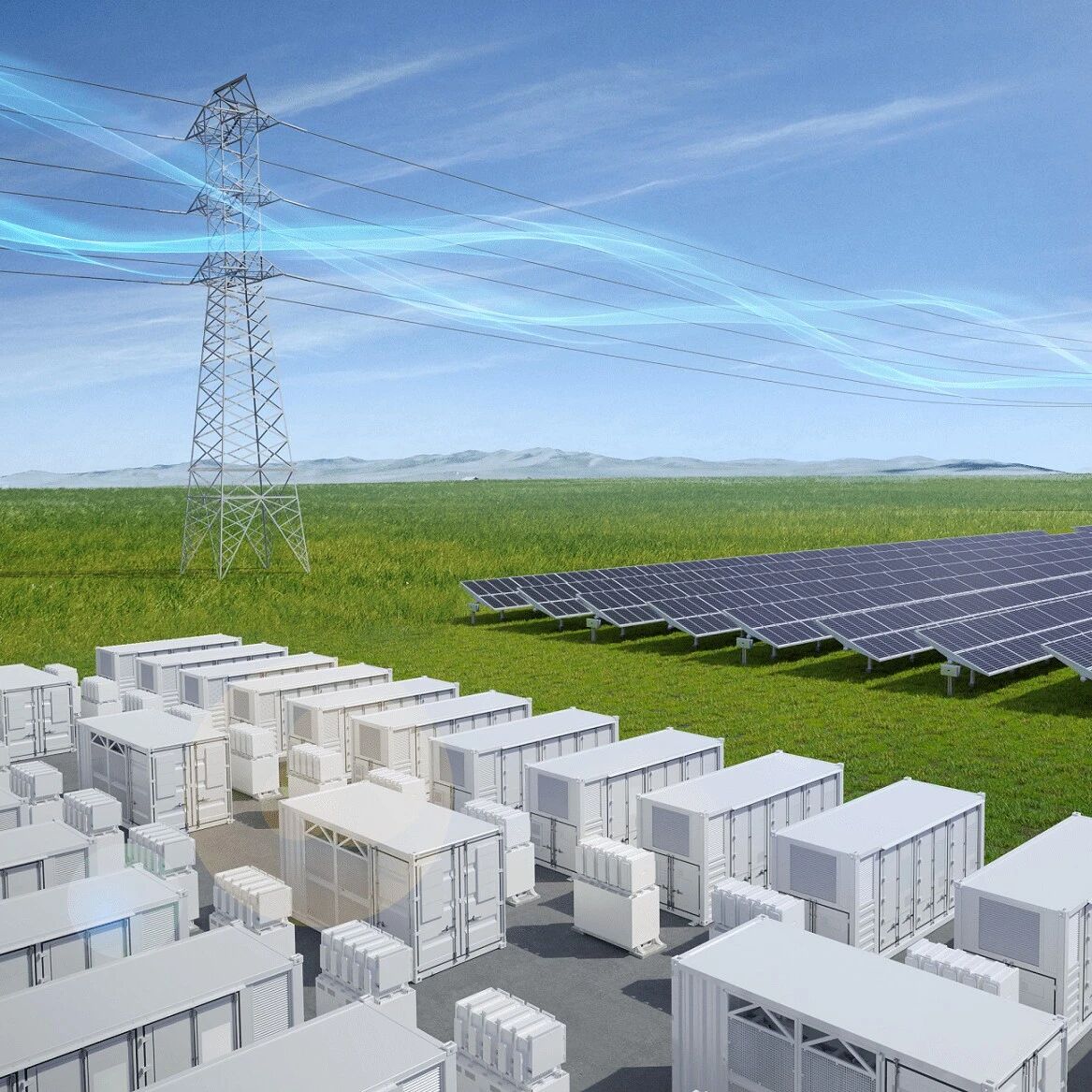
清晨,内蒙古的风电场里,人工智能算法已精准预测出未来一段时间的风速与发电量;千里之外的华东智能电网,正实时 平衡着海量用电需求与分布式能源的供电波动;在深海油气平台,AI驱动的监测系统持续排查设备隐患,确保开采作业安 全稳定……这幅由人工智能深度赋能的能源图景,正从蓝图加速走向现实。 近日,国家发展改革委、国家能源局联合印发《关于推进"人工智能+"能源高质量发展的实施意见》(以下简称《实施意 见》),为能源与AI的深度融合划定了科学路径。新政标志着我国能源行业正迈入一场系统性、革命性变革——以AI为核 心驱动力,重塑能源生产、传输、消费全链条,为构筑高质量能源供给体系与高水平能源安全屏障奠定坚实基础。 《实施意见》为我们绘制了一幅清晰的路线图:到2027年,能源与人工智能融合创新体系初步构建,算力与电力协同发展 根基不断夯实,人工智能赋能能源核心技术取得显著突破。届时,5个以上专业大模型将在电网、发电、煤炭、油气等行业 深度应用,探索出百个典型应用场景赋能路径。这一切,将为我国能源领域智能化发展奠定坚实基础,让智能化成效初 显。 展望2030年,能源领域人工智能专用技术与应用总体将达到世界领先水平。到那时,我 ...
新华社丨我国电动汽车充电基础设施总数达1734.8万个
国家能源局· 2025-09-18 12:00
Core Insights - The total number of electric vehicle charging infrastructure (charging guns) in China reached 17.348 million by the end of August, marking a year-on-year growth of 53.5% [2] Summary by Categories Public Charging Facilities - The number of public charging facilities (charging guns) reached 4.316 million, with a year-on-year increase of 37.8% [2] - The total rated power of public charging piles reached 196 million kilowatts, with an average power of approximately 45.48 kilowatts [2] Private Charging Facilities - The number of private charging facilities (charging guns) reached 13.032 million, showing a year-on-year growth of 59.6% [2] - The installed electricity capacity for private charging facilities reached 115 million kilovolt-amperes [2]

“十四五”能源成就企业谈丨以电网高质量发展新成效为中国式现代化蓄力赋能
国家能源局· 2025-09-18 09:58
Core Viewpoint - The article highlights the achievements of the State Grid Corporation during the "14th Five-Year Plan" period, emphasizing its role in high-quality development and its contributions to China's modernization efforts through advancements in power grid infrastructure and technology [2][12]. Group 1: Infrastructure Development - The coverage rate of the large power grid has significantly improved, with the installed capacity of wind and solar power ranking first in the world, and the scale of ultra-high voltage transmission networks being the largest globally [2][3]. - The cross-provincial and cross-regional transmission capacity has increased by 30% compared to the end of the "13th Five-Year Plan," with a maximum power transmission capacity exceeding 225 million kilowatts, equivalent to the capacity of 10 Three Gorges power stations [3][4]. Group 2: Market Transactions and Reliability - In the first half of the year, the market-oriented electricity trading volume reached 24,550 billion kilowatt-hours, accounting for 75.3% of the total trading volume, indicating a robust development of cross-provincial electricity trading [4]. - By the end of June 2025, the comprehensive power supply reliability rate is expected to reach 99.950%, an increase of 0.089 percentage points from the end of the "13th Five-Year Plan" [5]. Group 3: Renewable Energy Integration - The installed capacity of wind and solar power connected to the grid has tripled to 1.34 billion kilowatts compared to 450 million kilowatts at the end of the "13th Five-Year Plan," making renewable energy the largest power source in the operating area [7][8]. - The State Grid has successfully tackled challenges related to integrating a high proportion of renewable energy into the grid, establishing a large-scale renewable energy grid operation control system [7][10]. Group 4: Technological Innovation - Research and development investment has increased by 21% compared to the "13th Five-Year Plan," with significant technological advancements including the world's first controllable converter technology and the development of ultra-high voltage direct current control protection equipment [9][10]. - The "Light Power Big Model," an AI-driven decision-making tool, has improved operational efficiency, reducing decision-making time from 30 minutes to one minute [11][12]. Group 5: Future Outlook - Looking ahead to the "15th Five-Year Plan," the State Grid aims to continue supporting high-quality development in the energy sector, focusing on the construction of the power grid and the integration of renewable energy [12].
专家解读丨《指引》为省级电力市场优化提供系统性指导
国家能源局· 2025-09-18 06:26
《 指引 》 站在顶层设计视角,为加快建设全国统一电力市场体系,构建主体多元、竞争充分、功能完备的电力市场,提 供了优化电力市场设计的导向 ,如要真正发挥作用,还需要严把以下重点关: 一是 指引 立框架, 地方抓落实 。 《 指引 》 明确了电力市场的发展方向,同时为地方保留了充分的自主空间。因此, 地方在推进现货市场建设时,应立足自身特点,按照 《 指引 》 提出的改革方向持续完善市场机制,确保核心框架与关键 要素落实到位 。 二是聚焦薄弱环节,解决关键问题。 《 指引 》 聚焦当前市场关键环节的薄弱点与核心机制,精准设定 了下一步发展目标。其内容不空泛、不冗长,而是直击市场运行各流程中的痛点难点。例如,报量不报价导致主体意愿缺 失、零售市场价格传导不畅等, 都是亟待各地解决的紧急且重要的问题。面对这些关键难题,需坚定市场化方向,保持信 心、不懈努力啃下硬骨头。 三是 立足阶段需求,推动机制创新。 《 指引 》 提出的机制创新举措,契合当前电力市场的 发展阶段。成熟电力市场亦需随边界条件动态调整,我国市场化改革处于初期,更需强化改革力度与创新突破。例如,本 次指引 明确 日前市场与可靠性机组组合的 具体要求 ...

专家解读丨锚定系统安全性灵活性,提升零售市场透明度,电力市场运行规则进一步完善
国家能源局· 2025-09-18 06:26
近日,国家发展改革委、国家能源局联合印发了《 电力现货连续运行地区市场建设指引 》(以下简称《指引》)。《指 引》针对全国统一电力市场初步建成、新型电力系统加快构建的新形势,从现货交易机制、中长期交易机制、辅助服务市 场体系、容量补偿机制、零售市场等方面提出了一系列改革举措,旨在进一步明确电力市场的运行规则、推动新能源入市 后的市场机制完善。 一、 《指引》出台的背景 随着全国统一电力市场初步建成,各地现货市场的建设进入关键阶段,但各地现货市场的发展进程不同,面临的挑战各不 相同。部分地区现货市场的运行机制尚不完善,特别是对于日前市场与可靠性机组组合之间的关系、新型主体参与机制等 方面,存在一定的争议和挑战。《指引》对这些问题的进一步明确,特别是如何更好地衔接日前市场竞争与系统安全问 题,有利于确保电力供应的可靠性。 二是鼓励建立备用辅助服务市场。 电力辅助服务是维持系统稳定和供需平衡的关键支撑,其中 "备用"辅助服务专指为应 对发电机组故障或负荷突增等突发情况而预留的备用出力。随着新能源装机比例的提升,电力系统对备用容量的需求日益 增大,传统依靠计划或行政调度方式提供备用的做法难以高效满足电力系统灵活性要求 ...