量子位

Search documents
从“给答案”到“教动脑”:这届小学生被AI教会主动思考
量子位· 2025-11-11 04:24
Core Viewpoint - The article discusses the evolution of AI in education, highlighting the transition from traditional tutoring methods to advanced AI-driven personalized learning experiences, exemplified by the "Xueersi Learning Machine T4" and its "Xiao Si AI 1-on-1" feature, which aims to enhance student engagement and understanding through interactive and adaptive teaching methods [2][38]. Group 1: Current AI Education Landscape - Various AI education products are emerging, including ChatGPT's learning mode and Google's "Learn Your Way" tool, indicating a growing trend in AI integration within education [2][4]. - Many existing AI education tools focus on efficiency, providing quick answers without addressing deeper understanding, leading to a cycle of rote learning and superficial engagement [2][10]. Group 2: Features of Xiao Si AI 1-on-1 - The "Xiao Si AI 1-on-1" feature represents a significant advancement, functioning as an interactive AI tutor that guides students through problem-solving rather than simply providing answers [4][10]. - It utilizes multimodal perception capabilities to understand both written and verbal inputs, creating a more immersive learning experience [5][10]. - The AI encourages students to write out problem-solving steps, providing real-time feedback and corrections, which fosters critical thinking and deeper comprehension [11][14]. Group 3: Personalized Learning Approach - Xiao Si adapts its teaching strategies based on individual student performance, adjusting the pace and methods to ensure effective learning [21][22]. - It generates dynamic learning profiles for each student, allowing for tailored educational experiences that move away from a one-size-fits-all approach [22][27]. Group 4: Technological Infrastructure - The integration of hardware and software is crucial for achieving low-latency, multimodal interactions, which are essential for creating a native AI teaching experience [30][31]. - The "Nine Chapters Model" (MathGPT) is employed for comprehensive subject tutoring, having received high-level certifications for its capabilities [34][36]. Group 5: Future of AI in Education - The industry is moving towards a model where AI can serve as a complete educational companion, potentially replacing traditional tutoring roles [39][42]. - The article outlines a framework for evaluating AI teachers, suggesting that current AI capabilities are approaching the L3 stage, indicating significant progress in personalized and interactive learning [41][44].



李飞飞最新长文火爆硅谷
量子位· 2025-11-11 00:58
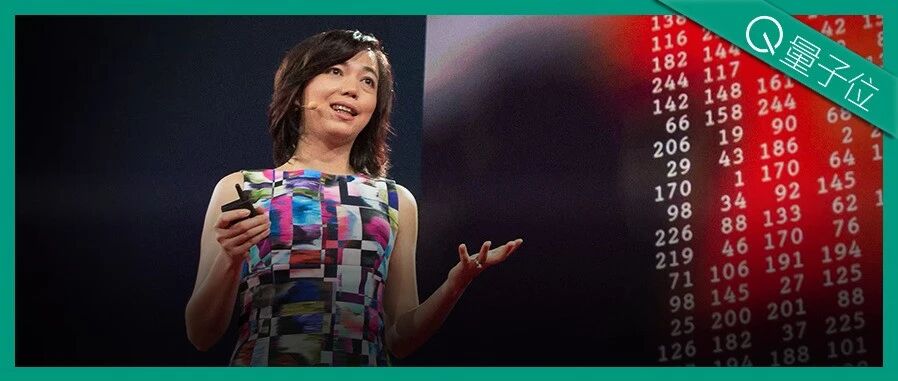
Core Viewpoint - Spatial intelligence is identified as the next frontier for AI, with the potential to revolutionize creativity, robotics, scientific discovery, and more [2][4][10]. Group 1: Definition and Importance of Spatial Intelligence - Spatial intelligence is described as a foundational aspect of human cognition, enabling interaction with the physical world and driving reasoning and planning [20][21]. - The evolution of spatial intelligence is linked to the development of perception and action, which are crucial for understanding and interacting with the environment [12][13][14]. - Historical examples illustrate how spatial intelligence has driven significant advancements in civilization, such as Eratosthenes' calculation of the Earth's circumference and the invention of the spinning jenny [18][19]. Group 2: Current Limitations of AI - Current AI models, including multimodal large language models (MLLMs), have made progress in spatial perception but still fall short of human capabilities [23][24]. - AI struggles with tasks involving physical representation and interaction, lacking the holistic understanding that humans possess [25][26]. Group 3: World Models as a Solution - The concept of "world models" is proposed as a new generative model that can surpass the limitations of current AI by understanding, reasoning, generating, and interacting with complex virtual or real worlds [28][30]. - World models should possess three core capabilities: generative, multimodal, and interactive [31][34][38]. - The development of world models is seen as a significant challenge that requires innovative methodologies to coordinate semantic, geometric, dynamic, and physical aspects [39][41]. Group 4: Applications and Future Potential - The potential applications of spatial intelligence span various fields, including creativity, robotics, science, healthcare, and education [56][57]. - In creativity, platforms like World Labs' Marble are enabling creators to build immersive experiences without traditional design constraints [52][53]. - In robotics, achieving spatial intelligence is essential for robots to assist in various environments, enhancing productivity and human collaboration [60][62]. Group 5: Vision for the Future - The vision for the future emphasizes the importance of AI enhancing human capabilities rather than replacing them, with spatial intelligence playing a crucial role in this transformation [47][50]. - The exploration of spatial intelligence is framed as a collective effort that requires collaboration across the AI ecosystem, including researchers, innovators, and policymakers [51][63].
《麦肯锡2025 AI报告》|附下载
量子位· 2025-11-11 00:58
Core Insights - The report by McKinsey highlights that while 88% of organizations are using AI, only 39% have seen substantial financial returns from it [10][16]. Group 1: AI Adoption and Impact - A majority of enterprises are utilizing AI in at least one business function, indicating that AI has become a standard practice [4][10]. - Despite widespread adoption, less than 40% of organizations are effectively monetizing their AI investments [5][11]. - The report reveals that only high-performing companies are reaping the benefits of AI, with 50% of these companies planning transformative changes driven by AI in the next three years, compared to just 14% of average companies [41][42]. Group 2: AI Agent Utilization - There is a growing interest in AI Agents, with 62% of organizations experimenting with such applications, yet less than 10% have fully integrated them into their operations [22][23]. - Successful implementation of AI Agents is primarily seen in departments with clear processes and high standardization, such as IT and knowledge management [24][25]. - The deployment of AI Agents requires significant restructuring of processes and organizational frameworks, which many companies have yet to achieve [28][29]. Group 3: Financial Performance and AI - While 64% of organizations feel more innovative since adopting AI, only 36% report improved profitability, and just 33% have seen revenue growth [32][35]. - The most significant financial impacts from AI are observed in efficiency-driven roles, such as software engineering and IT management, rather than in revenue-generating functions like marketing and finance [18][36]. Group 4: Talent and Organizational Changes - AI roles are consuming recruitment budgets, with traditional positions being replaced by roles focused on AI capabilities, such as data engineers and AI product managers [53][56]. - The disparity in AI talent acquisition is widening, with large companies hiring AI-related positions at twice the rate of small and medium enterprises [58][59]. - Organizations are experiencing a restructuring of their workforce, with a notable decline in roles that are repetitive and low in creativity [55][56]. Group 5: Risk Management and Governance - High-performing AI organizations are more proactive in addressing risks associated with AI, such as inaccuracies and compliance issues [62][66]. - These organizations deploy AI in critical tasks, indicating a higher tolerance for risk and a focus on efficiency [70][71]. - The report emphasizes that successful AI implementation requires a shift in perspective, viewing AI as a business transformation engine rather than merely a cost-saving tool [72].
太突然!OpenAI挖走了英特尔CTO
量子位· 2025-11-11 00:58
Core Insights - Sachin Katti, the former CTO of Intel, has unexpectedly joined OpenAI, raising questions about Intel's AI strategy and leadership transition [1][2][10] - Katti's departure comes just eight months after he was appointed CTO, indicating a rapid shift in leadership within Intel's AI division [2][8] - OpenAI's announcement of Katti's role focuses on designing and building computational infrastructure, suggesting a strategic move to enhance their AI capabilities [3][13] Intel's AI Strategy - Katti was appointed as CTO and head of AI at Intel in April 2023, during a significant internal restructuring led by CEO Pat Gelsinger [8] - Under Katti's leadership, Intel accelerated its AI initiatives, elevating AI to a company-wide strategic priority and focusing on developing next-generation GPUs and AI accelerators [8][12] - Following Katti's exit, Intel's CEO will take over the responsibilities of the AI division, indicating a need for strong leadership during this transition [2][12] OpenAI's Ambitions - OpenAI's recruitment of Katti is seen as a major strategic move to bolster its computational infrastructure, which is critical for advancing its AI models [15] - The organization has ambitious plans, including partnerships with Oracle and SoftBank for building gigawatt-scale AI data centers and a commitment to invest $1.4 trillion over the next eight years [15] - The focus on enhancing computational power aligns with OpenAI's goal of achieving breakthroughs in large model development [17]


明晚直播|2GPU+2CPU微调万亿参数超大模型,带你上手开源项目KTransformers
量子位· 2025-11-10 12:02
Core Insights - The article discusses the KTransformers project, which allows for low-cost fine-tuning of large models using local resources, specifically highlighting the use of 2 GPUs and 2 CPUs for fine-tuning the DeepSeek 671B and Kimi K2 1TB models [1][4]. Group 1: KTransformers Overview - KTransformers is an open-source project that has garnered significant attention for its ability to run large models locally, appealing to users interested in personalized AI applications [2][4]. - The project aims to provide a cost-effective and high-performance solution for fine-tuning large models, which is crucial for the practical deployment of AI technologies [4]. Group 2: Key Contributors - Professor Zhang Mingxing from Tsinghua University is a key advisor for the KTransformers project, with a strong background in computer systems and numerous publications in top-tier conferences [6]. - Li Peilin, a core participant in the KTransformers project, is currently studying at Northwestern Polytechnical University and will pursue a PhD at Tsinghua University, contributing to the development of fine-tuning technologies [9]. Group 3: Upcoming Events - A live session is scheduled for the following evening at 19:00, inviting participants to engage in practical discussions about using KTransformers and its applications [5][10].

谁在带队小鹏机器人:IRON背后的四位关键人物
量子位· 2025-11-10 12:02
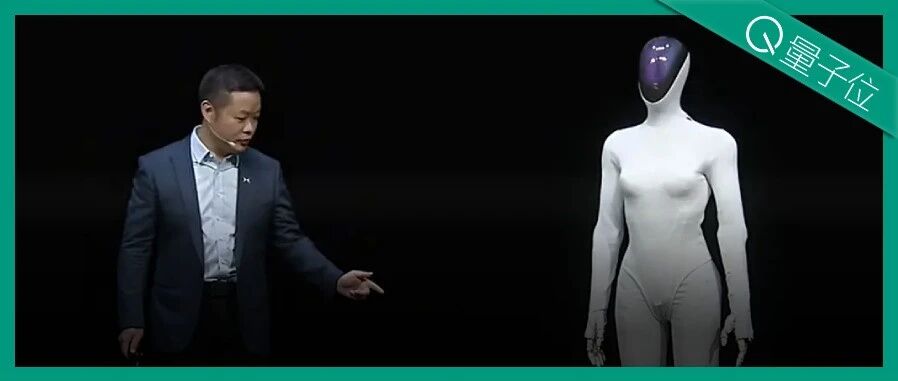
Core Viewpoint - The article discusses the development and significance of Xiaopeng's humanoid robot "IRON," highlighting the key figures behind its success and the strategic direction of Xiaopeng in the robotics sector. Group 1: Key Figures in Xiaopeng Robotics - Mi Liangchuan is identified as the core leader of Xiaopeng's robotics division, overseeing the technical roadmap and product implementation of the humanoid robot project [5][6][15]. - Mi Liangchuan's background includes significant experience in AI and autonomous driving, having previously worked at NVIDIA for ten years before joining Xiaopeng [23][30][37]. - Other notable team members include Chen Jie, who specializes in reinforcement learning and joined Xiaopeng for its early technological advancements and strong financial backing [41][42][45], and Ge Yixiao, the founding director of the newly established intelligent mimicry department [48][50]. Group 2: Development of the IRON Robot - The design of IRON is inspired by human anatomy, particularly its spine and muscle structure, which contributes to its advanced movement capabilities [7][8][11]. - The robot's development faced challenges, including internal debates on whether to pursue humanoid robotics, but the emergence of AI technologies reignited interest in this direction [82][84]. - Following a restructuring of the robotics team, the development of IRON accelerated, leading to the creation of the first humanoid robot, PX5, which laid the groundwork for IRON [88][96]. Group 3: Strategic Direction of Xiaopeng - Xiaopeng is positioning humanoid robotics as a key growth area alongside its automotive and flying car ventures, indicating a strategic diversification [96]. - The company has made significant investments in talent acquisition, offering competitive salaries to attract top experts in the field [78]. - Xiaopeng's market valuation is highlighted, with a current market cap of approximately $21.3 billion, contrasting sharply with Tesla's $1.43 trillion valuation, indicating the competitive landscape in the robotics market [108].
AI编程冲刺“DeepSeek时刻”:00后团队用国产模型一键直出复杂应用,效果超越Claude Code
量子位· 2025-11-10 07:42
Core Viewpoint - The article discusses the advancements of Vinsoo, a pioneering AI IDE that redefines the programming paradigm by enabling automated project development with zero human interaction, achieving a new state-of-the-art (SOTA) in AI programming efficiency [1][3][9]. Technical Innovations - Vinsoo addresses four core technical challenges in AI programming, including effective management of extensive context information to prevent context corruption [10][12]. - The system employs advanced context engineering strategies, allowing for effective context management at a scale of millions [14][15]. - Vinsoo's multi-agent architecture supports synchronous operation, enabling up to eight agents to work in parallel, significantly enhancing development efficiency [20][21][22]. System Enhancements - The AI IDE enhances its perception capabilities to address blind spots in traditional digital environments, converting abstract data into structured event flows for better problem-solving [25][26]. - Vinsoo decouples the capabilities of large models from the development process, allowing for a more controlled and predictable engineering workflow [27][29]. User Experience Improvements - The new Beta 3.0 version introduces a cloud-based one-click publishing feature, automating the entire development and deployment process [35][36]. - Mobile support has been added, allowing users to access the platform anytime and anywhere, facilitating asynchronous development [40][41]. - Team collaboration features enable real-time project sharing and simultaneous operations among team members, improving overall development efficiency [42][43]. Strategic Vision - Vinsoo aims to drive a new paradigm for startups led by the post-2000 generation, supported by a talented team from top universities and tech companies [45][52]. - The company emphasizes a secure and controllable development loop, ensuring data safety and operational efficiency [48]. Future Prospects - The article concludes with optimism about Vinsoo's potential to unlock new possibilities in AI coding, highlighting the innovative spirit of its young team [53].

最后一周!人工智能年度榜单申报即将截止。
量子位· 2025-11-10 07:42
组委会 发自 凹非寺 量子位|公众号 QbitAI 「2025人工智能年度榜单」申报 已进入倒计时阶段。 今年是量子位 「2025人工智能年度榜单」评选报名 的 第8年。 八年来,我们见证了技术的突破与落地,产业的融合与重塑,也见证了一批 又一批推动时代前行的企业、人物与产品。 本次评选已经从 企业 、 产品 、 人物 三大维度,设立五类奖项。欢迎企业抓住最后时间,尽快报名! 让我们共同见证年度之星,点亮未来的方向。 人物榜 企业榜 2025 人工智能年度 焦点人物 产品榜 报名方式 本次评选将于 2025年11月17日 截止。评选结果将于量子位主办的 MEET2026智能未来大会 上正式公布。 扫描二维码即可报名评选: 将面向中国人工智能领域,评选出最具综合实力的企业, 参选条件 : 评选标准 : 2025 人工智能年度 领航企业 2025 人工智能年度 潜力创业公司 2025 人工智能年度 杰出产品 2025 人工智能年度 杰出解决方案 1、注册地在中国,或主营业务主要面向中国市场; 2、主营业务属于人工智能及相关产业,或已将人工智能广泛应用于主营业务,并在细分领域居于行业领先地位; 3、具备成熟的产品或 ...

88%的公司在用AI,但只有39%吃到真金白银?麦肯锡2025 AI报告来了!
量子位· 2025-11-10 07:42
Core Insights - The McKinsey report titled "The State of AI in 2025" reveals that while 88% of organizations are using AI, only 39% have seen substantial financial returns from it [1][9][15] - The report identifies five key conclusions regarding the current state of AI adoption and its impact on businesses [4] Group 1: AI Adoption and Impact - A majority of enterprises are utilizing AI in at least one business function, indicating that AI has become a standard practice [4] - Despite widespread usage, less than 40% of organizations have successfully monetized their AI investments, highlighting a gap between implementation and financial benefit [5][10] - High-performance companies are the ones truly reaping the benefits of AI, with a significant correlation between AI usage and EBIT growth [7][41] Group 2: AI Agent Implementation - There is a growing interest in AI Agents, with 62% of organizations experimenting with such applications, yet only a small fraction have fully integrated them into their operations [22][23] - Successful AI Agent applications are primarily found in departments with clear processes and high standardization, such as IT and marketing [24][26] - The deployment of AI Agents requires not just technical integration but also a complete restructuring of workflows and organizational processes [28] Group 3: Perceived Benefits vs. Actual Outcomes - While 64% of organizations feel more innovative since adopting AI, only 36% report improved profitability, and just 25% have seen an increase in market share [30][35] - AI is currently more effective in backend operations, with significant applications in knowledge management and IT, but frontline business functions are lagging [36][38] Group 4: High-Performance AI Organizations - High-performance AI organizations are distinguished by their ability to attribute at least 5% of EBIT growth to AI, indicating a more profound integration of AI into their business models [42][46] - These organizations are more likely to have a clear AI roadmap and actively rewire their business processes to incorporate AI solutions [49][50] - The success of high-performance organizations is linked to their ambition and willingness to innovate beyond mere efficiency gains [46][48] Group 5: Talent and Organizational Changes - The rise of AI is reshaping workforce dynamics, with 32% of organizations expecting a decrease in total employee numbers, while only 13% anticipate an increase [54] - There is a notable shift in hiring trends, with large companies doubling the recruitment rate for AI-related positions compared to smaller firms [57] - The demand for AI talent is leading to a restructuring of roles, favoring positions that require advanced AI skills over traditional roles [55][56]
5亿热钱砸向具身智能新玩家!地平线VP创业,余凯又投了
量子位· 2025-11-10 07:42
Core Viewpoint - The investment landscape in the field of embodied intelligence continues to evolve, with significant funding directed towards innovative companies like Wujie Power, which focuses on general-purpose embodied intelligent robots [1][2]. Group 1: Financing Details - Wujie Power has successfully completed its first round of angel financing, raising a total of 300 million yuan, led by Sequoia China and Linear Capital, with participation from several notable investors [5]. - The total financing amount, including the ongoing angel+ round, has exceeded 500 million yuan [6]. Group 2: Leadership and Vision - Founder and CEO Zhang Yufeng, a former vice president at Horizon Robotics, has a strong background in hardware, having worked at Sony and ARM [4]. - Zhang emphasized that the financing will significantly accelerate the dual-path development of foundational models and expert model applications, aiming to create immediate value for clients while advancing the long-term evolution of a general-purpose operational brain [7]. Group 3: Investor Perspectives - Sequoia China values Wujie Power's ability to integrate technology, product, delivery, and scalability, highlighting the team's potential to lead in application scenarios [8]. - Linear Capital appreciates Zhang's combination of technical depth and industrial experience, believing that his journey from technology to market will be beneficial for Wujie Power [9]. - Former colleague Yu Kai from Horizon Robotics expressed confidence in Zhang's leadership and the team's capability to innovate systematically in the field of embodied intelligence [10]. Group 4: Company Overview - Wujie Power, founded in March 2025 in Beijing, aims to build a "general brain" for robots and operational intelligence, focusing on overcoming key challenges in hand-eye-brain coordination [12]. - The company is committed to transforming embodied intelligence into a widely deployable and continuously evolving infrastructure, providing high-reliability solutions through dual-driven foundational and expert model development [12]. Group 5: Team Composition - The team at Wujie Power includes top scientists and technical experts with significant contributions in multimodal large models, reinforcement learning, and world models, supported by a robust R&D and engineering team experienced in mass production [15]. - Co-founder and CTO Xu Wenda has a strong background in autonomous driving technology and has previously co-founded an autonomous driving algorithm company [13][14]. Group 6: Market Position and Future Plans - Wujie Power's first-generation robot platform has made substantial progress in industrial manufacturing and commercial services, with plans to collaborate with internationally recognized partners for deeper exploration of application scenarios [28]. - The company is part of a broader trend where former executives from Horizon Robotics are launching new ventures in the embodied intelligence space, indicating a growing interest and investment in this sector [30].