合成生物学与绿色生物制造

Search documents
奔驰,入局生物制造!
合成生物学与绿色生物制造· 2025-09-16 09:07
Core Viewpoint - The article highlights the growing trend of biomanufacturing in various industries, particularly in the automotive and food sectors, driven by consumer preferences for sustainable and animal-free products [7][12][27]. Industry Ecosystem Trends - Mercedes has introduced a new electric GLC model featuring an animal-free interior, marking a significant step in the adoption of biomanufactured materials in mainstream consumer products [7][10]. - The collaboration with AMSilk and Modern Meadow showcases the potential of spider silk protein and plant-based leather alternatives in automotive applications [8][9]. - AMSilk has scaled its spider silk protein production from kilograms to tons, emphasizing its environmental benefits and versatility in textiles [9]. - Modern Meadow's materials, made from plant proteins and biopolymers, have over 80% renewable carbon content, making them more sustainable than traditional materials [9]. - The Canadian government is investing CAD 32.5 million to develop plant-based proteins, enhancing local value chains and food supply resilience [12][13]. Potential Markets and Products - AMSilk has secured €52 million in funding to expand its production capacity for silk-based biopolymers, which are biodegradable and free from microplastics [17][18]. - Bellroy has launched a new line of tech accessories made from INNOVERA, a sustainable material that mimics leather while being animal-free [20]. - Xampla has raised $14 million to develop Morro materials, a plant protein-based alternative to single-use plastics, aiming to replace highly polluting plastic types [22][24]. - Greenitio is developing mushroom shell chitosan-based cosmetics, offering a cost-effective and high-performance alternative to traditional natural products [25][26]. - Aleph Farms is establishing a cultured meat facility in Switzerland, part of its global expansion strategy, with significant investment backing [36]. R&D Efficiency Acceleration - Arzeda has received nearly $6.3 million from the NSF to advance cell-free manufacturing through AI-designed enzymes, aiming to enhance production efficiency and expand product ranges [39][40].


推进万吨级!又一生物酶法再生PET企业完成数千万元融资
合成生物学与绿色生物制造· 2025-09-16 09:07
Core Viewpoint - The article highlights the recent funding success of Beijing SynBio Technology Co., Ltd., which aims to advance the development of enzyme-based PET recycling technology in response to the growing global plastic pollution crisis [2][4]. Group 1: Company Overview - Beijing SynBio Technology has completed pre-A and pre-A+ financing rounds totaling several tens of millions of RMB, which will be used to build a large-scale enzyme-based PET recycling production line [2][4]. - The company focuses on the efficient degradation and recycling of high polymer materials, particularly in the PET regeneration sector, addressing the inefficiencies and high costs associated with traditional recycling methods [4][5]. Group 2: Technology and Innovation - SynBio Technology has developed an AI-enhanced enzyme design platform and a modular enzyme library, achieving breakthroughs in acid resistance, stability, and catalytic efficiency, which significantly reduce industrial production difficulties and overall costs [5]. - The company has successfully operated a pilot production line with a capacity of one thousand tons, with plans to achieve a production line capacity of ten thousand tons by the end of 2025 [5]. Group 3: Market Potential and Financial Outlook - The company aims to reduce the cost of enzyme-based recycled PET to levels comparable to virgin PET within three to five years, potentially even lower in the long term, facilitating a green supply chain transformation in industries such as textiles, packaging, and automotive [5]. - SynBio Technology has already provided sample products to leading companies in the automotive polyester yarn sector and expects to achieve monthly supply of one thousand tons within six months, with projected annual revenue exceeding 100 million RMB by 2026 [5]. Group 4: Environmental Impact - The recent funding round reflects the confidence of the capital market in enzyme-based recycling technology and offers a new industrial path for plastic pollution management, showcasing significant environmental benefits and commercial value [5].
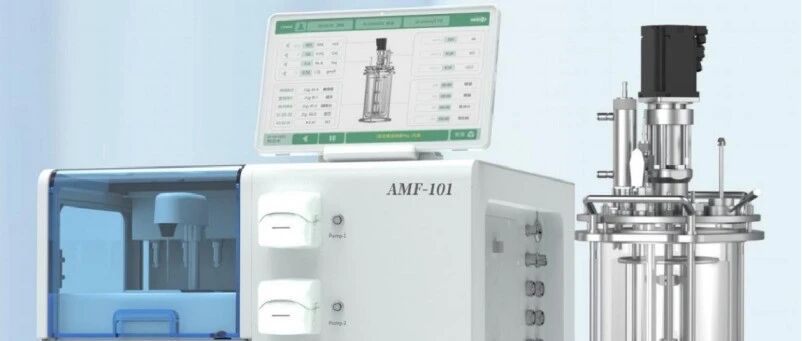
发酵设备:西尔曼AMF-101生物培养系统开放试用申请
合成生物学与绿色生物制造· 2025-09-16 09:07
Core Viewpoint - The article emphasizes the trend of intelligent, automated, and green development in microbial fermentation technology, highlighting the integration of advanced technologies for efficient fermentation process control and optimization [4]. Group 1: Intelligent Fermentation Equipment - The current trend in intelligent research-grade microbial fermentation tanks is towards automation and real-time monitoring of parameters such as temperature, pressure, pH, and dissolved oxygen, enabling remote monitoring and operation [4]. - The fermentation tanks are equipped with features like automatic feeding, pH adjustment, and data recording and analysis, providing a comprehensive solution for fermentation processes [4]. - IoT technology is utilized for remote data transmission and cloud storage analysis, while machine learning and big data analytics are employed to predict potential issues during fermentation [4]. Group 2: Features of Xierman Research-grade Fermentation Systems - The systems integrate sterile automatic sampling pathways for online biochemical detection and intelligent closed-loop control [8]. - New optical technology is used for online optical density (OD) detection, allowing dynamic adjustment of feeding strategies [8]. - High-performance ARM chip design enables precise cultivation control [8]. - Wireless mobile platforms allow for flexible spatial control [8]. - Self-developed digital sensors work in deep intelligent collaboration with the reactor [8]. - The systems feature a flexible PID intelligent control algorithm, customizable parameters, and the ability to save configuration templates for easy operation [8]. - Data curves can be selected for multiple parameters and batch comparisons, with export capabilities [8]. - The systems support four-level user management and audit tracking, compliant with FDA 21CFR Part11 [8]. - Connectivity to mobile apps and Xierman software platform facilitates remote control and experimental design [8]. - The equipment is domestically produced, ensuring quick after-sales service and comes with all necessary components for immediate use [8]. Group 3: Xierman Technology's Commitment - Xierman is dedicated to providing high-quality biological cultivation solutions for the life sciences sector, aiming to accelerate research progress and product market entry [7]. - The company focuses on understanding the importance of biological cultivation and strives to offer stable and reliable biological cultivation instruments and equipment [7].
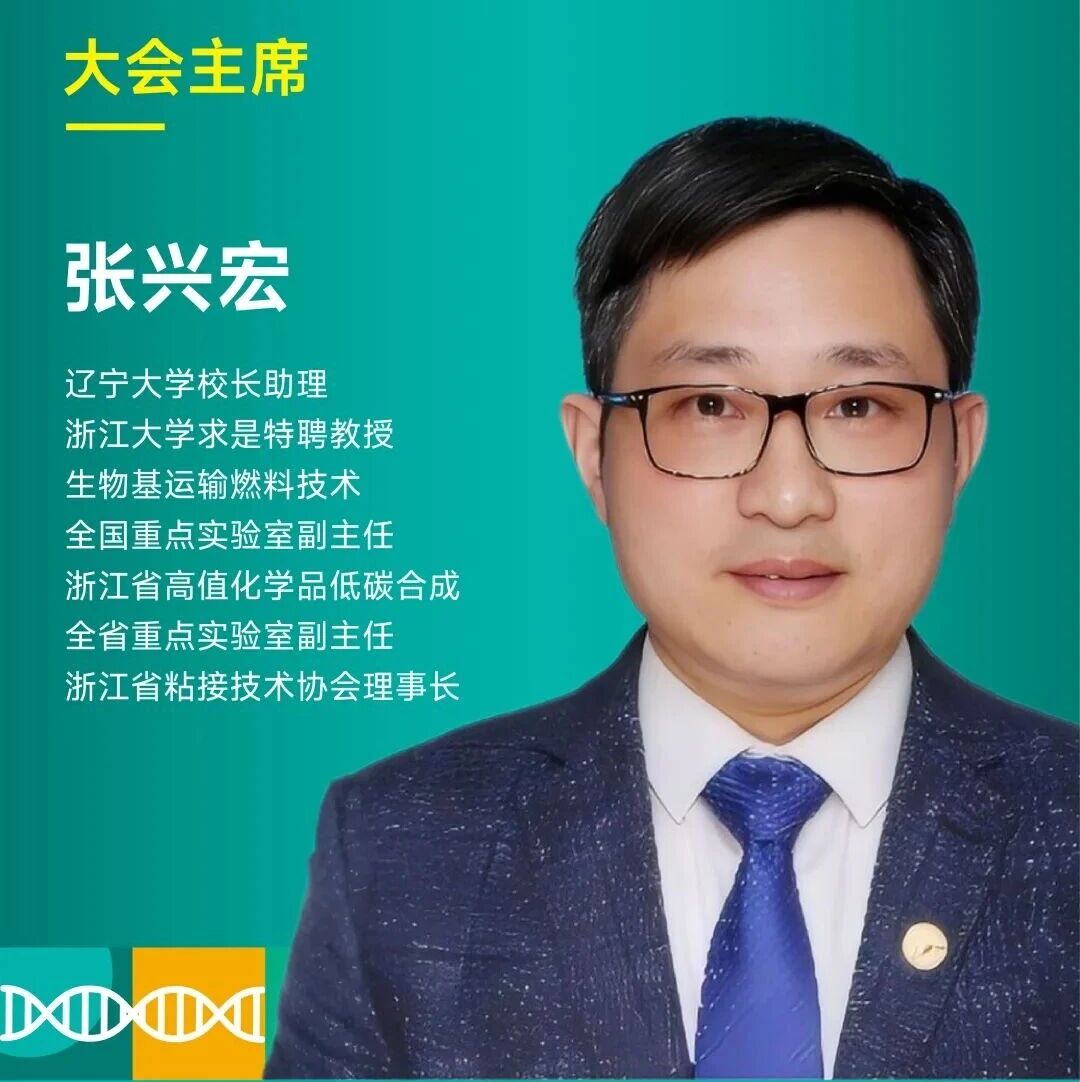
【大会主席官宣】浙江大学张兴宏任“2025第五届非粮生物质高值化利用论坛”主席!
合成生物学与绿色生物制造· 2025-09-16 09:07
Core Viewpoint - The "2025 (5th) Non-Grain Biomass High-Value Utilization Forum (NFUCon 2025)" will be held from November 27-29, 2025, in Hangzhou, Zhejiang, focusing on the theme "Top-notch Intelligence, Industrial Symbiosis" [2][11]. Group 1: Event Details - The forum is co-hosted by DT New Materials and the National Key Laboratory of Bio-based Transportation Fuel Technology [2][12]. - Professor Zhang Xinghong from Zhejiang University will serve as one of the conference chairs [3][12]. - The forum aims to invite representatives from upstream and downstream industries and experts to discuss key areas such as biomass green pretreatment, non-grain sugars, bio-based chemicals and materials, and biomass energy [11]. Group 2: Laboratory Overview - The National Key Laboratory of Bio-based Transportation Fuel Technology was established in April 2023, with a focus on developing bio-liquid energy applications and expanding the comprehensive utilization of bio-materials [10]. - The laboratory has 158 fixed members and is led by Researcher Wang Linfeng, with academicians serving in various advisory roles [10]. - The laboratory aims to become a significant international innovation hub in the field of bio-based transportation fuels, emphasizing applied research and industrialization [10]. Group 3: Forum Framework - The forum will feature various sessions, including a youth forum, thematic discussions on bio-based chemicals and materials, and biomass energy [13]. - Specific sessions will cover topics such as biomass methanol, fuel ethanol, biogas, and sustainable aviation fuel (SAF) [13]. - There will also be a technology achievement exhibition and matchmaking event during the forum [13].
2025(第五届)非粮生物质高值化利用论坛将于11月杭州启程!
合成生物学与绿色生物制造· 2025-09-15 09:36
Core Viewpoint - The article emphasizes the development of non-grain biomass resources for energy and bio-based materials, highlighting the upcoming NFUCon 2025 forum aimed at discussing commercialization paths and technological advancements in this sector [2]. Group 1: Forum Overview - The NFUCon 2025 will be held from November 27-29, 2025, in Hangzhou, Zhejiang, organized by DT New Materials and the National Key Laboratory of Bio-based Transportation Fuels [2][3]. - The forum will gather industry representatives and experts to explore key areas such as green pretreatment of biomass, non-grain sugars, bio-based chemicals and materials, and biomass energy [2][4]. Group 2: Forum Agenda - The forum will feature a series of specialized sessions, including: - Session 1: Green pretreatment technologies and equipment [6]. - Session 2: Development and industrialization of non-grain sugars [10]. - Session 3: Bio-based chemicals and their applications [10]. - Session 4: Non-grain bio-based materials [10]. - A special focus will be on biomass energy, including methanol, fuel ethanol, biogas, and sustainable aviation fuel (SAF) [9][10]. Group 3: Supporting Organizations - The forum is supported by various academic institutions and research laboratories, including Zhejiang University and the National Key Laboratory of Bio-based Transportation Fuels [3][4]. - It aims to facilitate collaboration between production enterprises, research institutions, and solution providers in the biomass sector [14]. Group 4: Innovation and Commercialization - The forum will include a special event for showcasing and connecting 50 innovative projects in the biomass utilization field, aimed at promoting commercialization [9][10]. - The focus will be on practical applications and standardization in the development of cellulose glucose, fructose, and other bio-based products [10].

浙工大柳志强等改造大肠杆菌高产 1,4-丁二醇
合成生物学与绿色生物制造· 2025-09-15 09:36
Core Viewpoint - The article discusses the advancements in the biosynthesis of 1,4-butanediol (BDO) through engineered Escherichia coli, highlighting the challenges and breakthroughs in creating a sustainable production method without antibiotics or inducers [2][3][7]. Group 1: BDO Production Challenges - BDO biosynthesis faces three main challenges: lack of natural BDO-producing microorganisms, significant carbon loss during synthesis, and high dependency on antibiotics and inducers, leading to increased costs [3]. Group 2: Engineering Breakthroughs - Researchers at Zhejiang University have developed a high-efficiency BDO synthesis strain by systematically engineering E. coli, resulting in a production of 0.1 g/L of BDO initially, which was later optimized to 0.82 g/L [6]. - The optimal enzyme combination for BDO production was identified, including enzymes from various bacteria, and a mutant enzyme variant was created that increased BDO yield by 11.19 times [6]. - By knocking out the pdhR gene, the researchers enhanced the conversion efficiency of pyruvate to acetyl-CoA, significantly reducing pyruvate accumulation and increasing BDO yield by 44% to 1.83 g/L [6]. Group 3: Antibiotic-Free Fermentation System - A significant advancement was the development of an antibiotic-free fermentation system, where the researchers utilized E. coli's native transcriptional regulatory elements to drive BDO synthesis without external inducers [7]. - The engineered strain B21-pT19 achieved a remarkable BDO production of 34.63 g/L in a 5 L reactor over 72 hours, maintaining stable yields across multiple fermentation batches without the need for antibiotics or inducers, marking the highest reported level of BDO production to date [7].
推进万吨级!又一生物酶法再生PET企业数千万元融资!
合成生物学与绿色生物制造· 2025-09-15 09:36
Core Viewpoint - The article highlights the recent funding success of Beijing SuXin Technology Co., Ltd., which focuses on bioenzyme technology for efficient degradation and recycling of PET materials, addressing the global plastic pollution crisis [2][4]. Company Overview - Beijing SuXin Technology has completed pre-A and pre-A+ financing rounds totaling several tens of millions of RMB, aimed at advancing the construction and technological iteration of its ton-level bioenzyme-based PET recycling production line [2]. - The company has successfully operated a pilot production line with a capacity of one thousand tons, with plans to achieve a ton-level production line by the end of 2025 [4]. Technology and Innovation - SuXin Technology utilizes an AI-enhanced enzyme design platform and a large-scale enzyme library, achieving breakthroughs in acid resistance, stability, and catalytic efficiency, which significantly reduce industrial production difficulties and overall costs [2][3]. - The company aims to lower the cost of bio-based recycled PET to a level comparable to that of virgin PET within three to five years, potentially even lower in the long term [4]. Market Potential - SuXin Technology has provided sample products to leading companies in the automotive polyester filament sector and several international brands, with expectations to achieve monthly supply of one thousand tons within six months [4]. - The company anticipates annual revenue to exceed 100 million RMB by 2026, reflecting strong market demand and growth potential [4]. Environmental Impact - The funding round indicates strong confidence from the capital market in bioenzyme recycling technology, offering a new industrial path for plastic pollution management with significant environmental benefits and commercial value [4].

突发!美国再「拉黑」3家中国生命科学企业
合成生物学与绿色生物制造· 2025-09-14 15:51
Core Viewpoint - The article discusses the recent inclusion of three Chinese biotechnology companies in the U.S. Entity List, highlighting the ongoing tensions in the biotechnology sector between the U.S. and China, particularly in relation to national security concerns and technological competition [2][3]. Group 1: U.S. Policy Developments - On September 12, the U.S. Department of Commerce's Bureau of Industry and Security (BIS) announced the addition of 23 Chinese entities to the Entity List due to actions deemed contrary to U.S. national security or foreign policy interests, including three from the biotechnology and life sciences sector [2]. - The entities listed will require export licenses for all items governed by the Export Administration Regulations (EAR), with a presumption of denial for such licenses, indicating a significant barrier for these companies in international trade [2]. Group 2: Companies Listed - The three biotechnology companies added to the Entity List are: 1. Beijing Tianyi Huiyuan Biotech, established in 2008, focuses on gene sequence detection, gene synthesis, gene editing, and protein expression vector assembly, serving various hospitals and research institutions [3]. 2. Beijing Tsingke Biotech Co., Ltd., founded in 2017, operates as a comprehensive gene synthesis platform, providing a range of services including gene synthesis, antibody proteins, and molecular reagents, and has attracted significant investment, including a B-round financing of 400 million RMB [4]. 3. Sangon Biotech (Shanghai) Co., Ltd., founded in 2003, offers over 20,000 products across seven categories, including DNA synthesis and sequencing, and has a global presence in 147 countries, recognized as a major player in the DNA synthesis market [5].

2025(第五届)非粮生物质高值化利用论坛将于11月杭州启程!
合成生物学与绿色生物制造· 2025-09-14 15:51
Core Viewpoint - The article emphasizes the development of non-grain biomass resources for energy and bio-based materials, highlighting the upcoming NFUCon 2025 forum aimed at discussing commercialization paths and technological advancements in this sector [2]. Group 1: Forum Overview - The NFUCon 2025 will be held from November 27-29, 2025, in Hangzhou, Zhejiang, organized by DT New Materials and the National Key Laboratory of Bio-based Transportation Fuels [2][3]. - The forum will gather industry representatives and experts to explore key areas such as green pretreatment of biomass, non-grain sugars, bio-based chemicals and materials, and biomass energy [2][4]. Group 2: Forum Agenda - The forum will feature two main thematic forums: - The first focuses on non-grain bio-based chemicals and materials, including sessions on biomass green pretreatment and non-grain sugars [6][9]. - The second focuses on non-grain biomass energy, covering topics like biomass methanol, fuel ethanol, biogas, and sustainable aviation fuel (SAF) [9][10]. Group 3: Supporting Institutions - The forum is supported by various institutions, including Zhejiang University and its relevant departments, as well as editorial boards of related journals [4][5]. - The organizing committee includes prominent figures from Zhejiang University, enhancing the forum's academic and industry credibility [3]. Group 4: Special Activities - A special activity titled "Technology Achievement Display and Docking" will be held to promote the commercialization of innovative results in the biomass utilization field, showcasing 50 selected projects [9][10]. Group 5: Industry Participation - The forum will attract a diverse range of participants, including biomass energy and chemical developers, academic researchers, and solution providers in biomass processing technologies [14]. - It aims to facilitate collaboration among industry, academia, and government organizations to advance the biomass sector [14].

天津大学聚焦PET生物升级回收:酶解技术与生物高值转化新进展
合成生物学与绿色生物制造· 2025-09-11 10:20
Core Viewpoint - The article discusses advancements in enzymatic hydrolysis and biosynthesis of value-added products from PET waste, highlighting the importance of biological recycling methods in addressing global plastic pollution and enhancing the economic viability of PET recycling [2][4][27]. Group 1: PET Waste and Environmental Impact - The global production of PET reached 88.1 million tons in 2022, with significant waste accumulation due to its non-biodegradable nature and inefficient recycling methods [3]. - Traditional mechanical and chemical recycling methods face limitations, while biological recycling offers a more environmentally friendly and energy-efficient alternative [4][16]. Group 2: Enzymatic Hydrolysis Mechanism - PET is hydrolyzed into its monomers, ethylene glycol (EG) and terephthalic acid (TPA), through the action of specific enzymes, primarily carboxylesterases [5][7]. - The hydrolysis process involves two main steps: acylation and deacylation, facilitated by the enzyme Is PETase, which has gained attention for its efficiency at ambient temperatures [5][7]. Group 3: Enhancing Enzymatic Efficiency - Strategies to improve PET hydrolysis efficiency include enzyme engineering, substrate pretreatment, and optimization of reaction conditions [8][14]. - Enhancing the thermal stability of PET hydrolases allows for more effective catalysis near PET's glass transition temperature, which is crucial for improving substrate accessibility [9][11]. Group 4: High-Value Conversion of PET Products - The hydrolysis products TPA and EG can be converted into high-value chemicals through metabolic engineering, significantly increasing the economic feasibility of PET recycling [17][20]. - Various microorganisms can metabolize TPA into valuable products such as polyhydroxyalkanoates (PHA) and vanillin, while EG can be assimilated into central metabolic pathways for the production of various chemicals [18][20]. Group 5: Economic and Process Considerations - The economic viability of enzymatic PET recycling is influenced by factors such as degradation efficiency, substrate load, and enzyme costs, which directly affect product yield and purity [16][28]. - A comprehensive optimization approach that includes both enzyme performance and process system improvements is essential for achieving sustainable and efficient PET recycling [16][27].