合成生物学与绿色生物制造

Search documents
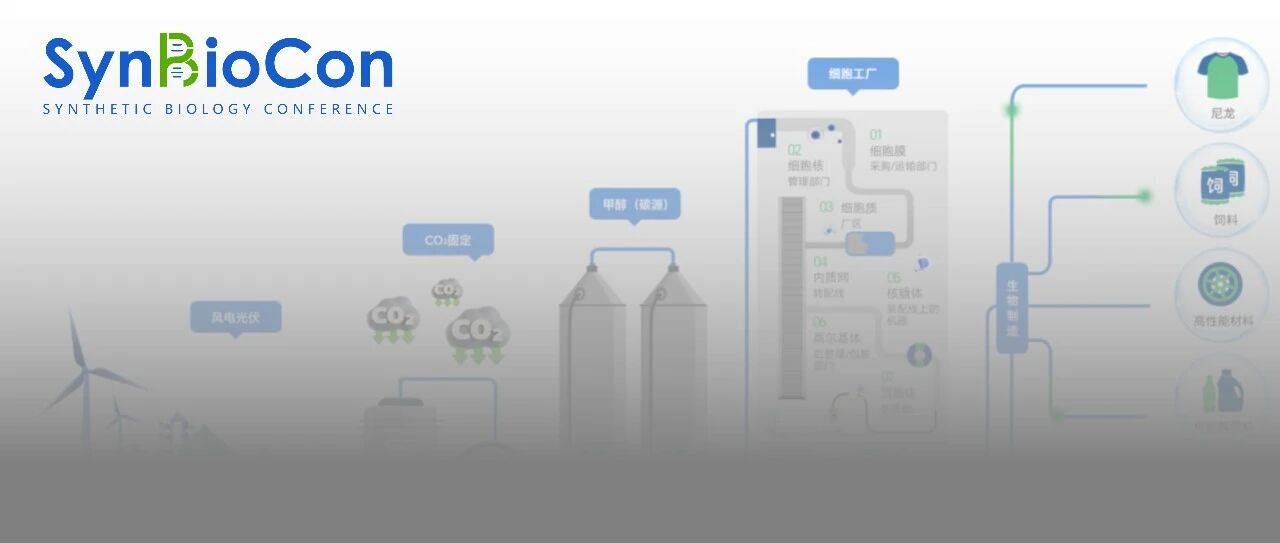
3亿元融资!微元合成加速推进甲醇生物制造大宗生物基产品
合成生物学与绿色生物制造· 2026-01-04 05:36
Core Viewpoint - The article emphasizes the importance of "non-grain" raw materials in the future of the bio-manufacturing industry, highlighting the recent funding round of nearly 300 million yuan for Weiyuan Synthesis to accelerate the development of methanol-based bio-manufactured products [2][3]. Group 1: Industry Trends - The bio-manufacturing sector is positioned as a key driver for future industrial transformation, with McKinsey predicting that 60% of global material production could be synthesized biologically [2]. - The current reliance on starch sugars for bio-based products poses a risk of "competing with food" due to the high demand for agricultural resources, which contradicts the goals of sustainable development [2][3]. Group 2: Methanol Production and Capacity - China's methanol production capacity has rapidly expanded, exceeding 100 million tons, with an additional 100 million tons planned, primarily from coal, which accounts for 80% of production [4][5]. - The development of green methanol production using renewable energy sources is gaining traction, with plans for 6 million tons of green methanol capacity by mid-2025, which could support the bio-manufacturing sector and contribute to carbon neutrality goals [5]. Group 3: Weiyuan Synthesis Developments - Weiyuan Synthesis has successfully developed high-efficiency strains for assimilating methanol and is advancing its pipeline for bio-manufactured products, including bulk amino acids and bio-based materials [7]. - This innovation addresses the raw material challenges in bio-manufacturing and helps mitigate the domestic surplus of methanol, while also reducing reliance on imported soybean meal, thereby enhancing food security [7].

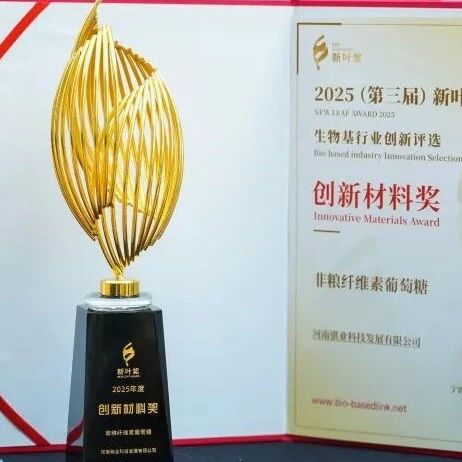
首轮报名2月10日截止 | 生物基行业创新评选「新叶奖」火热报名中
合成生物学与绿色生物制造· 2026-01-04 05:36
Core Viewpoint - The New Leaf Award is a prestigious global award focused on innovation in the bio-based industry, aimed at recognizing and showcasing outstanding products and companies in this sector [2][17]. Group 1: Award Overview - The New Leaf Award, organized by DT New Materials, is recognized as the "Oscar of the bio-based industry" and has awarded over 100 innovative bio-based products through a professional evaluation team [2][17]. - The award features four categories: Innovation Material Award, Innovation Application Award, Innovation Industry Solution Award, and Most Commercially Valuable Award [6][2]. Group 2: Application Timeline and Process - The application for the 2026 New Leaf Award has started, with key dates including: - Application period: December 1, 2025, to March 13, 2026 [11]. - Online voting (pre-selection): March 16 to March 22, 2026 [11]. - Online competition and expert review (final selection): March 23 to March 27, 2026 [11]. - Award ceremony: May 21, 2026, during the Bio-based 2026 Conference [3][11]. Group 3: Evaluation Criteria - The evaluation criteria for the awards include: - Innovation in technology and application, functionality, commercial value, and sustainability, with varying weightings for each award category [9]. - For the Innovation Material Award, the criteria weightings are: 30% technical innovation, 10% application innovation, 25% functionality, 20% commercial value, and 15% sustainability [9]. Group 4: Benefits of Participation - Participating companies can benefit from free publicity, leveraging DT New Materials' extensive network of over 100,000 industry followers and 100+ communication groups [10]. - Award-winning companies will receive a high-end trophy and certificate at the award ceremony, providing significant visibility and recognition in the industry [13].

重大利好!万亿“航母级”国家引导基金来了!生物制造将大爆发
合成生物学与绿色生物制造· 2025-12-30 02:54
Core Viewpoint - The National Venture Capital Guidance Fund aims to systematically promote China's biomanufacturing industry from a follower to a leader in key areas, establishing it as a core pillar of new productive forces [2]. Group 1: Fund Structure and Scale - The National Venture Capital Guidance Fund will utilize long-term special treasury bond funds, with a total fiscal contribution of 100 billion yuan at the national level, encouraging social capital participation to form a fund scale of one trillion yuan [5]. - The fund will attract participation from local governments, central enterprises, financial institutions, and private capital, focusing on strategic emerging industries and future industries [5][6]. - The fund will be structured in a three-tier architecture: "Fund Company - Regional Fund - Sub-Fund" [7]. Group 2: Investment Focus and Strategy - The fund will prioritize early-stage investments, focusing on seed, startup, and early-mid stage enterprises, with a long-term investment horizon of 20 years [8][16]. - It will adopt a "4 investment" approach: investing early, investing small, investing long-term, and investing in hard technology [10][16]. - The fund will not directly manage daily operations, ensuring market-oriented management through competitive selection of experienced fund management institutions [9]. Group 3: Regional Funds and Projects - The first three regional funds (Beijing-Tianjin-Hebei, Yangtze River Delta, and Guangdong-Hong Kong-Macao Greater Bay Area) are expected to exceed 50 billion yuan each and have already signed investment intentions with 49 sub-funds and 27 direct investment projects [11][12]. - The regional funds will focus on early projects and seed enterprises in fields such as integrated circuits, artificial intelligence, aerospace, low-altitude economy, biomanufacturing, and future energy [6][12]. Group 4: Long-term Vision and Goals - The fund aims to cultivate "small giants" and "unicorns" across various industries by providing patient capital and supporting original and disruptive technological breakthroughs [8][16]. - It will address the long-term capital shortage in the venture capital industry and promote reform and innovation in the industry through a comprehensive service platform [9].

首轮报名2月10日截止 | “生物基行业的奥斯卡”——新叶奖报名进行中
合成生物学与绿色生物制造· 2025-12-30 02:54
Core Viewpoint - The New Leaf Award is a prestigious global award focused on innovation in the bio-based industry, aimed at recognizing and showcasing outstanding products and companies in this sector, often referred to as the "Oscar of the bio-based industry" [2][17]. Group 1: Award Structure - The New Leaf Award features four main categories: Innovation Material Award, Innovation Application Award, Innovation Industry Solution Award, and Most Commercially Valuable Award [6][2]. - Over 100 innovative bio-based products have been recognized through this award, highlighting its significance in the industry [2]. Group 2: Application Timeline and Process - The application process for the 2026 New Leaf Award has commenced, with key dates including: - Application period: December 1, 2025, to March 13, 2026 [11]. - Online voting (pre-selection): March 16 to March 22, 2026 [11]. - Online competition and expert review (final selection): March 23 to March 27, 2026 [11]. - Award ceremony: May 21, 2026, during the Bio-based 2026 conference [3][11]. Group 3: Evaluation Criteria - The evaluation criteria for the awards include: - Innovation in technology and application, functionality, commercial value, and sustainability, with varying weightings for each category [9]. - For the Innovation Material Award, the criteria weightings are: 30% technical innovation, 10% application innovation, 25% functionality, 20% commercial value, and 15% sustainability [9]. Group 4: Benefits of Participation - Participating companies can benefit from free publicity, leveraging a platform with over 100,000 industry followers and 100+ communication groups [10]. - Award-winning companies will receive a high-end trophy and certificate, along with the opportunity to celebrate their achievements at a grand award ceremony attended by industry leaders [13].
新三板挂牌仅3天,这家非粮生物制造企业冲刺北交所!
合成生物学与绿色生物制造· 2025-12-29 03:33
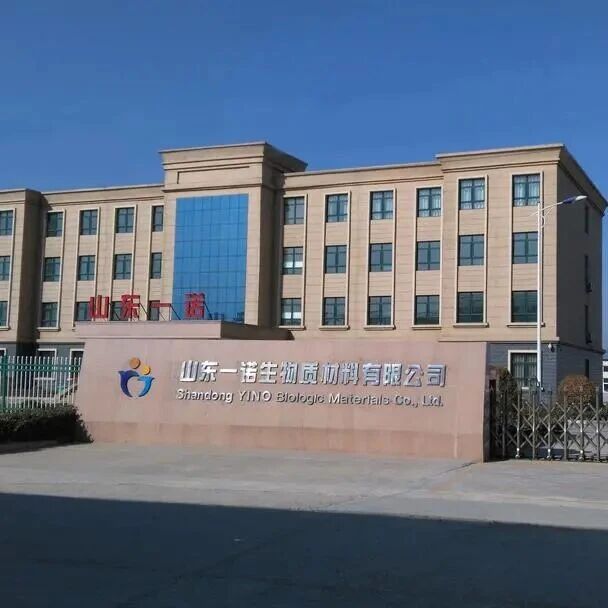
Core Viewpoint - Yinuo Biotech, a company focused on converting agricultural waste into high-value bio-based materials, has recently been listed on the New Third Board and is preparing for a listing on the Beijing Stock Exchange, highlighting its active engagement in the capital market [2]. Group 1: Company Overview - Yinuo Biotech was founded in 2015 and is led by Liu Zhanjie, who focuses on transforming corn cobs into valuable bio-based compounds such as furfural and its derivatives [4]. - The company's traditional product, furfural, has accounted for over 50% of its revenue in recent years, while 2-methyl tetrahydrofuran and 1,2-pentanediol are significant contributors to its gross profit [4]. Group 2: Industry Recognition - Yinuo Biotech has achieved "national and provincial dual champion" status, with its core product 2-methyl tetrahydrofuran recognized as a manufacturing champion at both levels, following the earlier recognition of furfural [5]. - The company’s 1,2-pentanediol product was awarded the title of "Innovative Product of the Year" by the China Petroleum and Chemical Industry Federation in 2024, underscoring its technological innovation and industrial value [4]. Group 3: Environmental Impact and Sustainability - Yinuo Biotech's production of 2-methyl tetrahydrofuran, derived from corn cobs, contributes to significant reductions in carbon footprints for downstream clients, aligning with the green and low-carbon goals of the high-end chemical industry in Shandong Province [5]. - The company has established a circular economy system by fully utilizing corn cobs and optimizing production processes, providing a sustainable development model for the bio-based materials industry [5]. Group 4: Research and Development - Yinuo Biotech emphasizes technological innovation and project development, collaborating closely with research institutions such as the Chinese Academy of Sciences and Shanghai Jiao Tong University to advance its product offerings [6].
色彩革命倒计时:石油基染料退场在即,合成生物色素迎来数百亿美金新蓝海
合成生物学与绿色生物制造· 2025-12-29 03:33
Core Viewpoint - The article discusses a significant transformation in the global color market, driven by the shift from synthetic petroleum-based dyes to safer, more sustainable bio-based natural pigments, which is expected to reshape industries such as food, beverages, cosmetics, and pharmaceuticals [8][10]. Group 1: Market Transformation - The traditional era of petroleum-based synthetic dyes is coming to an end, with a projected market shift from approximately $2 billion in 2025 to over $4 billion by 2030 for natural food colorants [8]. - This transformation is fueled by increasing consumer health awareness, accumulating scientific evidence, and stricter regulations, leading to a substantial market gap left by the ban on synthetic dyes in regions like the US and EU [8][30]. - Major food companies, including Nestlé and Kraft Heinz, are committing to eliminating artificial colors from their products by 2026 and 2027, respectively, indicating a broader industry shift towards "clean label" products [30]. Group 2: Historical Context and Current Trends - The rise of synthetic dyes began in the mid-19th century with the accidental discovery of mauveine by William Henry Perkin, which led to the commercialization of synthetic dyes [18][20]. - Despite their popularity, synthetic dyes have been linked to health concerns, including potential associations with behavioral issues in children, prompting regulatory scrutiny and consumer demand for safer alternatives [27][28]. - The FDA is set to phase out six major petroleum-based synthetic dyes by the end of 2025, marking a pivotal moment for the industry [29]. Group 3: Technological Advancements - Advances in synthetic biology are enabling the production of high-purity, stable natural colorants through precision fermentation, overcoming limitations of traditional natural pigments [31]. - Companies like Michroma, Chromologics, and Phytolon are leading the way in commercializing bio-based colorants, with significant funding and partnerships to scale production [31][32]. - The focus on reducing carbon footprints aligns with global ESG (Environmental, Social, and Governance) requirements, making bio-based colorants a strategic choice for the future [32]. Group 4: Future Outlook - The transition from petroleum-based to bio-based colors represents not just a material change but a systemic reconfiguration of safety, sustainability, and aesthetic expression in the industry [38]. - The article emphasizes the importance of collaboration across the supply chain to innovate and develop comprehensive solutions for natural colorants [35][36]. - The ongoing shift is seen as an unprecedented opportunity for companies that can adapt quickly to the new standards and consumer preferences [40][41].

江大张荣珍教授团队:突破胆红素合成瓶颈,实现克级高效生物制造
合成生物学与绿色生物制造· 2025-12-26 01:33
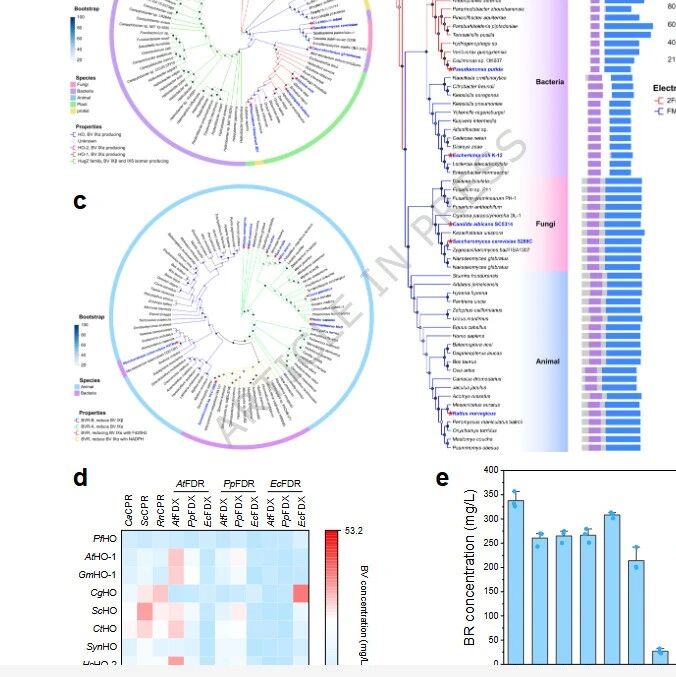
Core Viewpoint - The research led by Professor Zhang Rongzhen's team has successfully developed an efficient in vitro enzyme-catalyzed system for high-level bilirubin biosynthesis, achieving a yield of 1.7 g/L and a conversion rate of 95.8%, laying a solid foundation for industrial production [2][4]. Group 1: Enzyme Optimization - The study clarified the classical two-enzyme catalytic pathway from heme to bilirubin and identified the most efficient enzyme combinations through systematic evolutionary analysis [4]. - The combination of rat HO-1 and its specific cytochrome P450 reductase (CPR) showed the highest efficiency in converting heme to biliverdin, while the rat BVR-A subtype performed best in reducing biliverdin to bilirubin [4]. - Structural analysis of key enzymes led to the development of soluble truncated variants RnCPRΔ54 and RnHO-1Δ22, which maintained substrate affinity and catalytic efficiency while improving solubility [4][5]. Group 2: Addressing Inhibitory Factors - Initial one-pot reactions showed a heme conversion rate of 83.9%, but bilirubin yield was only 48.1%, indicating material loss due to bottlenecks in the first step of heme oxygenase catalysis [5]. - The study identified Fe²⁺ as a negative factor affecting product stability, as it formed complexes with deprotonated biliverdin or bilirubin, leading to degradation [7]. - The researchers developed a dual strategy to stabilize the reaction, using HEDP to chelate Fe²⁺ and lowering the reaction pH to suppress deprotonation, which together increased bilirubin yield to 80.1% [7][8]. Group 3: Integrated Multi-Enzyme System - The research revealed carbon monoxide (CO) as another inhibitory factor, as it formed stable complexes with heme, obstructing substrate binding and enzyme activity [8]. - To eliminate all inhibitory factors, the team constructed a fully integrated multi-enzyme system, incorporating a CO dehydrogenase and a formate dehydrogenase for in situ NADPH regeneration [8]. - This integrated system successfully converted 3 mM of heme to 2.87 mM of bilirubin in a 1-liter reaction, achieving a yield of 95.8%, confirmed as the bioactive bilirubin IXα isomer [8].
深势科技斩获超8亿元融资:AI for Science为何成为资本与产业的共同选择
合成生物学与绿色生物制造· 2025-12-26 01:33
关键词 | 资本事件 |深势科技 【SynBioCon】 获 悉,近日,AI for Science(人工智能驱动的科学研究)领域的标杆企业 深势 科技 宣布完成总额 超 8 亿元人民币的 C 轮融资 。这份出资方名单颇具份量:达晨财智、京国瑞基 金、北京市人工智能产业投资基金、北京市医药健康产业投资基金、联想创投、元禾璞华等机构共同 押注。 这并非简单的资金输送,而是一次凝结了国有资本意志、产业资本眼光与财务资本信心的战略合围。 它释放的信号十分明确:AI for Science 已不再只是前沿交叉学科的概念叙事,而是被主流资本市 场以更系统、更确定的方式纳入战略配置的投资主线;而深势科技,正处在这一浪潮的关键枢纽位 置。 意义远超金额本身 这次 融资被定义为深势科技发展历程中的「重要里程碑」,其意义远超过金额本身。它发生在全球 AI for Science 进入规模化应用「快车道」的宏观背景下,是资本市场用真金白银对一家中国科技 公司技术路径、商业化潜能及长期统治力的集中投票。在资本趋于谨慎的周期中,这种体量的多方联 合注资等同于一次「强信号」释放:不仅为赛道带来明显的信心增量,也迫使市场用更现实的视角重 ...

再来10万吨!金发科技,2025年生物基领域6大突破
合成生物学与绿色生物制造· 2025-12-26 01:33
Core Viewpoint - Liaoning Jinfa is expanding its production capacity by renovating its lactic acid production line and constructing a new 100,000-ton bio-based succinic acid production line, which is expected to significantly enhance its bio-based materials segment [1][3]. Project Overview - The project will utilize a "reconstruction + new construction" model, converting existing lactic acid production facilities to produce 50,000 tons of succinic acid annually, while also building a new fermentation workshop and a purification workshop for an additional 50,000 tons of succinic acid [2]. - Upon completion, the total production capacity for bio-based succinic acid will increase from 50,000 tons/year to 150,000 tons/year, serving as a crucial capacity support for the company's bio-based monomer segment [3]. - The project is part of a larger integrated bio-based materials initiative in the Panjin Liaobin Coastal Economic and Technological Development Zone, which includes a total investment of 7.89 billion yuan [4][5]. Production Capacity and Investment - The project will cover an area of 1,450 acres, with a planned total investment of 7.89 billion yuan, divided into three phases [5]. - The first phase will occupy 740 acres with an investment of 1 billion yuan, originally intended for the production of 10,000 tons of bio-based 1,4-butanediol, 50,000 tons of lactic acid, and 5,000 tons of halogen-free green flame retardants [6]. Industry Positioning - Jinfa Technology has established a complete "bio-based monomer-polymer-modification" industrial chain [7]. - The company has achieved stable production of 50,000 tons of bio-based succinic acid and 10,000 tons of bio-based BDO, with bio-based succinic acid produced through microbial fermentation achieving 100% bio-based carbon content [9]. Financial Performance - In the first three quarters of 2025, the company reported revenue of 49.616 billion yuan, a year-on-year increase of 22.62%, and a net profit of 1.065 billion yuan, up 55.86% [15]. - The stock price increased from 8.12 yuan at the beginning of the year to 18.45 yuan by December 24, 2025, reflecting a 127.2% increase, significantly outperforming the market [16]. Innovation and New Developments - Jinfa Technology has made significant technological breakthroughs, including the launch of a new generation of bio-based LCP materials, becoming the first domestic supplier to achieve ISCC PLUS certification for LCP materials [10]. - The company is also expanding into new fields, having established a new subsidiary focused on bio-based materials technology research and development [13].


剑指1500亿!上海合成生物食品5年规划!培育8-10家领军企业,推动1-2家创新企业上市
合成生物学与绿色生物制造· 2025-12-25 05:23
Core Insights - The article discusses Shanghai's action plan for accelerating food technology innovation from 2026 to 2030, aiming to enhance the food industry's development through synthetic biology and digital manufacturing [1][2]. Group 1: Goals and Objectives - By 2027, the plan aims to achieve significant breakthroughs in synthetic biology food creation, including the development and approval of 3-5 new food raw materials, additives, and related products, as well as 1-2 special medical purpose formula foods [2]. - The initiative seeks to cultivate over 5 innovative enterprises with core food creation technologies and digital manufacturing capabilities, and establish a comprehensive standard system for food industry development [2]. Group 2: Long-term Vision - By 2030, the goal is to create a globally influential hub for food technology innovation, resulting in a safer, healthier, more convenient, and sustainable food innovation ecosystem [3]. - The plan includes forming an innovation enterprise cluster covering the entire food industry chain, nurturing 8-10 leading companies in specific segments, and promoting 1-2 synthetic biology food innovation companies to go public [3]. - The food industry output value is projected to exceed 150 billion yuan, alongside the establishment of a national-level nutrition and health industry cluster and new food pilot parks [3]. Group 3: Research and Development Focus - The plan emphasizes accelerating the exploration of new food raw materials, focusing on functional proteins, carbohydrates, and lipids, while also considering active substances, flavors, and colorants [5]. - It aims to enhance biosynthesis technology through the integration of synthetic biology and artificial intelligence, improving the performance and adaptability of standardized components and chassis cells [5]. - Support for the development of new food products includes alternative proteins, plant-based meats, 3D-printed foods, and other innovative food solutions to meet diverse consumer needs and sustainable development goals [5].