
GLP1减重宝典

Search documents
血糖失控竟会"偷走"身高?瑞典研究揭示惊人发现:男孩更易中招
GLP1减重宝典· 2025-11-02 11:10
Core Viewpoint - Poor glycemic control in children with type 1 diabetes can lead to a significant reduction in adult height, with potential losses of 2 to 3 centimeters, particularly affecting boys during their growth spurts [5][8][10]. Group 1: Impact of Poor Glycemic Control - A nationwide cohort study from Sweden indicates that children with poor blood sugar control may experience a height reduction of 2 to 3 centimeters in adulthood [5][8]. - The study highlights that for every 1% increase in HbA1c levels, children's final height decreases by 0.3 centimeters, especially during puberty when growth hormone secretion is disrupted [6][8]. Group 2: Gender Differences in Height Impact - Male patients with poor glycemic control (HbA1c > 9.0%) experience an average height reduction of 2.91 centimeters, while female patients see a reduction of 1.83 centimeters, with the impact being more pronounced in those diagnosed before puberty [10][12]. - Boys are at greater risk of height loss regardless of when they are diagnosed, while girls' height is primarily affected if they have poor control before puberty [12][14]. Group 3: Recommendations for Height Preservation - Early intervention is crucial; insulin treatment and regular blood sugar monitoring should begin immediately upon diagnosis to prevent long-term high blood sugar effects on growth [14][15]. - A balanced diet that reduces high-sugar and high-fat foods while increasing fiber, quality protein, and vitamins is recommended to stabilize blood sugar levels [16]. - Engaging in moderate aerobic exercise can enhance insulin sensitivity and aid in blood sugar control [17]. - Psychological support is essential, as chronic illness can lead to emotional stress; parents should monitor their child's emotional well-being and seek professional help if necessary [18].


欺骗大脑 “我吃饱了” ,司美格鲁肽是如何做到的?
GLP1减重宝典· 2025-11-02 11:10
Core Insights - The article discusses the effectiveness of GLP-1 receptor agonists, particularly semaglutide and tirzepatide, in weight loss and glucose control, emphasizing their ability to enhance feelings of satiety before and during meals [5][14]. Mechanisms of Action - GLP-1 receptor agonists activate specific neurons in the hypothalamus, leading to pre-ingestive satiation, which allows individuals to feel full before consuming large amounts of food [7]. - Semaglutide directly suppresses appetite by activating GLP-1 receptors in the brain, reducing hunger motivation and enhancing satiety signals [8]. - These drugs slow gastric emptying, prolonging the duration of satiety by maintaining a steady flow of mechanical and chemical signals from the gastrointestinal tract [9]. - They stabilize blood sugar levels by promoting insulin secretion and inhibiting glucagon release, which helps reduce cravings for high-calorie foods [9]. Clinical Outcomes - In clinical trials, semaglutide has shown an average weight loss of approximately 14.9% over 68 weeks in non-diabetic populations, compared to a 2.4% loss in the placebo group [9]. - Tirzepatide, a dual GLP-1 and GIP receptor agonist, has demonstrated an average weight loss of about 20% over 72 weeks, outperforming single-target GLP-1 medications [10]. Key Pathways - The central nervous system pathway activates hypothalamic neurons to enhance and amplify feelings of fullness while inhibiting hunger signals [11]. - The gastrointestinal-vagal pathway slows gastric emptying, reinforcing the sensation of fullness [11]. - The insulin-metabolic pathway smooths blood sugar fluctuations, reducing the drive to eat due to unstable glucose levels [11]. User Considerations - Common side effects include nausea, vomiting, and abdominal discomfort, primarily related to delayed gastric emptying, which typically improve over time [13]. - Both medications require weekly subcutaneous injections, with a gradual dose escalation recommended to improve tolerance [13]. - Individual results may vary, and combining medication with dietary, exercise, and behavioral management is essential for achieving long-term weight and metabolic benefits [13].

速递|10.45亿美元授权达成!民为生物GLP-1三靶点减肥新药出海
GLP1减重宝典· 2025-11-01 04:46
Core Viewpoint - The article discusses the strategic partnership between Minwei Bio and Sidera Bio for the global rights of the new GLP-1/GIP/FGF21 drug MWN105, highlighting the potential for expanding the global market for multi-target GLP-1 drugs, which are crucial in treating diabetes, obesity, and metabolic diseases [4][6]. Group 1: Partnership Details - Minwei Bio will receive a $35 million upfront payment and milestone payments, along with a 9.99% equity stake in Sidera Bio [5]. - The total potential milestone payments could reach up to $1.01 billion, in addition to a tiered sales revenue share [5]. - A joint management committee will be established to coordinate the global development of MWN105 [5]. Group 2: Company Background - In 2021, Minwei Bio completed a nearly 100 million yuan first-round financing, with investments from Minhe Capital [5]. - In 2023, Lepu Medical acquired a controlling stake in Minwei Bio for nearly 400 million yuan [5]. - Currently, Lepu Medical holds approximately 54.23% of Minwei Bio's shares [5]. Group 3: Industry Implications - The agreement is expected to enhance the global positioning of GLP-1 multi-target drugs, which are becoming a significant focus in innovative drug development [6]. - The collaboration aims to provide new treatment options for global patients while enhancing the company's brand influence and international competitiveness [6]. - The company emphasizes a dual approach of independent research and open collaboration to accelerate clinical transformation and market coverage of GLP-1 multi-target drugs [6].


权威研究:用了司美格鲁肽2年,你的身体会发生这样的变化
GLP1减重宝典· 2025-11-01 04:46
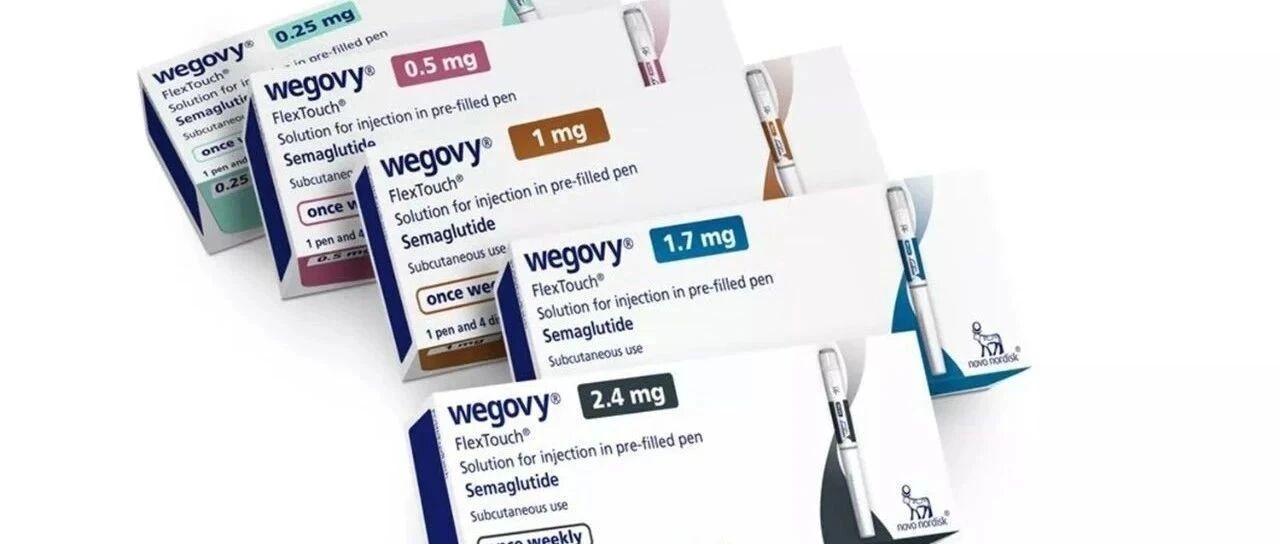
Core Viewpoint - The article discusses the long-term efficacy and safety of semaglutide (Wegovy) for weight management in obese adults, highlighting significant weight loss and improvements in metabolic health over a two-year period [4][6][10]. Group 1: Study Overview - STEP 5 is a phase 3b randomized, double-blind, placebo-controlled trial that evaluated the effects of 2.4 mg semaglutide as an adjunct to lifestyle intervention on weight management in 304 obese adults without type 2 diabetes over 104 weeks [5][6]. - The primary endpoint was the percentage change in weight and the proportion of participants achieving a weight loss of ≥5% by week 104 [5]. Group 2: Weight Loss Results - Participants receiving Wegovy experienced a significant weight loss of -15.2% compared to -2.6% in the placebo group by week 104 [7]. - 77.1% of the semaglutide group achieved at least a 5% weight loss, compared to 34.4% in the placebo group [7]. Group 3: Safety and Tolerability - The most common adverse events associated with Wegovy included nausea, diarrhea, vomiting, constipation, and abdominal pain [9]. - The safety profile of Wegovy in the STEP 5 trial was consistent with previous studies, with 5.9% of patients discontinuing treatment due to adverse events [9]. Group 4: Metabolic and Cardiovascular Health Improvements - Significant reductions in waist circumference (-14.4 cm for semaglutide vs. -5.2 cm for placebo) and systolic blood pressure (-5.7 mmHg for semaglutide vs. -1.6 mmHg for placebo) were observed [10]. - Semaglutide also improved various metabolic parameters, including HbA1c, fasting blood glucose, and lipid profiles compared to placebo [10]. Group 5: Importance of Long-term Weight Management - The results of the STEP 5 trial indicate that semaglutide can help obese adults achieve and maintain weight loss over two years, addressing the challenge of weight regain after initial weight loss [9][10].
震惊发现:2岁前吃糖太多,成年后患病风险飙升!《科学》《自然》双重验证
GLP1减重宝典· 2025-11-01 04:46
Core Insights - A groundbreaking study published in the journal "Science" reveals that sugar intake during the first 1000 days of life significantly impacts metabolic health in adulthood [5][6][8] - Strict control of added sugar intake in early childhood can effectively reduce the risk of chronic diseases later in life [6][8] Group 1: Key Findings - The study indicates that high sugar consumption during the first 1000 days (from pregnancy to age 2) leads to a substantial increase in the risk of metabolic diseases in adulthood [8] - Conversely, limiting sugar intake during this critical period can lower the risk of type 2 diabetes by 35% and hypertension by 20%, while delaying the onset of diabetes by 4 years and hypertension by 2 years [9][12] Group 2: Historical Data Insights - The research utilized data from the UK Biobank, analyzing health outcomes of over 60,000 participants born between 1951 and 1956, comparing those with low maternal sugar intake during pregnancy to those with high intake [9][12] - The findings support the notion that early sugar control can lead to lifelong health benefits, emphasizing the importance of dietary choices made during infancy [9][12] Group 3: Implications for Public Health - The study reinforces existing dietary guidelines for pregnant women and infants, highlighting the long-term health benefits of early sugar control [12][13] - It provides new evidence for public health policies aimed at reducing sugar consumption among young children to prevent chronic diseases [12][13]

减重神药再无"霸主"?清华团队一针见效新技术问世,改造免疫细胞实现持久控糖瘦身双效
GLP1减重宝典· 2025-11-01 04:46
Core Viewpoint - The article discusses a groundbreaking research study that introduces a long-lasting CAR-T cell platform for the delivery of biologics, specifically targeting chronic diseases like obesity and diabetes, offering a potential solution for patients requiring lifelong treatment [7][8][20]. Group 1: Research Breakthrough - The research led by Tsinghua University's Min Peng team presents GD2TIF cells as a revolutionary platform for single-dose long-term delivery of biologics, achieving sustained release of GLP-1 for obesity and diabetes treatment [8][18]. - This innovative approach allows for a single injection to maintain weight and blood sugar levels in animal models, meeting clinical "cure" standards without significant side effects [18][20]. Group 2: Challenges with Current Treatments - Current peptide/protein biologics require frequent injections, leading to potential immune responses that can diminish efficacy and cause adverse effects [7][10]. - Traditional AAV-based delivery systems lack long-term effectiveness due to their inability to integrate into the genome, limiting their therapeutic duration to less than two years [9]. Group 3: CAR-T Cell Innovations - CAR-T cells have shown promise in treating rare diseases but have previously faced limitations in longevity and quantity for sustained drug delivery [10][11]. - The development of immortal-like functional T cells (TIF cells) has demonstrated the ability to persist in the body and control tumors, paving the way for their use in chronic disease management [11][14]. Group 4: Future Implications - The GD2TIF cell platform is positioned as a versatile solution for long-term biologic delivery, potentially applicable to various chronic conditions beyond obesity and diabetes [20]. - The cost-effectiveness of this one-time treatment approach could alleviate the burden of continuous medication and frequent medical visits for patients [20].

仅靠意志力减肥成功率不足1%?《柳叶刀》指出:全球超20亿人迫切需要减脂
GLP1减重宝典· 2025-10-31 09:55
Core Viewpoint - The article emphasizes the urgent need for policy reforms and effective measures to combat the rising obesity crisis globally, predicting that by 2050, over half of adults (approximately 3.8 billion) and one-third of children and adolescents (around 746 million) will face overweight or obesity issues if no action is taken [5][8]. Summary by Sections Global Obesity Trends - A recent analysis published in The Lancet indicates that the prevalence of overweight and obesity among adults aged 25 and above has surged from 731 million in 1990 to 2.11 billion in 2021. Similarly, the number of overweight and obese children and adolescents aged 5-24 has increased from 198 million to 493 million during the same period [8]. - The distribution of weight gain is highly uneven globally, with eight countries—China (402 million), India (180 million), the United States (172 million), Brazil (88 million), Russia (71 million), Mexico (58 million), Indonesia (52 million), and Egypt (41 million)—accounting for over half of the world's overweight or obese adults in 2021 [8]. Future Projections - If decisive measures are not implemented, it is projected that by 2050, approximately 60% of adults (3.8 billion) and one-third (31%) of children and adolescents (746 million) will be overweight or obese [8][10]. - The growth rate of obesity among children and adolescents is expected to outpace that of overweight individuals, particularly among boys, with obesity rates for boys aged 5-14 projected to reach 16.5% by 2050 [10]. Health and Economic Implications - The rising obesity rates will impose significant health, economic, and social burdens, especially in regions like North Africa, the Middle East, and Latin America, which are expected to become hotspots for adolescent obesity [10]. - By 2050, nearly one-quarter of obese adults will be aged 65 and older, further straining healthcare systems, particularly in resource-limited countries [10]. Causes and Management Strategies - The complexity of obesity is highlighted, involving genetic, environmental, and lifestyle factors. The success rate of weight loss through diet and exercise alone is only about 1% [11]. - The article advocates for a multi-tiered intervention approach, suggesting that overweight individuals can adjust through diet and exercise, while those with severe obesity or metabolic diseases may require medication or surgical options [11]. Recommendations for Action - Public education should be enhanced to correct misconceptions about obesity being solely a result of personal willpower [12]. - Policy support is necessary, including the establishment of community exercise facilities and mandatory nutritional labeling on food products [12]. - Improving access to quality healthcare resources through telemedicine and training for primary care physicians is essential to increase the availability of scientific weight management services [12].

夜间灯光危害大!《柳叶刀》子刊8万人研究:睡觉开灯增加67%糖尿病风险
GLP1减重宝典· 2025-10-31 09:55
Core Viewpoint - The article highlights a significant correlation between nighttime light exposure and the risk of developing type 2 diabetes, emphasizing the need for awareness and lifestyle adjustments to mitigate this risk [4][5][7]. Group 1: Nighttime Light Exposure and Diabetes Risk - A recent study involving 847,90 participants over 7.9 years found a dose-response relationship between nighttime light intensity and diabetes incidence, with a 67% increased risk for those exposed to high-intensity artificial light compared to low exposure groups [5][7]. - The study reported an incidence rate of 2.98 new cases of type 2 diabetes per 1,000 person-years, with a total of 1,997 new cases identified during the follow-up period [5][7]. - The research indicates that exposure to bright light during nighttime hours (00:30-06:00) correlates positively with diabetes risk, while higher light exposure during the day (07:30-20:30) is associated with a lower risk [7][8]. Group 2: Circadian Rhythm Disruption - Disruption of circadian rhythms due to excessive nighttime light exposure is linked to an increased risk of metabolic disorders, including type 2 diabetes [9]. - Individuals with altered circadian rhythms, whether phase-advanced or phase-delayed, show a significantly higher risk of developing diabetes compared to those maintaining normal rhythms [9]. - The study suggests that light exposure interferes with melatonin secretion, which may affect insulin sensitivity and glucose metabolism [9][10]. Group 3: Genetic and Environmental Factors - Nighttime light exposure and genetic predisposition are both independent predictors of type 2 diabetes risk, with similar predictive values [10]. - The research emphasizes the importance of considering both environmental factors, such as nighttime light exposure, and genetic background when assessing individual diabetes risk [10]. Group 4: Recommendations for Lifestyle Adjustments - The article advocates for lifestyle changes to reduce nighttime light exposure as a preventive strategy against metabolic diseases [11]. - Suggested measures include establishing regular sleep patterns, minimizing electronic device usage before bed, and ensuring a dark sleep environment [11]. - The findings serve as a reminder of the health implications of urban light pollution and the need for individuals to take proactive steps in managing their exposure to artificial light at night [11].

速递|歌礼制药Amylin减肥新药向FDA申报!进入临床开发阶段
GLP1减重宝典· 2025-10-31 09:55
Core Viewpoint - The article discusses the development of ASC36, a novel amylin receptor agonist by the company, which is expected to be a leading candidate for obesity treatment with a monthly subcutaneous injection regimen. The company plans to submit an IND application to the FDA in the second quarter of 2026 [5]. Group 1: Product Development - ASC36 is developed using AI-assisted structure-based drug discovery and ultra-long-acting drug development platforms, resulting in a longer apparent half-life and higher bioavailability per milligram of peptide, supporting monthly administration [5][6]. - The optimized characteristics of ASC36 lead to lower production costs, making it a competitive option in the market [6]. Group 2: Efficacy Studies - In head-to-head studies with diet-induced obesity (DIO) rats, ASC36 demonstrated a weight loss of 10.01%, compared to 5.25% for petrelintide, indicating a 91% relative improvement in weight loss efficacy [7]. - The superior weight loss effect per milligram of peptide may further enhance ASC36's cost-effectiveness in large-scale production [7].

前三季度大卖248亿美元!超越司美格鲁肽,替尔泊肽药王新登基
GLP1减重宝典· 2025-10-31 09:55
Core Insights - Eli Lilly reported Q3 2025 revenue of $17.601 billion, a 54% year-over-year increase, with total revenue for the first nine months reaching $45.887 billion, up 46% [2] - The company's revenue distribution shows significant growth across regions, with the U.S. market contributing $30.604 billion (+43%), Europe $8.461 billion (+89%), Japan $1.478 billion (+18%), China $1.477 billion (+20%), and other markets $3.867 billion (+21%) [2] Revenue Breakdown by Therapeutic Area - Eli Lilly's four main therapeutic areas generated revenues of $33.729 billion for cardiovascular and metabolic health, $6.769 billion for oncology, $3.706 billion for immunology, and $0.932 billion for neurology [4] - The primary revenue drivers for Eli Lilly's pharmaceutical business were Mounjaro and Zepbound, generating $24.837 billion (+125%) and $4.118 billion (+10%) respectively in the first three quarters [4] - Mounjaro and Zepbound sales reached $10.1 billion in Q3 and are projected to exceed $35 billion for the full year [4] Market Position and Competition - Eli Lilly's GLP-1 market share in the U.S. has surpassed that of Novo Nordisk, with prescription volume shares of 57.9% versus 41.7% in Q3 [4] - Keytruda, another leading drug, generated $23.3 billion in sales during the first three quarters, highlighting the competitive landscape [4] Research and Development Progress - Eli Lilly achieved significant milestones in R&D, completing six Phase III studies for the small molecule GLP-1R agonist Orforglipron and reaching primary endpoints for Mounjaro in treating type 2 diabetes in children and adolescents [6] - Upcoming developments include the submission of Orforglipron for market approval and the completion of a Phase III study for Retatrutide targeting knee osteoarthritis pain [6] - The company also terminated two clinical projects in Q3, focusing on pain treatment and metastatic breast cancer [6]

