GLP1减重宝典

Search documents
警惕!日常面包饮料或暗藏糖尿病风险,10万研究揭真相
GLP1减重宝典· 2025-10-30 13:59
Core Viewpoint - The article emphasizes the potential health risks associated with the consumption of processed foods containing various food additives, highlighting a significant correlation between these additives and chronic diseases such as type 2 diabetes [4][6][10]. Group 1: Health Risks of Food Additives - Processed foods often contain food additives like modified starch, pectin, and natural colorants, which enhance taste and appearance but may pose health risks [4]. - A study published in PLOS Medicine indicates that long-term consumption of food additives in combination may be linked to the onset of chronic diseases [4][6]. - The complex biological effects of food additives, even those deemed safe individually, can lead to unexpected health consequences when consumed together [6][9]. Group 2: Research Findings on Additive Combinations - A large-scale study tracked 108,643 adults over 7.7 years, analyzing 269 common food additives and identifying 75 frequently consumed ones, revealing typical combinations of additives [7]. - The study categorized these additives into five typical combinations, with the most representative being the "processed food framework," which includes thickeners and preservatives commonly found in dairy products and condiments [7]. - Specific combinations of additives, such as emulsifiers and preservatives, are associated with potential metabolic disorders, indicating the need for comprehensive safety assessments [7][10]. Group 3: Diabetes Risk and Additive Interaction - The research found a significant association between certain food additive combinations and the incidence of type 2 diabetes, with 1,131 new cases identified among the study participants [8]. - The first group of additives (including modified starch and emulsifiers) showed an 8% increase in diabetes risk per standard intake, while the second group (mainly artificial sweeteners) had a risk increase of 13% [8]. - The interactions between these additives can amplify inflammatory responses or counteract toxic effects, complicating the assessment of their health impacts [9]. Group 4: Implications for Food Safety Regulations - The findings suggest that current food safety assessments, which focus on individual additives, are inadequate and should incorporate evaluations of common additive combinations [10]. - The article calls for a new regulatory framework that considers the potential health impacts of frequently co-occurring additives, particularly in ultra-processed foods [10]. - Consumers are encouraged to be more vigilant about reading ingredient labels, as the presence of multiple additives may significantly affect metabolic health [10].


速递|诺和诺德慌了?再加价17亿美金收购减肥药公司截胡辉瑞
GLP1减重宝典· 2025-10-30 13:59
Core Viewpoint - Novo Nordisk has made a competitive bid of up to $9 billion for the biotech company Metsera, previously agreed to be acquired by Pfizer for $7.3 billion, raising concerns about anti-competitive practices in the biotech sector [5][7]. Group 1: Acquisition Details - Novo Nordisk's offer includes $56.50 per share for Metsera, totaling $6.5 billion, plus a milestone payment of $2.5 billion if specific clinical and regulatory goals are met [5]. - Pfizer has four working days to respond with a higher bid after Novo Nordisk's unsolicited offer [5]. - Metsera's stock price surged by 19% in pre-market trading following the news of Novo Nordisk's bid, while Pfizer's stock remained stable [7]. Group 2: Strategic Implications - The acquisition aligns with Novo Nordisk's long-term strategy to develop innovative and differentiated drugs for obesity, diabetes, and related complications [9]. - Novo Nordisk's recent shift from a cautious acquisition strategy to a more aggressive approach under new leadership aims to expand its weight loss drug pipeline [9][11]. - The move signifies an acceleration in the consolidation of the global weight loss drug market amid increasing demand for new treatments and rising regulatory pressures [11]. Group 3: Regulatory Concerns - Pfizer has accused Novo Nordisk of leveraging its market dominance to suppress emerging competitors, claiming the acquisition violates antitrust principles [7]. - Concerns have been raised about potential regulatory risks that could hinder the completion of the acquisition, with Metsera acknowledging the possibility of significant penalties if the deal fails due to regulatory issues [9][10].



柳叶刀:除了减重,司美格鲁肽还可带来心血管益处
GLP1减重宝典· 2025-10-30 13:59
Core Viewpoint - Semaglutide can improve health and slow the aging process, significantly reducing the risk of major adverse cardiovascular events (MACE) in overweight or obese patients with cardiovascular disease but without diabetes [2][4][5]. Group 1: Introduction and Background - GLP-1 receptor agonists (GLP-1RAs) were initially used for blood glucose control in type 2 diabetes, showing weight loss and cardiovascular risk improvement in non-diabetic populations [4][5]. - Obesity is a major risk factor for cardiovascular morbidity and mortality, affecting through hemodynamic, metabolic, and inflammatory pathways [4]. - Prior cardiovascular outcome trials of GLP-1RAs were primarily conducted in type 2 diabetes patients, complicating the interpretation of cardiovascular benefits due to diabetes-related effects [5]. Group 2: Study Design and Methods - The SELECT trial recruited patients aged at least 45 years with a BMI ≥ 27 kg/m², randomly assigning them to receive either 2.4 mg semaglutide weekly or a placebo [7][13]. - The primary endpoint was the time to the first occurrence of MACE, including cardiovascular death, non-fatal myocardial infarction, or non-fatal stroke [7][8]. Group 3: Results - In 17,604 patients, semaglutide significantly reduced the incidence of MACE across all baseline weight and waist circumference categories [9]. - A linear trend analysis indicated that a 5 kg weight reduction was associated with a 4% average decrease in MACE risk (HR 0.96 [95% CI 0.94–0.99]; p=0.001) [9]. - Waist circumference reduction was correlated with decreased MACE risk, with approximately 33% of the observed MACE benefit mediated through waist circumference changes [9][10]. Group 4: New Insights and Implications - The cardiovascular protective effects of semaglutide are independent of baseline fat measurements and weight changes, suggesting mechanisms beyond fat reduction [10][11]. - The findings indicate that semaglutide and other GLP-1RAs should be redefined as disease-modifying treatments rather than solely for blood glucose control or weight loss [11]. - Prescribing restrictions based on BMI thresholds or weight loss targets may not be applicable to overweight or obese patients, as they may benefit regardless of weight loss response [11].
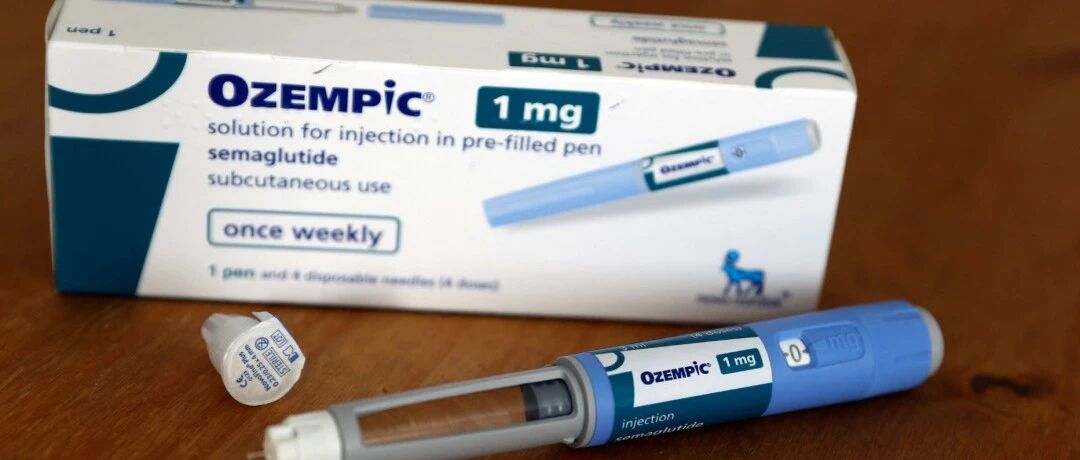
《柳叶刀》重磅解析权威减重方案:七款主流减肥药,谁是冠军?
GLP1减重宝典· 2025-10-30 13:59
Core Viewpoint - The article discusses a systematic review and network meta-analysis published in The Lancet, which evaluates the effectiveness and safety of seven weight loss medications for overweight and obese adults, highlighting that the combination of phentermine-topiramate and GLP-1 receptor agonists, particularly semaglutide, show the most significant weight loss effects [5][19]. Research Methodology - The research team systematically searched three major databases: PubMed, Embase, and Cochrane Library, including randomized controlled trials (RCTs) published until March 23, 2021, focusing on weight loss medications for overweight and obese adults [7]. - Exclusion criteria included studies with a crossover design, combination of multiple medications, participants with psychological disorders, pregnant women, normal weight individuals, and non-English publications [7]. Study Results - A total of 14,605 articles were screened, resulting in 132 studies included, with 48,209 participants. The median age of participants was 47 years, with a female proportion of 76% and a median BMI of 35.3 kg/m² [11]. - The study assessed the impact of seven medications on six outcome measures, including weight loss percentage, proportion of participants achieving 5% or 10% weight loss, quality of life improvement, reduction in depressive symptoms, and safety indicators [10]. Comparative Effectiveness - Compared to lifestyle modifications alone, all weight loss medications resulted in additional weight loss. Phentermine-topiramate showed the most significant weight loss effect, with an odds ratio (OR) of 8.02 for achieving a weight reduction of ≥5% and an average weight loss percentage of -7.98% [17]. - GLP-1 receptor agonists also demonstrated significant effects, with an OR of 6.33 for achieving a weight reduction of ≥5% and an average weight loss percentage of -5.79% [17]. Specific Drug Analysis - Among GLP-1 receptor agonists, semaglutide exhibited the most pronounced weight loss effects, with an OR of 9.82 for achieving a weight reduction of ≥5% and an average weight loss percentage of -11.40% [18]. - Safety data indicated that medications like naltrexone-bupropion, phentermine-topiramate, GLP-1 receptor agonists, and orlistat were associated with an increased risk of discontinuation due to adverse events [18]. Conclusion - The network meta-analysis provides high to moderate confidence evidence that phentermine-topiramate and GLP-1 receptor agonists, especially semaglutide, are the most effective weight loss medications, with average weight reductions ranging from 6% to 11% [19].

警惕!日常面包饮料或暗藏糖尿病风险,10万研究揭真相
GLP1减重宝典· 2025-10-29 15:50
Core Viewpoint - The article emphasizes the potential health risks associated with the consumption of processed foods containing various food additives, highlighting a significant correlation between these additives and chronic diseases such as type 2 diabetes [4][6][10]. Group 1: Health Risks of Food Additives - Processed foods often contain food additives like modified starch, pectin, and natural colorants, which enhance taste and appearance but may pose health risks [4]. - A study published in PLOS Medicine indicates that long-term consumption of food additives in combination may be linked to the onset of chronic diseases [4][6]. - The article warns that even single additives deemed safe can have complex biological effects when mixed with other ingredients, necessitating a reevaluation of dietary habits [4][6]. Group 2: Synergistic Effects of Additives - The article discusses the underestimated synergistic effects of food additives, which can lead to unexpected health risks similar to drug interactions [6][9]. - Existing research has shown that emulsifiers can disrupt gut microbiota balance, while artificial sweeteners may affect metabolic functions, yet their long-term impacts in real dietary contexts remain unclear [6][9]. - The need for comprehensive studies to assess the combined health effects of food additives is highlighted, as traditional safety evaluations focus on individual components [6][9]. Group 3: Large-Scale Study Findings - A large-scale study in France tracked the dietary habits of 108,643 adults over 7.7 years, analyzing 269 common additives and identifying 75 frequently consumed ones [7]. - The study categorized these additives into five typical combinations, revealing patterns in their occurrence within specific food categories [7]. - Notably, certain high-frequency additive combinations, such as emulsifiers and preservatives, may be linked to metabolic disorders, indicating a need for further health risk research [7][8]. Group 4: Diabetes Risk and Additive Combinations - The research found significant associations between specific food additive combinations and the incidence of type 2 diabetes, with 1,131 new cases identified among the study participants [8]. - Two high-risk additive combinations were identified: one associated with modified starch and emulsifiers, increasing diabetes risk by 8% per standard intake, and another primarily involving artificial sweeteners, with a risk increase of 13% [8][9]. - The complexity of interactions among these additives can amplify inflammatory responses or counteract toxic effects, underscoring the inadequacy of current safety assessment frameworks [8][9]. Group 5: Recommendations for Consumers and Regulatory Changes - The article suggests that consumers should prioritize minimally processed foods and develop a habit of reading ingredient labels to avoid potential health risks from food additives [10]. - It calls for a reevaluation of food safety assessment standards, advocating for the inclusion of common additive combinations in routine evaluations to better understand their health impacts [10]. - The findings challenge existing perceptions of food safety and highlight the need for a new framework to assess the health risks associated with food additive combinations [10].

《自然》重磅解读“双效减脂法”!全新瘦身利器有望让“爆款减肥药”相形失色
GLP1减重宝典· 2025-10-29 15:50
Core Insights - The article discusses the revolutionary impact of GLP-1 receptor agonists, particularly semaglutide, in the treatment of obesity, highlighting its FDA approval and significant weight loss results in clinical trials [6][8] - A new innovative approach combining GLP-1 receptor agonists with NMDA receptor antagonists has shown promising results in animal studies, potentially leading to more effective weight loss treatments [8][11][13] Group 1: GLP-1 Receptor Agonists - In 2021, the FDA approved semaglutide for long-term weight management, demonstrating an average weight reduction of 15% in obese patients with weekly injections [6] - GLP-1 receptor agonists were initially approved for type 2 diabetes treatment, with their weight loss effects discovered during early clinical trials [8] - The combination of GLP-1 receptor agonists with NMDA receptor-targeting drugs is being explored to enhance weight loss efficacy [8][11] Group 2: Innovative Combination Therapy - Researchers from the University of Copenhagen have developed a new compound, GLP-1–MK-801, which combines GLP-1 receptor agonists with NMDA receptor antagonists, showing significant weight loss in mice [11][13] - In experiments, mice treated with GLP-1–MK-801 exhibited a remarkable weight reduction of 23.2%, outperforming traditional calorie restriction methods [13] - The new compound appears to bypass the metabolic compensation mechanism that often hinders weight loss, maintaining metabolic rates similar to obese mice despite reduced food intake [13][14] Group 3: Safety and Future Research - The safety profile of GLP-1–MK-801 was evaluated, showing no severe adverse reactions in mice, supporting further development of this innovative treatment [14] - Future studies are needed to assess the long-term effects and safety of GLP-1–MK-801, with the potential to become a more powerful treatment option compared to existing weight loss medications [14]

权威期刊重磅研究!司美格鲁肽等GLP-1药物可延缓衰老,显著降低死亡率
GLP1减重宝典· 2025-10-29 15:50
Core Viewpoint - Semaglutide can improve health and slow the aging process, with studies indicating a reduction in mortality rates from various causes, including cardiovascular diseases and COVID-19 [2][4]. Research Background - The prevalence of obesity has led to an increase in obesity-related complications and overall mortality rates. Obesity is an independent risk factor for cardiovascular mortality, making it challenging to reduce obesity-related death rates due to the limited availability of effective interventions [5]. Study Findings - In the SELECT trial, semaglutide significantly reduced all-cause mortality compared to the placebo group, with a 19% reduction in all-cause mortality, a 15% reduction in cardiovascular mortality, and a 23% reduction in non-cardiovascular mortality for overweight or obese patients with cardiovascular disease [10][16]. - Among the deaths recorded, 58% were due to cardiovascular causes, while 42% were non-cardiovascular. The most common causes of cardiovascular death were sudden cardiac death, while infections (including COVID-19) and malignancies were the leading causes of non-cardiovascular death [10][11]. COVID-19 Impact - The use of semaglutide did not reduce the incidence of COVID-19 among patients, but it significantly lowered the mortality rate associated with COVID-19, reducing the risk of death from COVID-19 by one-third [4][15]. The mortality rate for patients using semaglutide was 2.6%, compared to 3.1% for those on placebo [15]. Conclusion - The findings emphasize the benefits of semaglutide in reducing mortality rates among overweight or obese patients with cardiovascular disease. The reduction in non-cardiovascular deaths is primarily attributed to decreased mortality from infections, particularly COVID-19, rather than a general decrease in all non-cardiovascular causes of death [16].

速递|恒瑞医药GLP-1双靶点新药HRS9531减重数据亮眼!即将在美国口头报告
GLP1减重宝典· 2025-10-29 15:50
Core Viewpoint - The article highlights the significant advancements and promising results of the GLP-1/GIP dual receptor agonist HRS9531 developed by Heng Rui Medicine, particularly in weight loss and its upcoming clinical trial presentations [6][8]. Financial Performance - In the first three quarters of 2025, Heng Rui Medicine reported a revenue of 23.188 billion yuan, representing a year-on-year growth of 14.85% - The net profit attributable to shareholders was 5.751 billion yuan, showing a year-on-year increase of 24.50% - Research and development expenses for the same period reached 4.945 billion yuan, indicating a strong commitment to innovation [6]. Drug Development and Clinical Trials - Heng Rui Medicine has made significant progress in drug application submissions, with 13 new drug applications accepted by the National Medical Products Administration in the first three quarters of 2025, including 8 in the third quarter - The clinical trial for HRS9531 showed positive topline results, with a 19.2% average weight loss in the 6mg dosage group over 48 weeks, demonstrating good safety [6][8]. Upcoming Events - Heng Rui Medicine, in collaboration with Kailera Therapeutics, will present data from the GEMINI-1 clinical trial at the American Obesity Society's annual meeting from November 4 to 7, 2025, focusing on the efficacy of HRS9531 in overweight or obese populations [8].


速递|司美格鲁肽,或可减轻酒精带来的副作用?
GLP1减重宝典· 2025-10-28 15:08
Core Viewpoint - The article discusses the potential effects of GLP-1 receptor agonists, popular weight loss medications, on alcohol consumption and its effects, suggesting that these drugs may reduce the impact of alcohol on the body and decrease drinking desire [5][10]. Summary by Sections What are GLP-1 Drugs? - GLP-1 drugs, such as semaglutide (Ozempic and Wegovy) and tirzepatide (Mounjaro), mimic natural hormones that regulate blood sugar and appetite [7]. Research Findings - A study involving 20 obese adults found that those taking GLP-1 drugs experienced a delayed sensation of intoxication and lower drinking desire compared to those not on the medication. The drugs appeared to slow gastric emptying, which in turn reduced the rate at which alcohol entered the bloodstream [8]. - Participants in the GLP-1 group reported similar levels of nausea and blood sugar changes as the control group, indicating that the reduced intoxication was not due to discomfort [8]. Limitations and Future Research Directions - The study was small and preliminary, lacking random assignment and only involving obese patients. More extensive research is needed to determine the effectiveness, long-term effects, and optimal dosages of these drugs for blood sugar control and alcohol reduction [9]. - Experts caution that the reduced sensation of intoxication could lead to increased alcohol consumption, highlighting the need for future studies to track overall alcohol intake and drinking desires [9]. Potential for Addiction Treatment - Emerging data suggest that GLP-1 drugs may play a role in addiction treatment, as GLP-1 receptors influence reward signals related to food, alcohol, and nicotine. If validated in larger studies, these drugs could bridge the gap between endocrinology and behavioral health [10].
最新研究揭示:10天不运动的双重危害,胰岛素与记忆力双双"告急"
GLP1减重宝典· 2025-10-28 15:08
Core Viewpoint - The article emphasizes the significant negative impact of just ten days of inactivity on both metabolic and cognitive functions, highlighting the urgent need for regular physical activity to maintain health and prevent cognitive decline [5][11]. Group 1: Impact of Inactivity - A study led by Dr. Nathan Kerr from the University of Missouri reveals that ten days of hindlimb immobilization in rats resulted in insulin resistance and cognitive decline, indicating a "degenerative storm" in both body and brain [6][8]. - The hippocampus, crucial for memory, showed signs of insulin resistance and disrupted glucose metabolism after just ten days of inactivity, leading to mitochondrial dysfunction and increased oxidative stress [8][10]. - The imbalance in iron metabolism was noted, where muscle inactivity caused iron accumulation in muscles while depleting iron in the brain, exacerbating oxidative stress and insulin resistance [10]. Group 2: Modern Lifestyle and Health Risks - The article points out that modern lifestyles, characterized by excessive sitting (over 8 hours daily), have led to a surge in type 2 diabetes rates and a decrease in healthy life expectancy post-65 years [11]. - The lack of exercise is linked to the early onset of Alzheimer's disease, as insulin resistance affects both physical and cognitive health [11][12]. Group 3: Recommendations for Physical Activity - The article suggests that exercise is essential for maintaining cognitive function, likening it to a necessary investment for future health [13]. - It provides practical tips for incorporating movement into daily life, such as taking stairs, short stretching breaks, outdoor activities, and gradually increasing exercise intensity [15].