GLP1减重宝典

Search documents
突破性瘦身科技:外泌体局部应用,精准溶解腹部脂肪显著减围
GLP1减重宝典· 2025-09-16 03:02
以下文章来源于肥胖世界ObesityWorld ,作者肥胖世界 肥胖世界ObesityWorld . 《肥胖世界》Obesity World - 同步传真肥胖及代谢国际新学术进展,为医学减重临床、教研人员搭建一座与国际接轨的桥梁,「每医健」旗下内容平台。 近年来,随着GLP-1药物掀起的减重热潮,全球制药行业对减肥管线的投入热情空前高涨。面对GLP-1类药物存在的潜在副作用挑战,各大药 企纷纷布局差异化赛道,开发多元机制的减重方案。在注射剂、口服药等传统剂型之外,亦诺微基于其独创OVPENS平台推出了一款突破性外 用减肥产品MVR-EX105(简称EX105)——首个实现局部涂抹的非侵入性外泌体减肥疗法。近期公布的健康人试验数据显示,36名受试者通 过腹部局部使用EX105成功实现精准塑形——腹部体积平均缩减183.9cm³,腰围平均减少3.4cm,初步验证了该技术的有效性。该研究成果已 入选2025年国际肥胖与代谢病外科联合会(IFSO)年会壁报展示。 据亦诺微介绍,EX105基于其专有OVPENS平台开发,采用白色脂肪棕色化机制实现减脂效果。该产品以工程化外泌体作为生物源纳米递送系 统,通过精准设计在外泌 ...


服用司美格鲁肽期间,如何搭配饮食?营养需求建议?
GLP1减重宝典· 2025-09-16 03:02
Core Viewpoint - The article emphasizes the importance of a balanced diet and nutritional management for individuals using GLP-1 receptor agonists like semaglutide for weight loss, highlighting that medication alone is insufficient for effective weight management [4][6]. Group 1: Nutritional Considerations - Users of semaglutide should focus on the nutritional density of their food, as rapid weight loss can lead to a decrease in muscle mass [6][7]. - It is crucial for users to ensure adequate intake of high-quality protein, fiber, and hydration, while considering the potential need for multivitamins to address nutritional gaps [7][9]. - A balanced plate should include approximately 85-113g of protein, 170g of non-starchy vegetables, and 85g of starch, although many users may struggle to achieve this balance [7][9]. Group 2: Foods to Avoid - High-fat foods, especially fried and heavily oil-based dishes, should be avoided as they can cause gastrointestinal discomfort during semaglutide use [9][11]. - Foods high in trans fats and saturated fats, such as full-fat dairy and red meats, can exacerbate digestive issues and affect medication efficacy [9][11]. - High-sugar foods, including desserts and sugary beverages, should be strictly limited to prevent blood sugar fluctuations, particularly for diabetic patients [9][11]. - High-sodium foods and refined carbohydrates should also be minimized to reduce health risks, especially for those with type 2 diabetes [11][12]. - Alcohol consumption is discouraged as it can aggravate digestive problems and increase the risk of hypoglycemia [12].

体重超标危害远超想象!NEJM子刊重磅研究揭示肥胖与16种重大疾病的密切关联
GLP1减重宝典· 2025-09-16 03:02
Core Viewpoint - Obesity is a significant public health threat, with the National Health Commission emphasizing the importance of weight management as a primary preventive measure against diseases. The global increase in obesity rates poses hidden risks to health, necessitating urgent attention to this issue [6][14]. Group 1: Research Findings - Traditional studies have established a link between obesity and metabolic diseases but often lack comprehensive assessments and representation of key demographics, such as extreme obesity (BMI≥40), women, minorities, and low-income groups [7]. - A landmark study published in NEJM Evidence analyzed data from 413,360 participants in the U.S. "All of Us" program, ultimately focusing on 270,657 qualified subjects. The study categorized participants based on WHO BMI standards, revealing a significant prevalence of obesity [9][10]. - The study examined 16 diseases closely related to obesity, including metabolic disorders, cardiovascular diseases, liver and kidney diseases, respiratory diseases, and other common complications. The overall obesity rate among participants was 42.4%, with notable gender and racial disparities [10][11]. Group 2: Health Risks Associated with Obesity - The study found a significant positive correlation between BMI levels and the risk of all 16 diseases. As BMI increased from normal to extreme obesity, the incidence of diseases rose in a stepwise manner, with hypertension being the most prevalent among extreme obesity cases [11][12]. - Extreme obesity (III grade) was associated with alarming increases in disease risk, such as a 10.94-fold increase in obstructive sleep apnea risk and significant increases in type 2 diabetes and non-alcoholic fatty liver disease [12][13]. Group 3: Implications for Public Health - The findings underscore the critical role of obesity as a major contributor to various diseases, particularly respiratory and metabolic disorders. The study's population attributable fraction (PAF) analysis highlighted that obstructive sleep apnea had a PAF of 51.5%, indicating a strong link between obesity and this condition [13][14]. - The research concludes that obesity, especially severe obesity, is not merely a cosmetic issue but a serious health concern that requires immediate action, including dietary adjustments and the establishment of healthy lifestyle habits [14].

瘦身奇效,糖患重获健康!顶级医刊曝光重磅研究:体重降幅与二型糖尿病逆转率惊人相关
GLP1减重宝典· 2025-09-15 09:48
Core Insights - A groundbreaking meta-analysis published in *The Lancet Diabetes & Endocrinology* reveals a strong dose-response relationship between weight loss and diabetes remission in overweight or obese patients with type 2 diabetes [6][9] Summary by Sections Weight Loss and Diabetes Remission - The study found that weight loss is a critical factor in controlling type 2 diabetes and reducing the risk of related complications, providing clear treatment goals and expected outcomes for clinicians and patients [9] - The analysis included 22 high-quality randomized controlled trials, focusing on complete and partial remission metrics [7] Remission Rates - Complete remission was defined as having a hemoglobin A1c level below 6.0% or fasting blood glucose below 5.6 mmol/L without any diabetes medications after one year of intervention [7] - The results showed dramatic differences in complete remission rates based on weight loss: only 0.7% of patients losing less than 10% of their body weight achieved complete remission, while nearly half (49.6%) of those losing 20%-29% achieved it, and an impressive 79.1% of those losing over 30% achieved complete remission [7][8] Partial Remission Rates - Partial remission rates also exhibited a clear upward trend: 5.4% for those losing less than 10%, 48.4% for 10%-19%, 69.3% for 20%-29%, and 89.5% for those losing over 30% [7][8] Statistical Analysis - The study calculated that for every 1% weight loss, the probability of complete remission increases by 2.17%, and the probability of partial remission increases by 2.74% [8] - Notably, no significant associations were found between remission outcomes and factors such as age, gender, race, disease duration, baseline body mass index, hemoglobin A1c levels, insulin use, or weight loss intervention methods [8]

速递|礼来:替尔泊肽、Retatrutide同时启动脂肪肝三期临床
GLP1减重宝典· 2025-09-15 09:48
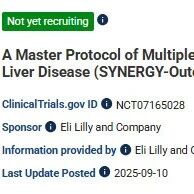
Core Viewpoint - The article discusses the advancements in GLP-1 drug development, particularly focusing on Eli Lilly's innovative drugs, Tirzepatide and Retatrutide, and their potential applications in treating various conditions, including MASLD [4][6]. Group 1: Clinical Trials and Research - Eli Lilly registered a Phase III clinical trial for Tirzepatide and Retatrutide targeting MASLD, aiming to enroll 4,500 patients, with preliminary results expected by 2030 [4]. - The trial will evaluate the efficacy and safety of Tirzepatide and Retatrutide in treating MASLD, with the primary observation endpoint being the MALO composite endpoint [4]. Group 2: Drug Development and Mechanism - Eli Lilly maintains a leading position in multi-target GLP-1 drug development, with Tirzepatide being the first GLP-1/GIP dual-target agonist and Retatrutide being the first triple-target agonist acting on GLP-1/GIP/GCG [6]. - Retatrutide is currently involved in multiple Phase III studies, including those for obesity and type 2 diabetes, and the new MASLD trial expands its indication exploration [6]. - Additionally, Retatrutide is being evaluated for its potential efficacy in chronic kidney disease (CKD) [6].

平均减重22.8公斤!医学专家是如何评价替尔泊肽的
GLP1减重宝典· 2025-09-15 09:48
Core Viewpoint - Tirzepatide has gained unprecedented attention as an effective solution for sustainable weight loss, initially developed for treating type 2 diabetes, and has proven effective in controlling blood sugar and aiding weight loss [4] Group 1: Clinical Trial Data - Mounjaro has shown significant results in the SURMOUNT-5 phase 3 clinical trial, where participants lost an average of 50.3 pounds (22.8 kg) over 72 weeks [6] - Experts highlight that Mounjaro is one of the first drugs to effectively combine weight loss and metabolic health improvement, marking a cornerstone in modern obesity treatment [6] Group 2: Mechanism of Action - Mounjaro employs a dual-target mechanism, affecting two key hormones, GIP and GLP-1, which helps patients feel full longer and reduces binge eating impulses [6][7] - This multi-target approach is noted to provide comprehensive support for weight management, leading to better long-term results compared to traditional methods [7] Group 3: Health Benefits Beyond Weight Loss - Tirzepatide has shown improvements in metabolic indicators such as blood pressure, blood lipids, BMI, and waist circumference, which are critical risk factors for cardiovascular diseases [8] - Ongoing SURPASS-CVOT trials aim to clarify the cardiovascular benefits of Tirzepatide compared to other treatments [8] Group 4: Broader Implications - The drug has been approved for treating moderate to severe obstructive sleep apnea (OSA) in obese adults, indicating a close link between obesity and OSA [9] - Positive results from the SUMMIT trial show a 38% reduction in heart failure risk among patients treated with Tirzepatide, along with significant improvements in heart failure symptoms and physical ability [9] - The SYNERGY-NASH study indicates that Tirzepatide can help 73% of patients achieve resolution of metabolic dysfunction-associated fatty liver disease (MAFLD) without worsening fibrosis [9] Group 5: Future Outlook - The impact of obesity extends beyond health, contributing to various complications and economic burdens on society [10] - Effective weight loss interventions can significantly reduce the risk of related conditions, such as type 2 diabetes and sleep apnea, by over 50% for patients without complications [12] - Experts believe that advancements in science may lead to a turning point in the battle against obesity, making weight loss less of a struggle [12]
婚姻是男性"发福催化剂"?最新研究揭示惊人数据!
GLP1减重宝典· 2025-09-15 09:48
Core Viewpoint - The recent research from the European Congress on Obesity reveals that married men face a significantly higher risk of obesity compared to their single counterparts, with a 3.2 times increase in obesity risk, while married women do not experience a similar trend [5][8][11]. Group 1: Research Findings - Married men have a 62% higher probability of being overweight compared to single men [8][11]. - The obesity risk for married men is 3.2 times that of single men, while married women only see a 39% increase in overweight risk, with their obesity rates remaining relatively stable [11]. - The study analyzed 2,405 participants, with 35.3% having normal weight, 38.3% overweight, and 26.4% obese, highlighting a correlation between marital status and weight changes [9][10]. Group 2: Factors Influencing Weight - Age is an independent factor affecting weight, with each additional year increasing the risk of being overweight by 3% for men and 4% for women, and the risk of obesity by 4% for men and 6% for women [11]. - Factors such as depression and lack of health knowledge further increase obesity risk, particularly for women [11]. Group 3: Lifestyle Implications - The study suggests that the increase in weight for married men may be linked to increased food intake, more social gatherings, and reduced physical activity, while women may be more focused on weight management due to societal pressures [11][13]. - The article encourages couples to adopt healthier lifestyles together, emphasizing the importance of mutual support in maintaining a healthy weight [13].

速递|国产竞争者+1,太极集团司美格鲁肽获批临床
GLP1减重宝典· 2025-09-14 03:08
Core Viewpoint - The article discusses the recent approval of clinical trials for Semaglutide injection by Taiji Group's subsidiary, indicating a significant step in the GLP-1 drug market in China, which is currently dominated by Novo Nordisk's product. Group 1: Clinical Trial Approval - Taiji Group's subsidiary, Fuling Pharmaceutical Factory, has received the clinical trial approval notice from the National Medical Products Administration for Semaglutide injection [2] - The clinical trial is aimed at adult patients with type 2 diabetes who have not achieved blood sugar control despite using metformin and/or sulfonylureas, as well as those with cardiovascular diseases [6] Group 2: Market Competition - As of the announcement date, Novo Nordisk is the only company with an approved Semaglutide injection in China, generating significant revenue of $29.296 billion in 2024 [7] - Taiji Group's entry into the GLP-1 market signifies the emergence of new competition, with the company claiming advantages in quality and large-scale production through efficient yeast expression technology [7] Group 3: Research and Development Investment - The cumulative R&D investment for the Semaglutide project by Taiji Group is approximately RMB 44.1834 million (unaudited) [8] - Following the approval, Fuling Pharmaceutical Factory will initiate clinical trials and submit data to the regulatory authority for production and market approval [8] Group 4: Company Overview - Taiji Group is a large pharmaceutical manufacturing enterprise in China, involved in traditional Chinese medicine, chemical drugs, and active pharmaceutical ingredients [9] - The company's move into the GLP-1 target is viewed as a crucial step towards its transformation into modern biopharmaceuticals [9]


《Nature》权威发布:胖瘦之谜——顶尖研究团队破解人体脂肪构造变革密码!
GLP1减重宝典· 2025-09-14 03:08
Core Viewpoint - Obesity has become a global health challenge, with over 1 billion people affected worldwide, leading to various chronic diseases and reduced quality of life [7]. Group 1: Health Implications of Obesity - The World Health Organization (WHO) reports that obesity is associated with a fivefold increased risk of type 2 diabetes compared to individuals with normal weight, as well as a significant rise in cardiovascular disease incidence [7]. - Understanding the pathophysiological mechanisms of obesity and the positive effects of weight loss is crucial for improving global public health [7]. Group 2: Research Insights on Adipose Tissue - Recent research highlights the central role of adipose tissue in obesity and related metabolic diseases, revealing that abnormal remodeling of adipose tissue can lead to metabolic dysfunction, while weight loss can significantly improve this condition [8]. - A study published in Nature utilized high-resolution single-cell and spatial transcriptomics to explore cellular changes and molecular events in adipose tissue during obesity and weight loss, providing a theoretical foundation for innovative treatment strategies [8][10]. Group 3: Study Design and Findings - The study involved 70 participants, including 25 obese patients before and after weight loss surgery and 45 healthy individuals as a control group, analyzing over 170,000 cells' gene expression profiles [10]. - Findings indicated significant changes in various cell types within the adipose tissue of obese patients, with increased stress responses and aging characteristics, which improved post-weight loss surgery [10][11]. - The integration of single-cell sequencing and spatial transcriptomics allowed researchers to comprehensively understand the dynamic changes in adipose tissue during obesity and weight loss, revealing that weight loss surgery enhances metabolic flexibility and reduces inflammatory responses in immune cells [11].

为什么使用司美格鲁肽等GLP-1药物减肥期间一定要多喝水?
GLP1减重宝典· 2025-09-14 03:08
Core Viewpoint - The article emphasizes the importance of hydration for individuals using GLP-1 medications, highlighting that adequate water intake can enhance the effectiveness of these weight loss drugs and mitigate potential side effects [4][6][7]. Group 1: Importance of Hydration - Water constitutes about 20% of daily total water intake, and using GLP-1 medications may lead to reduced food and water consumption, increasing the risk of dehydration [4]. - Proper hydration is crucial for digestion and drug metabolism, ensuring sufficient digestive fluids are available to aid in food breakdown and nutrient absorption [6]. - Insufficient water intake can lead to constipation and bloating, which may hinder weight loss efforts [6]. Group 2: Symptoms of Dehydration - Users of GLP-1 medications may experience mild dehydration, leading to symptoms such as headaches, muscle cramps, nausea, constipation, fatigue, and dizziness [7]. - Dehydration can exacerbate gastrointestinal side effects like nausea and constipation, making it essential for users to maintain adequate hydration [7]. Group 3: Detoxification and Fat Metabolism - Water aids in the elimination of toxins released during fat breakdown, preventing their accumulation and ensuring effective metabolism [8]. - Sufficient hydration is necessary for the body to metabolize fat efficiently, as dehydration can slow down weight loss progress [9]. Group 4: Energy Levels and Exercise Performance - Fatigue is a common side effect of dehydration and weight loss medications; drinking water can help restore energy levels [11]. - Hydration is vital for muscle function, endurance, and recovery, especially when exercise is part of a weight loss plan [11]. Group 5: Hydration Guidelines - There are no specific guidelines for water intake for GLP-1 users, but general recommendations suggest women should consume about 91 ounces and men about 125 ounces of water daily [12]. - Individual hydration needs may vary based on factors such as body size, other medications, outdoor temperature, and physical activity [12]. Group 6: Monitoring Hydration - A simple method to check hydration levels is by observing urine color; pale yellow indicates adequate hydration, while dark yellow suggests a need for increased intake [13]. - Keeping track of fluid intake and ensuring regular hydration throughout the day can help meet daily liquid goals [13].