GLP1减重宝典

Search documents
权威解析:腰高比何以成为肥胖疾病评估的金标准?
GLP1减重宝典· 2025-09-14 03:08
Core Viewpoint - The article emphasizes the importance of waist-to-height ratio (WHtR) as a superior metric for assessing obesity-related metabolic risks compared to traditional body mass index (BMI) measurements, highlighting its advantages in clinical practice and recent guideline updates [6][10][12]. Group 1: Obesity and Metabolic Disorders - The obesity rate among adults in China has surpassed 50% and is projected to reach 61% by 2030, indicating a serious public health challenge [8]. - Obesity is linked to various metabolic disorders, including dyslipidemia, insulin resistance, and chronic inflammation, which can lead to severe diseases such as chronic kidney disease, cardiovascular diseases, type 2 diabetes, and certain cancers [8]. Group 2: Waist-to-Height Ratio Advantages - Waist-to-height ratio (WHtR) is highlighted for its significant advantages over BMI, including better correlation with visceral fat accumulation and broader coverage of metabolic disorders [6][10]. - WHtR demonstrates higher diagnostic sensitivity and specificity for identifying obesity-related diseases, particularly in women, and effectively addresses the limitations of BMI [10]. Group 3: Clinical Guidelines and Standards - Recent international guidelines suggest a paradigm shift in obesity diagnosis, incorporating WHtR into the assessment criteria, thus moving from a weight-centric approach to a comprehensive metabolic risk evaluation [12][13]. - The updated diagnostic pathways include multiple metrics for confirming obesity, enhancing the precision of identifying high-risk individuals [13].


为何减重屡战屡败?《自然》重磅解密:体重回升背后藏着你无法想象的生物钟陷阱
GLP1减重宝典· 2025-09-13 04:27
Core Viewpoint - The article discusses a groundbreaking study published in "Nature Metabolism" that reveals a significant mechanism behind obesity, focusing on the role of a specific protein released by gut microbiota, which may explain the challenges faced by individuals trying to lose weight [7][10]. Group 1: Research Findings - A special protein called flagellin, released by gut microbiota, is identified as a key signaling molecule that regulates appetite [7]. - The study introduces the concept of "neurobiotic sense," establishing a high-speed communication channel between the gut and the brain [9]. - Analysis of 56 human adipose tissue samples shows that mitochondrial fragmentation creates a metabolic vicious cycle, making it harder for long-term obese individuals to lose weight [10]. Group 2: Practical Solutions - Following food intake, the activity of gut microbiota increases, leading to a significant rise in flagellin release, which is detected by specialized PYY neuroendocrine cells in the colon [11]. - The TLR5 receptor on these cells acts as a "microbial radar," triggering the secretion of PYY hormone, which sends a "stop eating" signal to the brain via the NPY2R receptor on the vagus nerve [11]. - Recommendations include optimizing fat intake by avoiding long-term high-fat diets, replacing saturated fats with monounsaturated fats, and controlling daily fat intake to 25-30% of total calories [12]. Group 3: Exercise Recommendations - High-Intensity Interval Training (HIIT) is suggested, with a regimen of three sessions per week, each lasting only 20 minutes [12]. - A specific exercise pattern of 30 seconds of all-out sprinting followed by 90 seconds of gentle recovery is recommended [19]. Group 4: Nutritional Strategies - Implementing targeted nutrient supplementation and managing meal timing by compressing the daily eating window to 8-10 hours, with at least 14 hours of fasting after dinner [19].

哈佛大学最新研究颠覆认知:低碳水饮食未必能减肥,错误选择或致体重反弹
GLP1减重宝典· 2025-09-13 04:27
Core Viewpoint - The recent study from Harvard University reveals that the effectiveness of low-carbohydrate diets (LCDs) for weight loss is highly dependent on food quality rather than merely reducing carbohydrate intake. This challenges the traditional belief that simply cutting carbs leads to weight loss [4][7][11]. Summary by Sections Low-Carbohydrate Diets and Weight Loss - Traditional views suggest that strict carbohydrate restriction is effective for weight loss, but the latest research indicates that not all low-carb diets are beneficial. The quality of the diet is the key determinant of success [4][7]. - A large-scale study involving over 120,000 participants found that low-carb diets based on animal proteins and refined fats had limited weight loss effects and could even lead to rapid weight regain [4][5]. Quality of Food Choices - The study tracked participants for 24 years and found that those who chose plant-based proteins, healthy fats, and whole grains had significantly better weight maintenance compared to those on traditional low-carb diets [5][8]. - Participants who preferred red meat and processed foods in their low-carb diets experienced greater weight gain than those on regular diets, highlighting the importance of food sources and quality in weight management [5][7]. Implications for Weight Management - The findings suggest that for low-carb diets to be effective, individuals should prioritize high-quality plant proteins, unsaturated fats, and low-glycemic carbohydrates instead of simply reducing staple foods [8][11]. - The research emphasizes the need for personalized nutrition strategies, as the effectiveness of plant-based low-carb diets varies based on individual initial body weight, particularly benefiting overweight individuals (BMI 25-30) [9][10]. Conclusion and Future Directions - The study provides a more scientific approach to weight management, indicating that food quality should replace carbohydrate quantity as the new standard for healthy eating [8][11]. - Future research should further explore the impact of plant-based low-carb diets on body composition and metabolic health, considering individual differences in metabolism [10][11].

有关司美格鲁肽口服片,问得最多的10个问题
GLP1减重宝典· 2025-09-13 04:27
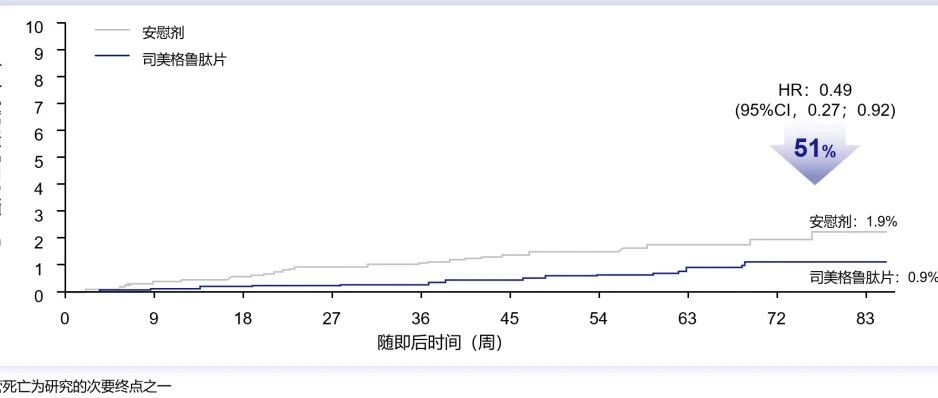
Core Viewpoint - The article discusses the effectiveness, safety, and usage guidelines of Semaglutide, a GLP-1 receptor agonist, for weight loss and its implications for patients with obesity and related comorbidities [5]. Weight Loss Efficacy - In the OASIS 1 study, patients taking oral Semaglutide 50mg lost an average of 17.4% (18.34 kg) of their body weight over 68 weeks [6]. - The OASIS 4 study showed that patients taking oral Semaglutide 25mg lost an average of 13.6% (14.4 kg) over 64 weeks, with potential weight loss reaching 16.6% (17.6 kg) if all participants completed the treatment [7]. Side Effects - Approximately 30% of patients reported gastrointestinal side effects such as nausea, vomiting, and diarrhea, which were mostly mild to moderate and tended to resolve over time [8]. - Semaglutide has shown good safety in elderly patients and those with renal impairment, although caution is advised for patients with severe renal dysfunction [8][9]. Usage Guidelines - Semaglutide should be taken at least 30 minutes before the first meal of the day, using no more than 118ml of plain water for swallowing [10]. - The starting dose is recommended at 3mg once daily for 30 days, followed by an increase to 7mg once daily, with a maximum dose of 14mg if necessary [12][13]. Lifestyle Changes - Weight loss should not solely focus on dieting; a balanced diet with adequate protein intake and regular physical activity is essential [15][18]. - The article emphasizes the importance of not consuming fewer than 1200 calories daily and suggests a "small meals" approach to avoid binge eating [15][17]. Mechanism of Action - Semaglutide lowers blood sugar through a glucose-dependent mechanism, improving beta-cell function and insulin resistance while suppressing glucagon secretion [19]. - It mimics GLP-1 to regulate appetite and prolong satiety by slowing gastric emptying [20][21]. Other Therapeutic Effects - Semaglutide has been shown to significantly lower blood sugar levels and has additional benefits such as weight loss, blood pressure reduction, and lipid regulation [29]. - In the PIONEER 6 study, it demonstrated a 51% reduction in cardiovascular death risk compared to placebo in patients with type 2 diabetes and cardiovascular risk factors [30]. Advantages of Oral Formulation - The oral formulation of Semaglutide is easier to store and transport compared to injectable forms, which require strict cold chain logistics [31][32]. - It is also more convenient for patients who may have a fear of injections [33]. Risk of Hypoglycemia - Semaglutide's glucose-dependent mechanism means it does not cause hypoglycemia in individuals with normal blood sugar levels, making it a safer option for weight loss [34]. Weight Regain After Discontinuation - A study indicated that 18% of patients regained weight after stopping Semaglutide, while 56% maintained or continued to lose weight [35].
速递|重磅!CDE发布《重组胰高血糖素样肽-1受体激动剂药学研究与评价技术指导原则(试行)》
GLP1减重宝典· 2025-09-13 04:27
Core Viewpoint - The article outlines the technical guidance principles for the pharmaceutical research and evaluation of recombinant glucagon-like peptide-1 (GLP-1) receptor agonists, emphasizing the importance of quality management throughout the product lifecycle and the need for rigorous research on impurities and production processes [5][8]. Summary by Sections Introduction - GLP-1 is a hormone that plays a significant role in blood sugar control and weight management through its interaction with GLP-1 receptors. The guidance focuses on the characteristics of recombinant GLP-1 receptor agonists and the key research areas for product registration [8]. Scope of Application - The guidance applies to recombinant DNA technology-produced GLP-1 receptor agonists, categorized into three classes based on their structure and production processes: GLP-1 short peptides, chemically modified GLP-1 receptor agonists, and GLP-1 receptor agonists fused with other proteins [9][10]. General Principles - Emphasizes a quality-by-design approach in the development of recombinant GLP-1 receptor agonists, including research strategies, lifecycle management, and impurity studies [10][12][13]. Raw Liquid Production Process - Highlights the importance of raw materials in product quality, including seed batches and production enzymes. It stresses the need for risk assessment and compliance with pharmacopoeia standards [14][15][16]. Formulation and Production Process - Discusses the significance of formulation in ensuring drug stability and patient compliance. It covers the development of single-dose and multi-dose formulations, including considerations for excipients and microbial safety [25][26][27]. Quality Research and Quality Control - Quality research should align with the principles of recombinant protein drugs, focusing on structural confirmation, impurity analysis, and the impact of modifications on biological activity [32][33][38]. Packaging System - The packaging system's integrity and compatibility with the product are crucial for maintaining quality and stability [45]. Stability Research - Stability studies are essential throughout the product lifecycle to support storage, transportation, and usage, ensuring microbial safety and product efficacy [46].

速递|每三个月只要1针!歌礼制药推出超长效减重GLP-1药物
GLP1减重宝典· 2025-09-12 02:59
Core Viewpoint - The article highlights the successful development of ASC30, a long-acting subcutaneous formulation of a small molecule GLP-1 receptor agonist by the company, which shows promise for quarterly dosing in obesity management, addressing an unmet need in long-term weight management [2][5]. Group 1: Product Development - ASC30 is the first and currently the only investigational small molecule GLP-1 receptor agonist that can be developed as an oral tablet taken once daily or a subcutaneous formulation administered monthly or quarterly [5]. - The clinical study in the U.S. demonstrated a 75-day half-life for ASC30, indicating its potential for less frequent dosing [2]. - The treatment showed good tolerability with only mild gastrointestinal reactions, which may enhance patient compliance and quality of life [2]. Group 2: Company Overview - The company focuses on innovative therapies for chronic diseases, particularly in the development of small molecule drugs aimed at sustainable weight control [6]. - ASC30 is a new chemical entity (NCE) with compound patent protection in the U.S. and globally until 2044, excluding any patent extensions [5].

哈佛大学最新研究颠覆认知:低碳水饮食未必能减肥,错误选择或致体重反弹
GLP1减重宝典· 2025-09-12 02:59
Core Viewpoint - The latest research from Harvard University reveals that the effectiveness of low-carbohydrate diets (LCDs) for weight loss is highly dependent on food quality rather than merely reducing carbohydrate intake. This challenges the traditional belief that simply cutting carbs leads to weight loss [4][7][11]. Summary by Sections Research Findings - A large-scale study involving over 120,000 participants indicates that not all low-carb diets are effective for weight loss; the quality of the diet is crucial [4][5]. - Those following a high-quality low-carb diet, rich in plant proteins, healthy fats, and whole grains, showed significantly better weight maintenance compared to traditional low-carb dieters [5][7]. Dietary Recommendations - The study suggests prioritizing sources of high-quality plant proteins, unsaturated fats, and low-glycemic carbohydrates when adopting a low-carb diet, rather than simply reducing carbohydrate intake [8][11]. - The findings emphasize that blindly pursuing low-carb intake without considering food choices may lead to metabolic imbalances and increased obesity risk [7][11]. Individual Variability - The effectiveness of plant-based low-carb diets varies based on individual initial body weight, with the most significant benefits observed in overweight individuals (BMI 25-30) [9][10]. - The research highlights the need for personalized dietary management, taking into account individual metabolic conditions when selecting weight loss strategies [10][11]. Implications for Weight Management - This research provides a more scientific approach to weight management, suggesting that food quality should replace carbohydrate quantity as the new standard for healthy eating [8][11]. - The study's conclusions are expected to influence global dietary guidelines, promoting a shift towards more personalized and precise nutritional strategies [11].

为何减重屡战屡败?《自然》重磅解密:体重回升背后藏着你无法想象的生物钟陷阱
GLP1减重宝典· 2025-09-12 02:59
Core Insights - The article discusses a groundbreaking study published in *Nature Metabolism* that reveals a significant mechanism behind obesity, specifically the malfunction of "micro power plants" in fat cells, which may explain the challenges faced in weight loss efforts [7][10]. Group 1: Research Findings - A specific protein released by gut microbiota, known as flagellin, is identified as a key signaling molecule that regulates appetite [7]. - The study introduces the concept of "neurobiotic sense," establishing a high-speed communication channel between the gut and the brain [9]. - Analysis of 56 human fat tissue samples shows that mitochondrial fragmentation creates a metabolic vicious cycle, making it harder for long-term obese individuals to lose weight [10]. Group 2: Practical Solutions - Following food intake, the activity of gut microbiota increases, leading to a significant rise in flagellin release, which is detected by specialized PYY neuroendocrine cells in the colon [11]. - The TLR5 receptor on these cells acts as a "microbial radar," triggering the secretion of PYY hormone, which sends a "stop eating" signal to the brain via the NPY2R receptor on the vagus nerve [11]. - Recommendations include optimizing fat intake by avoiding long-term high-fat diets, replacing saturated fats with monounsaturated fats, and controlling daily fat intake to 25-30% of total calories [12]. Group 3: Exercise Recommendations - High-Intensity Interval Training (HIIT) is suggested, with a regimen of three sessions per week, each lasting only 20 minutes [12]. - A specific exercise pattern of 30 seconds of all-out sprinting followed by 90 seconds of gentle recovery is recommended [19]. Group 4: Nutritional Strategies - A targeted nutrient supplementation plan and scientific meal timing management are advised, including compressing the daily eating window to 8-10 hours and maintaining at least a 14-hour fasting period after dinner [19].

跳不出减重反弹怪圈?科学告诉你原因,GLP-1或许真能帮上忙
GLP1减重宝典· 2025-09-12 02:59
Core Viewpoint - The article emphasizes that effective weight loss requires a scientific approach rather than extreme dieting or excessive exercise, highlighting the importance of maintaining muscle mass and a balanced lifestyle to avoid rebound weight gain [6][10][15]. Group 1: Weight Loss Challenges - Many individuals experience weight fluctuations, often losing weight only to regain it quickly, which may be due to ineffective weight loss methods [6]. - The concept of "false weight" is introduced, indicating that weight loss on the scale may not reflect actual fat loss, as it could be water or muscle loss instead [7]. - Extreme dieting and excessive exercise can lead to muscle loss and a decrease in metabolic rate, making it harder to maintain weight loss and leading to a cycle of rebound weight gain [8][10]. Group 2: Scientific Weight Loss Strategies - A healthy weight loss rate is suggested to be about 0.5% to 1% of body weight per week, equating to approximately four to ten pounds per month [12]. - Combining diet and exercise is crucial; a balanced intake of quality proteins and regular physical activity, including both aerobic and strength training, is recommended to preserve muscle and enhance metabolism [12]. - After achieving weight loss goals, a consolidation period of 1 to 3 months is necessary to maintain new weight levels by continuing healthy habits [12]. Group 3: GLP-1 Weight Loss Method - The GLP-1 weight loss method is introduced as a new approach for those struggling with weight loss or experiencing rebound effects [13]. - GLP-1, a hormone secreted by the intestines, helps control appetite and prolongs gastric emptying, leading to reduced caloric intake [13][14]. - Compared to traditional dieting and exercise, GLP-1 has the advantage of promoting fat loss rather than just water or muscle loss, resulting in more sustainable weight loss [14]. - It is emphasized that GLP-1 usage should be under medical supervision, and it should be combined with healthy lifestyle changes for long-term effectiveness [14].

Nature子刊揭秘肥胖新机制:线粒体碎裂成关键突破口!中国近半人口面临超重困扰
GLP1减重宝典· 2025-09-11 08:15
Core Viewpoint - The article discusses a groundbreaking study revealing the role of the RalA gene in obesity, particularly how it regulates mitochondrial function and energy metabolism in white adipose tissue, providing a potential new target for obesity treatment [5][12]. Group 1: Obesity Statistics and Mechanisms - Recent statistics indicate that over 49% of China's population is overweight or obese, making it the country with the highest number of obese individuals globally [4]. - The study from the University of California, San Diego, highlights that high-fat diets lead to mitochondrial dysfunction in white adipose tissue, contributing to obesity through impaired energy expenditure and fat accumulation [5][12]. Group 2: RalA Gene's Role in Obesity - RalA gene expression increases significantly in white adipose tissue of mice fed a high-fat diet, while RalA knockout mice show reduced weight gain and improved glucose tolerance despite high-fat feeding [7][8]. - The absence of RalA in these mice leads to decreased liver fat accumulation and improved glucose and lipid metabolism, indicating its critical role in metabolic disorders associated with obesity [8][12]. Group 3: Mitochondrial Function and Energy Metabolism - RalA knockout mice exhibit increased energy expenditure and oxygen consumption without changes in food intake or activity levels, suggesting enhanced mitochondrial function [10]. - The study reveals that RalA deficiency prevents mitochondrial fragmentation, maintaining mitochondrial integrity and function, which is crucial for energy metabolism [11][12]. Group 4: Implications for Obesity Treatment - The findings suggest that targeting the RalA-Drp1 signaling pathway could lead to new obesity treatments by improving mitochondrial function and energy metabolism [12][13]. - This research provides a comprehensive molecular pathway from gene expression to mitochondrial dysfunction, offering a methodological framework for future studies on metabolic diseases [13].