GLP1减重宝典

Search documents
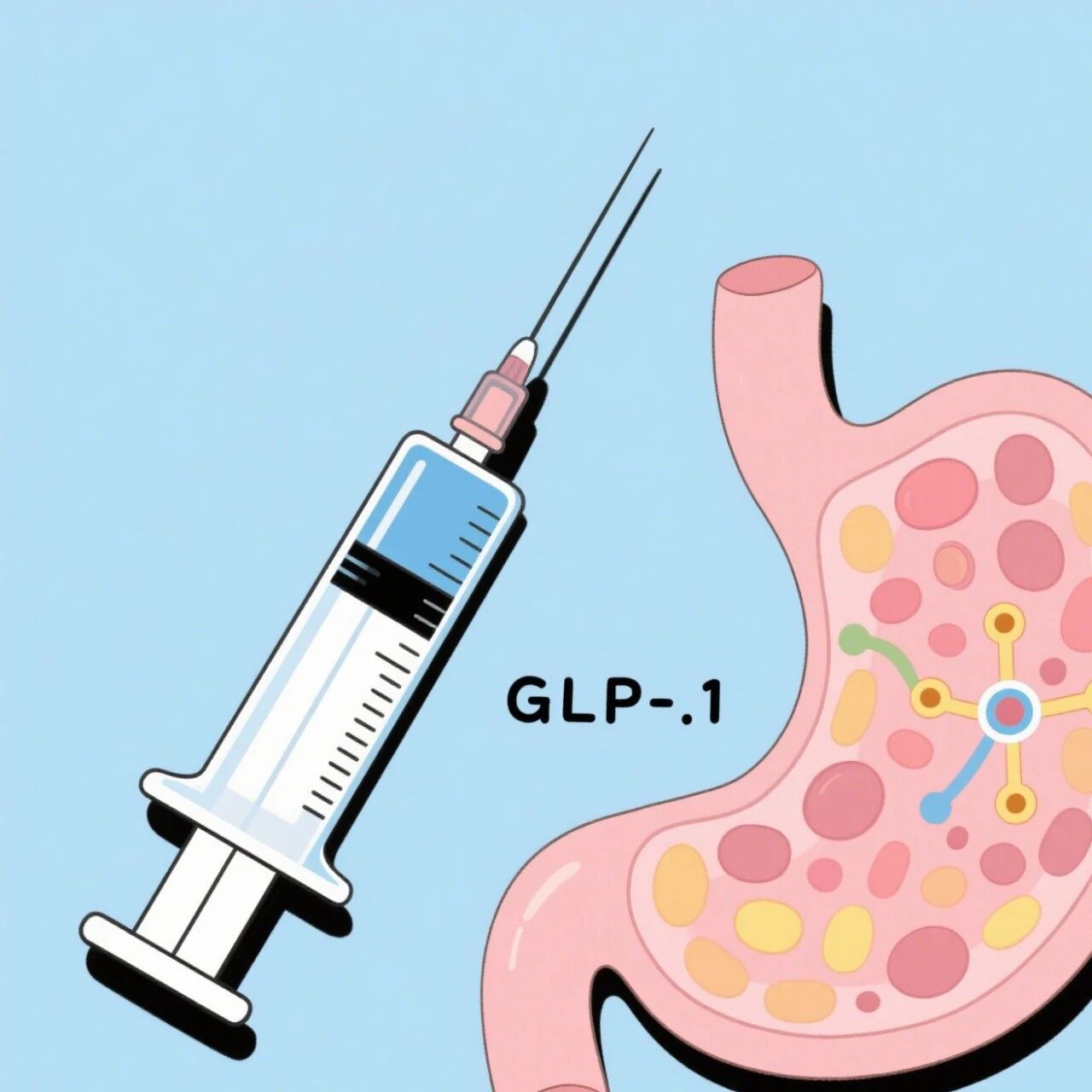
GLP-1受体激动剂二十年进化史:从实验室发现到临床治疗革命
GLP1减重宝典· 2025-09-19 03:37
Core Viewpoint - The article discusses the significant advancements in GLP-1 receptor agonists over the past two decades, marking a transformative era in the treatment of metabolic diseases, particularly diabetes and obesity. It highlights the drug's evolution from a laboratory discovery to a cornerstone in clinical therapy, emphasizing its multifaceted benefits beyond glucose control, including cardiovascular protection and weight management [4][5][6]. Group 1: Development and Mechanism - GLP-1 receptor agonists have transitioned from a niche laboratory target to a central therapeutic option in clinical settings, driven by early discoveries of GLP-1's glucose-dependent insulin secretion properties [5][9]. - The scientific foundation of GLP-1 receptor agonists dates back to the 1960s, with key discoveries revealing the biological mechanisms of GLP-1 and its interaction with GLP-1 receptors on pancreatic beta cells [8][9]. - Recent studies, such as the SELECT trial, demonstrated that semaglutide significantly reduces the risk of major cardiovascular events by 20%, independent of weight loss effects, highlighting its direct cardiovascular protective mechanisms [9][10]. Group 2: Clinical Applications and Benefits - Modern GLP-1 receptor agonists have evolved to include long-acting and oral formulations, expanding their therapeutic applications from blood glucose control to cardiovascular protection and weight management [5][6]. - The unique "organ protective" characteristics of GLP-1 receptor agonists position them as foundational drugs in managing metabolic syndrome, showcasing their comprehensive benefits beyond mere glucose regulation [5][6]. - The ongoing research is focused on multi-target collaboration and personalized treatment approaches, with new generation GLP-1 receptor agonists showing promise in treating neurodegenerative diseases and non-alcoholic fatty liver disease [6][12]. Group 3: Safety and Future Directions - Despite their efficacy, GLP-1 receptor agonists are associated with potential adverse effects, including gastrointestinal discomfort and serious complications like kidney damage and intestinal obstruction [10][11]. - Long-term safety and efficacy of GLP-1 receptor agonists require further validation through extended follow-up studies, with future research aimed at optimizing individualized dosing regimens and managing adverse reactions [11][12]. - The exploration of GLP-1's role in metabolic regulation continues to reveal new therapeutic targets, emphasizing the need for deeper understanding of its physiological and pathological mechanisms [12][14].

陷入瘦身-复胖死循环?揭秘背后机制,GLP-1药物或成突围关键
GLP1减重宝典· 2025-09-18 10:28
Core Insights - The article emphasizes that weight loss on the scale does not necessarily equate to fat loss, as initial weight loss often comes from water and muscle loss, which can lower the basal metabolic rate and lead to weight regain once normal eating resumes [6][7][8]. Group 1: Weight Loss Strategies - Extreme dieting and excessive exercise can lead to muscle loss and a decrease in metabolic rate, creating a vicious cycle of weight loss and regain [7][8]. - A healthy weight loss goal is approximately 0.5%-1% of body weight per week, equating to 2-5 kg per month, rather than drastic short-term weight loss [7][8]. - Combining a balanced diet with regular exercise is crucial; adequate protein intake and resistance training help preserve muscle mass and enhance fat burning [8]. Group 2: GLP-1 Weight Loss Method - The GLP-1 method, which involves a hormone that regulates appetite and promotes fat loss, has shown effectiveness in weight management and is now approved for weight loss in some cases [9]. - GLP-1 drugs help reduce caloric intake and promote fat breakdown, leading to more sustainable weight loss compared to traditional dieting [9]. - It is important to combine GLP-1 medication with healthy eating and exercise for long-term success, as reverting to unhealthy habits can lead to weight regain [9].
剔除饮食中的这种氨基酸,竟能引发惊人减重效果!
GLP1减重宝典· 2025-09-18 10:28
Core Insights - The article discusses a groundbreaking study revealing that the removal of cysteine from the diet of mice led to a dramatic weight loss of 30% within just seven days, highlighting a new direction in metabolic regulation research [5][8][12]. Group 1: Research Findings - The study published in a prestigious journal indicates that cysteine plays a crucial role in energy metabolism, with its absence triggering significant metabolic changes [6][9][12]. - Mice lacking the ability to synthesize cysteine experienced a rapid weight loss, suggesting that cysteine is a key regulatory point in energy balance [9][12][13]. - The weight loss observed was not solely due to reduced food intake, as the cysteine-deficient group lost more weight than those on a standard calorie-restricted diet, underscoring the unique role of this amino acid in metabolism [9][10]. Group 2: Mechanisms of Action - The absence of cysteine initiated a fundamental shift in metabolic patterns, leading to increased fat burning and a transformation of white adipose tissue into a brown-like state, which enhances energy expenditure [10][12][13]. - The study identified a cascade effect involving glutathione depletion and stress response activation, which effectively switched the body's metabolism to a more efficient fat-burning state [13][14]. - The findings suggest that targeting cysteine metabolism could provide new therapeutic strategies for obesity and related metabolic disorders, potentially revolutionizing treatment approaches [12][14]. Group 3: Implications for Future Research - The research opens up new avenues for developing precise metabolic interventions that focus on specific amino acid pathways rather than traditional dietary restrictions [12][13]. - The potential for cysteine-targeted therapies could extend beyond obesity to include treatment strategies for type 2 diabetes and non-alcoholic fatty liver disease, indicating a broader impact on metabolic health [14].

速递 | 全球GLP-1药物上半年销售额破350亿美金,超过PD-1/PD-L1药物
GLP1减重宝典· 2025-09-18 10:28
Core Insights - The global pharmaceutical market is experiencing a significant shift with GLP-1 receptor agonists surpassing $35 billion in sales, marking a historic change as they outpace PD-1/PD-L1 inhibitors for the first time [2] - GLP-1 drugs are projected to reach over $70 billion by the end of 2025, indicating a robust growth trajectory in the pharmaceutical sector [2] Group 1: Market Dynamics - PD-1/PD-L1 inhibitors, once the leading cancer treatment, are seeing a slowdown in growth due to limited indications and increased competition, with a projected market size of $53.9 billion to $62.2 billion by 2025 [5] - In contrast, GLP-1 drugs are tapping into the vast markets of diabetes and obesity, with over 500 million diabetes patients and nearly 1 billion obese individuals globally, driving rapid market expansion [5] Group 2: Competitive Landscape - The GLP-1 market is dominated by two major players: Novo Nordisk and Eli Lilly, with Novo Nordisk's semaglutide products gaining significant market share and recognition [7] - Eli Lilly's tirzepatide is also gaining traction, with a revenue increase of over 45% in its weight management segment, contributing to the company's market capitalization exceeding $800 billion [7] Group 3: Expanding Indications - Semaglutide's approval for chronic kidney disease treatment in China signifies an expansion of its application in chronic disease management, potentially benefiting millions of patients [8] - Eli Lilly's entry into the obstructive sleep apnea (OSA) market with tirzepatide highlights the potential for GLP-1 drugs to address multiple metabolic diseases, with the OSA market estimated to exceed $20 billion [9]


双雄争霸!礼来GLP-1新药头对头优于口服司美格鲁肽
GLP1减重宝典· 2025-09-18 10:28
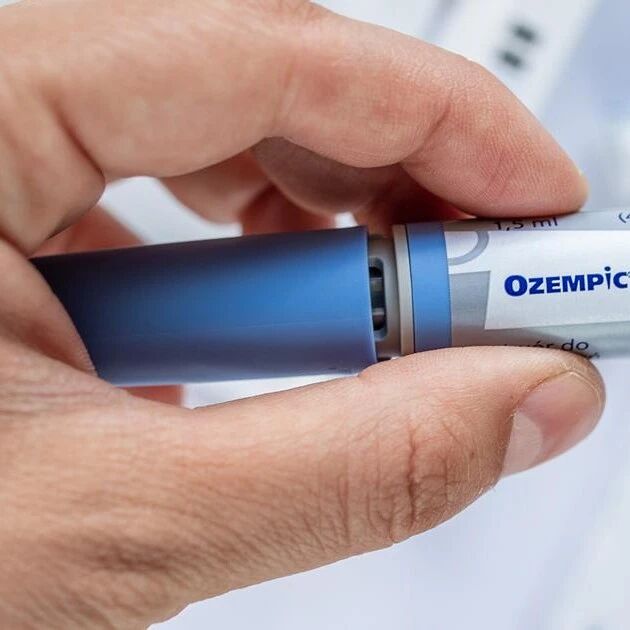
Core Viewpoint - The article highlights the positive results of the ACHIEVE-3 study for orforglipron, a once-daily oral GLP-1 receptor agonist, which shows superior efficacy compared to semaglutide in adults with type 2 diabetes [4][6]. Group 1: Study Results - The ACHIEVE-3 trial included 1,698 adults with type 2 diabetes inadequately controlled on metformin, comparing orforglipron (12mg and 36mg) with semaglutide (7mg and 14mg) [6]. - At week 52, orforglipron demonstrated a greater reduction in A1C levels, with decreases of 1.9% and 2.2% for the 12mg and 36mg groups, respectively, compared to 1.1% and 1.4% for semaglutide [6]. - In terms of weight loss, orforglipron resulted in reductions of 6.6kg (6.7%) and 8.9kg (9.2%), while semaglutide led to losses of 3.6kg (3.7%) and 5.0kg (5.3%) [6]. Group 2: Safety and Tolerability - The safety profile of orforglipron was consistent with previous studies, with the most common adverse effects being gastrointestinal symptoms, typically mild to moderate [8]. - The discontinuation rates due to adverse effects were 8.7% for the 12mg group and 9.7% for the 36mg group, compared to 4.5% and 4.9% for the semaglutide groups [8]. Group 3: Drug Profile - Orforglipron is an investigational small molecule, non-peptide GLP-1 receptor agonist that can be taken at any time of day without dietary restrictions [9]. - The drug is being developed by Eli Lilly, which has ongoing phase 3 studies to explore its application in type 2 diabetes and related metabolic complications [9].

速递|博瑞医药口服GLP-1双重激动剂获批减肥临床
GLP1减重宝典· 2025-09-17 04:03
Core Viewpoint - The article discusses the clinical trial approval for BGM0504, a dual agonist of GLP-1 and GIP receptors, which is expected to have potential in treating various metabolic diseases, including obesity and non-alcoholic steatohepatitis (NASH) [4][6]. Group 1: Clinical Trial and Drug Development - On September 16, Borui Biopharmaceuticals (Suzhou) Co., Ltd. announced that its subsidiary Borui Pharmaceutical (Suzhou) Co., Ltd. received the clinical trial approval notice from the National Medical Products Administration to conduct trials of BGM0504 tablets in overweight and obese adults [4]. - BGM0504 is designed to activate two downstream signaling pathways, which can help control blood sugar levels, reduce weight, and improve conditions like NASH [6]. - Currently, the injectable form of BGM0504 is in Phase III clinical trials for two indications: type 2 diabetes and weight loss, while the tablet form is being developed for oral administration [7]. Group 2: GLP-1 Drug Class Overview - GLP-1 (glucagon-like peptide-1) is a hormone produced by intestinal L cells and is classified as an incretin. GLP-1 receptor agonists are a new class of hypoglycemic drugs that enhance insulin secretion in a glucose-dependent manner, suppress glucagon secretion, and delay gastric emptying, leading to reduced food intake and lower blood sugar levels [17].


瘦身奇效,糖患重获健康!顶级医刊曝光重磅研究:体重降幅与二型糖尿病逆转率惊人相关
GLP1减重宝典· 2025-09-17 04:03
Core Insights - A groundbreaking meta-analysis published in *The Lancet Diabetes & Endocrinology* reveals a strong dose-response relationship between weight loss and diabetes remission in overweight or obese patients with type 2 diabetes [6][9] Summary by Sections Weight Loss and Diabetes Remission - The study found that weight loss is a critical factor in controlling type 2 diabetes and reducing the risk of related complications, providing clear treatment goals and expected outcomes for clinicians and patients [9] Research Methodology - The research team systematically screened all relevant randomized controlled trials up to July 30, 2024, from PubMed, Embase, and clinical trial registries, ultimately selecting 22 high-quality studies [7] - Complete remission was defined as having a hemoglobin A1c level below 6.0% or fasting blood glucose below 5.6 mmol/L without any antidiabetic medications after one year of intervention [7] Results of Weight Loss Interventions - Dramatic differences in complete remission rates were observed based on weight loss: only 0.7% of patients with less than 10% weight loss achieved complete remission, while nearly half (49.6%) of those losing 20%-29% achieved it, and an impressive 79.1% of those losing over 30% did [7][8] - Partial remission rates also showed a clear stepwise increase: 5.4% for less than 10% weight loss, 48.4% for 10%-19%, 69.3% for 20%-29%, and 89.5% for over 30% [7][8] Statistical Analysis - The analysis indicated that for every 1% weight loss, the probability of complete remission increased by 2.17%, and the probability of partial remission increased by 2.74% [8] - No significant associations were found between remission outcomes and factors such as age, sex, race, disease duration, baseline body mass index, hemoglobin A1c levels, insulin use, or weight loss intervention methods [8]
里程碑!司美格鲁肽片欧盟获批,诺和诺德押注心血管千亿美元市场
GLP1减重宝典· 2025-09-17 04:03
Core Viewpoint - Novo Nordisk announced that the European Medicines Agency (EMA) has approved an update to the label of Rybelsus (oral semaglutide) to reflect cardiovascular benefits demonstrated in the SOUL trial [2][4]. Group 1: Cardiovascular Benefits - Oral semaglutide is now the first oral GLP-1 receptor agonist in the EU to have confirmed cardiovascular benefits in the treatment of type 2 diabetes [4]. - The SOUL trial is a Phase 3b study assessing the impact of oral semaglutide on cardiovascular outcomes in patients with type 2 diabetes and atherosclerotic cardiovascular disease (ASCVD) and/or chronic kidney disease (CKD) [2][6]. Group 2: Implications for Treatment - Cardiovascular complications are a leading cause of disability and death among type 2 diabetes patients, making treatments that protect the heart crucial for improving health outcomes and quality of life [6]. - With this approval, semaglutide becomes the only oral GLP-1 RA that can lower blood sugar and weight while providing cardiovascular benefits [6]. Group 3: Future Developments - In the U.S., a decision regarding the expansion of the label for oral semaglutide to include cardiovascular benefits is expected later this year [8]. - Novo Nordisk has also submitted an application for a daily 25 mg oral semaglutide (injection form marketed as Wegovy) for adults with obesity or overweight and cardiovascular disease, with results anticipated by the end of this year [8].

减重方案终极对决:低碳与低脂饮食究竟孰优孰劣?
GLP1减重宝典· 2025-09-17 04:03
Core Viewpoint - The article discusses the effectiveness of low-carbohydrate and low-fat diets for weight management, highlighting recent research that provides clinical guidance on their long-term effects and the importance of personalized dietary choices for individuals based on their metabolic characteristics and health risks [6][10][12]. Summary by Sections Low-Carbohydrate vs. Low-Fat Diets - Low-carbohydrate diets significantly reduce carbohydrate intake, improving insulin sensitivity and stabilizing blood sugar levels, making it suitable for individuals with metabolic issues [8]. - Low-fat diets focus on reducing fat intake while maintaining satiety, effectively improving lipid profiles and supporting cardiovascular health [8]. - Both diets show similar short-term weight loss results, with reductions of approximately 4.6 kg for low-carb and 4.3 kg for low-fat over six months [10]. Practical Considerations in Weight Management - Adherence to dietary plans is crucial, as both diets face challenges of compliance leading to weight regain over time [10]. - Cultural dietary preferences and regional eating habits significantly influence the effectiveness of these diets, necessitating a tailored approach [11][12]. - The article emphasizes the need for a dynamic adjustment process in weight management, where dietary plans are continuously optimized based on individual responses [13][15]. Personalized Dietary Strategies - Successful weight management requires a personalized approach that considers individual health conditions, dietary preferences, and cultural backgrounds [14]. - The "health triangle" theory proposed by experts includes moderate weight loss speed, personalized dietary plans, and timely adjustments, emphasizing the importance of patient-doctor communication [15]. Potential Risks and Adjustments - Both low-carb and low-fat diets may have potential side effects, such as metabolic issues or nutrient deficiencies, highlighting the need for professional supervision [12]. - The article advocates for a flexible approach that may involve switching between dietary strategies and incorporating exercise or medication as needed [13][14].

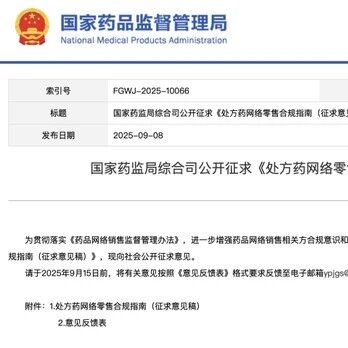
速递|直播带药、买药赠药有风险!网售处方药合规指南来了
GLP1减重宝典· 2025-09-16 03:02
Core Viewpoint - The article discusses the recent guidelines issued by the National Medical Products Administration (NMPA) to regulate online sales of prescription drugs, aiming to establish a comprehensive risk prevention mechanism for the entire chain from drug promotion to distribution and traceability [4][5]. Summary by Sections Regulatory Framework - The new guidelines provide detailed operational guidance for compliant business practices in the online prescription drug market, addressing existing regulatory gaps due to the rapid development of e-commerce platforms [4][5]. - The guidelines emphasize the need for real and reliable prescription sources, requiring real-name registration and ensuring that prescription reviews are conducted by qualified professionals rather than automated systems [5][6]. Compliance and Enforcement - The guidelines mandate that every prescription must undergo professional review to ensure the prescribing physician has the necessary qualifications and that the prescribed medications are safe and appropriate [6]. - The document also prohibits misleading marketing practices, such as "buy one get one free" promotions, and restricts the use of various online marketing methods for prescription drugs [6]. Implementation and Future Outlook - Although the guidelines are not formal regulations, they are seen as a concrete elaboration of existing laws, providing a strong basis for implementation and operational guidance for companies [6]. - The effective parts of these guidelines may eventually be incorporated into formal legislation, reflecting regulatory responsiveness to new internet business models [6].