具身智能之心

Search documents
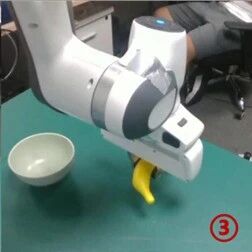
各大顶会对RL和这些工作的结合很青睐~
具身智能之心· 2025-10-14 10:00
Core Insights - Reinforcement Learning (RL) remains a significant field with ongoing developments and applications in various domains, including robotics and product optimization [1][2][3] - The importance of gait control in embodied intelligent robots is highlighted, with RL being the primary method for achieving complex movements [2][8] - The complexity of RL poses challenges for newcomers, necessitating structured guidance to facilitate entry into the field and successful paper publication [5][9] Group 1: Importance of Reinforcement Learning - RL is not an outdated discipline; it continues to be relevant with numerous applications in robotics, such as humanoid and quadruped robots [1][2] - Companies like Yushun and Zhiyuan utilize RL for training robots to perform various challenging tasks, including climbing stairs and running [2][8] - The integration of RL with Variable Length Action (VLA) in robotic arms is gaining traction in academic research, enhancing the efficiency of robotic operations [3][8] Group 2: Challenges in Learning and Research - The extensive and complex nature of RL makes it difficult for beginners to navigate, often leading to frustration and abandonment of studies [5][9] - A lack of a comprehensive learning framework can result in repeated mistakes and missed opportunities in research [6][9] - The introduction of a specialized 1v6 mentoring course aims to address these challenges by providing structured support for students in the RL field [6][9] Group 3: Course Structure and Offerings - The course spans 14 weeks of intensive online guidance followed by 8 weeks of maintenance support, focusing on producing a publishable paper [10][11] - Weekly live sessions will cover various topics, including RL fundamentals, simulation environments, and writing guidance, with a focus on practical applications [17][21] - Participants will have the opportunity to work on specific ideas related to quadruped, humanoid, and robotic arm research, with a structured approach to project development and writing [18][25]

史上最全robot manioulation综述,多达1200篇!西交,港科,北大等八家机构联合发布
具身智能之心· 2025-10-14 03:50
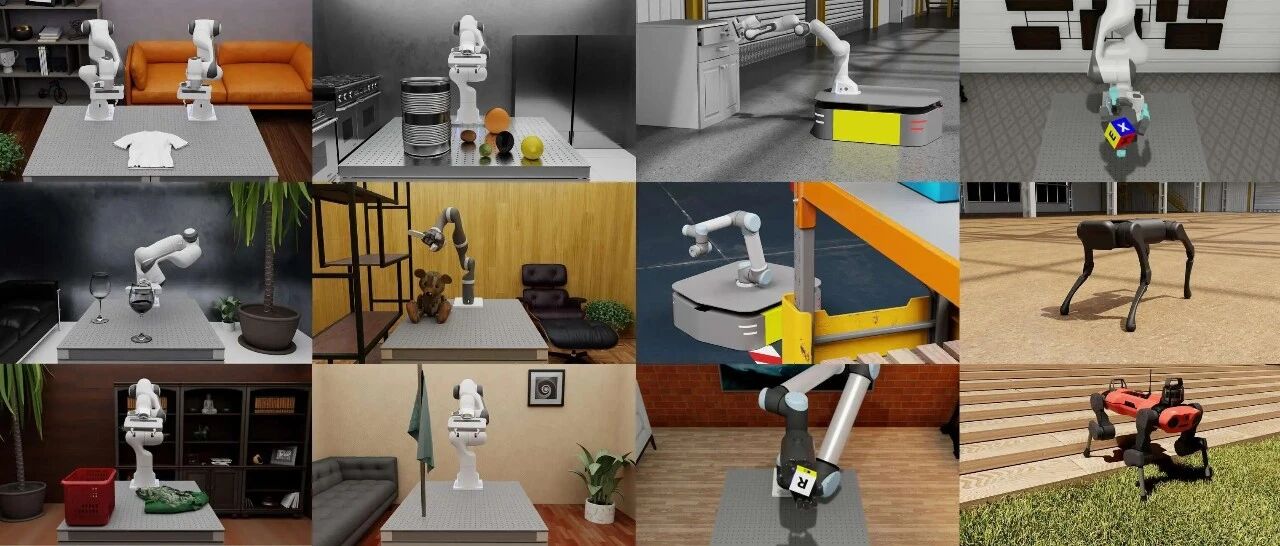
Core Insights - The article discusses the rapid advancements in artificial intelligence, particularly in embodied intelligence, which connects cognition and action, emphasizing the importance of robot manipulation in achieving general artificial intelligence (AGI) [3][4]. Summary by Sections Overview of Embodied Intelligence - Embodied intelligence is highlighted as a crucial frontier that enables agents to perceive, reason, and act in real environments, moving from mere language understanding to actionable intelligence [3]. Paradigm Shift in Robot Manipulation - The research in robot manipulation is undergoing a paradigm shift, integrating reinforcement learning, imitation learning, and large models into intelligent control systems [4][6]. Comprehensive Survey of Robot Manipulation - A comprehensive survey titled "Towards a Unified Understanding of Robot Manipulation" systematically organizes over 1000 references, covering hardware, control foundations, task and data systems, and cross-modal generalization research [4][6][7]. Unified Framework for Understanding Robot Manipulation - The article proposes a unified framework that extends traditional high-level planning and low-level control classifications, incorporating language, code, motion, affordance, and 3D representations [9][20]. Key Bottlenecks in Robot Manipulation - Two major bottlenecks in robot manipulation are identified: data collection and utilization, and system generalization capabilities, with a detailed analysis of existing solutions [27][28]. Future Directions - Four key future directions are proposed: building a true "robot brain" for general cognition and control, breaking data bottlenecks for scalable data generation and utilization, enhancing multi-modal perception for complex interactions, and ensuring human-robot coexistence safety [34].
最近面向具身科研级的硬件好像越来越多了......
具身智能之心· 2025-10-14 00:02
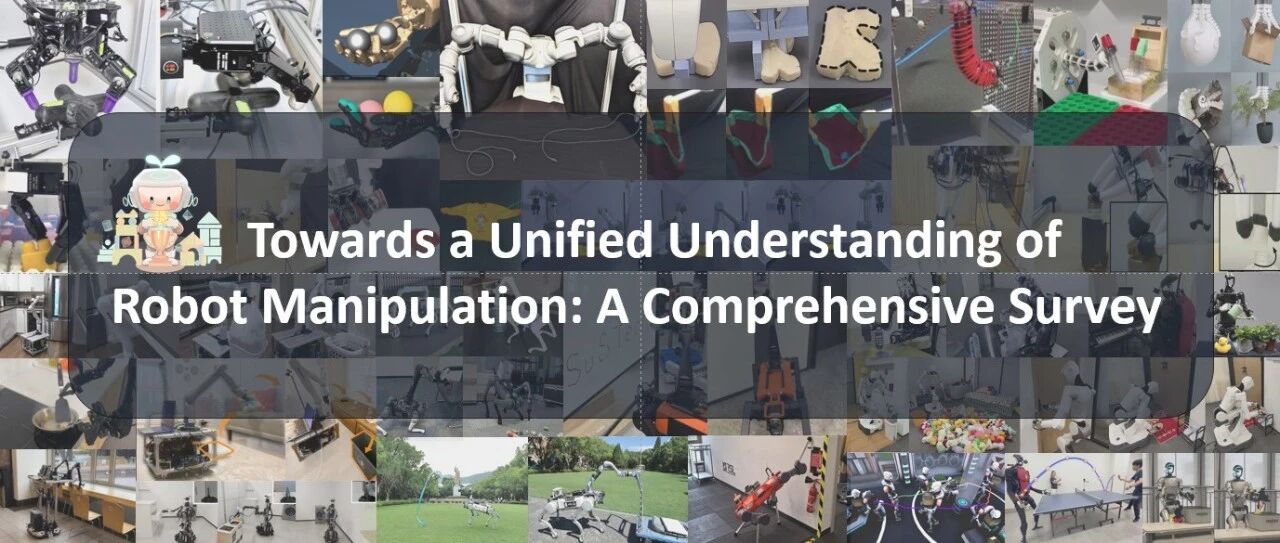
Core Insights - The article discusses the importance of profitability strategies in the robotics industry, particularly focusing on research scenarios as a common theme among companies [1] - It highlights the competitive landscape where traditional robotics manufacturers are transitioning while new companies are emerging, emphasizing the significance of differentiated competition [1] - The article identifies various educational scenarios for the deployment of robotics, suggesting that education is a promising area for industry exploration and development [1] Group 1: Community and Collaboration - The community has established a closed-loop system covering multiple fields such as industry, academia, job seeking, and Q&A exchanges [3] - It has compiled over 30 technical routes to assist users in finding benchmarks, reviews, and learning paths, significantly reducing search time [4] - The community invites industry experts to engage in discussions, providing insights into the latest developments and challenges in the field [4] Group 2: Research and Learning Resources - The community offers a comprehensive collection of open-source projects, datasets, and mainstream simulation platforms related to embodied intelligence [13][19] - It provides detailed learning routes for beginners and advanced researchers, covering various aspects of embodied intelligence and robotics [8][10] - The community has compiled a list of well-known robotics companies and research institutions, facilitating networking and collaboration opportunities [19][22] Group 3: Technical Insights - The article outlines various technical topics such as data collection, multi-sensor fusion, and the development of visual language models [5] - It discusses the significance of simulation platforms and the challenges associated with real-to-sim and sim-to-real transitions in robotics [10][14] - The community emphasizes the importance of tactile perception and collaborative sensing in advancing robotic capabilities [12][14]

马斯克从英伟达挖人做AI游戏!第一步:研发世界模型
具身智能之心· 2025-10-14 00:02
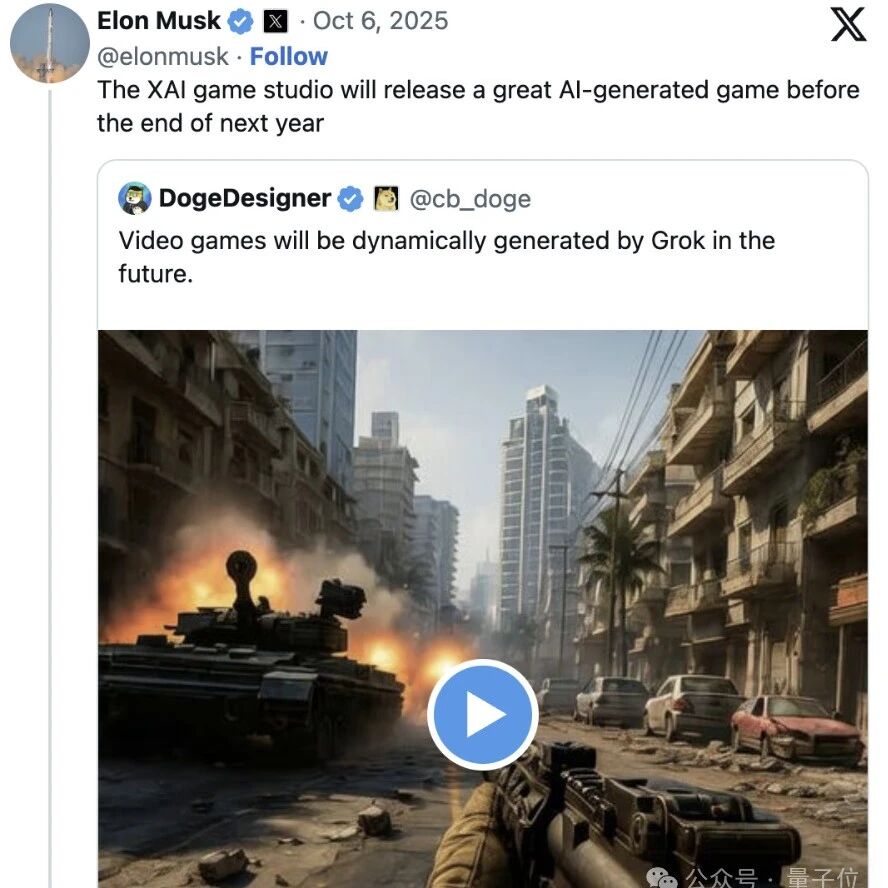
Core Insights - xAI, founded by Elon Musk, is entering the world model arena, a competitive space dominated by AI giants like Meta and Google DeepMind [2][7][8] - The company aims to leverage expertise from NVIDIA, having recruited key researchers to enhance its capabilities in developing world models [9][18] - Musk has set a target for xAI to release a groundbreaking AI-generated game by the end of 2026, aligning with the company's focus on world models [3][32][37] Group 1: xAI's Entry into World Models - xAI has begun its foray into world models, a concept that allows AI to simulate environments and predict outcomes, which is seen as a foundational element for Artificial General Intelligence (AGI) [23][24] - The company has hired researchers from NVIDIA, including Zeeshan Patel and Ethan He, who have experience in developing large-scale multimodal models and world models [9][12][18] - The world model concept is crucial for enabling AI to understand and interact with 3D environments, which can significantly impact various industries, including robotics and gaming [26][29] Group 2: Strategic Goals and Applications - xAI's initial focus within the world model framework is likely to be on video games, aiming to create adaptive and realistic 3D environments that respond to player actions [30][32] - The recruitment of a "Video Games Tutor" indicates a strategy to enhance AI's understanding of game mechanics and narrative design, which could lead to innovative game development [34][36] - Musk's vision for xAI includes a comprehensive understanding of the universe through world models, which could integrate with Tesla's data on robotics and autonomous driving, creating a synergistic ecosystem [40][41]

ICLR 2026惊现SAM 3,分割一切的下一步:让模型理解「概念」
具身智能之心· 2025-10-14 00:02
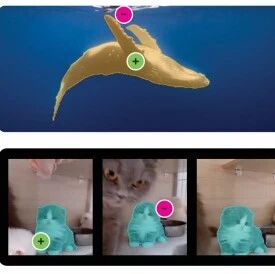
Core Viewpoint - The article discusses the release of the paper "SAM 3: Segment Anything with Concepts" by Meta, which introduces advancements in the field of computer vision, particularly in promptable concept segmentation [3][5][9]. Summary by Sections Introduction - The paper "SAM 3" has gained significant attention, suggesting it is a continuation of Meta's "Segment Anything" series, following the previous versions SAM 1 and SAM 2 [3][5][6]. Key Developments - SAM 3 introduces a new task called Promptable Concept Segmentation (PCS), allowing users to input text or image examples to predict instance and semantic masks for matching objects while maintaining identity consistency across video frames [9][17]. - The focus is on identifying atomic visual concepts, enabling the model to understand simple noun phrases like "red apple" or "striped cat" for segmentation [9][12]. Performance Improvements - SAM 3 shows significant performance improvements over SAM 2, achieving at least a 2x enhancement on the new benchmark SA-Co, with a zero-shot mask average precision of 47.0 on the LVIS dataset, surpassing the previous best of 38.5 [13][14]. - The model processes images with over 100 objects in just 30 milliseconds on a single H200 GPU [14]. Methodology - SAM 3 is built on a dual encoder-decoder transformer architecture, integrating a detector with a tracker and memory module for video applications [19]. - A scalable human-machine collaborative data engine was developed, annotating a high-quality training dataset with 4 million unique phrases and 520 million masks [20]. Benchmarking and Results - SAM 3 outperforms previous models in various benchmarks, including achieving a CGF score that is double that of the strongest baseline OWLv2 on the open vocabulary SA-Co/Gold dataset [28]. - In multiple public benchmarks, SAM 3 consistently exceeds the performance of strong expert baselines, demonstrating its effectiveness in instance segmentation and object detection tasks [27][30]. Conclusion - The advancements in SAM 3 position it as a leading model in the field of computer vision, particularly in the area of promptable segmentation, showcasing Meta's commitment to pushing the boundaries of AI technology [9][12][19].

LightVLA:你的VLA真的可以又强又快!
具身智能之心· 2025-10-14 00:02
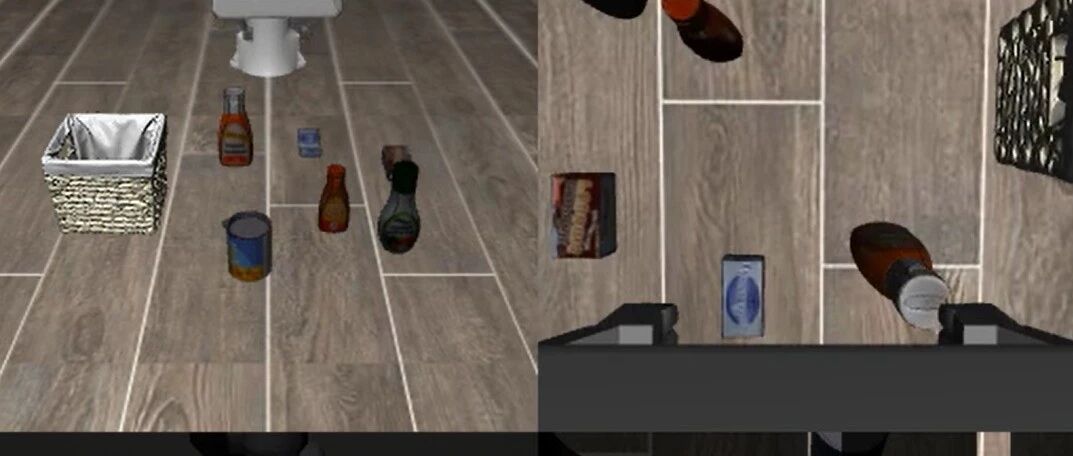
Core Insights - LightVLA is an innovative differentiable token pruning framework designed for vision-language-action (VLA) models, enabling them to focus on critical visual information while significantly reducing computational costs and improving performance [2][8]. Group 1: LightVLA Overview - LightVLA addresses the computational challenges faced by VLA models on resource-constrained platforms by implementing adaptive and performance-driven visual token pruning [2]. - The framework generates dynamic queries to assess the importance of visual tokens and employs Gumbel softmax for differentiable token selection, allowing for the retention of the most informative tokens while discarding irrelevant ones [2][3]. Group 2: Performance Metrics - Experimental results indicate that LightVLA outperforms various VLA models and existing token pruning methods across multiple tasks in the LIBERO benchmark, achieving a 59.1% reduction in computational load (FLOPs) and a 38.2% decrease in latency, while increasing task success rate by 2.6% [3][8]. - The success rate achieved by LightVLA is reported to be 97.4%, marking a significant improvement in efficiency and performance [8]. Group 3: Research Significance - LightVLA is the first framework to apply adaptive visual token pruning to VLA tasks while simultaneously optimizing efficiency and performance, representing a critical advancement towards efficient, powerful, and practical real-time robotic systems [3].
一些项目合作,待遇open~
具身智能之心· 2025-10-13 04:02
Core Insights - The company aims to empower partners and small businesses in various areas such as solution development, data collection, technology upgrades, and corporate training [1] - The company is inviting global practitioners in the embodied intelligence field to collaborate in technical services, training, course development, and research guidance [1] Company Overview - The company, "Embodied Intelligence Heart," is a leading creative platform in the domestic embodied intelligence sector, offering services that include online education, offline training, corporate consulting, promotional services, hardware R&D, and solution provision [3] Main Directions - The focus areas include but are not limited to: VLA, VLN, Diffusion Policy, Reinforcement Learning, VLA+RL, remote operation, motion capture, sim2real, multimodal large models, simulation, motion control, end-to-end systems, and 3D perception [5] Job Description - The positions are primarily aimed at embodied course development, solution R&D, hardware development, and training collaboration, targeting B-end clients such as enterprises, universities, and research institutes, as well as C-end clients including students and job seekers [6] Contact Information - Interested parties can add WeChat oooops-life for further inquiries [7]

你的第一套具身科研平台来了,高性价比+代码开发方便
具身智能之心· 2025-10-13 04:02
Core Viewpoint - Imeta-Y1 is a lightweight, cost-effective robotic arm designed specifically for beginners and researchers in the field of embodied intelligence, enabling low-cost and efficient algorithm validation and project development [2][5]. Group 1: Product Features - The robotic arm offers a complete open-source toolchain and code examples, facilitating a seamless process from data collection to model deployment [3][17]. - It supports dual-language interfaces in Python and C++, allowing users to quickly get started regardless of their programming background [3][18]. - Compatibility with ROS1 and ROS2 is provided, along with URDF models for smooth transitions between simulation and real-world applications [3][19]. - The arm features high-precision motion control, low power consumption, and an open hardware architecture, supporting seamless integration from simulation to real machine [5][6]. Group 2: Technical Specifications - The robotic arm has a weight of 4.2 kg, a rated load of 3 kg, and 6 degrees of freedom, with a working radius of 612.5 mm and a repeatability precision of ±0.1 mm [8][19]. - It operates at a supply voltage of 24V and communicates via CAN, with external interfaces for power and CAN connections [8][19]. - The arm's joint motion ranges and maximum speeds are specified, ensuring versatility in various applications [8][19]. Group 3: Development and Support - The company provides a comprehensive open-source SDK, including drivers, API interfaces, sample code, and documentation, supporting rapid application development [26][32]. - Users can leverage multi-modal data fusion capabilities, compatible with mainstream frameworks like TensorFlow and PyTorch, to implement end-to-end intelligent algorithms [32][29]. - The company offers timely after-sales support, with a 24-hour response guarantee, and bulk purchase discounts for educational and project development purposes [19][44].
多机器人协作不再「慢半拍」!ReCA破解具身智能落地效率瓶颈
具身智能之心· 2025-10-13 00:02
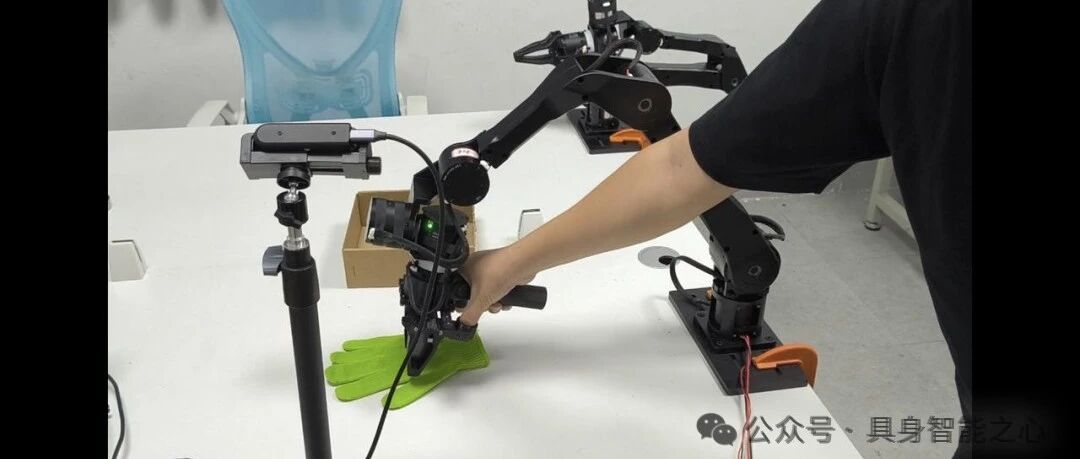
Core Insights - The article discusses the limitations of current embodied intelligent systems, highlighting the need for real-time and efficient task completion rather than just successful task execution [2][5][33] Group 1: Current Challenges in Embodied Intelligence - Current robots exhibit significant delays and inefficiencies, often completing tasks much slower than humans, which hinders their integration into daily life [2][4] - Three major performance bottlenecks are identified: high planning and communication delays, limited scalability, and sensitivity of low-level execution [7][9][11] Group 2: ReCA Framework - The ReCA framework aims to enhance the efficiency and scalability of cooperative embodied systems through a cross-layer collaborative design that integrates algorithms, systems, and hardware [13][33] - Key innovations include localized model processing to eliminate network delays, multi-step execution planning to reduce API calls, and a dual memory structure for improved task management [15][20][21] Group 3: Performance Improvements - ReCA demonstrates a 5-10 times speed increase in task completion while improving success rates by an average of 4.3% [25][28] - Even in large-scale scenarios with 12 agents, ReCA maintains a high success rate of 80-90%, compared to below 70% for baseline systems [29] Group 4: Future Implications - ReCA sets a foundation for the future of embodied intelligence, emphasizing the transition from merely functional robots to those that are efficient and effective [33] - The framework's approach to soft-hardware collaboration could redefine the design of future intelligent systems, enabling more complex and capable robotic applications in various fields [34]

统一高效VLA+RL训练平台RLinf-VLA!
具身智能之心· 2025-10-13 00:02
Core Insights - The article discusses the launch of RLinf, a large-scale reinforcement learning framework aimed at embodied intelligence, highlighting its flexibility and efficiency in system design [2][3]. Group 1: System Design - RLinf-VLA provides a unified and efficient platform for VLA+RL research, achieving a throughput improvement of 2.27 times compared to baseline platforms [2][5]. - It supports multiple simulators (LIBERO and ManiSkill), allowing for integrated training across different environments [5]. - The system allows for easy switching between various VLA models and RL algorithms, reducing the workload for model adaptation [5]. Group 2: Performance Overview - A single unified model achieved a success rate of 98.11% across 130 tasks in LIBERO and 97.66% in 25 pick & place tasks in ManiSkill [6]. - The RLinf-VLA framework demonstrates superior zero-shot generalization capabilities when deployed on real robotic systems compared to strategies trained with SFT [6][45]. Group 3: Algorithm Design - The framework introduces several design optimizations, including lightweight critics and trajectory length normalization, which significantly enhance training efficiency [9][21][25]. - It supports three levels of output granularity (token-level, action-level, chunk-level) for both advantage and log-probability calculations, allowing for flexible training strategies [12][14][22]. Group 4: Experimental Results - In multi-task experiments, the OpenVLA model showed performance improvements of 45% to 70% over baseline models in ManiSkill tasks [31]. - The RLinf-VLA framework demonstrated high efficiency in training, with significant reductions in training time compared to baseline methods [43][44]. Group 5: Real-World Application - The RLinf-VLA framework was successfully deployed on the Franka Panda robotic arm, showcasing its ability to generalize from simulation to real-world tasks [45].