
CHRISTINE(01210)

Search documents
视频|克莉丝汀退市一周年,投资5亿元、荒废10年的甜蜜城堡被爆破拆除,创始人之子计划回归烘焙界
Xin Lang Cai Jing· 2025-12-28 10:30
Core Insights - The article does not provide any specific content or insights regarding companies or industries [1] Summary by Categories - No relevant information available for summarization [1]
烘焙洗牌,谁能活到下一站?
Mei Ri Shang Bao· 2025-12-21 22:21
Group 1 - The core point of the articles highlights the bankruptcy of established bakery brands in China, such as "Floating Forest," which reflects the challenges faced by the baking industry due to a shift in consumer behavior and market dynamics [1][2] - "Floating Forest" has experienced multiple closures and reopenings since its first closure in July 2020, indicating instability in the business model and market conditions [1] - The bankruptcy trend is not isolated, as other brands like "Christine" and "Huan Niu Cake House" have also declared bankruptcy, driven by rising costs, intense competition, and management issues [1][2] Group 2 - The baking industry has transitioned from "incremental sharing" to "stock competition," where product innovations are quickly imitated, leading to profit erosion [2] - External pressures from new tea drinks, coffee chains, and retail giants have intensified competition, forcing traditional bakeries to adapt or close [2] - The current market reshuffle in the baking industry signifies the end of an era where success was based on location and scale, shifting towards a focus on product value, user experience, and operational efficiency [2][3]
a2牛奶公司与中国农垦扩容战略合作
Bei Jing Shang Bao· 2025-11-10 05:11
Core Viewpoint - The strategic partnership between a2 Milk Company and China National Agricultural Development Group Shanghai Co., Ltd. has been expanded, marking a new phase in their long-term collaboration since 2013, focusing on high-end dairy products and direct consumer access through e-commerce channels [1] Group 1: Strategic Partnership - The renewed agreement will enhance the existing exclusive import and distribution collaboration, expanding into core categories of a2's high-end dairy products [1] - The partnership aims to introduce flagship products that showcase a2's global innovation capabilities in high-end dairy to Chinese consumers [1] Group 2: Product Launch - The a2 Purple HMO series infant formula, showcased at the China International Import Expo, serves as the starting point and pilot for this expanded cooperation [1] Group 3: Executive Insights - The CEO of a2 Milk Company for Greater China expressed that the new strategic cooperation is not only about channel expansion but also about enhancing high-end product introduction, deepening cooperation models, and improving strategic synergy mechanisms [1] - The agreement reflects a strong commitment to serving the Chinese market and a long-term development outlook [1]
上海烘焙,怎么就成了全国最卷市场No.1?
东京烘焙职业人· 2025-11-03 09:29
Core Insights - Shanghai is the leading city in China's baking industry, with over 8,000 baking stores, accounting for a significant portion of the 338,000 nationwide [1][4] - The city's baking culture has evolved through distinct phases, each reflecting changes in consumer preferences and market dynamics [6][8] Group 1: Historical Development of Baking in Shanghai - The baking industry in Shanghai can be divided into four key phases, each marked by unique characteristics and consumer trends [8][10] - The first phase (1990s) saw the emergence of local brands and a mix of traditional and modern baking styles, with brands like 凯司令 and local shops gaining popularity [8][10] - The second phase (late 1990s to early 2000s) marked the entry of foreign and Taiwanese brands, leading to a brand-centric market with chains like 面包新语 and 克莉丝汀 becoming household names [12][14] - The third phase (mid-2000s) introduced boutique bakeries focusing on artisanal products, emphasizing quality ingredients and craftsmanship, with brands like Sunflour and 百丘 leading the way [17][20] - The fourth phase (late 2010s to early 2020s) saw a resurgence of local flavors and innovative concepts, blending traditional Chinese elements with Western baking techniques [22][24] Group 2: Factors Contributing to Shanghai's Dominance - Shanghai's unique consumer base, characterized by a willingness to experiment and a high aesthetic standard, has fostered a vibrant baking culture [32][34] - The city's dense urban structure and strong social media presence facilitate rapid brand visibility and consumer engagement, making it a trendsetter in the baking industry [35][37] - The evolution of baking entrepreneurs, often with international experience, has led to a focus on brand storytelling and lifestyle integration, enhancing product differentiation [38][40] - The discerning nature of Shanghai consumers drives continuous innovation among baking brands, ensuring that they remain at the forefront of market trends [41][46] Group 3: Current Trends and Consumer Behavior - The current baking landscape in Shanghai is marked by a diverse range of offerings, catering to various consumer segments and preferences [27][29] - The rise of health-conscious consumers has led to an emphasis on ingredient transparency, with terms like "French flour" and "natural yeast" becoming essential in brand positioning [48][50] - A shift in aesthetic preferences has emerged, with consumers favoring simplicity and authenticity over ostentation, reflecting a broader cultural trend towards minimalism [51][53] - The concept of baking as a lifestyle and cultural expression has solidified, with products serving as social currency and identity markers among consumers [55][57]


黄牛加价几十元,有人排队5小时!35元面包被年轻人疯抢
2 1 Shi Ji Jing Ji Bao Dao· 2025-10-26 02:23
Core Insights - The rise of high-priced trendy bread has become a new norm in the market, contrasting with the previously affordable bread options [1][2] - Young consumers are willing to spend significantly on expensive bread, often waiting in long lines to purchase [6][10] Price Trends - The price of bread has increased dramatically, with items like a 128 yuan "Black Mountain Toast" and 58 yuan "Wellington Beef Croissant" becoming common [2][4] - High-end bakery brands are expanding rapidly in first and second-tier cities, with average prices exceeding 60 yuan [4][12] Consumer Behavior - Young consumers are actively participating in the "bread craze," with reports of long queues and secondary market transactions for popular items [6][10] - The concept of "social currency" is prevalent, where purchasing trendy bread is more about the experience and social media presence than just consumption [11] Marketing Strategies - High-priced bakeries employ tactics such as scarcity marketing, unique product names, and social media engagement to attract consumers [8][9][10] - The use of premium ingredients and artisanal baking methods enhances the perceived value of the products [8] Industry Challenges - The bakery industry faces significant challenges, with 58% of stores failing within two years and rising costs for ingredients and rent [12][14] - High operational costs, including labor and raw materials, are putting pressure on high-end bakeries, leading to potential closures [13][14]
烘焙的倒闭故事,还在继续
创业邦· 2025-08-06 03:08
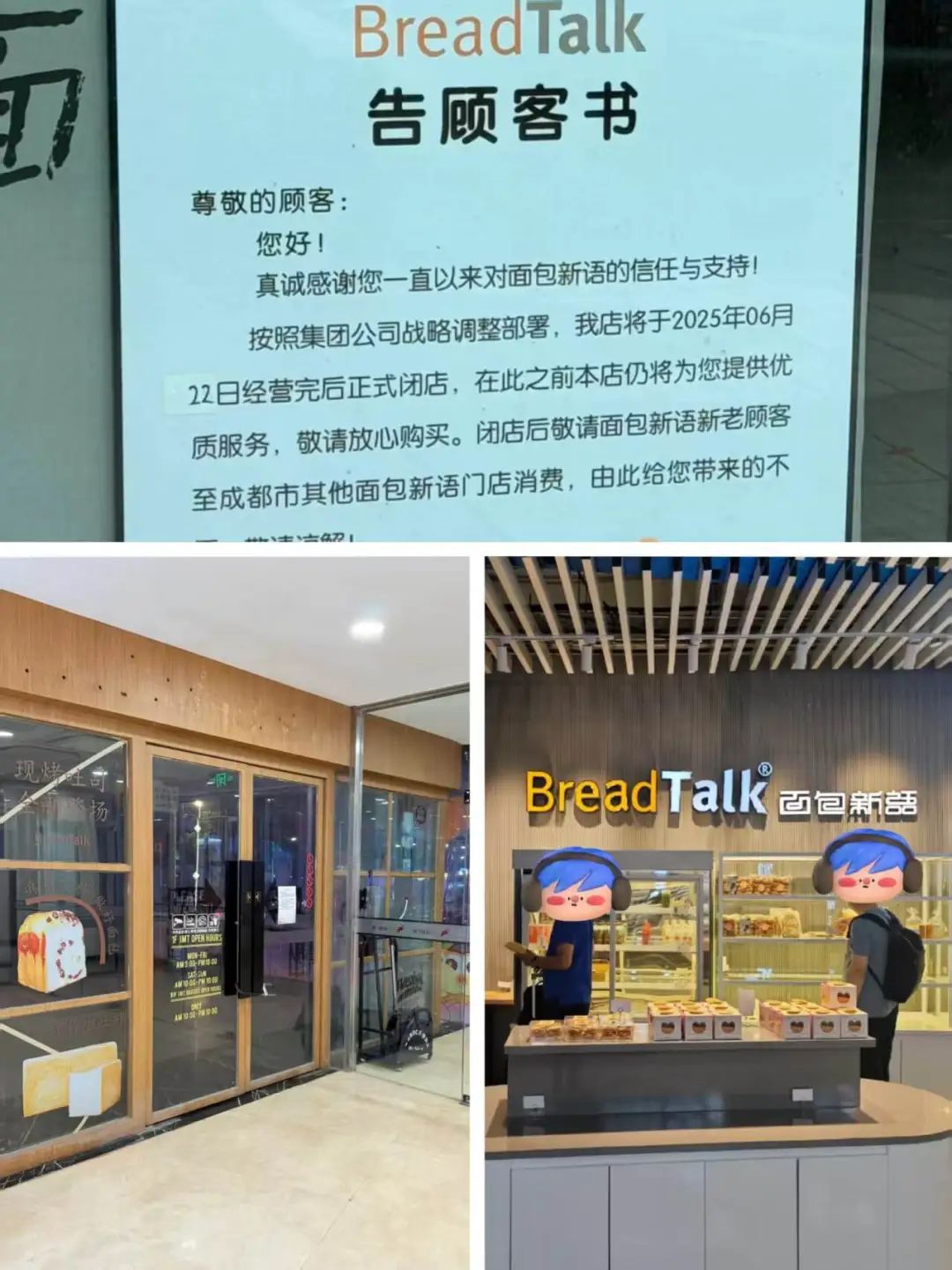
Core Viewpoint - The baking industry is experiencing a significant wave of closures, with many popular brands failing to sustain operations due to increased competition and rising costs, leading to a rapid market reshuffle [8][9][56]. Group 1: Current State of the Baking Industry - A large number of popular baking brands, including "BreadTalk" and "Gontran Cherrier," have recently closed multiple locations or ceased operations entirely, indicating a troubling trend in the industry [10][17][25]. - The closure rate in the baking sector is accelerating, with 2024 and early 2025 seeing a continuous stream of brand shutdowns, including notable names like "Panda Not Going" and "ABC Cooking Studio" [29][30]. - As of December 2024, the baking sector saw a net increase of only 8,000 stores, with a closure rate of 34.2% compared to an opening rate of 37.1% [30]. Group 2: Market Dynamics and Trends - Despite the closures, the baking market remains vibrant, with new brands emerging that focus on product innovation and quality, appealing to younger consumers [34][58]. - The market is witnessing a bifurcation into high-end and low-cost segments, with premium brands emphasizing quality and unique offerings, while budget brands focus on affordability and high volume [58][60]. - Major players like "Hai Di Lao" and "Cha Yan Yue Se" are entering the baking space with competitive pricing strategies, which may disrupt existing market dynamics and challenge high-priced brands [51][62]. Group 3: Future Outlook - The baking industry is expected to continue its rapid reshuffle, driven by supply chain efficiency, consumer insights, and brand resilience, with a focus on health, digitalization, and unique consumer experiences [62][63]. - Brands that can effectively navigate these trends and establish a strong market presence are likely to thrive, while those lacking core competitiveness may face accelerated exit from the market [63].


烘焙的倒闭故事,还在继续
3 6 Ke· 2025-07-31 01:29
Core Insights - The baking industry is experiencing a significant wave of closures, with many popular brands going out of business, indicating a deepening crisis in the sector [1][4][8][10] - Despite the closures, there is still a high level of interest in baking, with new brands emerging and expanding rapidly, particularly those focusing on premium products and innovative offerings [14][15][18][24] Closure Trends - In 2024 and early 2025, numerous well-known baking brands have announced closures, including major names like "Bread New Language" and "Gontran Cherrier," highlighting a troubling trend in the industry [1][4][12] - The net number of new baking stores has turned negative recently, with a decrease of 1,986 stores, indicating a contraction in the market [11] - The survival rate of baking stores has dropped significantly, with the median lifespan now at just 8.2 months [24] Market Dynamics - The baking market is undergoing a bifurcation, with a clear divide between high-end and low-cost offerings, while mid-tier brands are being rapidly eliminated [24][25] - New entrants, including established food brands like "Tea Yan Yue Se" and "Hai Di Lao," are entering the baking space with competitive pricing strategies, further reshaping the market landscape [18][21][27] - The focus on supply chain efficiency and consumer insights is becoming crucial for brands to survive and thrive in this competitive environment [26][27] Emerging Opportunities - Premium baking brands are gaining traction among younger consumers, emphasizing product innovation and quality ingredients [14][15] - The rise of baking factories and low-cost options is catering to the underserved lower-tier markets, presenting new growth opportunities [15][16] - The future of the baking industry may revolve around health-conscious, scene-based, and digital strategies, with brands that can adapt to these trends likely to dominate the market [27]
一季度餐饮市场,这几个变化万万没想到
3 6 Ke· 2025-04-09 03:43
Core Insights - The restaurant industry is entering a new quality cycle after three years of upheaval, with a notable increase in new registrations of restaurant-related businesses, totaling 625,000 as of March 24, 2023, reflecting a 6.25% year-on-year growth in the first two months of the year [1][3] Group 1: Market Trends - Despite the traditional challenges of the first quarter, several innovative brands are emerging successfully, such as Tian Geng Ji, which opened nine new stores in the first quarter and has a high table turnover rate of 8-10 times per day [3] - The market for Yunnan, Guizhou, and Sichuan cuisine is projected to reach 34 billion yuan in 2024, with a year-on-year growth of 6.9%, indicating a significant expansion in major cities like Beijing and Shanghai [3] Group 2: Brand Challenges - Several once-prominent brands are facing severe challenges, with Christine, the "baking first stock," entering bankruptcy and closing all stores due to debt issues [5] - Other brands like Xiao Chuang Jiang and Jiang Hu Dong Bai Ding have also closed multiple locations, indicating a trend of contraction among previously successful brands [5][6] Group 3: Industry Evolution - The high-margin era of 65%-70% is over, leading to a shift from aggressive price wars to a focus on brand building and product quality [7][8] - Major brands are expanding their product lines and shifting from a single product focus to a broader scene-based strategy, as seen with Tai Er and Xi Bei [10][14] Group 4: Consumer Preferences - There is a growing consumer demand for high-quality, locally sourced ingredients, with brands focusing on product authenticity and quality over mere marketing [15][17] - Seasonal limited-time offerings are being introduced to stimulate consumer interest and increase repeat purchases, as demonstrated by Ba Wang Cha Ji's new product line [17]

克莉丝汀“倒下”背后:烘焙市场的新老交锋
2 1 Shi Ji Jing Ji Bao Dao· 2025-04-08 13:08
Core Viewpoint - The company Christine has filed for bankruptcy due to an inability to repay debts, contrasting sharply with the booming baking industry in China, which is expected to grow significantly in the coming years [1][2]. Company Summary - Christine has been accepted for bankruptcy proceedings by the Shanghai Third Intermediate People's Court, with the first creditors' meeting scheduled for May 8 [1]. - The company is currently involved in 907 legal cases, with a total amount of 106 million yuan at stake [1]. - Christine's peak saw it operating nearly 1,000 stores, but it has since closed all locations, with a reported debt of approximately 57 million yuan in unpaid rent, supplier payments, and employee salaries [3]. - The company has faced nine consecutive years of losses since 2013, leading to a significant reduction in store numbers from 1,000 to 246 by mid-2022 [2][3]. Industry Summary - The Chinese baking market is thriving, with a retail market size of 561.42 billion yuan in 2023, reflecting a year-on-year growth of 9.2% [1]. - The market is projected to expand to 859.56 billion yuan by 2029, driven by increasing consumer spending and changes in dining consumption patterns [1]. - New retail channels are emerging, with traditional baking shops losing market share to supermarkets and online platforms, which offer a wider variety of products at competitive prices [5][6]. - The demographic of primary consumers in the baking market is shifting to younger generations (ages 24-44), who prioritize health and variety in their food choices [6].
克莉丝汀(01210) - 2022 - 中期财报
2022-09-30 09:02
Revenue Performance - For the six months ended June 30, 2022, the Group's revenue was approximately RMB 46,509,000, representing a decrease of approximately 71.3% compared to RMB 161,829,000 for the same period in 2021[22]. - The decrease in revenue was mainly due to the prolonged COVID-19 pandemic in Shanghai, which severely impacted the retail sector[22]. - Revenue from the Shanghai area accounted for approximately 59.9% of the Group's revenue in the first half of 2022, down from 66.0% in the same period of 2021[28]. - Total revenue from all product categories decreased in the first half of 2022, with bread and cakes revenue down by approximately RMB92,780,000 or 72.0%, pastries down by approximately RMB17,197,000 or 73.3%, and other products down by approximately RMB5,343,000 or 55.9%[29]. - The revenue from bread and cakes was RMB 36,015,000, while pastries generated RMB 6,274,000, both showing a significant decline compared to the previous year[21]. Financial Performance - The gross profit for the six months ended June 30, 2022, was approximately RMB 9,209,000, down from RMB 71,977,000 in the same period of 2021, reflecting a significant decline[21]. - The Group's gross profit for the six months ended 30 June 2022 was approximately RMB9,209,000, representing a decrease of approximately 87.2% from RMB71,977,000 in the same period of 2021, with a gross profit margin of 19.8% compared to 44.5%[35]. - The loss attributable to owners of the Company increased by approximately RMB4,505,000 from RMB68,009,000 in the first half of 2021 to RMB72,514,000 in the first half of 2022[53]. - The total comprehensive loss for the period was RMB 72,514,000, compared to a loss of RMB 68,009,000 for the same period in 2021[169]. - Loss from operations increased to RMB 67,679,000, compared to a loss of RMB 62,277,000 in the prior year, reflecting a worsening operational performance[157]. Cost Management - Selling and distribution expenses decreased by approximately RMB53,575,000 or 47.4% from approximately RMB112,916,000 in the same period of 2021 to approximately RMB59,341,000[40]. - Administrative expenses decreased by RMB3,158,000 or 14.2% from approximately RMB22,250,000 in the same period of 2021 to approximately RMB19,092,000[46]. - Total staff costs during the period were approximately RMB61,252,000, accounting for approximately 131.7% of operating revenue, a significant increase from 50% in the corresponding period in 2021[129]. Store Operations - The Group closed 94 loss-making stores, reducing the number of operating stores from 340 at the end of June 2021 to 246 by the end of the first half of 2022[25]. - The Group's strategy to close underperforming stores was implemented to mitigate losses due to poor revenue performance and rising rental costs[25]. - Of the closed stores, 57 were located in Shanghai, 23 in Jiangsu, and 14 in Zhejiang[25]. Inventory and Receivables - Inventory turnover days increased to 76 days as of 30 June 2022, compared to 40 days as of 31 December 2021, primarily due to decreased production and sales volume[56]. - Trade receivables turnover days increased by 4 days, from 5 days for the year ended 31 December 2021 to 9 days for the six months ended 30 June 2022[62]. - The aging of trade receivables showed a significant decrease in the 0 to 30 days category, from RMB3,103,000 as of 31 December 2021 to RMB1,484,000 as of 30 June 2022[70]. Cash Flow and Liquidity - Cash (and bank card) sales amounted to approximately RMB26,247,000, accounting for 54.7% of total sales revenue, compared to RMB96,160,000 and 59.4% in the same period of 2021[30]. - Bank and cash balances amounted to approximately RMB21,452,000 as of 30 June 2022, representing an increase of approximately RMB3,550,000 compared to RMB17,902,000 as of 31 December 2021[99]. - The net increase in cash and cash equivalents for the period was RMB 3,550,000, down from RMB 6,622,000 in the prior year[175]. - The cash and cash equivalents at the end of the reporting period were RMB 21,452,000, compared to RMB 70,469,000 at the end of June 2021[175]. Future Outlook and Strategy - The Group is actively attempting to change its traditional marketing model, but new partnerships are still under negotiation and have not yet contributed to revenue growth[22]. - The Group's efforts to adapt to market needs through new marketing strategies are ongoing and require time for implementation[22]. - Management remains optimistic about the bakery industry's growth in China, citing continuous economic growth and an expanding consumer base, particularly in third- and fourth-tier cities[135]. - The Group aims to enhance brand image and product awareness while targeting young consumer groups for healthier and high-quality bakery products[143]. - In the second half of 2022, the R&D department will focus on developing new bakery products, improving existing product quality, and enhancing food therapy product development[142][143]. Financial Position - Total assets as of June 30, 2022, were RMB 417,420,000, down from RMB 448,409,000 at the end of 2021, indicating a decline in asset value[160]. - The Group's total equity showed a deficit of approximately RMB264,471,000 as of June 30, 2022, compared to a deficit of approximately RMB206,037,000 as of December 31, 2021[121]. - Current liabilities totaled RMB 668,782,000, an increase from RMB 634,225,000 at the end of 2021, indicating rising short-term financial obligations[163]. - The Group's current liabilities exceeded its current assets by approximately RMB 587,182,000, and total liabilities exceeded total assets by approximately RMB 264,461,000[190]. Financing Activities - The Group is in negotiations for external financing, including obtaining further bank facilities and various forms of capital raising[193]. - The Group raised approximately HKD 16,567,000 (equivalent to approximately RMB 14,158,000) from the issuance of 202,037,600 subscription shares at a price of HKD 0.082 per share[197]. - The net proceeds from the subscriptions are intended to be used entirely to supplement the general working capital of the Group[200].