
PSBC(01658)

Search documents
展会“绿潮”涌 网点也低碳
Jin Rong Shi Bao· 2025-09-16 01:42
Core Viewpoint - The article highlights the significant advancements in green finance within China's banking sector, showcasing various innovative practices and products aimed at supporting the green transition of the economy and society [1][2][3][4][5] Green Credit - China's banking system has established a leading position globally in green credit, with over 35 listed banks reporting a total green credit balance of nearly 30 trillion yuan as of September 12, 2025 [2] - Banks are increasing resource allocation and innovating products and services to support green credit growth, with initiatives such as establishing carbon-neutral branches and green financial departments [2] - Notable projects include the first rural revitalization-themed green bond and the first commercial bank bond compliant with the "Green Bond Principles" [2] Green Teams - The integration of green finance with inclusive finance and digital finance is becoming a crucial driver for high-quality economic and social development [3] - Postal Savings Bank has created a specialized green finance team to tailor financing solutions for local agricultural needs, addressing traditional challenges in agricultural financing [3] - The bank offers various green financial products aimed at small and micro enterprises, including loans for solar power equipment and waste management [3] Green Operations - The banking sector is actively promoting green low-carbon operations, with Construction Bank showcasing a standard for green branch construction to serve as a model for the industry [4] - Construction Bank's Beijing branch has implemented a low-carbon operation model, achieving a 56.69% reduction in carbon emissions from its main building [5] - Beijing Bank is focusing on optimizing energy use, accelerating energy-saving renovations, and implementing comprehensive green office practices to reduce resource consumption and carbon emissions [5]

从上市公司十大股东看机构动向
Changjiang Securities· 2025-09-15 23:30
- The report analyzes institutional heavy positions based on the top ten shareholders of listed companies, identifying investor types through keyword matching in shareholder names [8][11][13] - The analysis includes the scale of heavy positions for different institutions, using total market value for Hong Kong Stock Connect and public funds, and free float market value for other institutions (excluding shareholders with over 5% holdings) [8][15][22] - Historical data from Q4 2004 to Q2 2025 shows trends in heavy positions: Hong Kong Stock Connect peaked in 2021 and then declined, index funds showed significant growth in the past five years, active public funds and private equity experienced declines, while insurance and social security funds showed mixed trends [8][22] - Sector preferences for Q2 2025 and historical data were analyzed: Hong Kong Stock Connect favored power equipment, electronics, and banking; index funds leaned towards electronics and healthcare; active public funds preferred small-cap and low-dividend stocks; private equity showed a similar preference; insurance and social security funds favored large-cap and high-dividend stocks [8][24][29] - Institutional style preferences were evaluated using factor exposures, including reversal, Beta, size, valuation, profitability, momentum, volatility, liquidity, growth, and dividends. For Q2 2025, Hong Kong Stock Connect and insurance funds leaned towards large-cap and high-dividend stocks, while index funds, active public funds, and private equity favored small-cap and low-dividend stocks [31][34]

邮储银行精准“滴灌”巴山沃土 恩阳小葡萄“串”起振兴大文章
Xin Lang Cai Jing· 2025-09-15 09:55
Core Viewpoint - The article highlights the success story of a grape farming cooperative in Sichuan, showcasing how financial support from Postal Savings Bank has enabled local farmers to overcome challenges and achieve significant production growth. Group 1: Challenges Faced - The cooperative faced initial challenges including technical difficulties, unpredictable weather, and high initial investment costs of over 30,000 yuan per acre [3] - In a particularly severe year, 80% of the grape crop was lost due to adverse weather conditions [3] Group 2: Financial Support and Growth - Postal Savings Bank provided an initial loan of 80,000 yuan to help the cooperative address immediate financial needs [3] - The bank later increased the loan amount to 500,000 yuan, streamlining the approval process and reducing the disbursement time from 5 days to 24 hours [4] - This financial support allowed the cooperative to introduce quality grape varieties and professional equipment, leading to the establishment of a large-scale grape base that employs over 100 local villagers [4] Group 3: Production and Economic Impact - The cooperative now produces 300,000 pounds of Giant Peak grapes and 120,000 pounds of Sunshine Rose grapes annually, significantly improving the livelihoods of local residents [6] - Postal Savings Bank's support extends beyond financial assistance, utilizing its e-commerce platform "Youle Purchase" to enhance the distribution of agricultural products [6] Group 4: Ongoing Support and Adaptation - In response to this year's high temperatures affecting grape yields, the bank has implemented measures such as lowering loan interest rates and offering no-repayment loans to alleviate farmers' financial burdens [6] - The bank's customer managers actively engage with farmers to provide updated loan policies and support, demonstrating a commitment to the growth and sustainability of the agricultural sector [6][8]

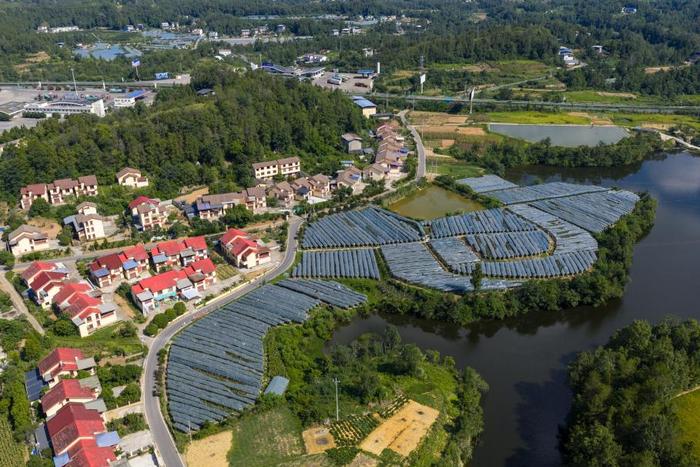
邮储银行巴中市巴州区支行:金融“活水”润葡园 助农增收绘振兴图景
Xin Lang Cai Jing· 2025-09-15 09:55
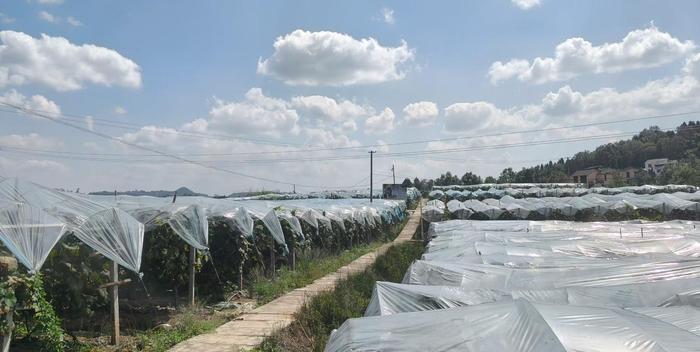
转自:推广 巴蜀大地的夏日,正藏着最动人的丰收期许——巴中市恩阳区的葡萄棚里,藤蔓上缀满饱满的果实,清 甜的果香顺着风漫过田埂;农户穿梭在连片的棚架间,仔细检查果实的成熟度,指尖划过圆润的果粒 时,眼底满是对丰收的热切期待。 恩阳葡园:从起步小苗期到成熟盛产期的金融陪伴 "说白了,就是我们陪着农户一起成长,他们需要啥,我们就提供啥。"谈及对巴中市恩阳区何家坝葡萄 种植专业合作社(以下简称"何家坝葡萄合作社")的支持,邮储银行巴州区支行相关负责人的表述直白 而恳切。该行围绕葡萄产业不同发展阶段的核心需求,定制适配信贷方案,让金融活水精准滴灌产业成 长的每一个关键节点。在产业起步小苗期,时任合作社农艺师的沈父正被买苗、租地、搭建棚架的资金 难题困住——无抵押物、无成熟经营记录,融资之路屡屡受阻。支行客户经理主动上门走访,在田埂间 倾听其创业规划、了解实际困境后,摒弃"重抵押、轻潜力"的传统信贷思维,以看初心、看产业前景为 核心考量,为其定制信用贷款方案。很快,8万元信用贷款顺利到账,这笔及时雨般的资金,让沈父得 以迅速采购优质葡萄苗、翻耕土地、搭建初始棚架,还特意聘请农技员指导种植技术。从疏花疏果到施 肥防虫,沈 ...
邮储银行青岛分行金融教育宣传周先导片上线
Zhong Guo Jin Rong Xin Xi Wang· 2025-09-15 06:53
Group 1 - The core viewpoint of the article emphasizes the importance of financial education and consumer protection in the banking sector, particularly through the initiatives of Postal Savings Bank's Qingdao branch [1] - The Qingdao branch is actively participating in the upcoming 2025 Financial Education Promotion Week by producing a themed promotional video aimed at enhancing public understanding of financial consumer protection [1] - The promotional video conveys messages from "guarding every bit of trust" to "building a financial safety barrier," transforming professional financial knowledge into accessible language for consumers [1] Group 2 - The Qingdao branch has consistently prioritized financial consumer protection, focusing on improving consumers' self-protection capabilities to foster a healthy and stable financial market [1] - The branch plans to leverage the 2025 Financial Education Promotion Week as an opportunity to conduct a series of distinctive activities aimed at raising public awareness of financial risk prevention [1] - The overall goal is to contribute to the healthy and stable development of the financial market through enhanced consumer protection efforts [1]
邮储银行深圳分行邮乐园 您身边的亲子乐园主题银行
Jing Ji Ri Bao· 2025-09-14 21:46
Core Viewpoint - Postal Savings Bank of China Shenzhen Branch focuses on a customer-centric service philosophy, creating a family-friendly banking environment with the establishment of a "Children's Postal Paradise" to ease the burden on parents while conducting banking activities [2] Group 1: Service Innovation - The Shenzhen Longgang Branch has set up a "Children's Postal Paradise" equipped with toys, learning desks, and children's books, providing a safe and engaging space for children while parents handle banking tasks [2] - The service area covers multiple residential communities, primarily serving local residents, which has significantly improved the efficiency of banking transactions for families [2] Group 2: Community Engagement - The Longgang Branch has successfully organized over 10 diverse parent-child activities centered around financial literacy and family interaction, enhancing community engagement [2] - A notable event, "Wealth Doubling, Happy Sharing - Little Bankers," was held in July 2025, where children learned basic financial knowledge through interactive activities, receiving positive feedback from parents [2] Group 3: Future Plans - The Shenzhen Branch plans to continue upgrading the facilities and services of the "Children's Postal Paradise" and expand the content and format of parent-child financial literacy activities [2] - The bank aims to deepen community ties and build a trustworthy brand that grows alongside its customers, emphasizing a warm and reliable banking experience [2]
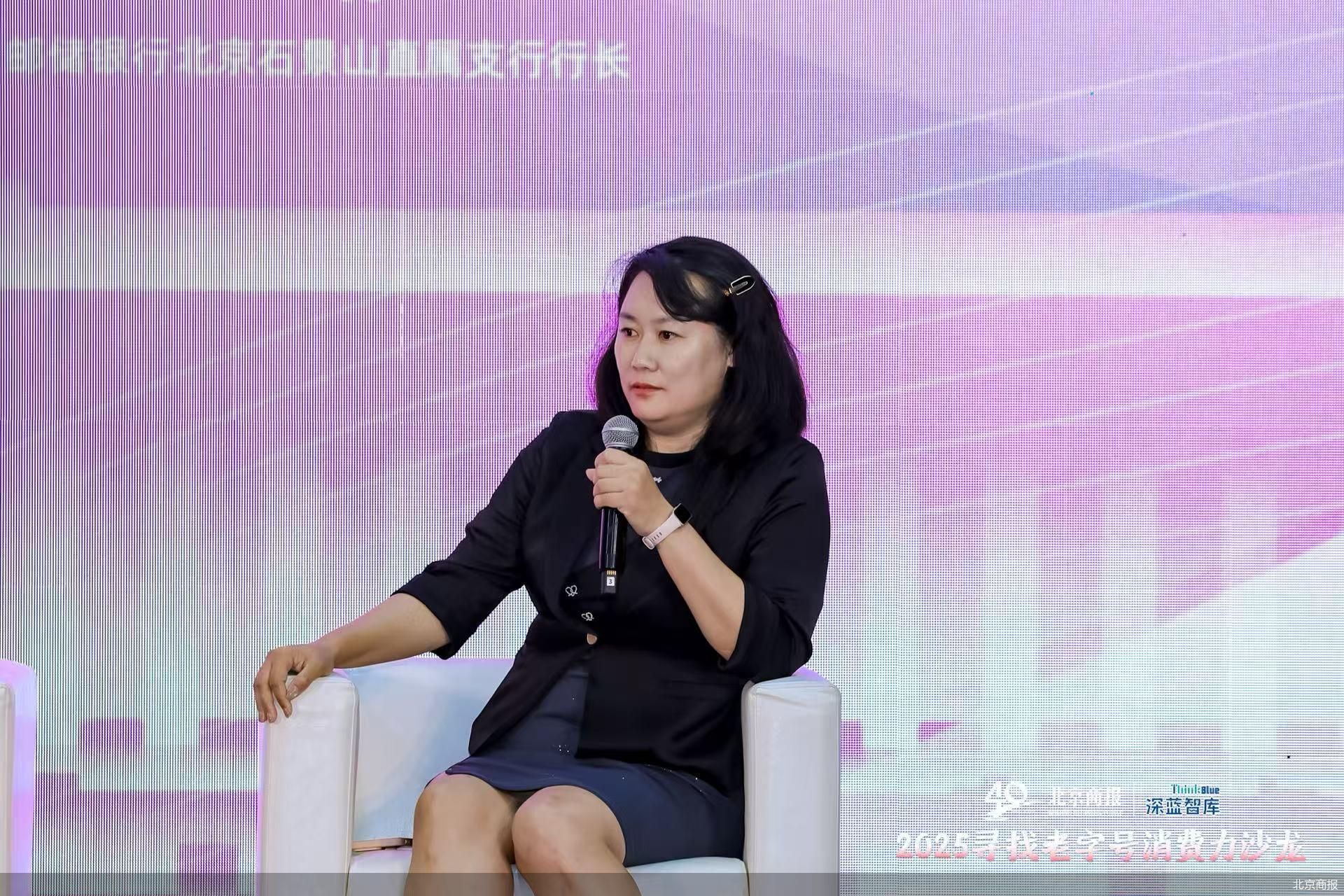
邮储银行北京石景山直属支行行长卫伟:多维度助力老字号破圈 激活新型消费潜力
Bei Jing Shang Bao· 2025-09-14 11:02
Group 1 - The core theme of the event is to explore how time-honored brands can innovate while preserving traditional culture, aiming for brand rejuvenation and leading the new trend of domestic consumption [1] - The event is guided by the Beijing Municipal Bureau of Commerce and organized by Beijing Business Daily and the Beijing Time-honored Brand Association, with Deep Blue Media Think Tank as the platform [1] - The roundtable discussion highlighted the necessity of breaking the barriers for time-honored brands and the financial and service support provided by Postal Savings Bank [1][2] Group 2 - Postal Savings Bank is enhancing the reach of time-honored brands through a dual approach of online and offline empowerment, including a digital platform for promotion and convenient consumer access [2] - The bank has over 100 branches in Beijing, with several themed branches that integrate brand experiences, such as a comedy-themed branch and a coffee-themed branch, fostering collaboration with various enterprises [2] - Suggestions for overcoming challenges in cross-industry integration include improving financial services by facilitating quick financing and leveraging brand reputation for support, as well as using bank branches for promotional activities [3]
2025服贸会|邮储银行北京石景山直属支行行长卫伟:多维度助力老字号破圈 激活新型消费潜力
Bei Jing Shang Bao· 2025-09-14 10:51
Core Viewpoint - The traditional brands, known as "laozihao," are becoming a significant force in creating unique and innovative consumption scenarios while deeply exploring consumer potential in the context of building a new consumption landscape [1] Group 1: Event Overview - The "2025 Searching for Laozihao Consumption Power Salon" was held during the Service Trade Fair, focusing on how traditional brands can innovate to achieve brand rejuvenation, fashionability, and internationalization while preserving traditional culture [1] - The event was guided by the Beijing Municipal Bureau of Commerce and organized by Beijing Business Daily and the Beijing Laozihao Association, with Deep Blue Media Think Tank serving as the think tank platform [1] Group 2: Financial Support for Traditional Brands - Wei Wei, the head of Postal Savings Bank's Beijing Shijingshan branch, discussed the necessity of breaking the barriers for traditional brands to reach more consumers, emphasizing the bank's dual empowerment approach through online and offline channels [3] - The bank has integrated a "Postal Merchant Street" mini-program into its app to gather quality traditional brands nationwide, providing a promotional platform for these brands and facilitating convenient purchasing for consumers [3] - Postal Savings Bank is promoting cooperation among quality enterprises and creating specialized bank branches that incorporate brand themes, such as a comedy-themed branch and a coffee-themed branch, to foster collaboration and development [3] Group 3: Challenges and Recommendations - Wei Wei identified challenges in cross-industry integration for traditional brands and proposed suggestions in financial and promotional services [4] - The bank aims to streamline the financing chain for traditional brands, exploring options like trademark and intellectual property collateral loans to support cash flow for these enterprises [4] - For promotional services, the bank plans to utilize its numerous branches as promotional venues for traditional brands and intends to launch co-branded credit cards to offer consumer discounts, encouraging collaboration with suitable traditional brands [4]
邮储银行陕西省分行、西安市分行被罚款117万元 存在多项违规行为
Xi Niu Cai Jing· 2025-09-13 14:05
Group 1 - The China Postal Savings Bank has faced multiple administrative penalties due to various violations, including improper management of fixed asset loans and misappropriation of personal loan funds [3] - A total fine of 1.17 million yuan was imposed on the bank's Shaanxi Province and Xi'an branches for their lack of prudent management practices [3] - Several employees of the bank have received warnings and fines, with some being banned from the banking industry for varying periods due to their involvement in these violations [1][2] Group 2 - In April 2025, the bank was fined 300,000 yuan by the Jilin Financial Regulatory Bureau for employees illegally occupying customer funds, with one employee banned from the banking industry for four years [2] - In March 2023, the Benxi Banking and Insurance Regulatory Bureau reported cases of embezzlement and illegal loan issuance, resulting in lifetime bans for six employees [2]

银行业协同发力赋能电子信息制造业
Zheng Quan Ri Bao Zhi Sheng· 2025-09-13 10:10
Core Viewpoint - The "Action Plan" issued by the Ministry of Industry and Information Technology and the State Administration for Market Regulation aims to guide the expansion, technological breakthroughs, and resilience enhancement of the electronic information manufacturing industry, emphasizing the need for banks to provide comprehensive financial support to ensure stable growth [1] Group 1: Financial Innovation and Support - Banks are actively exploring ways to serve electronic information manufacturing enterprises, exemplified by the "Science and Technology Credit Loan" which enabled a company to secure 20 million yuan quickly, resulting in over 53% year-on-year revenue growth in the first half of 2025 [2] - Various innovative financial products have been launched to address the high R&D investment and insufficient collateral issues faced by electronic information manufacturing companies, including "Innovation Points Loan" and "Intellectual Property Pledge Loan" [2] - A comprehensive financing solution combining policy loans and special subsidies was tailored for a semiconductor company, providing 95 million yuan in low-cost loans to facilitate technological breakthroughs [2] Group 2: Cross-Border Financial Services - Cross-border financial services are being upgraded to meet the "going out" needs of electronic information manufacturing enterprises, with a service plan that converts "intangible credit" into "tangible funds" to help companies mitigate exchange rate risks and accelerate capital turnover [3] - Banks are encouraged to develop customized financial products based on the specific funding needs of different enterprises, promoting services like intellectual property pledges and accounts receivable pledges [3] Group 3: Supply Chain Financial Support - The banking sector is leveraging supply chain finance to alleviate funding bottlenecks in the industry chain, providing innovative products to support core enterprises while injecting growth momentum into related businesses [4] - A bank provided 11 million yuan in funding to a national-level specialized enterprise to support its capacity expansion amid rising market demand [4] Group 4: Comprehensive Service Models - Banks are establishing online service platforms for electronic information enterprises, allowing them to submit financing requests 24/7, ensuring seamless integration of online and offline services [6] - In addition to financing support, banks are extending their service offerings to include cross-border settlement, foreign exchange hedging, and overseas financing, enhancing the global competitiveness of enterprises [6] - The banking industry is shifting from "single-point financing support" to "full-chain ecological services," emphasizing the need for deeper engagement with the electronic information manufacturing sector [6]


