
INNOVENT BIO(01801)

Search documents
创新出海节奏恢复,关注复苏细分领域
Huaxin Securities· 2025-11-03 08:49
Investment Rating - The report maintains a "Recommended" investment rating for the pharmaceutical industry [1] Core Insights - The rhythm of innovative drug licensing-out transactions has recovered, with a total of 103 transactions and a total amount of $92.03 billion in the first three quarters of 2025, representing a 77% increase compared to the total amount for 2024 [2] - The research and CXO sectors continue to lead the recovery in the pharmaceutical industry, with significant profit growth in these areas [4] - The medical device bidding market has shown a steady recovery, with a year-on-year growth of 29.8% in the third quarter of 2025 [5] - The self-immune field has seen breakthroughs in overseas licensing, indicating a growing alignment with global R&D trends [6] - The weight loss market is experiencing competitive mergers and acquisitions, highlighting its attractiveness and potential impact on Chinese companies [7] - Trends in respiratory infectious diseases are expected to influence the demand for detection and treatment medications [8] Summary by Sections 1. Pharmaceutical Market Tracking - The pharmaceutical industry outperformed the CSI 300 index by 1.74 percentage points in the last week, ranking 9th among 31 primary industry indices [21] - In the last month, the pharmaceutical industry underperformed the CSI 300 index by 1.83 percentage points, ranking 24th [25] 2. Pharmaceutical Sector Trends and Valuation - The pharmaceutical industry index has a current PE (TTM) of 38.80, above the five-year historical average of 31.26 [42] 3. Recent Research Achievements - The report highlights various recent research outputs, including weekly industry reports and insights on innovative drug licensing trends [48] 4. Recent Industry Policies and News - The National Healthcare Security Administration has initiated reforms for immediate settlement of medical insurance funds, aiming for 80% coverage by the end of 2025 [50] - Recent news includes significant breakthroughs in GLP-1 therapies and the approval of new drugs for chronic hepatitis B [51][52] 5. Recommended Companies and Profit Forecasts - The report provides a list of recommended companies with their respective EPS and PE ratios, indicating a positive outlook for several firms in the pharmaceutical sector [10]


2025年创新药医保谈判或带来催化!恒生创新药ETF(520500)持续放量,半日成交额超11亿元
Xin Lang Ji Jin· 2025-11-03 06:39
Core Viewpoint - The innovative drug sector has rebounded strongly since September, driven by the upcoming 2025 National Negotiation, with significant trading activity observed in the Hang Seng Innovative Drug ETF (520500) on the first trading day of November [1]. Group 1: Market Activity - The Hang Seng Innovative Drug ETF (520500) recorded a half-day trading volume of 1.105 billion yuan on November 1, 2025, indicating active market participation [1]. - The ETF's trading volume has increased significantly, with total trading amounts of 604 million yuan and 1.654 billion yuan on October 30 and 31, respectively, compared to an average daily trading volume of 584 million yuan since October [1]. Group 2: Policy Developments - The 2025 National Medical Insurance Directory negotiations commenced on October 30, 2025, introducing a commercial health insurance innovative drug directory, marking a shift from a "basic insurance only" model to a "medical insurance + commercial insurance" collaborative payment approach [1]. - A total of 535 drug generic names were approved for the basic drug directory, while 121 were approved for the commercial insurance innovative drug directory, with 79 names submitted for both directories [1]. Group 3: Industry Outlook - The establishment of the commercial insurance innovative drug directory is expected to diversify payment methods, particularly benefiting high-value innovative drugs and multinational pharmaceutical products, potentially opening up new growth opportunities for the industry [1]. - The Hang Seng Innovative Drug ETF (520500) is designed to track companies involved in innovative drug research, development, and production, focusing on firms with strong R&D capabilities [1]. - As of October 31, 2025, the top five constituents of the index include BeiGene, China Biologic Products, Innovent Biologics, Kelun-Biotech, and CanSino Biologics, reflecting the index's focus on high-potential companies in the innovative drug sector [1].


港股通创新药ETF南方(159297)涨超3%,最新规模、份额均创新高!政策红利释放+机构持仓提升,创新药行业增长弹性凸显
Sou Hu Cai Jing· 2025-11-03 05:37
Core Viewpoint - The Hong Kong Stock Connect Innovative Drug ETF (Southern, 159297) has shown significant market activity, with a recent increase of 3.38% and a trading volume of 170 million yuan, indicating strong investor interest in the innovative drug sector [1] Group 1: Market Performance - The Hong Kong Stock Connect Innovative Drug ETF (Southern, 159297) reached a new high in both scale and shares since its inception as of October 31 [1] - The ETF has experienced net inflows for 4 out of the last 5 trading days, totaling 18.9 million yuan [1] - The index it tracks, the National Certificate Hong Kong Stock Connect Innovative Drug Index, rose by 3.67%, with notable increases in component stocks such as Senhwa Biosciences (up 10.11%) and Kanglongda (up 8.80%) [1] Group 2: Policy and Industry Insights - The ongoing negotiations for the National Medical Insurance drug list are complemented by a new commercial health insurance innovative drug directory, aimed at providing new payment channels for high-value innovative drugs [1] - The CAR-T cell drug, Rukiyou Lunsai injection from WuXi AppTec, is making progress in negotiations to be included in the commercial health insurance innovative drug directory, with a listed price of 1.29 million yuan per injection [1] - Open Source Securities notes that the current innovative drugs included in both medical insurance and commercial insurance are in the early stages of volume growth, with potential for rapid revenue increases as policies continue to support innovative drugs [2] Group 3: Institutional Investment Trends - According to Guotou Securities, the proportion of all funds heavily invested in Biotech innovative drug companies has increased to 27.53%, reflecting a 2.61 percentage point rise, indicating growing institutional interest in the innovative drug sector [2] - The increasing allocation of funds to the innovative drug sector suggests a strong market recognition of its long-term development potential [2]
2025国家医保谈判收官日,高弹性港股通创新药ETF(520880)逆转冲高3%!基金经理:创新药行情可能再次启动
Xin Lang Ji Jin· 2025-11-03 03:02
Group 1 - The Hong Kong Stock Connect innovative drug sector experienced a significant rebound on November 3, with the innovative drug ETF (520880) showing a volatility of over 4.4% and a trading volume exceeding 500 million yuan, indicating strong bullish sentiment [1] - Key stocks such as Kangfang Biotech, Xiansheng Pharmaceutical, and Kangnuo Ya-B saw increases of nearly 6%, while other companies like Yuanda Pharmaceutical and Rongchang Biotech also experienced substantial gains [1] - The National Medical Insurance negotiation, which began on October 30, is expected to conclude with results announced in early December, introducing a new "commercial insurance innovative drug catalog" mechanism for the first time [1] Group 2 - Fund manager Feng Chen indicated that the innovative drug market could see a resurgence, suggesting that now may be a high-probability period for medium to long-term investments in innovative drugs [2] - The recent meeting between US and Chinese leaders has alleviated previous risks that suppressed the sector's performance, potentially allowing previously withdrawn funds to re-enter the market [2] - The current earnings season has shown strong performance from companies like Innovent Biologics and Hengrui Medicine, boosting confidence in the sector [2] Group 3 - The Hong Kong Stock Connect innovative drug ETF (520880) passively tracks the Hang Seng Hong Kong Stock Connect Innovative Drug Select Index, which focuses entirely on innovative drug R&D companies, with over 70% of its holdings in large-cap innovative drug leaders [3] - As of the end of September, the index has seen a year-to-date increase of 108.14%, outperforming other innovative drug indices [3] - The ETF has a fund size of 1.806 billion yuan and an average daily trading volume of 493 million yuan, making it the largest and most liquid ETF tracking this index [3]


创新药行情可能再次启动,当下处于高胜率区间
Xin Lang Ji Jin· 2025-11-03 02:18
Group 1 - The core viewpoint is that the innovative drug market may soon restart due to reduced geopolitical risks between China and the US, positive earnings reports from companies like Innovent Biologics and Hengrui Medicine, and supportive policies for innovative drugs [1][2] - Recent quarterly reports from the pharmaceutical sector have confirmed the performance of innovative drug companies, indicating a potential recovery in the market [1][2] - The innovative drug sector has experienced a correction since August 2025, which is considered sufficient in duration, with leading stocks entering an absolute return zone [1][2] Group 2 - In the medical device sector, leading companies are showing signs of performance turning points, and attention should be paid to their issuance in the Hong Kong stock market [2] - The current environment is viewed as a high-probability zone for medium to long-term investments in the biopharmaceutical sector, with recommendations for balanced allocations across different market segments [2] - The Hong Kong Stock Connect Innovative Drug ETF (520880) and its associated funds track the Hang Seng Hong Kong Stock Connect Innovative Drug Select Index, which includes leading innovative drug companies [2][3] Group 3 - The first drug ETF (562050) launched this year focuses on leading companies in the pharmaceutical sector, including chemical drugs, biological drugs, and traditional Chinese medicine [3] - The Medical ETF (512170) is the largest in its category, focusing on medical devices and services, with significant holdings in companies like Mindray Medical and Aier Eye Hospital [3] - These ETFs are becoming effective tools for investors to capture opportunities in the pharmaceutical and medical sectors, each with its specific focus [3]
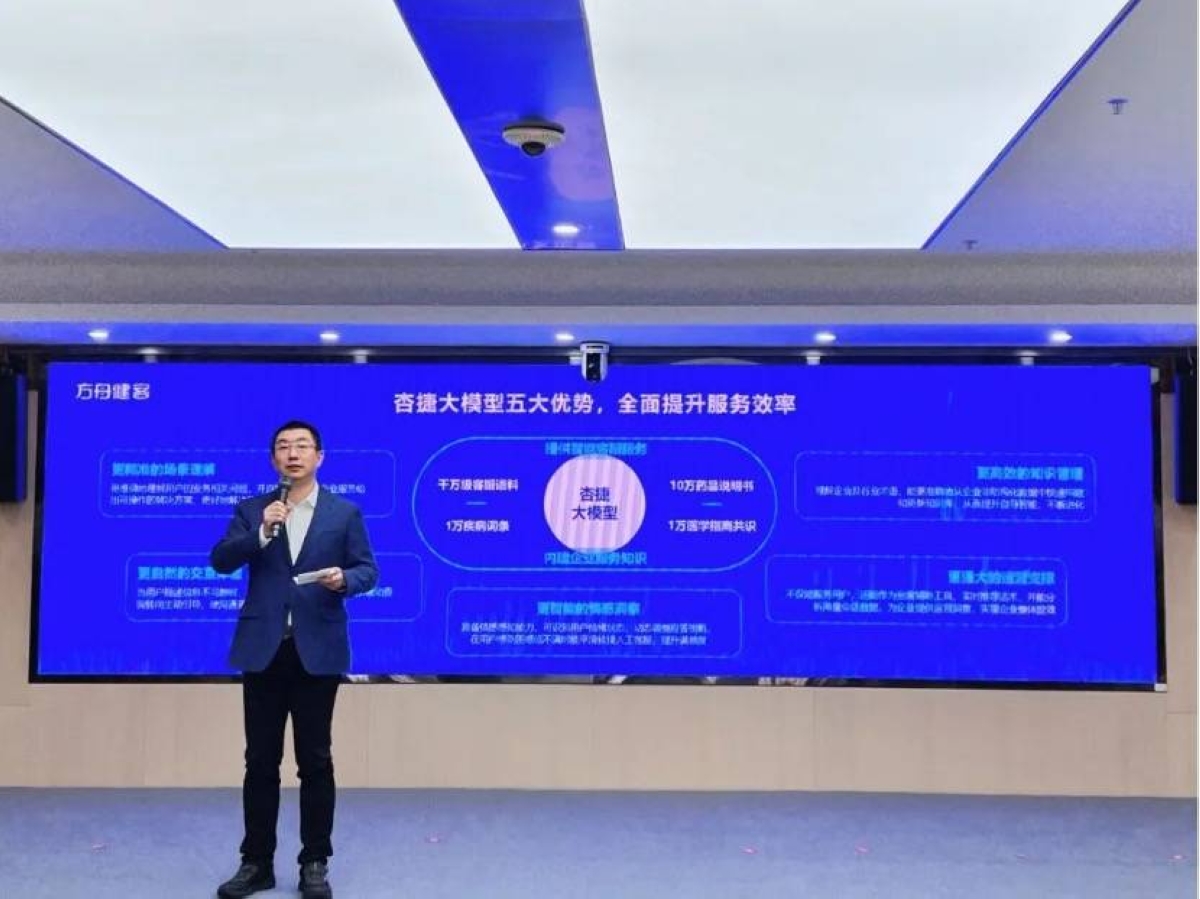
Fangzhou’s "XingJie” LLM Completes Key National Filing, Setting Stage for Further AI-Driven Chronic Care Innovations
The Manila Times· 2025-11-02 11:06
Core Insights - Fangzhou Inc. has achieved a significant milestone with the successful launch of its "XingJie" Large Language Model (XJ LLM), enhancing its AI-driven chronic disease management capabilities [2][4] - The company aims to optimize its AI models and expand its AI+H2H (Hospital-to-Home) healthcare ecosystem, integrating advanced AI technologies with professional medical services [2][6] Company Developments - Fangzhou's proprietary XJ LLM has completed the National Generative AI Service Filing, solidifying its leadership in AI-powered chronic disease management [2][4] - The dual-model architecture, consisting of XJ LLM and XS LLM, supports comprehensive management across various specialty disease areas, including weight management and psoriasis care [4][5] Technological Innovations - The XJ LLM is built on three foundational innovations: technological advancement, application transformation, and operational efficiency, which collectively enhance the service experience [3][4] - The model incorporates emotional perception and intent reasoning to better anticipate user needs, facilitating natural interactions and autonomous task execution [3][4] Strategic Partnerships - Fangzhou has established strategic partnerships with leading pharmaceutical companies such as Novo Nordisk, Innovent Biologics, and Fosun Pharma to develop frameworks for AI-enabled disease management [5] Market Position - As of June 30, 2025, Fangzhou serves 52.8 million registered users and 229,000 physicians, positioning itself as a leading online chronic disease management platform in China [7]

创新药如何从工厂直达患者?信达与京东健康打通体重管理“最后一公里”
Bei Jing Shang Bao· 2025-11-01 10:20
Core Insights - JD Health and Innovent Biologics have signed a strategic cooperation agreement, focusing on weight management and showcasing their collaborative achievements in the industry [1] - Innovent Biologics has 16 commercialized products and aims to advance approximately 10 new molecular entities into clinical trials each year [1] - The recently approved drug, Ma Shidu Tai (信尔美), is the world's first GLP-1 and GCG dual-target drug, demonstrating significant advantages in weight loss and blood sugar reduction [1] Group 1: Company Collaboration - JD Health leverages its "super supply chain" advantage to provide a new model for the biopharmaceutical industry [1] - The partnership aims to create a complete ecosystem from drug research and development to production, distribution, and service [3] Group 2: Market Trends and Consumer Behavior - JD Health has developed a one-stop service for chronic disease management, allowing users to access healthcare services from home [2] - The online channel has become a significant entry point for weight management, with over a million users searching for "Ma Shidu Tai" within a month of its launch [2] - There is a notable shift in consumer demographics for GLP-1 drugs, with a high proportion of users from lower-tier cities, indicating improved accessibility through online channels [2] Group 3: Industry Implications - The national strategy for weight management highlights the importance of addressing obesity as a root cause of chronic diseases [3] - The collaboration between JD Health and Innovent Biologics is redefining the service model for weight management in China, aligning with the mission to make high-quality biopharmaceuticals affordable for the public [3]

玛仕度肽DREAMS-3里程碑研究数据读出发布会举行
Zheng Quan Ri Bao Wang· 2025-11-01 03:39
Core Insights - The core focus of the articles is the announcement by Innovent Biologics regarding the successful completion of the primary endpoint in the Phase III clinical trial DREAMS-3 for its dual-target agonist mazdutide, which targets both GCG and GLP-1 pathways [1][2] Company Summary - Innovent Biologics has developed mazdutide, a dual-target agonist that combines the glucose-lowering and weight-reducing effects of GLP-1 with the energy expenditure benefits of GCG [1] - The DREAMS-3 trial is the first head-to-head Phase III clinical study comparing a GCG/GLP-1 dual-target agonist with the international heavyweight semaglutide in diabetes treatment [1] - The company has completed seven Phase III clinical studies for mazdutide, with several ongoing, including studies focused on obesity and related metabolic conditions [2] Industry Summary - The number of diabetes patients in China has exceeded 140 million and is expected to rise to 174 million by 2045, with an increasing proportion of obesity [2] - Poor blood sugar control can lead to severe complications, making effective weight management alongside glucose control a pressing clinical challenge [2] - There is a significant demand for more effective, safer, and convenient innovative therapies for obesity and its comorbidities in the Chinese market [2]
信达生物(1801.HK):三季度营收超预期 公司全球化扬帆起航
Ge Long Hui· 2025-10-31 17:53
Core Viewpoint - The company reported a product revenue exceeding 3.3 billion yuan in Q3, representing a year-on-year growth of approximately 40%, surpassing market expectations. This strong performance is attributed to the robust advancement of both oncology and non-oncology businesses, with continuous product volume increase. Additionally, the collaboration with Takeda is expected to lead to multiple global Phase III clinical studies for IBI363 and IBI343, with potential market opportunities exceeding 40 billion USD and 8 billion USD respectively for these indications [1][2]. Group 1 - The company achieved product revenue exceeding 3.3 billion yuan in Q3, with a year-on-year growth of about 40% [1]. - The strong revenue performance is driven by the steady progress in both oncology and non-oncology pipelines, with significant contributions from core products such as Sintilimab and other major products [1]. - The collaboration with Takeda is seen as a significant step towards internationalization, with expectations for IBI363 and IBI343 to enter global Phase III clinical studies [2]. Group 2 - The company has expanded its commercialized products to 16, making it the Chinese pharmaceutical company with the most marketed monoclonal antibodies [3]. - The R&D pipeline is progressing efficiently, with several products in various stages of clinical trials, including IBI343 and IBI354 [3]. - Revenue projections for the company are estimated at 11.806 billion yuan, 15.382 billion yuan, and 21.092 billion yuan for the years 2025 to 2027, with a target price set at 129.61 HKD [3].
港股创新药ETF(159567)涨5.46%,成交额33.27亿元
Xin Lang Cai Jing· 2025-10-31 11:05
Core Viewpoint - The Hong Kong Innovative Drug ETF (159567) has shown significant growth in both share volume and fund size since its inception, indicating strong investor interest and market performance [1][2]. Group 1: Fund Performance - As of October 31, 2024, the Hong Kong Innovative Drug ETF (159567) closed with a gain of 5.46% and a trading volume of 3.327 billion yuan [1]. - The fund's share volume increased by 1968.65% from 3.95 million shares at the end of 2023 to 81.79 million shares by October 30, 2024 [1]. - The fund's size grew by 1650.00%, from 378 million yuan to 6.612 billion yuan during the same period [1]. Group 2: Liquidity - Over the last 20 trading days, the cumulative trading amount for the fund reached 23.202 billion yuan, with an average daily trading amount of 1.16 billion yuan [1]. - Year-to-date, the cumulative trading amount for the fund is 234.346 billion yuan, averaging 1.172 billion yuan per day over 200 trading days [1]. Group 3: Fund Management - The current fund manager, Ma Jun, has managed the Hong Kong Innovative Drug ETF (159567) since its inception, achieving a return of 64.72% during the management period [2]. - The fund's top holdings include companies such as BeiGene, CanSino Biologics, Innovent Biologics, and others, with significant percentages of the portfolio allocated to these stocks [2].