MEITUAN(03690)

Search documents
7部门对头部平台企业和快递企业开展用工行政指导
Bei Jing Shang Bao· 2026-02-09 12:25
Core Viewpoint - The Ministry of Human Resources and Social Security, along with several other governmental departments, is taking steps to protect the rights of workers in new employment forms by providing administrative guidance to 16 companies in the delivery and gig economy sector [1] Group 1: Government Actions - The meeting involved multiple government bodies including the Ministry of Human Resources and Social Security, the Central Social Work Department, and the Central Internet Information Office [1] - The focus is on ensuring that companies fulfill their responsibilities as employers and improve labor management practices [1] Group 2: Companies Involved - The companies receiving guidance include major players such as Meituan, Taobao Flash Purchase, JD Instant Delivery, and Didi, among others [1] - A total of 16 companies are specifically mentioned, indicating a broad scope of oversight in the gig economy [1]



7部门:对美团、淘宝闪购、京东秒送等16家企业开展用工行政指导
证券时报· 2026-02-09 12:24
Group 1 - The Ministry of Human Resources and Social Security, along with six other departments, is conducting administrative guidance on labor practices for major platform and express delivery companies [1] - The companies involved include Meituan, Taobao Flash Purchase, JD Instant Delivery, and several others, totaling 16 enterprises [1] - The meeting emphasized the need for these companies to fully implement their responsibilities regarding labor management and to ensure the rights of new employment form workers are protected [1]

七部门对美团、淘宝闪购、京东秒送、闪送、顺丰同城、盒马、滴滴、曹操出行、货拉拉、圆通速递、申通快递等16家企业开展用工行政指导
Jin Rong Jie· 2026-02-09 12:23
Group 1 - The Ministry of Human Resources and Social Security, along with several other government departments, is taking action to protect the rights of workers in new employment forms by providing administrative guidance to 16 companies including Meituan, Taobao, JD, and Didi [1][2] - The meeting emphasized the need for these companies to fully implement their responsibilities as employers, improve labor management practices, and ensure the protection of the rights of workers in new employment forms [2]
七部门:对美团、淘宝闪购、京东秒送等16家企业开展用工行政指导
券商中国· 2026-02-09 12:13
Group 1 - The Ministry of Human Resources and Social Security, along with several other governmental departments, is taking measures to protect the rights of workers in new employment forms by conducting administrative guidance for 16 companies including Meituan, Taobao, JD, and Didi [1] - The meeting emphasized the need for these companies to fully implement their responsibilities as employers, improve labor management continuously, and effectively safeguard the rights of workers in new employment forms [1]



人社部等7部门对16家头部平台企业和快递企业开展用工行政指导,涉美团、淘宝闪购、京东秒送、闪送、顺丰同城、滴滴等
Xin Lang Cai Jing· 2026-02-09 12:03
Core Viewpoint - The Ministry of Human Resources and Social Security, along with several other governmental departments, is taking steps to protect the rights of workers in new employment forms by providing administrative guidance to 16 companies, including major players in the delivery and ride-hailing sectors [1] Group 1: Government Actions - The meeting involved multiple government departments, including the Ministry of Human Resources and Social Security, the Central Social Work Department, and the Ministry of Transport, among others [1] - The focus is on ensuring that companies fulfill their responsibilities regarding labor management and the protection of workers' rights in new employment forms [1] Group 2: Companies Involved - The companies receiving guidance include well-known platforms such as Meituan, Taobao Shanguo, JD Seconds, and Didi, as well as logistics and delivery services like SF Express, Hema, and Yunda Express [1] - A total of 16 companies are specifically mentioned in the administrative guidance aimed at improving labor management practices [1]
涉美团、淘宝闪购、京东秒送等16家企业,7部门开展用工行政指导
Shang Hai Zheng Quan Bao· 2026-02-09 11:48
Core Viewpoint - The Ministry of Human Resources and Social Security, along with six other departments, is conducting administrative guidance on labor practices for major platform and express delivery companies to protect the rights of new employment form workers [1] Group 1: Administrative Guidance - The administrative guidance involves 16 companies, including Meituan, Taobao Flash Purchase, JD Instant Delivery, and others [1] - Companies are required to fully implement their responsibilities as employers and continuously improve labor management practices [1] Group 2: Protection of Workers' Rights - The initiative aims to ensure the rights and interests of workers in new employment forms are effectively safeguarded [1]
人社部等7部门对美团、淘宝闪购、京东秒送等16家企业开展用工行政指导
Bei Jing Shang Bao· 2026-02-09 11:46
Core Viewpoint - The Ministry of Human Resources and Social Security, along with several other governmental departments, is taking steps to protect the rights of workers in new employment forms by providing administrative guidance to 16 companies in the gig economy [1] Group 1: Government Actions - The meeting involved multiple departments including the Ministry of Human Resources and Social Security, the Central Social Work Department, the Central Internet Information Office, the Ministry of Transport, the State Administration for Market Regulation, the National Postal Service, and the All-China Federation of Trade Unions [1] - The focus is on ensuring that companies fulfill their responsibilities as employers and improve labor management practices [1] Group 2: Companies Involved - The companies receiving guidance include major players in the gig economy such as Meituan, Taobao Flash Purchase, JD Instant Delivery, Flash Delivery, SF Express, Hema, Didi, T3 Travel, Cao Cao Travel, Huolala, Manbang, YTO Express, Shentong Express, Zhongtong Express, Yunda Express, and Jitu Express [1] - These companies are expected to take concrete actions to safeguard the rights of workers in new employment forms [1]
七部门对头部平台企业和快递企业开展用工行政指导
第一财经· 2026-02-09 11:25
Group 1 - The Ministry of Human Resources and Social Security, along with several other governmental departments, is focusing on protecting the rights of workers in new employment forms [1] - A total of 16 companies, including Meituan, Taobao Shanguo, JD Seconds, and Didi, are under administrative guidance regarding labor practices [1] - The meeting emphasized the need for these companies to fully implement their responsibilities as employers and improve labor management to ensure the rights of new employment form workers are safeguarded [1]

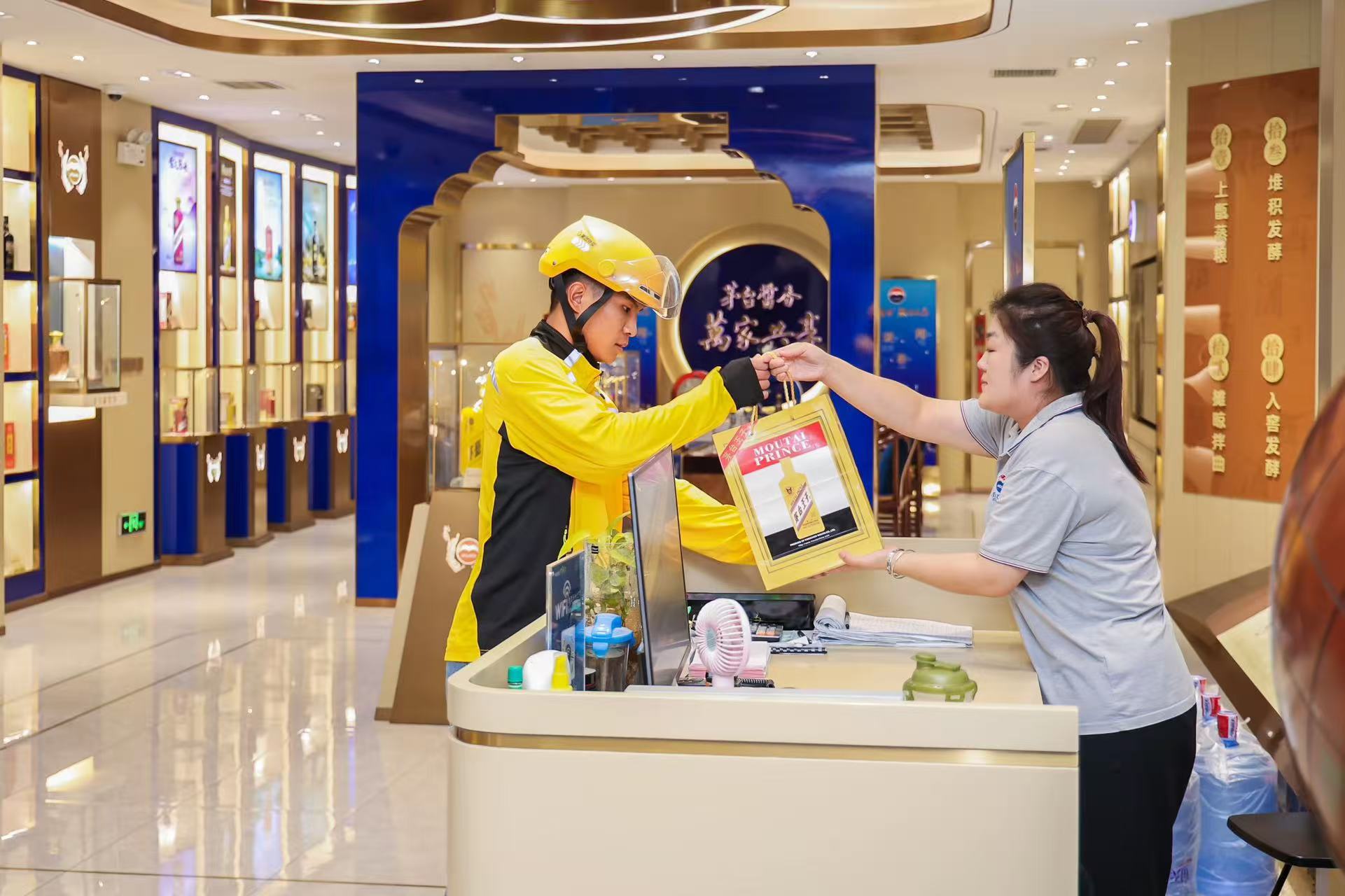
烟火气里的“新”年味|美团解码“吃住行购养”六大场景新年味
Jin Rong Jie· 2026-02-09 11:22
Core Insights - The article highlights the integration of traditional Chinese New Year customs with new technologies and retail formats, emphasizing the role of Meituan in enhancing the festive consumer experience through AI and innovative activities [1] Group 1: Food Consumption Trends - The Chinese catering market is experiencing a strong recovery, with an expected 9-day holiday and supportive consumption policies leading to 9.5 billion dining experiences during the Spring Festival [2] - There is a shift in dining consumption from basic needs to diverse experiences and emotional values, with a 26% increase in searches related to "gathering scenes" and a 42% surge in "family gatherings" [2] - Traditional and regional cuisines are gaining popularity, with searches for specific dishes like "long table banquet" in Wuhan increasing by 180% and "Wuyi tea banquet" in Fujian rising by 660% [3] Group 2: Alcohol Consumption - Instant retail is becoming a key channel for alcohol consumption during the Spring Festival, with major liquor brands partnering with Meituan for enhanced service and convenience [4] - Moutai has expanded its partnership with Meituan, increasing its official store presence to nearly 3,000 across 245 cities, focusing on authenticity and service quality [6] - The collaboration with Xijiu aims to provide direct supply and quick delivery, enhancing consumer confidence in purchasing premium liquor [6] Group 3: Travel Trends - The Spring Festival travel season has seen a 30% increase in train ticket bookings and a 47% rise in flight bookings, with "reverse New Year" travel patterns gaining traction [8] - Popular destinations include Beijing, Shanghai, and Chengdu, with significant increases in travel to areas known for unique cultural experiences [8] - Meituan is implementing various services to facilitate travel, including price comparison and special assistance for elderly travelers [8] Group 4: Retail and Consumer Goods - Instant retail is reshaping the consumption of New Year goods, with significant sales increases in various categories, including craft beer and digital appliances [9] - Meituan has launched a New Year shopping festival, collaborating with over 100,000 stores to offer discounts and promotions, enhancing consumer engagement [9] - The platform is also supporting local businesses by providing increased visibility and resources during the peak shopping season [9] Group 5: Health and Wellness - Health has become a central theme for New Year consumption, with increased spending across all age groups, particularly among younger consumers [10] - There is a notable rise in demand for health-related services, including dental and eye care, with significant increases in service requests during the holiday period [10] - Meituan is promoting health services through special offers and partnerships with healthcare providers to meet rising consumer demand [10][11] Conclusion - The integration of new technologies and retail formats with traditional customs is redefining the Spring Festival experience, showcasing the resilience and vitality of the Chinese consumer market [12]
七部门:对美团、淘宝闪购、京东秒送、闪送、顺丰同城、盒马、滴滴、曹操出行、货拉拉、圆通速递、申通快递等16家企业开展用工行政指导
财联社· 2026-02-09 11:15
Core Viewpoint - The article discusses the recent administrative guidance issued by various government departments to ensure the rights of new employment form workers are protected, focusing on 16 major companies in the delivery and gig economy sectors [1][2]. Group 1: Government Actions - The Ministry of Human Resources and Social Security, along with other central departments, has initiated administrative guidance for 16 companies including Meituan, Taobao, JD, and Didi to uphold the rights of new employment form workers [1]. - The meeting emphasized the need for these companies to fully implement their responsibilities as employers and to continuously improve labor management practices [2]. Group 2: Companies Involved - The companies targeted by the administrative guidance include major players in the gig economy such as Meituan, Taobao Shanguo, JD Seconds, Didi, and various express delivery services like SF Express and YTO Express [1]. - These companies are expected to take concrete actions to safeguard the rights of their workers, reflecting a growing regulatory focus on labor rights in the gig economy [2].