
NIO(09866)

Search documents
NIO Inc. Reports Unaudited Fourth Quarter and Full Year 2025 Financial Results
Globenewswire· 2026-03-10 10:30
Core Insights - NIO Inc. reported significant growth in vehicle deliveries and financial performance for the fourth quarter and full year of 2025, indicating a strong recovery and operational efficiency improvements [1][4][14]. Financial Highlights - Quarterly total revenues reached RMB34,650.2 million (US$4,954.9 million), a 75.9% increase year-over-year and a 59.0% increase quarter-over-quarter [4][19]. - Full year total revenues were RMB87,487.5 million (US$12,510.5 million), representing a 33.1% increase from the previous year [8][19]. - Gross profit for Q4 2025 was RMB6,074.1 million (US$868.6 million), up 163.1% year-over-year and 100.8% quarter-over-quarter [4][19]. - The vehicle margin improved to 18.1% in Q4 2025, compared to 13.1% in Q4 2024 and 14.7% in Q3 2025 [4][23]. Operational Performance - Vehicle deliveries in Q4 2025 totaled 124,807 units, a 71.7% increase from Q4 2024 and a 43.3% increase from Q3 2025 [2][14]. - For the full year, vehicle deliveries reached 326,028 units, reflecting a 46.9% year-over-year growth [14][19]. Profitability Metrics - The company achieved a profit from operations of RMB807.3 million (US$115.4 million) in Q4 2025, a significant turnaround from a loss of RMB6,032.9 million in Q4 2024 [4][22]. - Net profit for Q4 2025 was RMB282.7 million (US$40.4 million), compared to a net loss of RMB7,111.5 million in Q4 2024 [4][27]. Cash Position - As of December 31, 2025, NIO had cash and cash equivalents totaling RMB45.9 billion (US$6.6 billion), providing a solid liquidity position for future operations [4][26]. Future Outlook - The company anticipates vehicle deliveries in Q1 2026 to be between 80,000 and 83,000 units, representing a year-over-year increase of approximately 90.1% to 97.2% [14][33]. - Total revenues for Q1 2026 are expected to be between RMB24,482 million (US$3,501 million) and RMB25,176 million (US$3,600 million), indicating a growth of approximately 103.4% to 109.2% from the same quarter in 2025 [33].

【新能源周报】新能源汽车行业信息周报(2026年3月2日-3月8日)
乘联分会· 2026-03-10 08:44
Industry Information - The "Dongche Di" platform released a white paper indicating that over 80% of fuel vehicle users prefer to switch to new energy vehicles when replacing their cars, with a total of 18.3 million vehicles expected to be replaced from 2024 to 2025, of which nearly 60% will be new energy vehicles [7][8] - During the Spring Festival, the total charging volume for new energy vehicles in Guangxi exceeded 49 million kilowatt-hours, marking a year-on-year increase of 6.93 million kilowatt-hours [10] - Junsheng Electronics announced that its first L3 and L4 intelligent driving domain controllers are set to enter mass production by mid-2027 [10] - A new research and development center project has been established in Shanghai Jiading, with an estimated investment of 50 million yuan [10][11] - Huawei's Hongmeng Intelligent Driving report indicated that the assisted driving mileage exceeded 370 million kilometers during the Spring Festival, with an active user ratio of 92.07% [11][12] - The China Automobile Circulation Association has initiated preparations to implement guidelines to standardize pricing behavior in the automotive industry [12] - The 2026 China International New Energy Vehicle Technology, Parts, and Service Exhibition will be held from March 13-16, 2026, in Beijing, with over 1,500 participating companies [13] - Guoxuan High-Tech's 2GWh all-solid-state battery production line design is nearing completion, with plans for pilot production by mid-2025 [13][14] - A strategic cooperation agreement has been signed between Youjia Innovation and a subsidiary of CATL to focus on technology development in the new energy vehicle and autonomous driving sectors [14] - The Ministry of Industry and Information Technology emphasized the need to accelerate the development of new generation artificial intelligence products [15] - The National People's Congress is focusing on the implementation of L3 level intelligent driving, promoting healthy industry development from multiple dimensions [15] - CATL has established a new company in Suzhou with a registered capital of 2 billion yuan to cover the entire battery industry chain [17] - By 2025, 100 battery swap stations are planned to be built in Chaoyang District, Beijing [17] - Huawei released a new 896-line dual optical path image-level lidar, which will be used in its new vehicle models [18] - A proposal has been made to eliminate the annual inspection system for private cars and implement remote monitoring instead [19] - The government work report highlighted that in 2025, China's development will focus on new and high-quality growth, showcasing vibrant vitality [20] - Xiaopeng's "land aircraft" has completed trial production and is moving towards mass delivery [20] - In January 2026, global power battery installations increased by 10.7% year-on-year, with CATL leading the market [21] - Chinese automotive brands have achieved a market share of over 10% in the UK, becoming the second-largest car series [21] Policy Information - The Sichuan Provincial Government is accelerating rural revitalization and modern agricultural construction [3] - China is actively improving the international standard system in the new energy vehicle sector [3] - The Guizhou Provincial Government has reported on the execution of the 2025 economic and social development plan [3] - The Hebei Province has approved a proposal for the construction of intelligent charging piles and infrastructure for new energy vehicles [3] - Jiangxi Province has upgraded its vehicle replacement subsidy policy, allowing for savings of up to 20,000 yuan [4][29] - The Jiangsu Provincial Government has announced a pilot program for market-oriented allocation of factors in key cities [4] - The Hunan Provincial Government has introduced funding incentives for recognized intelligent vehicle equipment [4] - The implementation of a new policy requiring the public disclosure of battery repair information is set to begin in 2026 [4][35] Company Information - The Tengshi brand has officially entered the Philippine market [40] - Xiaopeng Motors' CEO plans to propose suggestions for accelerating the transition from L2 to L4 autonomous driving at the National People's Congress [40] - Leap Motor has launched an initiative to create a clean online environment [40] - Xiaopeng Motors reported that over 80% of pre-orders for the second-generation VLA version of the Xiaopeng X9 have been secured [40] - Li Auto has achieved a milestone with cumulative deliveries of 370,000 vehicles [40] - The 2026 model of the Yangwang U7 will feature the second-generation blade battery, boasting a range of 1,006 kilometers [40] - Xiaomi's vehicles have surpassed new national standards for battery safety [40] - Geely's CEO has proposed the establishment of a cross-disciplinary program for "smart electric vehicles" at the National People's Congress [40] - Xiaomi has announced a patent for customized license plates for its vehicles [40] - The Firefly brand plans to launch more special edition models this year and has entered nine countries [40] - NIO's 200,000th electric drive unit has rolled off the production line in Hefei [40] - Tesla has adjusted its FSD transfer policy, requiring deliveries to be completed by March [40] - GAC Aion plans to increase its battery swap station network to 5,000 over the next three years [40] - BYD has launched a fast-charging pile with a power output of 1,500 kW, the largest in global production [40] - Xiaomi's CEO has stated that true unmanned driving can be achieved in limited scenarios within five years, with an investment of 200 billion yuan in core technologies [40] - The Firefly brand will introduce more special edition models this year and has expanded to nine countries [40]




蔚来比亚迪隔空交锋
Di Yi Cai Jing· 2026-03-10 08:41
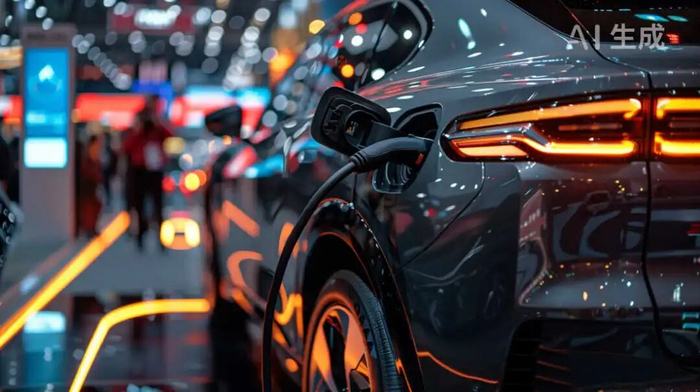
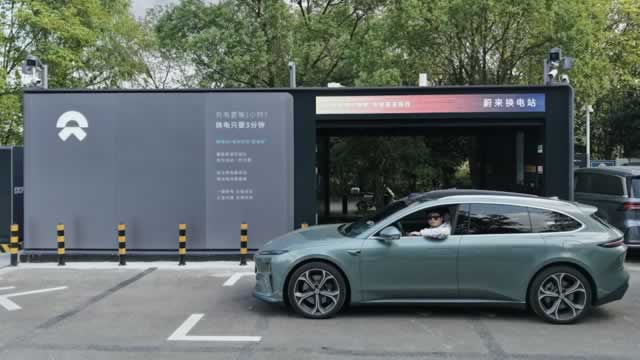
Core Viewpoint - The competition between BYD and NIO highlights the ongoing debate between fast charging and battery swapping technologies in the electric vehicle industry, with both companies making significant advancements in their respective areas. Group 1: BYD's Fast Charging Technology - BYD announced its second-generation blade battery, achieving a charging speed from 10% to 70% in just 5 minutes and from 10% to 97% in 9 minutes, even in extreme cold conditions [1][2] - The company plans to build 20,000 fast charging stations by the end of 2026, including 2,000 high-speed service area stations, ensuring coverage every 100 kilometers for long-distance travel [3] Group 2: NIO's Battery Swapping Technology - NIO reached a milestone of 100 million battery swap services and plans to add over 1,000 battery swap stations this year, aiming for a total of 10,000 by 2030 [1][4] - NIO's battery swapping model allows users to upgrade to newer battery technologies, addressing the issue of battery lifespan and enabling the use of advanced battery types as they become available [4] Group 3: Industry Dynamics and Collaboration - Experts suggest that both fast charging and battery swapping serve different purposes and can coexist, with the focus shifting from competition to collaboration [5][6] - Both companies are expanding their respective charging and swapping networks, with BYD collaborating with national charging network operators and NIO planning to deploy its fifth-generation battery swap stations [7][8] Group 4: Market Context - The rising oil prices due to geopolitical tensions have led to a renewed interest in electric vehicles, with both fast charging and battery swapping being viable solutions for consumers facing energy volatility [1][8]
蔚来比亚迪隔空交锋
第一财经· 2026-03-10 08:26
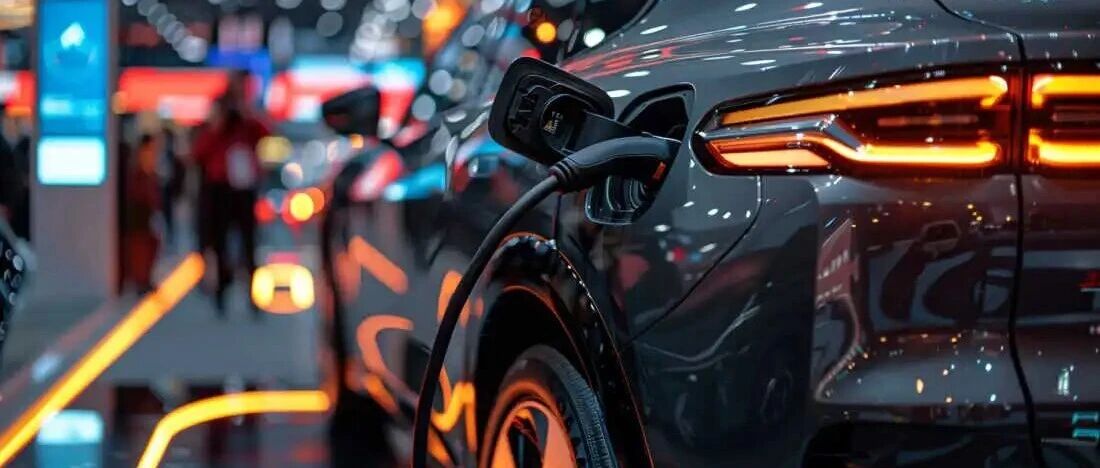
Core Viewpoint - The article discusses the ongoing competition between BYD and NIO in the electric vehicle sector, focusing on their respective charging technologies: BYD's fast charging and NIO's battery swapping. Both companies are making significant advancements to address the challenges of electric vehicle charging and are expanding their infrastructure to support these technologies [3][4][6]. Group 1: BYD's Fast Charging Technology - BYD announced its second-generation blade battery, achieving a charging speed from 10% to 70% in just 5 minutes and from 10% to 97% in 9 minutes, even in extreme cold conditions [4][5]. - The company plans to build 20,000 fast charging stations by the end of 2026, with an initial goal of 1,000 stations to be completed by May [5][11]. - BYD's advancements aim to alleviate common pain points in electric vehicle usage, such as long charging times and difficulties in cold weather [4][5]. Group 2: NIO's Battery Swapping Model - NIO celebrated a milestone of 100 million battery swap services and plans to add over 1,000 new swap stations this year, targeting a total of 10,000 by 2030 [3][6]. - NIO's CEO emphasized that battery swapping offers significant advantages, such as extending battery life and allowing users to upgrade to newer battery technologies easily [6][10]. - The company is also focusing on the potential for battery recycling and secondary utilization, viewing retired batteries as valuable resources [6][11]. Group 3: Industry Dynamics and Future Outlook - Experts suggest that both fast charging and battery swapping can coexist, addressing different user needs and scenarios [9][10]. - The competition is shifting from a confrontational stance to a more collaborative approach, with both companies recognizing the value in each other's technologies [9][11]. - The rising oil prices due to geopolitical tensions are prompting a reevaluation of electric vehicles as a viable alternative, highlighting the importance of both charging methods in the transition to electric mobility [3][11].
整车主线周报:本周SW乘用车表现较好,原材料及汇兑压力依然明显-20260309
Soochow Securities· 2026-03-09 14:48
Investment Rating - The industry investment rating is "Overweight," indicating an expected outperformance of the industry index relative to the benchmark by more than 5% over the next six months [42]. Core Insights - The report highlights a recovery in passenger vehicle demand due to the implementation of subsidy policies, with a positive outlook for the passenger vehicle sector in Q1 2026. It emphasizes the importance of selecting resilient domestic companies and those with strong export capabilities [32][33]. - For heavy trucks, the report anticipates a sales volume of 800,000 to 850,000 units in 2026, reflecting a year-on-year increase of 3%. It recommends leading companies in the heavy truck sector [35]. - The bus sector is expected to see a growth in sales to 40,000 units in 2026, driven by the continuation of subsidy policies and the need for fleet renewal [36]. - The motorcycle market is projected to grow by 14% in total sales, with a significant increase in large-displacement motorcycles, particularly in export markets [33]. Summary by Sections Passenger Vehicles - The report expects a recovery in passenger vehicle demand in Q1 2026 due to subsidy policies, with a focus on high-end electric vehicle manufacturers such as Jianghuai Automobile, Geely, Great Wall, and others [32][33]. - The report suggests prioritizing companies with proven execution capabilities in overseas markets, recommending BYD, Great Wall, and Chery for export [32]. Heavy Trucks - In 2025, the wholesale volume reached 1.144 million units, a year-on-year increase of 26.8%. The report forecasts a sales volume of 800,000 to 850,000 units for 2026, a 3% increase year-on-year [35]. - Recommended companies include China National Heavy Duty Truck Group, Weichai Power, and others [35]. Buses - The report indicates that the bus subsidy policy has exceeded expectations, with a projected sales increase to 40,000 units in 2026, a 40% year-on-year growth [36]. - Key recommendations include Yutong Bus and King Long [36]. Motorcycles - The motorcycle industry is expected to achieve total sales of 19.38 million units in 2026, a 14% increase, with large-displacement motorcycles projected to grow by 31% [33]. - Recommended companies include Chunfeng Power and Longxin General [33].




电力设备及新能源周报20260308:美国750亿美元电网扩建,光储成发电装机核心驱动力-20260309
Guolian Minsheng Securities· 2026-03-08 23:30
Investment Rating - The report maintains a "Buy" rating for key companies in the electric equipment and new energy sectors, including Ningde Times, Keda Li, and others [6][7]. Core Insights - The electric equipment and new energy sector saw a weekly increase of 0.55%, outperforming the Shanghai Composite Index, with lithium battery indices showing the highest growth at 2.07% [1]. - In February 2026, the overall car market showed signs of fatigue, but some new energy vehicle manufacturers, such as Zeekr and NIO, reported significant year-on-year growth in deliveries [2][15]. - The U.S. plans to invest 86 GW in new utility-scale power generation capacity in 2026, marking the largest annual increase in over two decades, driven primarily by solar and battery storage [3][38]. - A $75 billion investment in transmission expansion projects in the U.S. aims to build 765 kV ultra-high voltage lines to meet rising electricity demand, with significant contracts awarded to various companies [4][56]. Summary by Sections New Energy Vehicles - February 2026 saw a general decline in new energy vehicle deliveries due to the dual impact of the Spring Festival holiday and changes in new energy vehicle purchase tax policies, although some brands like Zeekr and NIO achieved positive growth [2][15][23]. New Energy Generation - The U.S. is set for a historic increase in utility-scale power generation capacity in 2026, with solar and battery storage accounting for 79% of the planned new projects, including 43.4 GW of solar capacity [3][38][40]. Electric Equipment and Automation - The U.S. has approved $75 billion for transmission expansion projects, focusing on building ultra-high voltage lines to address increasing electricity demand, with significant contracts awarded to companies like Shanghai Siyuan High Voltage Switchgear [4][56][59]. Commercial Aerospace - The government has positioned the aerospace industry as a new pillar industry, emphasizing the accelerated development of satellite internet, indicating a strategic shift in national priorities [5]. Weekly Sector Performance - The electric equipment and new energy sector outperformed the Shanghai Composite Index, with lithium battery indices leading the gains, while new energy vehicle indices experienced declines [1].



NIO Q4 Preview: From Breakeven Doubts To Pre-Profit, The Margin Expansion Story Begins
Seeking Alpha· 2026-03-06 16:02
Core Insights - The article discusses the investment landscape in Brazil and Latin America, highlighting the potential for undercovered stocks in these regions [1] Group 1: Company Analysis - The analyst focuses on companies that are often overlooked, suggesting that there may be hidden investment opportunities in the Brazilian and Latin American markets [1] - There is an emphasis on the importance of conducting thorough research and due diligence before making investment decisions, particularly in less-covered markets [1] Group 2: Market Trends - The article indicates a growing interest in global large-cap stocks, alongside the primary focus on regional markets, suggesting a diversification strategy [1] - The potential for short-selling and derivatives trading in specific companies, such as NIO, is mentioned, indicating a strategic approach to market fluctuations [2]
Buy, Hold or Sell NIO Stock? Key Insights Ahead of Q4 Earnings
ZACKS· 2026-03-06 14:41
Core Insights - NIO Inc. is expected to report a loss of 5 cents per share for Q4 2025, with revenues projected at $4.61 billion, reflecting a year-over-year growth of approximately 71% [1][2] Financial Performance - The loss estimate for Q4 2025 has improved by 2 cents over the past week, compared to a loss of 47 cents in the same quarter last year [2] - For the full year 2025, NIO's revenues are estimated at $12.6 billion, indicating a 38% increase year-over-year, while the projected loss per share is $1.05, an improvement from $1.51 in 2024 [3] - NIO's vehicle deliveries reached a record 124,807 units in Q4 2025, up 72% year-over-year, contributing to the anticipated revenue growth [6][7] Market Position and Competitive Landscape - NIO's delivery growth outperformed competitors, with Li Auto's deliveries falling to 109,194 units, down from 158,696 units a year earlier, and XPeng's deliveries increasing by only 27% [8] - The company has diversified its product portfolio with the introduction of the ONVO and Firefly brands, which have contributed to sales momentum [11] Operational Efficiency - NIO expects to achieve its first adjusted operating profit in Q4 2025, estimated between 700 million and 1.2 billion yuan, a significant turnaround from a loss of 5.54 billion yuan in the same quarter of 2024 [10] - Vehicle margins improved to 14.7% in Q3 2025 from 13.1% in Q3 2024, driven by increased deliveries and cost optimization [9] Growth Strategy - NIO is expanding its market reach by launching more affordable models and targeting various customer segments, which is expected to enhance its competitive edge in the EV market [11][18] - The company has achieved cumulative deliveries of over one million vehicles, with a strong demand trend continuing into 2026 [19] Valuation Metrics - NIO's current forward price-to-sales ratio is 0.53, lower than the industry average of 0.62 and competitors like Li Auto and XPeng [15]
Nio Strategic Metals Announces the Closing of Its Non-Brokered Private Placement
TMX Newsfile· 2026-03-06 13:50
Core Viewpoint - Nio Strategic Metals Inc. has successfully closed a non-brokered private placement, raising gross proceeds of $5,349,975 through the issuance of 34,515,967 common shares at a price of $0.155 per share [1]. Group 1: Financial Details - The net proceeds from the private placement will be utilized to fund the company's ongoing exploration programs for critical minerals, including technical and environmental impact studies, as well as general corporate purposes [2]. - The company paid finder fees totaling $105,376 in cash and 645,161 common shares to Jean-Sébastien Blanchette, and $6,010 in cash to Leede Jones Gable, representing 6.5% and 5.5% of the gross proceeds raised from their respective subscribers [3]. Group 2: Regulatory and Compliance Information - The common shares were offered under exemptions from the prospectus requirements of Canadian securities laws and are subject to a four-month hold period [4]. - The financing has received conditional approval but is still subject to final acceptance by the TSX Venture Exchange [4]. Group 3: Company Overview - Nio Strategic Metals is focused on becoming a ferroniobium producer and holds niobium properties in Oka and near Mont-Laurier, as well as another exploration property in Quebec [6].

比亚迪砍向蔚来
3 6 Ke· 2026-03-06 01:26
Core Insights - BYD has introduced a new battery technology that allows for rapid charging, significantly reducing the time needed to charge electric vehicles, which poses a challenge to NIO's battery swapping model [2][4][21] - NIO's battery swapping network, while extensive, faces pressure as BYD's advancements in fast charging diminish the time advantage of swapping batteries [6][16][20] Group 1: BYD's Advancements - BYD's new battery technology enables charging from 10% to 70% in just 5 minutes and from 20% to 97% in 12 minutes in extreme cold conditions [2][4] - The company has built a comprehensive charging infrastructure with plans to establish 20,000 fast charging stations, enhancing accessibility for users [4][5] - BYD's second-generation blade battery is attracting interest from other brands, indicating a potential for revenue generation beyond its own vehicles [15][21] Group 2: NIO's Challenges - NIO's battery swapping model, which was designed to address slow charging times, is now at risk as BYD's fast charging technology narrows the gap [3][6] - Despite achieving significant delivery numbers, NIO's reliance on a multi-brand strategy may dilute its premium brand image and affect profitability [10][14] - NIO's recent financing for its chip subsidiary aims to enhance its technological capabilities, but the core issue of charging speed remains a priority for new customers [7][8][9] Group 3: Market Dynamics - The competition between fast charging and battery swapping represents a fundamental shift in the electric vehicle market, with both companies adopting different strategies to capture market share [14][22] - NIO's future profitability hinges on transforming its battery swapping network from a cost center to a profit center, which requires achieving higher utilization rates [18][20] - The rapid evolution of charging technology poses a threat to NIO's existing business model, necessitating continuous innovation and adaptation [19][22]