
SA(601021)

Search documents
又一廉价航空停运,中外低成本航空为何命运迥异
Di Yi Cai Jing· 2025-08-03 01:44
Core Insights - Another low-cost airline, Jetstar Asia, has ceased operations due to rising supplier costs, increased airport fees, and intensified competition in the region, leading to an expected loss of AUD 35 million in EBITDA for the current fiscal year [1] - The performance of low-cost airlines varies significantly between regions, with U.S. low-cost carriers struggling post-pandemic while some Chinese low-cost airlines are thriving [2][3] Group 1: Airline Performance - Jetstar Asia, established in 2004, primarily operated short-haul flights from Singapore, including routes to cities in China [1] - Other low-cost airlines, such as Spirit Airlines and Canada Jetlines, have also faced operational shutdowns, indicating a broader trend in the industry [1] - Southwest Airlines, a pioneer in low-cost travel, reported a 3% revenue decline in Q2 2023, contrasting with the strong performance of full-service airlines like Delta, which achieved a record revenue of USD 15.6 billion [1] Group 2: Market Dynamics - The recovery of business travel in the U.S. has favored full-service airlines, while low-cost carriers, which primarily serve leisure travelers, have seen slower recovery [2] - Southwest Airlines is adapting by introducing premium seating options and upgrading cabin services to attract cost-conscious travelers seeking better service [2] - In China, Spring Airlines, modeled after Southwest, has become the most profitable airline, while state-owned carriers have struggled to return to profitability [2][3] Group 3: Strategic Changes - The domestic market in China is experiencing a phase of capacity oversupply and changing passenger demographics, impacting revenue for airlines [3] - Spring Airlines has differentiated itself by offering "business economy seats" with increased legroom and additional services, similar to changes made by Southwest Airlines [3] - Airlines are increasingly focusing on diversifying their service offerings to meet the varied demands of different customer segments while controlling costs [4]


又一廉价航空宣布停运
第一财经· 2025-08-02 07:57
Core Viewpoint - The article discusses the recent shutdown of Jetstar Asia Airlines, a low-cost carrier under the Qantas Group, due to rising supplier costs, increased airport fees, and intensified competition in the region, leading to an expected loss of AUD 35 million in EBITDA for the current fiscal year [3][4]. Group 1: Industry Trends - Jetstar Asia Airlines ceased operations on July 31, marking another low-cost airline's failure post-pandemic, following Spirit Airlines and Canada Jetlines [3][4]. - The performance of low-cost carriers in the U.S. has been declining, with Southwest Airlines reporting a 3% revenue drop in Q2, while full-service airlines like Delta Air Lines achieved record revenues of USD 15.6 billion [3][4]. - In contrast, domestic airlines in China, particularly Spring Airlines, have thrived post-pandemic, with Spring Airlines reporting the highest net profit among listed airlines in 2023 [4][5]. Group 2: Competitive Landscape - The competitive landscape for low-cost airlines in Asia is challenging, with increased competition from carriers like AirAsia and Scoot, leading to a struggle for profitability [3][4]. - Spring Airlines has adopted a hybrid model, offering "business economy seats" with additional legroom and premium services, similar to changes made by Southwest Airlines to attract a broader customer base [5][6]. - The need for airlines to diversify their service offerings to meet varying customer demands is emphasized, as both low-cost and full-service airlines aim to reduce costs while expanding revenue sources [6].

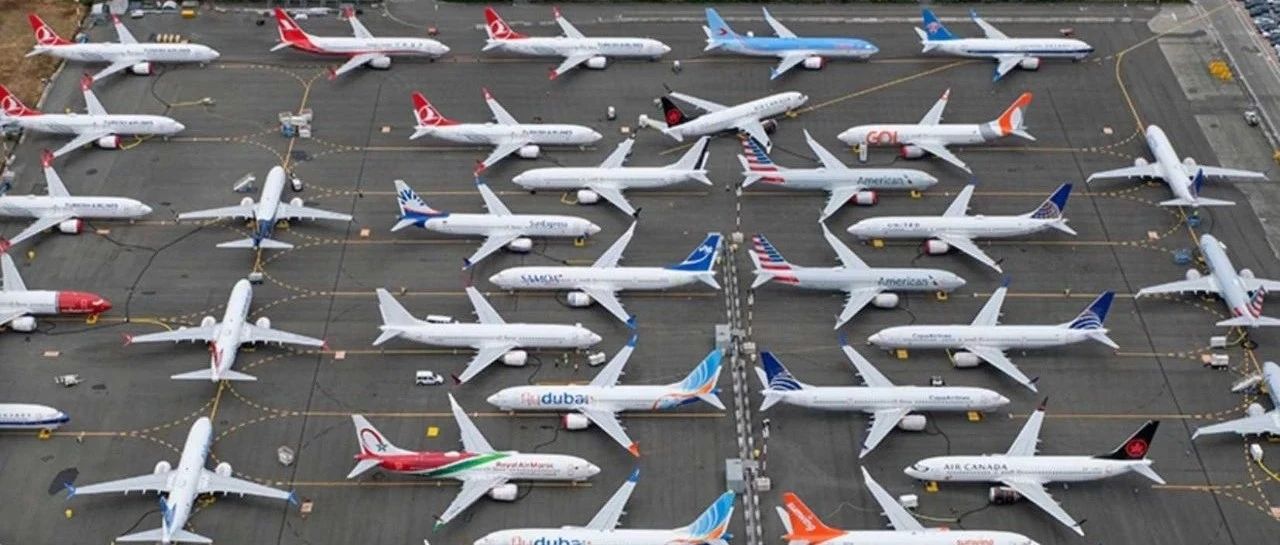
又一廉价航空停运,中外低成本航空为何命运迥异|姗言两语
Di Yi Cai Jing· 2025-08-02 07:00
Group 1 - The performance of low-cost airlines in the domestic market contrasts with that in the U.S., as evidenced by the shutdown of Jetstar Asia due to rising supplier costs, airport fees, and increased competition [1] - Jetstar Asia, which was established in 2004 and primarily operated short-haul flights from Singapore, is projected to incur a loss of AUD 35 million in EBITDA for the current fiscal year [1] - Other low-cost airlines, such as Spirit Airlines and Canada Jetlines, have also ceased operations, indicating a broader trend of challenges faced by low-cost carriers post-pandemic [1] Group 2 - In the U.S., full-service airlines have recovered faster due to a quicker rebound in business travel, while low-cost carriers have lagged behind [2] - Southwest Airlines has begun to diversify its offerings by introducing premium seating options and upgrading cabin services to attract cost-conscious travelers seeking better service [2] - In contrast, domestic airlines like Spring Airlines have thrived post-pandemic, with Spring Airlines achieving the highest net profit among listed airlines in 2023, and projected to remain the most profitable in 2024 [2][3] Group 3 - The differing fates of low-cost airlines in China and abroad can be attributed to temporary oversupply in the domestic market and changes in passenger demographics leading to revenue declines [3] - Spring Airlines has adopted a hybrid cabin layout, offering "business economy seats" with increased legroom, similar to the changes made by Southwest Airlines [3] - Airlines are increasingly required to develop a diverse service product system to meet the varied demands of low, medium, and high-end customers while simultaneously reducing costs and expanding revenue sources [4]
春秋航空股份有限公司 关于股份回购进展公告
Zhong Guo Zheng Quan Bao - Zhong Zheng Wang· 2025-08-01 23:16
Group 1 - The company announced a share repurchase plan using its own and raised funds to buy back part of its issued ordinary shares at a price not exceeding RMB 60 per share, with a total repurchase amount between RMB 150 million and RMB 300 million, within a period of up to 12 months [1] - The maximum repurchase price was adjusted from RMB 60 per share to RMB 59.1842 per share, effective from July 17, 2025, while other aspects of the repurchase plan remained unchanged [2] - As of July 31, 2025, the company had repurchased a total of 3,711,800 shares, accounting for 0.3794% of the total share capital, with a maximum repurchase price of RMB 55.99 per share and a minimum price of RMB 48.25 per share, totaling RMB 190,398,675.44 in funds used [3] Group 2 - The company will continue to make repurchase decisions based on market conditions and will fulfill its information disclosure obligations regarding the progress of the share repurchase [3]
春秋航空: 春秋航空关于股份回购进展公告
Zheng Quan Zhi Xing· 2025-08-01 16:13
Summary of Key Points Core Viewpoint - The company, Spring Airlines, has announced a share repurchase plan aimed at utilizing the repurchased shares for employee stock ownership plans, with a total expected repurchase amount between 150 million yuan and 300 million yuan [1]. Group 1: Share Repurchase Plan - The share repurchase plan was first disclosed on November 6, 2024, and is set to be implemented for a period of 12 months following board approval [1]. - The maximum repurchase price is set at 60 yuan per share, with the total repurchase amount expected to be no less than 150 million yuan and no more than 300 million yuan [1]. - The company has already repurchased a total of 3,711,800 shares, which accounts for 0.3794% of the total share capital, with a total expenditure of approximately 190.4 million yuan [2]. Group 2: Progress of Share Repurchase - As of July 31, 2025, the company has completed the repurchase of 3,711,800 shares through the Shanghai Stock Exchange, with the highest repurchase price being 55.99 yuan per share and the lowest at 48.25 yuan per share [2]. - The total funds used for the repurchase amount to 190,398,675.44 yuan, excluding transaction fees [2]. - The company will continue to make repurchase decisions based on market conditions and will fulfill its information disclosure obligations in a timely manner [3].
春秋航空:累计回购公司股份3711800股
Zheng Quan Ri Bao· 2025-08-01 13:11
(文章来源:证券日报) 证券日报网讯 8月1日晚间,春秋航空发布公告称,截至2025年7月31日,公司通过上海证券交易所交易 系统以集中竞价交易方式已累计回购公司股份3,711,800股,占公司目前总股本的0.3794%。 ...
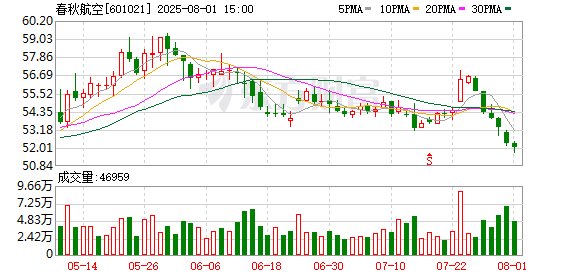
春秋航空(601021.SH):已累计回购0.3794%股份
Ge Long Hui· 2025-08-01 09:06
格隆汇8月1日丨春秋航空(601021.SH)公布,截至2025年7月31日,公司通过上海证券交易所交易系统以集中竞价交易方式已累计回购公司股份3,711,800股,占公司目前总股本的0.3794% ...
春秋航空(601021) - 春秋航空关于股份回购进展公告
2025-08-01 08:31
一、回购股份的基本情况 证券代码:601021 证券简称:春秋航空 公告编号:2025-039 春秋航空股份有限公司 关于股份回购进展公告 本公司董事会及全体董事保证本公告内容不存在任何虚假记载、误导性陈述 或者重大遗漏,并对其内容的真实性、准确性和完整性承担法律责任。 重要内容提示: | 回购方案首次披露日 | 2024/11/6 | | --- | --- | | 回购方案实施期限 | 待董事会审议通过后 个月 12 | | 预计回购金额 | 15,000万元~30,000万元 | | 回购用途 | □减少注册资本 √用于员工持股计划或股权激励 □用于转换公司可转债 | | | □为维护公司价值及股东权益 | | 累计已回购股数 | 3,711,800股 | | 累计已回购股数占总股本比例 | 0.3794% | | 累计已回购金额 | 190,398,675.44元 | | 实际回购价格区间 | 48.25元/股~55.99元/股 | 三、其他事项 公司将严格按照《上市公司股份回购规则》《上海证券交易所上市公司自律监 管指引第 7 号——回购股份》等相关规定,在回购期限内根据市场情况择机做出 回购决策并 ...
航空行业更新报告:暑运旺季表现偏弱,关注公商需求恢复
GUOTAI HAITONG SECURITIES· 2025-07-31 12:31
Investment Rating - The report provides an "Increase" rating for the aviation industry, indicating a potential growth of over 15% relative to the CSI 300 index [27]. Core Insights - The aviation industry is experiencing a steady improvement in supply and demand, leading to significant reductions in losses. The summer travel season has shown unexpected weakness in business travel, but the long-term logic of the aviation sector remains intact, with expectations of benefiting from a "reverse internal competition" strategy [2][3]. Summary by Sections Supply and Demand Dynamics - In Q2 2025, domestic supply maintained low growth with 107 new aircraft introduced, resulting in a net increase of only 52 aircraft. The industry’s Available Seat Kilometers (ASK) is estimated to have grown by 6.7% year-on-year [3]. - Domestic demand showed a steady recovery, with domestic passenger traffic increasing by 5.5% in Q2, while the average domestic ticket price (including fuel) remained stable compared to Q1 [3][9]. Financial Performance - The industry significantly reduced losses in Q2, with passenger load factors improving by 1.9 percentage points year-on-year, reaching a historical high for the same period. The average domestic fuel price decreased by 17% year-on-year, contributing to profitability [3][9]. - The report estimates that the industry may achieve profitability in May, with major airlines expected to report substantial reductions in losses for Q2 [3]. Summer Travel Season Insights - The summer travel season has seen a 3% year-on-year increase in passenger traffic, although ticket prices have decreased by 4-5%, which is lower than previous expectations. The supply growth remains limited due to a slight increase in fleet size and strict flight scheduling by the Civil Aviation Administration [3]. - There is a notable increase in leisure travel, particularly among families and young travelers, while business travel has unexpectedly weakened [3]. Long-term Outlook - The report emphasizes that the aviation industry is entering a low-growth supply era, but the medium-term growth trend remains stable. The anticipated policies aimed at reducing excessive low pricing are expected to support profitability recovery [3]. - The report recommends a contrarian investment approach in the aviation sector, highlighting the potential for significant earnings recovery in 2025, with specific recommendations to increase holdings in China National Aviation, Spring Airlines, and others [3][22].




国泰海通:暑运旺季表现偏弱 关注公商需求恢复
Zhi Tong Cai Jing· 2025-07-31 09:20
Core Viewpoint - The report from Guotai Junan suggests that short-term demand fluctuations do not alter the long-term growth logic of the aviation industry, recommending a contrarian investment approach in the sector [1] Group 1: Industry Supply and Demand - The aviation supply has entered a low growth phase, with a projected improvement in supply-demand dynamics over the next two years, supported by declining oil prices and a reduction in competitive pressures [1][2] - In Q2, the domestic aviation supply remained low, with a net increase of only 52 aircraft, while the industry’s Available Seat Kilometers (ASK) grew by 6.7% year-on-year [2] - Domestic demand showed a steady recovery, with passenger traffic increasing by 5.5% in Q2, and the average ticket price remained stable compared to Q1 [2][3] Group 2: Financial Performance - The industry experienced a significant reduction in losses in Q2, with passenger load factors reaching historical highs, and a projected substantial decrease in losses for the three major airlines [2] - The average domestic fuel price decreased by 17% year-on-year, contributing to improved profitability for airlines during the off-peak season [2][3] Group 3: Seasonal Trends and Expectations - During the summer travel season, private travel demand remained strong, while business travel unexpectedly weakened, leading to lower ticket prices [3] - Despite the challenges, the industry is expected to achieve significant profitability during the summer season, with projections indicating a return to profitability by 2025 [3] Group 4: Policy and Market Dynamics - The "anti-involution" measures are anticipated to benefit the industry in three ways: reducing excessive low pricing in the short term, improving revenue management in the medium term, and ensuring slow growth in fleet planning in the long term [4]
