
Bank Of Shanghai(601229)

Search documents
上海银行:前三季度营收利润稳健“双增”
Xin Hua Cai Jing· 2025-10-31 01:21
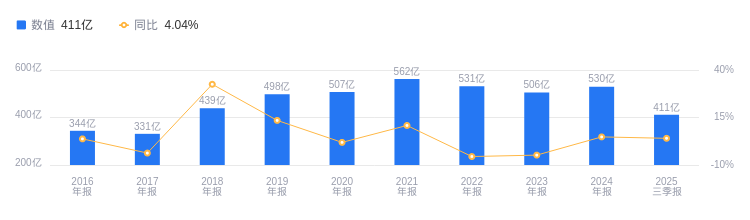
Core Insights - Shanghai Bank reported positive growth in both revenue and net profit for the first three quarters of 2025, with operating income reaching 41.14 billion yuan, a year-on-year increase of 4.04%, and net profit of 18.08 billion yuan, up 2.77% [1] Financial Performance - As of the end of September 2025, the non-performing loan ratio stood at 1.18%, unchanged from the end of the previous year, while the provision coverage ratio was 254.92%, indicating sufficient overall provisioning [1] - The first major shareholder, Shanghai Lianhe Investment Co., Ltd., increased its holdings to 2.092 billion shares by the end of September 2025, an increase of 6.97 million shares since the end of June 2025 [1] Sector-Specific Developments - Shanghai Bank has focused on deepening connections with technology innovation channels and enhancing service capabilities across key industrial chains, with technology loan disbursements amounting to 166.29 billion yuan, a year-on-year increase of 33.83% [1] - The bank has also made strides in supporting small and micro enterprises, with inclusive loan disbursements reaching 139.32 billion yuan, up 2.93% year-on-year [1] - Manufacturing loan disbursements totaled 86.51 billion yuan, reflecting an 8.89% year-on-year growth, supporting high-quality development in the manufacturing sector [1] Retail Banking and Customer Growth - Shanghai Bank has enhanced its retail financial services, focusing on pension finance, wealth management, and consumer finance, with retail customers reaching 21.50 million and managing over 1 trillion yuan in assets under management (AUM), a 5.50% increase from the previous year [2] - The bank leads in pension customer share in Shanghai, with 1.60 million pension clients and a 6.21% increase in AUM for pension clients [2] Loan Products Performance - Auto consumer loan disbursements grew by 40.16% year-on-year, with the balance of auto consumer loans increasing by 16.95% compared to the previous year, and loans for new energy vehicles surged by 63.08% [2] - Housing mortgage loan disbursements increased by 5.47% year-on-year, with a balance of 162.12 billion yuan as of September 2025, reflecting a 1.47% growth, and a 5.47% increase in the Shanghai region [2]

上海银行股份有限公司2025年第三季度报告
Zheng Quan Ri Bao· 2025-10-30 23:03
Core Points - The company reported a net profit of 18.075 billion RMB for the first three quarters of 2025, representing a year-on-year increase of 2.77% [9] - The total assets of the company reached 3,308.002 billion RMB, an increase of 2.52% compared to the end of the previous year [8] - The company’s capital adequacy ratio stood at 14.33%, with a non-performing loan ratio of 1.18%, remaining stable compared to the previous year [9][10] Financial Performance - The company achieved an operating income of 41.14 billion RMB for the first nine months of 2025, up 4.04% year-on-year [9] - The net cash flow from operating activities was -154.412 billion RMB, a decrease of 178.293 billion RMB year-on-year, primarily due to an increase in financial assets held for trading [5] - The company’s total deposits reached 1,804.245 billion RMB, reflecting a growth of 5.51% from the end of the previous year [8] Business Development - The company focused on supporting the real economy, with total loans and advances to customers amounting to 1,441.646 billion RMB, an increase of 2.55% year-on-year [8] - Technology loans amounted to 166.292 billion RMB, showing a significant year-on-year growth of 33.83% [11] - The company’s manufacturing loans reached 86.507 billion RMB, up 8.89% year-on-year [12] Shareholder Information - The top ten shareholders included Banco Santander, holding 929.137 million shares, accounting for 6.54% of the total share capital [6] - The company’s board of directors and senior management confirmed the accuracy and completeness of the quarterly report [2] Retail Financial Services - The company managed retail customer assets totaling 1,078.145 billion RMB, a growth of 5.50% from the previous year [16] - The number of retail customers reached 21.5033 million, with personal loans and advances totaling 395.642 billion RMB [16] Debt Issuance - In September 2025, the company issued 20 billion RMB of ordinary financial bonds with a fixed interest rate of 1.89% [20]
上海银行的前世今生:2025年三季度营收411.4亿行业第五,高于行业平均174.88亿元
Xin Lang Zheng Quan· 2025-10-30 15:35
Core Viewpoint - Shanghai Bank, established in 1996 and listed in 2016, is a comprehensive commercial bank with significant regional advantages in key areas such as the Yangtze River Delta and the Greater Bay Area [1] Financial Performance - As of Q3 2025, Shanghai Bank reported a revenue of 41.14 billion yuan, ranking 5th in the industry out of 17 banks, with the industry leader, Jiangsu Bank, at 67.18 billion yuan [2] - The net profit for the same period was 18.06 billion yuan, also ranking 5th, with Jiangsu Bank leading at 31.90 billion yuan [2] Financial Ratios - The bank's debt-to-asset ratio stood at 92.12%, lower than the industry average of 92.63%, indicating strong debt repayment capability [3] - The gross profit margin was 51.47%, higher than the industry average of 45.51%, reflecting a competitive edge in profitability [3] Leadership - The chairman, Gu Jianzhong, has a master's degree in finance from Fudan University and a rich career history in various financial roles, enhancing the bank's leadership profile [4] Shareholder Information - As of September 30, 2025, the number of A-share shareholders increased by 17.26% to 114,900, while the average number of shares held per shareholder decreased by 14.72% [5] - The bank's valuation has been at the industry bottom since 2020, but recent strategic changes are expected to stabilize ROE [5] Business Highlights - In the first half of 2025, revenue grew by 4.18% year-on-year, and net profit increased by 2.02%, indicating stable growth [6] - The bank experienced growth in interest-earning assets and loans, with a notable increase in corporate loans, particularly in manufacturing and technology sectors [6]

上海银行:10月30日召开董事会会议
Mei Ri Jing Ji Xin Wen· 2025-10-30 12:50
每经AI快讯,上海银行(SH 601229,收盘价:9.42元)10月30日晚间发布公告称,公司2025年第九次 董事会会议于2025年10月30日以现场加视频接入方式召开。会议审议了《关于2025年第三季度报告的议 案》等文件。 2025年1至6月份,上海银行的营业收入构成为:利息收入占比151.4%,非利息收入占比8.4%。 截至发稿,上海银行市值为1338亿元。 每经头条(nbdtoutiao)——多地出现"负电价",既然卖电"不挣钱",为何电厂不愿停机? (记者 曾健辉) ...
上海银行(601229) - 上海银行股份有限公司董事和高级管理人员所持本行股份及其变动管理规则(2025年版)
2025-10-30 12:36
上海银行股份有限公司董事和高级管理人员 所持本行股份及其变动管理规则(2025 年版) 第一章 总 则 第一条 为规范上海银行股份有限公司(以下简称本行)董事和高级 管理人员所持本行股份及其变动的管理,根据《中华人民共和国公司法》 《中华人民共和国证券法》《上市公司董事和高级管理人员所持本公司股 份及其变动管理规则》《上市公司股东减持股份管理暂行办法》《上海证券 交易所上市公司自律监管指引第 15 号——股东及董事、高级管理人员减持 股份》《上海证券交易所上市公司自律监管指引第 8 号——股份变动管理》, 财政部等五部委《关于规范金融企业内部职工持股的通知》和《上海银行 股份有限公司章程》(以下简称本行章程)等相关规定,制定本规则。 第二条 董事和高级管理人员所持本行股份,是指登记在其名下和利 用他人账户持有的所有本行股份。 董事和高级管理人员从事融资融券交易的,其所持本行股份还包括记 载在其信用账户内的本行股份。 第三条 董事和高级管理人员应当按照中国证券监督管理委员会(以 下简称中国证监会)、国家金融监督管理总局、上海证券交易所(以下简 称上交所)相关规定和要求,以及本行信息披露制度的规定,严格履行申 报 ...
上海银行(601229) - 上海银行股份有限公司股权管理基本规定(2025年版)
2025-10-30 12:36
上海银行股份有限公司股权管理基本规定(2025 年版) 第一章 总 则 第一条 为规范上海银行股份有限公司(以下简称本行)股权管理, 维护股东的合法利益,根据《中华人民共和国公司法》《中华人民共和国 商业银行法》《商业银行股权管理暂行办法》《银行保险机构大股东行为 监管办法(试行)》《中国银监会关于加强商业银行股权质押管理的通知》 《中国银保监会办公厅关于进一步加强银行保险机构股东承诺管理有关 事项的通知》《中国银保监会办公厅关于加强银行保险机构股权和关联交 易数据治理的通知》和本行《公司章程》等有关规定,制定本规定。 第二条 本规定适用于持有本行普通股股份(以下简称股份)的所有股 东及本行普通股股权管理,优先股股东和优先股股权管理适用相关法律法规。 第三条 本行股权管理遵循分类管理、资质优良、关系清晰、权责明 确、公开透明的原则。 第四条 本行股份已按照监管规定全部登记于中国证券登记结算有 限责任公司上海分公司(以下简称中国结算),对于已确认证券账户持有 人的股份,其登记、变更等一切相关行为均应遵循中国结算相关规定。 本行已在中国结算开立"上海银行股份有限公司未确认持有人证券专 用账户",该账户下登记股份由 ...
上海银行(601229) - 上海银行股份有限公司年报信息披露重大差错责任追究办法(2025年版)
2025-10-30 12:36
上海银行股份有限公司 年报信息披露重大差错责任追究办法(2025年版) 第一章 总 则 第一条 为提高上海银行股份有限公司(以下简称本行)年度报告(以 下简称年报)信息披露的质量,确保信息披露的真实性、准确性、完整性 和及时性,保护投资者的合法权益,根据《中华人民共和国公司法》《中 华人民共和国证券法》《上市公司信息披露管理办法》《上海证券交易所 股票上市规则》《上海银行股份有限公司章程》(以下简称本行章程)和 本行信息披露事务管理制度等相关规定,结合本行实际情况,制定本办法。 第二条 本办法所称年报信息披露重大差错主要指年报、年度业绩预 告、年度业绩快报存在重大差错以及本行股票上市地证券监管机构、交易 所认定的其他年报信息披露重大差错的情形。 第三条 本办法适用于本行董事、高级管理人员,持股 5%以上股东、 总行各部门、各分支机构、各子公司负责人以及其他负有信息披露职责的 部门和人员。 第四条 本行有关人员应当严格遵守法律、法规、规章的相关规定, 严格执行财务报告相关内控制度,确保年报、年度业绩预告、年度业绩快 报真实、公允的反映本行财务状况、经营成果。 第二章 重大差错认定 第七条 年报信息披露出现重大差 ...
上海银行(601229) - 上海银行关于关联交易事项的公告
2025-10-30 12:36
证券代码:601229 证券简称:上海银行 公告编号:临 2025-059 优先股代码:360029 优先股简称:上银优 1 可转债代码:113042 可转债简称:上银转债 上海银行股份有限公司 关于关联交易事项的公告 上海银行股份有限公司(以下简称"公司")董事会及全体董事保证本公告 内容不存在任何虚假记载、误导性陈述或者重大遗漏,并对其内容的真实性、准 确性和完整性承担法律责任。 重要内容提示: 1 4、经公司董事会 2025 年第九次会议审议通过,同意给予申万宏源证券有限 公司(以下简称"申万宏源证券")人民币 70 亿元授信额度,授信有效期 1 年。 回避表决事宜: 关联董事庄喆先生对与中建投租赁,以及与申万宏源证券的关联交易事项回 避表决。 关联董事顾建忠先生、施红敏先生、牛韧先生对与上银国际的关联交易事项 回避表决。 交易内容: 1、经公司董事会 2025 年第九次会议审议通过,同意给予中建投租赁股份有 限公司(以下简称"中建投租赁")人民币 23 亿元授信额度,授信有效期 1 年。 2、经公司董事会 2025 年第九次会议审议通过,同意给予上银国际有限公司 (以下简称"上银国际")等值 35 亿 ...
上海银行(601229) - 上海银行关于参加2025年上海辖区上市公司三季报集体业绩说明会的公告
2025-10-30 12:36
证券代码:601229 证券简称:上海银行 公告编号:临 2025-062 优先股代码:360029 优先股简称:上银优 1 可转债代码:113042 可转债简称:上银转债 会议召开时间:2025 年 11 月 13 日(星期四)15:00-16:30 会 议 召 开 地 点 : 上 海 证 券 交 易 所 上 证 路 演 中 心 ( 网 址 : https://roadshow.sseinfo.com/) 会议召开方式:上证路演中心网络互动 投资者可于 2025 年 11 月 6 日(星期四)至 11 月 12 日(星期三)16:00 前 登录上证路演中心网站首页点击"提问预征集"栏目或通过电子邮件的形式 发送至公司投资者关系邮箱 ir@bosc.cn 进行提问。公司将在 2025 年上海辖 区上市公司三季报集体业绩说明会上对投资者普遍关注的问题进行交流。 上海银行股份有限公司 关于参加 2025 年上海辖区上市公司三季报 集体业绩说明会的公告 上海银行股份有限公司(以下简称"公司")董事会及全体董事保证本公告 内容不存在任何虚假记载、误导性陈述或者重大遗漏,并对其内容的真实性、准 确性和完整性承担法律责任 ...
上海银行(601229) - 上海银行关于诉讼事项的公告
2025-10-30 12:36
关于诉讼事项的公告 上海银行股份有限公司(以下简称"公司")董事会及全体董事保证本公告 内容不存在任何虚假记载、误导性陈述或者重大遗漏,并对其内容的真实性、准 确性和完整性承担法律责任。 一、本次诉讼基本情况 2025年10月29日,上海银行股份有限公司深圳分行(以下简称"深圳分行") 收到广东省深圳市中级人民法院(以下简称"深圳中院")的《民事裁定书》(2025) 粤03民辖终1690号,深圳中院支持深圳分行所提管辖异议,同意将深圳托吉斯科 技有限公司(以下简称"托吉斯")诉深圳深业物流集团股份有限公司(以下简 称"深业物流")、深圳分行、平安信托有限责任公司(以下简称"平安信托") 民事主体间房屋拆迁补偿合同纠纷一案(以下简称"本案")移送深圳中院审理。 二、诉讼案件事实简述 托吉斯诉称:2020年4月30日,托吉斯与深业物流就深业物流名下坐落在罗 湖区清水河一路北宝隆大楼2栋、3栋、4栋以及5栋[权属证号:粤(2015)深圳 市不动产权第0042977号]、罗湖区清水河一路北清水河仓库区2栋、3栋、4栋以 证券代码:601229 证券简称:上海银行 公告编号:临 2025-060 优先股代码:36002 ...