ZGXT(000831)

Search documents
中国稀土9月30日获融资买入2.68亿元,融资余额23.09亿元
Xin Lang Cai Jing· 2025-10-09 04:32
融资方面,中国稀土当日融资买入2.68亿元。当前融资余额23.09亿元,占流通市值的4.21%,融资余额 超过近一年90%分位水平,处于高位。 来源:新浪证券-红岸工作室 9月30日,中国稀土涨3.96%,成交额29.21亿元。两融数据显示,当日中国稀土获融资买入额2.68亿 元,融资偿还2.72亿元,融资净买入-367.05万元。截至9月30日,中国稀土融资融券余额合计23.22亿 元。 资料显示,中国稀土集团资源科技股份有限公司位于江西省赣州市章贡区章江南大道18号豪德银座A栋 14、15层,成立日期1998年6月17日,上市日期1998年9月11日,公司主营业务涉及稀土冶炼分离及稀土 技术研发及服务。主营业务收入构成为:稀土氧化物63.51%,稀土金属及合金35.95%,其他(补 充)0.35%,技术服务收入0.18%。 融券方面,中国稀土9月30日融券偿还3000.00股,融券卖出4800.00股,按当日收盘价计算,卖出金额 24.84万元;融券余量24.59万股,融券余额1272.53万元,低于近一年50%分位水平,处于较低位。 截至9月19日,中国稀土股东户数23.00万,较上期增加6.66%;人 ...

美国砸5亿抢巴铁稀土,想破中国稀土优势,谁知巴铁做法亮了
Sou Hu Cai Jing· 2025-10-08 19:44
Core Insights - Pakistan's Prime Minister and Army Chief signed a $500 million mineral cooperation memorandum with a U.S. strategic metals company, marking a significant partnership in the mineral sector [1] - The initial investment from the U.S. is seen as crucial for Pakistan, which is facing an economic crisis with external debt reaching $1.3 trillion and foreign reserves falling below $9 billion [3] - The agreement allows for a maximum cooperation period of 15 years, after which Pakistan can reclaim mining rights or change partners, indicating a strategic balancing act in geopolitics [5] Economic Context - Pakistan's economic situation is dire, with a pressing need for foreign investment to stabilize its economy and develop its mineral resources, estimated at $6 trillion [3] - The U.S. aims to reduce its reliance on China for rare earth elements, which are critical for various industries, including defense [7] Geopolitical Dynamics - The cooperation with the U.S. is part of Pakistan's strategy to balance its relationships in South Asia, especially in light of deteriorating U.S.-India relations [3] - Pakistan's willingness to allow Chinese companies to participate in mineral projects reflects its intent to maintain flexibility in its foreign partnerships [5] Challenges Ahead - The mining resources in Pakistan are primarily located in regions with challenging terrain and security issues, which could hinder operational efficiency [11] - Pakistan lacks sufficient mineral processing technology and infrastructure, which may delay the transition from raw material extraction to production [11] Comparison with China - China's dominance in the rare earth supply chain, including extraction and processing capabilities, poses a challenge for Pakistan's new partnership with the U.S. [9] - The depth of cooperation between China and Pakistan in various sectors, including military and agriculture, highlights the complexity of Pakistan's foreign relations [12]

美国砸5亿买巴铁稀土,想破中国稀土优势,巴铁做法亮了
Sou Hu Cai Jing· 2025-10-08 16:32
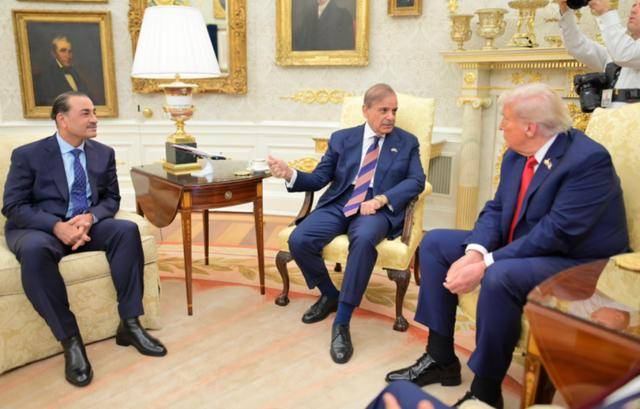
Group 1 - The core point of the article revolves around the recent meeting between US President Trump and Pakistani Prime Minister Shehbaz, which has raised concerns among Indian media regarding the evolving US-Pakistan relationship [1] - The meeting lasted approximately 80 minutes and was described as pleasant, with discussions expected to cover mutual concerns and regional and global issues [1] - There is a notable shift in US-Pakistan relations, with Trump previously criticizing Pakistan but now seemingly deepening ties, contrasting with the tension in US-India relations due to tariffs on Russian oil [1] Group 2 - The meeting is speculated to have included discussions on rare earth elements, particularly following Pakistan's recent agreement with a US strategic metals company to establish a rare earth refining facility [3] - The US aims to reduce its dependence on Chinese rare earths, but challenges remain due to China's technological superiority in rare earth processing, which has a purity exceeding 99.9999% [3] - Various countries, including Myanmar and Greenland, have been considered as potential alternatives to China for rare earth supplies, but logistical and technological challenges hinder their viability [7][10] Group 3 - Australia is attempting to enhance its rare earth production capabilities with significant government loans to local companies, yet experts remain skeptical about its competitiveness against China due to higher production costs [10][11] - The US has substantial rare earth reserves but faces challenges in production and processing, leading to a reliance on China for processing despite having the largest reserves [13] - The article suggests that both Mongolia and Pakistan's rare earth collaborations with the US may not significantly alter the global supply chain dominated by China, as both countries lack complete processing capabilities [15]
美国大豆卖不出,中国稀土买不到,这世界将更黑暗还是将更光明?
Sou Hu Cai Jing· 2025-10-07 04:39
Group 1: U.S. Soybean Market Impact - China has completely stopped purchasing U.S. soybeans, which was unexpected for the U.S. market, leading to a significant shift in trade dynamics [2][4] - Historically, China imported around 100 million tons of soybeans annually, with domestic production at approximately 20 million tons; this year, over 70% of imports came from Brazil [2] - The share of U.S. soybeans in China's imports has drastically decreased from 57% in 2017 to 42% in 2024, with a sudden halt in purchases resulting in a substantial loss of market share for the U.S. [5] Group 2: Argentina's Role - Argentina, despite receiving U.S. financial aid, has increased its soybean exports to China, shipping 30 to 40 vessels in a short period, which has severely impacted U.S. soybean trade [4] - This move by Argentina may indicate a strategic alignment with China and BRICS nations, aiming to re-enter a trade network centered around China [4] Group 3: Global Trade Dynamics - The halt in Chinese soybean purchases has led to a supply glut in the U.S., causing prices to plummet and forcing other countries to wait for discounted offers before purchasing [5] - The trend is shifting towards South American countries as primary suppliers, indicating a long-term replacement of U.S. soybeans in the global market [5] Group 4: U.S.-China Trade Relations - The U.S. government's unilateral trade actions, particularly under Trump's administration, lack a cohesive global economic strategy, making it vulnerable to targeted responses from China [9] - China is using key commodities like rare earths and soybeans as leverage in trade negotiations, complicating U.S. efforts to secure these resources [9][10] Group 5: Broader Economic Implications - If U.S. hostility continues, China has various economic tools at its disposal to respond, potentially affecting U.S. tech companies and their supply chains [10] - China's zero-tariff policy towards Africa is reshaping international economic relations, encouraging African nations to align their trade practices with Chinese demands [11] - The potential for a collective response from developing countries against U.S. trade practices could significantly impact U.S. economic interests globally [11]

2块钱的稀土股不是垃圾:有矿有订单,机构悄悄买了近3亿股
Sou Hu Cai Jing· 2025-10-06 23:03
Core Viewpoint - Rare earth stocks are considered undervalued, with potential for significant returns, likened to the next "Zhengzhou Coal Electricity" opportunity [1] Industry Overview - Rare earth elements are essential for industries such as renewable energy, robotics, and military applications, often referred to as "industrial vitamins" [3] - China holds 70% of the world's rare earth reserves, but has historically faced criticism for low-price exports [3] - Recent developments include Myanmar's complete halt of rare earth mining, tightening global supply chains [3] - China's tightening of export quotas has led to a surge in rare earth prices, with dysprosium oxide prices tripling compared to two years ago [3] Key Data - China's rare earth reserves account for 38% of global totals, with Northern Rare Earth holding significant resources at the Baiyun Obo mine, targeting a production capacity of 150,000 tons of high-performance magnetic materials by 2025 [4] - China Rare Earth has consolidated 80% of ion mines in Ganzhou, reporting a net profit of 72.61 million in Q1 2025, successfully turning around its financial performance [5] Company Highlights - **Northern Rare Earth (600111)**: The largest supplier of light rare earths globally, with a net profit increase of 727% year-on-year in Q1 2025 [6] - **China Rare Earth (000831)**: Recognized as a hidden champion in medium and heavy rare earths, with leading separation technology and strong military orders [8] - **Jinli Permanent Magnet (300748)**: Utilizes advanced technology to reduce neodymium usage by 60%, with a projected net profit increase of 120% in 2025 [10] Market Dynamics - Foreign investment is increasing, with Inlohua seeing significant foreign purchases, indicating confidence in the demand for magnetic materials in electric vehicles [12] - Speculative trading has surged, with Huahong Technology's stock price soaring 372% due to rare earth recycling and Tesla orders [13] - State-owned entities like China Rare Earth and Northern Rare Earth are receiving continued support from institutional investors, benefiting from policy advantages and resource monopolization [14] Price Volatility - Rare earth prices are highly influenced by policy and supply-demand dynamics, with historical examples of significant price fluctuations [15] - Potential technological advancements in non-rare earth permanent magnet materials could disrupt the current market landscape [16] International Competition - The U.S. is accelerating efforts to establish its own rare earth supply chain, with MP Materials receiving $400 million in funding from the White House, indicating increasing long-term competition [17]


摆脱中国稀土要花3000亿?美国急了欧盟慌了,全球产业链正被改写
Sou Hu Cai Jing· 2025-10-05 10:52
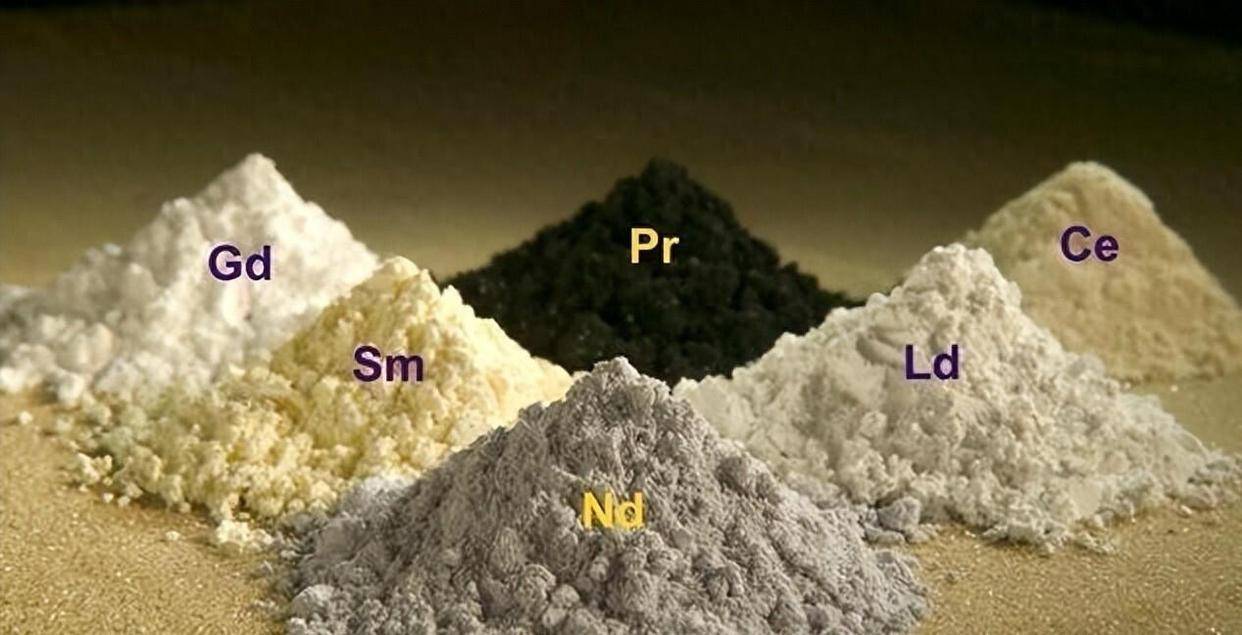
Core Insights - The global competition among major powers is increasingly focused on rare earth elements, which significantly impact daily life and national security [1][3] - Rare earth elements, including lanthanum, cerium, praseodymium, and neodymium, are essential for modern technology and military applications, earning them the title of "modern industrial vitamins" [3][5] - China holds the largest reserves of rare earth elements, with proven reserves of 44 million tons, accounting for 40% of the global total [6][10] Industry Overview - The Baotou Rare Earth Mine in Inner Mongolia is the largest rare earth mine globally, containing 83.7% of China's total reserves and 37.8% of the world's reserves [7][10] - China has developed a complete rare earth industry system, controlling 70% of global rare earth extraction and 90% of processing capacity, with a leading position in separation technology and patents [10][11] Strategic Importance - The increasing importance of rare earths in modern technology and defense has transformed them into strategic assets in international relations [11][26] - The U.S. Department of Defense has invested $400 million in a rare earth company, becoming its largest shareholder, to link the military-industrial complex with the rare earth supply chain [13][21] - The U.S. has also signed a ten-year price guarantee agreement for neodymium and praseodymium, indicating a strategic approach to securing rare earth supplies [14][15] Global Competition - Western countries are attempting to establish independent rare earth supply chains to reduce reliance on China, facing challenges such as funding, technology gaps, and talent shortages [16][18][20] - Estimates suggest that $300 billion is needed over ten years to build a complete rare earth supply chain in the West [17] - Despite efforts, it is unlikely that the dominance of China in the global rare earth supply chain will change in the short term [22][23] Future Outlook - The competition for rare earths is expected to intensify, with Western nations striving to create independent supply chains while China continues to innovate in key technology sectors [24][26] - The strategic significance of rare earths as a bridge between current and future technological advancements underscores their role in global industrial positioning [26]
8国联合出手,澳大利亚想对中国稀土加税,54万吨油菜籽白买了?
Sou Hu Cai Jing· 2025-10-05 04:28
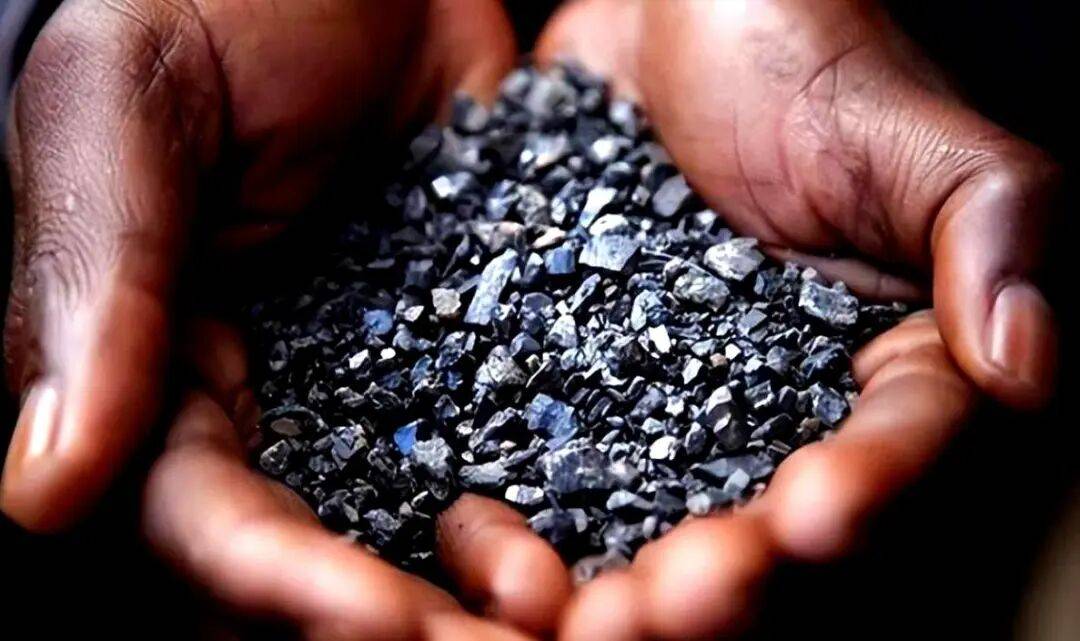
Core Viewpoint - The G7 and the EU are planning to intervene in China's rare earth market by setting a price floor and imposing tariffs and carbon taxes on certain Chinese rare earth exports, aiming to sanction China's rare earth industry [1] Group 1: Rare Earth Market Dynamics - Australia, which previously exported 540,000 tons of canola to China, is now leaning towards the US and preparing to take action regarding China's rare earth resources, raising questions about the future of cooperation [3] - The G7 and Australia's new plan for the rare earth supply chain appears to be an attempt to reduce dependence on China, highlighting China's dominant position in the global rare earth sector, which causes anxiety among the US and Western countries [3] - China's export controls on critical minerals implemented in April have led to concerns among Western companies reliant on Chinese rare earths, with calls for addressing a potential "rare earth shortage" [3] Group 2: US and Australia Relations - The US Department of Defense has invested hundreds of millions in American rare earth companies to address the shortfall in the rare earth sector, emphasizing the critical reliance of advanced industries on rare earths [5] - Australia's position is complex; while it seeks to assert its importance in the rare earth supply chain through G7 collaboration, it continues to align with the US, potentially jeopardizing its own trade interests with China [5] - Australia's dependence on China for processing its rare earth resources complicates its stance against China, as any dissatisfaction from China could risk its exports, including canola [5] Group 3: Canada and Trade Lessons - Canada, once a major supplier of canola to China, faced backlash from China due to discriminatory trade practices, leading to anti-dumping duties on Canadian canola, serving as a cautionary tale for Australia [6] - The recent trade dynamics between China and Australia, particularly in canola, have become precarious as Australia openly seeks to reduce reliance on China while attempting to develop its own rare earth industry to support the US [6] Group 4: Global Implications - The shift in Australia's approach towards rare earths raises concerns about the stability of global supply chains, as conflicts over rare earth issues could adversely affect both China and Australia's economic interests [7]
70%稀土市场份额,遭遇技术围剿!德国突破撼动中国稀土霸权?
Sou Hu Cai Jing· 2025-10-04 22:45
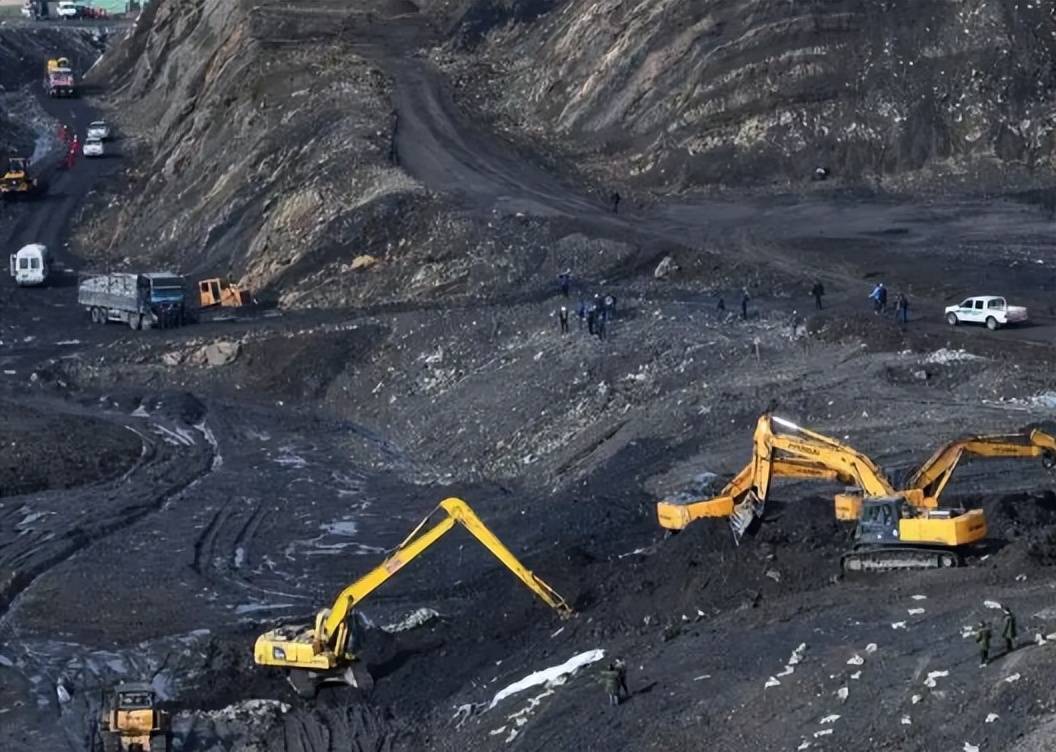
Core Insights - The article discusses the global competition to reduce reliance on Chinese rare earth elements, particularly in the context of recent technological advancements that could provide alternatives to traditional rare earth materials [1][2][3]. Group 1: Technological Developments - German manufacturer VAC has developed a neodymium-iron-boron alloy that does not rely on heavy rare earth elements, achieving performance comparable to traditional rare earth magnets [1]. - Niron Magnetics in the U.S. has begun trial production of iron-nitride permanent magnets, producing five tons annually, which, despite lower performance, offers a cost-effective and rare earth-free alternative [2]. - Research institutions like the Max Planck Institute and collaborations between Cambridge University and DeepMind are exploring various potential substitutes for rare earth materials, with some already in laboratory testing [2]. Group 2: Strategic Responses - The U.S. government acknowledges its heavy reliance on imports for high-performance permanent magnets and is implementing fiscal subsidies and tax incentives to support domestic rare earth production and research into rare earth-free alternatives [2]. - The European Union has launched the "European Critical Raw Materials Alliance" to reduce dependency on Chinese rare earths, signaling a coordinated effort among member states [3]. - G7 countries are considering setting a price floor for rare earths and imposing taxes on Chinese exports, reflecting a complex strategy to manage both market stability and supply risks [3]. Group 3: Market Dynamics - Despite the emergence of alternative materials, traditional rare earth materials still dominate the market due to their superior performance in high-temperature stability and magnetic energy density [7]. - The trend towards "de-rare earth" solutions is expected to gradually erode market share for Chinese rare earths, particularly in mid to low-end applications where cost advantages of alternatives can be leveraged [7][5]. - The article emphasizes the need for China to enhance its rare earth processing and application technologies to maintain its competitive edge in the global market [7][9].
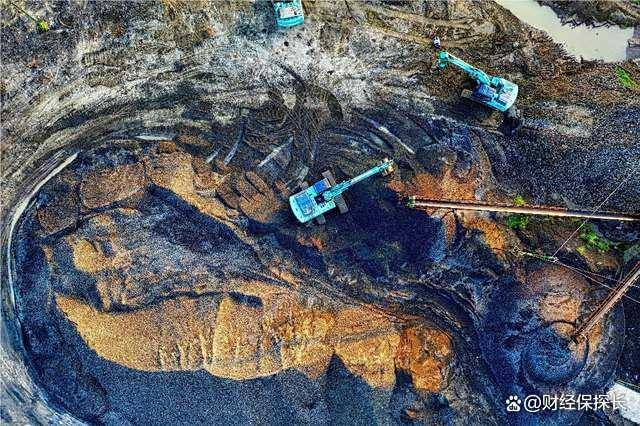
澳大利亚对中国稀土开首枪,中方叫停交易,订单清零,澳总理急了
Sou Hu Cai Jing· 2025-10-03 09:59
Core Viewpoint - The recent suspension of iron ore purchases by China from BHP, a major Australian mining company, signals a significant shift in the trade dynamics between China and Australia, primarily driven by long-standing geopolitical tensions and market conditions [3][14]. Group 1: Trade Dynamics - On September 30, China Mineral Resources Group announced a halt to all dollar-denominated iron ore purchases from BHP, causing a ripple effect in the global mining market [3]. - Following the announcement, Singapore iron ore futures rose by 1.8%, while BHP's stock plummeted by 6%, resulting in a market value loss exceeding $10 billion [5]. - Australia relies heavily on China for its iron ore exports, with 85% of its iron ore exports going to China, leading to a projected 1.2% impact on its GDP [7]. Group 2: Strategic Miscalculations - Australia has been making strategic moves in the rare earth sector, including hiring Chinese experts at significantly higher salaries and initiating rare earth production in Malaysia [10]. - Despite Western media celebrating these developments, the actual production capacity of Lynas, the Australian rare earth company, is minimal compared to China's output [12]. - Australia's government has joined the "Critical Minerals Alliance" led by the U.S., which has further strained relations with China [14]. Group 3: Market Factors - The global iron ore market has seen a shift in supply and demand, with China's demand growth slowing while Australian exports continue to rise, leading to oversupply and falling prices [18]. - BHP's insistence on a 15% price increase has been deemed unreasonable by Chinese steel companies, prompting the halt in purchases as a means to negotiate better pricing [20]. Group 4: Currency Influence - The use of U.S. dollars in iron ore trade has exposed China to exchange rate risks and dependence on dollar dominance [22]. - The suspension of purchases is seen as a move towards promoting the internationalization of the Chinese yuan, with BHP's remaining transactions needing to be settled in yuan [24]. Group 5: Economic Implications - The halt in orders has placed Australian mining companies under significant pressure, as iron ore constitutes 62% of Australia's exports to China [26]. - Australia faces challenges in finding alternative markets for its iron ore, as other countries have limited demand and high transportation costs [26]. - In contrast, China is strengthening its strategic position in both rare earth and iron ore sectors through resource control and new projects, such as the Simandou iron ore project in Guinea [28].

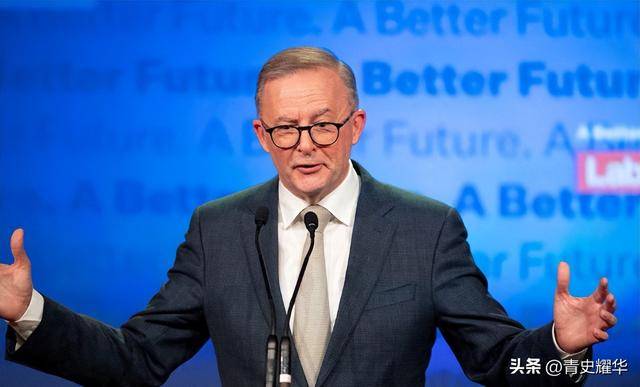
G7要对中国稀土下黑手?中方放弃WTO特权,一招反制!
Sou Hu Cai Jing· 2025-10-03 08:36
Group 1 - G7 countries are focusing on reducing dependence on China's rare earth industry, proposing measures such as setting minimum export prices, imposing punitive tariffs, and introducing carbon tax mechanisms [1] - The EU's dependence on Chinese rare earths is significantly higher than that of the US, with China's rare earth magnet exports to the EU increasing by 21% in August, reaching 2,582 tons, while exports to the US decreased to 590 tons [3] - China leads in the entire rare earth industry chain, especially in rare earth magnet manufacturing, with exports reaching 6,164 tons in August, a year-on-year increase of over 15% [5] Group 2 - China has implemented targeted export controls on rare earths, requiring export licenses for certain categories and controlling exports based on the strategic risk of the destination country [6] - In September, China announced it would no longer seek new "special and differential treatment" from the WTO, which is seen as a strategic adjustment rather than a concession [8] - This decision reflects China's transition from being a "rule taker" to a "rule maker" in international trade, as it begins to propose new frameworks in areas like cross-border e-commerce and green development [9] Group 3 - The G7's plans are viewed as self-damaging and unlikely to disrupt China's rare earth advantages, while China is strategically adjusting its export policies and WTO status to maintain its interests and gain the upper hand in international trade [12] - China's approach is characterized as a planned and strategic counterattack rather than mere defense [14]