
TZE(002129)

Search documents
18日投资提示:永吉股份控股股东拟减持不超2%股份
集思录· 2026-03-17 14:09
Group 1 - The article discusses a fire incident at a wholly-owned subsidiary of Kaitian New Materials, which has been ordered to suspend production [1] - The article mentions the subscription of new shares for companies such as Puang Medical and Zuxing New Materials listed on the Beijing Stock Exchange [1] - It provides a list of convertible bonds, including their current prices, redemption prices, last trading dates, and conversion values [4][5][7] Group 2 - The article highlights that Yongji Co., the controlling shareholder, plans to reduce its stake by no more than 2% [5] - It notes that Lidong New Materials intends to invest 280 million yuan to expand its battery aluminum foil project [5] - The article states that the Zhongte convertible bond will not undergo a reset [5]



对话李东生:想公开讲一些有建设性的真话
经济观察报· 2026-03-07 04:01
Core Viewpoint - The conversation emphasizes the need for the domestic business system to reduce unnecessary consumption and allow the market to function effectively [2] Group 1: Industry Challenges - In the past five years, nearly all new capacity in the photovoltaic industry has involved local capital participation [1][30] - The implementation of national subsidies for bulk consumer goods has led to local governments requiring companies to establish independent legal entities to qualify for these subsidies, resulting in TCL adding approximately 540 new legal entities [2][5][42] - The over-intervention of local funds in the market has distorted resource allocation, with local investment in photovoltaic projects often exceeding 50%, and in some cases, reaching 80% [7][30] Group 2: Financing Issues - The financing channels for large technology manufacturing are not smooth, with semiconductor display production lines requiring investments between 15 billion to 40 billion yuan, and financial institutions demanding that companies provide at least 40% of the total investment as their own capital [9][15] - The refinancing process is lengthy and complicated, making it difficult for companies to secure necessary funds for project investments [18][19] Group 3: Market Dynamics - The decline in television sales in China, with 32.9 million units sold in 2025, is attributed to a lack of attractive content rather than hardware issues, contrasting with the 49.9 million units sold in the U.S. [10][50] - The trade surplus of over 1.2 trillion USD in the previous year suggests a need for increased imports to stimulate domestic market demand [11][51] Group 4: Recommendations for Improvement - Local funds should have clear exit mechanisms and limited liability to prevent excessive market interference [8][39] - The government should consider special policies to support restructuring in the photovoltaic industry, including debt extension and waiving penalties for overdue loans [36][38] - To enhance service consumption, there should be a focus on differentiated service products that cater to various consumer needs [47][50] Group 5: Globalization and Strategic Partnerships - TCL's global revenue reached 356 billion yuan, with 170.1 billion yuan coming from overseas, indicating the importance of establishing local supply chains [62] - The joint venture with Sony aims to leverage both companies' strengths to enhance competitiveness in the television market [64][66]


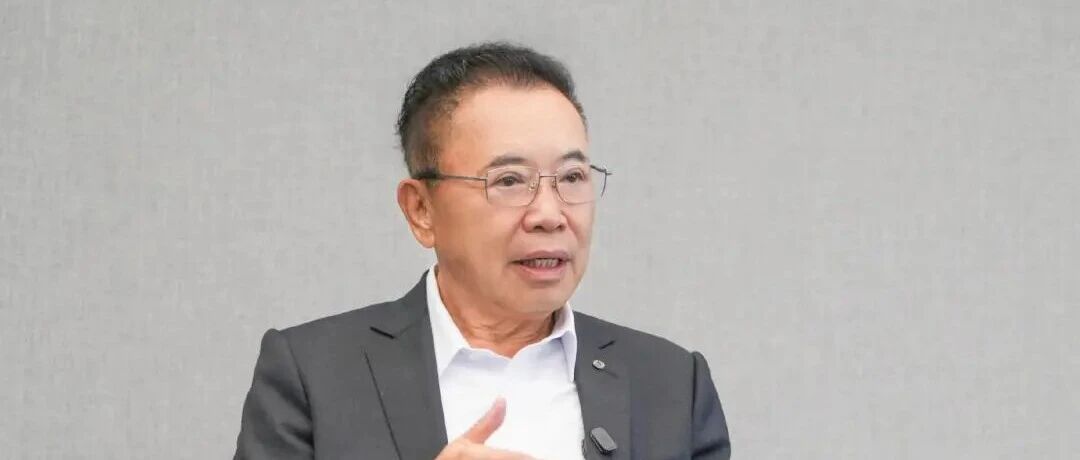
李东生2026智能制造展望:守制造之本,拓新质之路,谋创新之远
21世纪经济报道· 2026-03-06 10:21
Core Viewpoint - TCL, under the leadership of Li Dongsheng, has transformed from a small tape workshop into a global technology manufacturing giant, spanning semiconductor displays, smart terminals, and new energy photovoltaics. The company aims to navigate the increasingly competitive landscape of the semiconductor display industry and leverage its global strategy to drive innovation and growth [1]. Group 1: Manufacturing and Investment Strategy - Li Dongsheng emphasizes that the core of industrial transformation and upgrading lies in developing high-tech, capital-intensive, and long-cycle industries, such as integrated circuits and semiconductor displays, which require sustained investment [1][8]. - The company has called for increased financing convenience and predictability for advanced manufacturing industries to better compete internationally [3]. - Since its establishment in 2009, TCL Huaxing has invested over 300 billion yuan in the semiconductor display industry, making it one of the largest investors in China's autonomous semiconductor display process [3][4]. Group 2: Historical Investment Phases - The investment phases of TCL include the foundational period from 2009 to 2013, where initial investments broke overseas monopolies, and the expansion phase from 2014 to 2019, where the company entered the global top tier through comprehensive investments [4]. - From 2020 onwards, TCL has focused on technological upgrades and global integration, solidifying its position as a global leader in the LCD sector while advancing into next-generation display technologies [5][7]. Group 3: Competitive Landscape - The global semiconductor display industry is characterized by intense competition, with major players like Samsung and LG dominating high-end OLED markets, while Chinese companies like TCL Huaxing lead in LCD and rapidly catch up in OLED and other new technologies [7]. - China now accounts for 70% of global LCD production, establishing a significant competitive barrier, and TCL has achieved a position of parity and local leadership in certain areas [7]. Group 4: New Energy and Photovoltaics - In 2020, TCL acquired Tianjin Zhonghuan Group, a leader in global photovoltaic silicon wafers, to enhance its competitive edge in the renewable energy sector [10]. - By 2025, TCL Zhonghuan aims to achieve a total silicon wafer production capacity of 200 GW, focusing on large-size, thin wafers, and N-type technology, which is crucial for the photovoltaic industry's transformation [11][13]. Group 5: Market Dynamics and Consumer Behavior - The Chinese television market is experiencing a decline, with a 8.5% drop in shipments in 2025, while the U.S. market shows slight growth, highlighting differences in consumer behavior and market saturation [15][17]. - The average daily TV usage in China is significantly lower than in the U.S., indicating a need for improved content supply to stimulate domestic consumption [17][18]. Group 6: Future Outlook and Strategic Recommendations - Li Dongsheng advocates for a differentiated supply system to stimulate market demand, emphasizing the importance of innovation and long-term planning in achieving high-quality development in emerging strategic industries [14][18]. - The company aims to maintain strategic focus in high-tech, capital-intensive, and long-cycle sectors while fostering a more market-oriented and resilient industrial ecosystem [18].
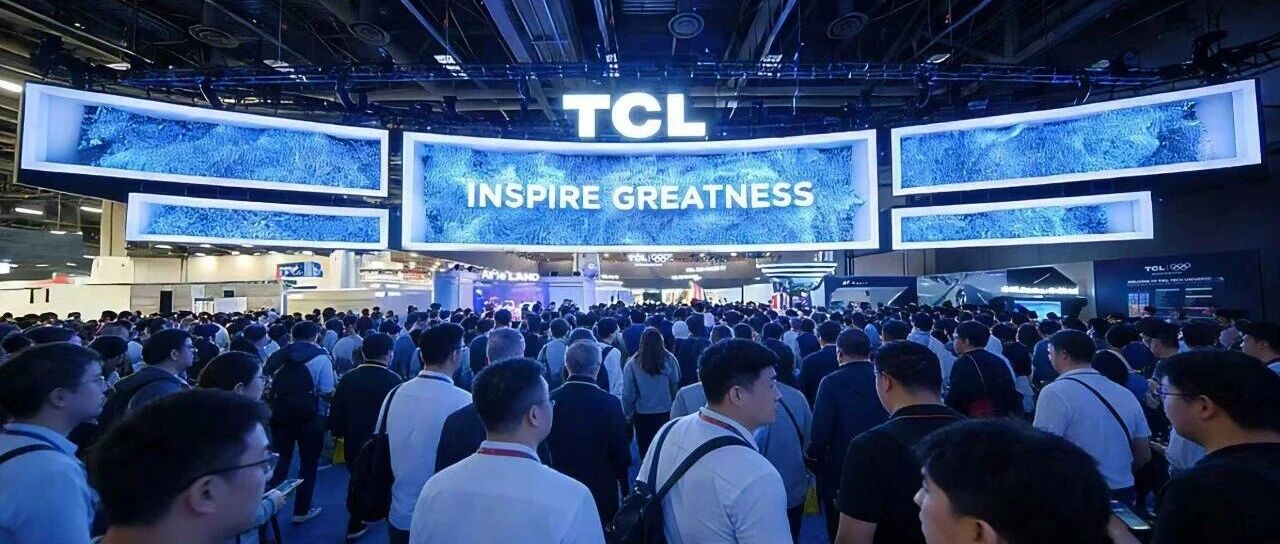
2026全国两会 | 8位代表建言氢能发展
势银能链· 2026-03-05 03:03
Core Viewpoint - The article emphasizes the importance of hydrogen energy in achieving China's dual carbon goals, highlighting various proposals from representatives at the National People's Congress aimed at promoting the development of the hydrogen industry and establishing a modern energy system [2]. Group 1: Policy and Regulatory Suggestions - GAC Group's Chairman Feng Xingya suggests accelerating the establishment of a 70MPa hydrogen refueling standard and regulatory framework to support the hydrogen fuel cell vehicle industry [3]. - Qiu Jihua, Vice President of Chaozhou Sanhuan, recommends that industry authorities provide special support for the development of key technologies related to megawatt-level solid oxide fuel cells (SOFC) and their coupling with heat pump systems [4]. - Zhang Guoqiang, Chairman of Yihua Tong, proposes a national-level hydrogen highway initiative, including the establishment of hydrogen refueling stations and the reduction of hydrogen refueling costs [5]. Group 2: Industry Development and Technological Innovation - Zhong Baoshan, Chairman of Longi Green Energy, calls for the implementation of dual measures of "carbon control + subsidies" to promote the use of green hydrogen in various sectors, and to simplify project approval processes [6]. - Xue Jiping, Chairman of Zhongtian Technology Group, advocates for the inclusion of the Rudong hydrogen energy base in national and regional hydrogen development plans to enhance collaborative development in the Yangtze River Delta [7]. - Jiang Li, Chairman of Nanjing Tianga Environment, suggests prioritizing integrated green hydrogen and ammonia projects in the 14th Five-Year Plan and supporting the establishment of a certification system for green hydrogen derivatives [8]. Group 3: Market and Infrastructure Development - Zhang Tianren, Chairman of Tianneng Holdings, emphasizes the need for policy support to accelerate the commercialization of hydrogen energy storage and hydrogen-powered drones, highlighting the importance of a robust innovation and infrastructure framework [9]. - Li Wenhui from State Power Investment Corporation suggests fostering a domestic green market and establishing a comprehensive carbon trading market to facilitate the value transmission of green hydrogen products [10].




全球组件出货排名公布:隆基与晶科并列
Xin Lang Cai Jing· 2026-02-27 10:30
Core Insights - InfoLink has released the global component shipment rankings for 2025, indicating a total shipment volume of approximately 536GW from the listed suppliers [4][9]. Group 1: Shipment Rankings - The top four companies account for about 58% of the total shipments, with a clear division at 60GW between the leading companies and the subsequent ones [10]. - The first tier of suppliers has a shipment range of 80-90GW, with JinkoSolar and Longi Green Energy tied for first place, following the addition of U.S. component manufacturers [11]. - The second tier, with shipments between 60-70GW, includes Trina Solar and JA Solar, which are tied for third place [11]. Group 2: Additional Tiers - The third tier has shipments ranging from 30-50GW, with Tongwei and Chint New Energy maintaining their existing rankings as fifth and sixth, respectively [12]. - The fourth tier has shipments between 20-30GW, featuring GCL-Poly in seventh place, while LONGi and Canadian Solar are tied for eighth. TCL Zhonghuan, Yingli Green Energy, and Jida New Energy are tied for tenth place [12]. Group 3: Technology Trends - In terms of technology, TOPCon components have become the dominant product among the top ten suppliers, with nearly 95% of shipments attributed to this technology, while PERC accounts for only 1-2% [12]. - The statistics do not accurately reflect the global market share of BC and HJT technologies, as major HJT manufacturers were not included in the rankings, focusing instead on the mainstream companies' shipment strategies [12].




TCL中环涨2.05%,成交额4.45亿元,主力资金净流入334.38万元
Xin Lang Cai Jing· 2026-02-27 02:30
Core Viewpoint - TCL Zhonghuan has shown a significant stock price increase of 22.05% year-to-date, despite a recent decline of 2.79% over the last five trading days, indicating volatility in its stock performance [1]. Group 1: Stock Performance - As of February 27, TCL Zhonghuan's stock price reached 10.46 CNY per share, with a market capitalization of 42.29 billion CNY [1]. - The company experienced a net inflow of 3.34 million CNY from main funds, with large orders accounting for 18.15% of total buying and 14.44% of total selling [1]. - The stock has appeared on the "Dragon and Tiger List" twice this year, with the most recent net purchase of 517 million CNY on February 9 [1]. Group 2: Company Overview - TCL Zhonghuan, established on December 21, 1988, and listed on April 20, 2007, operates in the semiconductor and renewable energy sectors, with a revenue composition of 43.12% from photovoltaic silicon wafers and 28.70% from photovoltaic modules [2]. - The company is categorized under the power equipment industry, specifically in photovoltaic equipment and silicon materials [2]. - As of December 31, the number of shareholders increased to 255,000, with an average of 15,843 shares held per shareholder [2]. Group 3: Financial Performance - For the period from January to September 2025, TCL Zhonghuan reported a revenue of 21.57 billion CNY, a year-on-year decrease of 4.48%, while the net profit attributable to shareholders was -5.78 billion CNY, reflecting a growth of 4.70% [2]. - The company has distributed a total of 2.34 billion CNY in dividends since its A-share listing, with 1.37 billion CNY distributed over the last three years [3]. Group 4: Institutional Holdings - As of September 30, 2025, Hong Kong Central Clearing Limited is the second-largest circulating shareholder, holding 119 million shares, an increase of 6.33 million shares from the previous period [3]. - Other significant institutional shareholders include Huatai-PB CSI 300 ETF and E Fund CSI 300 ETF, both of which have seen a decrease in their holdings [3].
东兴证券晨报-20260224
Dongxing Securities· 2026-02-24 09:35
Core Insights - The report highlights the structural expansion of the rubidium and cesium market driven by the increasing penetration of perovskite solar cells and the development of space photovoltaics [7][12][13] Industry Overview - Perovskite solar cells (PSCs) are identified as a new type of solar cell with advantages such as low cost, high efficiency, lightweight, and flexibility compared to traditional silicon cells [7] - The report predicts that the penetration rate of perovskite solar cells in the photovoltaic market will rise significantly, from 1.3% in 2025 to 30% by 2030, driven by their cost-effectiveness and efficiency [9][12] Market Dynamics - The demand for rubidium and cesium is expected to grow substantially, with a projected CAGR of 115% from 2025 to 2030, as the perovskite battery market expands [12][16] - The report estimates that global demand for rubidium will increase from 37 tons in 2025 to 1696 tons by 2030, correlating with the anticipated growth in perovskite solar cell production [12][16] Technological Advancements - The stability of perovskite solar cells is a key challenge, but the addition of rubidium and cesium is expected to enhance their performance and longevity [8] - Flexible perovskite solar cells are anticipated to find applications in various fields, including building-integrated photovoltaics (BIPV), wearable devices, and automotive power generation [10][11] Future Outlook - The report suggests that the period from 2026 to 2027 will be crucial for the industrialization and validation of perovskite solar cells, with significant advancements expected in their application in space photovoltaics [13][14] - The integration of perovskite solar cells in space applications is projected to drive demand for rubidium significantly, with estimates indicating a potential need for 220 tons by 2030 due to space solar power initiatives [15][16]





美国1750亿美元关税退税,对A股的影响(附50股)
Sou Hu Cai Jing· 2026-02-21 11:41
Group 1 - The core point of the article is that the recent US Supreme Court ruling on the $175 billion tariff refund has significant implications for both China and the A-share market, despite the refund being an internal US matter [2][6][28] - The $175 billion in tariffs was primarily collected from imports, including a 10% tariff on Chinese goods, and is now being refunded to US importers [8][10] - The refund will indirectly benefit Chinese companies as US importers, who have been financially strained by tariffs, will use the refunded money to pay off debts to Chinese suppliers and resume orders [12][14][28] Group 2 - The immediate impact on the A-share market is expected to be positive, with a potential "opening red" for A-shares as market sentiment improves following the ruling [40][46] - The ruling is seen as a signal that the previous high tariffs on Chinese goods may not be a permanent state, which could lead to a more favorable environment for Chinese exports [20][48] - Structural opportunities in the A-share market are identified, focusing on five main lines: export-oriented sectors, domestic substitution, strategic resources, domestic consumption, and new energy [51][62][88] Group 3 - Export-oriented sectors, particularly those with high exposure to the US market, are expected to benefit directly from the tariff refunds, with companies like Midea Group and Haier expected to see improved performance [52][72][73] - Domestic substitution and self-sufficiency in sectors like semiconductors and military equipment are highlighted as long-term strategic focuses, with companies like SMIC and AVIC Shenyang Aircraft being key players [53][78][86] - Strategic resources such as rare earths and gold are also expected to see price support due to ongoing global supply chain disruptions, benefiting companies like Northern Rare Earth and Shandong Gold [56][87]



TCL中环新能源科技股份有限公司 关于子公司出售资产进展暨交割完成的自愿性公告
Zhong Guo Zheng Quan Bao - Zhong Zheng Wang· 2026-02-13 22:49
二、交易进展情况 登录新浪财经APP 搜索【信披】查看更多考评等级 本公司及董事会全体成员保证信息披露内容的真实、准确、完整,没有虚假记载、误导性陈述或重大遗 漏。 一、交易概述 TCL中环新能源科技股份有限公司(以下简称"公司"或"TCL中环")于2026年1月24日披露了公司控股 子公司Maxeon Solar Technologies,Ltd.(以下简称"Maxeon")的全资子公司SUNPOWER TECHNOLOGY LTD.(以下简称"SPT")拟向胜宏科技(惠州)股份有限公司(深圳证券交易所创业板上市公司,证券 代码"300476")全资孙公司MFS TECHNOLOGY (S) PTE LTD(以下简称"MFSS")出售其马来西亚全 资子公司SunPower Malaysia Manufacturing Sdn. Bhd(以下简称"SPMY"或"标的公司")100%股权,交 易总对价不超过5,100万美元,最终交易价格根据交易文件的约定确定。本次交易完成后标的公司将不 再纳入公司合并报表范围。具体内容详见公司于2026年1月24日刊登在指定披露媒体上的《关于子公司 出售资产的自愿性公告》(公告 ...
TCL中环新能源科技股份有限公司关于子公司出售资产进展暨交割完成的自愿性公告

Shang Hai Zheng Quan Bao· 2026-02-13 17:46
Group 1 - The company TCL Zhonghuan announced the sale of its subsidiary SunPower Malaysia Manufacturing Sdn. Bhd. (SPMY) to MFS Technology (S) PTE LTD for a total consideration of up to $51 million [1][2] - The transaction was completed on February 13, 2026, and SPMY will no longer be included in the consolidated financial statements of the company and Maxeon [2]