
RTGF(002440)

Search documents
市场探“涨” | 分散染料龙头,提价
Xin Lang Cai Jing· 2026-02-26 10:21
来源:上海证券报微信公众号 编 者 按 2025年7月起,多种化工品、工业制品、原料价格掀起上涨浪潮,引发市场的广泛关注。价格跳动的曲 线背后,藏着市场最关切的三重追问:此轮涨价由何驱动?这波涨势能持续多久?产业链上下游企业的 业绩能否借此迎来修复契机,又将如何重塑行业竞争格局? 春江水暖"价"先知。涨价,是经济脉络复苏中最灵敏的脉动信号。上海证券报微信公众号推出《市场 探"涨"》系列报道,意在凸显这一系列价格变化背后的市场活力与商业逻辑变迁。透过"涨"声,倾听复 苏脚步;在潮起潮落之间,探见未来可期。 继2月初上调价格后,分散染料再度提价。 记者获悉,2月24日,全球染料龙头浙江龙盛对分散染料产品实施新一轮调价,涨价幅度分为2000元/ 吨、4000元/吨两档,其中主力品种ECT300%分散黑每吨上调4000元。2月25日,闰土股份亦宣布对分散 染料价格进行适当上调,最高涨幅为4000元/吨。 原材料还原物涨价为核心原因 闰土股份称,染料产品价格由市场供需及原料价格等因素决定。还原物是分散染料的重要中间体之一, 其价格近两年来在较低位运行,自2026年元月下旬开始上涨,截至目前市场报价在7万元/吨左右。 从 ...


【市场探“涨”】分散染料龙头 提价
Shang Hai Zheng Quan Bao· 2026-02-26 05:02
2025年7月起,多种化工品、工业制品、原料价格掀起上涨浪潮,引发市场的广泛关注。价格跳动的曲 线背后,藏着市场最关切的三重追问:此轮涨价由何驱动?这波涨势能持续多久?产业链上下游企业的 业绩能否借此迎来修复契机,又将如何重塑行业竞争格局? 春江水暖"价"先知。涨价,是经济脉络复苏中最灵敏的脉动信号。上海证券报微信公众号推出《市场 探"涨"》系列报道,意在凸显这一系列价格变化背后的市场活力与商业逻辑变迁。透过"涨"声,倾听复 苏脚步;在潮起潮落之间,探见未来可期。 继2月初上调价格后,分散染料再度提价。 记者获悉,2月24日,全球染料龙头浙江龙盛对分散染料产品实施新一轮调价,涨价幅度分为2000元/ 吨、4000元/吨两档,其中主力品种ECT300%分散黑每吨上调4000元。2月25日,闰土股份亦宣布对分散 染料价格进行适当上调,最高涨幅为4000元/吨。 原材料还原物涨价为核心原因 这是分散染料企业月内第二次上调价格。 对于驱动本次涨价的原因,两家公司均对记者表示,主要系原材料价格的上涨,特别是一些重要中间体 涨价。 闰土股份称,染料产品价格由市场供需及原料价格等因素决定。还原物是分散染料的重要中间体之一, ...
国际油价大幅上涨,分散染料迎来第四轮涨价
Zhong Guo Neng Yuan Wang· 2026-02-26 02:24
中银证券(601696)近日发布化工行业周报:本周(02.17-02.24)国际油价大幅上涨,WTI原油期货价 格收于66.31美元/桶,收盘价周涨幅6.39%;布伦特原油期货价格收于71.49美元/桶,收盘价周涨幅 6.04%。宏观方面,根据新浪财经的消息,美国与伊朗关系持续紧张,地缘政治紧张局势以及市场对美 国可能对伊朗采取行动的担忧成为本轮油价上涨的主要推手。 以下为研究报告摘要: 二月份建议关注:1、低估值行业龙头公司;2、"反内卷"对相关子行业供给端影响;3、下游需求旺 盛,自主可控日益关键背景下的电子材料公司。 行业动态 本周(02.17-02.24)均价跟踪的100个化工品种中,共有33个品种价格上涨,8个品种价格下跌59个品种 价格稳定。跟踪的产品中60%的产品月均价环比上涨,29%的产品月均价环比下跌,11%的产品月均价 环比持平。周均价涨幅居前的品种分别是WTI原油、纯苯(FOB韩国)、石脑油(新加坡)、对二甲苯 (PX东南亚)、硝酸铵(陕西兴化);周均价跌幅居前的品种分别是甲苯(华东)、电石(华东)、 硝酸(华东地区)、二氯甲烷(华东)、多氟多(002407)冰晶石。 本周(02.17- ...





A股主线逻辑爆发,掀起涨停潮!
Xin Lang Cai Jing· 2026-02-25 05:20
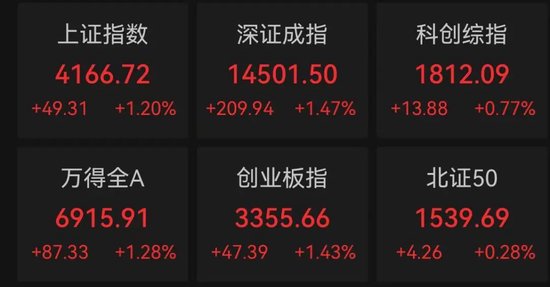
炒股就看金麒麟分析师研报,权威,专业,及时,全面,助您挖掘潜力主题机会! 电子元器件和周期品涨价,是最近市场的主要交易逻辑。 今天上午,周期品涨价主线表现更强,化工、有色金属、港口航运等板块上涨,市场对周期股的热情又 蔓延至钢铁、煤炭、水泥、造纸等其他周期板块。周期股上午掀起涨停潮,其中,北方稀土、包钢股份 等龙头股涨停。 截至上午收盘,上证指数上涨1.2%,深证成指上涨1.47%,创业板指上涨1.43%,科创综指上涨0.77%。 | 上证指数 | 深证成指 | 科创综指 | | --- | --- | --- | | 4166.72 | 14501.50 | 1812.09 | | +49.31 +1.20% | +209.94 +1.47% | +13.88 +0.77% | | 万得全A | 创业板指 | 北证50 | | 6915.91 | 3355.66 | 1539.69 | | +87.33 +1.28% | +47.39 +1.43% | +4.26 +0.28% | 具体看周期品涨价主线,化工板块中,磷化工、钛白粉、化肥、草甘膦等板块大涨,清水源(维权)、 川金诺等个股大涨。 | V | 磷 ...


涨价主线!节后有望继续上涨!
Xin Lang Cai Jing· 2026-02-13 10:39
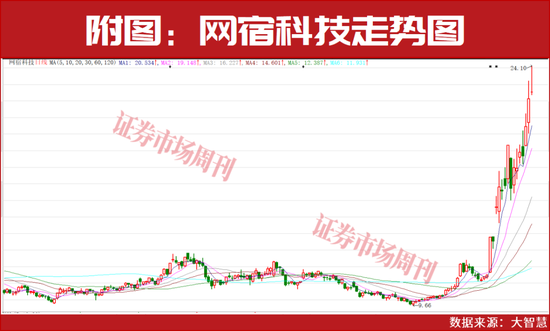
Core Viewpoint - The main investment logic in A-shares for 2026 is centered around price increases, where rising prices of certain goods and services are expected to lead to higher stock prices for related companies, as increased selling prices enhance profitability and provide support for stock prices [1][10]. Price Increase Concept - Market expert Peng Zu has identified 2026 as a "big year" for price increases, emphasizing the significance of this trend in investment strategies [2][11]. - The most resilient sectors benefiting from price increases include computing power, cloud services, and optical fiber, all driven by the demand surge from AI applications [3][12]. - Year-to-date, stocks related to computing power and cloud services, such as Wangsu Technology, have seen significant gains, with an increase of over 110% since the beginning of the year [3][13]. Optical Fiber Sector - The optical fiber sector has also experienced substantial price increases, with monthly price rises exceeding 75% since the beginning of 2026, reaching an average price of over 40 yuan per core kilometer, with some manufacturers quoting prices as high as 50 yuan per core kilometer [3][13]. - Companies like Yangtze Optical Fibre and Hengtong Optic-Electric have seen their stock prices rise significantly due to these trends [3][13]. Chemical Sector - The chemical sector has emerged as a strong performer, with companies like Runtu Co., Ltd. seeing their stock prices nearly double since January 19, 2026, driven by rising prices of key products [4][14]. - Baichuan Co., Ltd. has also reported significant price increases for its products, with TMP prices soaring from over 8,000 yuan per ton at the end of 2025 to 15,000 yuan per ton by February 2026, enhancing profit expectations [5][15]. Demand and Supply Dynamics - The recovery in downstream demand from sectors like real estate and new energy is driving increased demand for chemical raw materials, while industry capacity reductions and rising raw material costs are forcing collective price increases [6][14]. - The ongoing supply-demand imbalance in sectors such as computing power, cloud services, and optical fiber is expected to persist, supporting the price increase logic [8][17]. Institutional Investment Trends - Institutional investors are likely to remain engaged, with expectations of continued accumulation of leading stocks in the computing power and optical fiber sectors, as they have shown confidence in the sustainability of price increases [9][18]. - Following the Spring Festival, there is an anticipated influx of capital into A-shares, particularly favoring sectors with strong price increase narratives [9][18]. Policy and Industry Support - Post-Spring Festival, policies supporting the "East Data West Computing" project and AI industry are expected to further stimulate demand in computing power, cloud services, and optical fiber sectors [9][18].



染料涨价潮推动化工股活跃,德美化工股价波动显著
Jing Ji Guan Cha Wang· 2026-02-13 10:23
Core Viewpoint - The chemical industry is experiencing a price surge in dyes, driven by a significant increase in the prices of upstream key intermediates, with some rising over 50% [1] Group 1: Industry Overview - The price of disperse dyes has been continuously increasing, with leading companies like Zhejiang Longsheng and Runtou Co. raising their quotes on February 8 [1] - UBS Securities indicates that after four years of adjustment, the supply-demand dynamics in the chemical industry are improving, predicting an upward cycle from 2026 to 2028 [1] Group 2: Company Insights - Demy Chemical (002054), a fine chemical enterprise, has a closely related textile chemicals business to the dye industry chain, suggesting that the improved industry outlook may positively impact the company's profitability [1] Group 3: Stock Performance - Demy Chemical's stock has shown significant volatility over the past week, with a price fluctuation range of 16.19% from February 6 to February 13 [1] - On February 9, the stock hit the daily limit up, increasing by 10.05%, followed by a further rise of 1.89% on February 12, before a slight decline to 10.62 yuan on February 13, down 1.39% [1] - On February 9, institutional investors net bought 24.94 million yuan worth of shares, indicating high short-term capital activity, with a financing purchase amount of 89.58 million yuan on February 12 [1] - Technically, the stock price has broken through the 20-day moving average of 9.39 yuan, with the MACD indicator maintaining a bullish signal, although attention is needed around the resistance level of 11.00 yuan [1]

闰土股份(002440.SZ):公司数码印花产品主要用于纺织品的数码印花
Ge Long Hui· 2026-02-13 08:20
Group 1 - The core viewpoint of the article is that Luntou Co., Ltd. (002440.SZ) primarily focuses on digital printing products used for textile digital printing [1] Group 2 - The company has engaged with investors through an interactive platform to clarify its product offerings [1]
基础化工行业专题:染料产业链格局改善,景气度有望迎来修复
Huaan Securities· 2026-02-12 08:01
Investment Rating - The industry investment rating is "Overweight" [2] Core Insights - The dye industry is expected to see a recovery in demand due to both domestic and international factors, with China maintaining its position as the world's largest producer, consumer, and exporter of dyes, with an annual production exceeding 900,000 tons [5][18] - The supply structure of dyes is improving, with leading companies possessing significant pricing power due to the elimination of smaller, less compliant enterprises [7][29] - The price increase of dyes is driven by the intermediate production process, benefiting companies with integrated supply chains [8][48] Summary by Sections Demand and Supply Dynamics - The dye industry is characterized by diverse products and applications, with significant growth in downstream printing and dyeing fabric production, which is projected to grow at a compound annual growth rate (CAGR) of 2.59% from 2018 to 2024 [20] - China's dye export volume is expected to reach 272,000 tons in 2024, reflecting an 11% year-on-year increase, supported by a compound annual growth rate of 7.51% from 2020 to 2025 [23] Environmental and Regulatory Landscape - The dye industry faces stringent environmental regulations, leading to the gradual elimination of high-pollution, low-compliance small enterprises, thus optimizing the industry structure [26][29] - Recent regulatory changes have increased compliance costs for smaller players, further consolidating market share among larger firms [30] Intermediate Supply and Price Trends - The production of key intermediates, such as H acid and reducing agents, is critical for dye manufacturing, with recent supply disruptions leading to price increases [40][45] - The price of reducing agents has surged from 25,000 yuan/ton to approximately 50,000 yuan/ton, directly impacting the production costs of disperse dyes [43] Key Companies in the Industry - Zhejiang Longsheng is a leading enterprise with a dye production capacity of 300,000 tons and a strong integrated supply chain [51] - RunTu Co. has a well-established dye industry system with a total dye production capacity of 238,000 tons [53] - Annoqi focuses on differentiated dye products and is integrating AI technology into its production processes [54] - Jinhua Group has a dye production capacity of 95,000 tons and is expanding its product portfolio through strategic acquisitions [56]



染料价格持续上行 行业格局加速生变
Zheng Quan Ri Bao Wang· 2026-02-12 04:28
Core Viewpoint - The dye industry is experiencing a significant price increase driven by the rising costs of upstream intermediates, which is expected to continue in the short term and may accelerate industry consolidation [1][2][4]. Group 1: Price Trends - Several dye-related companies have announced price increases, with Zhejiang Longsheng Group reporting a rise of 5000 yuan/ton for certain disperse dyes [2]. - The price of key intermediates, particularly reducing agents, has surged to around 70,000 yuan/ton, contributing to the overall increase in dye prices [2]. - The current price increase is expected to last for 1-3 months, followed by a phase of high-level consolidation, with potential stabilization in the fourth quarter if demand does not improve significantly [3]. Group 2: Industry Dynamics - The rise in dye prices is anticipated to accelerate industry consolidation due to high raw material costs and stricter environmental regulations [4]. - Leading companies with integrated intermediate capabilities are likely to strengthen their market positions, potentially using a "volume compensates for price" strategy to expand their advantages [4]. - Companies without intermediate support may face profitability challenges due to high procurement costs and weak bargaining power, leading to a "high-price procurement, low-price sales" dilemma [4][5]. Group 3: Strategic Adjustments - Companies lacking intermediate support need to seek breakthroughs by establishing long-term collaborations with intermediate suppliers or exploring high-end, functional, and environmentally friendly dye segments to avoid homogenization [5]. - Improvements in performance for companies without intermediate support will rely more on strategic adjustments and upgrades rather than an overall industry recovery [5].
中银国际:染料价格上行 一体化企业有望受益
智通财经网· 2026-02-12 02:53
Group 1 - The core viewpoint is that the prices of dye intermediates, particularly reducing agents, have been rising since mid-January, leading to an increase in dye prices. This trend is supported by a concentrated supply and stringent safety and environmental regulations, which are optimizing the industry landscape. Current prices are at historically low levels, and cost pressures are expected to further transmit downstream, benefiting companies with stable market shares and related intermediate support [1][2][4]. Group 2 - The cost of intermediates is driving a rapid increase in dye prices. The price of reducing agents, a key intermediate for disperse dyes, has surged from 25,000 yuan/ton to around 70,000 yuan/ton since mid-January. Companies like Zhejiang Longsheng and Runtao Co. have announced price increases for disperse dyes, with Zhejiang Longsheng raising prices by 2,000 yuan/ton and Runtao Co. by 5,000 yuan/ton for certain products [2][3]. - The dye prices have been historically low due to intensified industry competition. By 2025, the average export price of disperse dyes is expected to decline by 6.66% year-on-year to $4.36/kg, marking the lowest level in nearly a decade [2][3]. - The supply of dyes is concentrated, with China being the largest producer, trader, and consumer of dyes globally, accounting for approximately 70%-75% of the world's total production. The top five dye-producing companies in China are projected to account for 61.07% of the total national output in 2024, an increase of 1.54 percentage points from 2023 [3][4]. Group 3 - The investment recommendation suggests that dye prices are at a bottom range, and changes in cost and strict regulations may improve industry conditions. Companies with stable market shares, high safety and environmental investments, and complete industrial chain support are likely to benefit. Recommended companies include Zhejiang Longsheng, with Runtao Co. suggested for further attention [4].