
NHD(002946)

Search documents
新乳业(002946.SZ)2025年半年度权益分派:每股派利0.07元
Ge Long Hui A P P· 2026-01-07 10:58
Core Viewpoint - New Dairy Industry (002946.SZ) announced a cash dividend distribution of 0.70 RMB per 10 shares for all shareholders, with specific amounts for different investor categories [1] Summary by Categories Dividend Distribution - The company will distribute a cash dividend of 0.70 RMB per 10 shares, which includes tax [1] - For Hong Kong market investors, QFII, RQFII, and individual investors holding pre-IPO restricted shares, the distribution will be 0.63 RMB per 10 shares after tax [1] Key Dates - The record date for the profit distribution is set for January 15, 2026 [1] - The ex-dividend date is scheduled for January 16, 2026 [1]

新乳业2025年半年度权益分派:每股派利0.07元
Ge Long Hui· 2026-01-07 10:46
Core Viewpoint - New Dairy (002946.SZ) announced a cash dividend distribution of 0.70 RMB per 10 shares for all shareholders, with specific amounts for different investor categories [1] Summary by Categories Dividend Distribution - The company will distribute a cash dividend of 0.70 RMB per 10 shares, which includes tax [1] - For Hong Kong market investors, QFII, RQFII, and individual investors holding pre-IPO restricted shares, the distribution will be 0.63 RMB per 10 shares after tax [1] Key Dates - The record date for the profit distribution is set for January 15, 2026 [1] - The ex-dividend date is scheduled for January 16, 2026 [1]
新乳业(002946) - 2025年半年度利润分配实施公告
2026-01-07 10:45
证券代码:002946 证券简称:新乳业 公告编号:2026-002 债券代码:128142 债券简称:新乳转债 新希望乳业股份有限公司 2025年半年度利润分配实施公告 本公司及董事会全体成员保证信息披露的内容真实、准确、完 整,没有虚假记载、误导性陈述或重大遗漏。 【注:根据先进先出的原则,以投资者证券账户为单位计算持股期限,持股 1 个月(含 1 个月)以内,每 10 股补缴税款 0.14 元;持股 1 个月以上至 1 年(含 1 年)的,每 10 股补缴税款 0.07 元;持股超过 1 年的,不需补缴税款。】 新希望乳业股份有限公司(以下简称"公司"或"本公司")2025 年半年度 利润分配方案已获 2025 年 12 月 25 日召开的 2025 年第二次临时股东大会(以 下简称"股东大会")审议通过,现将利润分配事宜公告如下: 一、 股东大会审议通过利润分配方案情况 1、股东大会审议通过的公司 2025 年半年度利润分配方案为:以实施权益 分派股权登记日登记的总股本为基数,向全体股东每 10 股派发现金股利 0.70 元(含税),不送红股,不以资本公积转增股本。剩余未分配利润结转以后年度 分配。权 ...
新乳业:每10股派发0.70元
Xin Lang Cai Jing· 2026-01-07 10:37
Core Viewpoint - The company announced a profit distribution plan for the first half of 2025, which includes a cash dividend of 0.70 yuan per 10 shares (tax included) to all shareholders, with no bonus shares or capital reserve conversion to increase share capital [1] Summary by Categories - **Dividend Details** - The cash dividend is set at 0.70 yuan per 10 shares, including tax [1] - No bonus shares will be issued, and there will be no conversion of capital reserves to increase share capital [1] - **Key Dates** - The equity distribution registration date is January 15, 2026 [1] - The ex-dividend date is January 16, 2026 [1] - **Share Capital Information** - The total share capital of the company is 861 million shares [1]
新乳业(002946) - 关于新乳转债转股价格调整的公告
2026-01-07 10:31
证券代码:002946 证券简称:新乳业 公告编号:2026-003 债券代码:128142 债券简称:新乳转债 新希望乳业股份有限公司 关于新乳转债转股价格调整的公告 特别提示: 1、债券代码:128142;债券简称:新乳转债。 一、新乳转债转股价格调整的依据 新希望乳业股份有限公司(以下简称"公司"、"本公司")于 2020 年 12 月 18 日向社会公开发行了 71,800 万元可转换公司债券(债券简称:新乳转债, 债券代码:128142),并于 2021 年 1 月 19 日在深圳证券交易所上市交易,转 股价格为 18.69 元/股。 根据《新希望乳业股份有限公司公开发行 A 股可转换公司债券募集说明书》 (以下简称"《募集说明书》")发行条款及中国证监会关于可转换公司债券发 行的有关规定,可转换公司债券在本次发行之后,若公司发生派送红股、转增股 本、增发新股(不包括因本次发行的可转换公司债券转股而增加的股本)、配股 以及派发现金股利等情况,则转股价格相应调整(保留小数点后两位,最后一位 四舍五入)。具体的转股价格调整公式如下: 1 2、调整前转股价格:17.95 元/股。 3、调整后转股价格:17 ...
新乳业20260106
2026-01-07 03:05
Summary of New Dairy Industry Conference Call Company Overview - **Company**: New Dairy Industry - **Industry**: Dairy Products Key Points and Arguments Financial Performance - The fourth quarter showed stable operations, consistent with the trends of the previous three quarters, and was not significantly affected by the Spring Festival [2][3] - The company is focusing on improving profitability through product structure adjustments, low-temperature growth, new channel expansion, and new product enhancements, with a positive growth target set for 2026 [2][7] Product Development and Innovation - The new product, Rose Yogurt, was launched at the end of December and is expected to fill a market gap and contribute positively [2][13] - The company has a close partnership with Sam's Club, anticipating total sales in this channel to exceed 400 million yuan this year [2][14] - New product contribution is expected to exceed 10% by 2025, with plans for more innovative products in 2026 [2][16] Market Strategy - The company is transitioning from a regional to a national presence, primarily focusing on low-temperature products, and aims to expand quality products to regions not fully covered by subsidiaries [6][23] - The direct-to-consumer (DTOC) channel, which includes home delivery of milk, constitutes about 15% of the overall business and is seen as stable and profitable [2][19] Pricing and Supply Chain - The company maintains a cautious outlook on milk prices for 2025 due to an oversupply and lack of significant demand improvement, expecting price recovery to be observed in the second half of 2025 [6][30] - The company aims to stabilize its pricing strategy and reduce participation in price wars to maintain product price stability [22] Competitive Landscape - The industry remains competitive, with both ambient and low-temperature products facing challenges. The company plans to continue launching new products and has seen positive results [22] - The company is focusing on enhancing profitability in the East China region through collaborations with emerging channels like Sam's Club and Vipshop [27][28] Future Outlook - The company is considering external expansion opportunities in differentiated fields, deep processing, and overseas markets, although specific implementation plans are not yet determined [2][11] - The company emphasizes the importance of digital empowerment to enhance the vitality of the DTOC channel and drive overall growth [20][21] Additional Insights - The company is actively exploring new channels and platforms for national expansion, including partnerships with special chain channels [25] - The operational model for home delivery channels is primarily through direct-operated milk stations, with a focus on enhancing market share and profitability through differentiated services [21] This summary encapsulates the key insights from the conference call, highlighting the company's strategic focus, market dynamics, and future growth plans.
新乳业:截至2025年12月31日公司股东总户数为13119户
Zheng Quan Ri Bao· 2026-01-06 09:17
(文章来源:证券日报) 证券日报网讯 1月6日,新乳业在互动平台回答投资者提问时表示,截至2025年12月31日公司股东总户 数为13119户。 ...

2025年食品行业并购盘点:从万辰的“联邦”到涪陵的“败局”,有钱花不出去的“大厂”与被榨干的效率
3 6 Ke· 2026-01-06 05:36
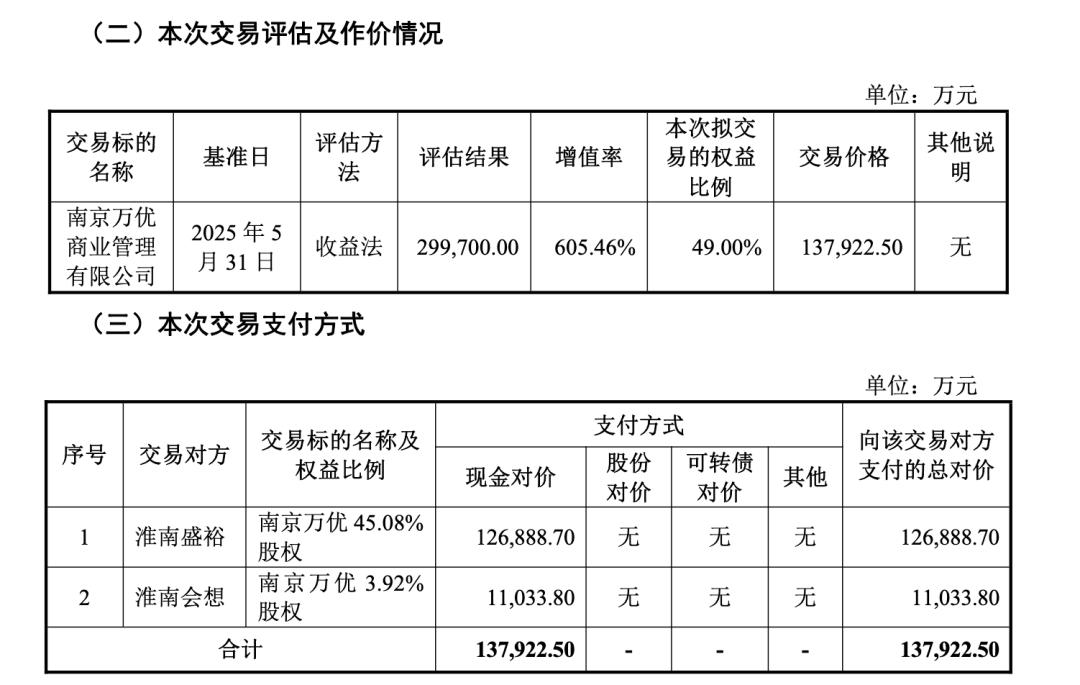
Core Insights - The mergers and acquisitions (M&A) in the Chinese food industry in 2025 are characterized by a focus on necessary integrations rather than large-scale deals, reflecting a shift towards survival in a saturated market [1] Group 1: Snack Industry Developments - Wanchen Group has transformed from a grassroots brand into a significant capital player, acquiring 49% of Nanjing Wanyou for 1.379 billion yuan, which is crucial for its brand integration strategy [2][3] - Nanjing Wanyou, under the "Good Idea" brand, generated 4.1 billion yuan in revenue in the first five months of 2025, highlighting its importance in Wanchen's portfolio [2] - The rapid expansion strategy of Wanchen has slowed significantly, with daily store openings dropping from 26 to less than 7, indicating market saturation and operational challenges [4] Group 2: Dairy Industry Trends - New Hope Dairy's acquisition of Fuzhou Aoni has taken six years to finalize, reflecting a cautious approach in a changing dairy market [7][9] - The acquisition is seen as a strategic move to solidify New Hope's presence in the southern market, but the company has shifted its focus from aggressive acquisitions to more sustainable growth strategies [9] - Junyao Health has adopted a different strategy by acquiring Runying Biotechnology, focusing on probiotic products, which saw a 60% revenue increase in the first three quarters of 2025 [9][10] Group 3: New Tea Beverage Sector - Mixue Ice City has made headlines by acquiring a 53% stake in the craft beer brand "Xianpi Fulu Jia" for nearly 300 million yuan, aiming to create a "day tea, night beer" business model [11][13] - The acquisition has faced criticism for its high premium, but the company leverages its extensive cold chain logistics to address the challenges of craft beer distribution [11] - In contrast, Heytea has paused its expansion plans, reflecting the industry's struggle with over-saturation and declining profitability [13] Group 4: Condiment Industry Challenges - Fuling Mustard's attempt to acquire Sichuan Weizimei has failed due to valuation disagreements, highlighting the difficulties traditional food companies face in finding growth opportunities [14][16] - The condiment industry is experiencing stagnation, with Fuling Mustard holding significant cash but struggling to identify viable growth avenues [16] - Industry leader Haitian Flavoring has opted for a Hong Kong listing to enhance its international presence and repair its reputation following regulatory challenges [16] Group 5: Overall Industry Trends - The 2025 M&A wave in the Chinese food and beverage sector reflects a broader theme of disillusionment, with consumers prioritizing value over brand prestige [17] - Companies are increasingly focusing on cost efficiency and profitability, as evidenced by Wanchen's and New Hope's strategic shifts [17] - The industry is moving towards consolidation, with larger firms dominating the market and employing data-driven strategies to optimize costs across the supply chain [17][18]



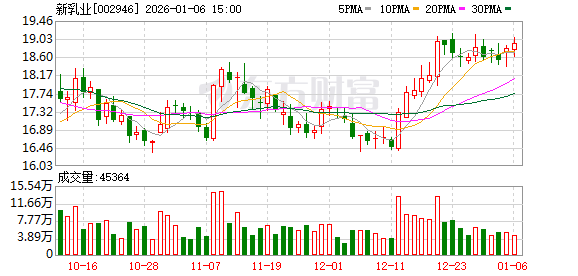
新乳业最新股东户数环比下降7.61% 筹码趋向集中
Zheng Quan Shi Bao Wang· 2026-01-06 02:11
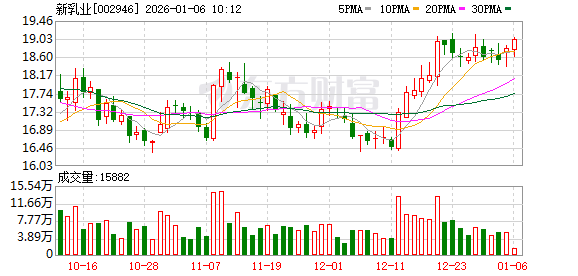
新乳业1月6日披露,截至12月31日公司股东户数为13119户,较上期(12月20日)减少1081户,环比降 幅为7.61%。这已是该公司股东户数连续第2期下降。 证券时报·数据宝统计,截至发稿,新乳业最新股价为18.75元,下跌0.27%,本期筹码集中以来股价累 计下跌1.16%。具体到各交易日,3次上涨,7次下跌。 公司发布的三季报数据显示,前三季公司共实现营业收入84.34亿元,同比增长3.49%,实现净利润6.23 亿元,同比增长31.48%,基本每股收益为0.7200元,加权平均净资产收益率18.34%。 机构评级来看,近一个月该股获2家机构买入评级。预计目标价最高的是华泰证券,12月8日华泰证券发 布的研报给予公司目标价23.52元。 (文章来源:证券时报网) ...
新乳业(002946) - 2025年第二次临时股东大会决议公告
2026-01-05 08:15
证券代码:002946 证券简称:新乳业 公告编号:2025-058 债券代码:128142 债券简称:新乳转债 新希望乳业股份有限公司 2025年第二次临时股东大会决议公告 本公司及董事会全体成员保证信息披露的内容真实、准确、完 整,没有虚假记载、误导性陈述或重大遗漏。 特别提示: 1、本次股东大会未出现否决议案的情形; 2、本次股东大会未涉及变更前次股东大会决议。 一、会议召开和出席情况 (一)会议召开情况 1、股东大会届次:2025 年第二次临时股东大会 (二)会议出席情况 1、股东出席情况: 新希望乳业股份有限公司(以下简称"本公司"、"公司")2025 年第二 次临时股东大会于 2025 年 12 月 25 日在成都市锦江区金石路 366 号公司 4 楼 会议室召开。本次会议由公司董事会召集,相关会议通知已于 2025 年 12 月 10 日 向 全 体 股 东 发 出 , 详 见 于 2025 年 12 月 10 日 通 过 巨 潮 资 讯 网 (www.cninfo.com.cn)及《中国证券报》《上海证券报》《证券日报》《证券 时报》等公司指定的信息披露媒体披露的《关于召开 2025 年第二次 ...