CATL(300750)

Search documents
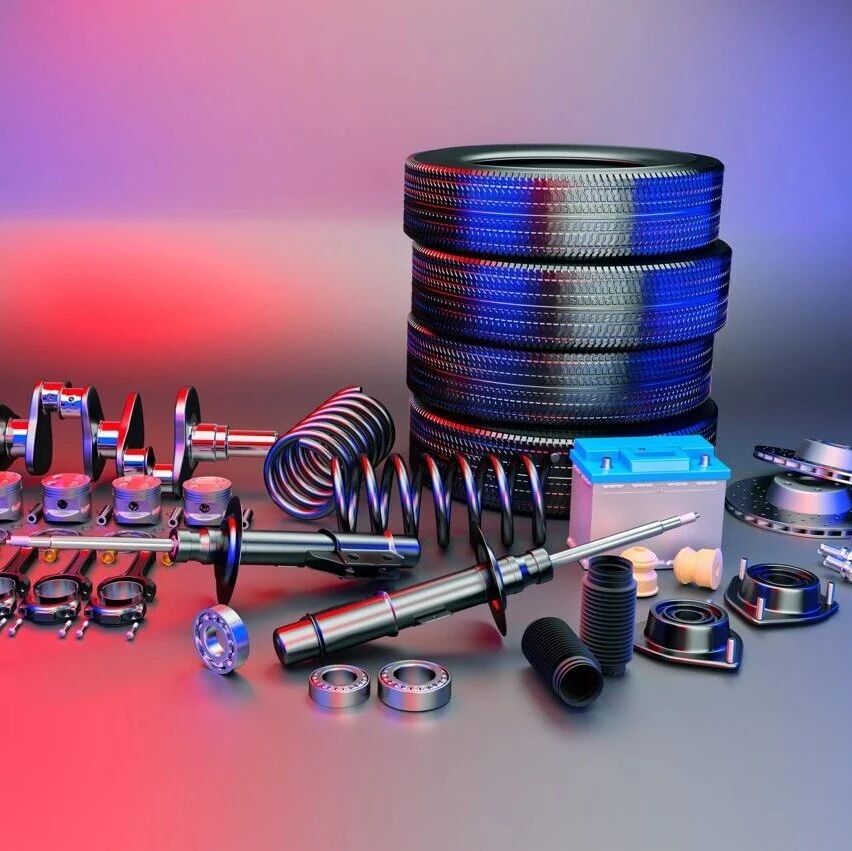
透视汽车零部件巨头2025年财报:利润失血、业务重组
经济观察报· 2026-03-21 06:10
Core Insights - The global automotive parts industry is experiencing a significant divergence in performance, with traditional giants struggling while Chinese companies thrive in high-growth markets [2][12] - Major players like Faurecia, Continental, and Aptiv are undergoing strategic restructuring, focusing on core competencies and divesting non-core assets to adapt to market changes [2][8] Financial Performance - In 2025, many global automotive parts companies reported revenue growth but declining profits, indicating a challenging environment [4] - Aptiv achieved a record revenue of $20.4 billion in 2025, but its GAAP net profit plummeted by 91% to $165 million, highlighting the difficulties in transitioning to software-defined vehicles [5] - Bosch's sales reached €91 billion in 2025, but its operating profit margin fell to 1.8% due to a €3.1 billion restructuring provision [5] - Continental's revenue was approximately €41.9 billion, down 2% year-on-year, with profitability under pressure [5] - Faurecia reported a net loss of €2.09 billion in 2025, significantly widening from the previous year, primarily due to impairment losses related to its hydrogen joint venture [5][6] Strategic Restructuring - In response to profitability challenges, major automotive parts companies are engaging in strategic business splits and restructuring to focus on core areas [8][9] - Faurecia plans to divest its interior business to reduce debt and improve financial ratios [9] - Aptiv is accelerating the divestiture of its distribution system (wiring harness) business to transition into a high-tech software and electronic architecture company [9] - Continental is actively pursuing a split of its automotive business, with plans to list under the name "Omo Wei" in Frankfurt [9][10] Chinese Market Dynamics - Chinese automotive parts companies are showing strong performance, with CATL reporting a revenue of ¥423.7 billion in 2025, a 17% increase, and a net profit of ¥72.2 billion, up 42% [12][14] - Desay SV's revenue reached ¥32.557 billion, growing 17.88%, with its smart driving business seeing a 32.63% increase [12] - The Chinese market is becoming a critical growth area for international automotive parts giants, with Bosch and Schaeffler reporting significant revenue contributions from China [13][14] - The trend indicates a shift in global supply chain dynamics, with Chinese companies poised to gain market share from traditional suppliers [14]


报名通道 | 2026高工固态电池技术与应用峰会倒计时33天
高工锂电· 2026-03-21 04:31
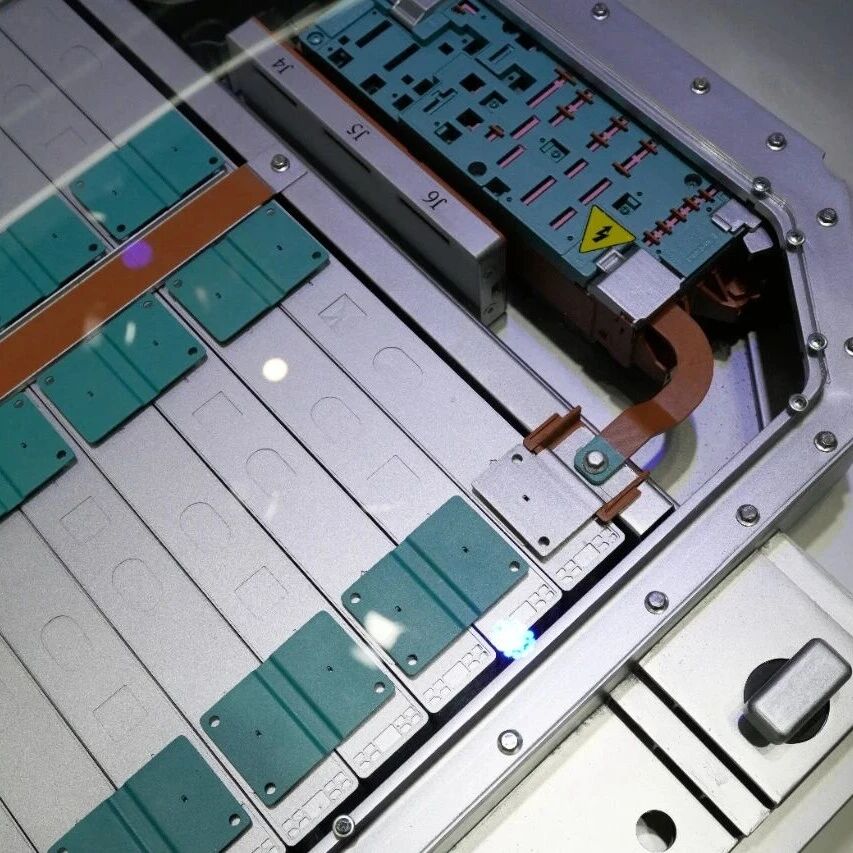
Core Viewpoint - The solid-state battery industry is entering a critical year in 2026, transitioning from technology validation to large-scale production, driven by policies, technology, capital, and application scenarios [2][3]. Group 1: Industry Development - The industry is moving from "technical exploration" to "industrialization and implementation," with the Ministry of Industry and Information Technology designating solid-state batteries as a core breakthrough direction and establishing national standards [2][3]. - The focus has shifted from basic research to engineering verification and mass production, with the period from 2026 to 2027 identified as a key window for small-scale production [2][3]. Group 2: Technological Trends - Sulfide electrolytes are becoming the mainstream research direction due to their high ionic conductivity and process compatibility, while other routes like oxides and polymers are pursuing differentiated strategies [3]. - The industry is transitioning from multiple exploratory routes to a focus on mainstream technology and supporting process adaptation [3]. Group 3: Application Scenarios - High-end passenger vehicles remain the core window for the large-scale implementation of solid-state batteries, while new scenarios such as eVTOL, humanoid robots, AIDC data centers, and commercial aerospace are emerging as new battlegrounds for performance validation and commercial value exploration [3]. - The application of solid-state batteries is also expanding into consumer electronics, including two-wheelers and wearable devices, creating a diverse application landscape [3]. Group 4: Industry Collaboration - Competition in the solid-state battery sector is evolving from a single-point battle among battery companies to an ecosystem competition involving materials, equipment, cells, vehicles, resources, and applications [3]. - Vertical integration trends are becoming more pronounced as automakers and upstream resource giants accelerate their entry into the industry [3]. Group 5: Cost and Supply Chain - Solid-state batteries currently cost over 30% more than traditional lithium batteries, with low yield rates and shortages of high-end raw materials posing significant challenges to mass production [4]. - The industry's development logic is shifting from "technical parameter competition" to creating value across the entire lifecycle, with collaborative innovation across the supply chain being a key path to reducing costs and improving efficiency [4]. Group 6: Summit Highlights - The summit will feature over 200 influential companies and 300 industry leaders, facilitating technical exchanges and new product showcases [7]. - Key topics will include overcoming mass production bottlenecks, advancements in core materials, and the impact of national standards on industry dynamics [9][10].




中国企业占EV电池全球份额的7成
36氪· 2026-03-20 13:35
Core Viewpoint - The market share of Chinese companies in the EV battery sector is expected to exceed 70% by 2025, up from nearly 50% in 2021, indicating a strengthening monopoly in the industry [4][5][11]. Group 1: Market Dynamics - The largest company, CATL, is expanding orders in China and Europe, achieving record profits amid a slowdown in global EV demand [5][10]. - Global EV sales are slowing in certain regions like the U.S., but overall growth continues, with battery installation volumes projected to increase by 32% in 2025, reaching 1,187 GWh, with approximately 60% of this market in China [8][11]. Group 2: Competitive Landscape - CATL's market share is projected to rise to 39.2% in 2025, reflecting a 1 percentage point increase from 2024, supported by a broad product range and competitive pricing [7][11]. - Chinese companies dominate the top 10 global battery manufacturers, holding 6 out of 10 spots, with a combined market share of 70.4% in 2025, an increase of about 4 percentage points from 2024 [11]. Group 3: Challenges for Competitors - South Korean companies are struggling, with their combined market share dropping to 15.3% in 2025, down approximately 3 percentage points from 2024, and significantly reduced from over 30% in 2021 [11]. - LG Energy Solution, the largest South Korean firm, reported a 76% decrease in net profit, highlighting the challenges faced in the U.S. market due to policy changes and declining EV sales [12]. Group 4: Strategic Adjustments - South Korean firms are reevaluating their strategies in the U.S. market, with layoffs and asset sales occurring as they adapt to the changing landscape [12]. - Chinese companies, led by BYD, are focusing on expanding global sales and enhancing their technological capabilities to maintain and strengthen their competitive edge [13].

【财闻联播】南向资金净卖出约210亿港元!美国油价连涨20天,累计涨幅达30%!
券商中国· 2026-03-20 11:22
Macro Dynamics - The Ministry of Commerce announced measures to promote travel service exports and expand inbound consumption, including optimizing visa policies and expanding the list of countries with unilateral visa exemptions [2] - In January-February 2026, China attracted foreign investment of 161.45 billion RMB, a decrease of 5.7% year-on-year, with the manufacturing sector receiving 47.52 billion RMB and the service sector 111.22 billion RMB [3] Healthcare Sector - The National Healthcare Security Administration plans to release version 3.0 of the disease-based payment grouping scheme in July 2026, with implementation set for January 2027 [4][5] Financial Institutions - Postal Savings Bank announced the approval for the establishment of China Post Financial Asset Investment Co., with a registered capital of 10 billion RMB [7] Market Data - On March 20, A-shares saw the Shanghai Composite Index drop by 1.24%, with significant declines in sectors like computing power leasing and cloud computing [8] - The Hang Seng Index fell by 0.88%, with technology stocks experiencing notable declines, while lithium battery stocks showed strength [9][10] Oil Prices - U.S. gasoline prices have risen for 20 consecutive days, with a cumulative increase of 30%, reaching an average of $3.88 per gallon [11] Company Dynamics - China Duty Free Group reported a net profit of 3.586 billion RMB for 2025, a year-on-year decrease of 15.97% [12] - ByteDance has agreed to sell Moonton Technology for over $6 billion, signaling a strategic focus on AI [12] - Li Tong Electronics denied rumors regarding the smuggling of NVIDIA AI servers, stating that all procurement and project deliveries are normal [13]


全面出击,22家锂电企业“出海”动作大起底
高工锂电· 2026-03-20 11:08
Core Viewpoint - The article highlights the accelerated global expansion of 22 lithium battery companies, driven by the increasing demand for electric vehicles and energy storage, with a projected global lithium battery demand of 3065 GWh by 2026, representing a 34% year-on-year growth [3]. Group 1: Overview of Outbound Activities - Since January 2026, 22 lithium industry companies have updated their outbound progress, including 8 battery companies, 8 lithium material companies, and 6 equipment companies, showcasing diverse forms of international engagement from capacity establishment to technology export [3][7]. - The outbound activities of these companies reflect a unique pattern characterized by "chain leaders guiding, supporting follow-up, and diversified layouts" [7]. Group 2: Battery Companies - Leading battery companies like CATL, BYD, and others are actively driving outbound strategies, focusing on capacity establishment and technological cooperation, with a clear regional focus on Europe and Southeast Asia [8][9]. - CATL has adopted a "multi-regional layout and stepwise expansion" strategy, establishing a global capacity network with operational factories in Germany and ongoing projects in Indonesia and Hungary [9]. - BYD's approach involves technology output in collaboration with local partners in Vietnam, allowing for rapid market entry while avoiding direct factory establishment costs [9]. Group 3: Energy Storage Companies - Energy storage companies are primarily engaging in outbound activities through signing or winning large orders, indicating strong growth in the overseas energy storage market [10]. Group 4: Lithium Material Companies - Lithium material companies are closely following battery capacity expansions, focusing on regional collaboration to reduce transportation costs and enhance supply chain responsiveness [11]. - Companies like New Zebang and Tinci Materials are establishing bases in Malaysia and Morocco to meet local battery production demands, while also aiming for product differentiation and high-end market penetration [11][12]. Group 5: Lithium Equipment Companies - Lithium equipment companies are more cautious in their overseas expansions, primarily focusing on order-based activities rather than establishing production bases [13]. - Some companies, like Xian Dao Intelligent, are aggressively setting up manufacturing bases in multiple countries, while others are establishing subsidiaries and service networks to better serve local markets [13]. Group 6: Overall Trends - The outbound strategies of lithium industry companies are evolving from "product export" to "global layout" and from "single link" to "full-chain collaboration," driven by leading battery companies [14].
巨头LP重返牌桌
FOFWEEKLY· 2026-03-20 10:11
Core Viewpoint - The primary focus of the article is the resurgence of activity in the primary market, driven by increased participation from institutional LPs and the return of notable industry players, indicating a warming market environment [3][9]. Group 1: Market Activity and Trends - In 2026, the primary market is showing signs of renewed activity, with institutional LPs increasing their investment levels, suggesting a positive shift in the market [3][11]. - The participation of major industry players such as Tencent, Pop Mart, and Vipshop in a new fund indicates a collective confidence in the market's recovery [4][9]. - The active involvement of institutional LPs has led to a significant year-on-year increase of 67% in their investment activity as of February [11]. Group 2: Fund Details and Contributions - The newly established fund, 博裕新智新产 (Bohui New Intelligence New Industry), has seen its capital contribution soar from 2 million to 4 billion RMB, with notable contributions from Tencent (400 million RMB), Ningde Times, and others [6][7]. - The fund aims to focus on growth and mature companies, particularly in technology, healthcare, consumer goods, and retail sectors [8][12]. - The increase in the number of newly registered private equity and venture capital funds, totaling 528 in February, reflects a robust interest in investment opportunities [12]. Group 3: Market Sentiment and Future Outlook - The return of industry giants as LPs signals a strong belief in the market's potential, contributing to a positive feedback loop that enhances investment confidence [15]. - The current investment climate is reminiscent of a decade ago, with a notable uptick in IPO activity and merger transactions, providing new opportunities for market participants [13]. - The combination of policy support for technological innovation and the resurgence of LP investment is expected to drive the market out of its previous downturn into a new phase of recovery [13][15].





港股科网股普跌,小米跌超8%,锂电池股爆发
21世纪经济报道· 2026-03-20 09:24
Market Overview - The Hong Kong stock market experienced a decline, with the Hang Seng Index falling by 0.88% and the Hang Seng Tech Index dropping by 2.48%. Net selling from southbound funds reached HKD 21 billion [1] - Major technology stocks saw significant losses, including Xiaomi down over 8%, Alibaba down over 6%, and XPeng down over 5% [1] Stock Performance - Xiaomi Group (1810) closed at HKD 33.200, down HKD 3.120, a decrease of 8.59% [2] - Alibaba Group (9988) closed at HKD 123.700, down HKD 8.300, a decrease of 6.29% [2] - XPeng Motors (9868) closed at HKD 71.600, down HKD 3.850, a decrease of 5.10% [2] - Semiconductor Manufacturing International Corporation (0981) closed at HKD 56.900, down HKD 2.850, a decrease of 4.77% [2] - Other notable declines included Sunny Optical Technology (2382) down 3.46% and Kuaishou (1024) down 2.80% [2] Lithium Battery Sector - The lithium battery sector showed resilience, with stocks like CATL rising over 8% and both Zhongxin Innovation and Ganfeng Lithium increasing over 5%. A report from CMB International indicated a full recovery in lithium supply chain production in March, supported by the implementation of "old-for-new" policies and new vehicle launches, suggesting a positive outlook for lithium battery demand throughout the year [3]

港股收盘,恒指收跌0.88%,科指收跌2.48%;宁德时代(03750.HK)、李宁(02331.HK)逆势涨超8%,吉利汽车(00175.HK)涨近6.5%;小米集团(01810.HK)跌超8.5%,阿里巴巴(09988.HK)跌超6%。




Jin Rong Jie· 2026-03-20 08:37
Market Performance - The Hang Seng Index closed down by 0.88% while the Tech Index fell by 2.48% [1] - Notable gainers included Contemporary Amperex Technology Co., Ltd. (Ningde Times) and Li Ning, both rising over 8% [1] - Geely Automobile saw an increase of nearly 6.5% [1] - In contrast, Xiaomi Group experienced a decline of over 8.5%, and Alibaba fell by more than 6% [1]
宁德时代腾讯,出资博裕
投资界· 2026-03-20 08:30
Core Viewpoint - The article discusses the establishment of a new fund, 博裕新智新产, which has attracted a diverse group of investors, including major companies and state-owned enterprises, indicating a renewed interest in fundraising within the investment community [4][5]. Group 1: Fund Overview - 博裕新智新产 has increased its registered capital to 4.001 billion RMB and will focus on investing in growth and mature companies in technology, healthcare, consumer goods, and retail sectors both domestically and internationally [4]. - The fund has a lifespan of 12 years and has successfully gathered a notable lineup of Limited Partners (LPs) from various sectors, including state-owned enterprises and industry giants [4][5]. Group 2: Notable Investors - Key investors include 宁德时代 (Ningde Times) contributing 500 million RMB for a 12.497% stake, along with other significant contributions from companies like 腾讯 (Tencent) and 泡泡玛特 (Pop Mart) [5][7]. - The fund's investor list features a mix of industry capital and local state-owned platforms, showcasing a strong and diverse backing that is rare in the current market [5][6]. Group 3: Recent Investments - 博裕新智新产 has already made an investment in 宁德时代 (Ningde Times)智能科技有限公司 (Intelligent Technology Co., Ltd.), which focuses on key technologies for electric vehicle platforms [8][9]. - The fund's involvement in this investment highlights its strategy to engage with innovative companies in the technology sector, further solidifying its position in the investment landscape [9][10]. Group 4: Company Background - 博裕投资, founded in 2011, has established a diversified investment matrix that includes private equity, strategic investments in listed companies, and ventures in logistics and data centers, with a focus on technology innovation, consumer retail, and healthcare [10]. - Recent high-profile deals, such as acquiring a stake in Starbucks China and investments in other notable companies, demonstrate 博裕's active role in the investment community [10][11].

2026年储能新品全球首发!150+日程正式公布!
中关村储能产业技术联盟· 2026-03-20 07:17
Core Insights - The 14th Energy Storage International Summit and Exhibition (ESIE 2026) will be held from March 31 to April 3, 2026, at the Capital International Exhibition Center in Beijing, focusing on "Scenario Innovation, Value Reconstruction, and Global Win-Win" [3][20][32] - The event will feature over 800 leading energy storage brands, covering an exhibition area of more than 160,000 square meters, and is expected to attract over 200,000 professional visitors [3][5] - ESIE 2026 will serve as a significant platform for energy storage companies to launch new products, with over 150 new energy storage products set to debut, including solid-state battery systems and AI technology applications [5][6][37] Event Overview - The summit will include a grand opening ceremony, a closed-door leaders' meeting, an academic forum, high-end dialogues, international conferences, and numerous thematic forums and activities [3][5][36] - The event will also feature a global product launch area, where major companies like CATL, Envision, and others will unveil their latest innovations [5][6] Product Launch Highlights - Notable new products include high-capacity energy storage systems, solid-state energy storage systems, and AI-driven solutions [6][7][8] - The focus on solid-state battery systems and AI technology indicates a trend towards advanced energy storage solutions [5][6] Thematic Forums and Discussions - The summit will host various thematic forums, including discussions on advanced energy storage materials, safety standards, and the integration of energy storage with power markets [33][36][38] - The event aims to foster international cooperation and knowledge exchange in the energy storage sector [36][38] Participation and Networking Opportunities - ESIE 2026 will provide numerous networking opportunities for industry professionals, including international business matchmaking sessions and open industry salons [38][36] - The event is designed to facilitate dialogue between energy storage companies and potential investors, enhancing collaboration within the industry [38]