ASML Holding(ASML)

Search documents
金十图示:2025年08月04日(周一)全球主要科技与互联网公司市值变化




news flash· 2025-08-04 03:07
金十图示:2025年08月04日(周一)全球主要科技与互联网公司市值变化 | 台棋电 | 12199 | + -2.65% | 235.21 | | --- | --- | --- | --- | | 特斯拉 | 9761 | + -1.83% | 302.63 | | 甲骨文 | 6865 | + -3.68% | 244.42 | | 腾讯 | 6154 | + -3.17% | 67.85 | | 奈飞 | 4923 | + -0.07% | 1158.6 | | O Palantir | 3640 | + -2.58% | 154.27 | | ERASSING - E | 3313 | 1 1.16% | 50.35 | | SAP SAP | 3283 | + -1.29% | 283 | | 2 阿里巴巴 | 2840 | + -2.95% | 117.07 | | AMD | 2783 | + -2.64% | 171.65 | | ASML 阿斯麦 | 2712 | -0.7% | 689.82 | | cisco 思科 | 2657 | + -1.42% | 67.11 | | 赛富时 | ...


4 Genius Artificial Intelligence (AI) Stocks to Buy in August
The Motley Fool· 2025-08-03 22:30
Core Viewpoint - AI investing remains a strong theme in the market, with several stocks identified as excellent buying opportunities in August [1] Group 1: Nvidia - Nvidia is recognized as a leading stock in AI investing due to its GPUs being essential for AI workloads [4] - The U.S. government previously revoked Nvidia's export license for H20 chips to China, resulting in a projected revenue loss of $8 billion from an expected $45 billion [5] - Nvidia has reapplied for its export license and expects approval, which could enhance growth for the remainder of the year [6] Group 2: Taiwan Semiconductor - Taiwan Semiconductor is the largest chip foundry globally, gaining business from competitors and solidifying its market leadership [7] - The company reported a 44% year-over-year revenue growth in Q2, with expectations of nearly 20% compound annual growth rate (CAGR) for revenue over the next five years [8] Group 3: Alphabet - Alphabet reported a 14% year-over-year revenue increase and a 22% rise in diluted earnings per share [9] - The stock trades at less than 20 times forward earnings, making it cheaper than the S&P 500, despite concerns about Google Search losing market share to generative AI [11] - Google Search revenue rose 12% year over year, indicating that Alphabet's stock is undervalued [12] Group 4: ASML - ASML holds a technological monopoly on extreme ultraviolet (EUV) lithography, crucial for chip manufacturing [13] - Increased chip demand is expected to drive demand for ASML's machines, despite some bearish outlooks due to tariff concerns [14] - ASML is projected to deliver strong growth in the coming years, with a price tag of 26 times earnings estimates seen as attractive given its market position [15]




The AI Boom Continues: 3 Top AI Stocks to Buy for the Rest of 2025
The Motley Fool· 2025-08-03 10:15
Group 1: Meta Platforms - Meta Platforms reported a strong Q2 performance with a 22% year-over-year revenue growth and a 36% increase in net income [5][8] - The company's daily active users rose by 6% year over year to 3.48 billion, while ad pricing increased by 9% [5] - AI is crucial for Meta's business, enhancing advertising efficiency and profitability, leading to a 5 percentage point increase in operating margin [6][7] Group 2: ASML - ASML, a leader in extreme ultraviolet lithography, is positioned to benefit from the growing AI market, projected to reach $1.8 trillion by 2030 with a CAGR of 36% [11] - The company reported net sales of €15.4 billion ($17.8 billion) in the first half of 2025, a 34% increase year-over-year, with net income surging 66% to over €4.6 billion ($5.4 billion) [12] - Despite recent headwinds and a projected slowdown in revenue growth, ASML's current P/E ratio of 26 is significantly lower than its five-year average of 42, indicating potential for recovery [13][14] Group 3: Alphabet - Alphabet achieved a 14% year-over-year revenue growth in Q2 2025, with ad revenue increasing by about 10%, countering concerns about the impact of AI on its Google Search business [16][17] - The Google Cloud segment reported a remarkable 32% revenue growth, attributed to the AI boom, with OpenAI as a recent customer [18] - Alphabet's long-term prospects remain strong, bolstered by its investments in autonomous vehicles and quantum computing [19][20]


Mettler-Toledo: With Margins As Good As ASML, Similarities Abound

Seeking Alpha· 2025-08-03 08:27
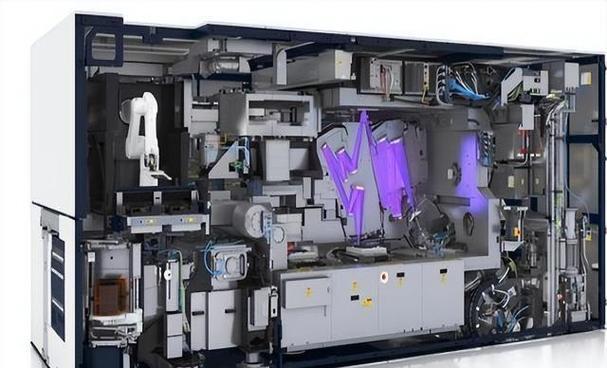
Core Insights - Mettler-Toledo (MTD) reported its Q2 earnings on July 31st, which was followed by President Trump's executive order imposing tariffs on various countries, including Switzerland at a rate of 39% [1] Company Summary - Mettler-Toledo has manufacturing facilities located in Switzerland, which will be directly impacted by the newly imposed tariffs [1]
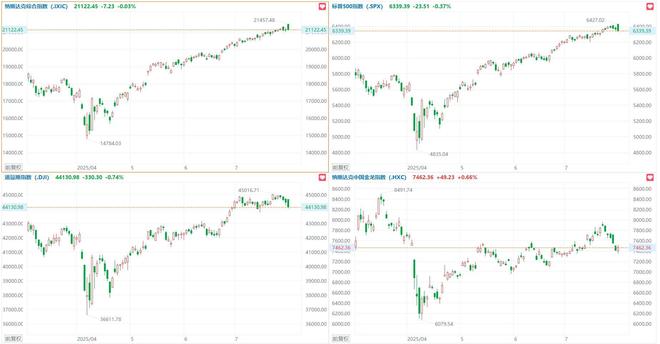
美股三大指数集体收跌,Meta涨超11%,中概指数涨0.66%
Ge Long Hui A P P· 2025-07-31 22:18
半导体设备与材料、减肥药概念股跌幅居前,诺和诺德跌近6%,科磊跌近5%,阿斯麦跌超3%,礼来、 辉瑞跌超2%。设计软件巨头Figma上市首日上涨256%。 格隆汇8月1日|美股三大指数集体收跌,道指跌0.74%,纳指跌0.03%,标普500指数跌0.37%,热门科 技股涨跌不一,Meta涨超11%,微软涨3.95%,亚马逊涨1.70%,特斯拉跌3.38%,谷歌A跌2.36%,英伟 达跌0.78%,苹果跌0.71%,礼来制药跌2.63%,AMD跌1.78%,伯克希尔哈撒韦B类股跌0.87%。 纳斯达克中国金龙指数收涨0.66%,热门中概股多数上涨,蔚来涨近8%,金山云涨超5%,阿里巴巴、 哔哩哔哩、百度涨超2%,理想汽车跌超1%,名创优品跌超4%。 ...


ASML光刻机,被豁免关税
半导体芯闻· 2025-07-31 10:23
Core Viewpoint - The article discusses the implications of the recent trade framework established between the U.S. and the EU, particularly focusing on the 15% tariff on certain products, including semiconductor equipment from companies like ASML, which could significantly impact U.S. chip manufacturers' costs [1][2]. Group 1: Trade Framework and Tariffs - The U.S. and EU have agreed on a trade framework that includes a 15% tariff on EU products entering the U.S., with specific exemptions for semiconductor equipment from companies like ASML [1]. - The trade agreement outlines zero tariffs on strategic products, including aircraft, specific chemicals, certain pharmaceuticals, semiconductor equipment, agricultural products, natural resources, and key raw materials [1]. Group 2: Impact on Semiconductor Equipment Costs - The average price of ASML's advanced immersion DUV ArF equipment is approximately $89.615 million, while the low-NA EUV equipment is priced around $265 million. A 15% tariff would increase these costs to approximately $103 million and $305 million, respectively [2]. - The depreciation of the dollar against the euro since early February has already made EU-produced semiconductor equipment more expensive for U.S. chip manufacturers, and the additional 15% tariff would exacerbate this cost increase [2]. Group 3: Effects on U.S. Chip Manufacturers - If the Trump administration imposes a 15% tariff on ASML's lithography, measurement, and inspection equipment, U.S. chip manufacturers would face increased costs of $13 million per DUV machine and up to $40 million per EUV machine [2]. - AMD's CEO has indicated that the cost of chips produced at TSMC's Arizona facility could increase by up to 20% compared to those produced in Taiwan, highlighting the financial strain on U.S. chip production [2].
光刻技术深度解析:474步芯片诞生,212步命悬“光”线!
材料汇· 2025-07-30 15:34
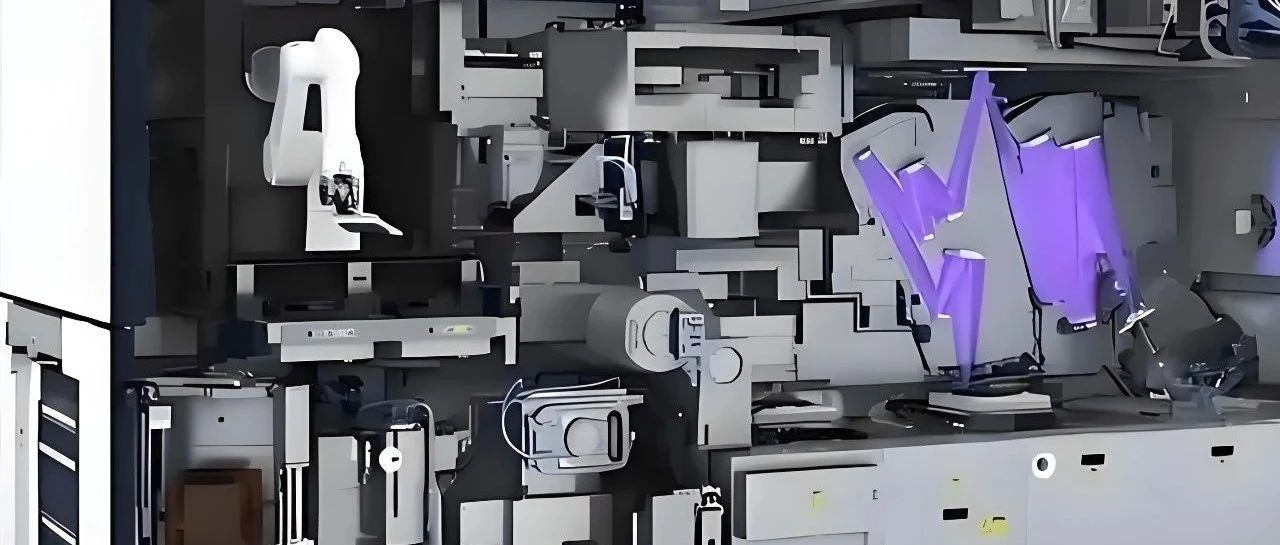
Core Viewpoint - Photolithography is a crucial component of semiconductor manufacturing technology, serving as the starting process for each mask layer. The importance of photolithography lies not only in the demand for mask layers but also in its role in determining the limiting factors for the next technology node [1][9]. Group 1: Photolithography Process - The basic flow of photolithography includes spin coating photoresist, pre-baking, exposure, and development. The prerequisite for device photolithography is the design and manufacturing of the mask [3][26]. - Photolithography technology can be divided into mask-based and maskless lithography. Maskless lithography is currently limited by production efficiency and photolithographic precision, making it unsuitable for large-scale semiconductor manufacturing [3][26]. - The production of photomasks involves three main stages: CAM layout processing, photolithography, and inspection. The mask patterns are typically generated directly on blank mask substrates using direct-write lithography [41][42]. Group 2: Market Trends and Projections - In 2024, the combined market size for wafer exposure equipment, photolithography processing equipment, and mask manufacturing equipment is projected to be approximately $29.367 billion. With the introduction of 2nm processes, the demand for EUV lithography is expected to increase, with related equipment projected to reach $31.274 billion by 2025 [7]. - The server, data center, and storage market is expected to grow at a compound annual growth rate (CAGR) of 9% from 2025 to 2030, driven by the explosive growth of AI, big data, and cloud computing applications. The total semiconductor sales scale is anticipated to exceed $1 trillion [7]. Group 3: Differences in Logic and Memory Chip Lithography - Logic chip metal interconnect layers are more complex, while memory chips (DRAM and NAND) have core storage arrays composed of highly regular line/space structures. The line width and spacing in memory chips are typically pushed to their limits and are very uniform [2][17]. - In DRAM, the word lines and bit lines are designed with the minimum possible line width to achieve maximum capacitance and minimal area occupancy. The challenges in pitch differ between logic circuits and storage arrays [2][17]. Group 4: Equipment and Technology - The imaging system of photolithography machines is critical to semiconductor photolithography technology, with lenses determining the resolution and imaging quality. DUV lenses typically use fluoride materials to ensure low absorption and high laser damage thresholds [6]. - The light source is a key factor determining the wavelength of photolithography machines. For wavelengths above 365nm, high-pressure mercury lamps are commonly used, while KrF and ArF lasers are used for shorter wavelengths [5][6]. Group 5: Advanced Lithography Techniques - Phase shift masks (PSM) introduce phase modulation elements in the light regions of the mask to enhance imaging contrast through interference. PSM can significantly improve resolution by nearly doubling it under the same numerical aperture/wavelength conditions [43][44]. - Attenuated PSMs allow a small portion of light to pass through the opaque regions, enhancing imaging contrast while maintaining a high degree of light absorption [44]. Group 6: Challenges in Lithography - The complexity of logic devices increases the difficulty of interconnecting devices in very small areas, necessitating multiple photolithography steps. Critical layers in logic devices require new processes to ensure performance and yield [24][30]. - The introduction of new technology nodes typically requires new equipment and materials, which are developed in tandem with new processes to produce higher-performance devices [30].
After Crashing 10%, Should You Buy the Dip on This Critical Artificial Intelligence (AI) Stock?
The Motley Fool· 2025-07-30 09:30
Core Viewpoint - ASML is a critical player in the AI and semiconductor industry, with its advanced chip technology being essential for the development of AI applications. Despite recent stock price declines, ASML presents a strong long-term investment opportunity due to rising demand for its machines [2][10]. Company Overview - ASML holds a technological monopoly on extreme ultraviolet (EUV) lithography machines, which are vital for chip manufacturers to create cutting-edge chips. The current best technology allows for 3 nanometers between electrical traces, with clients like Taiwan Semiconductor Manufacturing (TSMC) planning to launch 2nm chips soon [5][6]. - The company has a limited client base, primarily consisting of major chip foundries such as TSMC and Intel. TSMC is expanding its operations significantly, committing $165 billion to build plants in the U.S., while Intel is facing challenges and cutting investments in its foundry business [6][7]. Market Demand and Forecast - ASML's management has recently tempered its growth outlook for 2026, indicating uncertainty despite the overall increasing demand for chips. This cautious stance has led to some investor panic, but the long-term demand for ASML's machines remains strong [8][13]. - Management expects approximately 15% sales growth for 2025, with net bookings rising from 3.9 billion euros in Q1 to 5.5 billion euros in Q2, signaling a positive long-term demand trend [10][11]. Investment Perspective - ASML's stock is currently trading at less than 26 times forward earnings, which is considered reasonable given the company's solid position and growth prospects [11]. - The nature of ASML's business suggests that it is more effective to analyze its performance over several years rather than quarterly, making it an attractive long-term investment opportunity [14].
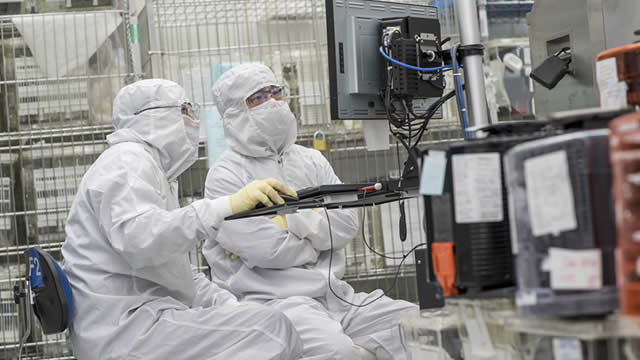
European Stocks Under Pressure After 15% US‑EU Tariff Deal – ASML, SAP & Euro Stoxx 50 Analysis
FX Empire· 2025-07-28 15:16
Core Viewpoint - The content emphasizes the importance of conducting personal due diligence and consulting competent advisors before making any financial decisions, particularly in the context of investments and trading activities [1]. Group 1 - The website provides general news, personal analysis, and third-party content intended for educational and research purposes [1]. - It explicitly states that the information does not constitute any recommendation or advice for investment actions [1]. - Users are advised to perform their own research and consider their financial situation before making decisions [1]. Group 2 - The website includes information about complex financial instruments such as cryptocurrencies and contracts for difference (CFDs), which carry a high risk of losing money [1]. - It encourages users to understand how these instruments work and the associated risks before investing [1].
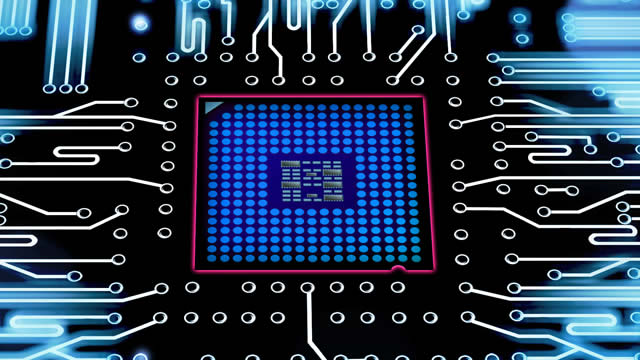
2亿一台嫌贵?佳能说我这十分之一!光刻机价格战要来了?
Xin Lang Cai Jing· 2025-07-28 13:06
Core Viewpoint - The competition in the lithography machine market is intensifying, with Canon's nanoimprint lithography (NIL) technology emerging as a cost-effective alternative to ASML's extreme ultraviolet (EUV) lithography, challenging ASML's dominance in the high-end market [1][10]. Group 1: ASML's Dominance - ASML currently holds a 90% market share in the EUV segment, selling machines for $200 million each, with buyers required to sign agreements prohibiting sales to China [4][5]. - Historically, ASML was not a leader in the lithography market, with Japanese companies Canon and Nikon dominating until the early 2000s when ASML pivoted to EUV technology [3][4]. Group 2: Canon's Strategy - Canon has developed NIL technology, which allows for direct imprinting of circuit patterns onto wafers, achieving 14nm line width suitable for 5nm chip production at a significantly lower cost, estimated to be one-tenth of ASML's EUV machines [5][6]. - The NIL technology has a lower energy consumption, reportedly 10% of that of EUV, making it an attractive option for manufacturers looking to reduce costs [6][10]. Group 3: Challenges and Improvements - Canon's NIL technology initially faced challenges with yield rates, which were around 60%, but improvements have raised this to over 90% through better mask materials [7][10]. - Canon is strategically targeting markets such as 3D NAND and CMOS image sensors, where precision requirements are lower, allowing for cost-effective production [7][9]. Group 4: Nikon's Approach - Nikon is not directly competing with ASML in the EUV space but is instead focusing on markets that ASML overlooks, such as the ArF lithography market and advanced packaging technologies [8][9]. - Nikon's return to the ArF market targets 65nm logic chips and CMOS sensors, offering competitive pricing and compatibility with existing facilities [8][9]. Group 5: Global Competition - Other companies globally are also developing alternatives to EUV, with innovations like laser-based X-ray lithography and self-assembling lithography, aiming to reduce costs significantly [10]. - The semiconductor industry is shifting towards a focus on cost-effectiveness rather than solely on advanced technology, indicating a potential shift in market dynamics [10][11]. Group 6: Conclusion - The lithography machine market is evolving, with multiple technologies coexisting, and the emphasis on cost-effectiveness may reshape the competitive landscape, challenging ASML's current supremacy [11].