Coca-Cola(KO)

Search documents
Kraft, Coca-Cola among companies sued by San Francisco over ultra-processed foods in first-of-a-kind lawsuit
New York Post· 2025-12-02 19:15
Core Viewpoint - The city of San Francisco has filed a lawsuit against major food companies, including Kraft, Mondelez, and Coca-Cola, accusing them of knowingly marketing addictive and harmful ultra-processed foods that contribute to public health issues in California [1][2][8]. Group 1: Lawsuit Details - The lawsuit was filed by City Attorney David Chiu in San Francisco Superior Court, alleging that the companies used marketing tactics similar to those of the tobacco industry to create addictive products [2][4]. - The lawsuit claims that the proliferation of ultra-processed foods has led to increased rates of obesity, cancer, and diabetes, with heart disease and diabetes being leading causes of death in San Francisco, particularly affecting minority and low-income communities [4][9]. - San Francisco is seeking restitution and civil penalties to cover healthcare costs, as well as a court order to stop deceptive marketing practices and require changes in the companies' operations [5]. Group 2: Industry Context - The definition of ultra-processed foods is debated, but it generally includes packaged snacks, sweets, and soft drinks made with industrial ingredients and additives, often containing little whole food [6]. - This lawsuit is notable as it marks the first instance of a municipality suing food companies over claims of knowingly marketing harmful ultra-processed foods [8][11]. - Previous similar lawsuits have faced challenges, as seen in a dismissed case in Pennsylvania where the plaintiff could not connect specific products to health issues [10].



3 Warren Buffett Stocks to Buy and Hold Forever
Youtube· 2025-12-02 18:20
Core Insights - Berkshire Hathaway has taken a $4.3 billion position in Alphabet, surprising many observers as Warren Buffett has not traditionally been a tech investor [1][2] - Alphabet is now among Berkshire's top 10 holdings, indicating Buffett's approval of the investment [2] - The future of Alphabet as a "forever stock" remains uncertain, as Buffett defines such stocks as those that are successful in their core businesses and have become essential global brands [3] Group 1: Forever Stocks in Berkshire's Portfolio - Coca-Cola is the first "forever stock," with Berkshire owning about 9% of its outstanding shares; the company has a strong economic moat and generates predictable cash flows [5][6] - American Express is the second stock, with Berkshire owning over 20% of its shares; it has a closed-loop network that allows it to capture full economic profit from credit card payments [7][8] - Occidental Petroleum is the third stock, with Berkshire owning more than 26% of its shares; despite concerns about its economic moat, the company is improving its balance sheet [9][10]


The Coca-Cola Company (NYSE:KO) 2025 Conference Transcript
2025-12-02 17:47
Coca-Cola Company Conference Call Summary Company Overview - **Company**: The Coca-Cola Company (NYSE: KO) - **Event**: 2025 Conference - **Date**: December 02, 2025 Key Points Industry and Market Conditions - The beverage industry is experiencing macroeconomic volatility, impacting consumer behavior and spending patterns [4][5] - Q3 results showed a weaker start but improved in September, indicating adaptability in response to market conditions [5][6] - The consumer environment remains under pressure, particularly for lower-income segments, but the top half of the income pyramid is performing well [5][7] Financial Performance and Projections - Long-term growth model targets a top-line growth of 4% to 6%, with a balanced contribution from price and volume [12] - Recent years have seen higher pricing due to inflation, but there is a shift towards moderating prices while aiming for volume growth [12][13] - The company is focused on maintaining volume growth to ensure long-term franchise value [13][14] Strategic Initiatives - Emphasis on market segmentation and targeted marketing to address varying consumer needs and spending behaviors [8][10] - Revenue Growth Management (RGM) is a core capability, allowing the company to adapt pricing and product offerings to maximize demand [17][20] - The company is cautious about pricing strategies, aiming to earn consumer trust rather than pushing for aggressive price increases [18][19] Competitive Landscape - The beverage industry remains competitive, with both incumbents and new entrants striving for market share [23][24] - Coca-Cola's historical success does not guarantee future performance; continuous innovation and adaptation are necessary [56][63] Fairlife Brand Insights - Fairlife is a significant player in the value-added dairy market, with strong growth potential driven by superior product quality and innovation [25][27] - The company plans to expand capacity and product offerings, including new flavors and categories, to meet growing demand [29][30] M&A and Innovation Strategy - The company is open to opportunistic M&A to fill geographic and product gaps, particularly in a challenging consumer environment [36][38] - Innovation is expected to regain importance post-COVID, with a focus on both internal development and bolt-on acquisitions [38] Technology and AI Integration - AI is being leveraged to enhance marketing effectiveness and improve innovation success rates [46][50] - The integration of AI into sales systems is expected to streamline operations and increase revenue [52][54] Cultural and Leadership Considerations - Maintaining a culture of discontentment is crucial for ongoing success; complacency can hinder future performance [56][63] - Succession planning is a priority, ensuring a smooth transition when leadership changes occur [64][65] Additional Insights - The company is navigating foreign exchange dynamics while focusing on local currency competition [40][41] - The beverage industry is characterized by low barriers to entry for new brands, but high barriers to achieving scale and sustained success [48] This summary encapsulates the key insights from the Coca-Cola Company conference call, highlighting the company's strategic focus, market conditions, and future outlook.
3元饮料,集体消失
36氪· 2025-12-02 14:16
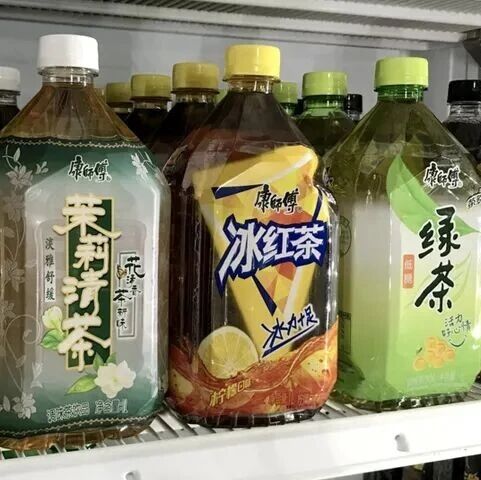
Core Viewpoint - The beverage market is experiencing a significant transformation characterized by rising prices and the decline of the 3 yuan price range, driven by consumer demand for healthier options and changes in the industry landscape [6][17][20]. Price Trends - Traditional beverages priced around 3 yuan are becoming increasingly rare, with many drinks now costing 5 to 6 yuan or more, reflecting a shift in consumer purchasing behavior [5][8]. - Major brands like 康师傅 and 可口可乐 have announced price increases for their products, with 康师傅's 500ml iced tea rising from 3 yuan to 3.5 yuan, and 可口可乐's prices also seeing similar hikes [12][16]. Cost Factors - The beverage industry's cost structure includes significant contributions from raw materials such as sugar, PET resin, and packaging, with sugar prices directly impacting beverage pricing [14][16]. - The rising costs of ingredients, particularly sugar, have led to increased prices for traditional sugary drinks, while healthier options often command even higher prices due to their premium ingredients [16][17]. Market Transformation - The beverage market is undergoing a profound change, with new categories like sugar-free teas and functional drinks gaining popularity, reflecting a shift towards health-conscious consumption [17][20]. - This transformation is not merely about price increases but involves a complete restructuring of the industry value chain and competitive landscape, emphasizing health, personalization, and emotional value [18][20]. Consumer Behavior - Consumers are increasingly willing to pay a premium for beverages that offer cleaner ingredients and health benefits, indicating a fundamental shift in consumer values [18][20]. - The new beverage era prioritizes product development, supply chain efficiency, and deep consumer insights over traditional price competition [20].

Long Straddle Screener Results For December 2nd
Yahoo Finance· 2025-12-02 12:00
Market Volatility - Recent market volatility has decreased as the potential for more rate cuts is being digested, with the VIX Index closing at 17.24 after reaching a high of 28 earlier in November and briefly dropping below 16 this month [1] Long Straddle Strategy - A long straddle is an advanced options strategy aimed at profiting from significant price movements in either direction or an increase in implied volatility, requiring the purchase of both a call and a put option [2][6] - The maximum loss for this strategy is the total premiums paid for the call and put options, while the potential profit is theoretically unlimited, although daily losses may occur due to time decay if no significant price movement happens [3] Long Straddle Example - An example of a long straddle on KO involves buying a $72.50-strike call and a $72.50-strike put with a premium of $323, which represents a maximum loss, while the maximum profit remains theoretically unlimited [7] - The lower breakeven price for this trade is $69.27 and the upper breakeven price is $75.73, with the premium paid being 4.49% of the stock price and an estimated probability of profit at 44.2% [7]
Two Giants, One Cool Mission: Sprite x Lucknow Super Giants Kick Off Three-Year IPL Partnership
BusinessLine· 2025-12-02 10:27
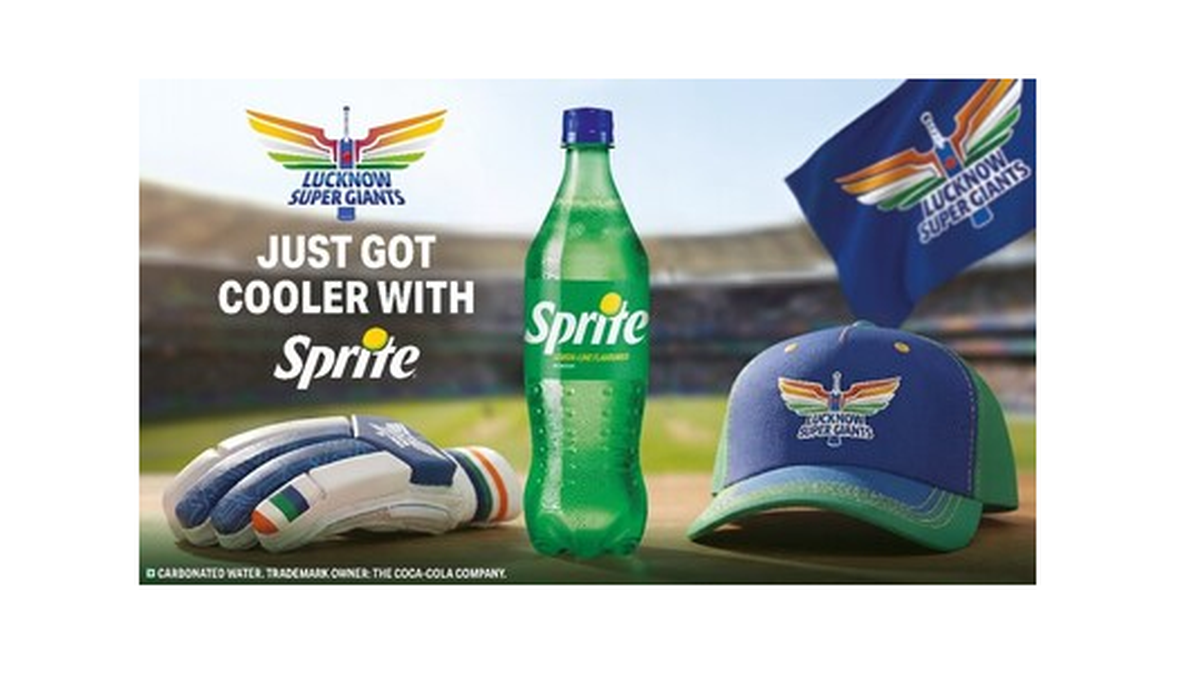
Group 1 - Sprite has partnered with Lucknow Super Giants as the Official Beverage Partner for the next three years, marking a significant milestone in Uttar Pradesh, a key market for the brand [1][3] - The collaboration aims to enhance Sprite's cultural relevance and strengthen its connection with Gen Z and cricket fans, leveraging the popularity of the Indian Premier League (IPL) [2][3] - Coca-Cola's commitment to Uttar Pradesh is highlighted through its bottling partners, SLMG Beverages Pvt. Ltd. and Moon Beverages Ltd., which contribute to local employment and infrastructure [3][4] Group 2 - The partnership is expected to create unique experiences for fans, aligning with Sprite's brand message of keeping cool during cricket's intense moments [2][3] - SLMG Beverages emphasizes the importance of product availability and consumer engagement in a diverse market like Uttar Pradesh, showcasing the scale of the partnership [4] - Moon Beverages aims to amplify the collaboration by leveraging its distribution network and market expertise to enhance in-stadium experiences for fans [4]
Can This Dividend King Outlast A Recession And Grow Its Payout For 7 More Years?
The Motley Fool· 2025-12-02 08:07
Core Viewpoint - Coca-Cola is well-positioned to continue its dividend growth, having increased its dividend for 63 consecutive years, qualifying it as a Dividend King [1][3][12] Company Performance - Coca-Cola has a diverse portfolio with approximately 200 brands sold in over 200 countries, including 30 brands that generate over $1 billion in annual sales [3] - The company has achieved an average organic revenue growth rate of 9% over the past five years, driven by volume growth, price increases, and new product launches [4][10] Financial Strength - Coca-Cola maintains a strong balance sheet with an A+/A1 bond rating, providing significant financial flexibility [7] - The company's leverage ratio is at the low end of its target range of 2.0-2.5 times, allowing for an additional $12.6 billion in debt capacity [8] - Recent transactions, including a $2.4 billion cash infusion from Coca-Cola Consolidated and a $3.4 billion deal involving Coca-Cola Beverage Africa, are expected to enhance its financial position [9] Growth Strategy - Coca-Cola invests over $2 billion annually in capital expenditures to support high-growth areas, aiming for organic revenue growth of 4% to 6% and earnings-per-share growth of 7% to 9% [10][11] - The company plans to continue making acquisitions to supplement its organic growth, leveraging its strong balance sheet for future opportunities [11]
如何看待高成长与经典价值?柏基“传奇基金经理”詹姆斯·安德森2019年深度撰文
聪明投资者· 2025-12-02 07:04
Core Viewpoint - The article discusses the evolving perspectives on growth and value investing, highlighting the need to reassess traditional investment principles in light of modern economic realities and the success of high-growth companies [5][6][25]. Group 1: Growth vs. Value Investing - James Anderson acknowledges a widening divide between growth and value investing, suggesting that traditional value metrics may not suffice in a changing economic landscape dominated by tech giants like Microsoft, Google, and Amazon [7][20]. - Despite the differences, Anderson emphasizes that both growth and value investing share common principles, such as the importance of honest long-term cash flow estimation and risk management [8][25]. - The article references the historical context of growth investing, noting a lack of comprehensive literature supporting long-term growth strategies compared to the extensive documentation of value investing [12][14]. Group 2: Case Studies of Companies - Microsoft serves as a prime example of a company that has achieved significant long-term growth, with revenue increasing from $60 billion in 2008 to $110 billion in 2018, showcasing a compound annual growth rate of 24% [22]. - Google, now Alphabet, also illustrates the potential for sustained growth, with revenue rising from $21.8 billion in 2008 to $136.8 billion in 2018 [23]. - The article contrasts Coca-Cola's stagnation in stock value over the past 20 years with Facebook's growth trajectory, suggesting that Facebook may align more closely with value investing principles despite its high valuation metrics [82][88]. Group 3: Economic Structural Changes - The article posits that the current economic environment is undergoing profound changes, necessitating a reevaluation of investment strategies that account for systemic transformations rather than relying solely on historical performance [44][46]. - It highlights the shift from asset-heavy to knowledge-based economies, where companies like Facebook and Google thrive due to network effects and scale advantages [71][73]. - The discussion includes the implications of these changes for future investment returns, suggesting that traditional metrics may not adequately capture the potential of companies operating in rapidly evolving sectors [41][60]. Group 4: Industry Examples - The automotive industry is examined, with General Motors and BMW representing traditional value stocks facing challenges, while Ferrari exemplifies a company achieving high margins and cash flow despite low sales volume [100][104][107]. - The article notes that the automotive sector is experiencing significant disruption, particularly with the rise of electric vehicles and changing consumer preferences, which complicates traditional valuation methods [96][98]. - The contrasting performance of companies within the automotive sector illustrates the broader theme of how different business models and market positions can lead to varying investment outcomes [100][106].




【数字营销】139岁的可口可乐,凭啥一直年轻?
Sou Hu Cai Jing· 2025-12-02 02:07
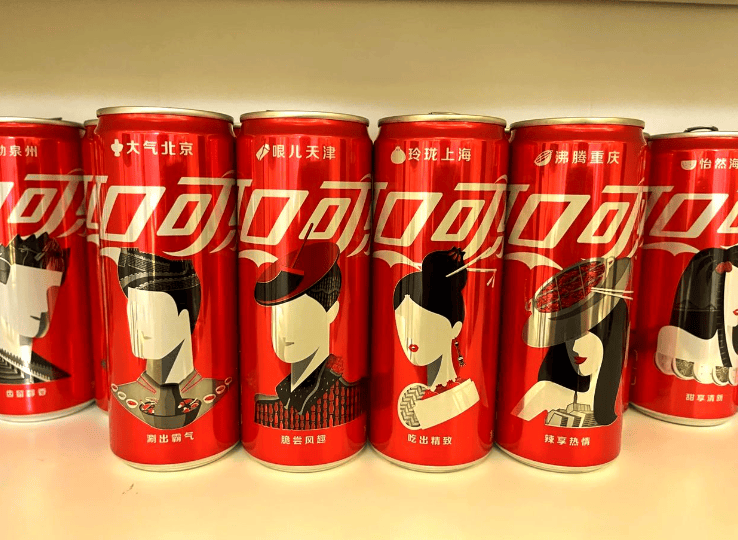
Core Insights - The article emphasizes the importance of youth-oriented marketing for brands, particularly in resonating with Generation Z, which is becoming the main consumer force. Brands that align deeply with the values, lifestyles, and consumption scenarios of this demographic can maintain relevance and appeal [1][2]. Group 1: Youthful Marketing Strategies - Coca-Cola's approach to youth marketing transcends superficial trends, focusing instead on understanding cultural nuances and creating deep emotional connections through co-creation and scene-building [2][9]. - The "City Cans" series exemplifies Coca-Cola's strategy of integrating local cultural elements into product design, fostering a sense of belonging among young consumers and encouraging organic sharing [2][4]. - The brand's collaboration with "Honor of Kings" in 2025 highlights its ability to merge gaming and beverage experiences, creating a vibrant emotional connection with young consumers [6][9]. Group 2: Long-term Value and Brand Identity - Coca-Cola maintains its core value of "happiness," establishing long-term connections with consumers through consistent content and experiences that resonate with their emotions [10][12]. - The brand's marketing campaigns, such as "Open Happiness" and "Taste the Feeling," reflect a commitment to delivering universal emotional values, reinforcing consumer loyalty and habitual purchasing [10][12]. Group 3: Balancing Tradition and Innovation - Coca-Cola faces the challenge of preserving its classic identity while appealing to new generations, successfully blending tradition with modernity [13][18]. - The introduction of new product lines, such as sugar-free options and mini cans, addresses the diverse health and personalization demands of younger consumers [15][18]. - Collaborations with brands like NIO and CONVERSE showcase Coca-Cola's innovative marketing strategies that merge classic narratives with contemporary trends, creating fresh engagement opportunities [15][18].
How Has Coca-Cola (KO) Stock Done for Investors?
The Motley Fool· 2025-12-01 20:06
Core Insights - Coca-Cola has underperformed the S&P 500 over the last five years, with a compound annual growth rate (CAGR) of 6.9% compared to the market's 13.6% CAGR [4][9] - Despite a strong dividend yield of 2.8%, which is significantly higher than the S&P 500 average of 1.1%, it has not been sufficient to offset the stock's weak performance during and after the pandemic [3][4] - The company maintains a robust brand portfolio, including popular beverages like Sprite, Fanta, and Dasani, positioning it to compete in a health-conscious market [10] Financial Metrics - Coca-Cola's return on equity (ROE) is 45%, nearly double the S&P 500 average of 27% [5] - The stock is currently priced at 24.9 times trailing earnings, below the S&P 500 average of 28.5 [6] - The market capitalization of Coca-Cola is $315 billion, with a current stock price of $72.13 [7][8] Market Position and Challenges - Rising competition and a global shift towards healthy foods have constrained Coca-Cola's growth [9] - The company has incorporated AI themes in its advertising and product development since 2023, but it is not primarily viewed as an AI stock [9] - Only 0.9% of Coca-Cola's shares are on loan to short-sellers, compared to 2.3% for the S&P 500, indicating a relatively stable investor sentiment [6]