Lilly(LLY)

Search documents
Sitryx regains rights to SYX-1042 itaconate mimetic for chronic autoimmune and inflammatory diseases from Lilly following portfolio reprioritization
GlobeNewswire News Room· 2025-08-08 16:00
Core Insights - Sitryx Therapeutics has regained rights to SYX-1042, an itaconate mimetic for chronic autoimmune and inflammatory diseases, from Eli Lilly due to Lilly's portfolio reprioritization [1][2] - The Phase 1 study of SYX-1042, which was initiated by Lilly, has been completed successfully, providing a phase 2-ready data package for Sitryx to evaluate further development options [2][3] - Sitryx plans to review the clinical and preclinical data to determine the optimal path forward for SYX-1042, expressing gratitude to Lilly for their collaboration [3] Company Overview - Sitryx is a clinical-stage biopharmaceutical company focused on developing novel oral therapies aimed at restoring immune balance in autoimmune and inflammatory diseases [4] - The company has a diverse pipeline of small molecule candidates targeting significant autoimmune indications with high unmet needs, including its lead candidate SYX-5219 for atopic dermatitis [4] - Established in 2018, Sitryx has raised $85 million from various investors, including SV Health Investors and Eli Lilly, and is headquartered in Oxford, UK [5]



Eli Lilly: 50% Upside For LLY Stock?
Forbes· 2025-08-08 13:55
Core Insights - Eli Lilly's stock dropped by 14% despite strong quarterly earnings, revenues, and guidance exceeding market expectations, primarily driven by the success of medications Mounjaro and Zepbound [2][3] - The decline was largely due to disappointing results from the late-stage clinical trial for Orforglipron, which showed patients lost nearly 12% of body weight, below the 15% expected by analysts [3] - The market reacted positively to competitors like Novo Nordisk, which is also developing an oral weight-loss pill, raising concerns about Eli Lilly's position in the market [3][15] Financial Performance - Eli Lilly's revenues grew significantly, with a 38% increase to $15.6 billion in the most recent quarter compared to $11.3 billion a year ago, while the S&P 500 saw only a 4.3% improvement [9] - Over the last three years, Eli Lilly's average revenue growth rate was 20.2%, significantly higher than the S&P 500's 5.2% [7] - The company's operating income over the last four quarters was $23 billion, resulting in a high operating margin of 46.5% compared to 18.4% for the S&P 500 [17] Valuation Metrics - Eli Lilly has a price-to-sales (P/S) ratio of 13, compared to 3.0 for the S&P 500, and a price-to-earnings (P/E) ratio of 42 versus the benchmark's 22.6 [8] - Despite the recent stock decline, analysis suggests that Eli Lilly's stock may represent a buying opportunity due to its strong long-term outlook and financial health [4][5] Competitive Landscape - Eli Lilly faces significant competition from Novo Nordisk in the weight-loss sector, which could impact its market share and stock performance [15][16] - The potential for further stock declines of 30-40% is noted if Novo Nordisk's oral weight-loss pill proves to be more effective [15] Future Outlook - Analysts project a nearly 50% upside for Eli Lilly, with an average price target of $945, driven by the potential of the obesity treatment market and the company's recent advances in sales and profitability [19] - The company's strong fundamentals and operational performance indicate ongoing substantial revenue growth, primarily due to its GLP-1 portfolio and pipeline [16]
Lilly's new diet drug comes up short in trials
Bloomberg Television· 2025-08-08 13:05
Clinical Trial Results - Eli Lilly's experimental pill Orphon showed an 11% weight loss in patients [1] - Novo Nordisk's weight loss shot Wegovy led to a 15% body weight reduction in trials [2] - Eli Lilly's shot Zepbound demonstrated even better weight loss results than Wegovy [2] Market Expectations and Reactions - Wall Street anticipated Orphon to perform better, aligning with injectable drugs [1] - Investors showed a negative reaction to Orphon's results, indicated by a share price decrease [1] - Pills are considered crucial for expanding market reach, in a market projected to reach $95 billion by 2030 [3] Development and Approval - Eli Lilly plans to submit Orphon's findings for approval by the end of the year [4] - The daily weight loss pill could potentially be available in pharmacies as early as 2026, pending approval [4] - Pharmaceutical companies like Pfizer and AstraZeneca have previously encountered setbacks in developing weight loss pills [3]
市场“错杀”了礼来?
Hua Er Jie Jian Wen· 2025-08-08 12:47
Core Viewpoint - Eli Lilly's stock plummeted 15% following its Q2 earnings report, but Bank of America believes this is a panic sell-off, asserting that the company's fundamentals remain strong [1][5]. Financial Performance - Eli Lilly reported Q2 total revenue of $15.558 billion, a 38% year-over-year increase, exceeding Bank of America's expectations by 4% and market expectations by 6% [4]. - The weight loss drug Mounjaro generated $5.199 billion in revenue, surpassing expectations by 16%, while Zepbound achieved $3.381 billion, exceeding expectations by 8% [4]. - Adjusted earnings per share were $6.31, exceeding Bank of America's expectations by 8% and market expectations by 13% [4]. - The gross margin reached 85.0%, up 3 percentage points from the previous year, driven by improved product mix and production efficiency [4]. Market Sentiment and Concerns - Despite strong financial results, market reaction was negative due to concerns over the future of the weight loss drug business, particularly regarding the competitive landscape and pricing pressures [5]. - Investors expressed anxiety over the prospects of the oral weight loss drug Orforglipron, with doubts about its positioning in a competitive market [5]. - Pricing trends and potential threats from generic competitors, particularly in the Canadian market, were highlighted as significant concerns [5]. Analyst Outlook - Bank of America reiterated a "buy" rating for Eli Lilly, setting a target price of $1,000, citing the significant mismatch between the company's growth potential and its current valuation [6]. - The report emphasized that Eli Lilly's revenue growth guidance for 2025 is approximately 35%, compared to an average growth rate of 4% for peers, indicating a substantial growth advantage [11]. - The valuation based on projected earnings for 2026 shows Eli Lilly's price-to-earnings ratio is only twice that of the second-fastest growing competitor, suggesting that there is value in the stock given its growth rate [11].
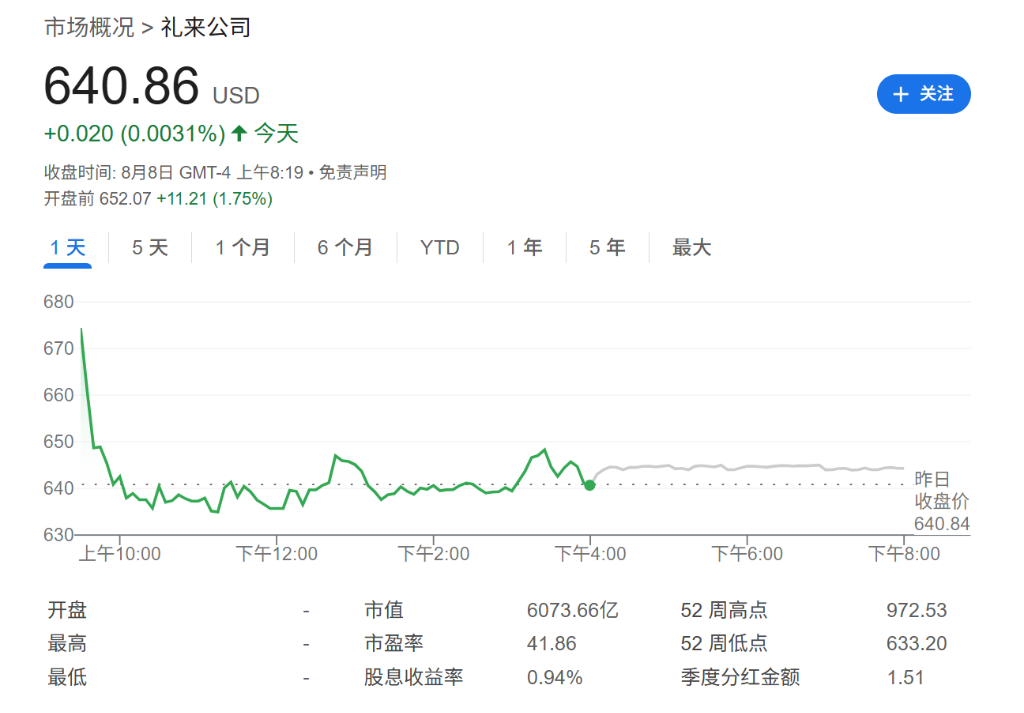
口服减肥药战场出现“反转”:临床数据不及预期,礼来股价下跌14%
Mei Ri Jing Ji Xin Wen· 2025-08-08 09:40
Core Viewpoint - Eli Lilly's oral GLP-1RA orforglipron III phase clinical trial results were released on August 7, showing positive data, but the stock price fell by 14.14%, indicating investor skepticism about the company's optimistic outlook [1][3]. Group 1: Clinical Trial Results - The III phase trial involved 3,127 overweight adults without diabetes, assessing orforglipron's efficacy [2]. - At week 72, orforglipron demonstrated significant weight loss compared to the placebo, with the 36mg dose achieving a 12.4% reduction versus 0.9% for the placebo [2]. - In a key secondary endpoint, 59.6% of participants in the highest dose group lost at least 10% of their body weight, and 39.6% lost at least 15% [2]. Group 2: Market Competition - Eli Lilly plans to submit orforglipron for regulatory review by the end of the year, preparing for a global launch [3]. - Novo Nordisk's oral semaglutide has shown a weight loss of 13.6% after 64 weeks, leading to concerns that Eli Lilly may be at a competitive disadvantage [3][4]. - The competition between Eli Lilly and Novo Nordisk in the weight loss drug market is intensifying, with both companies vying for leadership in the next generation of oral weight loss medications [5]. Group 3: Financial Performance - Eli Lilly reported Q2 revenue of $15.56 billion, exceeding Wall Street expectations of $14.69 billion, with a net profit of $5.66 billion, or $6.29 per share, compared to $2.97 billion, or $3.28 per share, in the same period last year [6]. - The diabetes treatment Mounjaro generated nearly $5.2 billion in revenue, a 68% increase year-over-year, while the weight loss drug Zepbound saw sales of $3.38 billion, a 172% increase [6]. - Eli Lilly raised its adjusted EPS forecast for 2025 to between $21.75 and $23, up from a previous estimate of $20.78 to $22.28, and expects annual sales of $60 billion to $62 billion, higher than the previous range of $58 billion to $61 billion [6]. Group 4: Novo Nordisk's Performance - Novo Nordisk reported Q2 sales growth of 18% to 76.86 billion Danish Krone (approximately $11.9 billion), but this was below analyst expectations [7]. - The combined revenue from semaglutide for diabetes and weight loss reached $7.9 billion, a 16% year-over-year increase [7]. - Following a downward revision of its 2025 sales growth forecast to 8%-14%, Novo Nordisk's stock price declined, prompting analysts to lower target prices and ratings [7].

礼来营收增41%!市场激战,替尔泊肽和司美格鲁肽谁能胜出?
2 1 Shi Ji Jing Ji Bao Dao· 2025-08-08 05:13
Core Insights - Eli Lilly's aggressive push in the GLP-1 drug market has forced Novo Nordisk to lower its annual forecasts twice, with Tirzepatide becoming increasingly common on U.S. pharmacy shelves [2][4] Financial Performance - Eli Lilly reported a revenue of $28.2862 billion for the first half of 2025, a 41% year-over-year increase [2] - U.S. market revenue reached $19.304 billion, up 43% year-over-year; European market revenue was $4.963 billion, up 74% [2] - The diabetes segment contributed nearly half of Eli Lilly's revenue, with Tirzepatide (Mounjaro and Zepbound) generating a combined sales of $14.734 billion [2][3] Market Position - Tirzepatide has become Eli Lilly's first product to exceed $10 billion in annual sales, with Mounjaro sales growing 85% to $9.0407 billion in the first half of the year [3] - Eli Lilly's prescription volume in the U.S. GLP-1RA market has increased to 57.0%, surpassing Novo Nordisk's 42.5% [3][4] Competitive Landscape - The revenue gap between Tirzepatide and Novo Nordisk's Semaglutide has narrowed to less than $2 billion, indicating a shift in market dynamics [4] - Novo Nordisk's market capitalization has decreased by nearly $400 billion over the past year due to declining growth expectations for its key products [4][5] Clinical Developments - Eli Lilly's oral GLP-1 drug, Orforglipron, showed promising results in clinical trials but fell short of analyst expectations, leading to a significant drop in stock price [8][9] - Eli Lilly is also advancing the development of a three-target agonist, Retatrutide, which is expected to enhance its metabolic disease treatment portfolio [10] Strategic Outlook - The competition in the GLP-1 market is evolving into a comprehensive contest involving production capacity, distribution channels, and innovation in administration methods [12] - Eli Lilly's strong performance is reshaping the global pharmaceutical landscape, with an upward revision of its annual revenue forecast to $62 billion [11][12]
生物医药-一图胜千言A picture is worth a thousand words
2025-08-08 05:02
Summary of Key Points from the Conference Call Industry Overview - **Industry**: Biopharma in North America - **Market Analysis**: The latest weekly Total Prescription (TRx) year-over-year (YoY) growth for the week ending July 25, 2025, was +1.7%, a decrease from +3.0% the previous week and +2.6% over the past 12 weeks [1][2][6] Core Company Insights Bristol Myers Squibb (BMY) - **Cobenfy Launch**: Approved for schizophrenia on September 26, 2024. Weekly scripts were approximately 1,950, down from 2,060 the previous week. To meet 2025 consensus expectations, Cobenfy TRx needs to track at 2-3 times the volumes of recent schizophrenia launches, requiring about 129K TRx at an estimated net price of $1,200 [3][14][16] Vertex Pharmaceuticals (VRTX) - **Journavx Launch**: Approved for acute pain on January 30, 2025. Weekly scripts were around 6,430, up from 6,240 the previous week. Hospital scripts, which are not captured by IQVIA, account for approximately 28% of total scripts. To achieve estimated sales of $65 million, about 289K total scripts are needed [4][19] Gilead Sciences (GILD) - **Yeztugo Launch**: Approved on June 18, 2025, with weekly TRx of approximately 300, an increase from 240 the previous week. The injectable formulation accounted for 45% of total TRx, while the oral formulation made up 55% [5][22] Eli Lilly (LLY) - **Mounjaro and Zepbound**: The launch of Mounjaro is showing strong growth, with a 69% increase in TRx YoY. Zepbound has seen a remarkable 268% increase in TRx YoY [9][26] Additional Insights - **Market Trends**: The extended unit (EUTRx) weekly YoY growth was +0.9%, indicating a more positive trend compared to TRx YoY growth. This suggests that physicians are increasingly writing longer-duration prescriptions [2][35] - **Key Product Performance**: The performance of major pharmaceutical products shows significant variations, with some experiencing substantial declines (e.g., Humira -41% YoY) while others like Sotyktu and Mounjaro are seeing strong growth [26][48] Important Metrics - **TRx Growth**: The overall TRx growth for the biopharma sector is showing signs of slowing down, with the latest figures indicating a need for companies to adapt their strategies to maintain growth [1][31] - **Sales Estimates**: Consensus estimates for various drugs have been adjusted, reflecting the dynamic nature of the market and the competitive landscape [3][4][5] Conclusion The biopharma industry in North America is currently experiencing mixed performance across different companies and products. While some new launches are showing promising growth, overall market trends indicate a slowdown in prescription growth, necessitating strategic adjustments by companies to meet evolving market demands.


制药与生物技术板块_截至 7 月 31 日的海外公司收益发布-Pharmaceuticals and biotech sectors_ Overseas companies‘ earnings releases through 31 July
2025-08-08 05:02
Summary of Earnings Call Records Industry Overview - **Industry**: Pharmaceuticals and Biotech Sectors - **Companies Discussed**: AbbVie, Biogen, Bristol Myers Squibb, Bio-Rad Laboratories, Neurocrine Biosciences, Takeda Pharmaceutical, Chugai Pharmaceutical, PeptiDream, Nxera Pharma Key Points by Company AbbVie - **Sales Performance**: Humira sales decreased by 58.1% year-over-year due to biosimilar competition, but this was offset by strong sales of Skyrizi, which increased by 62.2% to $4.4 billion, driven by market share growth in psoriasis and inflammatory bowel disease [1] - **Product Strategy**: Many patients switched from Humira to Skyrizi and Rinvoq instead of biosimilars. AbbVie plans to increase production capacity for Skyrizi in the long term [1] - **New Developments**: The obesity treatment ABBV-295 may address muscle and bone loss when used with other AbbVie drugs [1] Biogen - **Market Share**: Leqembi, an Alzheimer's treatment, maintains a 70% market share despite competition from Eli Lilly's Kisunla [3] - **Testing Growth**: Monthly PET testing for Alzheimer's has increased fivefold, and blood-based biomarker testing has tripled in the past year [3] - **Future Expectations**: Biogen anticipates interim data readout for the AHEAD 3-45 study in 2028 [3] Bristol Myers Squibb - **Sales Growth**: Sales of Opdivo's subcutaneous formulation increased by 7% year-over-year to $30 million, while the intravenous formulation rose to $2.56 billion [6] - **New Product Launch**: Cobenfy, a schizophrenia treatment, generated $35 million in sales with over 2,000 weekly prescriptions [6] - **Direct-to-Patient Model**: The company plans to sell Eliquis directly to patients at a discount of over 50% below the list price [6] Bio-Rad Laboratories - **Sales Performance**: Reported sales of $652 million, up 2% year-over-year, but operating profits fell by 24% to $77 million due to weak demand in biotech and academic research markets [8] - **Market Challenges**: The demand for instruments has been particularly weak, impacting overall sales [8] Neurocrine Biosciences - **Sales Growth**: Total sales reached $688 million, up 16% year-over-year, with operating profits flat at $146 million [10] - **Future Studies**: Plans to initiate a Phase 2 study of NBI-570 in H2 2025, with Phase 1 data readouts expected for NBI-567 and NBI-569 [10] - **Market Positioning**: Neurocrine is exploring differentiation opportunities in muscarinic receptor agonists, which may be better suited for elderly patients [10] Implications for Japanese Companies - **Takeda Pharmaceutical**: Entyvio retains a top share among first-line therapies for ulcerative colitis but is losing market share in second-line settings due to competition [2] - **Chugai Pharmaceutical and PeptiDream**: Both companies are developing myostatin inhibitors to counteract muscle mass loss associated with long-term GLP-1 receptor agonist use [2] - **Nxera Pharma**: The company is positioned positively due to its licensing of muscarinic receptor agonists to Neurocrine, although earnings contributions may not be reflected in share prices until Phase 3 study results are available [11] Additional Insights - **Market Trends**: The aggressive advertising by competitors is impacting market shares of established products like Entyvio [2] - **Direct Sales Models**: There is a growing trend among overseas pharmaceutical companies to adopt direct-to-patient sales models, which Japanese companies have yet to fully embrace [7] This summary encapsulates the key insights and data from the earnings calls of the discussed companies, highlighting their performance, strategies, and implications for the broader industry.



先后遭遇股价暴击,“减肥双雄”感受华尔街的“躁动”
美股IPO· 2025-08-08 02:47
尽管业绩强劲,减肥药巨头礼来与诺和诺德却因未能满足华尔街的超高预期而股价重挫,周三前者跌近4%,周四后者跌超14%。无论是礼来略低于预期 的临床数据,还是诺和诺德下调的销售指引,都暴露了在竞争白热化的减肥药市场,投资者的信心极为脆弱,即便是行业领导者也面临着严苛审视,任何 风吹草动都可能引发剧烈动荡。 在高速增长的GLP-1减肥药市场,即便是行业领导者也无法高枕无忧。 William Blair的分析师则更为直接,他们认为,礼来"坚不可摧的肥胖症产品线中罕见的失手,可能为规模较小的竞争对手创造了机会",这是一个"千载 难逢的时刻"。 诺和诺德(Novo Nordisk)与礼来(Eli Lilly)这对市场双雄,强劲的财务数据已不足以支撑他们的股价,华尔街的极高期望正让市场变得异常敏感, 任何一丝不及预期的消息都可能引发剧烈的抛售。 本周,这种紧张关系体现得淋漓尽致。 诺和诺德在公布第二季度销售额同比增长18%至240亿美元后,周三股价依然下跌3.9% 。这家丹麦公司此前已 因大幅下调全年销售增长预期, 股价在上周重挫超过20% 。 紧接着在周四,轮到礼来感受市场的"冷酷"。 尽管其季度销售额超预期增长38%至 ...
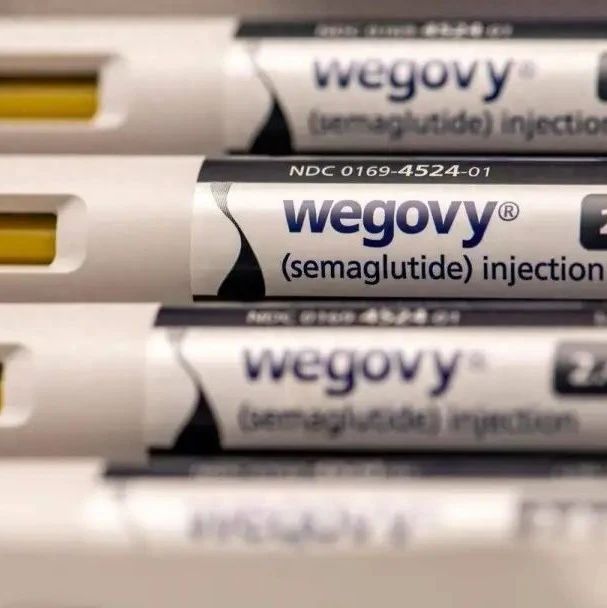
礼来第二季度营收155.6亿美元,口服减重药临床数据未达预期
Huan Qiu Wang Zi Xun· 2025-08-08 02:44
Core Insights - Eli Lilly reported Q2 2025 revenue of $15.56 billion, exceeding Wall Street's expectation of $14.69 billion, with a net profit of $5.66 billion or $6.29 per share, compared to $2.97 billion or $3.28 per share in the same period last year [1][3] - The adjusted earnings per share, excluding one-time intangible asset-related items, were $6.31, surpassing the market expectation of $5.57 [1][3] Revenue Drivers - The diabetes treatment drug Mounjaro generated nearly $5.2 billion in revenue for the quarter, marking a 68% year-over-year increase [3] - The weight loss drug Zepbound achieved sales of $3.38 billion in the same quarter, a staggering 172% year-over-year growth [3] Revised Guidance - Based on strong performance, Eli Lilly raised its full-year earnings forecast to an adjusted earnings per share of $21.75 to $23, up from the previous estimate of $20.78 to $22.28 [3] - The company now expects annual sales to be between $60 billion and $62 billion, higher than the prior range of $58 billion to $61 billion [3] Market Reaction - Despite the positive earnings report, Eli Lilly's stock price fell by 14.14% on August 7 [3] - The decline was influenced by clinical trial results for the oral weight loss drug Orforglipron, which showed a maximum weight loss of 12.4 kg over 72 weeks, falling short of market expectations [3]