Merck(MRK)

Search documents
美国生物医药“三座大山”压顶:关税、药价、专利悬崖
Hua Er Jie Jian Wen· 2025-05-20 08:22
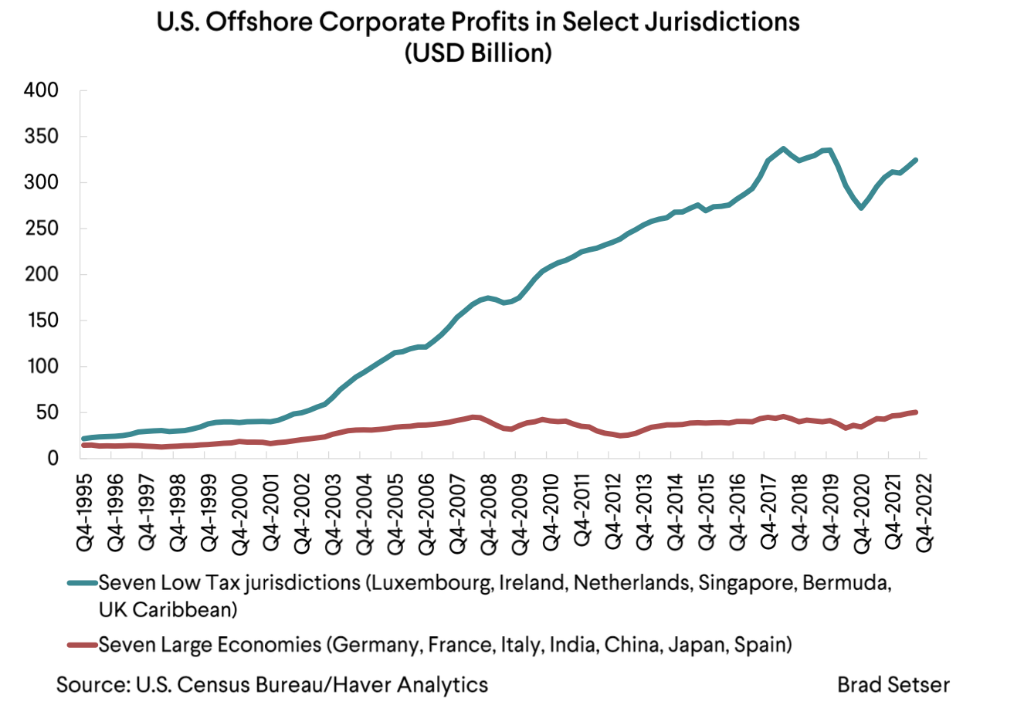
Core Viewpoint - The U.S. large biopharmaceutical sector is currently facing significant challenges, leading to a notable underperformance compared to the S&P 500 index, with a gap of approximately 15 percentage points since a key tariff announcement on April 2, 2025 [1][15]. Group 1: Challenges Facing the Biopharmaceutical Sector - The sector is under pressure from multiple factors, including high tariff barriers, drug price negotiation pressures, and an impending patent cliff, creating a murky outlook for the industry [1][2]. - Morgan Stanley analysts categorize these challenges as "overhangs," which are structural issues that have been exacerbated by recent policy changes [2]. Group 2: Tariff and Supply Chain Challenges - Specific tariff policies have been a direct trigger for the recent downturn in the sector, creating significant uncertainty in the market [3]. - Morgan Stanley believes that the impact of tariffs is largely "manageable," with companies able to respond through inventory management and accelerated product shipments [3][5]. - The expected tax rate for companies heavily reliant on U.S. production may rise from approximately 16-17% to 19-20%, similar to Gilead Sciences [3]. Group 3: Drug Price Negotiation Pressures - Drug pricing remains a persistent concern, with the "Most Favored Nation" (MFN) pricing policy posing potential risks, although its widespread implementation faces significant hurdles [6][7]. - The Inflation Reduction Act (IRA) is expected to have an incremental rather than disruptive impact on market expectations regarding drug pricing [8]. - Setser's testimony highlights the disparity in profit reporting between U.S. and overseas operations, with U.S. companies reporting minimal profits domestically while generating substantial profits abroad [9][12]. Group 4: Patent Expiration and Valuation - The upcoming patent expirations for key drugs between 2028 and 2030 are anticipated to suppress sector valuations, but this is viewed as a manageable "profit reset" rather than a crisis [13][14]. - Historical data suggests that the average earnings per share (EPS) erosion following patent expirations is around 15%, with a subsequent rebound often occurring [14]. Group 5: Current Valuation and Market Sentiment - The biopharmaceutical sector's valuation has dropped to a historical low, with a relative discount of 45-50% compared to the S&P 500 index [15][18]. - The sector has seen an overall decline of about 8% since the tariff announcement, while the S&P 500 has increased by approximately 5% [18][20]. Group 6: Potential Catalysts for Recovery - Clarity in policy execution regarding tariffs, MFN, and IRA could alleviate investor concerns and potentially lead to a recovery in the sector [23]. - Setser's recommendations for tax reforms aimed at reducing profit and production outflows could fundamentally alter the industry's profit and production landscape [24]. - The removal of unfavorable terms in the IRA, such as the "pill penalty," could serve as a significant positive catalyst for the sector [23][25].


“类煤炭股”待遇!美国生物制药股折价接近极值,接下来有一系列大事件
Hua Er Jie Jian Wen· 2025-05-20 00:36
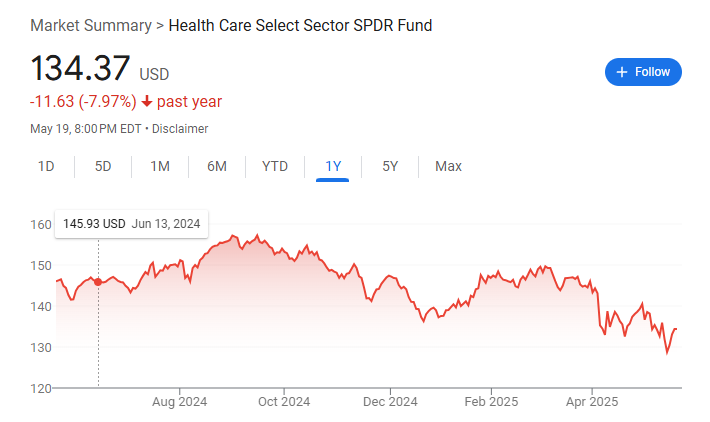
Group 1 - The U.S. pharmaceutical industry is experiencing significant turmoil, pushing the entire biopharmaceutical sector into a low valuation zone, with Goldman Sachs comparing the current state to "energy stocks at the peak of the ESG craze," suggesting it resembles a dying industry [1][3] - Recent events have increased volatility in the pharmaceutical sector, including Trump's pledge to significantly cut drug prices using the "most favored nation" rule, UnitedHealth Group's stock experiencing its worst weekly decline since 1998, and the CEO of Novo Nordisk announcing his resignation [1] - Goldman Sachs analysts noted that the relative P/E ratio of biopharmaceuticals compared to the S&P 500 briefly expanded to extreme levels seen during periods of high uncertainty, before slightly rebounding at the end of last week [1] Group 2 - Concerns are raised about the low valuations of large pharmaceutical stocks in both the U.S. and Europe, with Goldman Sachs' European pharmaceutical expert stating that the current trading conditions resemble those of energy stocks during the peak of the ESG era [3] - The valuation of the pharmaceutical sector has fallen below levels seen during the recovery from the global financial crisis and the peak of the COVID-19 liquidity bubble, reaching unprecedented lows [3] - European pharmaceutical stocks are also at historical low valuations, with a significant discount relative to the STOXX Europe 600 index [3] Group 3 - Key upcoming events that investors should closely monitor include the Goldman Sachs Healthcare Policy Day on May 20, the FDA Oncology Drug Advisory Committee meeting on May 20-21 discussing multiple cancer drug applications, and several significant events on May 22 [4][5] - On May 22, the FDA Vaccine Advisory Committee will discuss COVID-19 vaccine strains, and the deadline for the FDA's action on compounded semaglutide will be reached, which Novo Nordisk estimates affects about 1 million patients [5] - The ASCO (American Society of Clinical Oncology) will release most of its complete abstracts on May 22, which may impact U.S. pharmaceutical companies such as ABBV, BMY, JNJ, LLY, MRK, and PFE [5]


I'm Putting Cash To Work: 2 Rock-Solid Dividends At Bargain Prices
Seeking Alpha· 2025-05-19 15:36
Group 1 - The market has experienced a historic rebound since early April, alleviating investor concerns regarding peak tariffs [2] - The recovery has been uneven, with the technology sector capturing the majority of the gains [2] Group 2 - iREIT+HOYA Capital focuses on income-producing asset classes that provide sustainable portfolio income, diversification, and inflation hedging [1]

PFE vs. MRK: Which Oncology Drug Giant is a Better Buy Now?
ZACKS· 2025-05-19 13:30
Core Insights - Merck and Pfizer are leading pharmaceutical companies with strong oncology portfolios, but their revenue reliance differs significantly, with oncology accounting for over 50% of Merck's total revenues compared to around 25% for Pfizer [1][2]. Group 1: Pfizer's Position - Pfizer is recovering from a slowdown in 2023/early 2024, with diminishing COVID-related uncertainties leading to reduced revenue volatility [3]. - Non-COVID operational revenues improved in 2024, driven by key products like Vyndaqel, Padcev, and Eliquis, as well as new launches and acquisitions [4]. - Pfizer anticipates cost cuts and restructuring to yield savings of $7.7 billion by the end of 2027, which should enhance profit growth [5]. - Challenges include declining sales of COVID-19 products and significant impacts from patent expirations expected between 2026-2030 [6]. - Pfizer has faced setbacks, including the discontinuation of the GLP-1R agonist danuglipron due to safety concerns [7]. - As of March 31, 2025, Pfizer had cash and cash equivalents of $17.3 billion and long-term debt of $57.6 billion, with a debt-to-capital ratio of 0.41 [8]. Group 2: Merck's Position - Merck has over six blockbuster drugs, with Keytruda being the primary revenue driver, particularly in early-stage non-small cell lung cancer [9]. - The company has made significant regulatory and clinical progress, with its phase III pipeline nearly tripling since 2021 [10]. - However, Merck is heavily reliant on Keytruda, raising concerns about its ability to diversify its product lineup ahead of the drug's patent loss in 2028 [11]. - Merck ended 2024 with cash and cash equivalents of $9.2 billion and long-term debt of $33.5 billion, also with a debt-to-capital ratio of 0.41 [12]. Group 3: Financial Estimates and Performance - The Zacks Consensus Estimate for Pfizer's 2025 sales implies a year-over-year decrease of 0.6%, while Merck's estimates suggest a 0.9% increase [13][17]. - Year-to-date, Pfizer's stock has declined by 10.8%, while Merck's stock has dropped by 22.9%, compared to the industry's decrease of 4.0% [19]. - Pfizer's dividend yield of 7.5% is higher than Merck's 4.3%, and Pfizer's return on equity is 20.3%, lower than Merck's 43.2% [22][23]. Group 4: Market Outlook - Both companies are cheaper than larger drugmakers like AbbVie and Eli Lilly, but Merck's reliance on Keytruda and challenges in other areas raise concerns about its future growth [28]. - Pfizer's improving growth prospects, rising estimates, and higher dividend yield position it as a better investment option compared to Merck [29].

Merck & Co., Inc. (MRK) BofA Securities 2025 Healthcare Conference (Transcript)
Seeking Alpha· 2025-05-14 20:50
Company Overview - Merck & Co., Inc. is represented by key executives including Jannie Oosthuizen, President of U.S. Human Health, who has been in this role since 2022 and has a background in global marketing for oncology [2] - Doctor Marjorie Green serves as Senior Vice President and Head of Oncology Clinical Development, having joined Merck in 2023 from Cision [3] - Peter Dannenbaum is the Senior Vice President of Investor Relations, with the company since 2017 [3] Conference Insights - The conference included discussions on various policy questions, particularly focusing on the Most Favored Nation (MFN) policy, which is currently a significant topic of concern for the company [4] - The company is dedicating considerable internal resources to understand the implications of current policies and potential changes in the healthcare landscape [4]

Merck & Co (MRK) 2025 Conference Transcript
2025-05-14 18:40
Summary of Merck & Co (MRK) 2025 Conference Call Company Overview - **Company**: Merck & Co (MRK) - **Date of Conference**: May 14, 2025 - **Key Speakers**: - Jani Oyslisen, President US Human Health - Dr. Marjorie Green, Senior Vice President, Head of Oncology Clinical Development - Peter Dannenbaum, Investor Relations Key Industry Insights Policy and Regulatory Environment - The company is actively monitoring the implications of the Most Favored Nation (MFN) policy and its potential impact on pricing and negotiations within the pharmaceutical industry [6][7][8] - There are ongoing concerns regarding the FDA's stability and relationships, with some senior officials having left, but continuity remains in other divisions [4][5] - The company is preparing for potential changes in drug pricing negotiations under the IRA (Inflation Reduction Act) and how it may affect their products, particularly Keytruda [21][22][24] Financial Performance and Product Insights - Keytruda, Merck's leading oncology product, is projected to generate $32 billion in revenue for the year, accounting for nearly 50% of total company revenues, with a historical growth rate of 20% per year [16][17] - Despite a soft Q1, underlying growth for Keytruda is estimated at 11%, with expectations for continued growth as new indications and geographies are explored [18][19] - The company has seen a threefold increase in its phase three pipeline assets since 2021, with potential revenues of $50 billion from these assets by the mid-2030s [27][28] Competitive Landscape - The company is aware of emerging competition in the oncology space, particularly from bispecific therapies and antibody-drug conjugates, which may pose a threat to Keytruda [37][48] - Merck is developing its own bispecific molecule, indicating a proactive approach to maintaining its competitive edge in oncology [39][43] Challenges and Strategic Responses - The anticipated loss of exclusivity (LOE) for Keytruda starting December 2028 is a significant concern, with potential revenue erosion estimated at 30-40% per year for similar drugs [25][26][30] - The company is focusing on pipeline development and strategic launches to mitigate the impact of LOE, emphasizing the importance of new product introductions [27][29][30] Vaccine Segment - Gardasil's performance has been impacted by a slowdown in China, but outside of China, it has shown a 16% growth rate, indicating ongoing opportunities in other markets [51][52] - The company is monitoring potential changes in vaccination guidelines that could affect Gardasil's market strategy, particularly regarding the number of doses required [53][55] Additional Considerations - The company is committed to ensuring broad access to its products, including subcutaneous formulations of Keytruda, which may enhance patient compliance [20][23] - Merck's strategic focus includes leveraging its extensive pipeline and scientific understanding to navigate competitive threats and regulatory changes effectively [42][49] This summary encapsulates the critical insights and strategic directions discussed during the conference call, highlighting Merck's proactive approach to navigating industry challenges and opportunities.
打出“服务招商”品牌 成都高新区发布医药健康产业“梧桐计划”
Mei Ri Jing Ji Xin Wen· 2025-05-14 06:18
Core Viewpoint - The event aims to enhance collaboration in the pharmaceutical and healthcare industry, showcasing the advantages of the Chengdu High-tech Zone and promoting the "Wutong Plan" for attracting investment and fostering industry growth [1][2] Group 1: Event Overview - The Pharmaceutical and Healthcare Industry Cooperation Conference was held in Beijing, co-hosted by the Sichuan Provincial Economic Cooperation Bureau and the Chengdu High-tech Zone Management Committee [1] - Over 70 representatives from leading companies and capital institutions, including Kexing Bio, Boston Scientific, and Merck, gathered to discuss new development paths for the industry [1] Group 2: Policy and Support - The Chengdu High-tech Zone released the "Chengdu High-tech Industrial Development Policy for the Pharmaceutical and Healthcare Industry," offering up to 30% support for major projects and up to 50% for innovative drug research and development, with a maximum of 100 million yuan per product [2] - The "Wutong Plan" is the first comprehensive service list for the biopharmaceutical industry in China, covering nine categories of professional services and 99 detailed services, facilitating the entire lifecycle from research to market [2] Group 3: Industry Ecosystem - Chengdu High-tech Zone has established a full technology chain platform for innovative drugs and medical devices, housing over 3,000 pharmaceutical and healthcare companies, including more than 800 in the medical device sector [2] - The zone has nurtured 10 listed companies in the pharmaceutical and healthcare sector and attracted over 10 Fortune 500 companies, including GE Healthcare and Medtronic [2]


创新药不会被政策“杀死”
新财富· 2025-05-13 06:27
Core Viewpoint - The article discusses the implications of former President Trump's healthcare policies, particularly the "Most Favored Nations" (MFN) pricing strategy, which aims to lower U.S. drug prices by aligning them with the lowest prices in other countries. This policy has sparked significant investment from multinational pharmaceutical companies in U.S. manufacturing and R&D capabilities, indicating a major shift in the global pharmaceutical industry landscape [3][4]. Group 1: MFN Pricing Policy - The MFN pricing policy mandates that U.S. Medicare and Medicaid drug prices cannot exceed the lowest prices in other developed countries, directly targeting the high drug prices in the U.S. [6][9] - The policy has faced criticism from various stakeholders, including the pharmaceutical industry, which views it as a potential threat to profitability, especially for innovative drugs still in early commercialization stages [6][7][9]. - Despite the potential benefits of controlling healthcare costs, the policy is seen as a high-pressure tactic that may lead to significant adjustments in global pricing strategies by pharmaceutical companies [7][9]. Group 2: Investment Trends in U.S. Pharmaceutical Manufacturing - Major pharmaceutical companies, including Merck, Roche, Novartis, and Eli Lilly, have announced substantial investments in U.S. manufacturing and R&D, totaling hundreds of billions of dollars, in response to the changing policy landscape [4][12][13]. - These investments are not merely for capacity expansion but are strategic moves to adapt to anticipated policy changes, with companies aiming to enhance supply chain resilience and local production capabilities [12][13][16]. - The shift towards domestic manufacturing is also driven by concerns over the reliance on foreign supply chains, particularly for essential drugs and raw materials [16]. Group 3: Impact on Different Segments of the Pharmaceutical Industry - The healthcare and tariff policies under Trump's administration have created a bifurcation within the pharmaceutical industry, where some companies face cost pressures while others benefit from regulatory changes [18][24]. - Companies heavily reliant on Medicare payments, particularly those producing biosimilars and chronic disease medications, are expected to face significant challenges due to tightening Medicaid budgets and reduced insurance coverage [20][21]. - Conversely, innovative drug companies may benefit from the maintenance of pricing power and expedited FDA approval processes, allowing them to navigate the market more effectively [22][23][24]. Group 4: Overall Industry Dynamics - The article highlights a transformative period for the global pharmaceutical industry, characterized by a shift from a "global manufacturing + free pricing" model to a more localized and regulated approach [24]. - The pressures from new policies necessitate that pharmaceutical companies reassess their operational strategies, focusing on cost control, supply chain security, and adaptability to regulatory changes [24]. - The evolving landscape presents both opportunities and risks, with companies needing to find long-term strategies to thrive amid uncertainty [24].

“药王”宝座背后的竞争:今年一季度司美格鲁肽销售额超K药
Bei Ke Cai Jing· 2025-05-12 12:44
Core Insights - The sales of semaglutide reached 55.776 billion Danish Krone (approximately 8.4 billion USD) in Q1 2023, marking a 32% year-on-year increase, surpassing Merck's pembrolizumab (Keytruda) [1][2] - Novo Nordisk's total sales for Q1 2023 were 78.087 billion Danish Krone (approximately 11.8 billion USD), with a year-on-year growth of 18% [2] - The Chinese market contributed 5.622 billion Danish Krone (approximately 0.852 billion USD) to Novo Nordisk's revenue, reflecting a 22% increase [2] Sales Performance - Semaglutide's sales breakdown includes: - Ozempic (diabetes version) generated 32.721 billion Danish Krone (approximately 4.9 billion USD), a 15% increase at constant exchange rates - Rybelsus (oral version) generated 5.695 billion Danish Krone (approximately 0.85 billion USD), a 13% increase at constant exchange rates - Wegovy (weight loss version) generated 17.36 billion Danish Krone (approximately 2.6 billion USD), an 83% increase at constant exchange rates - The total revenue contribution from all three versions of semaglutide was 56.934 billion Danish Krone (approximately 8.4 billion USD) in Q1 2023 [2][3] Competitive Landscape - Semaglutide is considered a strong competitor to pembrolizumab, with a sales gap of approximately 4 billion USD in 2023 [3] - Eli Lilly's tirzepatide is emerging as a formidable competitor, showing superior results in clinical trials compared to semaglutide [4][5] - Tirzepatide's sales in Q1 2023 reached 3.84 billion USD for the diabetes version and 2.31 billion USD for the weight loss version, totaling 6.15 billion USD [5] Market Dynamics - The market for GLP-1 receptor agonists is becoming increasingly competitive, with over 20 domestic companies in China developing biosimilars for semaglutide [6][7] - The core patent for semaglutide in China is set to expire on March 20, 2026, leading to anticipated competition from biosimilars [7] - Companies like Jiuyuan Gene, Lijun Group, and Qilu Pharmaceutical are among those developing biosimilars for diabetes and weight management indications [8] Future Outlook - The competition in the GLP-1 market is expected to intensify as both Novo Nordisk and Eli Lilly continue to innovate and expand their product lines [9]
小细胞肺癌:中国管线全球领先,研发聚焦三大新领域
KAIYUAN SECURITIES· 2025-05-12 06:44
Investment Rating - The investment rating for the biopharmaceutical industry is "Positive" (maintained) [2] Core Insights - The report highlights the aggressive nature of small cell lung cancer (SCLC), with extensive stage SCLC accounting for approximately 75% of cases, which often rely on systemic treatment and have a poor prognosis [6][21] - The first-line treatment for extensive stage SCLC primarily involves PD-1/PD-L1 immunotherapy combined with doublet chemotherapy, while there are limited approved drugs for later-line treatments, indicating a significant unmet clinical need [24][30] - The report identifies three key areas of focus for research and development in the SCLC field: Antibody-Drug Conjugates (ADC), DLL3 T-cell engagers (TCE), and next-generation immune-oncology (IO) therapies [30][34] Summary by Sections 1. SCLC Overview - SCLC accounts for about 15%-20% of all lung cancer cases, with a high incidence of early metastasis [18][19] - The majority of SCLC cases are extensive stage, which has a poor prognosis and relies heavily on systemic therapies [21][22] 2. Treatment Landscape - The standard treatment for extensive stage SCLC has been established as a combination of chemotherapy and PD-1/PD-L1 immunotherapy, but the overall prognosis remains poor [24][25] - The NCCN and CSCO guidelines recommend various treatment options, including the recent inclusion of Tarlatamab as a preferred second-line treatment [28][29] 3. Research and Development Focus - ADCs are rapidly advancing in the SCLC field, targeting multiple hot spots such as B7-H3, DLL3, and TROP-2, with no ADC products currently approved for SCLC [37][38] - DLL3 TCEs, particularly Tarlatamab, have shown promising early data and are expected to reshape the treatment landscape for SCLC [30][31] - Next-generation IO therapies are being developed to challenge the current PD-L1 standard in first-line SCLC treatment [8][36] 4. Investment Recommendations - The report suggests that companies with strong pipelines in the SCLC space, such as Zai Lab, Zai Lab-U, Innovent Biologics, and others, are likely to benefit from the anticipated growth in the market as new data emerges [9]