
Qualcomm(QCOM)

Search documents
小米17Pro系列搭载第五代高通骁龙8至尊版
Di Yi Cai Jing· 2025-09-25 13:32
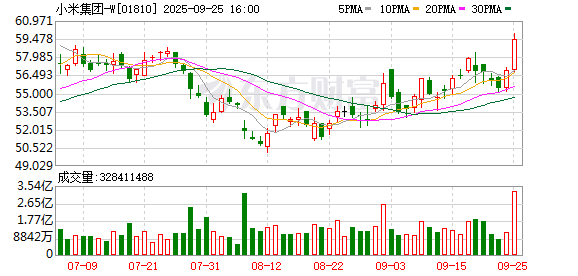
Core Viewpoint - Xiaomi Group launched the Xiaomi 17 Pro flagship series, featuring the fifth-generation Qualcomm Snapdragon 8 Gen 2 chip, manufactured using TSMC's 3nm process technology [2] Group 1: Product Launch - The Xiaomi 17 Pro series is equipped with the latest Snapdragon 8 Gen 2 chip [2] - The chip is produced using TSMC's advanced 3nm process technology [2] Group 2: Strategic Partnerships - Qualcomm announced ongoing collaboration with downstream mobile OEMs, including a long-term agreement with Xiaomi for the supply of Snapdragon 8 series chips for multiple generations of high-end mobile products [2] Group 3: Company Insights - Lei Jun reflected on the reasons behind the failure of the Pinecone chip and indicated that the Xuanjie chip still has a long way to go before achieving success [2]



高通守擂下一个十年
Hu Xiu· 2025-09-25 12:35
Core Insights - Qualcomm is facing increasing competition from companies like Apple and Xiaomi, which are developing their own chips, raising concerns about Qualcomm's market dominance [1][17] - At the Snapdragon Summit, Qualcomm introduced the fifth-generation Snapdragon 8 Gen 2 SoC and Snapdragon X2 Elite series PC processors, emphasizing AI as a primary capability rather than a supplementary feature [3][6] - The new Snapdragon 8 Gen 2 SoC shows significant performance improvements, including a 20% increase in single-thread performance and a 35% increase in overall CPU efficiency [5][6] Product Developments - The Snapdragon 8 Gen 2 features a CPU architecture of 2+6 cores, with peak frequencies of 4.6GHz and 3.62GHz, respectively [5] - The Adreno GPU in the new SoC has a 23% performance increase and a 20% efficiency improvement, with ray tracing performance up by 25% [5] - The Hexagon NPU has been upgraded, achieving a 37% increase in AI performance and supporting advanced AI applications on mobile devices [5][11] Strategic Moves - Qualcomm is entering the AI PC market, facing challenges due to its ARM architecture in a Windows-dominated environment [7][9] - The Snapdragon X2 Elite processor shows a 39% increase in single-core performance and a 50% increase in multi-core performance compared to its predecessor [9] - Qualcomm is collaborating with Google to develop an "Android AIPC" platform, aiming to unify Android and ChromeOS for a broader ecosystem [12][13] Market Positioning - Qualcomm's strategy focuses on maintaining partnerships with Android manufacturers while diversifying its business beyond smartphones into automotive, IoT, and XR sectors [21][25] - The company acknowledges the competitive landscape, particularly with companies like Xiaomi entering similar markets, and emphasizes the importance of providing valuable solutions to clients [21][25] - Qualcomm sees potential growth in robotics and AR/VR technologies, which could match or exceed smartphone market scales in the future [25][26]

谷歌宣布明年推出安卓电脑操作系统
财联社· 2025-09-25 12:14
Core Viewpoint - Google announced the launch of an "Android for PC" operating system in collaboration with Gemini and Android mobile systems, set to debut next year, aiming to enhance productivity tools within the Android ecosystem [4][5]. Group 1: Google's Strategy - Google aims to leverage its existing ChromeOS experience while rebuilding the underlying technology using the Android system for the new PC operating system [6]. - The company is excited about the upcoming product and is collaborating with Qualcomm and other partners to advance this initiative [6]. - Google plans to integrate Gemini, a complete Android AI stack, and a full application and developer community into the PC ecosystem [6][10]. Group 2: Qualcomm's Role - Qualcomm's CEO expressed enthusiasm for the "Android PC," highlighting its potential to merge mobile devices with personal computers [6]. - Qualcomm recently launched the second-generation Snapdragon processors, claiming them to be the fastest and most efficient for Windows laptops [9]. - The new Snapdragon PC chips are expected to be available by the first half of 2026, with speculation that they may be adapted for the "Android PC" [10]. Group 3: Market Context - The current dominant PC operating systems are Microsoft Windows and Apple's OS, with Huawei's HarmonyOS also gaining traction [7].


腾讯应用宝与高通(中国)基于骁龙平台推动PC生态发展
Zheng Quan Ri Bao Wang· 2025-09-25 12:10
Group 1 - Tencent's App Treasure and Qualcomm (China) announced a joint research and development initiative focused on mobile application cross-end engine technology and edge AI application innovation [1] - The collaboration aims to provide customized application solutions for devices equipped with the Snapdragon X series computing platform, enhancing user experience and productivity tools [1] - The upgraded cross-end engine has been fully released for devices with the Snapdragon X series, covering over 1,000 popular apps across social entertainment, learning, office, and AI tools [1] Group 2 - The new Snapdragon X2 Elite computing platform integrates an 80 TOPS NPU, which supports Tencent's edge running capabilities of its mixed Yuan model [2] - The intelligent launch platform, unveiled at the conference, aims to revolutionize traditional file and application management by utilizing an "accompanying" AI design [2] - This design allows AI to better connect user needs with service scenarios, moving away from a "dialogue-based" interaction model [2]

6G终端有了时间表,AI扮演什么角色?
Di Yi Cai Jing· 2025-09-25 11:44
Core Insights - Qualcomm is the first global tech company to provide a clear timeline for 6G pre-commercial terminal launch, expected in 2028 [1] - The rise of AI is expected to elevate various "edge" devices, including smartphones, PCs, wearables, and robots, into potential blockbuster products [1] - Qualcomm aims to enhance AI capabilities in smart terminals by integrating NPU and GPU technologies during the chip design phase [1] Group 1: AI Integration in Chip Design - Qualcomm showcased its self-developed Oryon architecture at the Snapdragon Summit, emphasizing its superior SoC capabilities for AI processing and energy efficiency [2] - The self-developed Oryon architecture allows Qualcomm to reduce dependency on other companies, particularly in licensing fees and long-term development [2] Group 2: Performance Enhancements - The fifth-generation Snapdragon 8 flagship chip, utilizing 3nm process technology, has achieved a 20% performance increase in CPU, 23% in GPU, and 37% in NPU for AI applications [3] - Major smartphone brands like Honor, Xiaomi, Vivo, and OPPO plan to adopt the fifth-generation Snapdragon 8 in their flagship products [3] Group 3: AI Applications and Collaborations - Qualcomm and Honor are collaborating on developing edge AI model solutions to enhance user experience in applications like image recognition and color extraction [4] - The partnership aims to create GPU-NPU heterogeneous AI technologies to improve gaming graphics through AI learning [4] Group 4: Future AI Applications - Qualcomm predicts that robots and various wearable smart glasses could become as prevalent as smartphones in the future [6] - The automotive sector is identified as a prime application area for edge AI due to its need for local processing capabilities [6] Group 5: Evolution of Intelligent Agents - The future will shift from mobile-centric to intelligent agent-centric systems, requiring advanced understanding and decision-making capabilities [7] - 6G is expected to support real-time collaboration between edge devices and the cloud, enhancing AI-native applications [7] Group 6: Competitive Landscape - Domestic smartphone manufacturers are developing specific AI applications, with Honor's intelligent agent supporting over 200 vertical scenarios and 3000 general scenarios [8] - Other brands like OPPO, Vivo, and Xiaomi are also enhancing their AI capabilities, integrating them with their operating systems [8] Group 7: Challenges and Requirements - The development of AI intelligent agents necessitates advancements in both hardware AI chip capabilities and software interaction methods [9] - Companies must focus on personalized services through AI while addressing cost and technical challenges in their solutions [9]
孟樸解码高通在华30年:以创新为根,与中国共探AI、机器人新蓝海
Huan Qiu Wang· 2025-09-25 10:38
Core Insights - Qualcomm's 30-year journey in China is characterized as a "growth history in resonance with the Chinese communication industry" [2] - The company emphasizes a long-term commitment to technology innovation and collaboration with the Chinese industry chain, rather than relying on explosive growth events [2][3] - The Snapdragon Summit serves as a platform for Qualcomm to showcase its technological achievements and deepen its commitment to the Chinese market [8] Qualcomm's Development in China - Qualcomm began its deep engagement with the Chinese market in the mid-1990s, participating in the transition from analog to digital communication through CDMA technology [2] - The 3G era marked a significant milestone, with Qualcomm collaborating with all three major Chinese operators and supporting the development of TD-SCDMA technology [2] - In the 4G era, Qualcomm partnered with Chinese smartphone manufacturers to achieve global coverage for Chinese brands [2] Automotive Sector Engagement - Qualcomm has been a key player in the automotive sector for over 20 years, providing solutions that have integrated into the automotive supply chain [3] - The company has supported over 210 models from various Chinese automotive brands in the past three years, capitalizing on the rapid adoption of new technologies [3] - Qualcomm's business model focuses on a "customer success equals self-success" philosophy, fostering a symbiotic relationship with the Chinese industry chain [3] AI and New Market Opportunities - AI was a central theme at the Snapdragon Summit, with a focus on edge AI as a critical direction for Qualcomm's technology deployment [4] - The company has been proactive in the field of embodied intelligence and robotics, showcasing applications at previous events and collaborating with leading Chinese enterprises [4] - Qualcomm is committed to developing specialized chips for emerging technologies like XR and AI glasses, addressing key challenges such as size and power consumption [4] Industrial Sector Strategy - Qualcomm is addressing the fragmented nature of the Chinese industrial market through its Leap Dragon brand, offering customized products that support NFC [6] - The company has initiated several 5G connectivity projects in collaboration with partners, demonstrating the potential for smart manufacturing in China [6] - The future market for robotics and AR/VR/AI glasses is expected to be substantial, with Qualcomm aiming to drive the development of killer applications in these areas [6] Innovation and Compliance - Qualcomm's development strategy is defined by "innovation and cooperation," focusing on continuous self-challenge and enhancing collaborative capabilities [7] - The company emphasizes the importance of balancing technological innovation with compliance, particularly in the context of AI and data security [7] - Qualcomm is adapting to the trend of self-developed chips among manufacturers by strengthening partnerships and diversifying its business across various sectors [7] Market Dynamics and Future Outlook - The initial influx of players in emerging markets is seen as beneficial for validating market value and accelerating technological breakthroughs [8] - Qualcomm's historical experience suggests that market consolidation will eventually occur, with a few dominant players emerging in various sectors [8] - The company remains committed to long-term investment in technology innovation and exploring opportunities in AI and 6G alongside the Chinese industry chain [8]


第五代骁龙8至尊版发布,性能、AI、影像全面升级
Huan Qiu Wang· 2025-09-25 10:13
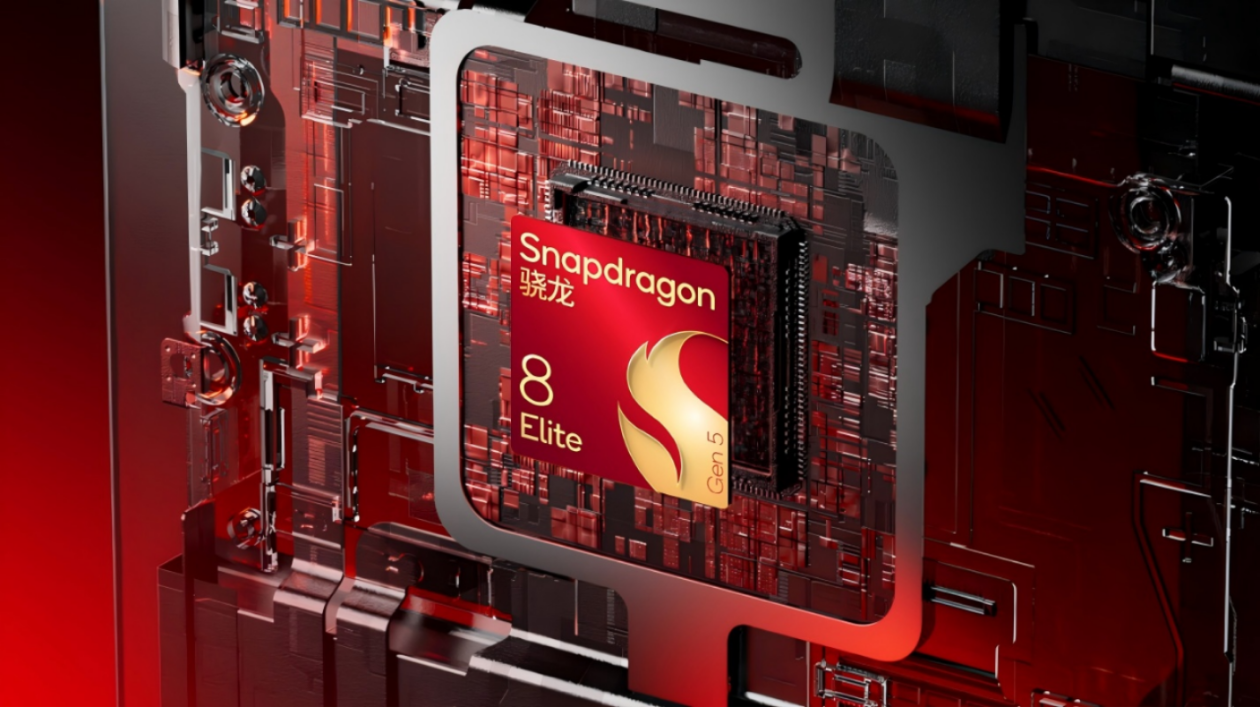
Core Insights - Qualcomm has launched the fifth-generation Snapdragon 8 Gen 2 mobile platform, enhancing core mobile experiences through upgrades in performance, AI, and imaging technology [1][3]. Hardware Upgrades - The platform features significant hardware improvements, including a 20% increase in single-core performance and a 17% increase in multi-core performance, with a maximum clock speed of 4.6GHz [3]. - The new Qualcomm Adreno GPU shows a 23% improvement in graphics performance and a 25% increase in ray tracing performance, optimizing graphics-intensive gaming experiences [3]. - Utilizing a 3nm process, the overall SoC power consumption is reduced by 16%, with a 10% improvement in CPU energy efficiency and a 20% increase in AI performance per watt [3]. AI Capabilities - The Hexagon NPU's performance has improved by 37%, supporting new precision formats and hardware matrix acceleration, enhancing AI inference speed and efficiency [3]. - The platform enables personalized AI assistants that can provide customized operations across applications, with a focus on user data security through local storage [3]. Imaging and Video Technology - As the first mobile platform to support Advanced Professional Video codecs, it features a 20-bit ISP that enhances dynamic range by four times and supports advanced video recording and post-production capabilities [4]. - The platform includes an AI-enabled 5G modem with peak download speeds of 12.5Gbps and AI-optimized Wi-Fi technology, reducing gaming latency by 50% [4]. Market Adoption - Several OEMs and smartphone brands plan to adopt this platform in their flagship products, including Xiaomi, vivo, and OPPO, with specific models like the Xiaomi 17 series and iQOO 15 series set to launch soon [6]. - Qualcomm's senior vice president highlighted that the Snapdragon 8 Gen 2 platform positions users at the core of mobile experiences, with real-time synchronization of user needs through personalized AI [6].
高通发布骁龙X2 Elite系列处理器,升级Windows PC使用体验
Huan Qiu Wang· 2025-09-25 10:06
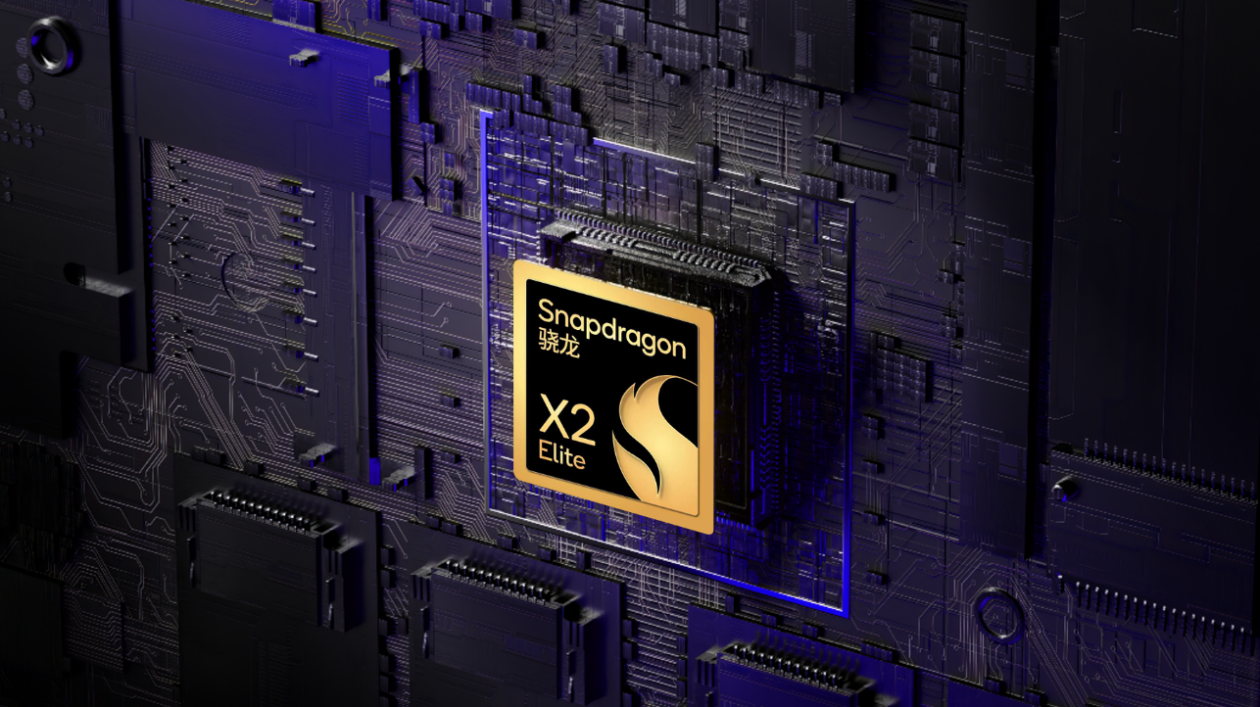
Core Insights - Qualcomm announced the launch of the Snapdragon X2 Elite Extreme and Snapdragon X2 Elite platforms, enhancing Windows PC user experience through breakthroughs in performance, energy efficiency, and AI technology [1][3]. Group 1: Product Features - Snapdragon X2 Elite Extreme targets ultra-high-end PCs, capable of handling complex workloads such as AI experiences, data analysis, and professional media editing while maintaining a lightweight design and professional performance [3]. - The Snapdragon X2 Elite features a 31% performance increase at the same power consumption compared to its predecessor, with a 43% reduction in power needed for equivalent performance [3]. - Both processors support a memory bandwidth of up to 228GB/s, a 69% increase from the previous generation, and can support three 5K 60Hz displays, Wi-Fi 7, 5G, and Bluetooth 5.4 [3]. Group 2: Market Positioning - Qualcomm's Senior Vice President Kedar Kondap emphasized that the Snapdragon X2 Elite strengthens the company's leadership in the PC industry, offering significant improvements in performance, AI processing, and battery life [5]. - Devices featuring the Snapdragon X2 Elite are expected to be available in the first half of 2026, indicating a strategic timeline for market entry [5].
高通“转身”押注AI智能体,还把“王兴兴们”拉进自己的朋友圈
Tai Mei Ti A P P· 2025-09-25 07:17
Core Insights - Qualcomm emphasizes the importance of edge AI and its future development during the 10th Snapdragon Summit, marking significant anniversaries for the company [2][6] - The company introduced the fifth-generation Snapdragon 8 processor, showcasing advancements in mobile processing power and energy efficiency [4][6] - Qualcomm's strategy focuses on collaboration with partners rather than competition, highlighting the significance of customer success for long-term growth [2][17][18] Group 1: Snapdragon Summit Highlights - Qualcomm's CEO adjusted the speech timing to cater to Chinese audiences, underscoring the importance of local partnerships [2] - The fifth-generation Snapdragon 8 processor features a 20% performance increase and a 35% improvement in energy efficiency compared to its predecessor [4] - The Snapdragon X2 Elite Extreme platform is introduced, claiming to have the fastest NPU for laptops with 80 TOPS AI processing capability [8] Group 2: AI and Future Trends - Qualcomm's Hexagon NPU performance has improved by 37%, enabling local processing of complex generative AI tasks [9] - The company envisions AI as the new user interface, transitioning from smartphone-centric to agent-centric models [11][13] - Future trends driving AI development include enhanced edge data relevance and a shift towards personalized user experiences [11][13] Group 3: Industry Collaboration and Competition - Qualcomm acknowledges the emergence of competitors like Apple and Xiaomi, but remains focused on collaboration within the Android ecosystem [17][18] - The company is diversifying its business beyond mobile, expanding into automotive, IoT, and XR sectors [17][18] - Qualcomm's long-term strategy emphasizes technology innovation and maintaining strong partnerships with clients [18]
X @外汇交易员
外汇交易员· 2025-09-25 06:57
Semiconductor Industry & Product Development - Qualcomm announced the Snapdragon 8 Elite Gen5 for mobile devices and Snapdragon X2 Elite Extreme and Snapdragon X2 Elite for PCs, all using TSMC's 3nm process [1] - Devices powered by Snapdragon X2 Elite are expected to launch in the first half of next year, strengthening ARM PC deployment [1] Operating System & Platform Integration - Google plans to integrate Android into the PC domain and merge Gemini with ChromeOS into a single platform [1]