Restaurant Brands International(QSR)

Search documents
Happy Belly Food Group Signs Definitive Agreement for the Sale of Holy Crap Foods as It Focuses on Accelerating Its QSR Businesses
TMX Newsfile· 2026-02-12 11:20
Core Viewpoint - Happy Belly Food Group Inc. has successfully executed a definitive agreement for the sale of Holy Crap Foods for $1,000,000 CAD, which will allow the company to unlock value and reinvest in its QSR portfolio, focusing on higher margins and return on invested capital (ROIC) [1][2]. Financial Transaction - The sale of Holy Crap Foods is valued at $1,000,000 CAD in cash, plus working capital adjustments, with the transaction expected to close within ten business days, subject to customary closing conditions [1]. - The sale price represents an estimated 10 times EBITDA for the Holy Crap business, indicating significant growth from a previously loss-making operation [2]. Strategic Focus - The company aims to redeploy the proceeds from the sale into its QSR (Quick Service Restaurant) portfolio, where it has a proven track record of building and scaling high-performing brands [2]. - The CEO emphasized a disciplined approach to capital deployment, with a clear focus on ROIC and acting opportunistically to realize value from non-core assets [2]. Company Overview - Happy Belly Food Group Inc. is recognized as a leader in acquiring and scaling emerging food brands across Canada [4].



汉堡王、麦当劳找“中国合伙人”,背后可能有同一个关键人物
3 6 Ke· 2026-02-10 02:03
2026年2月2日,RBI与CPE源峰共同宣布,合资交易已顺利完成,"汉堡王品牌将在中国市场进入新的快速发展阶段"。[1] 增长是合资之后明确的目标。CPE源峰和RBI共同计划,将汉堡王在中国市场的门店规模从目前的约1250家,拓展至2035年的4000家以上,并实现可持续 的同店销售增长。 汉堡王中国拿到了与当年麦当劳中国相似的剧本。2017年引入中信和凯雷后,麦当劳中国提出"愿景2022",计划五年内实现每年两位数的销售增长,门店 从2500家增加到4500家。[2] 从和本土资本达成战略合作,到完成既定合资交易,汉堡王只用了不到3个月的时间。 图片来源:汉堡王官网 2025年11月10日,CPE源峰宣布,将与汉堡王母公司RBI集团(Restaurant Brands International)成立合资企业"汉堡王中国"。 两者的共同点不止于此,汉堡王和麦当劳找到"中国合伙人",背后可能有同一位参与者:Patrick Siewert。2017年,他领导凯雷集团收购了麦当劳中国 28%的股份。2025年,汉堡王与源峰官宣时,他担任RBI亚洲区董事长。 01 汉堡王找"中国合伙人",或许2024年就埋下了伏 ...
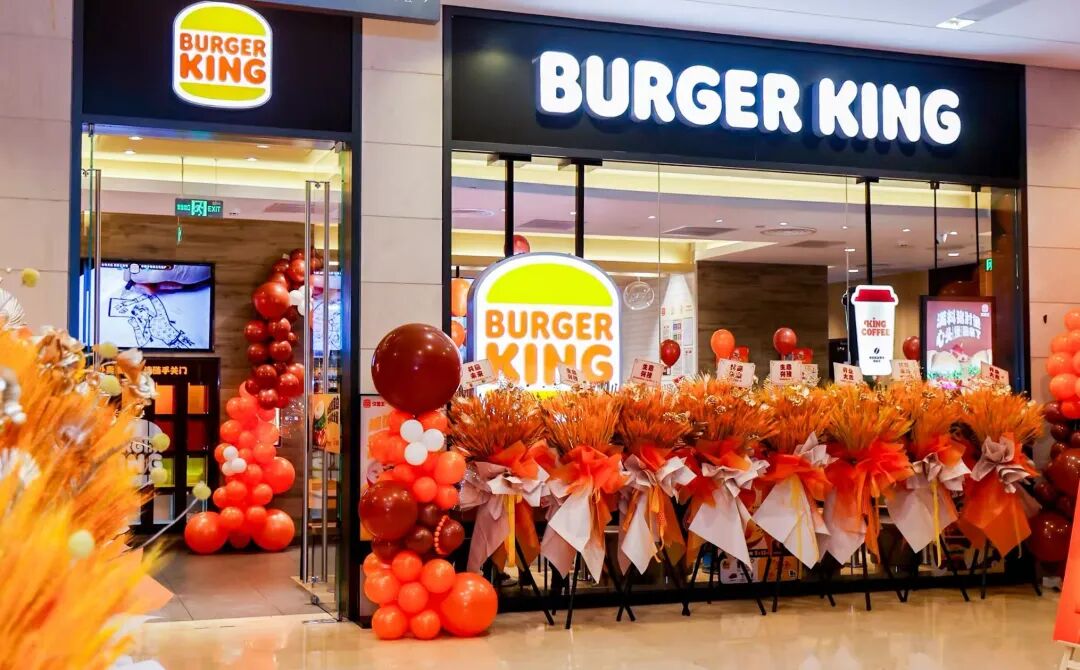
RBI and CPE finalise Burger King China JV
Yahoo Finance· 2026-02-03 10:23
Group 1 - Restaurant Brands International (RBI) has finalized a joint venture with Chinese investment company CPE to reshape Burger King's ownership structure in China [1][2] - CPE has provided $350 million in new primary capital to the joint venture, which now holds 83% of the equity, while RBI retains a 17% minority interest [1][2] - The joint venture aims to combine Burger King's global brand with CPE's local market expertise to accelerate restaurant rollout and enhance customer experience [2][3] Group 2 - A wholly owned subsidiary of Burger King China has signed a 20-year master development agreement, granting exclusive rights to establish and operate the brand throughout mainland China [3] - The target is to expand Burger King's store count in China from approximately 1,250 outlets to over 4,000 by 2035, with a focus on same-store sales growth through execution and food standards [3][4] - RBI's CEO emphasized that China represents a significant long-term growth opportunity for Burger King, supported by a clear strategy focused on food quality and brand relevance [4]
Burger King targets over 4,000 restaurants in China by 2035
Yahoo Finance· 2026-02-02 18:42
Core Insights - Burger King aims to expand its presence in China to over 4,000 restaurants by 2035, increasing from approximately 1,250 locations currently [1] - The expansion is supported by a joint venture with CPE, which includes a $350 million investment to enhance growth, marketing, and operations [2] Group 1: Joint Venture and Investment - The joint venture allows Burger King to utilize CPE's local expertise to accelerate its development in China [2] - CPE holds about 83% ownership of the joint venture, while Restaurant Brands International (RBI) retains a 17% minority interest [3] - A 20-year master development agreement has been signed, granting exclusive rights to develop the Burger King brand in China [4] Group 2: Strategic Goals and Performance - RBI's strategy includes a return to a more simplified, highly franchised business model, with royalties from Burger King China recognized in its international segment [4] - The CEO of RBI highlighted that China represents a significant long-term growth opportunity for the brand, emphasizing a focus on food quality and brand relevance [5] - Burger King China has reported a 10.5% increase in same-store sales, exceeding expectations and indicating strong operational performance [6]
CPE源峰3.5亿美元收购汉堡王中国控制权
Jing Ji Guan Cha Wang· 2026-02-02 13:51
CPE源峰已委任其运营合伙人黄进栓担任汉堡王中国董事长。黄进栓曾在跨国连锁餐饮集团担任多个重要职务,包括在2017年至2022年期间担任某著名西式 快餐品牌中国总经理。此前,汉堡王中国还于2025年3月组建了以副首席执行官兼首席供应链官陈玟瑞为核心的本地高管团队。 CPE源峰和RBI共同计划将汉堡王在中国市场的门店规模从目前的约1250家拓展至2035年的4000家以上。汉堡王中国在2025年第四季度新开设了20家餐厅, 汉堡王中国称,其中多家为采用新模式的门店,该模式降低了门店的初始投资。 (作者 郑淯心) 2月2日,汉堡王品牌母公司RBI(Restaurant Brands International,下称"RBI")与CPE源峰共同宣布交易完成。交易完成后,CPE源峰向汉堡王中国注入了3.5 亿美元初始资金,并持有汉堡王中国约83%的股份,RBI保留约17%的少数股权及董事会席位。此外,汉堡王中国旗下全资关联公司已签订一份为期20年的 主特许协议,获得在中国市场独家运营和发展汉堡王品牌的权利。 2025年初,RBI曾明确表示,正在物色新的本地合作伙伴来投资和运营该业务,以期加速汉堡王在华增长。 2025 ...
RBI与CPE源峰完成合资交易 汉堡王中国冲刺“2035年4000店”
Bei Jing Shang Bao· 2026-02-02 12:29
交易完成后,CPE源峰向汉堡王中国注入了3.5亿美元的初始资金,并持有汉堡王中国约83%的股份, RBI保留约17%的少数股权及董事会席位。此外,汉堡王中国旗下全资关联公司已签订一份为期20年的 主特许协议,获得在中国市场独家运营发展汉堡王品牌的权利。 北京商报讯(记者 郭缤璐)2月2日,汉堡王品牌母公司RBI(Restaurant Brands International)与CPE源 峰共同宣布,此前公告的合资交易已顺利完成,汉堡王品牌将在中国市场进入新的快速发展阶段。接下 来,CPE源峰和RBI共同计划将汉堡王在中国市场的门店规模从目前的约1250家,拓展至2035年的4000 家以上,并实现可持续的同店销售增长。 ...
合资交易完成,汉堡王计划未来中国市场门店数量超4000家
Xin Jing Bao· 2026-02-02 12:17
校对穆祥桐 据悉,CPE源峰已委任其运营合伙人黄进栓担任汉堡王中国董事长。黄进栓曾在跨国连锁餐饮集团担任 多个重要职务,包括在2017年至2022年期间担任著名西式快餐品牌中国总经理,任职期间推动该品牌实 现了显著增长。此外,汉堡王中国还于2025年3月组建了由副首席执行官兼首席供应链官陈玟瑞为核心 的本地高管团队。陈玟瑞拥有丰富的中国连锁餐饮管理经验,在他的领导下,汉堡王中国重新打造了供 应链体系,加强了餐厅的运营管理,推出了全新的优化投资模型门店,强化了数字化营销和产品创新。 编辑王琳 新京报讯(记者王萍)2月2日,新京报记者从汉堡王品牌方面获悉,汉堡王品牌母公司RBI(Restaurant Brands International,简称"RBI")与CPE源峰共同宣布,此前公告的合资交易已顺利完成。未来,CPE源 峰和RBI共同计划将汉堡王在中国市场的门店规模从目前的约1250家,拓展至2035年的4000家以上,并 实现可持续的同店销售增长。 交易完成后,CPE源峰向汉堡王中国注入了3.5亿美元的初始资金,并持有汉堡王中国约83%的股份, RBI保留约17%的少数股权及董事会席位。此外,汉堡王中国旗下 ...
RBI and CPE Complete Previously Announced Joint Venture to Reignite Growth at Burger King® in China
Prnewswire· 2026-02-02 12:00
Core Insights - CPE has invested $350 million in primary capital to expand Burger King China, aiming to grow the restaurant count to over 4,000 by 2035 [1][3] - The joint venture between CPE and Restaurant Brands International (RBI) combines Burger King's brand strength with CPE's local market expertise, positioning the business for accelerated growth [2][3] - The partnership includes a 20-year master development agreement, granting exclusive rights to develop the Burger King brand in China [3] Company Overview - Restaurant Brands International Inc. (RBI) is a major player in the quick service restaurant sector, with over $45 billion in annual system-wide sales and more than 32,000 restaurants globally [4] - RBI owns several prominent brands, including Burger King, and is focused on sustainable practices through its Restaurant Brands for Good framework [4] - CPE is a leading alternative asset manager in Asia, managing approximately $22 billion in assets and pursuing a long-term value investment strategy across various sectors [5]


汉堡王股份出售交易完成 CPE源峰3.5亿美元控股
Di Yi Cai Jing· 2026-02-02 11:43
(文章来源:第一财经) 2月2日,汉堡王品牌母公司RBI(Restaurant Brands International)与CPE源峰共同宣布,此前公告的合 资交易已完成。CPE源峰向汉堡王中国注入3.5亿美元的初始资金,并持有汉堡王中国约83%的股份, RBI保留约17%的少数股权及董事会席位。CPE源峰和RBI共同计划将汉堡王在中国市场的门店规模从目 前的约1250家,拓展至2035年的4000家以上。 ...
Restaurant Brands International to Report Fourth Quarter and Full Year 2025 Results on February 12, 2026
Prnewswire· 2026-01-26 12:00
Financial Results Announcement - Restaurant Brands International Inc. (RBI) will release its fourth quarter and full year 2025 financial results on February 12, 2026 [1] - An investor conference call will be held on the same day at 8:30 a.m. Eastern Time [1] Earnings Call Access - The earnings call will be available via webcast on the company's investor relations website, with a replay accessible for a limited time [2] - Dial-in numbers for the conference call include: 1 (833) 470-1428 for U.S. callers, 1 (833) 950-0062 for Canadian callers, and 1 (929) 526-1599 for international callers [2] - An access code of 365228 is required for all dial-in numbers [2] Company Overview - Restaurant Brands International Inc. is one of the largest quick service restaurant companies globally, with over $45 billion in annual system-wide sales and more than 32,000 restaurants across over 120 countries and territories [3] - The company owns four major quick service restaurant brands: Tim Hortons, Burger King, Popeyes, and Firehouse Subs [3] - RBI is committed to improving sustainable outcomes through its Restaurant Brands for Good framework, focusing on food, the planet, and communities [3]