
Starbucks(SBUX)

Search documents
Starbucks Corporation (SBUX) “Goes Much Higher,” Says Jim Cramer
Yahoo Finance· 2025-09-17 17:12
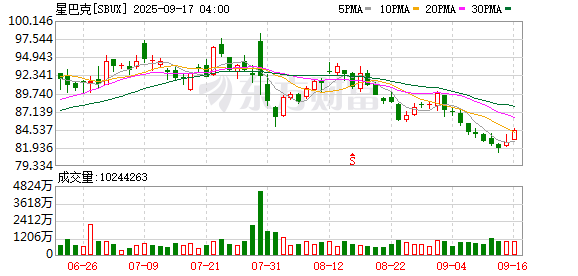
We recently published 10 Latest Stocks Jim Cramer Discussed In An Episode Examining Turnarounds. Starbucks Corporation (NASDAQ:SBUX) is one of the stocks Jim Cramer recently discussed. Starbucks Corporation (NASDAQ:SBUX) is another firm busy with a turnaround. Under the leadership of CEO Brian Niccol, the firm is seeking to improve its customer experience by improving its services and seating and providing customers with a unique experience to generate loyalty. While Starbucks Corporation (NASDAQ:SBUX)’s ...

Starbucks CEO says the coffee chain won’t lose its cash-strapped consumers because it’s on its way to being a ‘world-class customer service’ company
Yahoo Finance· 2025-09-17 15:41
Core Insights - Starbucks CEO Brian Niccol believes that the company's commitment to craft, quality, and customer experience will help it navigate economic challenges without significant losses in sales [1] - The "Back to Starbucks" initiative aims to create a cozy environment for customers, encouraging them to spend more time in stores [1][2] Customer Experience and Service - Niccol's vision includes enhancing customer connections through personal touches, such as handwritten notes on coffee cups, while also utilizing automation and a simplified menu to increase barista-customer interaction [2] - The company aims to position itself as a leading customer service provider, combining exceptional service with high-quality products [3] Performance Metrics - Despite the "Back to Starbucks" initiative, the company reported its sixth consecutive quarter of declining same-store sales in the U.S., with a 2% decrease in the third quarter and a 4% drop in comparable transactions [4] - However, internal data suggests that improvements in speed, hospitality, and order accuracy are being recognized by customers, with value perceptions reaching a two-year high, particularly among Gen Z and millennial consumers [5] - Customer connection scores have improved, and customer complaints have decreased both quarter-over-quarter and year-over-year [6]
从一杯咖啡到第三空间,星巴克如何用数智化赋能咖啡体验?
3 6 Ke· 2025-09-17 13:55
Core Insights - Technology is transforming consumer logic, shifting from mere transactions to building long-term relationships between brands and consumers [4][5][6] - Starbucks' innovation through its Shenzhen Innovation Technology Center (SITC) exemplifies the integration of technology and consumer experience, enhancing its competitive edge in the Chinese market [6][9][32] Technology and Consumer Experience - The evolution of consumer expectations highlights the demand for personalized interactions, with 71% of consumers wanting brands to provide tailored experiences [5] - The concept of "third space" at Starbucks has evolved to encompass not just coffee consumption but also social and emotional connections, supported by technological advancements [11][13][22] Starbucks' Digital Transformation - SITC's mission is to empower partners through technology, allowing them to focus on customer engagement rather than operational tasks [23][29] - The implementation of automated inventory management and AI tools has streamlined operations, enabling partners to enhance customer interactions [24][25][26] Product Innovation and Personalization - Starbucks leverages data-driven insights to innovate its product offerings, exemplified by the recent breakfast project in Shenzhen, which aligns with local consumer habits [17][19] - The "True Taste No Sugar" initiative showcases how technology enables customization across various beverage categories, providing consumers with unique experiences [19][21] Balancing Scale and Personalization - SITC addresses the inherent conflict between brand scalability and consumer personalization, creating a framework that allows for efficient operations while delivering tailored experiences [21][32] - The integration of technology not only enhances operational efficiency but also enriches the emotional value of consumer interactions, moving from a one-size-fits-all approach to a more individualized service [21][32] Commitment to Innovation - Starbucks has committed approximately 1.5 billion RMB to SITC over the next three years, aiming to attract talent and resources for ongoing innovation [32] - The establishment of SITC represents Starbucks' long-term investment in the Chinese market, positioning it as a model for digital transformation in the retail and coffee industry [32]

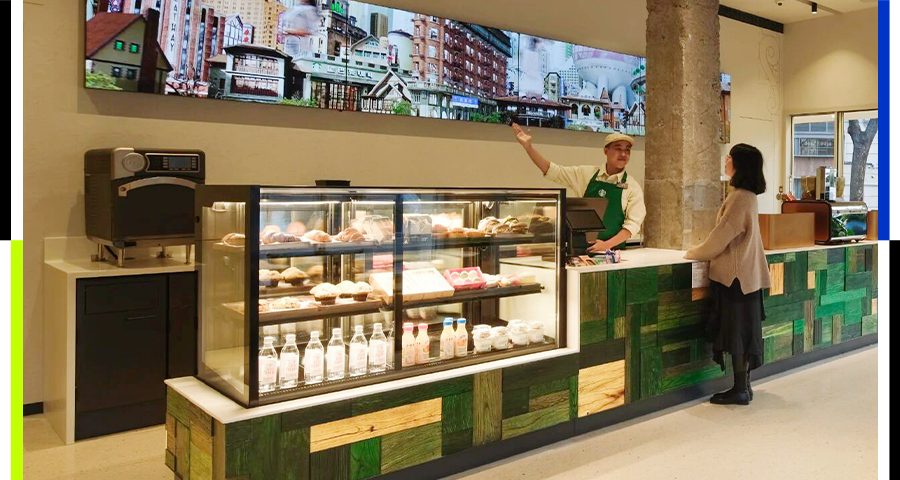
从一杯咖啡到第三空间,星巴克如何用数智化赋能咖啡体验?
36氪· 2025-09-17 13:30
Core Viewpoint - Technology is transforming consumer logic, shifting from transactional purchases to experiential relationships, where brands connect with consumers on a deeper emotional level [3][4][5]. Group 1: Technology and Consumer Experience - The evolution of consumer behavior is evident as technology enhances the shopping experience, making it more about personal style exploration and emotional connection rather than mere transactions [3][4]. - A McKinsey study indicates that 71% of consumers expect personalized interactions from brands, while 76% feel frustrated without it, highlighting the importance of being understood in brand relationships [5]. - PwC's research shows that 73% of consumers consider experience a key factor in purchasing decisions, emphasizing the shift towards interaction and emotional recognition as core elements of consumer choice [5]. Group 2: Starbucks' Digital Transformation - Starbucks' Innovation Technology Center (SITC) represents the company's commitment to digital transformation, focusing on enhancing customer experience through technology integration [6][9]. - The SITC aims to empower Starbucks to become a fully digital experience-driven coffee company, leveraging AI and data to create unique value for customers [9][12]. - The concept of the "third space" is redefined through SITC's innovations, where the coffee experience transcends basic consumption to become a cultural and social engagement platform [16][19]. Group 3: Personalized Customer Engagement - SITC's initiatives include deploying electronic menu boards that not only display products but also share stories about coffee origins, enhancing customer engagement [17]. - The use of AI-driven tools allows for personalized recommendations based on customer preferences and time of day, creating a tailored experience for each visit [19][20]. - The "interest social space" initiative helps customers find stores that match their interests, further personalizing the Starbucks experience [20]. Group 4: Empowering Partners through Technology - Starbucks emphasizes a partner culture, where technology is used to alleviate operational burdens, allowing partners to focus on customer interaction and coffee craftsmanship [28][30]. - Automation in inventory management and AI tools for scheduling enable partners to spend more time engaging with customers rather than managing logistics [29][31]. - The implementation of smart IoT systems across stores has led to significant energy savings and improved operational efficiency, enhancing the overall customer experience [34]. Group 5: Strategic Investment in Digital Innovation - Starbucks plans to invest approximately 1.5 billion RMB in SITC over the next three years, aiming to attract talent in AI, big data, and IoT to drive innovation [42]. - SITC serves as a model for digital transformation in the retail and coffee industry, showcasing how technology and human elements can coexist to create unique consumer experiences [42].
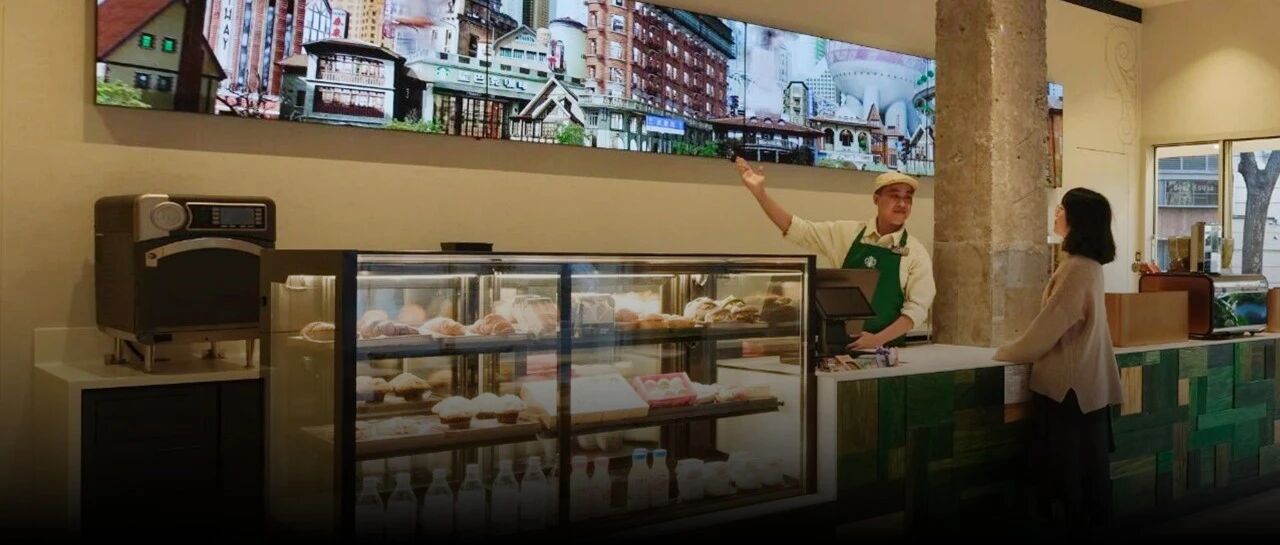
Starbucks to add ‘hundreds of thousands of seats' back to its stores
Fastcompany· 2025-09-17 13:27
Core Insights - Starbucks is aiming to revive its in-store experience by adding "hundreds of thousands" of new seats, moving away from a transactional model to a more inviting atmosphere [3][6][7] - CEO Brian Niccol emphasizes a design-led approach to enhance customer experience, addressing the company's shift towards mobile ordering that has diminished the sit-down experience [3][6] - The company reported $36 billion in revenue for fiscal year 2024, which is nearly flat compared to 2023, indicating stagnant transaction levels since their peak in 2019 [6][7] Company Strategy - Niccol's plan, titled "Back to Starbucks," focuses on redesigning the customer experience, including the return of personalized touches like handwritten notes on cups and condiment bars [3][7] - The company plans to redesign 1,000 of its 11,000 company-operated cafés in North America and revamp its pastry menu to attract younger customers [7] - The introduction of new seating will be a contemporary version of the brand's signature chairs, aiming to create a more comfortable environment for customers [7] Market Context - Starbucks faces increasing competition from brands like Luckin Coffee, Dunkin', and Dutch Bros, which are capturing market share with innovative, Gen Z-focused products [6][7] - The shift in consumer behavior post-pandemic has led to a decline in traditional café experiences, prompting Starbucks to rethink its business model [3][6]
拟出售在华资产之际,星巴克15亿深圳新设科技中心
2 1 Shi Ji Jing Ji Bao Dao· 2025-09-17 11:56
Core Viewpoint - Starbucks is establishing its China Innovation and Technology Center (SITC) in Shenzhen while simultaneously preparing to sell its Chinese business, indicating a strategic shift to enhance digital capabilities and operational efficiency amidst increasing competition in the coffee market [2][5][6]. Group 1: Starbucks' New Initiatives - The SITC, launched with an initial investment of approximately 1.5 billion yuan, aims to serve as Starbucks' innovation hub and digital headquarters in China, focusing on enhancing technology and data infrastructure [2][3]. - Over the past two years, SITC has facilitated significant digital advancements, including the upgrade of over 7,800 stores to electronic menu boards and the implementation of a new product innovation system that offers over 500 coffee combinations [3][4]. - The center is also involved in various major projects related to user experience, product innovation, supply chain, and partner development, leveraging Shenzhen's vibrant innovation ecosystem [4]. Group 2: Business Sale and Market Context - Reports indicate that major investment firms, including Carlyle, EQT, Sequoia China, and Boyu Capital, are preparing final bids for a controlling stake in Starbucks China, with a decision expected by the end of October [5][6]. - Starbucks' CEO has expressed confidence in the Chinese market, emphasizing the intention to retain a significant stake in the business while seeking partners to support future growth [7]. - Despite a recent revenue decline of 7% year-over-year in Q4 2024, Starbucks China has shown signs of recovery, with a net income of $790 million in Q3, marking an 8% increase [7][8]. Group 3: Competitive Landscape - The Chinese coffee market is rapidly evolving, with local brands like Luckin Coffee and Kudi gaining market share through competitive pricing and quick service, posing challenges for Starbucks [6][9]. - Data shows that while Starbucks has expanded to over 7,828 stores in China, local competitors are aggressively penetrating lower-tier cities, with Luckin Coffee having nearly 35% of its stores in these markets [9][10]. - The coffee industry in Shenzhen is particularly robust, with a market size projected to grow from 47.64 billion yuan to 178 billion yuan over the next five years, highlighting the potential for further expansion [8][9].
秉持“科技融合人文”理念 星巴克中国创新科技中心发布数字化成果
Zheng Quan Ri Bao Zhi Sheng· 2025-09-17 10:16
Core Insights - Starbucks China Innovation and Technology Center (SITC) has announced its digital achievements since its establishment and has relocated to a new site in Shenzhen [1][3] - The company aims to transform into a fully digital experience-driven coffee company, leveraging AI technology to enhance customer experiences and operational efficiency [3][7] Digital Transformation - SITC focuses on three core areas: stores, products, and partners, emphasizing personalized and human-centered technological innovations [3][5] - The introduction of electronic menu boards in stores allows for personalized and localized product offerings based on customer demographics and time of day [3][4] Product Innovation - A breakfast testing project in Shenzhen has been launched, utilizing data insights to create tailored coffee options and food pairings for local consumers [5] - The "True Flavor No Sugar" innovation system allows for over 500 customizable drink combinations, enhancing customer personalization [5] Operational Efficiency - Automation and data-driven tools have been implemented to streamline store operations, allowing partners to focus more on customer engagement and coffee craftsmanship [6] - The "Rainbow System" for inventory management has been upgraded to optimize supply chain efficiency, predicting demand accurately for the entire year [6] AI Integration - Starbucks is enhancing its competitive edge through AI, which will enable stores to better understand and meet customer needs, creating a more intelligent retail environment [7][8] - AI assistants will be provided to partners, helping them focus on creative tasks rather than routine work, thus enhancing overall productivity [8] Future Outlook - The relocation to the new Shenzhen site aims to attract diverse talent and foster collaboration, driving innovation in the Chinese retail sector [8]
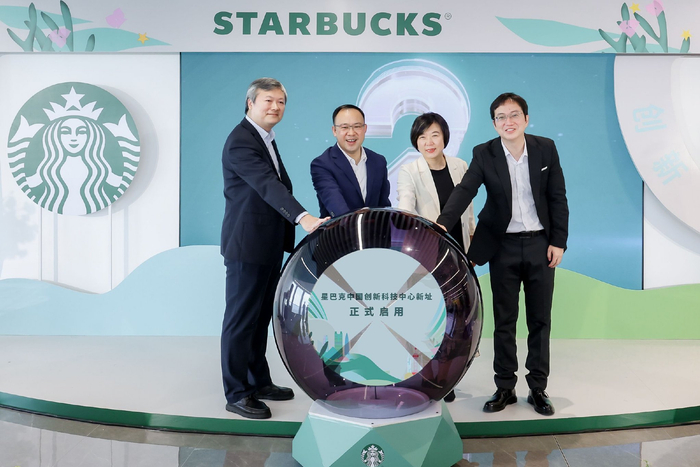
星巴克中国创新科技中心对外发布数字化成果
Bei Jing Shang Bao· 2025-09-17 08:34
Core Insights - Starbucks China Innovation Technology Center (SITC) has announced its digital transformation achievements and relocation to a new site in Shenzhen [1] - The company has invested in electronic menu boards across most of its stores, enhancing customer interaction and allowing for flexible product offerings based on local market demands [1] - A breakfast testing project has been launched in Shenzhen, focusing on consumer insights to develop new coffee products and optimize pricing strategies [1] Group 1 - SITC has completed the upgrade of electronic menu boards in most stores, providing a new digital communication interface for consumers [1] - The electronic menu boards enable personalized and localized product offerings, allowing for agile deployment of market activities [1] - The breakfast project in Shenzhen utilizes big data insights to create tailored coffee options and food pairings, with plans for broader rollout based on market feedback [1] Group 2 - Starbucks China aims to leverage AI technology to create innovative opportunities that blend technology with human experience [2] - The company seeks to enhance its unique competitive advantages in stores, products, and partnerships to deliver richer value to consumers [2]
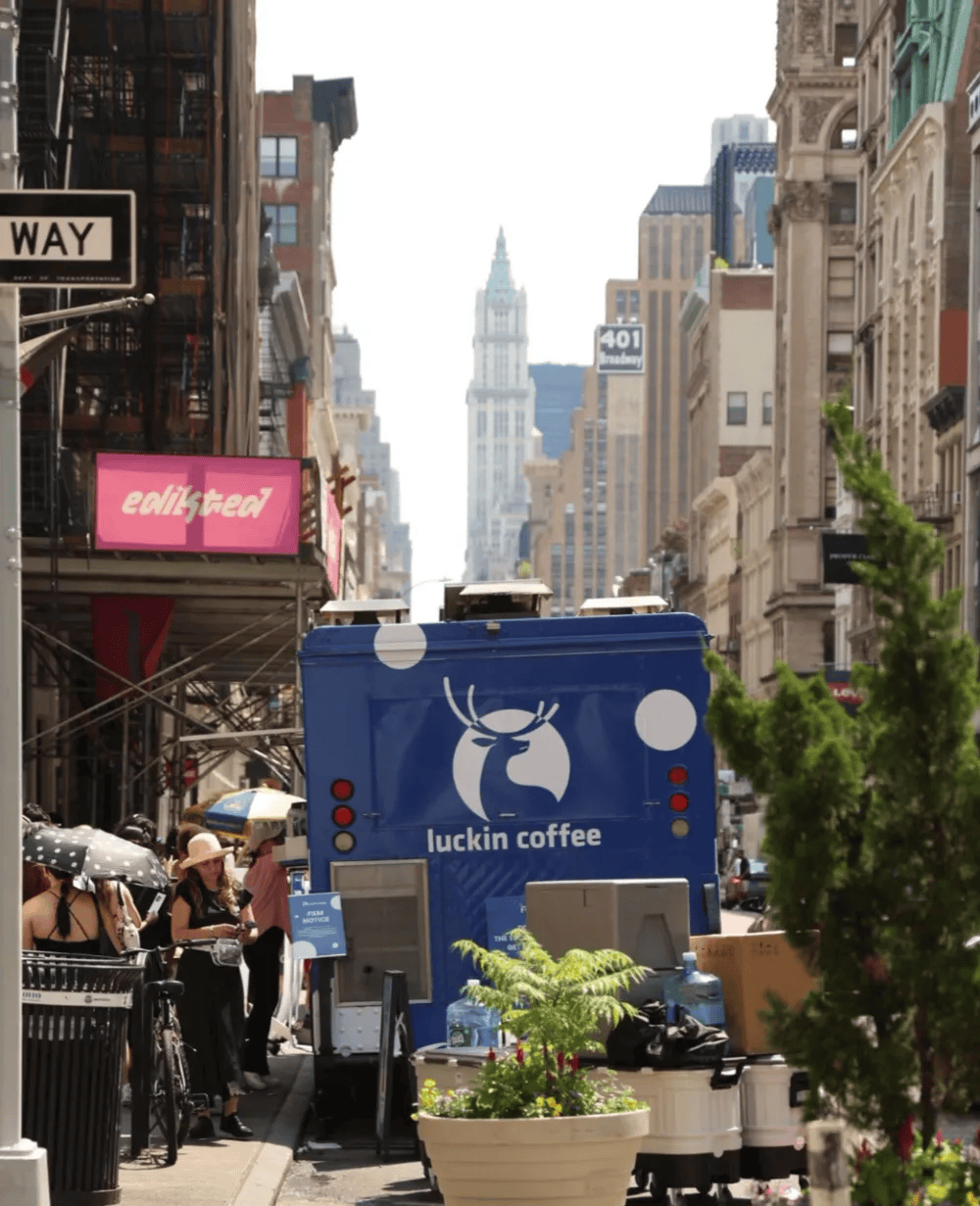
9.9元的逆袭:全球咖啡进入“中国时代”
Sou Hu Cai Jing· 2025-09-17 05:47
Core Insights - The coffee industry, which thrived in the Middle East and grew in Europe, is now facing significant competition from China, leading to strategic shifts among international coffee chains [1][3][4] Group 1: Market Dynamics - International coffee giants like Starbucks are planning to sell significant stakes in their Chinese operations, with Starbucks reportedly looking to sell 70% of its stake in China [1] - Coca-Cola is preparing to package and sell its Costa brand, which was acquired for £3.9 billion (approximately ¥34.7 billion) seven years ago, now listed at £2 billion (approximately ¥19.4 billion) [1] - The competitive landscape in China has shifted dramatically, with local brands like Luckin Coffee and Kudi rapidly expanding and capturing market share through innovative business models [3][11] Group 2: Local Brand Expansion - Local brands have successfully redefined coffee consumption in China, moving from a high-end, elite perception to a more accessible daily beverage, with prices as low as ¥9.9 [13][16] - The average annual coffee consumption in China has increased from 6 cups in 2016 to 22 cups in 2024, particularly in lower-tier cities [13][16] - Luckin Coffee and Kudi are now looking to expand their successful models into Southeast Asia and beyond, with Luckin already entering Singapore and planning to open stores in the U.S. [16][18] Group 3: Challenges in International Markets - Despite their domestic success, Chinese coffee brands face challenges in international markets, where established brands like Starbucks still dominate [20][21] - The operational costs and consumer preferences in developed markets differ significantly from China, making it difficult for Chinese brands to replicate their low-cost models abroad [22][24] - Chinese brands are adapting their strategies to local tastes and preferences, such as adjusting sweetness levels for Southeast Asian consumers [24][26] Group 4: Future Outlook - The global coffee market still holds significant potential, with regions like Southeast Asia expected to grow at an annual rate of 8% over the next five years [16] - Chinese coffee brands are leveraging their digital capabilities and cost efficiencies to challenge established players, but they will need time to build brand recognition and consumer loyalty in new markets [28]

美国咖啡价格为何暴涨20.9%?干旱、关税与供应短缺成主因
智通财经网· 2025-09-17 01:20
Group 1 - The global coffee futures prices are expected to rise significantly in 2025, with both Arabica and Robusta coffee likely to reach multi-year highs, impacting the U.S. market and leading to a surge in retail coffee prices [1] - In August, U.S. coffee prices increased by 20.9% year-on-year, with notable price hikes in roasted and instant coffee categories, driven by factors such as drought in Brazil, poor coffee growth in Vietnam, strong market demand, and currency fluctuations [1][2] - The uncertainty surrounding Brazil's 2025-26 harvest due to weather conditions is expected to have a profound impact on coffee commodity trading, compounded by new tariffs imposed by the U.S. on Brazilian coffee, which have significantly increased import costs [1] Group 2 - The company SJM has indicated that to mitigate the rising costs of green coffee, it has adjusted its procurement strategy, optimized its supply chain, and implemented responsible pricing measures, resulting in price increases for consumers in May and August [1][2] - KPMG's chief economist warns that as the full impact of the 50% tariff on Brazilian coffee becomes evident at retail levels, coffee prices may easily surpass historical highs [2] - Companies such as Starbucks, Dutch Bros, and First Watch Restaurant may face downward pressure on adjusted EBITDA due to the ongoing pricing pressures from coffee costs, with other affected companies including Dunkin' Brands, McDonald's, and Nestlé [2]

