WB(WB)

Search documents
微博(09898) - 2025 Q3 - 季度业绩
2025-11-18 09:00
香港交易及結算所有限公司及香港聯合交易所有限公司對本公告的內容概不負責,對其準確性 或完整性亦不發表任何聲明,並明確表示概不會就本公告全部或任何部分內容而產生或因倚賴 該等內容而引致的任何損失承擔任何責任。 Weibo Corporation 微博股份有限公司 (於開曼群島註冊成立以不同投票權控制的有限責任公司) (股份代號:9898) 2025年第三季度財務業績公告 我們僅此發佈我們截至2025年9月30日止第三季度的未經審計財務業績(「2025年 第三季度財務業績」)。 2025年第三季度財務業績可於香港聯合交易所有限公司網站www.hkexnews.hk及 本公司網站http://ir.weibo.com查閱。 承董事會命 微博股份有限公司 董事會主席 曹國偉先生 香港,2025年11月18日 於本公告日期,本公司董事會包括董事曹國偉先生、王高飛先生、杜紅女士及劉博先生以及獨立 董事盧伯卿先生、陳丕宏先生及汪延先生。 1 微博公佈2025年第三季度未經審計財務業績 中國北京,2025年11月18日-中國領先的社交媒體微博股份有限公司(「微博」或 「本公司」)(納斯達克代碼:WB及港交所代號:9898), ...
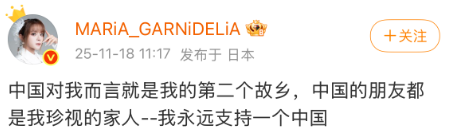
日本歌手美依礼芽在微博发文:我永远支持一个中国
Huan Qiu Wang· 2025-11-18 07:57
Core Viewpoint - Japanese singer MARiA expresses her strong support for China, referring to it as her second hometown and valuing her friendships in the country [1] Group 1: Artist Background - MARiA, whose real name is Mizuhashi Mai, was born on January 31, 1992, in Tsuchiura, Ibaraki Prefecture, Japan [1] - She gained popularity by uploading dance works on the Japanese video site NICONICO and was the lead vocalist of the music duo GARNiDELiA, known for the song "Gurenge" [1] Group 2: Upcoming Events - MARiA is scheduled to hold a concert titled "Mei: Dawn Wings" on November 22 at the National Tennis Center in Beijing [1] - Prior to the concert, she posted on Weibo on November 15, expressing her excitement about coming to Beijing and sharing a photo with the Chinese flag [1]

啊?微博7800美元训的大模型,数学能力超了DeepSeek-R1
量子位· 2025-11-18 05:02
Core Insights - Weibo has launched its first self-developed open-source large model, VibeThinker, which has only 1.5 billion parameters but outperformed the much larger DeepSeek R1 model with 671 billion parameters in benchmark tests [1][7] - The cost of a single post-training session for VibeThinker is only $7,800, significantly lower than competitors like DeepSeek and MiniMax, which have costs in the hundreds of thousands [2][10] - This breakthrough may shift the AI industry focus from a "scale competition" to an "efficiency revolution" [3][9] Industry Disruption - The AI industry has traditionally viewed parameter count as the primary measure of model capability, with a belief that complex reasoning requires over 100 billion parameters [5][6] - VibeThinker challenges this notion by demonstrating that a smaller model can achieve superior performance through optimized model structure and training methods, specifically the "Spectrum to Signal Principle" (SSP) [7][8] - The model's performance in high-difficulty mathematical tests has garnered significant attention, with endorsements from platforms like HuggingFace [7] Cost Revolution - VibeThinker's training cost is a fraction of what is typical in the industry, with the total cost being approximately $7,800 for the entire post-training process [10][13] - This cost efficiency allows for broader access to advanced AI capabilities, enabling smaller companies and research institutions to participate in AI innovation [13] Application and Ecosystem Development - Weibo is actively integrating AI technology across various business scenarios, enhancing user experience and content production efficiency [15][20] - The company plans to leverage its unique data assets to create a model that better understands public sentiment and social needs [17][18] - VibeThinker is expected to drive multiple AI applications within Weibo, enhancing user experience and potentially creating a new "social super-ecosystem" [19][20]

雷军连发微博辟谣,小米汽车营销方式或将变革?
Sou Hu Cai Jing· 2025-11-18 04:20
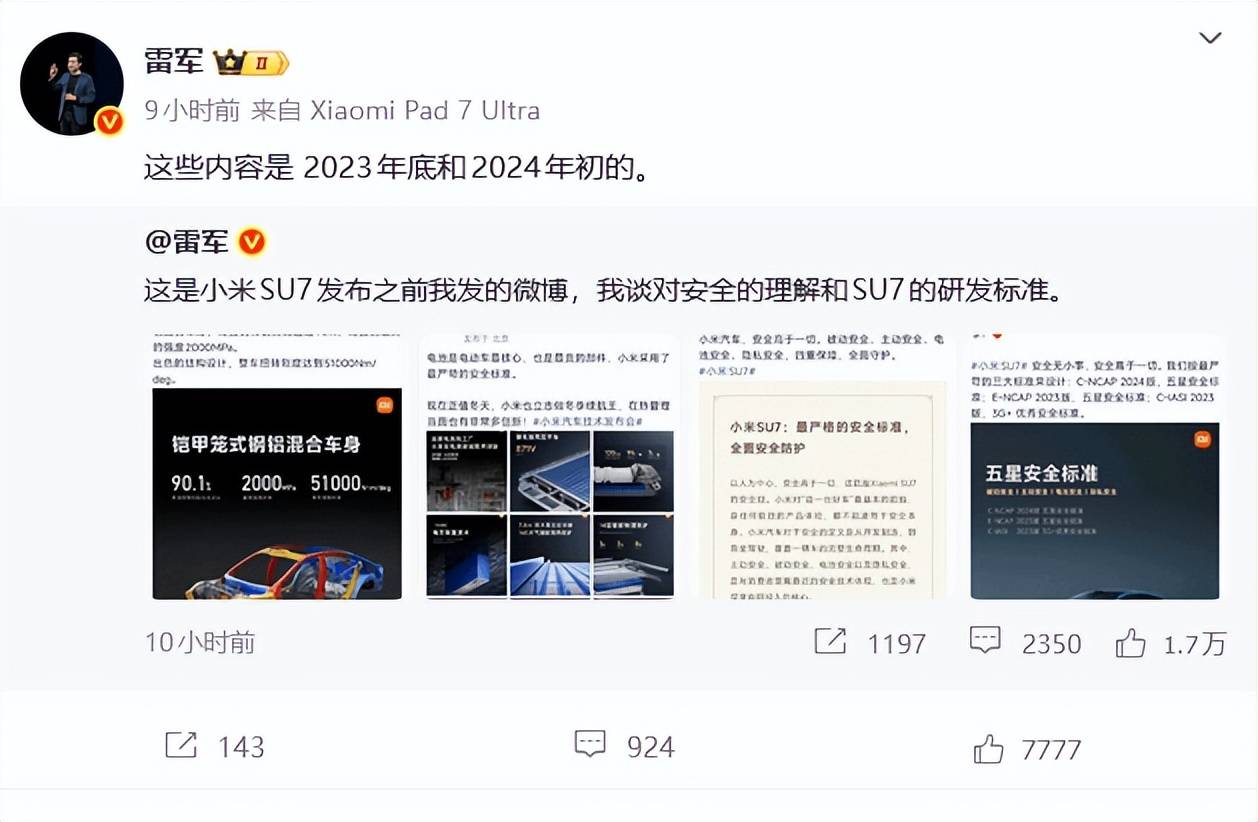
Core Viewpoint - Lei Jun, the founder of Xiaomi, has taken to social media to clarify misinterpretations of his statements regarding Xiaomi's automotive strategy, emphasizing that safety is a fundamental priority for Xiaomi cars [1][5][10] Group 1: Public Relations and Media Response - Xiaomi's automotive division has faced significant public scrutiny throughout the year, including controversies surrounding the Xiaomi SU7's design and performance [6][10] - Lei Jun's recent statements indicate a shift from a previously passive approach to a more confrontational stance against negative media narratives [5][10] - The ongoing negative publicity has led to claims that the order pool for the Xiaomi SU7 is dwindling, with reports suggesting only about 20,000 orders remain [8][10] Group 2: Sales Performance and Market Impact - Despite recent sales declines attributed to negative media coverage, Xiaomi's overall sales for October exceeded 40,000 units [10] - The stock price of Xiaomi has been on a downward trend, dropping 22% since early September, with a closing price of HKD 42.36 on November 14 [12] - The potential departure of Xiaomi's public relations head, Wang Hua, could signal a strategic shift in the company's marketing and public relations approach [12] Group 3: Marketing Strategy and Brand Image - Xiaomi's marketing relies heavily on Lei Jun's personal brand and the loyalty of its fanbase, which can amplify both positive and negative perceptions [14][16] - The company faces challenges in managing its public image amidst aggressive competition and negative campaigns from rival entities [18] - Lei Jun has called for resistance against online smear campaigns, indicating a need for a more robust and systematic public relations strategy [18]
平台内容治理的破局之道
经济观察报· 2025-11-17 13:47
Core Viewpoint - The resolution of content governance lies not only in responsibility allocation and technical optimization but also in shaping a healthy public opinion ecosystem. Platforms should actively guide the production and dissemination of quality content rather than merely acting as "post-deletion machines" [3][26]. Group 1: Current Governance Challenges - The central internet authority has been conducting "Clear and Bright" actions targeting misinformation from self-media, malicious marketing in short videos, and the misuse of AI technology [4]. - The responsibility boundaries of platforms have become increasingly prominent, with issues such as low violation costs for individual users and the disparity between societal expectations and governance capabilities complicating content review efforts [5][7]. - The responsibility for content review is difficult to ascertain, as platforms face significant challenges in managing vast amounts of user-generated content, which lacks the clear contractual obligations seen in e-commerce [8][9][10]. Group 2: Real-World Dilemmas - The sheer volume of content generated daily makes it nearly impossible for platforms to pre-screen all potentially harmful information, leading to a management gap [13]. - The low cost of individual violations encourages risky behavior among users, as the consequences for them are minimal compared to the significant penalties faced by merchants in e-commerce [14][15]. - There is a mismatch between the high expectations placed on platforms by society and their actual capabilities, leading to a "high responsibility, weak means" paradox [16][18]. Group 3: Path to Resolution - A shift from "single-point accountability" to "layered responsibility" is necessary, distributing accountability among individuals, platforms, and society [22]. - Increasing the cost of individual violations and enhancing traceability through improved user identification and behavior monitoring can help mitigate risks [23]. - Platforms should adopt a proactive approach to governance, focusing on "prevention" rather than "post-incident response" to reduce the spread of harmful content [25]. - The ultimate goal of governance should be to cultivate a healthy public opinion ecosystem, where quality content is promoted and becomes mainstream, rather than merely eliminating violations [26].

微博自研VibeThinker开源模型:15亿参数超越千亿级对手,训练成本仅7800美元
Xin Lang Ke Ji· 2025-11-17 11:40
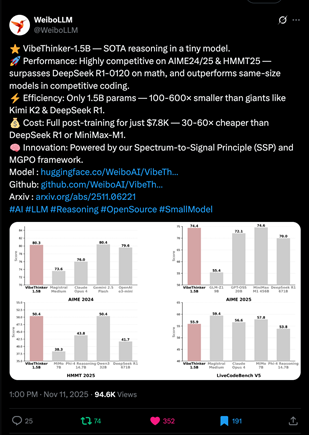
Core Insights - Weibo AI has introduced its self-developed open-source large model, VibeThinker, which has only 1.5 billion parameters but outperformed models with hundreds of times more parameters in benchmark tests [1][2][3] - The training cost for VibeThinker is only $7,800, significantly lower than competitors, indicating a shift from a "scale competition" to an "efficiency revolution" in the AI industry [1][5][6] Model Performance - VibeThinker achieved impressive results in high-difficulty mathematical tests, surpassing models like DeepSeek-R1 with 671 billion parameters and MiniMax-M1 with 456 billion parameters [2][3] - The model's performance in LiveCodeBench v6 matched or exceeded that of larger models, demonstrating the potential of smaller models in complex reasoning tasks [3] Cost Efficiency - The total training cost for VibeThinker was approximately $7,800, which is 30 to 60 times more cost-effective than other models that require hundreds of thousands of dollars for similar performance [6][7] - This cost advantage allows smaller companies and research institutions to participate in AI innovation, promoting a more inclusive AI research environment [7][8] Application and Ecosystem - Weibo is actively integrating AI technology across various business scenarios, launching features like Weibo Smart Search and AI Interaction Accounts to enhance user experience [8][9] - The development of VibeThinker marks a new phase in Weibo's AI strategy, focusing on leveraging unique data assets to create a model that better understands public sentiment and social needs [9][10] Future Prospects - VibeThinker is expected to drive the growth of Weibo's AI applications, enhancing user experience and potentially creating a new "social super-ecosystem" that combines social attributes with intelligent services [10][11] - The technological advancements of VibeThinker are anticipated to significantly reduce the operational costs of AI applications on the Weibo platform, allowing for scalable AI capabilities without excessive resource burdens [11]
微博清理涉攻击运动员、引战互撕等内容 超3000个账号被禁言
Xin Jing Bao· 2025-11-17 11:05
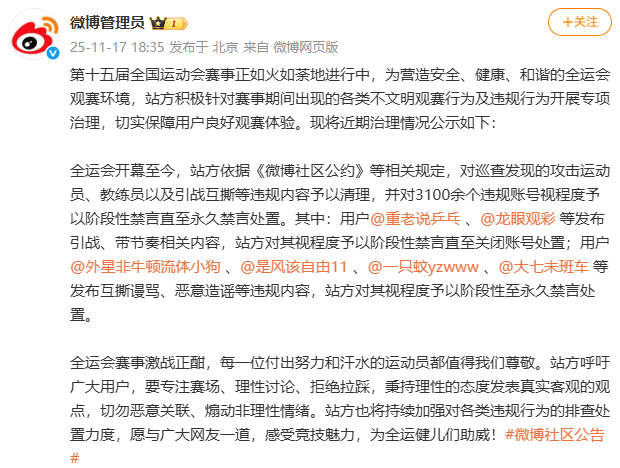
Core Viewpoint - The article highlights the efforts made by the platform to ensure a safe, healthy, and harmonious viewing environment during the 15th National Games, focusing on the management of uncivil behaviors and violations among users [1] Summary by Relevant Sections - **User Management and Violations** The platform has identified and taken action against over 3,100 accounts for violations such as attacking athletes and engaging in inflammatory discussions, implementing measures ranging from temporary to permanent bans [1] - **Specific Cases of Violations** Notable accounts such as @重老说乒乓 and @龙眼观彩 were subjected to bans for posting inflammatory content, while accounts like @外星非牛顿流体小狗 and @是风该自由11 faced similar actions for engaging in abusive and malicious rumors [1] - **Call for Rational Discussion** The platform urges users to focus on the competition, engage in rational discussions, and avoid inciting irrational emotions, emphasizing the respect deserved by all athletes participating in the games [1]
雷军连发三条微博辟谣!小米营销战略要转型?
Sou Hu Cai Jing· 2025-11-17 09:41
Core Viewpoint - Lei Jun, the founder of Xiaomi, has publicly addressed the controversy surrounding the statement "Xiaomi cars prioritize aesthetics over safety," emphasizing that safety is the foundation and premise of their vehicles [3][5]. Group 1: Incident Background - The controversy originated from a misinterpretation of Lei Jun's comments during a 2024 interview, where only part of his statement was shared, leading to public skepticism about the safety of Xiaomi cars [3][5]. - Lei Jun's response highlighted the issue of misrepresentation, stating that many people have distorted his words, which has contributed to the negative perception of Xiaomi's automotive safety [5]. Group 2: Marketing Challenges - This is not the first time Xiaomi has faced such backlash; Lei Jun previously mentioned that Xiaomi has become one of the most criticized car manufacturers online since the launch of their vehicles [6]. - Xiaomi's marketing strategy, often referred to as "Mi-style marketing," has sparked both interest and controversy, particularly due to the phenomenon of "small print literature," where important details are downplayed in promotional materials [6][8]. Group 3: Shift in Marketing Strategy - In light of the current public relations challenges, Xiaomi appears to be seeking a transformation in its marketing strategy, moving towards a greater focus on technology research and development as the automotive business matures [10]. - The company is attempting to find a new balance between marketing and product quality, recognizing that past marketing tactics may no longer be effective as the brand grows [10].

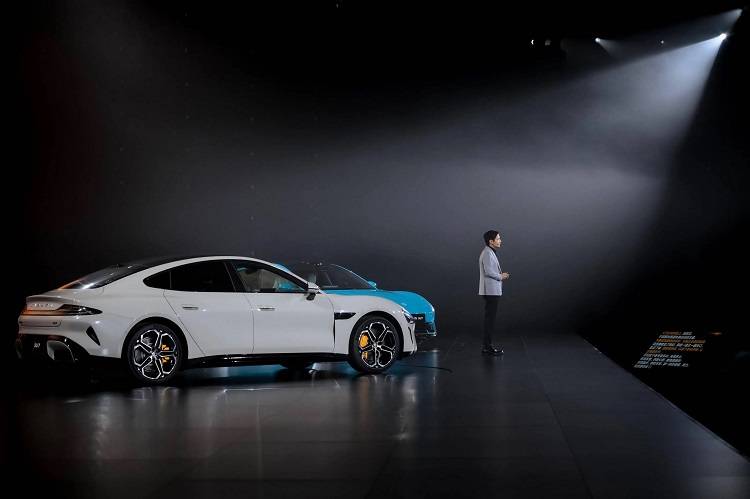
本周小米、快手、百度等将披露业绩,机构:关注港股财报季,看好港股科技估值持续提升
Mei Ri Jing Ji Xin Wen· 2025-11-17 02:57
Group 1 - The Hong Kong stock market experienced a slight decline, with the Hang Seng Tech Index dropping over 0.5% on November 17, 2023 [1] - Major ETFs, particularly the Hang Seng Tech Index ETF (513180), followed the index's downward trend, with leading stocks like Trip.com, Lenovo, Baidu, and BYD Electronics underperforming, while Hua Hong Semiconductor, SMIC, and Alibaba showed gains [1] - A number of technology companies, including Baidu, Xiaomi, Kuaishou, Netease, and Xpeng Motors, are set to release their latest financial results this week, with key earnings announcements scheduled for November 17 and 18 [1] Group 2 - According to Minsheng Securities, the recent earnings reports from leading internet companies like Tencent and Bilibili exceeded market expectations, and there is a recommendation to focus on the upcoming financial results from Xiaomi, Trip.com, Kuaishou, and Netease [1] - The report highlights a positive outlook on the revaluation of AI in China, suggesting attention to platform-based internet companies with synergistic advantages in computing resources, model capabilities, and application scenarios, such as Tencent, Kuaishou, Alibaba, Xiaomi, Baidu, and Meituan [1] - As of November 14, the Hang Seng Tech Index ETF (513180) had a latest valuation (PETTM) of 22.47 times, which is lower than other major global tech indices, indicating that the index remains in a historically undervalued range [2]



早报|曝iPhone换代周期大改:或一年发布 6 款新机/雷军连发多条微博回应质疑/Android 微信更新聊天备份至 U 盘
Sou Hu Cai Jing· 2025-11-17 01:50
Group 1: Apple iPhone Release Cycle Changes - Apple is set to change its iPhone release cycle, potentially launching 5-6 new models each year starting in 2026 [5][6] - The new cycle includes the release of iPhone 18 Pro/Pro Max and a new foldable product in 2026, followed by iPhone 18/18e and a special edition in 2027 [5][6] - The decision aims to alleviate pressure on marketing and engineering teams and improve revenue distribution throughout the year [6] Group 2: Apple CEO Succession Plan - Apple is accelerating its CEO succession plan, with Tim Cook expected to step down in early 2026 [9][10] - The board is discussing a smooth transition without affecting product release schedules, with John Ternus seen as a potential successor [10] - The succession plan is based on long-term strategy rather than current performance, with changes expected to be announced after the January 2026 earnings report [10] Group 3: Huawei AI Breakthrough - Huawei plans to unveil a breakthrough technology in AI on November 21, aimed at improving the efficiency of computing resource utilization from an industry average of 30-40% to 70% [8] Group 4: Xiaomi's Automotive Safety Focus - Xiaomi's CEO Lei Jun emphasized the importance of safety in the design of the new SU7 vehicle, stating that safety is a fundamental principle [17][18] - The SU7 features a steel-aluminum hybrid body with over 90% high-strength steel and aluminum, and advanced battery safety measures [18] Group 5: Zero Run Automotive Sales Achievement - Zero Run has achieved its sales target for 2025, reaching 500,000 vehicles 45 days ahead of schedule [21][23] - The company aims to double its sales target to 1 million vehicles in the following year [23] Group 6: WeChat Update for Android - WeChat has updated its chat backup feature, allowing users to save data directly to external storage devices like USB drives [29][30] - The update supports manual backup path selection and automatic backups every 24 hours [31] Group 7: Meta's AI Performance Evaluation - Meta will introduce "AI-driven impact" as a core metric in employee performance evaluations starting in 2026 [33][34] - This shift aims to foster an "AI-native culture" within the company, rewarding significant AI contributions [34] Group 8: 6G Development in Beijing - Beijing has announced significant advancements in 6G technology, including prototypes and systems aimed at enhancing communication capabilities [12][13] - The developments include a 256TR U6G base station prototype achieving a peak user downlink of 20Gbps [12]