中国飞鹤

Search documents
立高食品(300973) - 2026年1月7日投资者关系活动记录表
2026-01-07 10:00
Group 1: Company Operations - The current capacity utilization rate is high, with the company entering a peak stocking period since November 2025, and plans to complete expansion construction based on anticipated order growth, but not more than one year in advance [2] - New products, including tart and bread varieties, have been launched in core supermarket clients ahead of the Spring Festival, with more new products planned for the year [2] - The new national standard cream will be priced higher than the previous cream products due to improvements in quality and formulation, targeting higher-end market segments [3] Group 2: Product Development and Market Response - Blind tests conducted on the new national standard cream showed that most customers could not distinguish it from a European imported product, indicating strong market acceptance and confidence in the product's quality [4] - The sales team will not differentiate between the 360PRO and the new national standard cream, as both products are used in similar applications like cakes and beverages [4] Group 3: Strategic Partnerships and Market Expansion - The joint venture with Feihe aims to develop domestically sourced, deep-processed raw materials, complementing the company's needs for key ingredients like milk fat [5] - The company sees potential in expanding baked goods in buffet settings, enhancing consumer experience while reducing costs for operators [6] Group 4: Financial Performance and Cost Management - Sales and management expense ratios have significantly decreased in the first three quarters of 2025, with expectations for continued cost reduction through scale effects and improved logistics efficiency [7] - The company has reduced the number of external warehouses from over thirty to around ten, improving inventory turnover efficiency [7] Group 5: Industry Trends - Overall baking consumption is still on the rise, with a persistent trend towards domestic substitution of key baking ingredients [9]

2026-2032年中国婴幼儿奶粉市场全景调查与投资潜力分析报告
Sou Hu Cai Jing· 2026-01-07 06:10
Group 1 - The article discusses the importance of infant complementary foods, which include various types of food beyond breast milk, such as juices, purees, and solid foods, emphasizing the need for balanced nutrition during the critical growth period of infants [2] - The report titled "2026-2032 China Infant Formula Market Panorama Survey and Investment Potential Analysis" consists of eleven chapters, covering the market development environment, operational status, competitive landscape, key enterprise analysis, and future trends in the infant food industry [2] - The report serves as a crucial tool for understanding the infant food industry and for potential investors looking to enter this market [2] Group 2 - The research data is primarily sourced from national statistics, customs data, survey data, and various market monitoring databases, ensuring a comprehensive analysis of the infant formula industry [3] - The report includes an overview of the infant formula industry, its development environment, and the current operational status, along with a competitive analysis of the market [3][4] - The analysis covers the macroeconomic environment in China, including population birth rates and the implications for the infant formula market from 2021 to 2025 [4] Group 3 - The report highlights the competitive landscape of the infant formula market, noting the increasing competition from foreign brands and the strategies domestic brands must adopt to maintain market share [5][6] - It discusses the significance of product quality and brand value as key factors for success in the high-end infant formula market, which is expected to see significant growth [10][11] - The report predicts that the infant formula market will experience a shift towards high-quality, natural products, with an emphasis on organic options [11]





雀巢中国婴配粉业务新架构:以谢国耀为中心
2 1 Shi Ji Jing Ji Bao Dao· 2026-01-07 02:54
Core Insights - Nestlé China has announced the merger of its Wyeth Nutrition and Nestlé Infant Nutrition businesses, effective January 1, 2026, to form a new Nestlé Nutrition business unit [1][2] - The restructuring aims to combine the strong brand influence of Wyeth's Enfa and S-26 with Nestlé's advantages in industry and channels for sustainable growth in a competitive market [2] Company Structure - The new leadership structure for the integrated infant nutrition business will be divided into three main functional areas: market development, sales and operations, and enabling functions [1] - Market development will have two independent teams responsible for the Enfa and Gerber brands from Nestlé and the Enfa and S-26 brands from Wyeth, led by Xu Zhen and Wang Ying respectively [1] Market Conditions - The infant formula market is facing challenges, with a growth rate of only 0.6% in Q2 2025, and a decline in marriage registrations in China by over 20% in 2024, indicating a decrease in newborns [3] - Market differentiation is intensifying, with leading companies like Yili, New Dihua, and FrieslandCampina expanding, while brands like Feihe are experiencing market share declines [4] Strategic Implications - The merger is expected to reduce internal redundancies and create synergies, which is crucial in a highly competitive market [5] - The infant nutrition business is seen as a cornerstone for Nestlé's performance in Greater China, especially as the region's organic growth rate was reported at -10.4% in Q3, continuing a downward trend from Q2 [5]

智通港股沽空统计|1月7日
智通财经网· 2026-01-07 00:25
Group 1 - The core point of the news highlights the short-selling ratios and amounts for several companies, indicating significant market sentiment against these stocks [1][2]. - Li Ning-R (82331) has the highest short-selling ratio at 97.53%, followed by Lenovo Group-R (80992) at 89.50% and Alibaba-WR (89988) at 78.66% [1][2]. - The top three companies by short-selling amount are Alibaba-W (09988) with 3.676 billion, China Ping An (02318) with 2.440 billion, and Tencent Holdings (00700) with 2.293 billion [1][2]. Group 2 - The top ten short-selling ratios include Li Ning-R (82331) at 97.53%, Lenovo Group-R (80992) at 89.50%, and Alibaba-WR (89988) at 78.66% [2]. - The top ten short-selling amounts show Alibaba-W (09988) leading with 3.676 billion, followed by China Ping An (02318) at 2.440 billion and Tencent Holdings (00700) at 2.293 billion [2]. - The highest deviation values in short-selling are led by Alibaba-WR (89988) at 38.29%, Li Ning-R (82331) at 30.88%, and Tencent Holdings-R (80700) at 29.97% [1][2].


中国飞鹤(06186) - 截至2025年12月31日止月份之股份发行人的证券变动月报表
2026-01-06 08:33
股份發行人及根據《上市規則》第十九B章上市的香港預託證券發行人的證券變動月報表 截至月份: 2025年12月31日 狀態: 新提交 致:香港交易及結算所有限公司 公司名稱: 中國飛鶴有限公司 呈交日期: 2026年1月6日 I. 法定/註冊股本變動 | 1. 股份分類 | 普通股 | 股份類別 | 不適用 | | 於香港聯交所上市 (註1) | | 是 | | | --- | --- | --- | --- | --- | --- | --- | --- | --- | | 證券代號 (如上市) | 06186 | 說明 | | | | | | | | | | 法定/註冊股份數目 | | | 面值 | | 法定/註冊股本 | | | 上月底結存 | | | 2,000,000,000,000 | USD | 0.000000025 | USD | | 50,000 | | 增加 / 減少 (-) | | | | | | USD | | | | 本月底結存 | | | 2,000,000,000,000 | USD | 0.000000025 | USD | | 50,000 | 本月底法定/註冊股本總額: U ...
齐齐哈尔的“烤肉江湖”,藏着东北最独特的浪漫
3 6 Ke· 2026-01-06 02:41
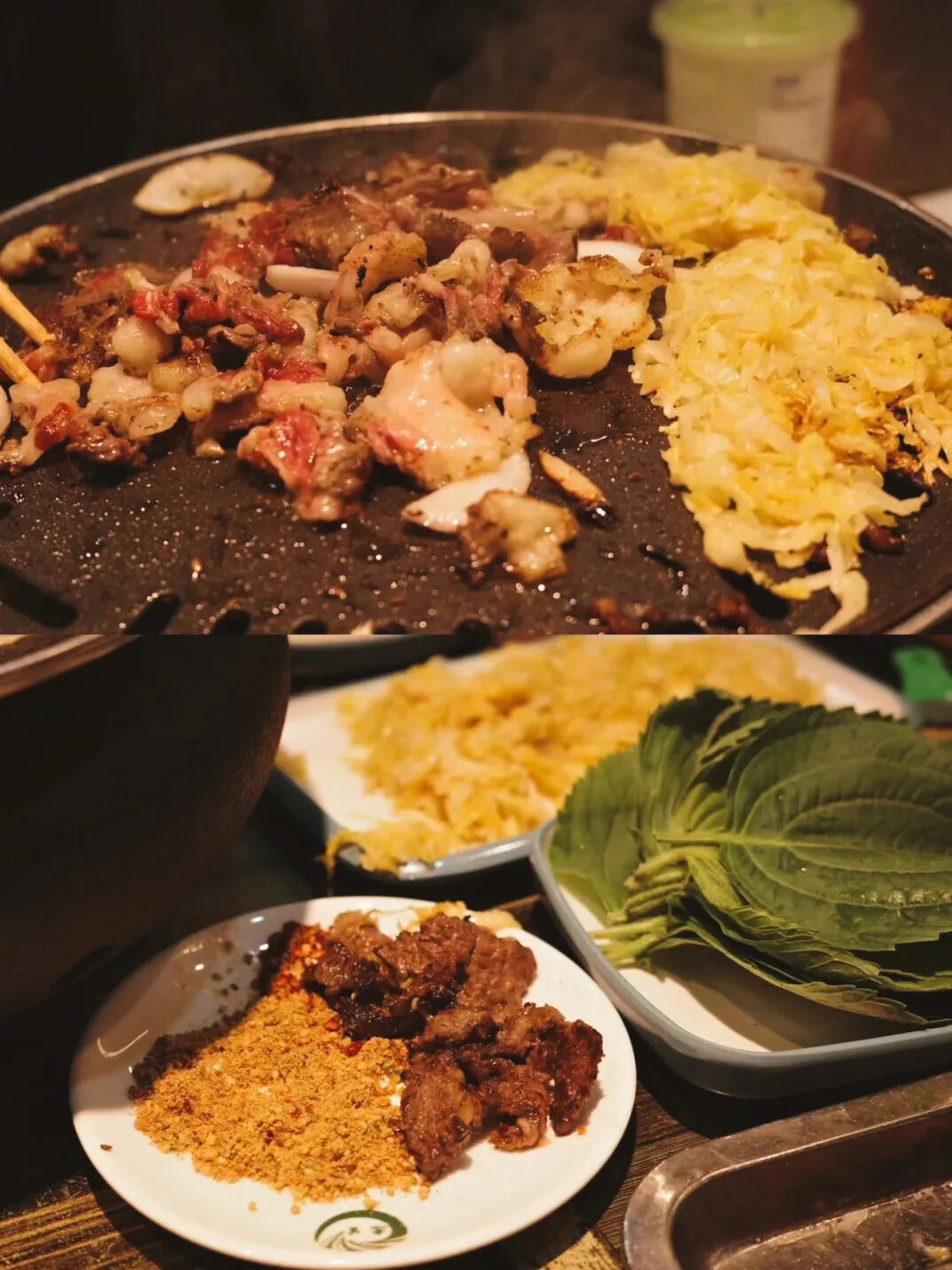
Core Viewpoint - Qiqihar is not just known for its barbecue but also for its rich cultural and natural beauty, making it a multifaceted travel destination that offers a unique experience beyond culinary delights [2][38]. Group 1: Culinary Experience - Qiqihar barbecue is renowned for its freshness, with local beef sourced from free-range cattle, providing a unique flavor profile that cannot be replicated elsewhere [6][4]. - The preparation of Qiqihar barbecue involves a ritualistic "mixing" process, using simple ingredients like soybean oil and onion, emphasizing the importance of freshness and technique [7][8]. - The local dining culture is characterized by communal eating, where people gather around to enjoy barbecue, reflecting the social nature of the cuisine [10][31]. Group 2: Natural and Cultural Attractions - Qiqihar is home to the Zhalong Wetland, which is the largest reed wetland in Asia and a crucial habitat for the endangered red-crowned crane, showcasing the region's ecological significance [13][19]. - The city features picturesque landscapes throughout the seasons, with golden rice fields in autumn and vibrant wetlands in summer, making it a year-round destination for nature lovers [12][20]. - The historical architecture along Russia Street, with its well-preserved Russian-style buildings, adds a unique cultural dimension to the city, attracting visitors interested in history and architecture [25][28]. Group 3: Local Lifestyle and Markets - The early morning markets in Qiqihar, such as the Bukui Street and Longsha markets, are vibrant hubs of local life, offering fresh produce and traditional snacks, reflecting the city's lively atmosphere [28][29]. - The interactions in these markets highlight the warmth and hospitality of the local people, showcasing the community spirit and cultural nuances of Qiqihar residents [31][33]. - The city's character is shaped by a blend of robust and tender qualities, evident in both its culinary practices and the way locals engage with nature and each other [33].
飞鹤董事长冷友斌:从黑土地长出“母亲的事业”
Xin Lang Cai Jing· 2026-01-05 05:23
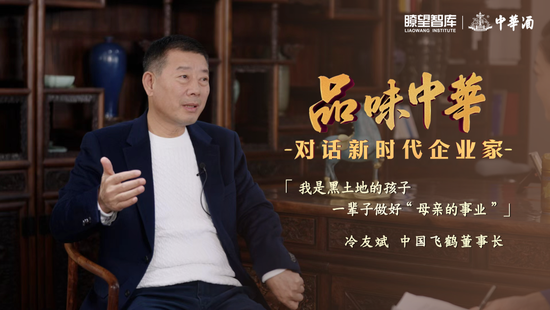
Core Viewpoint - The story of Feihe and its chairman, Leng Youbin, illustrates the transformation of China's dairy industry from a low point to a leading position globally, emphasizing the importance of strategic focus on infant formula and quality assurance [1][25]. Group 1: Company Background and Development - Feihe was founded in 1962 as Zhao Guang Dairy Factory and has evolved significantly over the years, particularly under the leadership of Leng Youbin, who took over in 2001 with over 10 million yuan in debt [29]. - The company initially struggled as a small local factory but has grown to become a benchmark for domestic infant formula, focusing on high-quality production and strategic investments [1][25]. Group 2: Strategic Decisions and Innovations - In 2006, Feihe invested 450 million yuan to build two large-scale farms, marking a shift towards a full supply chain model, which was contrary to the prevailing reliance on smallholder dairy farming [12][33]. - The company faced significant challenges during the 2008 melamine scandal but managed to increase its market share as consumers sought trustworthy brands, highlighting the importance of quality assurance in the dairy sector [14][35]. Group 3: Market Position and Future Outlook - Feihe has positioned itself as a leader in the infant formula market by focusing on the unique nutritional needs of Chinese babies, establishing a breast milk database, and developing formulas tailored to local dietary habits [15][36]. - The company aims to lead in deep processing of dairy products, recognizing the potential for growth in functional and diverse dairy offerings, which remain underdeveloped in the Chinese market [16][37]. Group 4: Global Expansion and Responsibility - Feihe's international strategy includes establishing a factory in Kingston, Canada, to enhance its global presence, emphasizing the importance of technology and standards in its expansion efforts [17][40]. - The company is committed to addressing nutritional deficiencies in Southeast Asia, reflecting a broader corporate responsibility to contribute positively to global health outcomes [20][40].
君乐宝百亿豪赌,陷发展与上市困局
Xin Lang Cai Jing· 2026-01-04 09:15
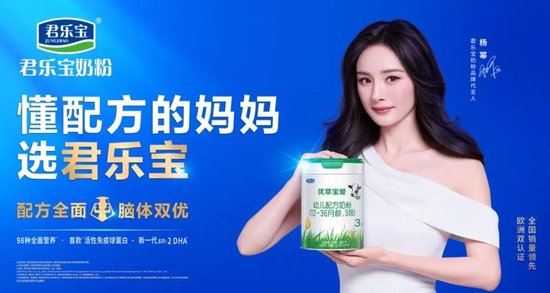
Core Viewpoint - The aggressive expansion and acquisition strategy of Junlebao has led to high debt levels and raised questions about its ability to go public amid tightening regulations in the dairy industry. The company has missed its target to complete an IPO by 2025, despite being a major player with over 20 billion yuan in annual revenue [2][38]. Group 1: Financial Performance and Challenges - Junlebao's revenue heavily relies on its low-margin infant formula business, which contributed 150 billion yuan, or 74% of total revenue, in 2021 [3][39]. - The company's net profit margins for the infant formula segment were significantly lower than competitors, with 2.2% and 2.9% in 2017 and 2018, respectively, compared to 8.82% and 8.11% for Yili and 19.68% and 21.55% for Feihe [3][39]. - Junlebao's total assets were approximately 210.89 billion yuan, with a net asset of about 47.17 billion yuan and a debt ratio of 78% as of December 31, 2022, which is significantly higher than the industry average of 45.06% [71]. Group 2: Expansion Strategy - Since 2021, Junlebao has invested around 50 billion yuan in acquisitions to expand its regional presence, product categories, and supply chain [6][42]. - The company has made nearly 10 investments by the end of 2023, focusing on diversifying its product offerings and enhancing its market reach [6][42]. - Junlebao aims to establish a new growth matrix centered around low-temperature fresh milk and yogurt, supplemented by cheese and ready-to-drink products [47]. Group 3: Market Competition - The low-temperature fresh milk market has become a key battleground in the dairy industry, with major players like Mengniu and Yili aggressively expanding their presence [61]. - Junlebao's "Yue Xian Huo" brand has achieved a market share of 29.6% in the low-temperature yogurt segment, but it faces competition from Mengniu's "Daily Fresh" and Yili's "Jindian" brands [40][61]. - The competitive landscape includes both national giants and regional players, with local brands leveraging their established trust and supply chains [61][62]. Group 4: IPO Prospects - Junlebao's ambition to achieve a sales target of 50 billion yuan and become a leading global infant formula brand by 2025 appears increasingly unattainable [64][66]. - The company has initiated its A-share IPO plan, but the timeline for submission and approval may hinder its ability to meet the 2025 target [64][65]. - The low valuation and thin profit margins present significant challenges for Junlebao's IPO prospects, as evidenced by its stagnant valuation despite increasing revenues [69][70].
江南春:2026年创业的26个关键词
Zhong Guo Jing Ying Bao· 2026-01-04 04:44
Core Insights - The article emphasizes the importance of brand elevation strategies to combat market pressures such as price competition and declining sales, suggesting that companies should focus on enhancing quality, service, and emotional value rather than engaging in price wars [1][3][4]. Price Anxiety Resolution - Price anxiety cannot be resolved through lowering prices, as this leads to a cycle of competitive price reductions. Instead, companies should focus on elevating product quality and service to enhance perceived value [1][2][3]. Sales Pressure Solutions - Sales pressure cannot be alleviated through promotions alone, as consumers may switch to competitors offering better deals. Investing in brand development is crucial for creating a loyal customer base that chooses the brand for its inherent value [3][4][5]. Traffic Issues and External Solutions - Internal traffic issues arise from rising costs and competition for the same target audience. Companies should focus on expanding their reach and educating potential customers about their brand to overcome these challenges [4][5][6]. Importance of Brand Awareness - Effective marketing requires a broad reach to educate potential consumers about the brand's core values. Without significant brand awareness, achieving sales goals becomes increasingly difficult [5][6][7]. Media and Advertising Effectiveness - Reducing marketing expenditures significantly impacts brand activity and sales. Continuous advertising is essential for maintaining brand presence and consumer engagement [6][7][8]. Long-term Brand Strategy - Companies should focus on long-term brand building rather than short-term promotional tactics. A strong brand presence leads to sustainable sales growth and market share [11][12][13]. Consumer Engagement and Touchpoints - Effective media strategies should prioritize high engagement and frequent touchpoints to create lasting consumer memories and influence purchasing behavior [9][10][11]. Brand Value and Market Positioning - Brands must focus on creating a strong market presence and consumer recognition to achieve long-term profitability. This involves identifying core business strengths and eliminating non-essential offerings [14][15][16]. Scenario Creation for Demand - Brands should create scenarios that resonate with consumer needs and emotions to stimulate demand and drive sales growth [15][16][17]. Competitive Strategy - Companies should differentiate themselves from competitors by focusing on unique value propositions rather than merely improving product quality or reducing prices [25][26][27]. Brand Influence on B2B - A strong consumer brand can positively influence B2B relationships, enhancing dealer confidence and driving sales through increased visibility and market presence [27][28][29]. The Matthew Effect in Branding - Strong brands naturally attract more consumer attention and loyalty, leading to a self-reinforcing cycle of growth and market dominance [28].


经历2025年“结构性回暖”婴幼儿奶粉市场新一年增长点在哪
Sou Hu Cai Jing· 2026-01-01 23:12
Core Viewpoint - The Chinese milk powder market is experiencing a counter-cyclical recovery in 2025 despite ongoing pressure from declining newborn numbers, driven by strategic shifts in companies, policy support, and a focus on high-end products [4][9]. Group 1: Market Performance - The domestic milk powder market shows significant performance differentiation and overall recovery, with companies like Yili, Beingmate, and Ausnutria reporting revenue and profit growth in their infant formula segments [5]. - Yili's milk powder and dairy products revenue grew by 14.26% year-on-year, achieving a market share of 18.1%, making it the leading brand in China [5]. - Ausnutria reported a revenue of 3.887 billion yuan, a 5.6% increase year-on-year, with a net profit growth of 24.1% [5]. Group 2: Strategic Shifts - The recovery is attributed to strategic adjustments, product structure optimization, and deep channel cultivation rather than market expansion [7]. - Companies are focusing on high-end and differentiated products, with parents willing to pay a premium for clinically validated high-quality products [7]. - The acceptance of high-end milk powder in lower-tier cities is increasing, with sales growth in these areas surpassing that of first and second-tier cities [7]. Group 3: Policy Impact - Recent national policies, including a child-rearing subsidy of 3,600 yuan per eligible child and free preschool education, are expected to inject approximately 32.4 billion yuan into the milk powder market [8]. - These policies are designed to reduce family childcare costs and have led to a noticeable increase in stock prices for milk powder companies [8]. Group 4: Future Outlook - Experts suggest that while the industry shows signs of recovery, the low birth rate remains a concern, and companies must build diverse growth strategies for the long term [9]. - Short-term strategies should focus on policy adaptation and channel deepening, while product innovation should extend into specialized nutrition and all-age dietary needs [9]. - The industry is expected to see increased concentration, with leading companies gaining more advantages amid stricter regulations and rising costs [9].