第一三共

Search documents
Enhertu联合疗法获FDA优先审评,有望重塑HER2阳性乳腺癌一线治疗
Xinda Securities· 2025-09-29 05:04
Investment Rating - The report maintains an investment rating of "Positive" for the pharmaceutical and biotechnology sector [2]. Core Insights - The recent FDA priority review of Enhertu in combination with pertuzumab is expected to reshape first-line treatment for HER2-positive breast cancer, with a decision anticipated in Q1 2026 [16][31]. - The pharmaceutical sector has experienced a recent overall pullback, primarily due to a lack of significant business development and catalysts in the innovative drug space during August and September [14]. - The report suggests focusing on stocks with potential high growth or exceeding expectations for Q3 earnings as the third-quarter reports approach [14]. Summary by Sections 1. Industry Overview - The pharmaceutical and biotechnology sector's return was -2.20% last week, underperforming the CSI 300 by 3.27%, ranking 24th among 31 primary sub-indices [13]. - Over the past month, the sector's return was -4.73%, with a relative performance of -6.92% against the CSI 300, ranking 21st [13]. 2. Market Performance - The recent one-month performance of the pharmaceutical sector was -4.73%, with a relative performance of -6.92% against the CSI 300 [38]. - The sector's current PE (TTM) stands at 30.72, which is above the historical average of 29.33 [39]. 3. Focus Areas for Investment - The report highlights several focus areas for investment: 1. Demand recovery in the innovative drug supply chain, particularly in CXO and life sciences [15]. 2. High-end medical device import substitution and accelerated overseas expansion [15]. 3. AI in healthcare, emphasizing the performance of AI-driven pharmaceutical e-commerce and marketing [15]. 4. Innovative drugs with significant breakthroughs in product pipelines, recommending companies like Innovent Biologics and Hengrui Medicine [15]. 4. Enhertu's Clinical Data - Enhertu in combination with pertuzumab demonstrated a significant improvement in median progression-free survival (mPFS) from 26.9 months to 40.7 months, reducing the risk of disease progression or death by 44% [18][31]. - The safety profile of the Enhertu + pertuzumab combination aligns with known safety characteristics of both drugs, showing a lower rate of treatment discontinuation due to adverse events compared to the THP regimen [28][31].
美国关税政策又有变数!白宫最新发声!
Zheng Quan Shi Bao Wang· 2025-09-27 06:07
Group 1 - The U.S. White House announced that the new tariff measures on pharmaceuticals will not apply to countries that have trade agreements with the U.S. [2][4] - The new tariffs include a 100% tariff on imported brand-name or patented drugs starting October 1, 2025, unless companies establish pharmaceutical manufacturing in the U.S. [4] - Pharmaceutical stocks showed mixed performance in the U.S. market, with Novavax rising by 2.52% and Moderna falling by 0.49% on the day of the announcement [1][2] Group 2 - The U.S. will maintain a 15% tariff cap on pharmaceuticals from trade partners like the EU and Japan, as per existing agreements [2][4] - The U.K. will face a 100% tariff on pharmaceuticals due to ongoing negotiations regarding their trade agreement with the U.S. [2][3] - Canadian steel and related manufacturing industries have seen significant declines in output and exports due to U.S. tariffs, with a 24.8% drop in production since March [5][6]
关税突变!白宫最新发声!
天天基金网· 2025-09-27 02:44
Group 1 - The article discusses the recent changes in the U.S. tariff policy regarding pharmaceuticals, stating that the new tariffs will not apply to countries that have trade agreements with the U.S. [3][4] - On September 26, U.S. pharmaceutical stocks showed mixed performance, with Novavax rising by 2.52% and Pfizer increasing by 0.68%, while Moderna and UnitedHealth saw declines of 0.49% and 0.43%, respectively [3]. - The U.S. will impose a 100% tariff on imported brand-name or patented drugs starting October 1, unless companies establish manufacturing facilities in the U.S. [6]. Group 2 - The White House confirmed that the new tariffs on pharmaceuticals will adhere to existing agreements, maintaining a 15% tariff cap for the EU and Japan [4]. - British officials indicated that the UK is willing to negotiate higher prices for certain pharmaceuticals to protect exports to the U.S. [5]. - The Canadian steel industry has faced significant declines in production and exports due to U.S. tariffs, with a 24.8% drop in output since March and a 25.5% decrease in exports of non-alloy steel by July [7][8].


关税,突变!白宫最新发声!
券商中国· 2025-09-27 02:29
Group 1: Core Views - The recent U.S. tariff policy changes will not apply to countries that have trade agreements with the U.S., such as the EU and Japan, which will maintain a 15% tariff cap on pharmaceuticals [2][4] - President Trump announced a 100% tariff on all brand-name and patented drugs starting October 1, 2025, unless companies establish manufacturing in the U.S. [4][5] - The U.S. Chamber of Commerce has urged the government to reconsider new tariffs on heavy trucks, emphasizing that major import sources are allies and do not pose a security threat [6] Group 2: Market Reactions - Following the announcement of the new tariffs, pharmaceutical stocks showed mixed performance in the U.S. market, with Novavax rising by 2.52% and Moderna falling by 0.49% [1] - Japanese and South Korean pharmaceutical stocks mostly declined, with notable drops including Sumitomo Pharma down over 3% and Samsung Biologics down over 2% [1] Group 3: Impact on Other Industries - The Canadian steel industry has faced significant declines due to U.S. tariffs, with production down 24.8% and exports down 25.5% since March [7] - The U.S. Labor Statistics Bureau reported a 4.7% year-over-year increase in furniture prices due to tariff impacts [5]

关税巨浪下出口药企成本或翻倍,全球供应链或重塑
智通财经网· 2025-09-26 09:21
Core Viewpoint - The proposed 100% tariff on brand-name and patented drugs by President Trump could significantly increase costs for pharmaceutical companies without U.S. production capabilities, putting additional pressure on companies that have not yet initiated manufacturing in the U.S. [1] Group 1: Impact on Pharmaceutical Companies - Companies like Novartis (NVS.US) and Sanofi (SNY.US) have announced large-scale investments in the U.S., but the progress of these projects remains unclear [1] - Merck (MRK.US), Novo Nordisk (NVO.US), and Eli Lilly (LLY.US) have initiated U.S. manufacturing plans in states like Delaware, North Carolina, and Texas to support production of key drugs in oncology, diabetes, and immunology [1] - AbbVie (ABBV.US) plans to expand its production facilities in Illinois for cancer drug Imbruvica and immunology drug Skyrizi [1] Group 2: Economic Estimates and Trade Agreements - Economists estimate that the new tariffs could affect approximately $220 billion in U.S. drug imports, raising the average tariff rate by 3.3 percentage points [2] - There is uncertainty regarding whether countries with trade agreements with the U.S. can be exempt from these new tariffs, as seen in the EU's recent agreement which set drug tariffs at 15% [2] Group 3: Market Reactions and Stock Performance - Major pharmaceutical stocks in Tokyo, Seoul, and Hong Kong experienced declines following the tariff announcement, as investors assessed the risks to Japanese drugs [3] - Companies like Chugai Pharmaceutical Co. and Daiichi Sankyo Co. are particularly at risk due to their heavy reliance on the U.S. market [3] Group 4: Operational Impact on Asian Companies - The operational impact of the new tariffs on Asian pharmaceutical companies is expected to be limited, particularly for Japanese firms, as few sell brand-name drugs in the U.S. [3] - Shionogi & Co. is still considering whether to move its antibiotic production line for multi-drug resistant infections to the U.S. [3] Group 5: Chinese Pharmaceutical Companies - Few Chinese companies sell brand-name drugs in the U.S., primarily through multinational partnerships, which may mitigate the impact of the tariffs [5] - BeOne Medicines, a company with origins in China, has achieved significant sales in the U.S. with its cancer therapy Brukinsa, highlighting the complexities of defining imported drugs [5] Group 6: Long-term Market Entry Plans - The tariffs may affect the long-term plans of Chinese pharmaceutical companies aiming to enter the U.S. market, as many are eager to introduce innovative therapies [6] - There are unresolved questions regarding the implementation details of the tariff policy, including definitions of "under construction" and potential exemptions for using U.S. contract manufacturing [6]
突发“黑天鹅”!刚刚,医药板块集体大跌!
天天基金网· 2025-09-26 05:13
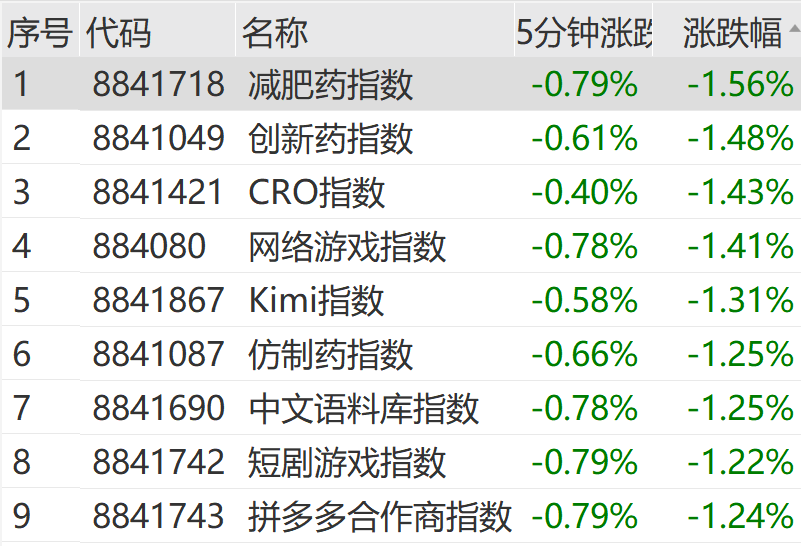
Group 1 - The article discusses the new tariffs announced by President Trump on various imported products, including a 25% tariff on heavy trucks, 50% on kitchen cabinets, 30% on furniture, and 100% on patented and branded drugs starting from October 1, 2025, unless companies build manufacturing plants in the U.S. [3][8][10] - The pharmaceutical sector in the Asia-Pacific market experienced a decline following the announcement, with the A-share pharmaceutical and biotechnology sector also showing a downward trend [4][6][10] - Specific indices related to weight-loss drugs, innovative drugs, and CROs saw significant declines, with the weight-loss drug index dropping by 1.56% and the innovative drug index by 1.48% [5][6] Group 2 - Individual stocks such as Sunflower and Aosaikang saw substantial declines, with Sunflower dropping over 12% and Aosaikang down by 9% [6][7] - The Hong Kong biotechnology index opened nearly 2% lower and continued to decline, with companies like MicroPort Medical and WuXi Biologics showing notable drops [7][10] - The article highlights that the high tariffs could increase costs and disrupt the drug supply chain, potentially putting patients at risk [9][10] Group 3 - The article mentions that major pharmaceutical companies like Johnson & Johnson and GlaxoSmithKline have announced plans to increase investments in the U.S. in response to the tariffs, with Johnson & Johnson planning to invest $55 billion [10] - The long-term implications of Trump's tariff policy could lead to higher drug costs for patients, as the high production costs in the U.S. may offset any benefits from the tariffs [10]

Asian Markets Drop As US Data, New Tariff Threats Dent Sentiment
International Business Times· 2025-09-26 03:21
Economic Growth and Market Sentiment - The US economy showed stronger-than-expected growth in the second quarter, with a revised growth rate of 3.8 percent, up from the initial estimate of 3.3 percent, marking the fastest quarterly expansion in nearly two years [3] - Wall Street experienced a pullback, with all three main indexes ending in the red after reaching record highs earlier in the week, indicating concerns over stock valuations following a lengthy rally [4] Interest Rate Outlook and Federal Reserve Actions - The Federal Reserve recently cut interest rates due to a weakening labor market but indicated that further reductions are not guaranteed, leading to uncertainty in the market [2][3] - Decision-makers at the Federal Reserve have expressed varying views on future monetary policy in light of persistent inflation and soft job data [3] Tariff Implications on Pharmaceuticals - President Trump's announcement of new tariffs includes a 100 percent levy on "branded or patented" pharmaceuticals unless companies establish manufacturing plants in the US, which has raised concerns among Asian pharmaceutical firms [5][6] - Asian pharmaceutical companies, including Shanghai Fosun and South Korea's Daewoong, saw significant stock declines following the tariff announcement, with Fosun dropping more than four percent [6] Legislative Uncertainty - Traders are closely monitoring the ongoing negotiations in Washington regarding a funding package to prevent a government shutdown, with a deadline approaching next week [2][7] - The lack of agreement between Democrats and Republicans over spending plans is contributing to market unease, as both parties remain at an impasse [8]
突发“黑天鹅”!刚刚,集体下跌
Zhong Guo Ji Jin Bao· 2025-09-26 02:09
Core Viewpoint - The pharmaceutical sector in the Asia-Pacific market experienced a significant decline, with various indices showing notable drops, particularly in the weight loss drugs, innovative drugs, and CRO sectors [1][2]. Group 1: Market Performance - The A-share pharmaceutical and biotechnology sector saw a downturn, with weight loss drug index dropping by 1.56%, innovative drug index by 0.61%, and CRO index by 0.40% [2]. - Individual stocks such as Sunflower (向日葵) fell over 10%, while Aosaikang (奥赛康) and Guangshengtang (广生堂) also experienced significant declines of 9.02% and 6.56% respectively [3]. Group 2: Hong Kong and Japan Market Impact - The Hang Seng Biotechnology Index opened down nearly 2% and continued to decline, with companies like MicroPort Medical (微创医疗) and BeiGene (百济神州) showing notable drops of 5.47% and 4.75% respectively [4]. - In Japan, companies such as Sumitomo Pharma (住友制药) and Daiichi Sankyo (第一三共) also faced declines exceeding 4% and 3% respectively [4]. Group 3: External Factors - The recent announcement by U.S. President Trump regarding a new round of high tariffs on imported goods, including a punitive 100% tariff on patented and branded pharmaceuticals, is expected to impact the pharmaceutical industry significantly [5].


突发“黑天鹅”!刚刚,集体下跌
中国基金报· 2025-09-26 02:02
Core Viewpoint - The pharmaceutical sector in the Asia-Pacific market experienced a significant decline, particularly in China, with various indices related to weight-loss drugs, innovative drugs, and CROs showing notable drops [1][5]. Group 1: Market Performance - The A-share pharmaceutical and biotechnology sector saw a downturn, with the weight-loss drug index dropping by 1.56%, the innovative drug index by 1.48%, and the CRO index by 1.43% [2]. - Individual stocks such as Sunflower fell over 10%, while other companies like Aosaikang, Guangshengtang, and Jiming Health also reported significant declines [3]. Group 2: Stock Details - Specific stock performances included: - Sunflower (300111) at 7.90, down 12.22% [3] - Aosaikang (002755) at 21.18, down 9.02% [3] - Guangshengtang (300436) at 113.59, down 6.56% [3] - Jiming Health (603222) at 10.98, down 6.15% [3] - In the Hong Kong market, the Hang Seng Biotechnology Index opened nearly 2% lower, with companies like MicroPort Medical, CanSino Biologics, and BeiGene showing significant declines [4]. Group 3: External Factors - A major contributing factor to the decline was the announcement by U.S. President Trump regarding new tariffs, including a punitive 100% tariff on pharmaceutical products, effective October 1 [5].

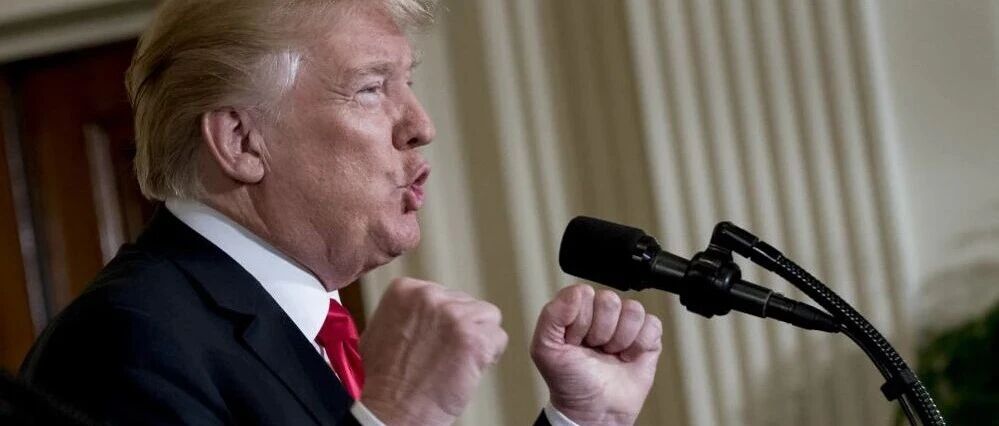
集体大跌!特朗普宣布:100%关税!
券商中国· 2025-09-26 01:06
Core Viewpoint - The article discusses the new high tariffs imposed by the Trump administration on various imported products, particularly focusing on pharmaceuticals, and the potential implications for the industry and patients in the U.S. Tariff Details - Starting from October 1, the U.S. will impose a 100% tariff on all branded and patented pharmaceutical products, a 50% tariff on kitchen cabinets, bathroom sinks, and related building materials, a 30% tariff on imported furniture, and a 25% tariff on all imported heavy trucks [2][3][4]. Market Reaction - Following the announcement, pharmaceutical stocks in Japan, South Korea, and Australia experienced significant declines, with CSL down over 4%, and several other companies like Sumitomo Pharma and Samsung Biologics also facing drops of more than 3% [2]. Economic Implications - Analysts warn that the high tariffs on pharmaceuticals could increase costs and disrupt the drug supply chain, potentially putting U.S. patients at risk. The new tariffs may exacerbate inflationary pressures in an already high-inflation environment, impacting economic growth and creating new uncertainties for businesses [2][5]. Industry Response - The Trump administration aims to encourage pharmaceutical companies to relocate production back to the U.S., as domestic production has significantly declined, with a 70% reliance on imports. Major companies like Johnson & Johnson and GlaxoSmithKline have announced plans to increase investments in U.S. manufacturing [5][6]. Long-term Considerations - The article highlights the need for the U.S. government to balance domestic industry interests with global trade relations and patient welfare. Failure to find this balance could lead to chaos in the global pharmaceutical industry and increased drug costs for patients [6]. Policy Context - Throughout the year, the Trump administration has focused on lowering drug prices and reshaping the pharmaceutical supply chain. Previous proposals included reducing drug prices by 30%-80% and imposing even higher tariffs on imported drugs [7][8]. Future Initiatives - The government is considering creating a direct sales platform for prescription drugs, allowing patients to purchase discounted medications directly from manufacturers. This initiative aims to align U.S. drug prices with those in other developed countries [8][9].