
中国平安

Search documents
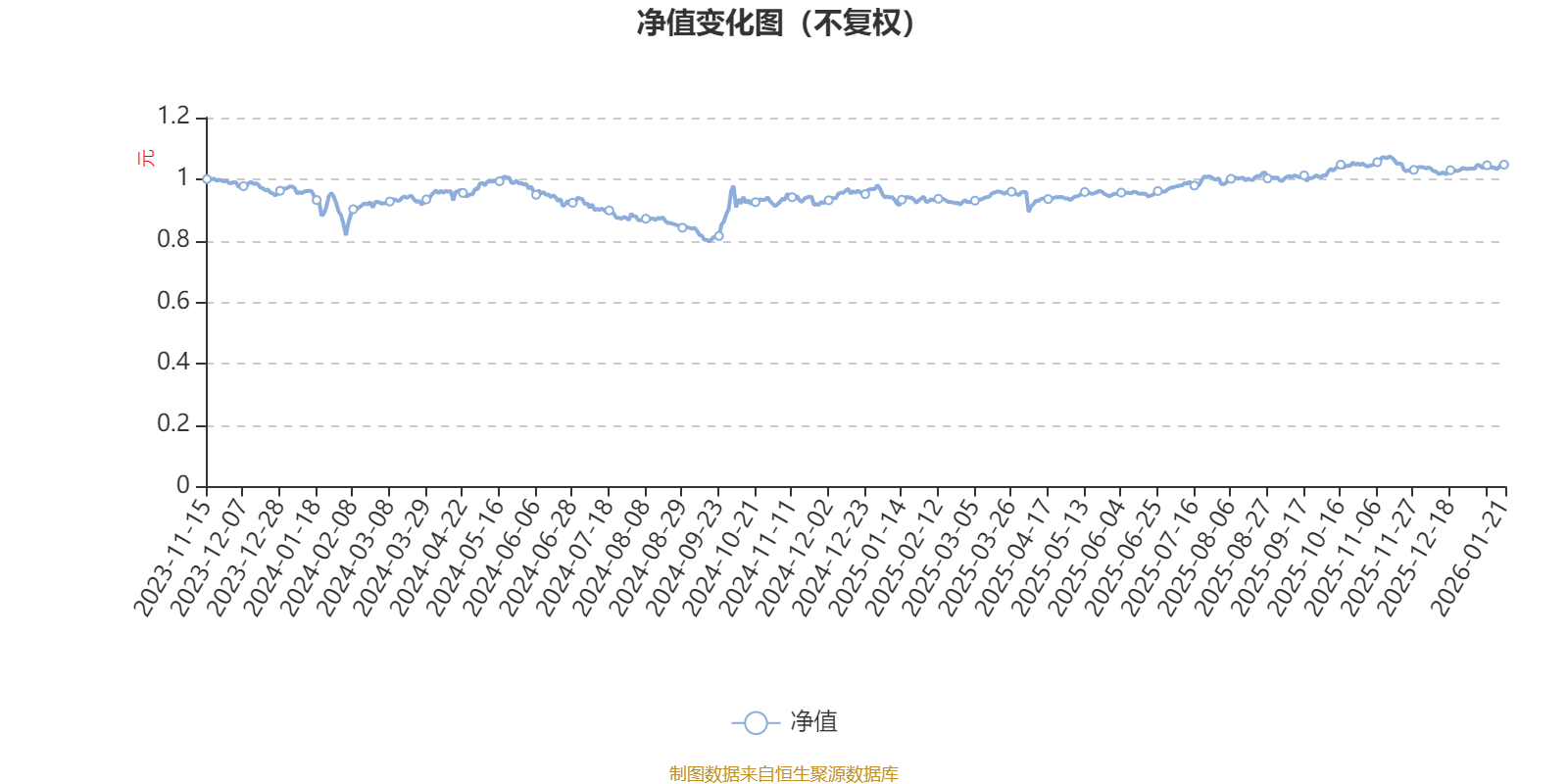
万家红利量化选股混合发起式A:2025年第四季度利润11.26万元 净值增长率2.21%
Sou Hu Cai Jing· 2026-01-23 10:37
Core Viewpoint - The AI Fund Wanjiashengli Quantitative Stock Selection Mixed Initiation A (019987) reported a profit of 112,600 yuan in Q4 2025, with a weighted average profit per fund share of 0.0216 yuan, and a net value growth rate of 2.21% during the reporting period [3]. Fund Performance - As of January 21, the fund's unit net value was 1.047 yuan, with a one-year cumulative growth rate of 12.17%, ranking 622 out of 673 comparable funds [3][4]. - The fund's net value growth rate over the past three months was 0.24%, ranking 617 out of 689, and over the past six months, it was 5.07%, also ranking 617 out of 689 [4]. Investment Strategy - The fund manager emphasized restructuring the dividend stock pool based on the characteristics of dividend stocks, integrating high-frequency volume and price strategies to capture micro-structural market information [3]. - The fund utilizes efficient AI algorithms and robust hardware resources to analyze high-frequency market data, aiming to identify short-cycle predictive factors for stock selection [3]. Risk and Return Metrics - The fund's Sharpe ratio since inception is 0.2818, indicating a moderate risk-adjusted return [8]. - The maximum drawdown since inception is 20.86%, with the largest quarterly drawdown occurring in Q1 2024 at 16.34% [11]. Portfolio Composition - The fund maintains a high average stock position of 92.53% since inception, compared to the industry average of 84.04%, with a peak stock position of 93.54% at the end of Q3 2024 [14]. - As of Q4 2025, the fund's total assets amounted to 5.4297 million yuan [16]. Top Holdings - The top ten holdings of the fund include companies such as Luxi Chemical, China Ping An, CITIC Bank, Xiamen Xiangyu, Sinopec, Zhonggu Logistics, China Construction Bank, Hu Nong Commercial Bank, China Petroleum, and Pudong Development Bank [19].

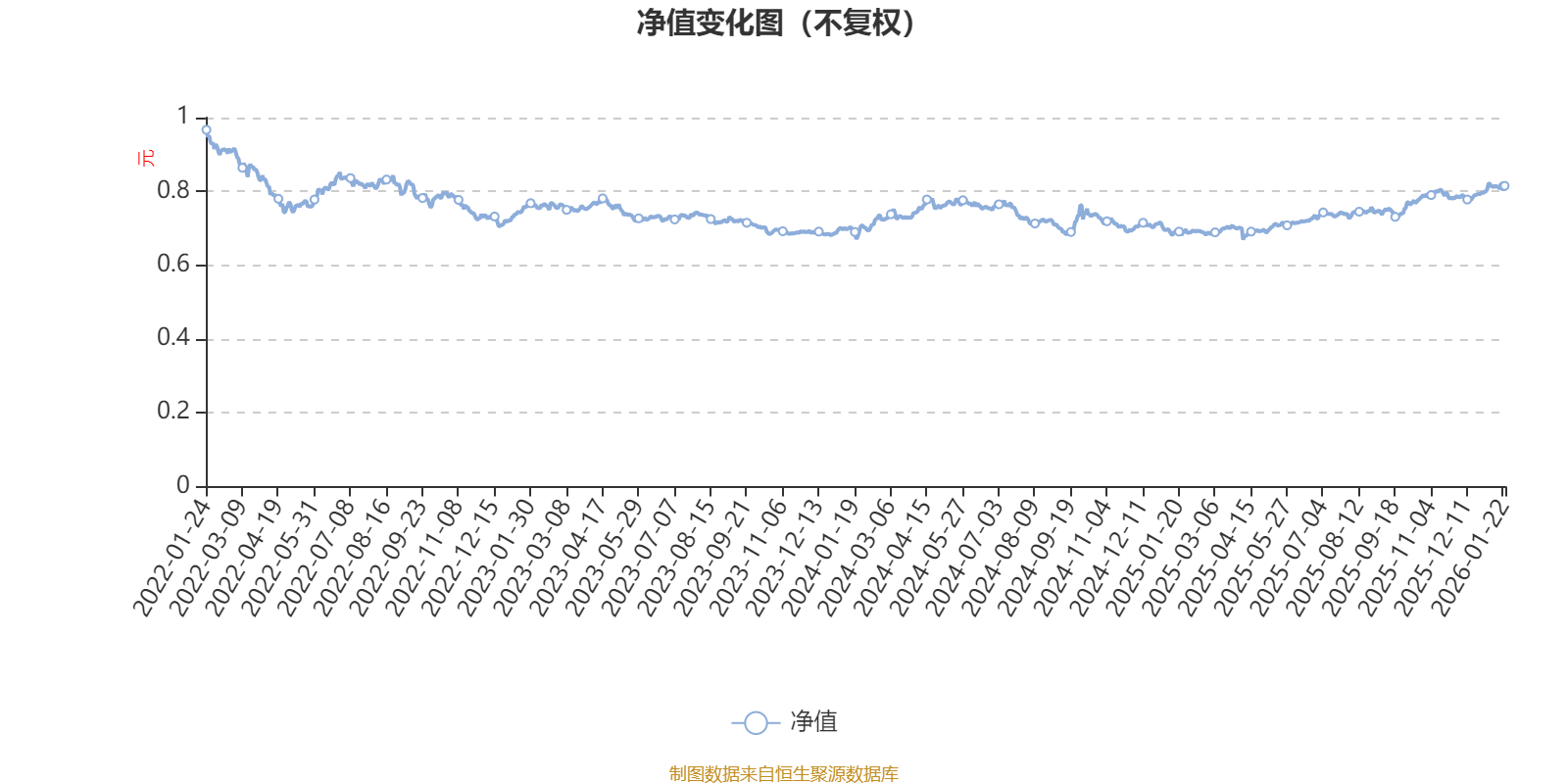
华商红利优选混合:2025年第四季度利润917.53万元 净值增长率5.82%
Sou Hu Cai Jing· 2026-01-23 10:37
AI基金华商红利优选混合(000279)披露2025年四季报,第四季度基金利润917.53万元,加权平均基金份额本期利润0.0446元。报告期内,基金净值增长率 为5.82%,截至四季度末,基金规模为1.65亿元。 该基金属于灵活配置型基金。截至1月22日,单位净值为0.815元。基金经理是邓默,目前管理9只基金。其中,截至1月22日,华商品质慧选混合A近一年复 权单位净值增长率最高,达72.39%;华商红利优选混合最低,为19.5%。 基金管理人在四季报中表示,高股息资产在当前低利率和流动性宽松的经济环境下具备较强的防御属性和配置价值。科技板块已经有部分个股估值较高,这 些个股仍然存在业绩无法兑现的可能性,在年底也有部分资金会倾向于选择落袋为安并调仓到防御板块,而且在中美贸易战仍然存在不确定性的情况下,四 季度出现了各类资产的内部分化。我们会继续关注分红能力突出的蓝筹公司,在市场不确定性增加、风险偏好下降时这些个股对资金有更强的吸引力。与此 同时,随着政策的引导,高股息资产未来分红水平有望进一步提高,我们将持续精选高股息标的,依托其防御属性与长期价值,为持有人应对市场波动、实 现资产稳健增值提供支撑。 截至 ...
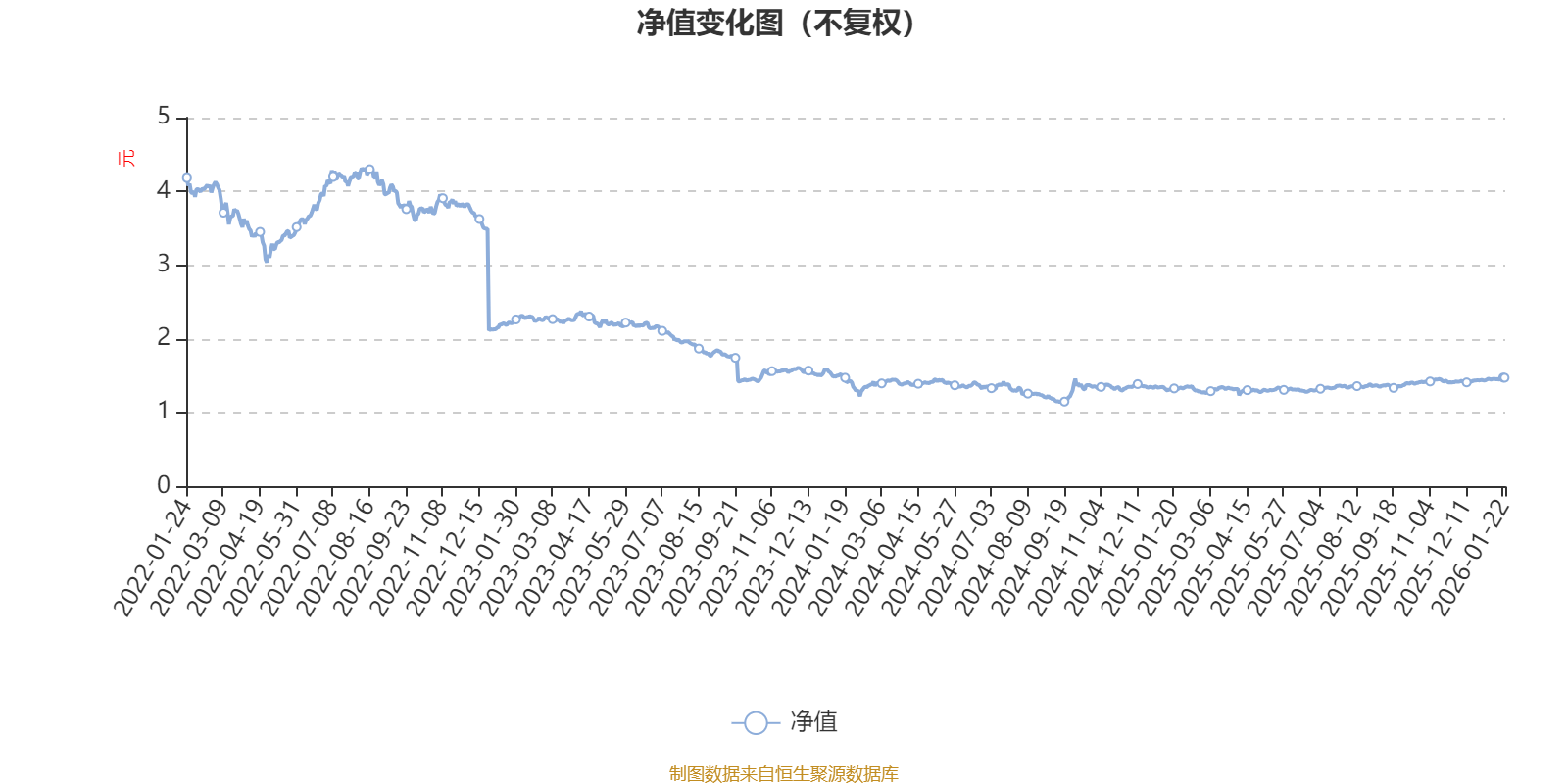
浦银安盛红利精选混合A:2025年第四季度利润157.75万元 净值增长率4.83%
Sou Hu Cai Jing· 2026-01-23 10:37
Core Viewpoint - The AI Fund Puyin Ansheng Dividend Selected Mixed A (519115) reported a profit of 1.5775 million yuan for Q4 2025, with a weighted average profit per fund share of 0.067 yuan. The fund's net value growth rate for the reporting period was 4.83%, and the fund size reached 33.3576 million yuan by the end of Q4 2025 [4]. Fund Performance - As of January 22, the fund's unit net value was 1.475 yuan. The fund manager, Chen Chen, oversees two funds that have both yielded positive returns over the past year. The highest growth rate for the past year was 37.9% for Puyin Ansheng Value Selected Mixed A, while the lowest was 11.62% for Puyin Ansheng Dividend Selected Mixed A [4]. - The fund's performance over different time frames includes a 4.92% growth rate over the past three months, ranking 487 out of 689 comparable funds; an 8.15% growth rate over the past six months, ranking 582 out of 689; an 11.62% growth rate over the past year, ranking 632 out of 673; and a -19.06% growth rate over the past three years, ranking 365 out of 396 [5]. Risk Metrics - The fund's Sharpe ratio over the past three years was -0.0837, ranking 368 out of 383 comparable funds [10]. - The maximum drawdown over the past three years was 40.47%, with a ranking of 248 out of 378 comparable funds. The largest single-quarter drawdown occurred in Q1 2020, reaching 25% [12]. Investment Strategy - The fund's average stock position over the past three years was 85.88%, slightly above the comparable average of 84.04%. The fund reached a peak stock position of 91.94% by the end of Q1 2025 and a low of 70.63% by the end of 2022 [15]. - The fund's top ten holdings as of Q4 2025 included Huanlan Environment, China Construction Bank, Industrial Bank, Zijin Mining, Ping An Insurance, Midea Group, China Merchants Bank, Yangtze Power, Sichuan Road and Bridge, and Sumida [20].
非医保收入增速达35%!北大医疗“保险办医”模式正在颠覆什么?
Hua Xia Shi Bao· 2026-01-23 10:31
"保险办医"的实践 朱友刚以一组对比数据阐释这种重塑的初步成效。在"筛、管、治、康"的全流程服务体系下,北大医疗 的体检客户转化为门诊就诊的比例达到10%-30%,门诊患者复诊率在20%-35%,住院患者转入康复治疗 的比例亦有10%-20%。 "这些数字意味着,我们设计的健康与医疗的服务链条正在被'接通',患者在不同场景下的需求被有效 地衔接和管理起来,而不是像过去那样,检后无人管、出院即失联。"朱友刚说道。 他进一步表示, "我们的目标,是打造一个'平安版的华西医疗+凯撒医疗'。华西代表的是中国顶级的医 疗品质、学科实力和教学科研能力,这是我们的'北大底蕴'要坚守的根基。而凯撒模式,代表了保险与 医疗服务一体化的高效闭环,支付方与服务方利益高度一致,共同追求让会员更健康、费用更可控。两 者融合,并非简单相加,而是一次代际升级。"他坦言,这条道路挑战巨大,但亦是平安与北大医疗必 须坚定的长期战略。 北大医疗的探索,置身于中国医改深水区的大背景之下。国家医保局主导的DRG/DIP支付方式改革全面 推行,旨在控费提质,促使医院从粗放式扩张转向精细化运营。 公开数据显示,近年来已有大量医院面临运营困境。在此背景下 ...

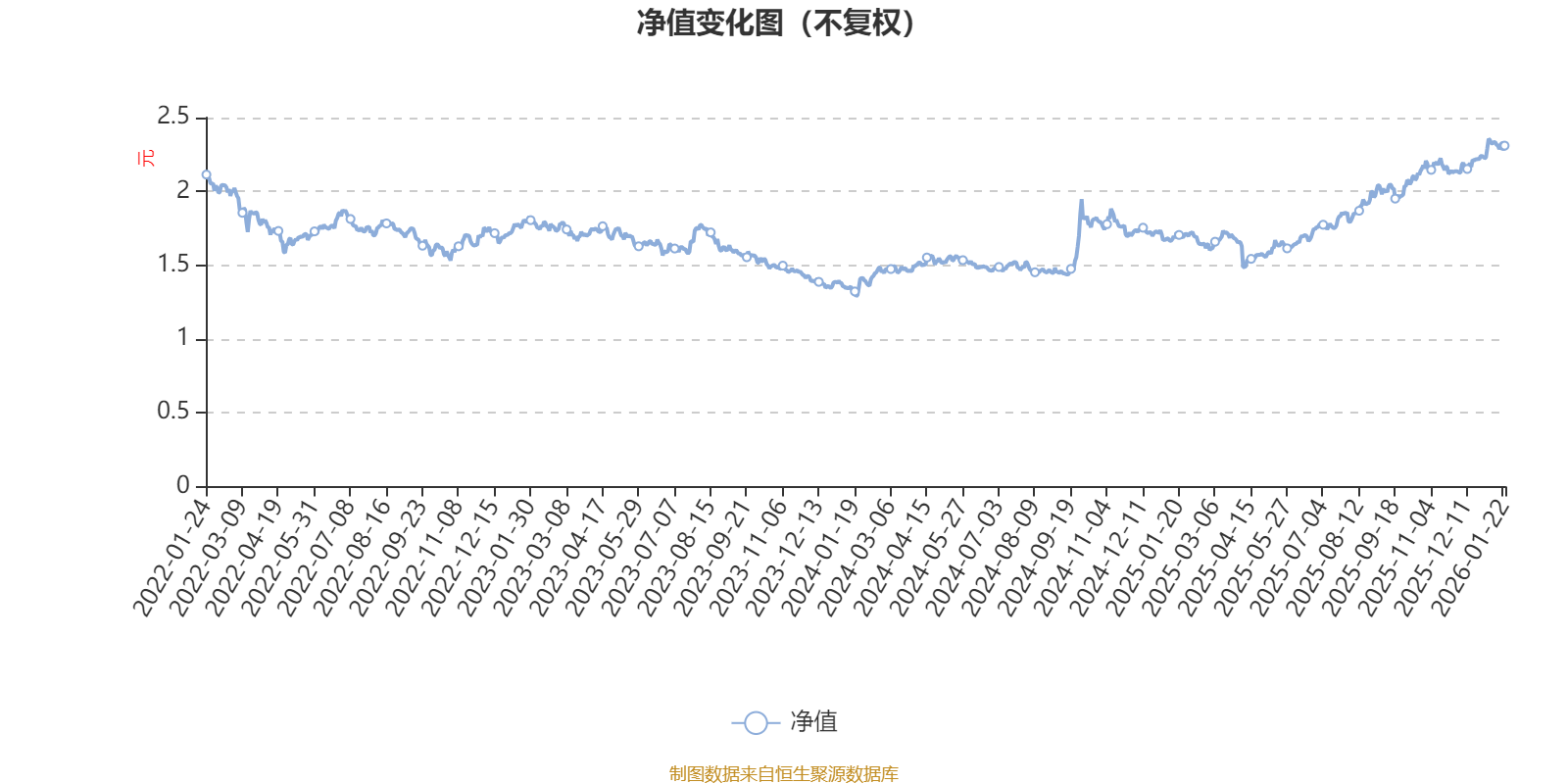
华安双核驱动混合A:2025年第四季度利润461.58万元 净值增长率9.5%
Zhong Guo Zheng Quan Bao· 2026-01-23 09:21
Core Viewpoint - The AI Fund Huashan Dual-Core Driven Mixed A (006121) reported a profit of 4.6158 million yuan for Q4 2025, with a net asset value growth rate of 9.5% during the reporting period [2]. Fund Performance - As of January 22, the fund's unit net value was 2.31 yuan, with a one-year cumulative net value growth rate of 36.45%, ranking 339 out of 673 comparable funds [2][4]. - The fund's performance over different time frames includes a three-month growth rate of 9.37% (ranked 324/689) and a six-month growth rate of 26.17% (ranked 305/689) [4]. Investment Strategy - The fund manager indicated a strategy of reducing holdings in the already appreciated non-ferrous metals sector while increasing positions in select stocks within the chemical, travel, and consumer sectors [3]. - The fund continues to hold non-bank financials and shipbuilding sectors, which are viewed positively and not overvalued [3]. Fund Characteristics - The fund's average stock position over the past three years was 91.53%, significantly higher than the industry average of 84.04% [15]. - As of Q4 2025, the fund's total assets amounted to 50.8559 million yuan [17]. - The fund has a high concentration of holdings, with its top ten stocks including major companies such as China Pacific Insurance, China Life, and Midea Group [20]. Risk and Return Metrics - The fund's Sharpe ratio over the past three years was 0.7343, ranking 72 out of 383 comparable funds [10]. - The maximum drawdown over the past three years was 29.54%, with the largest single-quarter drawdown occurring in Q1 2021 at 27.58% [12].
农险规模再创新高,农险立法呼声再起!
Sou Hu Cai Jing· 2026-01-23 09:14
从行业发展背景与趋势来看,近年来监管持续引导农险市场向精细化、规范化转型,配套制度体系逐步 健全完善,我国正稳步从农险大国向农险强国迈进。锚定2026年乃至"十五五"时期,农险高质量发展会 朝着哪些方向破局?行业主体又该做好哪些准备? "四个持续"绘就成绩单 如于红所言,我国农险的发展成效可以用"四个持续"来概括,即财政投入持续加大、制度体系持续完 善、保障能力持续增强以及农户受益持续提升。 具体来看,在财政投入方面,自2007年,中央财政开始实施农险保费补贴政策以来,我国农险保费收入 实现了显著增长。数据显示,2025年,农险保费规模已经突破1550亿元。保费规模的扩张也同步带动了 保障力度的提升,农险"稳定器"的功能得到充分发挥,2025年为1.25亿户次农户提供了超5.2万亿元风险 保障。 农业稳则天下安,农险兴则乡村兴。近年来,随着我国粮食安全、乡村振兴战略的纵深推进,农险作为 服务农业强国建设、助力产业兴旺的重要风险保障工具,得到了政策层面的持续护航,农险所发挥的保 障价值也越来越大。 1月20日,财政部金融司司长于红在国新办新闻发布会上,用实打实的数据,以及"四个持续"总结了我 国农险的发展成效。 ...
宽基ETF赎回情况统计
Huachuang Securities· 2026-01-23 09:08
- In the past two years, broad-based ETFs have experienced significant net outflows, with a cumulative net outflow of 534.63 billion yuan since 2026, including 267.32 billion yuan from CSI 300, 71.58 billion yuan from CSI 1000, 45.67 billion yuan from STAR 50, 49.11 billion yuan from SSE 50, and 33.39 billion yuan from ChiNext Index[3] - Since 2024, there have been four major net inflows of medium- and long-term funds through broad-based ETFs, mainly into CSI 300 (current retained market value of approximately 608.8 billion yuan), CSI 1000 (approximately 163.4 billion yuan), CSI 500 (approximately 137.7 billion yuan), and ChiNext Index (approximately 105.8 billion yuan)[3] - Medium- and long-term funds in Q3 2025 were heavily invested in banks (37% of market value), non-bank financials (19%), food and beverage (5%), construction (4%), and utilities (4%)[3] - The report provides detailed statistics on the net inflows and outflows of major broad-based ETFs, including CSI 300, CSI 500, CSI 1000, SSE 50, ChiNext Index, and others, with specific figures for each ETF[5] - The report includes a table estimating the current cost lines for major ETFs, showing the buy and sell cost lines for each round of net inflows and outflows, along with the retained market value and the current index price[7] - The report lists the top holdings of medium- and long-term funds in Q3 2025, including Agricultural Bank of China, Industrial and Commercial Bank of China, Ping An Insurance, Bank of China, and others, with specific market values and percentages[9] - The report notes that the data comes from periodic reports disclosed by listed companies, fund reports, and other sources, and that medium- and long-term funds include entities such as Central Huijin, China Securities Finance, and others[10]
火太旺 | 谈股论金
水皮More· 2026-01-23 09:06
Market Overview - The A-share market saw all three major indices rise today, with the Shanghai Composite Index up 0.33% to close at 4136.16 points, the Shenzhen Component Index up 0.79% to 14439.66 points, and the ChiNext Index up 0.63% to 3349.50 points. The total trading volume in the Shanghai and Shenzhen markets reached 31,184 billion, an increase of 4,017 billion compared to the previous day [3][5]. Market Dynamics - The market continues to show an adjustment trend, particularly with the Shanghai and Shenzhen 300 ETF experiencing significant selling pressure, which has been suppressing the index. Despite this, the Shanghai Composite Index managed to rise, indicating resilience against downward pressure [5][7]. - There is a notable increase in the number of rising stocks, with the number of gainers being three times that of losers. The trading volume exceeding 30 trillion suggests a disconnect between market adjustments and trading activity [5][7]. Sector Performance - The focus of market activity remains on the non-ferrous metals sector, with precious metals, minor metals, and energy metals showing strong performance, particularly those linked to the battery supply chain. The photovoltaic sector also rebounded, although it is still in a state of significant losses without signs of performance improvement [6][7]. - The financial sector, particularly insurance stocks, has been a major contributor to market declines, with companies like China Ping An seeing a significant retracement of previous gains [6][7]. Regulatory Environment - There is a concern regarding the management's potential intervention in the market, especially with the ongoing pressure on major stocks. The small daily increases in the Shanghai Composite Index are seen as manageable, but the trading volume is raising alarms about potential regulatory actions in the near future [5][7].

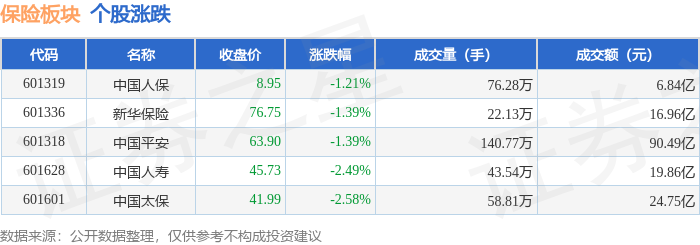
保险板块1月23日跌1.95%,中国太保领跌,主力资金净流出2.49亿元
Zheng Xing Xing Ye Ri Bao· 2026-01-23 09:04
Core Viewpoint - The insurance sector experienced a decline of 1.95% on January 23, with China Pacific Insurance leading the drop, while the overall market indices showed slight gains [1]. Group 1: Market Performance - The Shanghai Composite Index closed at 4136.16, up 0.33% [1]. - The Shenzhen Component Index closed at 14439.66, up 0.79% [1]. Group 2: Individual Stock Performance - China Life Insurance (601628) closed at 45.73, down 2.49% with a trading volume of 435,400 shares [1]. - China Pacific Insurance (601601) closed at 41.99, down 2.58% with a trading volume of 588,100 shares [1]. - China Ping An (601318) closed at 63.90, down 1.39% with a trading volume of 1,407,700 shares [1]. - New China Life Insurance (601336) closed at 76.75, down 1.39% with a trading volume of 221,300 shares [1]. - China Reinsurance (601319) closed at 8.95, down 1.21% with a trading volume of 762,800 shares [1]. Group 3: Capital Flow Analysis - The insurance sector saw a net outflow of 249 million yuan from institutional investors and 278 million yuan from retail investors, while retail investors had a net inflow of 527 million yuan [1]. - China Life Insurance had a net inflow of 126 million yuan from institutional investors, but a net outflow of 124 million yuan from retail investors [2]. - China Pacific Insurance had a net inflow of 112 million yuan from institutional investors, with a net outflow of 1.42 million yuan from retail investors [2]. - China Ping An experienced a significant net outflow of 546 million yuan from institutional investors [2].





非银金融行业研究:25Q4主动权益公募持仓:非银配置比例环比提升,低配程度进一步收窄
SINOLINK SECURITIES· 2026-01-23 08:54
Investment Rating - The report maintains a positive recommendation for the industry, indicating an upward trend in fundamentals despite short-term fluctuations in performance [4]. Core Insights - The non-bank sector's public active equity allocation ratio has increased quarter-on-quarter, with a reduction in underweight levels [2]. - The insurance sector has seen a significant increase in active equity holdings, with a quarter-on-quarter growth of 117% in A-share active equity public fund heavy positions [3]. - The brokerage sector's active equity holdings have also risen, with a quarter-on-quarter increase of 14% in A-share active equity public fund heavy positions [5]. - Multi-financial companies, particularly Jiufang Zhituo Holdings, have shown a notable increase in allocation ratios [6]. Summary by Sections Non-Bank Sector - The total heavy stock allocation in the non-bank financial sector reached 40.9 billion yuan, with a configuration ratio of 2.51%, up by 1.03 percentage points quarter-on-quarter, and an underweight ratio of 3.87%, narrowing by 0.92 percentage points [2]. Insurance Sector - The A-share active equity public fund heavy positions in the insurance sector reached 28 billion yuan, with a configuration ratio of 1.72%, up by 0.95 percentage points quarter-on-quarter. The underweight ratio is 0.74 percentage points, down by 0.63 percentage points [3]. - Key individual stock allocations include China Life at 0.08%, Ping An at 1.11%, and others, with varying degrees of over- and under-allocation [3]. Brokerage Sector - The A-share active equity public fund heavy positions in the brokerage sector reached 11.8 billion yuan, with a configuration ratio of 0.73%, up by 0.10 percentage points quarter-on-quarter, and an underweight ratio of 2.67 percentage points, narrowing by 0.29 percentage points [5]. - Major holdings include Huatai Securities and CITIC Securities, with slight increases in their respective ratios [5]. Multi-Financial Sector - Jiufang Zhituo Holdings has seen a significant increase in its allocation ratio, while other multi-financial companies are also recommended for their strong performance potential [6].