
加速进化

Search documents
人形机器人逼近产业化关口,谁在买?
经济观察报· 2025-11-05 10:49
Core Insights - The humanoid robot industry is transitioning from showcasing demos to securing substantial orders, marking a significant step towards commercialization [3][4] - Recent months have seen multiple companies entering the "thousand-unit club," indicating a shift towards real sales and contracts worth billions [3][4] - The demand for humanoid robots is primarily driven by the manufacturing and education sectors, with specific needs emerging that robots can fulfill [6][11] Group 1: Market Dynamics - The recent surge in orders is attributed to increased public awareness and the emergence of practical applications in various industries [4][6] - Humanoid robots are no longer just prototypes; they are beginning to be deployed in real-world scenarios, similar to the early days of electric vehicles [4][6] - The industry is witnessing a shift from "demo-driven" sales to "delivery-driven" sales, altering the commercial logic of humanoid robots [4][27] Group 2: Customer Segments - Manufacturing clients are the largest orderers, driven by challenges such as labor shortages and rising costs, making robots a viable solution for repetitive tasks [6][10] - The education sector is adopting humanoid robots through small pilot programs, focusing on their adaptability for teaching and engagement [11][13] - Some orders are being placed by companies for promotional purposes, indicating a diverse range of applications for humanoid robots [13] Group 3: Delivery and Production Challenges - Successful delivery is becoming a critical measure of success, with companies needing to demonstrate their ability to fulfill orders [15][16] - Companies are facing challenges in production and supply chain management as order volumes increase, necessitating robust operational strategies [15][16] - The focus is shifting from merely securing orders to ensuring a complete delivery cycle, including customer engagement and cash flow management [16][17] Group 4: Pricing Strategies and Competition - Companies are exploring aggressive pricing strategies to capture new market segments, with some introducing robots at significantly lower price points [25][26] - The competition is intensifying, with firms investing in sales teams and channel development to effectively market humanoid robots [22][24] - Differentiation in product offerings is becoming essential, with companies developing various models to cater to different market needs [26] Group 5: Future Outlook - The humanoid robot industry is expected to accelerate in 2026, driven by ongoing projects and increased market attention [26][27] - Companies are also focusing on international markets, with plans to expand their distribution networks globally [26]

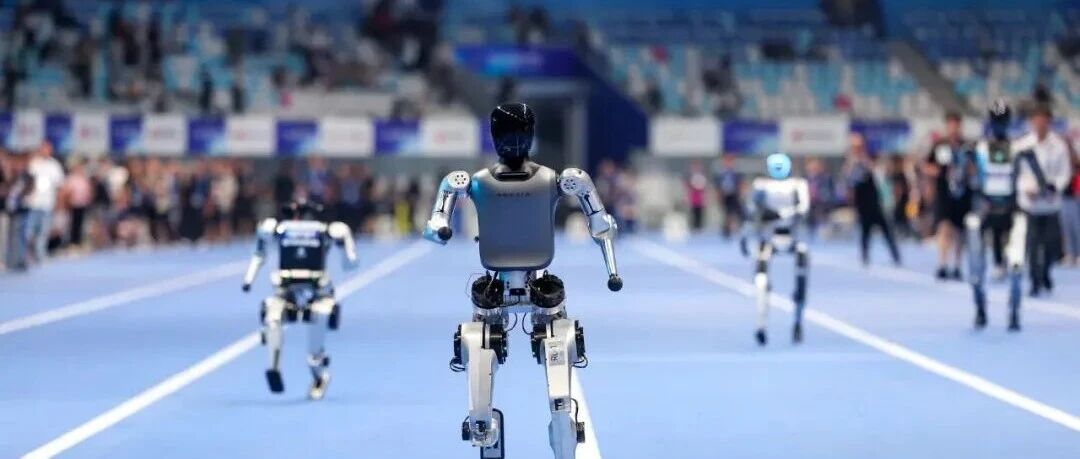
宇树科技IPO提速,松延动力与加速进化双发新品,首程控股助力消费级机器人元年到来
Cai Fu Zai Xian· 2025-11-03 07:43
Core Insights - The Chinese robotics industry is experiencing accelerated growth, driven by the inclusion of embodied intelligence in the "14th Five-Year Plan" and the convergence of policy, capital, and market forces [1] - Shoucheng Holdings (0697.HK) is positioned at the forefront of this transformation, leveraging a "capital + scenario + operation" integrated approach to promote the entire chain from technological innovation to market implementation [1] Company Developments - Yushu Technology is expected to submit its IPO application in Q4 2025, with market discussions estimating its valuation in the thousands of billions range, making it a key sample for observing the commercialization quality of humanoid and bipedal robots [1] - Songyan Power launched the "Bumi" pre-sale at a price of 9,998 yuan, targeting family entertainment and educational programming, marking a shift from mere observation to consumer willingness to purchase [3] - Accelerated Evolution introduced the BoosterK1 platform at 29,900 yuan, focusing on developer ecosystems and educational markets, emphasizing usability and secondary development [5] Market Trends - The price reduction is facilitating deeper penetration into consumer markets, with the expectation that as hardware becomes more affordable, the volume of installations will increase, leading to faster iterations of algorithms and reliability [5] - The dual breakthroughs in pricing and ecosystem development are clarifying the contours of the "consumer-grade year," with educational programming and light task scenarios expected to drive supply chain efficiency and delivery capabilities [5] Investment Considerations - Investors should focus on key operational metrics such as single-unit gross margins, delivery rates, and the development of a robust developer ecosystem to gauge long-term potential [6] - The shift from a linear industry path to a networked diffusion model is reshaping the industry, with the upcoming IPO of Yushu Technology serving as a critical time anchor for market insights [6] Future Outlook - The robotics industry is transitioning from "technically feasible" to "commercially viable," with competition intensifying as companies strive to accelerate the cycle of installations, data, and applications [7] - Shoucheng Holdings is expected to continue leveraging its investments and strategic initiatives to support the acceleration of embodied intelligence, aiming to integrate robots into everyday life [7]

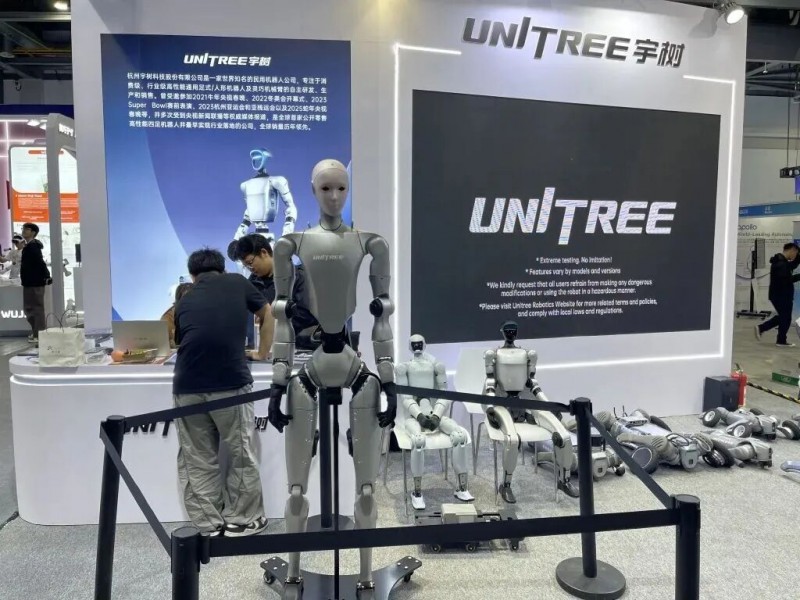
英诺李竹:一个酝酿已久的决定
投资界· 2025-10-31 08:15
Core Viewpoint - Inno Angel Fund is undergoing a significant transformation by splitting into two independent brands: Inno Angel Fund and Inno Sci-Tech Fund, each with dedicated teams focusing on early-stage technology investments [3][5][7]. Group 1: Transformation and Strategy - The transformation has been in the making for six years, with a strategic shift towards technology investments due to higher returns observed in tech projects [5][7]. - Inno Sci-Tech Fund was established in 2019 with an initial scale of 360 million RMB, focusing exclusively on technology investments, contrasting with the previous broad investment scope [5][11]. - The new structure will allow for larger investment amounts, with the target scale for the third phase of the Sci-Tech Fund set at 1.5 billion RMB [8][11]. Group 2: Investment Approach - The Inno Angel Fund will continue its early investment strategy with a new "111 mechanism," allowing for more efficient support to entrepreneurs [8]. - The Sci-Tech Fund will focus on new-generation information technology and intelligent manufacturing, with 70% of investments directed towards early-stage projects [8][11]. - The emphasis on larger investments is driven by the increasing valuations of early-stage projects, particularly in the hard tech sector, where initial valuations can reach several hundred million RMB [7][8]. Group 3: Market Context and Challenges - The early-stage investment landscape is becoming increasingly competitive, with many institutions moving towards early investments, leading to higher entry barriers [14][15]. - The shift in investment strategy is also a response to the challenges faced by smaller angel investment firms in a tightening market [14]. - The need for larger fund sizes is recognized as essential for survival in the evolving investment environment [14]. Group 4: Future Outlook - Inno aims to support companies through to their IPOs, with expectations of over ten companies applying for IPOs in the next two years [12]. - The focus on key innovations within the industry is seen as crucial for identifying potential billion-dollar enterprises [11][12]. - The company is committed to evolving its investment standards to include a thorough analysis of both projects and teams, ensuring better returns [15].

财务领域纳新,宇树科技IPO更近一步
Bei Jing Shang Bao· 2025-10-30 10:56
Core Viewpoint - Yushu Technology is accelerating its IPO process with significant personnel changes, including the hiring of Fu Fenghua, former CFO of Hangke Technology, to oversee IPO-related matters [1][3]. Group 1: Company Developments - Yushu Technology has changed its name from "Hangzhou Yushu Technology Co., Ltd." to "Yushu Technology Co., Ltd." and appointed founder Wang Xingxing as chairman [1]. - The company plans to submit its IPO application in the fourth quarter of 2025, marking a significant step towards entering the capital market [1][3]. - Fu Fenghua's career includes roles at Tianjian Accounting Firm and Hangke Technology, where he held various financial positions, indicating his strong background in capital markets [3]. Group 2: Market Position and Product Launches - Yushu Technology is preparing to launch a new four-legged robot with performance capabilities twice that of the current Go2 model, alongside the recently released humanoid robot Yushu H2 [3]. - The humanoid robot market is experiencing price reductions, with new entrants offering products at significantly lower price points, indicating increased competition [4]. - Yushu Technology's projected revenue for 2024 is around "ten billion," with sales from four-legged robots, humanoid robots, and components accounting for approximately 65%, 30%, and 5% of total revenue, respectively [4].

具身智能机器人“爆单”了 ,下一站是交付
2 1 Shi Ji Jing Ji Bao Dao· 2025-10-30 07:39
Core Insights - The embodied intelligence robotics industry is transitioning from concept speculation to tangible commercialization, evidenced by significant order volumes and a drop in product prices [1][4][6] Group 1: Market Dynamics - October marks a surge in large-scale orders, indicating a shift from technology demonstration to real commercial implementation [3][4] - Major companies like 越疆科技 and 优必选 have secured substantial contracts, with 越疆科技 signing a procurement contract worth over 80.5 million yuan and 优必选 winning a project worth 126 million yuan [4][6] - Startups are also participating in this trend, with 智平方 entering a strategic partnership worth over 400 million yuan for deploying over 1,000 robots in the semiconductor display sector [4][6] Group 2: Pricing Trends - The price of humanoid robots has significantly decreased, moving from hundreds of thousands to the "ten-thousand yuan era" [4][5] - New products like the R1 humanoid robot priced at 39,990 yuan and the Bumi robot at 9,998 yuan are contributing to this price reduction [5][6] - The expansion of sales channels to e-commerce platforms like Tmall and JD.com is broadening the customer base beyond traditional B2B to include individual consumers [5][6] Group 3: Industry Challenges - The industry is facing challenges related to delivery capabilities and product quality, which will determine which companies can succeed in a competitive environment [1][6][7] - The focus is shifting from showcasing technology to effective engineering and delivery capabilities, with a notable change in talent acquisition towards experienced professionals in mechanical and supply chain management [6][7] - Companies are beginning to emphasize delivery commitments as a competitive advantage, with some offering guarantees on order fulfillment [7][8]
具身机器人频现亿元大单
2 1 Shi Ji Jing Ji Bao Dao· 2025-10-30 06:22
Core Insights - The embodied intelligent robot industry is transitioning from concept hype to tangible commercialization, evidenced by significant order volumes and a drop in product prices to the "ten-thousand yuan era" [1][3][6] Group 1: Order Volume and Market Dynamics - In October, major orders have emerged from both listed companies and startups, with several contracts exceeding 100 million yuan, indicating a robust market demand [1][2] - Key players like UBTECH and Yujian Technology have secured large contracts, with UBTECH's total orders for the year surpassing 630 million yuan [2][4] - The industry is experiencing a shift from "technology-driven" to "market-driven," marking a critical turning point [2][3] Group 2: Price Reduction and Accessibility - The price of humanoid robots has significantly decreased, moving from hundreds of thousands to the range of ten thousand yuan [6][7] - New products, such as the R1 humanoid robot priced at 39,990 yuan and the Bumi robot at 9,998 yuan, have contributed to this price drop, leading to rapid sales [7][8] Group 3: Competitive Landscape and Challenges - The industry is entering a phase where delivery capability and product quality will determine which companies succeed in a competitive environment [2][10] - Companies are now focusing on transforming orders into replicable business models, moving away from mere technology demonstrations [10][11] - The competition is shifting towards supply chain management, mass production, and after-sales support, with a notable change in talent acquisition towards experienced professionals in these areas [10][11]

具身机器人频现亿元大单
21世纪经济报道· 2025-10-30 06:17
Core Insights - The embodied intelligent robot industry is transitioning from "concept hype" to tangible commercial orders, with significant order volumes emerging as proof of accelerated commercialization [1][4] - The industry is experiencing a shift from "technology-driven" to "market-driven," marking a critical turning point as large orders are being secured [2][4] Group 1: Major Orders and Market Trends - In October, major companies like UBTECH and Yujian Technology secured large orders, with UBTECH winning a 126 million yuan project, bringing its total orders for the year to 630 million yuan [2][5] - Yujian Technology signed a procurement contract worth over 80.5 million yuan, becoming the first in the industry to introduce embodied intelligent robots into the core scenarios of new energy precision manufacturing [4][5] - Startups are also seeing significant orders, with Zhifang reaching a strategic cooperation worth over 400 million yuan in the global semiconductor display field [6][7] Group 2: Price Reduction and Market Accessibility - The price of humanoid robots is rapidly decreasing, transitioning from hundreds of thousands to the "ten-thousand yuan era," with products like the R1 humanoid robot priced at 39,990 yuan and the Bumi robot at 9,998 yuan [7][8] - Sales channels are expanding from B2B to direct-to-consumer platforms like Tmall and JD.com, lowering the entry barrier for potential users and paving the way for future large-scale applications [7][8] Group 3: Industry Challenges and Future Outlook - The industry is entering a phase where delivery capabilities and product quality will be critical, as companies face challenges in supply chain management, mass production, and after-sales support [10][11] - The focus is shifting from showcasing technology to efficiently delivering products, with a competitive landscape emerging based on the ability to fulfill orders reliably [10][11] - Companies that can successfully navigate this "delivery test" will be positioned to lead the next phase of product iteration and ecosystem development in the embodied robot industry [11]
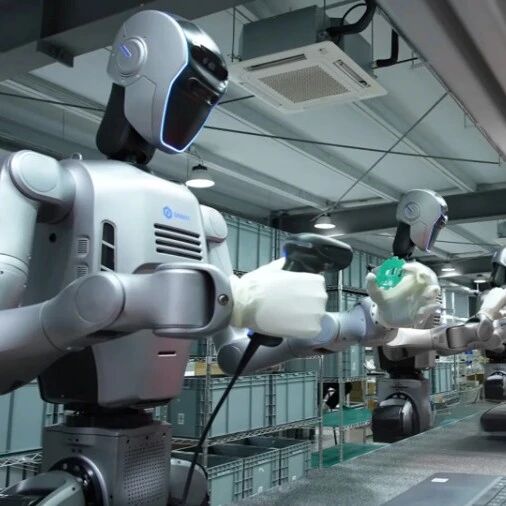
有人说它能做“具身智能时代的苹果”,这家公司凭什么?
量子位· 2025-10-30 06:17
Core Viewpoint - The article highlights the successful launch and rapid sales of the Booster K1, an entry-level embodied development platform, emphasizing its durability, portability, and comprehensive development capabilities, which have led to its orders being sold out shortly after release [1][5][6]. Product Features and Market Position - The Booster K1 has completed multiple rounds of mass production and delivery, with a robust toolchain supporting complex development scenarios [6][9]. - It has been validated in international robotics competitions, demonstrating long-term reliability and performance [7][25]. - The product is designed with 22 degrees of freedom, a height of approximately 95 cm, and a weight of 19.5 kg, ensuring both portability and physical stability [9][10]. Target Audience and Versions - Booster K1 is available in three versions: Geek Edition, Education Edition, and Professional Edition, all supporting secondary development and various control algorithms [10][11]. - The company aims to attract developers, educators, and competition participants, positioning itself as a leader in the embodied intelligence market [8][12]. Ecosystem and Development Support - The company has established a comprehensive support system for developers, including open hardware, a complete software toolchain, and a variety of pre-configured agent applications [12][13]. - The "Sailing Plan" initiative offers free development tools and courses to lower the entry barrier for developers [14]. Educational and Competitive Initiatives - The company is implementing a "Hundred Cities and Ten Thousand Schools" plan to collaborate with numerous educational institutions over the next three years, promoting robotics education globally [18]. - The company has built a complete ecosystem for robotics competitions, leveraging its experience in robot soccer to support event execution and commercialization [18][22]. Strategic Vision and Platform Development - The company envisions the Booster K1 as a core component of a closed-loop ecosystem for teaching, learning, practicing, competing, and application [16][34]. - The strategic direction aims to create a platform akin to an operating system for embodied intelligence, facilitating a collaborative environment for developers [31][33]. Competitive Landscape and Future Outlook - The company draws parallels with successful tech giants like Microsoft and Apple, focusing on building a platform that encourages developer engagement and cross-scenario adaptability [41]. - The rapid delivery and validation of the Booster K1 indicate the establishment of a usable and co-creative system architecture, potentially leading to the development of a true "humanoid operating system" [39][40].
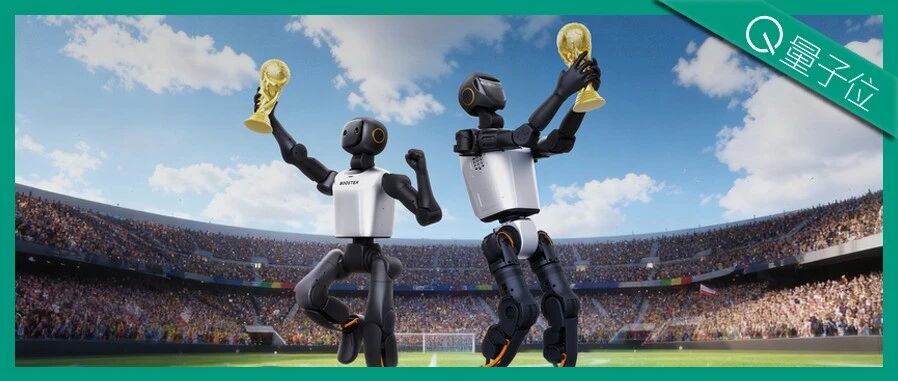
全国首个自主可控机器人仿真实训场在武汉启用
Di Yi Cai Jing· 2025-10-30 05:34
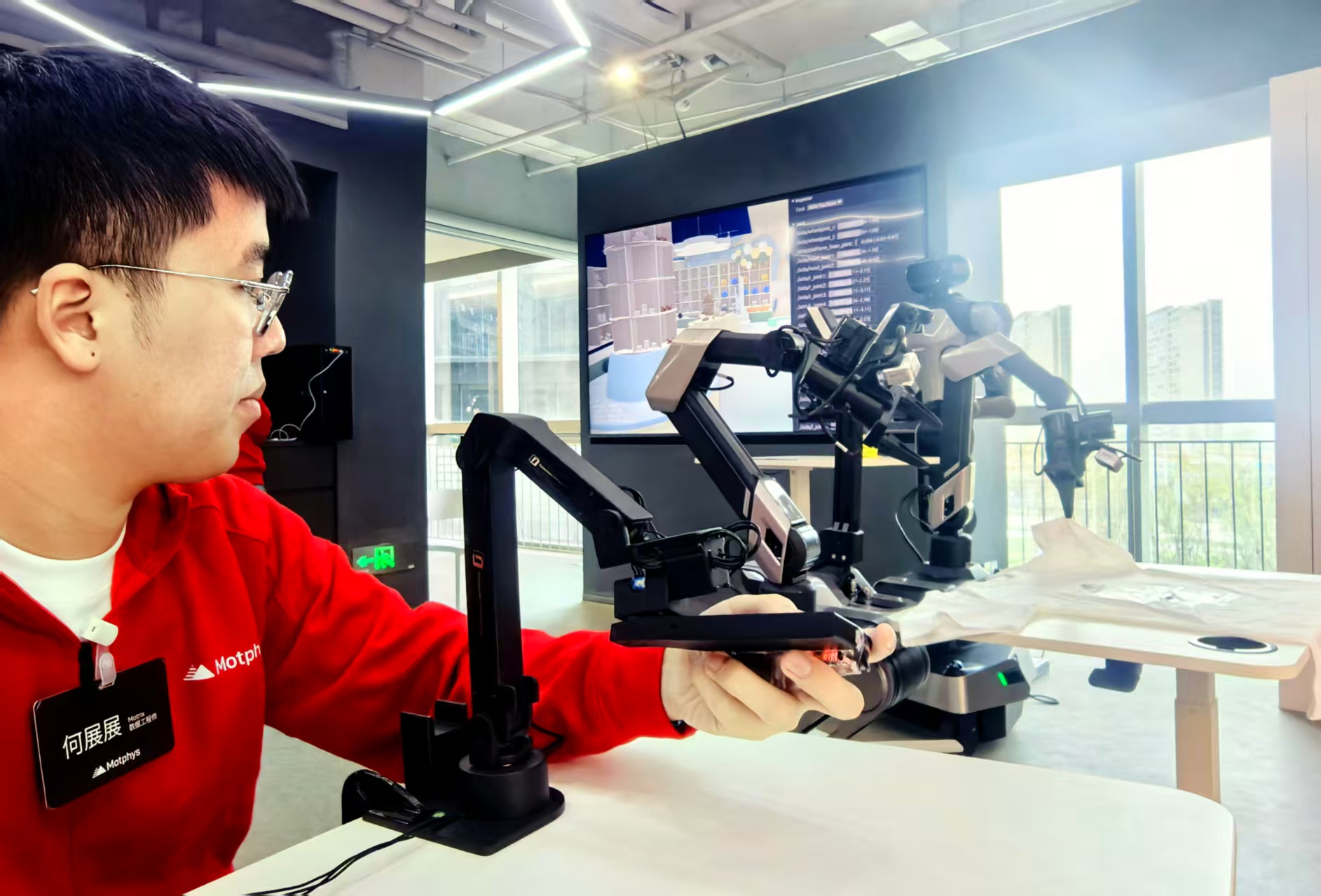
Core Insights - By 2027, Wuhan's humanoid robot industry is expected to reach a scale of 100 billion, maintaining a global lead in fields such as electronic skin and motion control [6] Group 1: Industry Development - The first fully autonomous and controllable robot simulation training ground in China was inaugurated in Wuhan, breaking the foreign monopoly in robot simulation training technology [1] - The MotrixLab, a self-developed physics engine by Moxianfei Technology, allows for complete autonomy in technology, enabling efficient robot training in various simulated environments [3][4] - The training ground enables robots to learn in high-fidelity scenarios, significantly enhancing data collection efficiency compared to traditional methods [3][4] Group 2: Technological Advancements - MotrixLab's performance is significantly superior, with power consumption being less than one-tenth of foreign competitors, allowing for parallel training of thousands of robots [4] - The simulation training ground can replicate a wide range of environments, from supermarkets to disaster sites, facilitating extensive exploration of applications [4] Group 3: Industry Ecosystem - Wuhan has established a complete industrial chain with 85% coverage of 31 key components, housing six major robot manufacturers and over 80 core enterprises [6] - A 1 billion investment fund will be established to support the humanoid robot industry through technology development, platform construction, and enterprise cultivation [6] - Major companies in the industry, such as Yushu, Ruierman, and Xinghaitu, have already begun testing with MotrixLab, achieving successful results in practical tests [5]
加速进化程昊:人形机器人价格不存在内卷 交付端没有竞争!
机器人大讲堂· 2025-10-29 06:40
Core Insights - The article discusses the launch of the Booster K1 humanoid robot at the "2025 Accelerated Evolution Ecological Conference," highlighting its entry-level pricing of 29,900 yuan and its capabilities as a development platform [1][3][8]. Product Overview - The Booster K1 humanoid robot features a 48 TOPS computing chip and supports secondary development, with three versions: Geek, Education, and Professional, each with varying computational power and battery life [8][10]. - The pricing strategy aims to lower the barrier for developers, allowing more individuals and enterprises to engage in humanoid robot development [12][13]. Market Dynamics - The humanoid robot industry is still in its early stages, with pricing differences among manufacturers reflecting varied product positioning rather than direct price competition [5][7]. - By the end of 2024, the number of humanoid robots priced under 50,000 yuan is expected to exceed ten models, indicating a shift towards a more competitive market [3][5]. Industry Trends - The year 2025 is anticipated to mark the beginning of large-scale production for humanoid robots, with leading manufacturers achieving shipment volumes exceeding 1,000 units [5][21]. - The article suggests that the humanoid robot market has not yet entered a consumer-level competition phase, with significant potential for growth and innovation [7][21]. Company Vision - The company aims to establish itself as a key player in the AI era by creating a robust development platform for humanoid robots, similar to the role of personal computers in the information age [16][20]. - The focus is on building hardware, operating systems, and development tools to attract developers and facilitate the application of humanoid robots across various scenarios [20][21]. Sales and Delivery Strategy - The company has adopted a pragmatic commercialization strategy, emphasizing quality and customer service over large-scale orders, with a history of delivering nearly 700 robots in the past year [13][15]. - Customers who place full payments before the Double Eleven shopping festival will receive their orders by the end of December [15]. Conclusion - The initial sales of the Booster K1 were strong, with all first batch orders sold out within 20 minutes, indicating a high demand for humanoid robots [21]. - The article concludes that the humanoid robot industry is poised for growth, with a focus on product quality, delivery, and service as key priorities for the company [21].
