
荣耀

Search documents
华为发布001号反腐快报!华为作为前东家为什么要“虽远必诛”?
Xin Lang Cai Jing· 2026-02-15 23:33
Core Insights - The article discusses the implications of a corruption case involving a senior Huawei executive, Deng, who was arrested for bribery after over thirteen years with the company, highlighting the complexities of corporate governance and anti-corruption measures [3][16][26] - It emphasizes the concept of "anti-corruption traceability," which suggests that companies can pursue accountability for corrupt actions even after employees leave, challenging the notion that departing employees can escape past misconduct [8][21][23] Group 1: Case Overview - Deng's career trajectory at Huawei, from an ordinary engineer to a senior executive, exemplifies the potential for corruption even among high-performing individuals [17][18] - The case reveals the failure of the belief that high salaries can prevent corruption, as Deng's substantial compensation did not deter his unethical behavior [4][17] - The case raises questions about the reliability of loyalty and seniority in corporate environments, suggesting that internal risks may arise from trusted individuals [5][18] Group 2: Anti-Corruption Measures - Huawei's approach includes a controversial practice of having employees visit a detention center to confront the potential consequences of corruption, which serves as a stark reminder of the risks involved [6][19] - The company has implemented a self-discipline declaration for its executive management team, reinforcing the message that no one is above the rules [7][20] - The article argues that effective anti-corruption strategies must focus on prevention rather than punishment, advocating for a proactive approach to identifying and addressing potential issues [24] Group 3: Implications for Corporate Governance - The case illustrates the importance of establishing a robust internal monitoring system that can trace actions over time, ensuring that past misconduct does not go unpunished [13][23] - It suggests that companies should foster a culture of integrity as a core competitive advantage, making transparency and fairness central to their operations [25] - The article concludes that the lessons from Huawei's experience can serve as a guide for other companies in navigating the complexities of human behavior and corporate governance [26]


未来已来 抢抓时代机遇!2026未来产业新材料博览会(6月10-12日 上海)
DT新材料· 2026-02-15 07:20
Core Viewpoint - The 2026 Future Industries New Materials Expo (FINE 2026) aims to lead global innovation in new materials, emphasizing their critical role in the transformation of high-tech industries and future economic development [1][2]. Group 1: Event Overview - FINE 2026 will take place from June 10 to June 12, 2026, at the Shanghai New International Expo Center, featuring a total exhibition area of 50,000 square meters and over 300 strategic and cutting-edge technology reports [2][18]. - The expo will focus on popular innovations applicable to various industries, including artificial intelligence, aerospace, smart vehicles, and renewable energy, while addressing five common needs in future industries: advanced semiconductors, advanced batteries, lightweight functionalization, low-carbon sustainability, and thermal management [2][10]. Group 2: Historical Context and Participation - The previous events, including the 2025 International Carbon Materials Expo and the 2025 Thermal Management Expo, achieved record attendance with over 35,000 professional visitors from 27 countries and regions, showcasing more than 500 exhibitors [7][36]. - The expected participation for FINE 2026 is over 100,000 professional visitors, with targeted invitations to over 5,000 industry investors to facilitate connections between startups and industry resources [35][37]. Group 3: Thematic Focus and Special Features - FINE 2026 will feature seven specialized thematic exhibition areas, including advanced semiconductors, AI chips, thermal management, and sustainable materials, aiming to present a comprehensive chain of innovation from components to cutting-edge technologies [13][15]. - The event will host over 30 forums with more than 300 renowned experts discussing trends in technology, investment strategies, and advanced manufacturing techniques related to new materials [22][24]. Group 4: Strategic Importance - The expo is positioned as a critical platform for technology transfer and industry innovation, leveraging China's growing influence in sectors like new energy vehicles, photovoltaics, and robotics, which are expected to create significant market opportunities for new materials [10][36]. - The timing of the event in June is seen as a strategic opportunity to capture business prospects for the second half of the year, supported by Shanghai's robust industrial and technological ecosystem [10][36].
2025中国平板出货量:华为蝉联第一,苹果份额仍在下滑
Guan Cha Zhe Wang· 2026-02-14 09:01
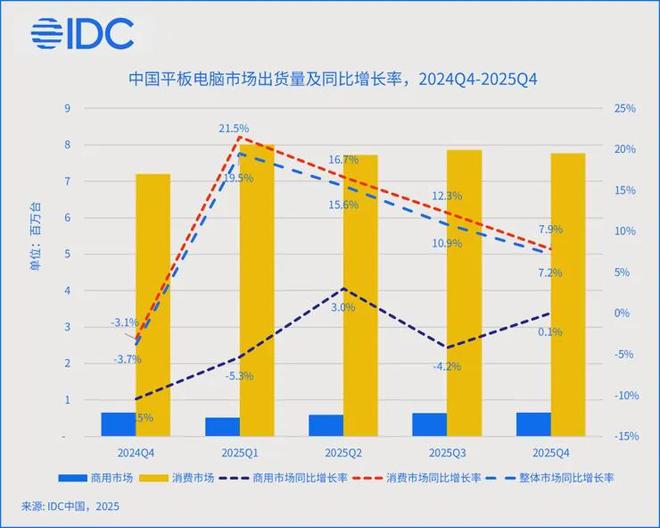
Core Insights - The Chinese tablet market is projected to ship 33.76 million units in 2025, reflecting a year-on-year growth of 13.1% driven by a combination of a replacement cycle and the "national subsidy" policy stimulating consumer confidence and purchasing decisions [1] - The market is transitioning from being policy-driven to being driven by product and demand as the "national subsidy" policy begins to tighten in certain regions, leading to a slowdown in growth rates in the fourth quarter compared to the first three quarters [1] Market Performance - In 2025, the top five tablet manufacturers in China are Huawei (29.2%), Apple (24.5%), Xiaomi (13.1%), Lenovo (9.7%), and Honor (8.6%) [2] - In the fourth quarter of 2025, Apple leads with a market share of 26.7%, followed by Huawei at 24.9%, Lenovo at 13.1%, Xiaomi at 11%, and Honor at 7.7% [2] Manufacturer Analysis - Huawei remains the top seller in the Chinese tablet market for 2025, despite a 3.1 percentage point decline in market share compared to 2024. The launch of the MatePad Edge in the fourth quarter has enhanced its product positioning for office and multi-scenario use [3][4] - Apple, while second in market share for the year, saw a decline of nearly 10 percentage points from 33.6% in 2023. The fourth quarter saw a rebound in market share due to the new iPad Pro and strong performance of the iPad Air series during promotional events [4] - Xiaomi experienced double-digit growth in 2025 but faced challenges in the fourth quarter due to tightening subsidy policies and insufficient new product stimulation [4] - Lenovo's tablet shipments grew significantly, with a notable increase in market share in the fourth quarter, attributed to the competitive pricing of its products and the rising interest in smaller tablets [4] - Honor maintained its fifth position in market share for both the year and the fourth quarter, focusing on product upgrades and expanding its presence in the commercial market [5] Future Outlook - The IDC anticipates that the strong performance of the tablet market in 2025 will lay a foundation for future growth, but rising cost pressures from key components will require manufacturers to optimize supply chains and product planning [6] - The tablet market is expected to evolve towards AI and multi-scenario applications, necessitating better integration of AI functionalities into frequently used scenarios to enhance product value and user experience [6]

半导体产值破3000亿元后,深圳锁定AI芯片为产业突破口
Xin Lang Cai Jing· 2026-02-14 08:01
Core Viewpoint - Shenzhen's "Artificial Intelligence + Advanced Manufacturing Action Plan (2026-2027)" aims to enhance the semiconductor industry by integrating AI technology, focusing on AI chips for various applications such as AI smartphones, AI glasses, and intelligent robots [1][4]. Semiconductor Industry Development - Shenzhen's semiconductor industry is projected to exceed 300 billion yuan in output value by 2025, with an average annual growth rate of 10.8% during the 14th Five-Year Plan period [1]. - The share of non-design segments (including manufacturing, packaging, testing, equipment, and materials) is expected to rise from 27% in 2020 to 42% by 2025 [1]. AI Chip Focus - The plan emphasizes developing high-performance, energy-efficient SoC chips tailored for AI applications, particularly in the automotive sector, targeting the trillion-yuan market for new energy vehicles [1][6]. - Shenzhen aims to leverage its strong hardware integration capabilities to focus on specialized AI chips rather than general-purpose CPUs, addressing the specific needs of the local market [2][3]. AI Terminal Market - By 2026, Shenzhen's AI terminal industry is expected to reach over 800 billion yuan, with a goal of surpassing 1 trillion yuan and producing over 150 million AI terminal products [4]. - The city plans to establish a comprehensive ecosystem encompassing chips, operating systems, AI models, and applications, facilitating the transition of smartphones from "smart tools" to "smart assistants" [4]. Industry Ecosystem and Collaboration - Shenzhen's intelligent hardware sector is characterized by fragmentation and customization, necessitating highly integrated SoC modules that include both hardware and basic algorithms for rapid production [5]. - The automotive industry's demand for computing power is also a significant factor, with major companies like BYD and Huawei driving the need for advanced AI chips in smart vehicles [6][7]. Economic Goals and Strategic Initiatives - Shenzhen aims to implement a new policy framework for strategic emerging industries by 2026, targeting a growth rate of over 7% in added value for these sectors [8]. - The city plans to enhance its capabilities in electronic information, new energy vehicles, and semiconductor manufacturing, focusing on key technologies and international development [8].
传音控股是非洲之王还是非洲卷王?港股IPO能否解——“困”?
Sou Hu Cai Jing· 2026-02-14 03:38
Core Viewpoint - Transsion Holdings, known as the "King of Africa," is facing significant challenges as it anticipates a more than 50% decline in net profit due to rising raw material costs and intensified competition from domestic smartphone manufacturers entering the African market [5][18]. Group 1: Market Position and Performance - According to IDC, Transsion Holdings holds a 12.5% share of the global smartphone market, ranking third behind Samsung and Apple, and a 7.9% share in the global smartphone brand market, ranking sixth [2]. - In the African market, Transsion leads with the highest market share in the smartphone segment [2]. - The company's net profit is projected to decline significantly, with a 44.97% drop reported in Q3 2025 and a 57.48% decline in the first half of 2025 [10][11]. Group 2: Factors Affecting Performance - The primary reason for the decline in Transsion's performance is the rising costs of core materials driven by the AI industry's rapid growth, which has increased the prices of essential components like DRAM and NAND Flash [8][11]. - The average selling price of Transsion's feature phones is around 50 yuan, while entry-level smartphones average between 300 to 500 yuan, making it difficult to pass on rising costs to consumers [11]. - The proportion of storage chips in Transsion's material costs has increased from 22% in 2024 to 27% in 2025, with projections indicating it could reach 34% by the end of 2026 [11]. Group 3: Competitive Landscape - Domestic competitors such as Xiaomi, OPPO, and Honor are increasingly targeting the African market, leading to a decline in Transsion's market share, which has dropped to 51% as of September 2025 [12][15]. - Xiaomi's sales in Africa grew by 32% in Q1 2025, while Transsion experienced a 5% decline in the same period [15]. - Competitors are adopting similar technologies that were once unique to Transsion, eroding its competitive advantage [17]. Group 4: Strategic Responses - Transsion has submitted an application for an H-share IPO to raise $1 billion, with funds allocated for AI technology development, market promotion, IoT business expansion, and operational liquidity [21][22]. - The company aims to enhance its product competitiveness through AI applications and improve brand recognition in emerging markets [22]. - Transsion is also increasing its sales and R&D expenditures to maintain its market position amid rising competition and costs [17].


中科蓝讯2025年业绩预增超3.6倍,投资GPU公司贡献显著
Jing Ji Guan Cha Wang· 2026-02-14 02:43
Core Viewpoint - Zhongke Lanyun (688332) has significantly increased its performance forecast, drawing market attention due to fluctuations in investment portfolio value and progress in its main business [1] Group 1: Performance Overview - The company announced on January 7, 2026, that it expects a net profit attributable to shareholders for 2025 to be between 1.4 billion to 1.43 billion yuan, representing a year-on-year increase of 366.51% to 376.51%, primarily due to fair value changes from investments in Moer Thread and Muxi Co., Ltd [2] - The official annual report will provide more detailed financial data, which will be crucial for assessing the final results [2] Group 2: Company Status - Zhongke Lanyun directly holds 0.43% of Moer Thread and 0.21% of Muxi Co., Ltd, indicating that the stock price changes of these GPU companies may continue to impact the company's non-operating gains and losses [3] - Future attention should be directed towards the performance and market behavior of the invested enterprises [3] Group 3: Business Progress - The company's wireless audio SoC chip business has entered the supply chains of Xiaomi and Honor, and it is deepening its AI edge layout, such as collaborating with Volcano Engine to launch solutions compatible with Doubao large models [4] - The rollout of new products, such as Wi-Fi chips, is worth monitoring [4] Group 4: Capital Movement - On February 9, 2026, the main capital saw a net inflow of 28.8525 million yuan, with the stock closing at 136.1 yuan, reflecting short-term market interest [5] - Future capital movements may be influenced by industry policies and sector rotations [5]

原荣耀CEO赵明官宣:迈入智能汽车与AI赛道
Sou Hu Cai Jing· 2026-02-13 14:10
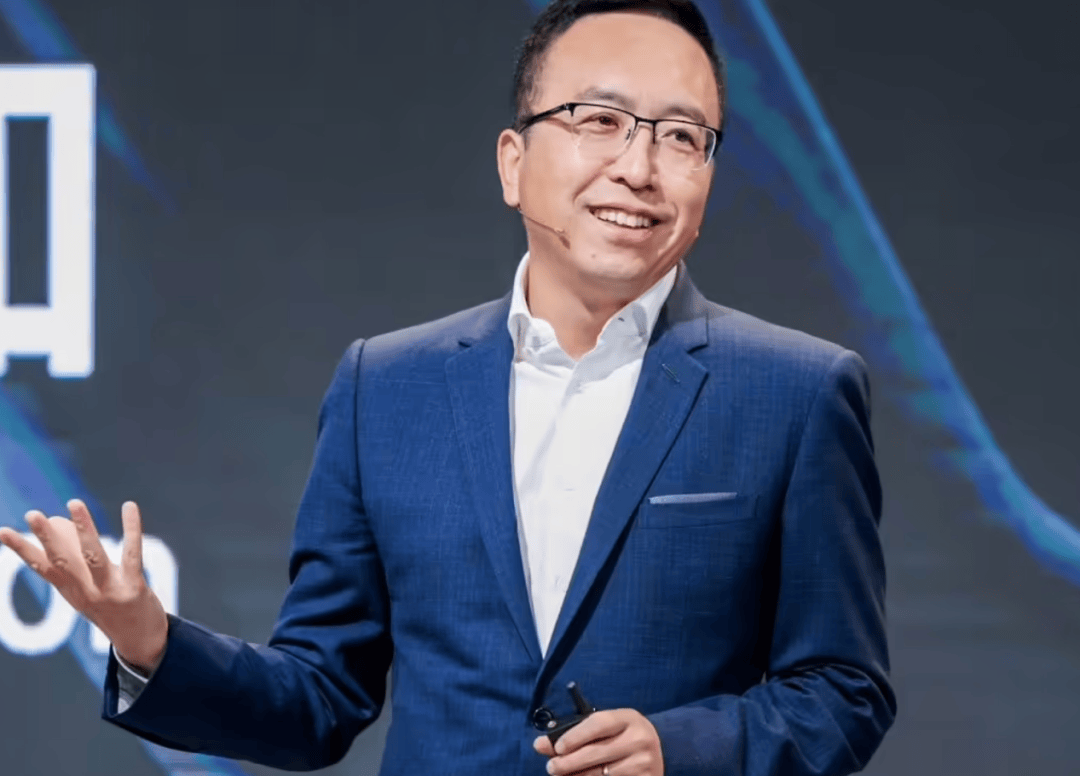
Core Viewpoint - Zhao Ming, former CEO of Honor, officially announced his new role at Qianli Technology, marking a significant career shift from consumer electronics to the smart automotive and AI sectors [1][4]. Group 1: Zhao Ming's Transition - Zhao Ming has been appointed as the co-chairman of Qianli Technology and is a candidate for the sixth board of directors as a non-independent director [3]. - He expressed his excitement about joining Qianli Technology, indicating a long-term commitment to the company [3]. - This transition signifies Zhao Ming's move from a consumer electronics giant to a focus on smart vehicles and AI technology [4]. Group 2: Qianli Technology's Strategic Direction - Qianli Technology has initiated an "AI+Car" strategic layout, transitioning from traditional automotive manufacturing to a technology-driven enterprise [7]. - The company has merged various teams to enhance its capabilities in intelligent driving and smart cockpit technologies [7]. - Qianli Technology, previously known as Lifan Technology, has undergone significant changes, including a rebranding and a shift in ownership structure [8]. Group 3: Market Performance - In January 2026, Qianli Technology reported total vehicle sales of 7,119 units, with only 30 units being electric vehicles, indicating a substantial reliance on traditional models [10]. - The sales data revealed a dramatic decline in electric vehicle sales, down 98.28% year-over-year, while other vehicle sales surged by 638.44% [11]. - The company is positioning itself as a technology enterprise centered on "AI+Car," moving away from traditional automotive classifications [11]. Group 4: Industry Trends - The automotive sector is witnessing a trend where former executives from mobile phone companies are transitioning into the automotive industry, indicating a blending of technology and automotive expertise [14].
虹软科技:公司拥有丰富的针对智能手机、AI眼镜等移动智能终端以及智能汽车的视觉算法产品线
Zheng Quan Ri Bao Wang· 2026-02-13 13:44
Core Viewpoint - The company, Hongsoft Technology, is a leading supplier of visual artificial intelligence algorithms, focusing on mobile smart devices and smart vehicles [1] Group 1: Company Overview - Hongsoft Technology has a rich product line of visual algorithms tailored for smartphones, AI glasses, and smart cars [1] - The main source of revenue for the company comes from licensing its core technologies developed in-house [1] Group 2: Clientele - Major clients include globally recognized smartphone manufacturers such as Samsung, Xiaomi, OPPO, vivo, Honor, and Moto, as well as domestic and some joint venture and foreign automotive manufacturers [1] Group 3: Business Stability - The company reports healthy and stable business development, although its stock price may fluctuate due to various factors in the capital market [1]

「OV米耀」推出新春手机/配件:生肖logo几乎绝迹,厂商为何不搞马年专属了?
3 6 Ke· 2026-02-13 13:05
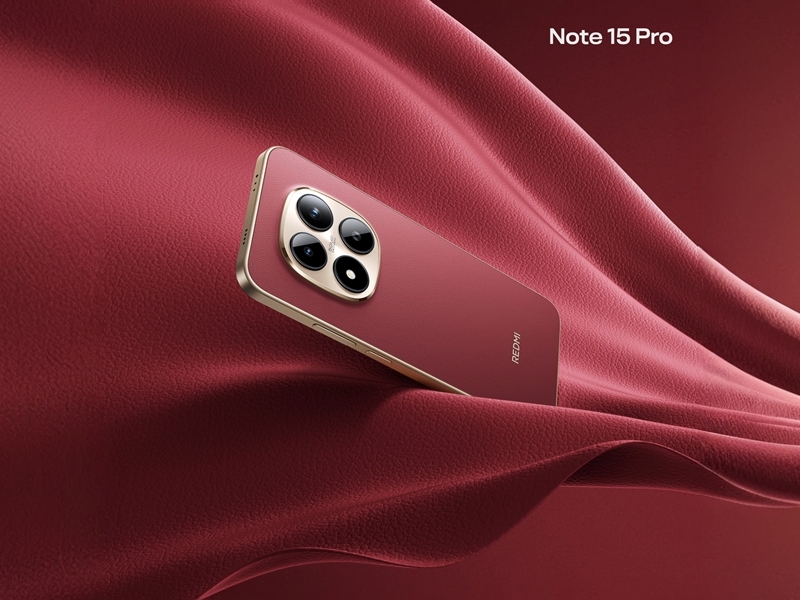
Core Viewpoint - The article discusses the strategies of various Chinese smartphone manufacturers as they launch new products ahead of the Lunar New Year, emphasizing the shift from traditional red-themed designs to more sophisticated and nuanced color choices that cater to evolving consumer preferences [1][39]. Group 1: Product Strategies - Several manufacturers have adopted distinct strategies for their Lunar New Year offerings, including traditional approaches, ecosystem-focused designs, and innovative marketing tactics [3]. - Redmi's Note 15 Pro features a "cherry red" color, appealing to consumers looking for a durable and practical gift option for family members, particularly older generations [4][8]. - Vivo's X300, marketed as a flagship device in "good luck red," targets younger consumers who desire a high-quality smartphone as a personal reward during the festive season [9][11]. - OPPO has opted for a clever marketing strategy by focusing on accessories rather than new phone models, offering a range of themed accessories that allow consumers to refresh their existing devices [20][24]. Group 2: Color Trends and Consumer Preferences - This year, orange has emerged as a notable color trend alongside traditional red, with brands like Honor introducing "light orange" and "sunrise orange" models, reflecting a shift in consumer aesthetics [25][27]. - The disappearance of zodiac-themed designs indicates a broader trend where manufacturers are moving away from overly customized products that may not retain value over time, focusing instead on timeless color choices [28][31]. - The evolving consumer mindset shows that younger buyers are now seeking premium, sophisticated designs rather than the traditional festive colors, leading to the introduction of more subdued shades like "cherry red" and "light-catching red" [38][39]. Group 3: Emotional and Cultural Significance - The article highlights that the competition among smartphone manufacturers has evolved from purely technical specifications to a focus on cultural and emotional value, aligning products with the sentiments associated with the Lunar New Year [39]. - Companies are leveraging the emotional significance of the holiday by incorporating elements like auspicious colors and health-related features into their products, aiming to enhance the festive experience for consumers [42].

智能硬件公司觉得自己无所不能
Jing Ji Guan Cha Wang· 2026-02-13 12:41
Core Insights - The technology and internet sectors are experiencing rapid changes in 2025, with companies facing intense competition in computing power and large model applications, while e-commerce is reshaping its foundations amid regulatory pressures [1] - The hardware industry is characterized by a collective illusion of being "omnipotent," with companies diversifying into various product categories, including smart glasses and drones, driven by the demand for AI to find physical world applications [2][3] Industry Trends - Major hardware manufacturers are expanding beyond their core businesses, with companies like DJI venturing into vacuum robots and other sectors, reflecting a trend of "disruptive diversification" [3] - The rise of smart hardware has led to a belief that all categories are worth re-exploring in the AI era, resulting in a surge of innovative products, including smart rings and AI toys [2] Investment Landscape - The venture capital scene is increasingly favoring hardware startups, particularly those emerging from established companies like DJI, with high valuations being achieved based on the founders' previous experiences [4][5] - After the disillusionment with purely software-based AI models, investors are now focusing on hardware as essential for AI applications, leading to a significant influx of capital into the hardware sector [5] Competitive Dynamics - The competition in the imaging sector has intensified, with companies employing unconventional strategies, including negative marketing tactics and patent disputes, to gain market share [6] - The smart ring market has seen over 200 brands enter within six months, leading to fierce price wars and diminishing profit margins, while the AI glasses market has also faced similar challenges due to technological homogeneity [7]