
SHEIN

Search documents
第三届长三角电商交易会收官 汇集超10万潮品好物
Yang Zi Wan Bao Wang· 2025-12-10 14:58
Group 1 - The third Yangtze River Delta E-commerce Trade Fair successfully concluded in Suzhou, featuring an exhibition area of 15,000 square meters and over 500 standard booths, attracting nearly 1,000 merchants and showcasing over 100,000 trendy products [1] - The event highlighted traditional crafts and local delicacies, such as iron pots from Wuxi and unique foods from Nanjing and Suzhou, emphasizing the cultural richness of Jiangsu [1] - The Jiangsu Provincial Department of Commerce organized key industrial zones to participate, facilitating effective supply-demand matching through various meetings, enhancing collaboration among government, platforms, and enterprises [1] Group 2 - The trade fair served as a "policy highland" and "resource blue ocean," focusing on promoting Jiangsu's quality products through specialized sessions with major platforms like 1688 and Suning, providing professional guidance on platform rules and resource access [2] - The "Su Products, Su Goods" initiative aimed to streamline the transition from manufacturing to branding, achieving multiple outcomes such as brand exposure, channel expansion, and order conversion [2] Group 3 - The "Silk Road Cloud Products" e-commerce month event targeted enhancing Jiangsu enterprises' international operations, featuring insights from platforms like Shopee and SHEIN, and promoting deep connections between Jiangsu's industries and overseas e-commerce platforms [3] - The event opened new international market opportunities for Jiangsu products, addressing the demand for diverse channels and a more determined approach to "going global" [3] - The trade fair also emphasized a "show + live broadcast" immersive experience, with nearly 100 live streaming rooms, effectively converting online traffic into sales [3]


日本跨境税变动!2026年全面加税,你的商品还能卖爆吗?
Sou Hu Cai Jing· 2025-12-10 08:49
日本于2025年12提出了相关税制修正案。该政策调整计划纳入 2026 年度税制改革大纲,预计将在 2026 年正式实施。 值得注意的是,早在 2025 年 5 月,日本财务省就已经公布了相关草案,计划取消 1 万日元以下进口商品的消费税豁免政策; • 2026 年起:正式取消 1 万日元以下商品的消费税豁免,征收 10% 消费税,但关税仍维持豁免 • 过渡期安排:针对合规发票制度转型的免税企业,原定 2026 年 9 月到期的 "二割特例" 过渡政策已被取消,海外企业自 2024 年 10 月起不再适用任何简化 税制 取消 1 万日元以下进口商品消费税免征政策:现行制度下,价值低于 1 万日元(约合 452-495 元人民币)的进口商品可以免征消费税,这一政策自 1989 年实施以来已执行 36 年。新规实施后,所有进口商品无论金额大小均需缴纳 10% 的消费税,这意味着原本享受免税优惠的低价商品将面临10% 的税负增加。 废止个人使用进口商品按海外售价 60% 计税的规定:目前,日本个人从海外网站购买商品时,只对货值的 60% 计税,相当于享受了 40% 的税收优 惠。例如,一件价值 3 万日元的商品,按 ...


欧洲小包税改倒计时:平台谋变,卖家求生
雷峰网· 2025-12-09 07:07
Core Viewpoint - The European Union's decision to eliminate the tax exemption for low-value imports under €150 will significantly impact cross-border platforms and sellers, particularly those relying on low-cost small packages [2][9]. Group 1: Policy Changes and Impacts - The EU Council has approved a resolution to end the tax exemption for small packages, which is expected to take effect by 2026, adding a processing fee of approximately €2 per package [2]. - In 2024, an estimated 4.6 billion low-value packages are projected to enter the EU, with 91% originating from China [2]. - This policy mirrors the U.S. decision to cancel T86 earlier this year, which forced platforms like Temu to raise prices, resulting in a significant drop in order volume [2][3]. Group 2: Seller Strategies and Market Reactions - Temu has introduced a semi-managed Y2 model in Europe, allowing sellers to ship directly from domestic locations to overseas warehouses, which is expected to reduce order volume for fully managed services [4]. - Despite the success of the Y2 model in the U.S., European sellers remain cautious, with many still observing the market before making a transition [4][5]. - The complexity of European regulations, such as VAT requirements and compliance with local laws, poses significant challenges for sellers considering the Y2 model [4][5]. Group 3: Logistics Industry Dynamics - Logistics companies that depend on small package direct shipping are facing severe challenges, with a notable decline in order volume impacting their growth plans [6]. - Conversely, overseas warehouse service providers are experiencing increased demand as the new regulations necessitate higher local warehousing and logistics capabilities [6]. - The anticipated rise in local warehousing in Europe is seen as an opportunity for domestic players to expand their logistics operations [6]. Group 4: Future Outlook and Market Adjustments - The transition period before the new EU regulations take effect is viewed as a critical time for platforms and sellers to adjust their strategies [10]. - The fragmented nature of the European market complicates compliance and operational strategies, creating potential for gray market activities as sellers seek lower costs and simpler procedures [7][10]. - The overall direction of the EU's policy change is unlikely to reverse, signaling the end of the small package direct shipping model [9].

日本计划对跨境电商平台征收消费税;TikTok Shop美国黑五GMV突破5亿美元;微信支付落地卡塔尔|一周出海参考
Tai Mei Ti A P P· 2025-12-09 06:05
Group 1 - The China-Vietnam QR code interoperability project has officially launched in Vietnam, allowing Chinese tourists to make payments using various mobile payment apps [1] - The project aims to enhance financial connectivity between China and Vietnam, promoting trade and tourism between the two countries [1] Group 2 - India is projected to attract $4.1 trillion in green investments by 2047, with an annual market potential of $1.1 trillion [2] - This significant investment is expected to contribute to India's sustainable development goals over the next two decades [2] Group 3 - Thailand's cabinet has approved a policy to promote residential solar rooftop installations, allowing tax deductions for related expenses [3] - The initiative aims to encourage the use of clean energy and reduce household electricity costs while transforming the national energy structure [3] Group 4 - Thailand's electric vehicle production exceeded 50,000 units in the first ten months of 2025, marking a 530% year-on-year increase [4] - Despite a slight decline in overall vehicle production, the domestic market remains stable, with electric vehicle sales growing by 60.1% [4] Group 5 - Chinese citizens can now travel to Russia visa-free until September 14, 2026, for tourism and business purposes, with a stay of up to 30 days [5] Group 6 - Amazon has launched its first global smart hub warehouse in Shenzhen, China, set to open in March 2026, as part of its supply chain solutions [6] - The new global smart hub warehouse will facilitate seamless logistics and inventory management for sellers [6] Group 7 - Amazon's Haul program has expanded to 26 countries, with user visits tripling since June [7] - Chinese sellers on Amazon's emerging sites saw sales increase by over 30% from January to October 2025 [8] Group 8 - TikTok Shop's gross merchandise volume (GMV) in the U.S. surpassed $500 million during Black Friday, reflecting a nearly 50% year-on-year growth [9] - The platform's live streaming sales saw significant increases, with participating sellers' sales up by 84% [9] Group 9 - Lazada has upgraded its collection services in mainland China, adding 18 cities and allowing for single-item pickups [10] - The new regulations will be fully implemented by January 2026, with performance assessments for sellers starting then [10] Group 10 - Ozon has launched a premium brand selection platform, "Ozon Select," focusing on high-end products, with over 130,000 SKUs listed [11] - The platform is expected to see a 1.5x increase in orders for fashion items by Q1 2025 [11] Group 11 - Walmart reported a 57% increase in orders on Black Friday compared to the previous year, driven by strong consumer demand for electronics and home goods [12] Group 12 - The global market for robotic vacuum cleaners saw an 18.7% year-on-year increase in shipments in the first three quarters of 2025, with Europe and the Middle East leading growth [13] Group 13 - In November 2025, 33 Chinese companies made it to the global mobile game revenue top 100, collectively earning $1.95 billion [14] - Tencent remains the top mobile game publisher globally, with significant contributions from its flagship products [14] Group 14 - U.S. online sales on Black Friday reached a record $11.8 billion, marking a 5.8% increase from the previous year [15] - Mobile shopping accounted for over 60% of total sales, indicating a shift in consumer purchasing behavior [15] Group 15 - JD Logistics reported a doubling of order volume in its overseas warehouses during the Black Friday sales period [16] - Significant growth was observed in North America, Europe, and the Asia-Pacific regions [16] Group 16 - Ant Group's WorldFirst reported processing nearly $200 billion in transactions in 2025, with a 100% year-on-year growth [17] - The service has expanded to over 220 countries, supporting multiple currencies for transactions [17] Group 17 - WeChat Pay has launched in Qatar, with QNB becoming the first bank in the Gulf Cooperation Council to support the service [18] - This development provides new digital payment options for retailers in Qatar to connect with Chinese consumers [18] Group 18 - Malaysia is drafting regulations to restrict social media access for individuals under 16 years old, focusing on online safety for children [19] Group 19 - Japan plans to impose consumption tax on cross-border e-commerce platforms with annual sales exceeding 5 billion yen, affecting companies like Temu and SHEIN [20] - The new tax regulations aim to reduce tax evasion and support local retail businesses [20]


非凡五年,广东把“逆风局”打成“高端局”
21世纪经济报道· 2025-12-09 00:34
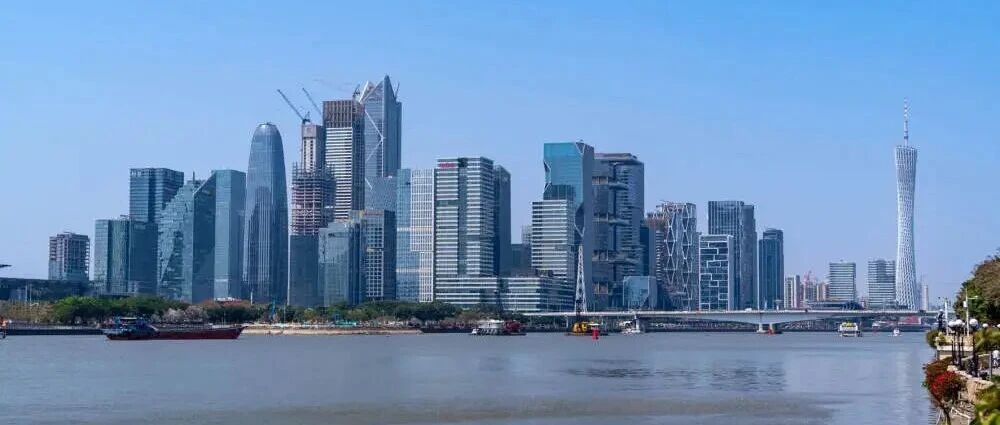
Core Viewpoint - The article discusses how Guangdong province has managed to maintain economic growth and resilience despite facing significant challenges over the past five years, including the pandemic and global trade tensions. The province's GDP has consistently surpassed key milestones, demonstrating its ability to adapt and innovate in a changing economic landscape [3][4]. Economic Performance - Guangdong's total economic output has crossed the thresholds of 12 trillion, 13 trillion, and 14 trillion yuan, maintaining its position as the largest economy in China for 36 consecutive years [3]. - The average annual GDP growth rate for Guangdong during the first four years of the 14th Five-Year Plan is 4.7%, which, while seemingly modest, represents a significant marginal increase compared to previous decades [6]. Industrial Transformation - The province is focusing on transforming traditional industries and fostering emerging sectors, having initiated digital transformation for over 44,000 industrial enterprises [7]. - Guangdong produces a quarter of the country's new energy vehicles and over a third of industrial robots, with its core AI industry accounting for one-third of the national total [9]. Technological Innovation - More than one-third of provincial funding for technological innovation has been directed towards basic research, leading to Guangdong's top ranking in regional innovation capabilities [10]. - Key technological breakthroughs include advancements in high-end chips and surgical robots, showcasing the province's commitment to innovation [10]. Reform and Openness - Guangdong leads in several indicators of private sector development and has been recognized for its favorable business environment for four consecutive years [10]. - The province's total import and export volume has exceeded 9 trillion yuan, with a diverse range of international trade partnerships [10]. Regional Development and Sustainability - Guangdong is implementing a "full map development" strategy to promote balanced regional growth, transferring over 300 manufacturing projects to less developed areas [12]. - The province has achieved significant improvements in environmental quality, with record levels of air quality and water quality [12]. Social Welfare - Over 6 million new urban jobs have been created in Guangdong during the 14th Five-Year Plan, with a 4.9% average annual increase in per capita disposable income [12]. - The province has achieved near-complete coverage of pension insurance and has facilitated educational access for children of migrant workers [12].
纺织行业迎数智蝶变!SHEIN“按需生产”重塑产业生态
Zhong Guo Zheng Quan Bao· 2025-12-08 14:43
Group 1 - Digitalization is becoming a crucial driver for the transformation and upgrading of industries, with SHEIN leading the way in empowering the textile supply chain for digital upgrades [1] - SHEIN's flexible supply chain model, characterized by "small orders and quick responses," innovates the traditional garment production logic, addressing high inventory issues and driving digital transformation in the industry [2] - The company has developed and continuously updated free digital tools that enhance the efficiency, transparency, and precision of business operations for suppliers, enabling them to overcome traditional production limitations [2] Group 2 - SHEIN has established its first clothing manufacturing innovation research center and invested nearly 200 million yuan in technology innovation over the past two years, developing over 170 innovative tools that improve process efficiency by an average of 80% [3] - The promotion of advanced technologies, such as digital heat transfer printing, aligns with SHEIN's on-demand production model, enhancing flexibility and reducing resource waste in the supply chain [3] - SHEIN is committed to building a smart supply chain system with over 10 billion yuan in investments, creating high-quality employment for over one million workers, and advocating for sustainable development in the global supply chain [3]
纺织行业迎来数智蝶变 “SHEIN链”成产业升级标杆
Zheng Quan Ri Bao Wang· 2025-12-08 14:16
"SHEIN的数字化管理让全流程透明化,无论是销售、生产,还是产品质量情况,都可以在后台看得很 清楚,还能分析趋势指标,查看消费者评价,以便下一步更好地改进。SHEIN还有专门的部门在做工具 设备的研发,这些都成为我们持续挑战复杂款式的得力助手。"陈迪(化名)在四年前成为SHEIN的供 应商后,在其新模式、新工具的赋能支持下,实现了数字化升级和对较复杂工艺以及差异化款式的"攻 坚",业务很快迎来爆发式增长。 深入技术创新促产业链提质 本报讯 (记者袁传玺)"希音(SHEIN)打造的'SHEIN链'串联起品牌与供应商,在链主企业的带动 下,产业链从开发、生产、仓储、物流等产业链各环节实现数字化升级。"日前,新华社在市场最前沿 的报道中,关注了纺织行业的数智化转型。SHEIN作为时尚和生活方式零售商的"链主"企业,对全产业 链上下游供应商的"链式改造"赋能,已成为行业数智化转型的标杆。 柔性按需创新驱动"SHEIN链"数智转型 纺织服装产业因上下游环节多、涉及面广、时间跨度长且中小企业占比高,属于典型的非标行业,其转 型升级之路曾一度面临诸多现实挑战。SHEIN则通过"小单快反"的柔性供应链模式创新,实现"以销定 ...
非凡五年,广东把“逆风局”打成“高端局”
2 1 Shi Ji Jing Ji Bao Dao· 2025-12-08 08:15
Core Insights - Guangdong has successfully navigated a challenging economic environment over the past five years, achieving significant economic milestones despite difficulties such as the pandemic and global trade tensions [3][5][12] Economic Performance - Guangdong's total economic output has consistently surpassed 12 trillion, 13 trillion, and 14 trillion yuan, maintaining its position as the largest economy in China for 36 consecutive years, surpassing developed countries like South Korea and Australia [3][5] - The average annual GDP growth rate during the first four years of the 14th Five-Year Plan was 4.7%, which, while modest, represents a significant marginal increase compared to previous years [5][6] Industrial Transformation - The province has initiated a transformation of traditional industries and fostered emerging sectors, with over 44,000 industrial enterprises undergoing digital transformation [6][8] - Guangdong produced a quarter of the country's new energy vehicles and over a third of industrial robots, with its core AI industry accounting for one-third of the national scale [8][9] Technological Innovation - More than one-third of provincial science and technology innovation funds have been allocated to basic research, leading to Guangdong's top ranking in regional innovation capabilities [9][11] - Key technological breakthroughs include advancements in high-end chips and surgical robots, supported by the establishment of major research facilities [9][11] Reform and Openness - Guangdong has maintained a leading position in various indicators of private economy and has been recognized for its favorable business environment for four consecutive years [9][11] - The province's total import and export volume exceeded 9 trillion yuan, with a diverse range of international trade connections [9][11] Social and Environmental Development - The province has focused on balanced and green development, with significant improvements in air and water quality, and a commitment to social welfare [11][12] - By 2024, the per capita disposable income of urban and rural residents is projected to show a notable increase, reflecting improved living standards [11][12] Future Outlook - As Guangdong enters the 15th Five-Year Plan, the focus will be on transforming individual breakthroughs into systemic advantages to better navigate future uncertainties [12]
经济大省挑大梁丨非凡五年,广东把“逆风局”打成“高端局”
2 1 Shi Ji Jing Ji Bao Dao· 2025-12-08 08:04
Core Viewpoint - Guangdong has successfully navigated a challenging economic environment over the past five years, achieving significant growth and laying a solid foundation for future development during the "14th Five-Year Plan" period [1][3]. Economic Performance - Guangdong's total economic output has consistently crossed the thresholds of 12 trillion, 13 trillion, and 14 trillion yuan, maintaining its position as the top economy in China for 36 consecutive years, surpassing developed countries like South Korea and Australia [3]. - The average annual GDP growth rate for Guangdong during the first four years of the "14th Five-Year Plan" is 4.7%, which, while seemingly modest, represents a significant marginal increase compared to previous years [5]. Industrial Transformation - Guangdong is focusing on transforming traditional industries and nurturing emerging sectors, having promoted digital transformation for over 44,000 industrial enterprises [6]. - The province aims to establish nine trillion-yuan industrial clusters by 2024, contributing to its industrial diversification [6]. Technological Innovation - Over one-third of provincial technology innovation funds have been allocated to basic research, with Guangdong leading the nation in regional innovation capabilities [8]. - Key technological breakthroughs include advancements in high-end chips, nuclear magnetic resonance equipment, and surgical robots [8]. Reform and Openness - Guangdong has maintained a leading position in various indicators of private economy and has been recognized for four consecutive years as having the best business environment in China [9]. - The province's total import and export volume has exceeded 9 trillion yuan, with connections established with over 230 ports globally [9]. Regional Development and Environmental Sustainability - Guangdong is implementing a "full map development" strategy to promote industrial transfer to less developed areas, with over 300 projects and an investment exceeding 110 billion yuan in the "Yuexi North" region [11]. - The province has achieved significant improvements in environmental quality, with the best air quality recorded and a high water quality rate of 93.2% across national monitoring sites [11]. Social Welfare - Over 6 million new urban jobs have been created in Guangdong during the "14th Five-Year Plan," with a real annual growth of 4.9% in per capita disposable income [12]. - The province has achieved near-complete coverage of pension insurance and ensured that over 90% of migrant workers' children can attend public schools [12].

江苏制造勇闯东南亚
Xin Hua Ri Bao· 2025-12-08 04:48
Core Insights - The "Silk Road E-commerce" event highlighted the significant potential of the Southeast Asian market for Jiangsu enterprises, emphasizing the need for deep localization to capitalize on this opportunity [1][8] - The Southeast Asian e-commerce market is transitioning from a "traffic dividend" phase to a "brand cultivation" phase, necessitating a shift in strategy for Jiangsu companies from mere product export to brand building and localized user experiences [2][3] Group 1: Market Dynamics - Southeast Asia, particularly Malaysia, Thailand, and Indonesia, is moving towards refined brand operations as local consumers mature and competition intensifies [2] - Jiangsu's manufacturing strengths, such as wearable devices and smart home appliances, have been validated in the mid-to-high-end Southeast Asian market, presenting both challenges and opportunities for brand recognition [3] Group 2: Data-Driven Localization - The use of AI tools like Adqlo can help companies analyze social media data across platforms to gain actionable consumer insights and market trends, facilitating effective localization strategies [4][5] - Successful case studies, such as the launch of "Iron Guanyin Coconut Tea" by a tea brand in Malaysia, demonstrate the effectiveness of data-driven approaches in identifying and responding to local market demands [5] Group 3: Talent and Compliance - Building and managing an efficient local team is a common challenge for Chinese companies entering Southeast Asia, where the job market is competitive and local talent has high expectations [6][7] - Companies like Astar provide essential services for local recruitment and compliance, helping Jiangsu enterprises navigate the complexities of local labor laws and operational needs [7] Group 4: Strategic Implications - The shift from simple goods export to regional supply chain integration reflects a new trend in international trade, where Jiangsu manufacturers are increasingly focusing on local production and procurement to meet regulatory requirements [7][8] - The Southeast Asian market serves as a critical avenue for Jiangsu enterprises to optimize production capacity and enhance global brand influence amidst dual pressures of growth and capacity optimization [8]