李宁

Search documents
李宁品牌成为国际武术联合会全球合作伙伴
Zhong Guo Qing Nian Bao· 2025-10-18 06:13
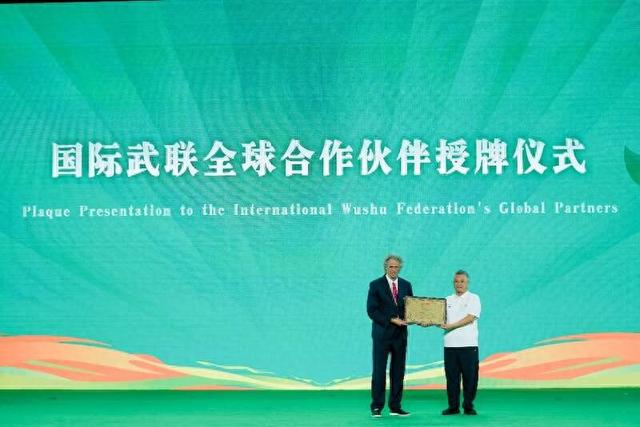
Core Viewpoint - The 10th World Traditional Wushu Championship has commenced in Emei Mountain, Sichuan, with Li Ning brand announced as the global partner of the International Wushu Federation for the period of 2025-2032 [2] Group 1: Event Overview - The championship is recognized as the largest, highest-standard, and most influential traditional martial arts event globally, attracting nearly 5,000 traditional martial arts practitioners from all five continents [2] - The event serves as a platform for martial artists to showcase their skills and promote martial ethics, while also facilitating the international dissemination and exchange of martial arts culture [2] Group 2: Company Involvement - As the global partner of the International Wushu Federation, Li Ning will provide comprehensive professional sports equipment support, including sports shoes, clothing, and accessories for officials and events [2] - The partnership aims to meet the diverse needs of various scenarios such as competitions and meetings [2]

李宁验厂不符合项
Sou Hu Cai Jing· 2025-10-18 04:17
Core Insights - The article discusses the common issue of non-compliance in factory audits for companies like Li Ning, emphasizing the importance of understanding and improving upon these non-compliance items [1][3] Group 1: Quality Management System - Quality management is a core aspect of factory audits, with common non-compliance issues including incomplete documentation and process control gaps [3] - Factories are encouraged to establish and strictly implement a comprehensive quality management system, including regular audits of documentation and employee training [3] Group 2: Work Environment and Safety Measures - The audit checks for compliance with safety measures such as fire safety equipment, emergency lighting, and evacuation routes [5] - Factories should conduct regular safety self-inspections and develop clear emergency plans, including employee drills [5] Group 3: Employee Rights and Benefits - Non-compliance may arise from inaccurate work hour records and inadequate overtime compensation [6] - Factories need to improve human resource management systems to ensure compliance with labor regulations and establish communication channels to address employee needs [8] Group 4: Environmental Management Requirements - Environmental management is increasingly important, with non-compliance issues including improper waste disposal and excessive energy consumption [9] - Factories should create environmental management plans with clear targets and regularly monitor compliance to reduce operational costs [9] Group 5: Supply Chain Transparency and Traceability - Transparency and traceability in the supply chain are critical, with non-compliance arising from incomplete supplier lists and unclear raw material sources [10] - Factories should establish robust supply chain management systems and enhance communication with suppliers to ensure compliance [10] Group 6: Professional Consultation - Many companies seek assistance from professional consulting firms to address audit non-compliance issues, with firms like Shanghai Chaowang Enterprise Management Consulting Co., Ltd. offering valuable guidance [11] - Engaging a consulting firm should be based on a careful evaluation of their expertise and service offerings [11] Group 7: Continuous Improvement - Non-compliance items should be viewed as starting points for improvement rather than endpoints, allowing factories to enhance their management capabilities and competitiveness [11]
耐克,在大中华区少卖了10个亿
21世纪经济报道· 2025-10-17 13:35
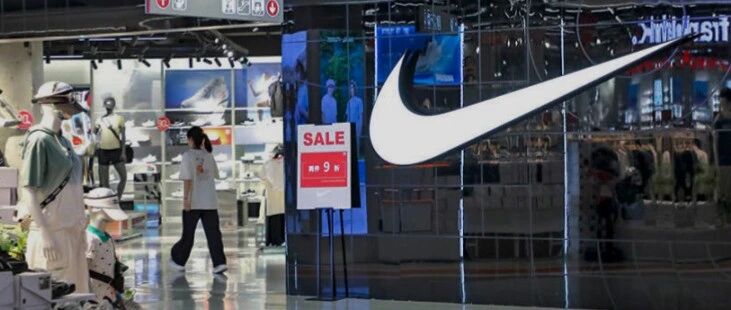
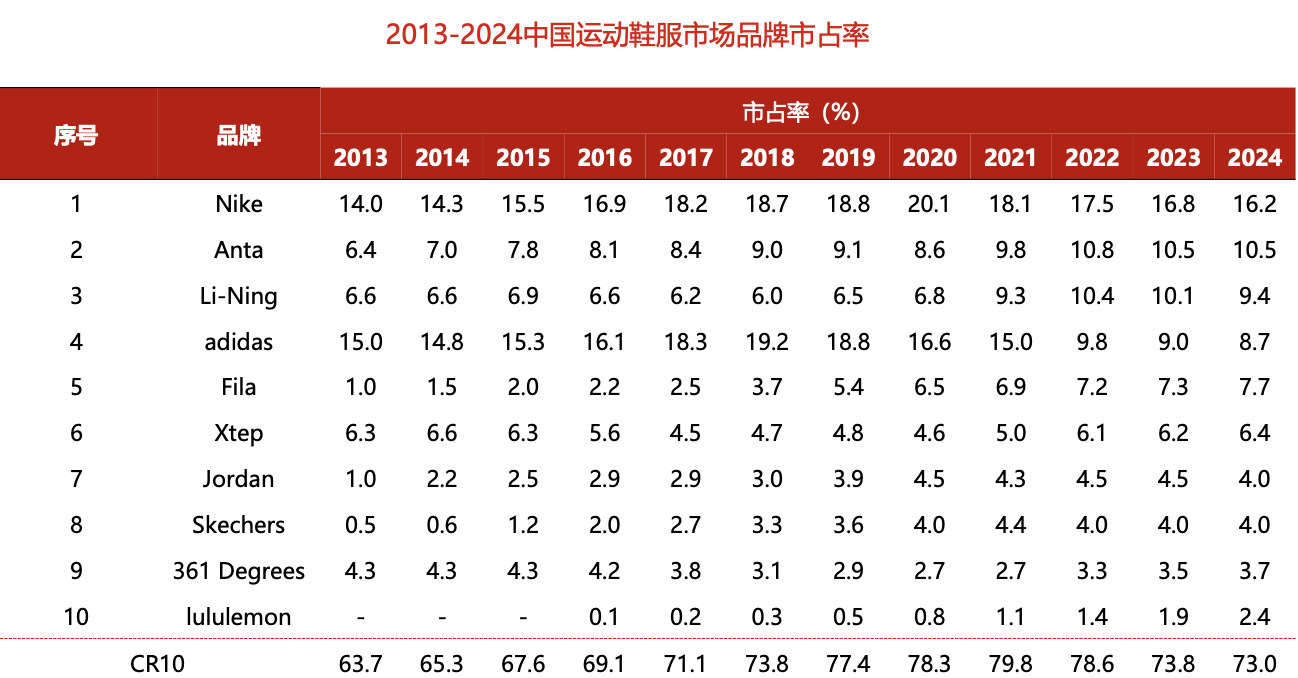
Core Viewpoint - The article discusses the competitive landscape of the global sports footwear and apparel industry, primarily focusing on the rivalry between Nike and Adidas, and highlights the rise of domestic brands in China, which has intensified competition and impacted the market shares of these global giants [1][9]. Group 1: Historical Context and Market Dynamics - The global sports footwear and apparel industry was historically dominated by German, American, and Japanese brands before Nike's rise in the 1980s, when it first surpassed Adidas in North America with a market share of 50% [1]. - Adidas faced challenges in the 1990s but revived its brand through the Originals retro series and strategic acquisitions, leading to a competitive duopoly with Nike [1]. - In China, the competition has shifted since 2017, with domestic brands like Anta, Li Ning, and FILA gaining market share, resulting in Adidas's market share dropping below that of Nike, Anta, and Li Ning by 2024 [1]. Group 2: Nike's Performance and Challenges - Nike's revenue in Greater China for the latest fiscal quarter fell by 10% year-on-year to $1.512 billion (approximately 10.775 billion RMB), with a decline in both direct and wholesale channels [3][4]. - The company is facing structural challenges, including decreased foot traffic and a highly promotional market environment, which have pressured sales and profitability [4][5]. - Despite a strong performance in the running category, Nike's overall business in China is under pressure, necessitating increased investment to maintain market order [3][4]. Group 3: Competitive Landscape and Domestic Brands - The intensifying competition in the Chinese market is attributed to both overall market pressures and the rapid rise of domestic brands, which are increasingly seen as offering comparable products to Nike [5][6]. - Domestic brands are leveraging local manufacturing and innovative marketing strategies to enhance their market positions, further eroding Nike's pricing power [6][7]. Group 4: Adidas's Strategic Moves - Adidas has reported a 2.2% year-on-year revenue increase to €5.952 billion (approximately 49.625 billion RMB) in Q2, with Greater China being a significant growth driver, showing an 11% increase to €798 million (approximately 6.653 billion RMB) [9][10]. - The company's operating profit margin in China reached 22.7%, surpassing that of its European and North American markets, indicating a strong recovery in this region [9][10]. - Adidas's CEO has made multiple visits to China, emphasizing the strategic importance of the market and the company's commitment to local production and design [10][11]. Group 5: Future Outlook and Strategic Responses - Both Nike and Adidas are increasing their investments in China to counteract competitive pressures, with Nike focusing on enhancing its retail experience and product offerings [14][15]. - Nike's recent leadership changes, including the appointment of a new CEO for Greater China, reflect its strategy to strengthen its market presence and adapt to local consumer preferences [15]. - The competitive landscape in the domestic sports market is becoming increasingly heated, with both global brands and local players vying for market share [15].

激战中国市场:耐克销售下滑 阿迪达斯“高调”进击丨运动变局
2 1 Shi Ji Jing Ji Bao Dao· 2025-10-17 13:14
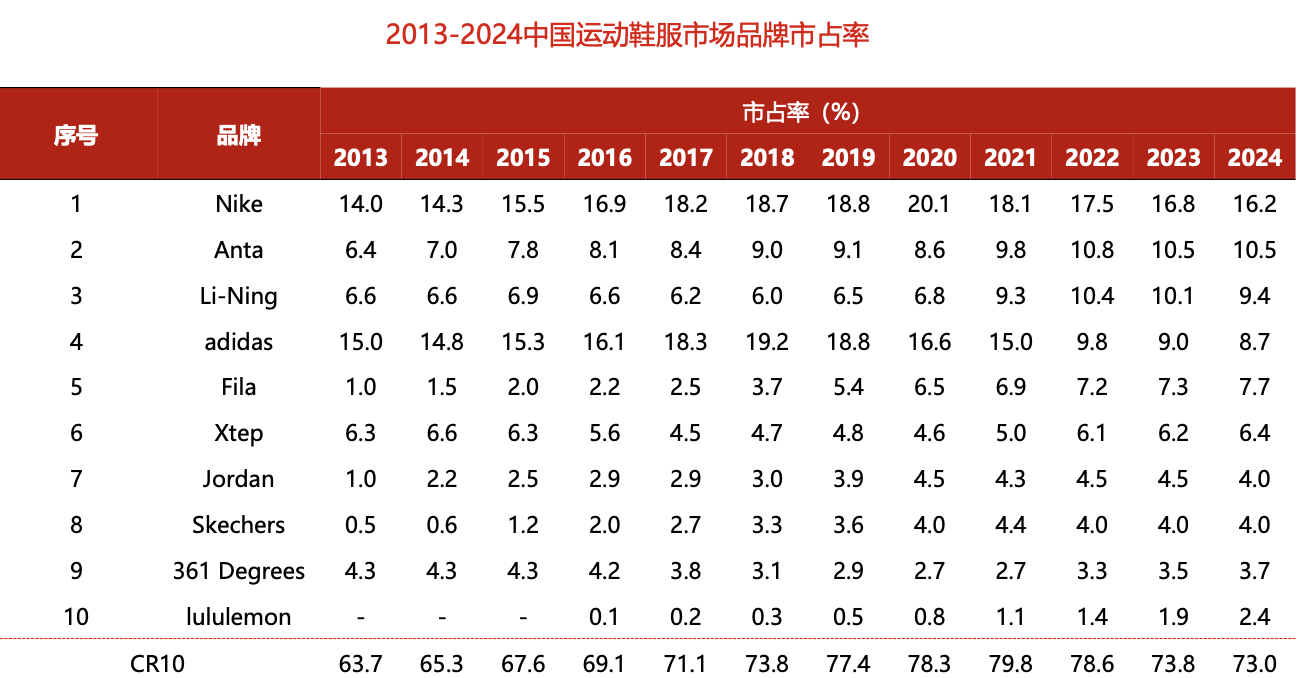
Core Insights - The global sports footwear and apparel industry is largely defined by the competition between Nike and Adidas, with a historical context of dominance by German, American, and Japanese brands before Nike's rise in the 1980s [1] - In the Chinese market, Nike and Adidas have faced increasing competition from domestic brands like Anta and Li-Ning since 2017, leading to a decline in Adidas's market share [1][10] - Adidas is actively working to regain its position in the Chinese market, showing a notable increase in revenue and market strategies [10][12] Market Dynamics - Nike's market share in China has decreased from 18.1% in 2021 to 16.2% in 2024, while Adidas's share has dropped from 15% to 8.7% in the same period [14] - Anta's market share increased from 9.8% to 10.5%, and Li-Ning's share rose slightly from 9.3% to 9.4% [14] - The competitive landscape is intensifying, with domestic brands gaining traction and impacting the pricing power of established international brands [6][22] Financial Performance - Nike's revenue in Greater China fell by 10% to $1.512 billion (approximately 10.775 billion RMB) for the latest fiscal quarter, with a decline in both direct and wholesale channels [4][5] - Adidas reported a 2.2% increase in revenue to €5.952 billion (approximately 49.625 billion RMB) in Q2, with a significant contribution from the Greater China region, which saw an 11% increase [10][11] - The operating profit margin for Adidas in China reached 22.7%, surpassing its margins in Europe and North America [11] Strategic Initiatives - Adidas's CEO, Bjorn Gulden, has been actively engaging with the Chinese market, emphasizing the importance of local production and design [12][14] - Nike is also increasing its investment in China, focusing on enhancing its retail experience and product offerings to regain market share [17][20] - Both companies are facing pressure from the rise of domestic brands, which are improving product quality and competitive pricing [8][22]

激战中国市场:耐克销售下滑,阿迪达斯“高调”进击丨运动变局
2 1 Shi Ji Jing Ji Bao Dao· 2025-10-17 12:46
Core Insights - The competition between Nike and Adidas has defined the global sports footwear and apparel industry, with both brands historically dominating the market [1][2][3] Market Dynamics - Nike surpassed Adidas in North America in 1980, achieving a market share of 50%, while Adidas struggled due to a lag in the sports fashion trend [2] - Adidas began to recover in the 1990s by focusing on sports fashion and launched the Originals retro series in 1996, maintaining over 20% growth since 1994 [2] - In China, the competition has intensified since 2017, with domestic brands like Anta and Li Ning rapidly gaining market share, leading to a decline in Adidas's position [3][4] Financial Performance - As of the latest fiscal quarter ending August 31, 2025, Nike's revenue in Greater China fell by 10% year-on-year to $1.512 billion (approximately 10.775 billion RMB), with declines across various channels [7] - Adidas reported a 2.2% year-on-year revenue increase to €5.952 billion (approximately 49.625 billion RMB) in Q2, with Greater China being a significant growth driver, showing an 11% increase to €798 million (approximately 6.653 billion RMB) [12] Competitive Landscape - The domestic sports market is under pressure, with brands like Peak reporting significant losses and implementing salary cuts [9] - The rise of domestic brands has eroded Nike's pricing power, as they offer high-quality products at competitive prices [10] Strategic Moves - Adidas's CEO, Bjorn Gulden, has made multiple visits to China, indicating a strategic focus on the market, which is crucial for the brand's recovery [13][14] - Nike is also increasing its investment in China, planning to enhance its retail experience and product offerings to regain market share [17][20] Market Share Trends - Adidas's market share in China has dropped from 15% in 2021 to 8.7% in 2024, while Nike's share decreased from 18.1% to 16.2% [14] - Anta and Li Ning have increased their market shares, with Anta rising from 9.8% to 10.5% and Li Ning from 9.3% to 9.4% [14] Leadership Changes - Nike has appointed Dong Wei as the new chairperson and CEO for Greater China, emphasizing the importance of the Chinese market for its overall strategy [20][21]
激战中国市场:耐克销售下滑,阿迪达斯“高调”进击
2 1 Shi Ji Jing Ji Bao Dao· 2025-10-17 12:42
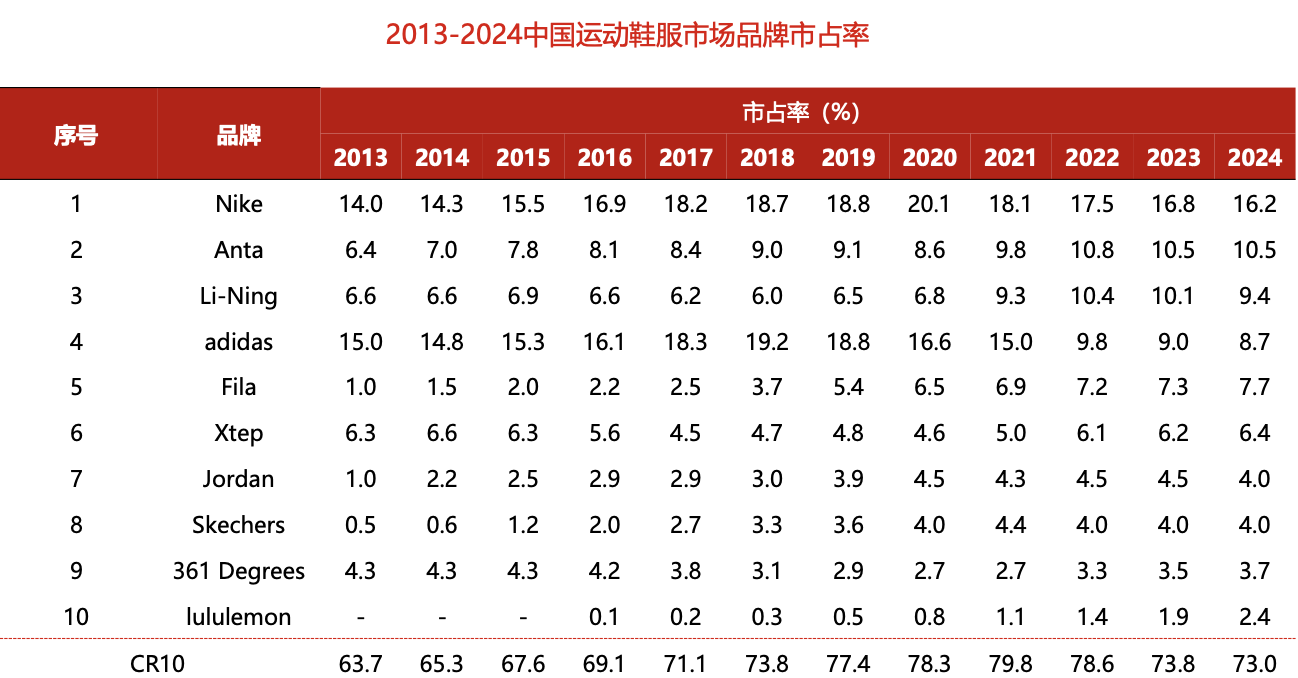
Core Insights - The global sports footwear and apparel industry is largely characterized by the competition between Nike and Adidas, with a historical context of dominance by German, American, and Japanese brands before Nike's rise in the 1980s [1][2]. Market Dynamics - Nike surpassed Adidas in North America in 1980, achieving a market share of 50%, while Adidas struggled due to a lag in the sports fashion trend [2]. - Since 2017, domestic brands like Anta and Li-Ning have rapidly gained market share in China, leading to a significant decline in Adidas's position, which fell below Nike, Anta, and Li-Ning by 2024 [3][4]. Performance Metrics - In the Chinese market, Nike's market share decreased from 18.1% in 2021 to 16.2% in 2024, while Adidas's share dropped from 15% to 8.7% during the same period [12]. - As of the latest fiscal quarter, Nike's revenue in Greater China fell by 10% to $1.512 billion (approximately 10.775 billion RMB), with a notable decline in both direct and wholesale channels [7]. Competitive Strategies - Adidas reported a 2.2% increase in revenue to €5.952 billion (approximately 49.625 billion RMB) in Q2, with Greater China being a key growth driver, showing an 11% increase to €798 million (approximately 6.653 billion RMB) [11]. - Adidas's operating profit margin in China reached 22.7%, surpassing that of Europe and North America, indicating a strong performance in the region [11]. Brand Positioning - Domestic brands are increasingly competitive, with claims that they have closed the product gap with Nike, focusing on high-quality products at competitive prices [9]. - Nike is responding to market pressures by enhancing its investment in China, including the transformation of retail spaces into sports experience centers and optimizing product offerings [15][18]. Leadership Changes - Nike appointed Dong Wei as the new chairperson and CEO for Greater China, emphasizing the importance of the Chinese market in its recovery strategy [18][19].
柳州市人民医院原党委书记、院长李宁宁被开除党籍
Huan Qiu Wang· 2025-10-17 11:19
Core Points - The investigation into Li Ningning, former Party Secretary and Director of Liuzhou People's Hospital, has been initiated due to serious violations of discipline and law [1] - Li Ningning is accused of losing ideals and beliefs, violating the spirit of the Central Eight Regulations, and engaging in corrupt practices such as accepting gifts and entertainment [1] - The investigation revealed that Li Ningning intervened in construction project contracts and engaged in power-for-money transactions, benefiting from medical equipment sales and project contracts [1] Summary by Categories Disciplinary Violations - Li Ningning violated multiple disciplines including organizational, integrity, work, and life disciplines, constituting serious job-related violations and suspected bribery [1] - The violations occurred after the 18th National Congress of the Communist Party, indicating a severe nature and negative impact [1] Consequences - Li Ningning has been expelled from the Party, and his retirement benefits have been revoked [1] - The illegal gains from his violations will be confiscated, and the case has been referred to the prosecution for legal review and prosecution [1]
中年男人的「爱马仕」,三个字
创业邦· 2025-10-17 03:24
Core Viewpoint - The article discusses the booming marathon industry in China, highlighting the increasing participation of middle-aged individuals and the evolving nature of marathon events and related businesses [4][5][40]. Industry Growth - The number of marathon events in China has surged from 134 in 2015 to 1,828 in 2019, and further to 749 events in 2024, with total participants reaching 7.05 million [8][10]. - The average number of participants per marathon is approximately 9,400, indicating a significant increase in public interest and engagement in long-distance running [8]. Registration and Participation - Popular marathons now employ a pre-registration and lottery system, with the Shanghai Marathon reporting a registration of 356,589 participants and a low acceptance rate of 7.2%, which may drop to around 3% when considering actual available spots [10][11]. - Charity entries are available at significantly higher fees, with the 2024 Beijing Marathon offering 200 charity spots at 2,000 RMB each, and the 2025 Shanghai Marathon offering 1,000 spots at 5,000 RMB each [14][15]. Equipment and Spending - The marathon culture has led to increased spending on running gear, with various brands offering specialized running shoes ranging from affordable domestic options to high-end international brands [22][23]. - The article notes that the average cost of hiring a personal running coach ranges from 400 to 800 RMB per hour, with packages available for 3,000 to 5,000 RMB for multiple sessions [26]. Social and Psychological Aspects - The marathon serves as a social currency among middle-aged individuals, providing a sense of achievement and control in their lives amidst various pressures [21][40]. - The act of running a marathon is seen as a way for individuals to prove their endurance and capability, especially as they face physical declines with age [41][43]. Industry Implications - The marathon industry has created a complex ecosystem involving registration, gear, coaching, and even personal pacers, contributing to a unique economic model that supports both consumer spending and job creation [39][40].

申万宏源:纺服内需复苏有韧性 户外热潮孕育结构性机会
Zhi Tong Cai Jing· 2025-10-16 08:19
Core Insights - The retail sales of clothing, shoes, hats, and textiles in China reached 940 billion yuan from January to August, showing a year-on-year increase of 2.9%, indicating a mild recovery trend [1][2] - The domestic demand recovery is a significant investment theme for 2025, with high-quality domestic brands beginning to reverse their challenges [1][9] - The textile manufacturing sector is currently facing short-term disruptions due to the U.S. "reciprocal tariffs," but high-quality stocks are significantly undervalued, suggesting a long-term positive outlook [1][9] Domestic Demand - From January to August, retail sales in the clothing and textile sectors reached 940 billion yuan, with July and August showing year-on-year increases of 1.8% and 3.1% respectively, reflecting a mild recovery [2] - The recovery in domestic demand is expected to be resilient, with high-end and cost-effective markets performing better due to differing consumer needs [3][4] External Demand - China's textile and apparel exports totaled $197.3 billion from January to August, with a year-on-year decrease of 0.3%. Textile exports were $94.5 billion (up 1.6%), while apparel exports were $102.8 billion (down 1.7%) [2] - Vietnam's textile exports grew by 8.6% to $29.7 billion, indicating a shift in the textile supply chain and competitive pressures on Chinese exports [2] Sports and Outdoor Sector - The sports consumption sector is characterized by strong demand, supported by an outdoor trend that creates structural opportunities, with high-end and cost-effective brands showing better growth [3] - Anta, FILA, and outdoor brands are expected to see significant revenue growth in Q3 2025, with outdoor brands continuing to experience high growth rates [3] Apparel Sector - Most brands in the men's and children's clothing segments are still in the recovery phase, with expectations of revenue growth for brands like Hai Lan and a stable performance for high-end men's clothing [4] - Women's clothing is also recovering, with brands like Xinhe and Ge Lisi expected to see revenue growth, while children's clothing is anticipated to benefit from policies promoting childbirth [4] Home Textiles - The home textile sector is expected to see short-term retail boosts from national subsidies, with brands like Luolai and Mercury projected to perform well in Q3 2025 [5] Personal Care and Household Cleaning - The personal care and household cleaning sectors are experiencing a quality upgrade and demand expansion, with companies like Yanjing and Nobon expected to report significant revenue and profit growth [6] Textile Manufacturing - The textile manufacturing sector is facing challenges due to U.S. tariff policies, but companies with global production capabilities are expected to benefit in the long term [7][8] Investment Recommendations - The improvement in domestic demand is a key investment theme for 2025, with recommendations for companies in the sports, outdoor, and home textile sectors, as well as personal care and household cleaning [9]

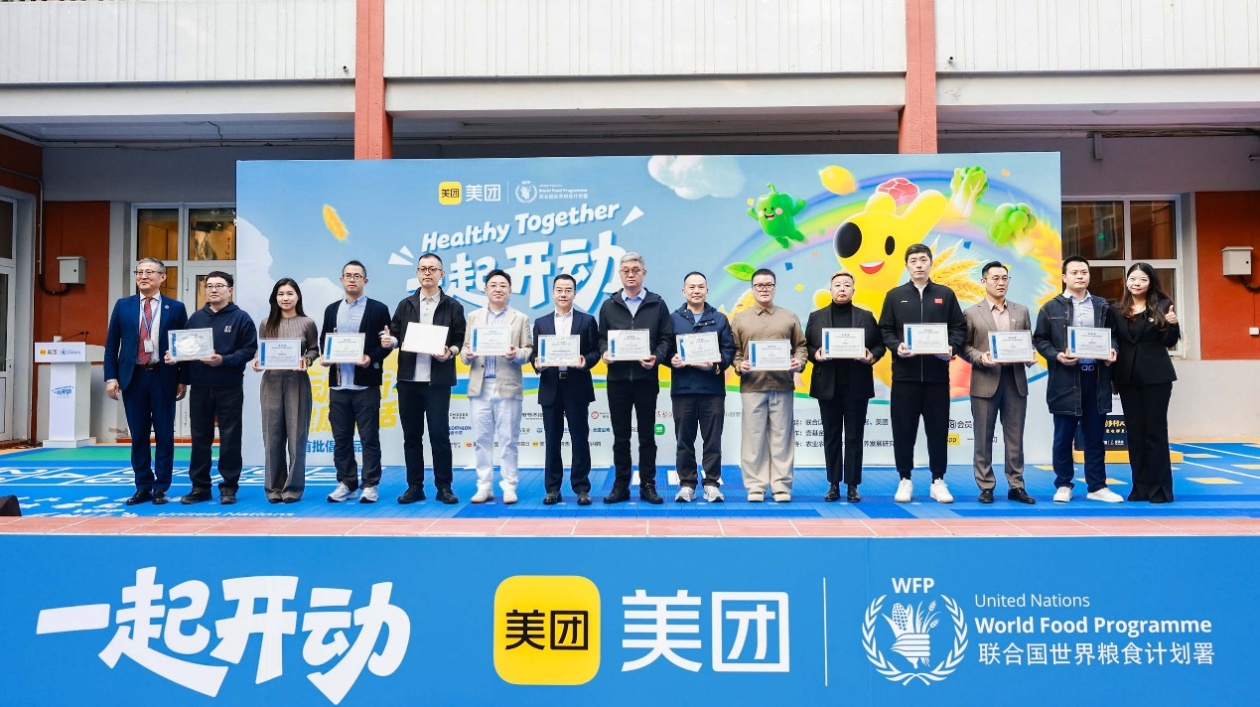
善意流动共筑城乡健康 美团联合15品牌发起世界粮食日主题公益活动
Huan Qiu Wang· 2025-10-16 05:52
Core Viewpoint - The collaboration between Meituan and the United Nations World Food Programme (WFP) aims to promote healthy living and improve the nutritional status of urban residents and rural children through the "Healthy Together" initiative [1][3]. Group 1: Initiative Overview - The "Healthy Together" initiative includes providing more healthy consumption options and guiding the public towards a balanced lifestyle [1]. - The initiative will also support rural kindergartens by constructing playgrounds and providing nutritional support [1][3]. - A total of 15 brands, including Decathlon and Li Ning, have joined the initiative to promote health and wellness [1]. Group 2: Health and Nutrition Focus - The initiative addresses the "invisible crisis" of unhealthy dietary habits and lifestyles, aligning with the UN's Sustainable Development Goals of "Zero Hunger" and "Good Health and Well-being" [3]. - Meituan, in collaboration with the WFP and the Ministry of Agriculture and Rural Affairs, is launching "balanced diet" themed meal packages through its platforms to encourage healthy eating habits [3]. Group 3: Social Impact and Community Engagement - The initiative includes a plan for public businesses to participate in the construction of multifunctional playgrounds for rural kindergartens through donations linked to Meituan orders [3]. - By September 2025, the initiative aims to complete nearly 200 billion public orders, benefiting over 550,000 rural children through the construction of 4,080 playgrounds [3][4]. - The integration of online consumption with offline social impact is seen as a replicable model for internet-based philanthropy [4].