
创想三维

Search documents
深圳新增独角兽企业全国第一 政策赋能助企业勇闯科创赛道
Sou Hu Cai Jing· 2025-11-19 01:16
Core Insights - Shenzhen has 42 unicorn companies in 2024, with a total valuation of $159.9 billion and an average valuation of $3.71 billion, marking a significant increase in unicorn numbers compared to other major cities in China [1][7] - The city has produced 13 new unicorns, accounting for 25% of the national total, making it the leading city in terms of new unicorns [1][7] - Shenzhen's unicorns are primarily concentrated in hard technology sectors, with 66.7% of them focusing on this area, showcasing strong innovation capabilities [3][9] Growth Factors - The rapid growth of unicorns in Shenzhen is attributed to a shift in policy from "single-point support" to "ecological empowerment," creating a comprehensive support system [4][10] - The "20+8" strategic emerging industry cluster policy has been pivotal in supporting sectors like integrated circuits, robotics, and clean energy, aligning with the distribution of unicorns in hard tech [4][10] - Shenzhen aims to cultivate 80 unicorns by 2027 through a multi-dimensional support system encompassing finance, talent, and innovation ecosystems [4][10] Innovation and Patents - Shenzhen unicorns hold an average of 141 authorized invention patents per company, significantly higher than Beijing (74) and Shanghai (81), indicating a robust innovation environment [3][9] - The city has a total of 151 invention applications per company, nearly double that of Beijing and Shanghai [3][9] Global Expansion - Over 80% of Shenzhen's unicorns are global companies, actively expanding into international markets through overseas factories and marketing networks [5][11] - Companies like XREAL and欣旺达动力 are seizing opportunities in the global market, with XREAL's AR device achieving significant overseas revenue [6][11] - The establishment of cross-border research environments and support for overseas technology acquisitions are facilitating this global expansion [6][11]
大疆布局3D打印,招惹了谁?
雷峰网· 2025-11-18 14:24
Core Viewpoint - DJI's investment in the 3D printing sector has sparked significant public discourse, indicating a strategic move into a rapidly growing market [2][3][5]. Group 1: DJI's Investment in 3D Printing - DJI has confirmed its investment in the 3D printing company, Smart派, highlighting its commitment to this emerging field [5]. - The consumer-grade 3D printing market is experiencing unprecedented growth, with the potential to reach billions of users due to advancements in AI and modeling technologies [6][8]. - The global annual shipment of consumer-grade 3D printers is projected to increase from 4.5 million units to 20 million units in the next five years, and potentially to 50 million units in the following five years [10]. Group 2: Market Dynamics and Competitors - The 3D printing industry is seen as one of the fastest-growing sectors, with significant interest from major players like Tencent and Meituan, indicating a competitive landscape [12]. - Smart派, while not a top-tier player, has shown strong growth with a revenue of 1.6 billion yuan last year and is positioned to benefit from the increasing demand in the 3D printing market [16][18]. - The investment in Smart派 reflects DJI's strategy to diversify its portfolio and capitalize on the potential of the 3D printing market, which is expected to see a surge in household adoption [11][22]. Group 3: DJI's Corporate Culture and Strategy - DJI is recognized for its rigorous talent development and product methodology, which has established it as a leader in hardware innovation [24][27]. - The company's focus on engineering culture and product excellence is evident in its approach to market opportunities, avoiding trends in favor of solid technological advancements [28][29]. - The recent public discourse surrounding DJI's investment underscores the importance of product strength and market dynamics in the tech industry [29].

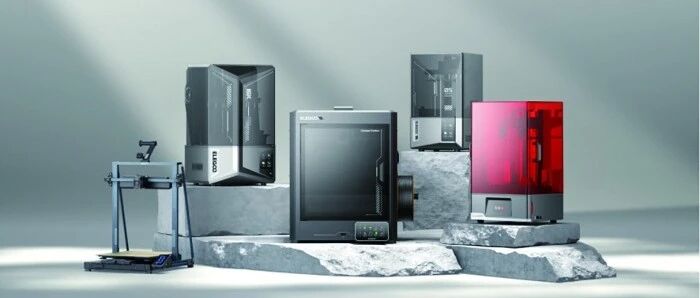
大疆投资智能派!中国消费级3D打印产业爆发
Sou Hu Cai Jing· 2025-11-18 09:54
Industry Overview - 3D printing is rapidly transitioning from a niche market to a mainstream business, with a significant growth potential [1] - According to the National Bureau of Statistics, the production of 3D printing equipment increased by 40.5% year-on-year in the first three quarters of 2025, outpacing growth in industrial robots and new energy vehicles [1] Company Developments - DJI confirmed its investment in Shenzhen-based 3D printing company Smart Pie, highlighting its confidence in the growth potential of consumer-grade 3D printing technology [1] - Smart Pie, established in 2015, focuses on the development, production, and sales of consumer-grade 3D printers and related products, and will benefit from DJI's advanced technology and financial support [1] - Shenzhen Snapmaker completed a B-round financing with participation from notable institutions like Meituan and Hillhouse Capital, raising over 150 million yuan through crowdfunding for its new independent four-nozzle 3D printer U1 [2] - Creality submitted its prospectus to the Hong Kong Stock Exchange, aiming to raise funds for R&D and international market expansion, potentially becoming the first publicly listed consumer-grade 3D printing company [2] - Topworks Technology launched two new 3D printer models, H2D and H2S, and achieved the top sales and revenue in the 3D printer category during the recent Double Eleven shopping festival [2][3] Market Position - Chinese companies, including Topworks Technology and Creality, dominate over 90% of the global entry-level 3D printer market, indicating China's strong leadership in this sector [3] - The opening of Topworks Technology's first flagship store in Shenzhen marks a significant step in enhancing brand connection with consumers [3]
继美团、高翎之后,大疆杀入3D打印赛道
2 1 Shi Ji Jing Ji Bao Dao· 2025-11-17 15:14
Core Insights - The founder of Tuozhu Technology, Tao Ye, revealed in a social media post that DJI has invested in a 3D printing company, indicating a strategic interest in the growth potential of consumer-grade 3D printing technology [1][3] - The consumer-grade 3D printing market is experiencing significant growth, with a 60% price drop in printers over the past three years, making them more accessible to consumers [2][4] - Tuozhu Technology leads the market with a projected revenue of 5.5 to 6 billion yuan and a net profit close to 2 billion yuan for 2024, while its competitors are also seeing substantial growth [4][5] Market Dynamics - The entry price for consumer-grade 3D printers has decreased to under 2,000 yuan, supported by improved software tools that lower the creative barrier for users [2] - The global shipment of entry-level 3D printers is expected to exceed 1 million units by Q1 2025, with Chinese suppliers contributing 95% of this volume [3][4] - The competitive landscape has shifted from fragmented competition to a market dominated by a few Chinese brands, particularly in Shenzhen, which has become a hub for 3D printing innovation [3][4] Company Performance - Tuozhu Technology, along with three other Shenzhen companies, holds 90% of the global market share for entry-level 3D printers, earning the nickname "Four Little Dragons of Shenzhen" [3][4] - In Q1 of this year, Tuozhu's revenue reached 2 billion yuan, indicating strong performance and market demand [4] - Smart派, another player in the market, is projected to achieve sales of 1.6 billion yuan and ship 550,000 units in 2024, showcasing rapid growth in the entry-level segment [5] Competitive Landscape - The 3D printing industry is evolving from a niche market to a mainstream business, with applications expanding into education, customized toys, and small part manufacturing [4][5] - The industry is characterized by a focus on product quality, with companies needing to excel in hardware, software, and content ecosystems to maintain competitive advantages [6][7] - The establishment of user communities and ecosystems is crucial for enhancing customer loyalty and driving repeat purchases, as seen with Tuozhu's MakerWorld platform [7][8] Future Outlook - The 3D printing sector is expected to face intensified competition, with companies preparing for challenges ahead [9] - The rapid assembly capabilities and responsiveness to market changes in Shenzhen's manufacturing environment contribute to the competitive edge of local firms [8]

大疆杀入3D打印赛道 拓竹创始人发声
2 1 Shi Ji Jing Ji Bao Dao· 2025-11-17 15:13
Core Insights - The founder of Tuozhu Technology, Tao Ye, publicly shared a post indicating that his former employer, DJI, has invested in a 3D printing company, which includes specific clauses related to Tuozhu [1] - DJI confirmed the investment in a 3D printing company, citing its belief in the growth potential of consumer-grade 3D printing technology [1] - The 3D printing market is evolving from a niche hobbyist sector to a mainstream consumer market, with significant growth in demand and technological advancements [3][4] Industry Overview - The price of consumer-grade 3D printers has decreased by 60% over the past three years, with entry-level models now available for under 2000 yuan [2] - Four Shenzhen companies, including Tuozhu Technology, control 90% of the global entry-level 3D printer market, highlighting a significant competitive landscape shift [2][3] - The production of 3D printing equipment has seen a year-on-year increase of 40.5% in the first three quarters, outpacing growth in industrial robots and electric vehicles [3] Company Performance - Tuozhu Technology is projected to achieve revenues between 5.5 billion to 6 billion yuan in 2024, with a net profit nearing 2 billion yuan [4] - In the first quarter of this year, Tuozhu's revenue reached 2 billion yuan, indicating strong market performance [4] - Smart派, another player in the market, is expected to generate sales of 1.6 billion yuan in 2024, with a shipment of 550,000 3D printers [5] Competitive Landscape - The competitive dynamics in the consumer-grade 3D printing market have shifted from fragmented competition to a landscape dominated by a few Chinese brands [3] - Shenzhen has emerged as a hub for 3D printing, with a complete industry chain encompassing modeling systems, materials, equipment, and application services [3][8] - The industry is characterized by rapid technological advancements, with companies focusing on enhancing product performance and user experience [6][7] Community and Ecosystem - Tuozhu Technology's MakerWorld community has gained significant traction, boasting nearly 10 million active users and over one million 3D models available for printing [7] - The establishment of robust ecosystems and communities is crucial for enhancing user engagement and driving repeat purchases in the 3D printing sector [7] - Companies are increasingly integrating their own slicing tools and 3D model libraries to improve user experience and maintain competitive advantages [7]
继美团、高翎之后,大疆杀入3D打印赛道
21世纪经济报道· 2025-11-17 15:04
Core Viewpoint - The article discusses the recent investment by DJI in a 3D printing company, highlighting the growth potential of the consumer-grade 3D printing market and the competitive landscape dominated by Shenzhen-based companies [1][6][10]. Group 1: Investment and Market Dynamics - DJI's investment in a 3D printing company is confirmed, reflecting its confidence in the growth potential of consumer-grade 3D printing technology [1][6]. - The consumer-grade 3D printer prices have decreased by 60% over the past three years, making entry-level models available for under 2000 yuan [3][6]. - The global entry-level 3D printer shipment is expected to exceed 1 million units by Q1 2025, with Chinese suppliers contributing 95% of this market, primarily from companies like拓竹科技 and 创想三维 [6][10]. Group 2: Competitive Landscape - Four Shenzhen companies, including 拓竹科技, 创想三维, 纵维立方, and 智能派, hold 90% of the global entry-level 3D printer market share, earning the nickname "Four Little Dragons of Shenzhen" [5][6]. - 拓竹科技 is projected to achieve revenues between 55 billion to 60 billion yuan in 2024, with a net profit nearing 20 billion yuan [7][8]. - 智能派 is rapidly increasing its market presence, with expected sales of 1.6 billion yuan and a shipment of 550,000 3D printers in 2024 [8][10]. Group 3: Industry Trends and Innovations - The 3D printing industry is evolving from a niche market to a mainstream business, with applications expanding into education, customized toys, and small part manufacturing [8][10]. - The establishment of a comprehensive 3D printing ecosystem in Shenzhen, including modeling systems, materials, equipment, and application services, is enhancing the region's competitive edge [6][11]. - The community aspect, such as 拓竹科技's MakerWorld, plays a crucial role in user retention and lowering usage barriers, with nearly 10 million monthly active users and over a million models available [11][12].

“数字龙华”浪潮涌动 未来产业加速成型
Shen Zhen Shang Bao· 2025-11-17 06:01
Core Viewpoint - The 27th China International High-tech Achievements Fair showcases the technological advancements and innovation capabilities of Longhua District, highlighting its role as a key player in Shenzhen's digital transformation and industrial development [1][6]. Group 1: Exhibition Highlights - Longhua District features 30 representative enterprises and institutions at the fair, focusing on areas such as artificial intelligence, low-altitude economy, and healthcare [1]. - The exhibition includes advanced technologies like the Kuavo humanoid robot, GeneoX intelligent patrol robot dog, and Meituan's fourth-generation drone, demonstrating the district's leadership in embodied intelligence and logistics [2][3]. - The "Hongmeng System" coffee machine, a commercial retail terminal, showcases the integration of technology and user experience, attracting significant attention from visitors [3]. Group 2: Innovation and Integration - Longhua's innovation is characterized by the "new, integrated, and practical" framework, emphasizing technological depth and real-world applications [4][5]. - The integration of technology with culture is evident through various exhibits, such as 3D printing of historical sites and the use of traditional designs in modern robotics [5]. - The fair serves as a platform for project implementation and investment opportunities, facilitating connections between enterprises and investors [5]. Group 3: Industrial Strength and Growth - Longhua boasts 1,938 industrial enterprises and over 4,200 national high-tech companies, indicating a robust industrial base [6]. - The district is recognized as a provincial core area for artificial intelligence and a demonstration base for industrial internet, reflecting its commitment to smart manufacturing [6][7]. - Longhua's R&D investment is approximately 12.5 billion yuan, accounting for 4.15% of its GDP, aligning with developed countries' standards and supporting sustainable innovation [7]. Group 4: Future Prospects - Longhua is positioned as a leading technology innovation hub in Shenzhen, with a growing industrial ecosystem and a focus on digital transformation [8]. - The district's continuous technological demonstrations and collaborative efforts signal its momentum towards achieving a peak in the digital era [8].
硬核科技实力让龙华区成功C位出圈
Nan Fang Du Shi Bao· 2025-11-16 23:05
Core Insights - The 27th High-Tech Fair showcased advanced technologies and innovations from Longhua District, including humanoid robots, drones, and health rehabilitation systems, emphasizing the district's commitment to digital and intelligent manufacturing [3][4][6] Group 1: Technological Innovations - Longhua District presented a variety of cutting-edge technologies, such as the Kuavo intelligent robot and the GeneoX smart patrol robot, highlighting advancements in artificial intelligence and robotics [6][7] - The low-altitude economy was represented by innovative drone systems, including the V4 system with near-perfect reliability and Meituan's fourth-generation drone, which has completed over 670,000 orders [6][7] - A mobile real-time motion capture rehabilitation system was introduced, enabling high-precision home rehabilitation training, showcasing the integration of technology in healthcare [7] Group 2: Economic Development - Longhua District's GDP reached 156.7 billion yuan in the first half of 2025, marking a 6.2% year-on-year growth, surpassing national and provincial averages [9][10] - The district has over 4,000 national high-tech enterprises and 138 specialized "little giant" companies, indicating a robust innovation ecosystem [9] - Longhua's focus on digital economy and modern industrial systems is evident in its strategic initiatives, including the establishment of new innovation carriers and the promotion of technology-driven economic growth [8][9][10] Group 3: Exhibition and Collaboration - The High-Tech Fair served as a platform for industry collaboration and project implementation, with dedicated areas for roadshows and investment discussions to facilitate technology transfer [5] - Longhua's exhibition emphasized a blend of technology and culture, utilizing 3D printing to recreate historical architecture and integrating traditional art into modern displays [4][5]
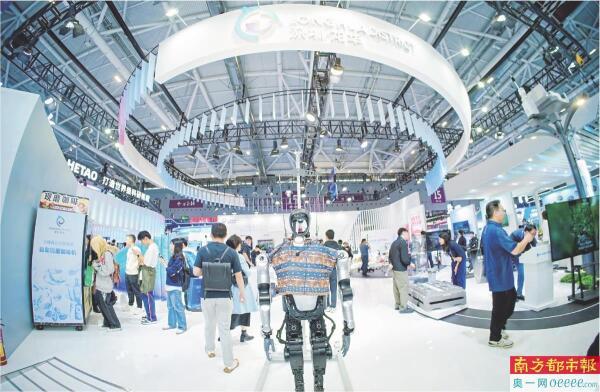
高交会直击:龙华展区人气爆棚 机器人“天团”现场圈粉
Nan Fang Du Shi Bao· 2025-11-15 10:22
不远处,启迪知行GeneoX智能巡机器狗模拟园区巡检,动态避障、稳步爬坡,展现多场景落地能力, 该系统支持多品牌机器狗接入与边缘AI增量学习,推动具身智能从单点突破走向集群协同,吸引不少 观众。 高交会于11月14日-16日在深圳国际会展中心(宝安)举行。开展首日,深圳国际会展中心(宝安)15 号馆B6展位龙华展区内人头攒动、互动热烈。"数字龙华"的科技魅力,正通过一系列硬核产品与沉浸 体验,吸引一批又一批专业观众驻足交流。 走进第二十七届高交会龙华展区,科技创新的脉动扑面而来。从能走能跳的通用人形机器人,到集群悬 挂的智能无人机,从构建龙华区数据孪生底座,到实时捕捉动作的居家康复系统,龙华以"数字"为墨, 以"智造"为笔,在深圳这座创新之城,勾勒出一幅幅未来生活的生动图景。 低空飞行:无人机组团亮相 低空经济区同样人气高涨。由安邦科技打造的"科技树"智慧杆下,大漠大、美团、容祺环绕盘旋。 大漠大全流程把控深圳经济特区建立45周年无人机灯光秀的执飞工作,以持续30分钟的"超长续航"制霸 夜空。美团公司近年来也在积极参与布局低空经济,这款美团第四代无人机能做到10分钟内安全配送 2.4公斤重的物品,复杂场景也能 ...

TikTok Shop美区黑五正式开启,卖家如何打赢这场内容电商之战?
3 6 Ke· 2025-11-14 08:41
Core Insights - This year's Black Friday promotions are perceived to be more intense and earlier than last year, with significant competition in traffic and rising advertising costs for sellers [1][2] - TikTok Shop is launching its first global Black Friday event across multiple countries, including the US, UK, Germany, and France, with substantial resources allocated to support merchants [3][12] - The focus of this year's Black Friday is shifting from price competition to content-driven e-commerce, allowing Chinese merchants to enhance brand value and sales performance simultaneously [3][10] Industry Trends - The competition for traffic is unprecedented, with sellers adjusting budgets daily due to rising advertising costs [2] - TikTok Shop's previous Black Friday performance saw a GMV increase of over 300% in the US, with significant growth in both self-operated and fully managed merchant GMV [3] - Content-driven e-commerce is emerging as a dominant force, enabling brands to showcase products effectively and engage consumers [3][10] Seller Strategies - Sellers like Chuangxiang Sanwei are leveraging TikTok Shop to enhance brand visibility in the US market, utilizing content to demonstrate product functionality [5][7] - Successful sellers are focusing on long-term partnerships with influencers who understand their products, rather than just seeking high follower counts [6] - Solimpia, operating under a fully managed model, has achieved significant sales growth by adapting products to meet local consumer preferences across different markets [9][10] Performance Metrics - TikTok Shop's Black Friday event has already seen short video GMV increase by over 150% and live streaming GMV by over 170% [11] - The platform's marketing efforts include comprehensive support for brands, aiming for significant sales and brand visibility during the Black Friday period [11][12] - The overall strategy emphasizes the importance of content in building brand recognition and consumer relationships, moving beyond traditional sales tactics [10][12]