
和谐汽车

Search documents
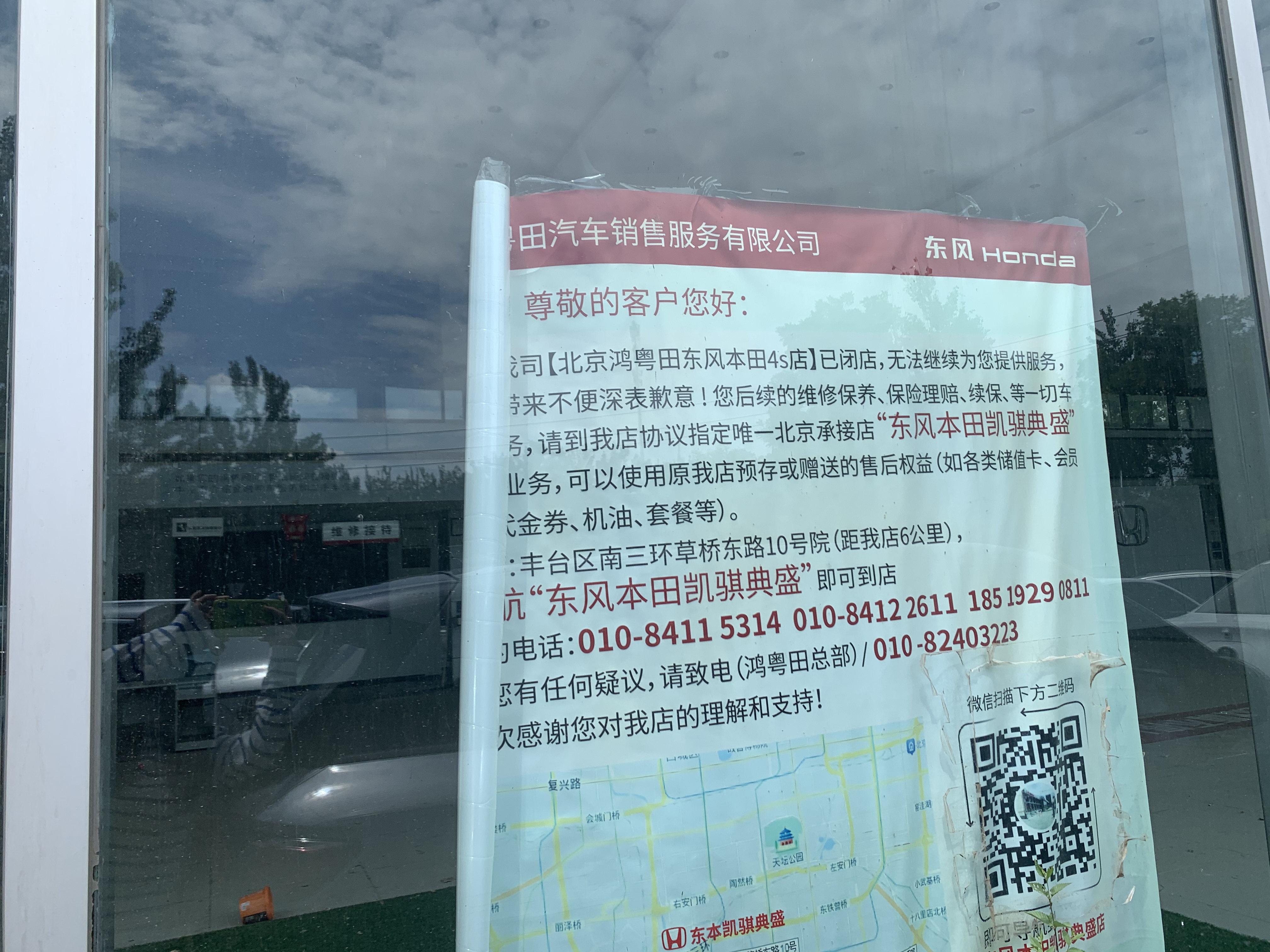
昔日暴利如今赚钱难,去年4S店退网超4400家
第一财经· 2025-07-17 14:55
Core Viewpoint - The automotive 4S store industry is facing significant challenges, including declining sales, increased competition, and the rise of new energy vehicles, leading to store closures and a shift in business models [3][4][5]. Group 1: Sales and Financial Performance - In July 2024, a 4S store sold only 5 cars in over 10 days, a stark contrast to the pre-2022 average of several cars sold daily, highlighting a severe decline in sales [1]. - The number of 4S stores in China decreased by 2.7% in 2024, with 4,419 stores closing, marking the first contraction in four years [3]. - The loss ratio for automotive dealers reached 50.8% in the first half of 2024, indicating a worsening financial situation for the industry [3]. Group 2: Market Dynamics - The automotive market is experiencing intense competition, with over 100 manufacturers and various vehicle types, leading to oversupply and price wars [3]. - The market penetration of new energy vehicles surpassed 50% in mid-2024, significantly impacting traditional fuel vehicle sales, which dropped to approximately 12.77 million units, a year-on-year decline of 11% [5]. - Over 80% of the closed or withdrawn 4S stores were associated with traditional fuel vehicle brands, reflecting a shift in consumer preferences [5]. Group 3: Business Model Transformation - Many 4S stores are adapting by reducing costs, such as subleasing parts of their showrooms or relocating to lower-rent areas [10]. - Some stores are transitioning to sell new energy vehicles to align with market trends, with notable examples including the Henan Weijia Automotive Trade Group and Zhongsheng Group [10][11]. - To maintain profitability, 4S stores are increasingly focusing on after-sales services, which remain a critical revenue source despite declining sales [15]. Group 4: Strategic Partnerships - Collaborations with third-party service providers, such as Tmall Auto, are becoming common as 4S stores seek to enhance service offerings and customer retention [13][14]. - The "1+N" model allows 4S stores to establish community service outlets, improving customer engagement and operational resilience [14].

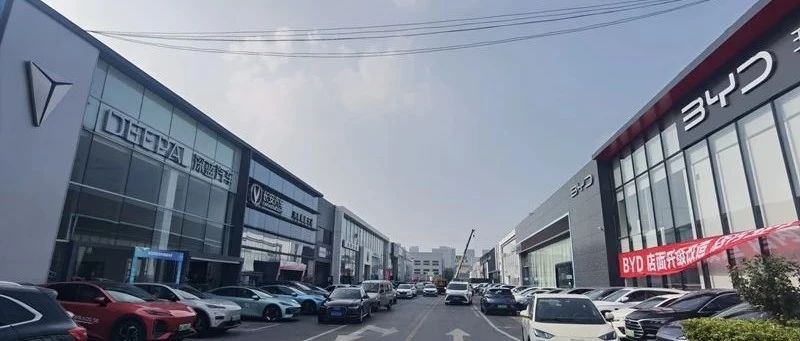
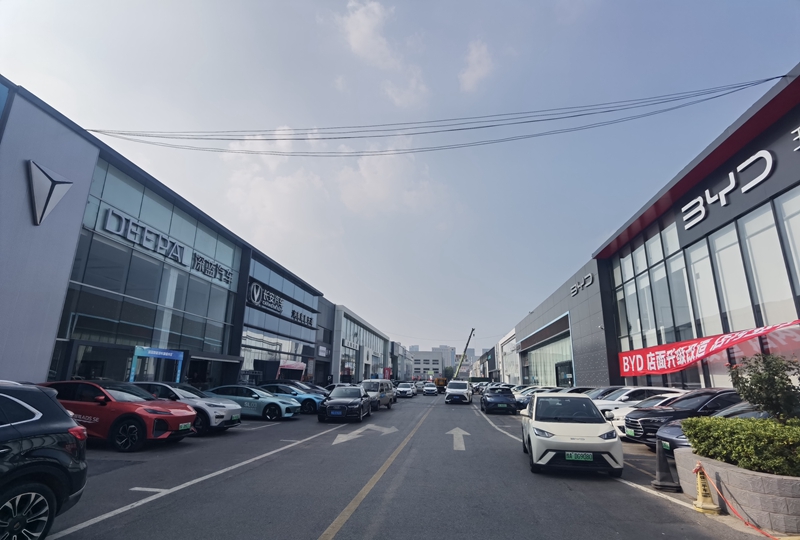
昔日暴利如今赚钱难,传统4S店艰难拥抱新市场
Di Yi Cai Jing· 2025-07-17 12:37
Core Insights - The automotive dealership industry is facing significant challenges, with a loss ratio of 43.5% in 2023 and a peak of 50.8% in the first half of 2024, indicating a severe downturn in profitability [3][4][5] - The rise of new energy vehicles (NEVs) and changing sales and after-sales models are disrupting traditional 4S dealerships, leading to a decline in their market share [4][8] - Many traditional fuel vehicle dealerships are closing or reducing their networks, with over 80% of closed or reduced dealerships being from fuel vehicle brands [5][6] Industry Performance - The number of 4S dealerships in China decreased by 2.7% in 2024, marking the first contraction in four years, with 4,419 dealerships exiting the market [3] - The sales of traditional fuel vehicles dropped to approximately 12.77 million units in 2024, a year-on-year decline of 11% [5] - The after-sales service revenue for 4S dealerships is also declining, with many struggling to maintain profitability in this segment [6][7] Competitive Landscape - The automotive market is experiencing intensified competition, with over 100 manufacturers and various brands across different fuel types, leading to price wars and reduced margins for dealerships [3][4] - The traditional profit model for 4S dealerships has shifted from selling cars for profit to selling at a loss, relying on high-interest financing commissions that are now being curtailed by regulatory changes [5][10] Strategic Responses - Some 4S dealerships are adapting by reducing costs, such as subleasing parts of their showrooms or relocating to less expensive areas [9][10] - A trend towards embracing NEVs is evident, with traditional dealerships seeking partnerships with NEV manufacturers to remain competitive [9][12] - Collaborations with third-party service providers, such as Tmall Auto, are being explored to enhance after-sales services and customer retention [12][14]
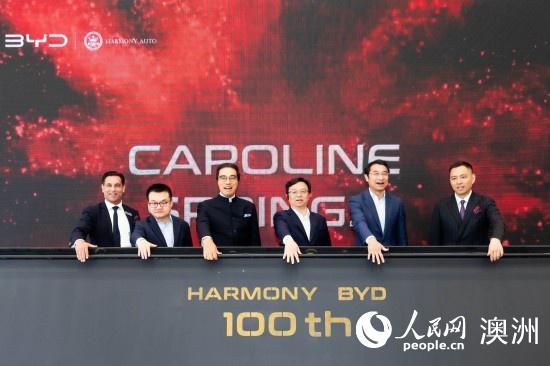
中国新能源汽车受澳市场认可 和谐比亚迪第100家海外门店落地墨尔本
Ren Min Wang· 2025-07-16 02:07
Group 1 - The opening of the 100th overseas store of Harmony BYD in Melbourne marks a significant milestone in the brand's global expansion and reflects the increasing influence of Chinese electric vehicle companies in the Australian market [5][11] - The Australian public's demand for green transportation aligns with BYD's vision of "cooling the Earth by one degree," making BYD a preferred choice for consumers purchasing new energy vehicles [5] - BYD has entered the top five in local car sales in Australia, gaining widespread recognition among Australian consumers, with a focus on combining quality products with localized services [7][11] Group 2 - The opening ceremony included the delivery of the 60,000th BYD new energy vehicle, showcasing the company's service system and operational model in the Australian market [9] - Over 80% of all electric vehicles sold in Australia in the first half of the year were produced in China, with BYD capturing 45% of the plug-in hybrid vehicle market [11] - BYD's vehicle sales in Australia have increased by 103% over the past year, indicating a strong and steady development of Chinese new energy vehicle brands in overseas markets [11]


圆牧绿芯峰会首发:区块链赋能能源数字藏品平台“智藏阁”
Sou Hu Cai Jing· 2025-06-25 18:03
Group 1 - The core viewpoint of the news is the launch of the "Zhizang Pavilion," a global blockchain energy digital collectibles platform that integrates blockchain technology with green chip technology to revolutionize the energy sector [1][3] - The platform's technology is based on the fourth-generation EdgeAI chip matrix, which utilizes advanced 7nm EUV process technology, achieving a single chip computing power of 200 TOPS while consuming only one-third of the power of traditional chips [1][3] - The platform processes massive PB-level data streams in real-time, supporting stable operations and ensuring the credibility of energy data recording and value circulation [1] Group 2 - The platform employs end-to-end encryption and zero-knowledge proof technology to ensure user data security and has obtained ISO 27001 information security certification [3] - The business model links the issued "green electricity digital collectibles" to the real-time generation of specific wind and solar power plants, allowing holders to trade carbon credits through smart contracts [3] - The platform has established a regulatory sandbox with the Monetary Authority of Singapore, ensuring compliance through full audit of transaction processes [3] Group 3 - The innovative model of "digital collectibles + virtual power plants" allows users to purchase green electricity collectibles for direct use in virtual power plant power scheduling, enhancing energy consumption visibility and traceability [3] - The project has formed a strategic partnership with Southern Power Grid, with the first batch of 100,000 digital collectibles set to launch in July [3] - The launch of Zhizang Pavilion marks a new phase in the assetization of energy data, with an expected value release of up to 5 billion yuan, injecting new vitality into the digital transformation and sustainable development of the energy industry [3]

汽车反“内卷”第二枪打响:车企承诺“60天返利”治理拖延症
Bei Ke Cai Jing· 2025-06-19 01:17
Core Viewpoint - The automotive industry is experiencing a severe "price war," prompting dealers to optimize operations and seek survival and transformation opportunities [1] Group 1: Industry Developments - In June, 17 automakers publicly committed to a "60-day payment term" for suppliers, marking the beginning of a response to internal competition [2] - GAC Group announced a commitment to ensure "60-day rebate payment" to dealers, responding to the call for healthy industry development [5] - Several major manufacturers, including GAC Group, BMW, and others, have pledged to complete rebate payments to dealers within 60 days [3][4] Group 2: Dealer Conditions - A survey of 10 dealerships revealed a stark contrast in operational conditions, with 6 facing difficulties and some having closed, while 4 reported better performance [3][9] - Dealers are experiencing a significant decline in profitability, with some reporting annual losses between 6 million to 10 million yuan [10][18] - The traditional profit model for dealers, heavily reliant on new car sales and after-sales services, is becoming unsustainable due to increased competition and price transparency [18] Group 3: Inventory and Financial Management - High inventory levels are a pressing issue, with some brands having stock that exceeds three months, leading to financial strain on dealers [20][24] - The average inventory turnover days for several major dealer groups have increased, indicating a growing challenge in managing stock [22] - A significant percentage of dealers (84.4%) are facing price inversion, with 60.4% experiencing a price drop of over 15%, severely impacting cash flow [31] Group 4: Strategic Responses - Dealers are urged to prioritize cash flow management, seek timely rebates from manufacturers, and optimize inventory structures to avoid financial collapse [32] - The industry is expected to undergo a "Matthew effect," with weaker brands and inefficient stores likely to exit the market, while stronger dealer groups may expand through acquisitions [33] - The Ministry of Commerce is taking steps to address the "involution" in the automotive sector, aiming to maintain fair competition and support the industry [34]
和谐汽车(03836)拟3.3亿元向控股股东冯长革出售海外新能源汽车业务45%权益
智通财经网· 2025-05-23 15:17
Group 1 - The company has conditionally agreed to sell 45% of its shares and 45% of its loans in iCar Group Limited to EGL for a total consideration of RMB 330 million, which will offset the same amount owed to EGL [1] - The sale is part of a capital restructuring plan that aims to increase the total paid-up capital of the selling company to approximately RMB 555.6 million and convert shareholder loans into preferred loans [1][3] - The selling group operates 42 subsidiaries and has begun overseas operations in the electric vehicle market, establishing distribution networks and service centers in multiple countries [2] Group 2 - The rapid growth of the overseas electric vehicle market presents significant business opportunities but requires substantial operational funding and initial investment for market entry [3] - The company and Feng Changge have agreed to a joint investment structure, with the company contributing 55% and Feng 45%, to support the overseas electric vehicle business [3] - The selling group is currently in a growth phase and aims to reduce financial risk by decreasing its equity stake, which is expected to provide financial flexibility and operational resilience [4]
和谐汽车(03836.HK)拟出售iCar Group Limited 45%股权
Ge Long Hui· 2025-05-23 15:17
Core Viewpoint - The company has agreed to sell a 45% stake and a 45% loan in iCar Group Limited to EGL, with a total transaction value of RMB 330 million, which will offset an equivalent amount owed to EGL upon completion of the sale [1] Group 1: Transaction Details - The sale includes a 45% stake in iCar Group Limited for RMB 250 million and a 45% loan for RMB 80 million, totaling RMB 330 million [1] - The company plans to implement a capital restructuring as a prerequisite for the sale, which includes increasing the paid-up capital to approximately RMB 555.6 million and converting shareholder loans of about RMB 385.4 million into preferred loans [1][3] Group 2: Ownership Changes - If the company fully exercises its convertible bonds, its stake in the sold company will increase from 55% to approximately 61.7%, constituting a purchase of equity [2] - Conversely, if EGL fully exercises its convertible bonds, EGL's stake will rise from 45% to about 51.9%, reducing the company's stake to approximately 48.1%, which will be treated as a deemed sale of equity [2] Group 3: Investment Strategy - The rapid growth of the overseas new energy vehicle market presents significant business opportunities but requires substantial operational funding and upfront investment [3] - The company and its chairman have agreed to jointly invest in the overseas new energy vehicle business, with the company contributing 55% and the chairman 45% [3] - A clear framework for future funding, operational responsibilities, and profit-sharing is being established to support the long-term development of the overseas new energy vehicle business [3][4] Group 4: Market Challenges - The company maintains confidence in the long-term prospects of Chinese new energy vehicle brands in international markets but acknowledges the challenges posed by intense competition and capital intensity in the global automotive industry [4] - The decision to reduce equity in the sold group is seen as a prudent measure to mitigate financial risks, allowing for greater financial flexibility and operational resilience [4]
强势品牌+深化改革,和谐汽车(03836.HK)构筑长期价值
Ge Long Hui· 2025-05-22 02:15
Core Viewpoint - The Chinese automotive market is in a phase of adjustment, with expectations for slight growth in production and sales compared to the previous year, driven by a strong performance in the luxury vehicle segment [1][2]. Industry Overview - The overall automotive production and sales from January to November 2021 reached 23.17 million and 23.49 million units, respectively, marking a year-on-year increase of 3.5% and 4.5% [1]. - The luxury vehicle segment has shown resilience, with luxury car sales growing by 19.5% year-on-year, significantly outpacing the overall passenger vehicle growth rate [1][2]. Company Performance - Harmony Auto has demonstrated exceptional growth, with a 62% increase in revenue, gross profit, and net profit in the first half of 2021, and new car sales reaching a record high of 22,400 units, a growth rate of 53.6% [3][4]. - The company has a strong brand portfolio, with over 80% of new car sales coming from BMW and Lexus, both of which have shown robust sales performance [4][6]. Strategic Initiatives - Harmony Auto is expanding its presence in the ultra-luxury segment, with 29% of its dealership network dedicated to ultra-luxury brands, which are expected to yield higher profit margins [6][9]. - The company has implemented digital management reforms that have led to significant cost reductions and efficiency improvements, including a decrease in sales and management expenses [7][9]. Market Trends - The demand for luxury and ultra-luxury vehicles is expected to continue growing, with forecasts indicating a compound annual growth rate of 10.2% for luxury vehicle demand from 2020 to 2025 [10][11]. - The after-sales market is projected to reach a scale of 1 trillion yuan by 2023, driven by an increase in vehicle ownership and aging vehicles [12][13]. Future Outlook - Harmony Auto is well-positioned to benefit from the ongoing trends in luxury vehicle demand, after-sales services, and the growing acceptance of electric vehicles [14][15]. - The company has a strategic focus on expanding its network and enhancing operational efficiency, which is expected to drive long-term performance improvements [11][15].

【业绩速递】和谐汽车(3836.HK):2021年业绩表现强劲,年度股息同增166%
Ge Long Hui· 2025-05-22 02:15
Core Viewpoint - H harmonious Automotive reported significant revenue growth and profit increase for the year ending December 31, 2021, driven by strong sales in luxury vehicles and strategic adjustments in operations [1][2]. Financial Performance - Total revenue reached 17.981 billion RMB, a year-on-year increase of 21.9% [2]. - Main business net profit was 757 million RMB, showing a substantial growth of 49.6% year-on-year [1]. - Proposed final dividend of 0.21 HKD per share, up 165.8% from the previous year, with a dividend payout ratio of 40% of the annual net profit attributable to shareholders [1]. Revenue Breakdown - Automotive sales generated 15.61 billion RMB, a 21% increase, accounting for 86.8% of total revenue [2]. - After-sales service revenue was 2.326 billion RMB, up 27.95%, representing 12.9% of total revenue [2]. Profitability and Efficiency - Overall gross margin was 9.7%, an increase of 0.9 percentage points from 2020 [2]. - Gross margin for automotive sales was 4.3%, up 0.8 percentage points, while after-sales service gross margin remained stable at 44.8% [2]. - Average inventory turnover decreased to 25 days, down 7 days from 2020, due to tightened supply from chip shortages [2]. Sales Performance - New car sales reached 407,900 units, a year-on-year increase of 11.5%, outperforming the national luxury car market growth of 4.88% [4]. - Key brands like BMW saw an 11.4% increase in sales, significantly exceeding the national growth rate of 2.5% [4]. - Sales of ultra-luxury brands such as Ferrari and Rolls-Royce experienced substantial growth, with increases of 94.3% and 36.7% respectively [4]. Strategic Initiatives - The company is focusing on enhancing its luxury car business and exploring electric vehicle opportunities [5][6]. - Plans to optimize brand portfolio and improve operational efficiency to boost cash flow and inventory management [6]. - The company is considering potential acquisition strategies to strengthen market share [6]. - Continued investment in "Dangdang New Energy" to support electric vehicle services and sales [4][6].
和谐汽车(3836.HK):聚焦豪华汽车渗透率提升机会,积极拥抱电动化浪潮
Ge Long Hui· 2025-05-22 02:15
Core Viewpoint - The luxury car dealership industry has experienced significant growth over the past two years, driven by price increases and a strong performance in luxury vehicle sales, particularly amidst supply chain disruptions. The penetration rate of luxury cars in China still has substantial room for growth, and leading luxury car dealers are expected to maintain considerable growth moving forward [1][2]. Group 1: Market Opportunities - The luxury car penetration rate in China reached 16% in 2021, compared to approximately 27% in developed countries, indicating significant potential for growth [2]. - The compound annual growth rate (CAGR) for luxury car sales in China is projected to be 6% from 2021 to 2030, supported by a focus on vehicle replacement and upgrades [2]. - The company, Harmony Auto, is positioned as a leading luxury car dealer with a portfolio of 14 brands, including major luxury and super-luxury brands [1][2]. Group 2: Electric Vehicle Strategy - Harmony Auto has proactively engaged in the electric vehicle (EV) market, establishing partnerships with leading EV companies such as Tesla and NIO, and has received service authorizations from brands like Xpeng and Li Auto [3]. - The electric vehicle penetration among luxury brands in China remains low, with Porsche, Volvo, and BMW having electric vehicle ratios of 10.3%, 6.2%, and 6% respectively in 2021, but upcoming models are expected to focus on electric vehicles [3]. - Harmony Auto plans to expand its electric vehicle product line significantly, with BMW expected to offer 25 new energy models by 2023 and to fully utilize a new electric vehicle platform by 2025 [3]. Group 3: Performance and Market Confidence - Despite challenges from the pandemic and economic pressures, the demand for luxury cars remains stable and manageable, with notable growth in super-luxury brands like Ferrari and Rolls-Royce during the first half of the year [4][5]. - The company has initiated a share buyback plan of 200 million HKD, reflecting confidence in its long-term value and addressing current undervaluation [6].