
银河航天

Search documents
商业航天,进入深度洗牌期
3 6 Ke· 2026-01-04 10:22
Core Insights - The Chinese commercial space industry is transitioning from a "technical validation period" to a commercialization and scaling phase, with 2026 marking a pivotal year for the sector [1] - Increased investment from social capital and state-owned funds is driving the market, while challenges such as tight launch site availability and the need for cost-effective solutions are emerging [1][2] - The industry is undergoing a deep reshuffle focused on cost, capacity, and delivery capabilities, moving away from exploratory phases to a more structured competitive environment [1][4] Investment Trends - Recent surges in interest for leading commercial space projects have led to a rapid consumption of existing shares, with state-owned institutions actively seeking to invest [2] - The market's recognition of top commercial space companies is becoming clearer, leading to a more concentrated investment focus [2][3] - The total financing for commercial space reached 18.6 billion yuan in 2025, a 32% increase year-on-year, with rocket manufacturing and satellite applications being the primary areas attracting capital [4] Policy Support - The Chinese government has been increasingly supportive of the commercial space sector since 2015, with recent reports emphasizing the promotion of commercial space industry clusters [3] - New guidelines for commercial rocket companies to access the domestic capital market have improved long-term capital expectations for the sector [3] Industry Dynamics - The number of commercial rocket launches in China exceeded 92 in 2025, marking a 48% year-on-year increase, indicating a significant uptick in industry activity [6] - Major players like Blue Arrow Aerospace and Starry Sky Power are leading advancements in reusable rocket technology, which is crucial for reducing launch costs [7][10] - The competitive landscape is expected to consolidate, with only 5-6 leading companies likely to survive due to the high sensitivity of pricing in the industry [8] Launch Infrastructure - The availability of launch sites is a critical bottleneck, with only 18 operational commercial launch sites as of mid-2025, leading to long wait times for launches [13][15] - New launch facilities are being planned to alleviate the pressure, but the timeline for these developments means that resource constraints may persist in the near term [15] Satellite Manufacturing - The shift from traditional satellite manufacturing to a more industrialized, batch production model is underway, driven by the need for large-scale satellite constellations [16][17] - Companies are adopting advanced manufacturing techniques to enhance production efficiency, significantly reducing the time required to manufacture satellites [18] - The growth of commercial space enterprises is contributing to the evolution of satellite production, with a focus on automation and modular assembly [17][18] Future Outlook - The year 2026 is anticipated to be a critical year for the development of reusable rockets, with multiple models set to compete in the market [12][9] - The industry's focus will shift towards long-term, stable, and low-cost operations, determining the success of commercial space companies [18]
把发展根基“夯”得更实
Xin Hua Ri Bao· 2026-01-03 22:14
夯实根基,需要保持历史耐心和战略定力。无论是建设现代化产业体系,还是全面推进乡村振兴;无论 是实现高水平科技自立自强,还是积极稳妥推进碳达峰碳中和,都难以毕其功于一役,都需要付出百倍 努力,来不得半点虚功、容不得丝毫马虎。要牢固树立和践行正确政绩观,保持"时时放心不下"的责任 感,增强只争朝夕的紧迫感,务实功、出实招、求实效,既做即期见效的显绩,更做打基础、增后劲、 利长远的潜绩。在工作中,坚决杜绝"把说了当做了、把做了当做成了、把做成了当做好了",避免出现 不必要的"沉降"现象,给发展留下后遗症。 站在"十五五"规划开局之年,我们对"夯实基础"有着更深刻的理解。党的二十届四中全会指出,"十五 五"时期是基本实现社会主义现代化夯实基础、全面发力的关键时期,在基本实现社会主义现代化进程 中具有承前启后的重要地位。 夯实基础,就是要更加关注对发展和安全具有基础性影响的事,巩固拓展优势、破除瓶颈制约、补强短 板弱项,使发展根基更稳、韧性更强。全面发力,就是要锚定目标,聚焦经济社会发展各领域协同发 力,实现系统性突破、整体性提升。 九层之台,起于累土。越是长久基业、长远大计,越是要从基础做起、从根本抓起。推进中国式现 ...
商业航天2026:老股或遭疯抢
财联社· 2026-01-03 04:36
Core Viewpoint - The Chinese commercial aerospace industry is transitioning from a technology validation phase to a commercialization and scaling phase, with 2026 marking a critical turning point for the industry [2][3]. Group 1: Investment Trends - There is a surge in social capital and state-owned fund investments in leading commercial aerospace projects, with a notable increase in inquiries about the transfer of existing shares [4]. - The demand for old share transfers has significantly increased since the second half of 2025, indicating a growing interest from institutions in entering the commercial aerospace sector [5]. - The commercial aerospace sector is now recognized as a strategically significant emerging industry, with state-owned capital increasingly participating in this space [4][5]. Group 2: Policy and Market Dynamics - The government has been actively promoting the development of commercial aerospace, with recent reports emphasizing the need for industry cluster development [6]. - The introduction of specific listing standards for commercial rocket companies on the Sci-Tech Innovation Board has opened up new funding avenues for these firms [6][7]. - The overall financing in the commercial aerospace sector reached 18.6 billion yuan in 2025, a 32% increase year-on-year, with rocket manufacturing and satellite applications being the primary areas attracting investment [7]. Group 3: Industry Competition and Challenges - The commercial rocket launch industry is undergoing a significant reshuffle, with at least 10 companies initiating IPO processes, indicating a rapid acceleration in the market [8]. - The number of rocket launches in China exceeded 92 in 2025, marking a 48% increase, reflecting the industry's growing capabilities [9]. - The competition is intensifying, particularly around the development of reusable rockets, which are crucial for reducing launch costs and achieving market dominance [10][11]. Group 4: Technological Advancements - The focus on reusable rockets is becoming critical, with companies aiming to reduce launch costs significantly, targeting a cost of under 20,000 yuan per kilogram [11][12]. - The domestic reusable rocket technology is still in a catch-up phase, with various companies pursuing different technical routes [13]. - By 2026, multiple models of reusable rockets are expected to compete, with significant advancements anticipated in the first half of the year [14][15]. Group 5: Satellite Manufacturing Evolution - The traditional model of satellite manufacturing is shifting towards batch production, driven by the large-scale requirements of low Earth orbit satellite constellations [18][19]. - Companies are adopting industrialized production methods to enhance efficiency and reduce manufacturing cycles, with some firms achieving an 80% reduction in production time [20]. - The growth of satellite manufacturing capabilities is essential for supporting the deployment of large satellite constellations, which is becoming a critical aspect of the commercial aerospace landscape [19][20].


商业航天IPO盛宴开启
21世纪经济报道· 2025-12-31 09:37
Core Viewpoint - 2025 marks a pivotal year in China's commercial aerospace development, transitioning from a pioneering phase to a stage of scaled growth, with significant increases in launches and company registrations [1][2]. Group 1: Industry Growth and Market Dynamics - Since 2025, China has completed 87 space launches, with 23 conducted by private commercial rocket companies, successfully placing 324 spacecraft into orbit [1]. - The number of commercial aerospace-related companies in China has surged to 93,000, with 24,800 registered since 2025, reflecting a 57.5% increase compared to the same period in 2024 [1]. - A new wave of competitive private aerospace companies has emerged, including Blue Arrow Aerospace, Tianbing Technology, and others, as they prepare to enter the capital market [2]. Group 2: Reusable Rocket Development - The commercial aerospace industry faces supply chain challenges, particularly in upstream infrastructure, with a pressing need for breakthroughs in private rocket capabilities to address capacity shortages [4]. - Blue Arrow Aerospace achieved significant technical milestones with the Zhuque-3 rocket, including the first domestic reusable liquid oxygen-methane rocket flight, despite some recovery test failures [5]. - Tianbing Technology's Tianlong-3 rocket has reached cost competitiveness with SpaceX's Falcon 9, with plans for mass production and further cost reductions as reusable technology matures [5][6]. Group 3: Satellite Internet Initiatives - China is advancing two major satellite internet projects, GW constellation and Qianfan constellation, aiming to deploy thousands of low-orbit satellites to compete with SpaceX's Starlink [9][10]. - The GW constellation has accelerated its deployment pace, reducing the launch interval from months to days, indicating a significant improvement in efficiency [9]. - Despite progress, both constellations have yet to deploy 1% of their planned satellites, highlighting the urgent need for enhanced rocket launch capabilities [10]. Group 4: IPO Trends and Policy Support - Over 10 commercial aerospace companies have initiated IPO processes, with several targeting the A-share market, reflecting a surge in interest and investment in the sector [15][16]. - The establishment of the Commercial Aerospace Administration aims to streamline regulatory processes and enhance the development of the satellite industry [16][17]. - Recent policy changes have lowered entry barriers for satellite development, allowing companies to innovate without weight restrictions, thus stimulating the private sector [17]. Group 5: Technological Innovations in Satellite Manufacturing - Companies like Galaxy Aerospace are adopting advanced manufacturing techniques to enhance satellite production efficiency, significantly reducing costs and production times [12]. - The integration of computing and AI capabilities into satellites is expected to revolutionize data processing and transmission, improving operational efficiency [13].
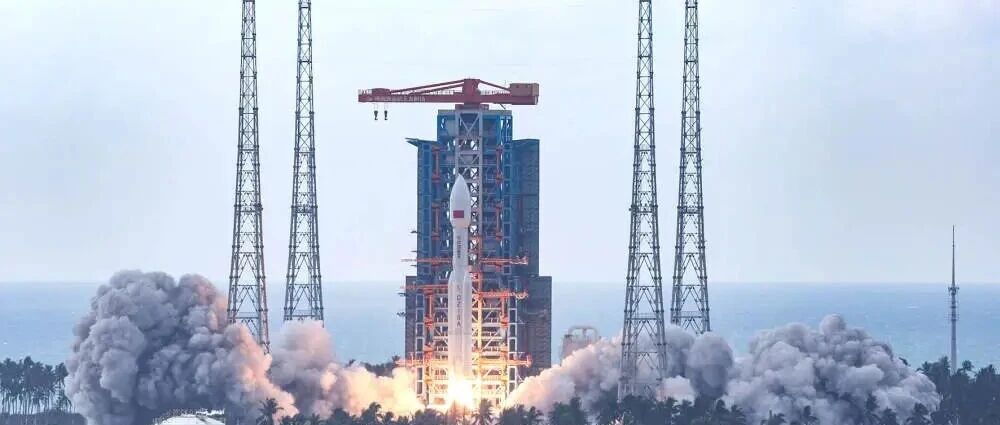
造导弹、发火箭!民间科创为何突然开挂?
Sou Hu Cai Jing· 2025-12-30 11:00
Core Insights - SpaceX is preparing for an IPO with a valuation of 10.5 trillion, while five domestic commercial space companies in China are also aiming for public listings, including Blue Arrow Aerospace, Tianbing Technology, Xinghe Power, Interstellar Glory, and China Aerospace Science and Technology Corporation [1][2] Group 1: Industry Growth and Competition - The race to become the "first stock of Chinese commercial aerospace" is intensifying among these companies [2] - The emergence of private enterprises capable of manufacturing missiles and rockets marks a significant shift in the industry, with Blue Arrow Aerospace's "Zhuque-3" rocket being a notable example, despite its first-stage recovery failure [3][4] Group 2: Factors Behind Private Sector Strength - The surge of private companies in the aerospace sector is attributed to policy changes that began in 2015, allowing private capital to participate in aerospace activities, leading to a dramatic increase in the number of commercial aerospace companies to 35,000 by 2020 [4][5] - The division of labor in the industry has evolved, with state-owned enterprises focusing on core tasks while private companies target niche markets like satellite internet and commercial launches [5] Group 3: Talent Acquisition and Innovation - The outflow of talent from state-owned enterprises to private companies has significantly boosted innovation, with many key figures in private firms having backgrounds in major state aerospace projects [6][7][8] - The competition for talent in the commercial aerospace sector has led to high salaries, with median annual salaries for liquid rocket chief engineers reaching 820,000 and satellite payload system designers earning up to 650,000 [9][10] Group 4: Industrial Support and Educational Resources - China's comprehensive industrial system supports the aerospace sector, with 95% of the components needed for rocket manufacturing available within a 100-kilometer radius of companies like Tianbing Technology [10] - The country produces millions of engineering graduates annually, providing a steady talent pool for the aerospace industry [10][11]
可回收火箭竞速,IPO盛宴开启:2025,商业航天驶入新纪元
2 1 Shi Ji Jing Ji Bao Dao· 2025-12-30 06:32
Core Insights - The commercial space industry in China is entering a significant phase of development, transitioning from initial growth to large-scale operations by 2025, with a notable increase in the number of companies and launches [2][10] Group 1: Industry Growth and Market Dynamics - By the end of 2025, China is expected to have completed 87 space launches, with 23 conducted by private commercial rocket companies, successfully placing 324 satellites into orbit [2] - The number of commercial space-related companies in China has surged to 93,000, with 24,800 registered since 2025, marking a 57.5% increase compared to the same period in 2024 [2] - The emergence of competitive private companies such as Blue Arrow Aerospace, Tianbing Technology, and others is reshaping the industry landscape and enhancing global competitiveness [3] Group 2: Rocket Development and Technological Advancements - The industry faces challenges in the supply chain, particularly in upstream infrastructure, with a pressing need for breakthroughs in private rocket capabilities to meet demand [4] - Recent test launches of the Zhuque-3 and Long March 12 rockets have shown progress, although recovery attempts faced challenges [4][5] - Tianbing Technology's Tianlong-3 rocket is positioned to compete with SpaceX's Falcon 9 in terms of cost, with significant advancements in reusable technology and production capabilities [5][7] Group 3: Satellite Internet Initiatives - China is advancing two major satellite internet projects, GW constellation and Qianfan constellation, aiming to deploy thousands of low-orbit satellites by 2024 [10][11] - The GW constellation, led by China Star Network, has accelerated its deployment schedule, significantly reducing the time between satellite launches [10] - Despite progress, both constellations have yet to deploy a significant percentage of their planned satellites, highlighting the need for enhanced rocket launch capabilities [11] Group 4: IPO Trends and Regulatory Environment - Over 10 commercial space companies have initiated IPO processes, with Blue Arrow Aerospace completing its guidance acceptance for the Sci-Tech Innovation Board [15][16] - The majority of these companies were established between 2015 and 2018, coinciding with favorable government policies promoting private sector involvement in commercial space [16] - Recent regulatory changes, including the establishment of a dedicated regulatory body for commercial space, are expected to streamline approvals and enhance industry coordination [16][17] Group 5: Manufacturing and Innovation in Satellite Production - Companies like Galaxy Aerospace are leveraging advanced manufacturing techniques to significantly reduce satellite production costs and timeframes [13] - The shift from traditional manufacturing to intelligent production methods is enabling rapid deployment of satellites, enhancing the overall efficiency of the industry [13][14] - Innovations in satellite design, including embedding computational capabilities, are set to transform data processing and communication in space [14]
瞰星链-再迎重磅政策-开启资本角力新战场
2025-12-29 01:04
Summary of Key Points from the Conference Call on Commercial Space Industry Industry Overview - The conference call focuses on the **commercial space industry** in China, highlighting recent developments and future trends in the sector [1][2][3]. Core Insights and Arguments - **Technological Breakthroughs**: The successful launch of large and medium-sized carrier rockets with payloads into orbit marks a significant advancement, raising technical requirements for commercial rocket companies and accelerating the reusable rocket technology competition [1][2]. - **National Venture Capital Fund**: The establishment of a national venture capital fund with a registered capital of **1 trillion RMB** aims to leverage **10 trillion RMB** in investments, focusing on emerging industries like commercial space to enhance the development of leading domestic companies and reduce valuation gaps with U.S. firms [1][2]. - **Growth Phase of Commercial Space**: By **2026**, the domestic commercial space sector is expected to transition from the introduction phase to the growth phase, with ongoing reusable rocket technology trials likely to catalyze secondary market investments and the potential for the first commercial rocket company IPO in China [1][4]. - **Increased Market Attention**: The secondary market is currently showing heightened interest in the commercial space sector, with significant price increases and long-term growth potential driven by key events such as reusable rocket trials and IPOs of leading companies [1][5]. - **Impact of SpaceX IPO**: SpaceX plans to launch an IPO with a valuation of **1.5 trillion USD**, reflecting strong recognition from the U.S. capital market. This move is expected to encourage Chinese policies that promote domestic companies entering the secondary market to narrow the valuation gap with international leaders [1][6][7]. Additional Important Insights - **Satellite Launch Projections**: It is anticipated that the number of satellite launches and tenders in China will at least double by **2026**, driven by major internet constellation projects and increased policy support [3][9]. - **Optimistic Capital Market Outlook**: The capital market is expected to perform well in **2026**, with rapid industry development and substantial investments in both primary and secondary markets driving overall valuations upward [10]. - **Policy Environment**: The domestic policy framework is actively promoting the development of the commercial space industry, with supportive measures from various government departments aimed at enhancing both upstream rocket capabilities and downstream operational applications [11]. - **Commercial Viability of Satellite Internet**: Satellite internet operators, such as SpaceX's Starlink, demonstrate significant commercial potential, with user growth and revenue projections indicating strong market demand [14]. - **Future Demand for Satellites**: The demand for satellites is projected to increase significantly, influenced by the need to secure frequency and orbital resources, as well as the successful implementation of commercial business models [15][18]. Investment Opportunities - **Focus on Leading Companies**: Investment opportunities are identified in leading companies within the commercial space sector, particularly those involved in satellite manufacturing and launch services, as well as technology providers for key components [18]. - **Attention to Technological Advancements**: The rapid iteration of rocket technology and the ongoing competition among leading commercial rocket companies are expected to create favorable conditions for investment in the sector [17].
深度解读:商业航天迎最强IPO风口
Sou Hu Cai Jing· 2025-12-28 09:11
Core Viewpoint - The release of the IPO guidelines for commercial space enterprises marks a significant development, providing a clear path for these companies to access the capital market and potentially reshape the industry landscape [1][4]. Group 1: IPO Guidelines Overview - The Shanghai Stock Exchange issued guidelines that define the requirements for commercial rocket companies aiming to list on the Sci-Tech Innovation Board, focusing on technical milestones, R&D capabilities, and commercialization prospects [1][2]. - Key requirements include achieving a successful launch of a reusable medium to large rocket and demonstrating ongoing R&D innovation in core technologies [2][3]. - Companies must also prove their prominent industry position and have a clear commercialization strategy, indicating substantial market demand for their products [3][4]. Group 2: Industry Context and Support - The guidelines align with national strategies, including the establishment of a dedicated regulatory body for commercial space and the integration of commercial space into the national aerospace development framework [4]. - The commercial space industry in China is projected to grow significantly, with market size expected to increase from approximately 0.38 trillion yuan in 2015 to between 7 trillion and 10 trillion yuan by 2030, reflecting a compound annual growth rate of about 22% [8]. - The guidelines are seen as a catalyst for attracting investment into leading technology firms that are not yet profitable, thereby accelerating the development of critical technologies like reusable rockets and large thrust engines [5][8]. Group 3: Implications for Companies - The guidelines provide a clear listing expectation and financing pathway for leading companies in the commercial space sector, enhancing their competitive edge and operational efficiency [5]. - The focus on long-term technological value over short-term financial performance is expected to attract value investors and optimize the financing environment for these companies [5]. - Companies such as Blue Arrow Aerospace and Star River Dynamics are already in the process of IPO preparation, indicating a proactive response to the new guidelines [2][23].

群殴 “马保国”
债券笔记· 2025-12-26 14:41
Group 1: Equity Market - The U.S. follows a "private sector-led, government-assisted" approach, where the government acts as an "angel investor" and major customer, while companies drive their own growth [8] - SpaceX is highlighted as a leading player, with its Falcon 9 rocket achieving high recovery rates and the Starlink project amassing over 8 million users, showcasing its strong revenue potential [8][9] Group 2: Commercial Space Race - In the U.S., private companies like Blue Origin and Rocket Lab are competing in the commercial space sector, with Blue Origin focusing on space tourism and Rocket Lab targeting the small satellite market [10] - In China, state-owned enterprises lead the way in commercial space, with China Aerospace Science and Technology Corporation (CASC) and China Aerospace Science and Industry Corporation (CASIC) playing pivotal roles in various space missions and innovations [11] - The private sector in China is also emerging, with companies like Blue Arrow Aerospace and Tianbing Technology developing reusable rockets and innovative propulsion systems [12][13] Group 3: Market Dynamics and Challenges - Key areas of focus include reusable rockets, satellite internet, and AI-enabled space computing, which are seen as crucial for reducing costs and expanding market opportunities [14] - Challenges include the stability of reusable rocket technology and the need for breakthrough applications to create a commercial ecosystem in the space industry [14] Group 4: A-Share Market Performance - The A-share market shows positive momentum, with the Shanghai Composite Index rising by 0.47% and a total trading volume of 1.92 trillion yuan, indicating strong investor sentiment [15] Group 5: Macro and Fixed Income - The bond market is characterized by strong short-term bonds, with the 10-year government bond yield at 1.837% [16] - The central bank's operations include a net injection of 1 trillion yuan through MLF, ensuring ample liquidity in the market [16] Group 6: International Relations and Currency - The U.S. has announced the end of its trade investigation into Chinese chips, which is expected to ease trade tensions and positively impact the technology sector [16] - The Chinese yuan is strengthening, nearing the 7.0 mark against the dollar, supported by strong trade surpluses and favorable economic conditions [16]

振华科技:目前,公司已实现电容器产品从技术到关键原材料的全面自主可控
Mei Ri Jing Ji Xin Wen· 2025-12-26 10:17
Group 1 - The company is a key supplier of core components for satellite manufacturing and rocket launching in China, with products applied in various types of satellites across high, medium, and low orbits [1] - The company has established deep cooperative relationships with clients such as Galaxy Space and Changguang Satellite [1] - The company has achieved comprehensive self-control over capacitor products, from technology to key raw materials, with tantalum capacitors leading in shipment volume in high-end special application fields [1]
