
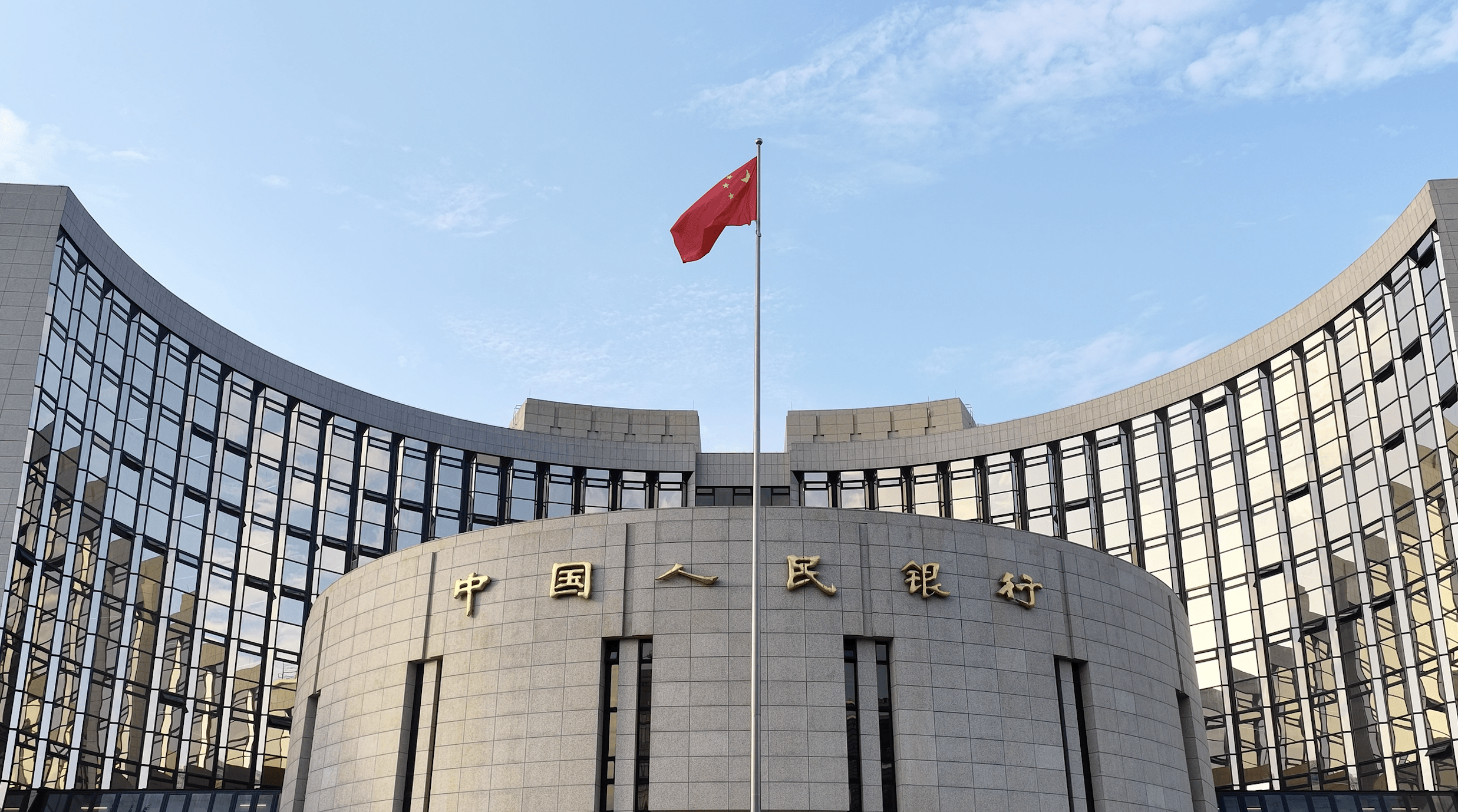
中国人民银行

Search documents
央行今日开展1.1万亿元买断式逆回购,释放数量型货币政策工具加力信号
Sou Hu Cai Jing· 2025-10-09 01:21
Core Viewpoint - The People's Bank of China (PBOC) is implementing a 1.1 trillion yuan reverse repurchase operation to maintain liquidity in the banking system, indicating a proactive approach to manage potential liquidity tightening in October [1][2]. Group 1: Monetary Policy Actions - On October 9, the PBOC conducted a 1.1 trillion yuan reverse repurchase operation with a term of 3 months (91 days) to ensure ample liquidity in the banking system [1]. - In October, 800 billion yuan of 3-month reverse repos are set to mature, and the recent operation signifies an increase of 300 billion yuan in 3-month reverse repos for the month [1]. - An additional 500 billion yuan of 6-month reverse repos is expected to mature in October, with a likelihood of a similar operation being conducted, indicating a continued injection of medium-term liquidity for the fifth consecutive month [1][2]. Group 2: Economic Context and Implications - The PBOC's actions are influenced by the anticipated large-scale issuance of government bonds and the acceleration of 500 billion yuan in new policy financial tools, which are expected to significantly boost loan disbursements [1][5]. - The current strong performance of the stock market and the phenomenon of "deposit migration" among residents are contributing to potential tightening of liquidity, prompting the PBOC to inject medium-term liquidity to stabilize the funding environment [2]. - The PBOC's strategy aims to support government bond issuance and encourage financial institutions to increase monetary credit, signaling a sustained supportive monetary policy stance [2]. Group 3: Future Outlook - The PBOC's monetary policy committee has suggested enhancing monetary policy regulation to align with domestic and international economic conditions, ensuring that liquidity remains ample and matches economic growth and price level expectations [4]. - There is an expectation that the scale of medium-term liquidity injections may decrease from the previous monthly level of 600 billion yuan, potentially due to a new round of reserve requirement ratio (RRR) cuts in the fourth quarter [4]. - The introduction of 500 billion yuan in new policy financial tools is seen as a catalyst for promoting economic stability and growth, with a focus on fiscal support and monetary easing, particularly in the real estate sector [4][5].

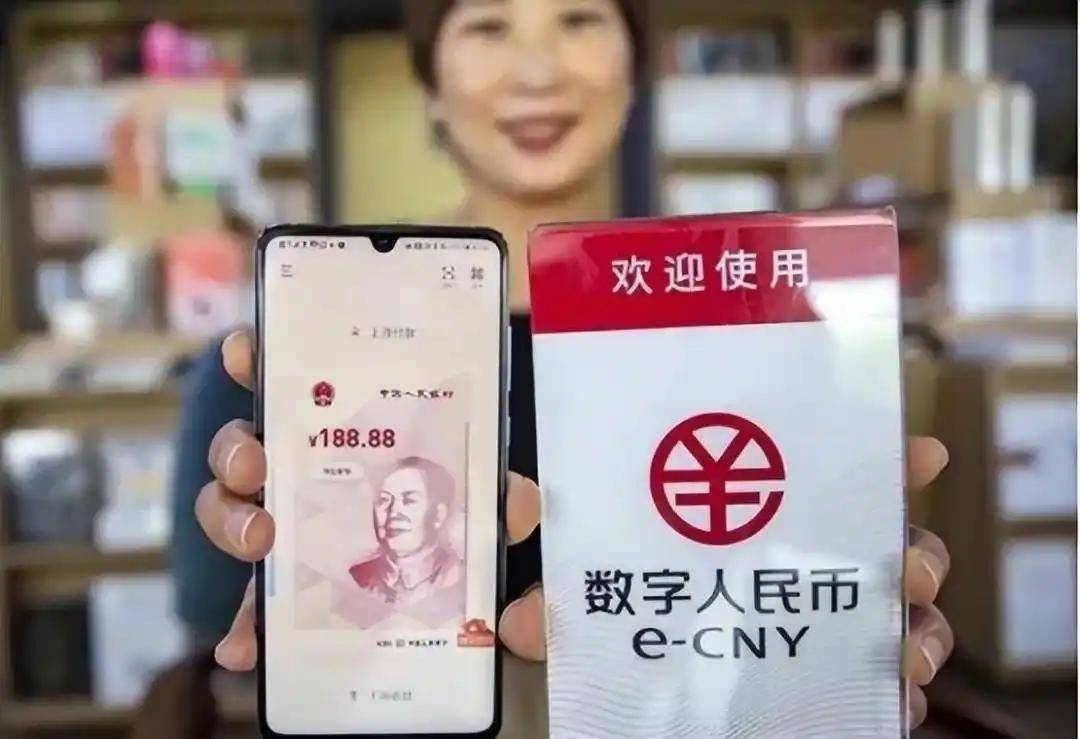
数字人民币对阵纸币:苏州试点六年真相如何?看未来支付格局
Sou Hu Cai Jing· 2025-10-08 19:55
Core Insights - The article highlights the rapid adoption and integration of digital RMB in Suzhou, showcasing its advantages over traditional cash and other payment methods [1][3][4]. Group 1: Digital RMB Adoption - As of May 2025, Suzhou has opened 23.5 million personal wallets, covering approximately 87% of the local population, with a total transaction amount exceeding 21 trillion RMB nationwide [1]. - By the end of 2023, over 75% of merchants in Suzhou supported digital RMB payments, expanding beyond commercial venues to include public services like utilities and healthcare [3][4]. Group 2: Development Timeline - The digital RMB project began in 2019, with Suzhou participating as a pilot city. The first public trial occurred in December 2020, distributing digital red envelopes to 20,000 citizens [3]. - In 2024, Suzhou introduced "smart contract digital RMB," enhancing its functionality for prepaid consumption and installment payments, leading to a 156% year-on-year increase in transaction volume [4]. Group 3: Advantages Over Traditional Cash - Digital RMB retains the core features of cash while overcoming its limitations, offering lower operational costs (approximately one-third of traditional cash lifecycle costs) and more efficient circulation [6]. - It provides "controllable anonymity," allowing users to transact with minimal personal information, thus enhancing privacy compared to third-party payment platforms [6]. - The "dual offline payment" feature enables transactions without internet connectivity, a significant advantage during emergencies, as demonstrated during a severe typhoon in Suzhou [7]. Group 4: Payment Efficiency - Digital RMB improves payment efficiency by enabling direct point-to-point transactions, reducing the need for intermediaries, and thus lowering transaction costs [9].

许正宇:中国央行及香港金管局正在探讨数字货币钱包升级的安排及可行性
智通财经网· 2025-10-08 08:15
Core Viewpoint - The Hong Kong Monetary Authority (HKMA) will continue to collaborate with the People's Bank of China (PBOC) to promote the cross-border pilot of the digital renminbi in Hong Kong, aiming to increase local retail acceptance and explore more application scenarios [1] Group 1: Digital Currency Development - The HKMA is working closely with the PBOC's Digital Currency Research Institute and local subsidiaries of mainland banks to understand the usage and feedback of digital currency wallets [1] - There is an ongoing discussion regarding the upgrade and feasibility of digital currency wallets to increase usage limits and support more application scenarios [1] - The number of local retail points in Hong Kong accepting digital renminbi is gradually increasing [1] Group 2: mBridge Project - The "mBridge" project has entered the "minimum viable product" stage as of June last year, with ongoing efforts to optimize and enhance platform functionalities [1] - The project aims to support the integration of commercial banks with the mBridge application programming interface (API) system to improve transaction efficiency and enhance the customer experience for enterprises [1] - There are plans to gradually expand participation from both public and private institutions to provide more efficient and convenient service options for cross-border payments [1]
7406万盎司!央行已连续11个月增持黄金
Bei Jing Shang Bao· 2025-10-08 04:41
北京商报讯(记者刘四红)10月7日,人民银行官网更新的官方储备资产数据显示,截至9月末,中国官方 黄金储备为7406万盎司,较上月末增加4万盎司。目前,中国央行已连续11个月增持黄金。 ...
金价上涨的秘密:美元主导的世界货币格局正在巨变
Jing Ji Guan Cha Bao· 2025-10-07 09:07
4000美元!黄金在无声中呐喊的,不只是避险焦虑,更是对全球货币秩序暗流涌动的本能回应。 2025年10月7日上午,纽约期金主力合约盘中罕见飙升,最高触及每盎司4000美元,再创历史新高;年内涨幅逾50%。黄金这一破位跃升,并非由地缘冲 突或通胀预期点燃,而是在美联储重启降息、美元指数显著走弱的大背景下,包括各国央行连续增持黄金储备,私人部门积极配置黄金资产,都在推动黄 金走出独立行情。资本市场以黄金之名,向美元信用投下的一票"沉默公投"。 2025年10月7日上午,纽约期金主力合约盘中罕见飙升,最高触及每盎司4000美元,再创历史新高;年内涨幅逾50%。 作者:欧阳晓红 封图:图虫创意 这一历史性时刻,恰逢美国政府因预算僵局再度陷入"技术性停摆"、全球经济前景晃动不定,市场风险偏好和避险本能交织回荡。 美联储降息后,美元指数走弱,年内跌幅近10%,而人民币汇率稳中向好,年内涨幅为2.46%;这可能是系统性变量的拐点。它意味着,世界在寻找美元 之外的相关资产锚。 在此背景下,人民币的"三角功能"可能在跃迁:从"结算货币"渐趋进阶至"投资货币",并逐步试探"储备货币"的边界。 国际货币基金数据显示,2025年一 ...

公开市场十四天期逆回购机制调整 更好满足差异化资金需求
Jing Ji Ri Bao· 2025-10-07 01:39
Core Viewpoint - The People's Bank of China (PBOC) has adjusted its 14-day reverse repo operations to a fixed quantity, interest rate bidding, and multiple price winning method, enhancing market liquidity management and reflecting the demand for short-term funds among financial institutions [1][2][3] Group 1: Adjustment Details - The PBOC conducted a 300 billion yuan 14-day reverse repo operation, marking the first implementation after the adjustment announced on September 19 [1] - The adjustment shifts from a "fixed rate, quantity bidding" model to a "fixed quantity, interest rate bidding, multiple price winning" model, allowing banks to bid at different interest rates [1][2] - This change aims to improve the precision and flexibility of monetary policy, catering to the diverse short-term funding needs of financial institutions [1][2] Group 2: Implications for Market Liquidity - The adjustment allows for clearer market expectations and reduces uncertainties related to operational scale, which can stabilize market conditions [2][3] - The PBOC will determine operation timing and scale based on real-time liquidity management needs, enhancing its ability to maintain ample liquidity in the banking system [2] - Historically, the PBOC has initiated 14-day reverse repo operations before major holidays to ensure sufficient liquidity, with the current operation starting earlier than in previous years [2][3] Group 3: Future Outlook - The adjustment is expected to focus the 14-day reverse repo as a short-term liquidity tool, furthering interest rate marketization and improving financial institutions' pricing capabilities [3] - The PBOC's liquidity management toolbox is being optimized, allowing for a more flexible combination of long, medium, and short-term operations to smooth out the rhythm of fund injection and withdrawal [3]
更好满足差异化资金需求
Jing Ji Ri Bao· 2025-10-07 01:19
Core Viewpoint - The People's Bank of China (PBOC) has adjusted its 14-day reverse repo operations to a fixed quantity, interest rate bidding, and multiple price winning method, enhancing liquidity management and reflecting market demand more accurately [1][2]. Group 1: Adjustment Details - The PBOC conducted a 300 billion yuan 14-day reverse repo operation, marking the first implementation after the recent adjustment announcement [1]. - The adjustment shifts from a "fixed rate, quantity bidding" model to a "fixed quantity, interest rate bidding, multiple price winning" model, allowing banks to bid at different interest rates [1]. - This change aims to improve the precision and flexibility of monetary policy, catering to the varying short-term funding needs of financial institutions [1][2]. Group 2: Implications for Market Liquidity - The adjustment indicates a more proactive and flexible approach by the PBOC in managing liquidity based on real-time factors such as banking system liquidity and market interest rate trends [2]. - Historically, the PBOC has initiated 14-day reverse repo operations before major holidays to ensure liquidity, with this year's timing being slightly earlier than in previous years [2]. - The early initiation of the operation, combined with previous liquidity injections, is expected to alleviate funding pressures for institutions ahead of the quarter-end and holiday periods [2]. Group 3: Future Outlook - The adjustment is seen as a step towards further market-oriented interest rate reforms, enhancing financial institutions' pricing capabilities and better reflecting market supply and demand [3]. - The PBOC's liquidity management toolbox is being optimized, allowing for a more flexible combination of long, medium, and short-term operations to smooth out funding flows [3].
公开市场十四天期逆回购机制调整—— 更好满足差异化资金需求
Jing Ji Ri Bao· 2025-10-06 22:03
Core Viewpoint - The People's Bank of China (PBOC) has adjusted its 14-day reverse repo operations to a fixed quantity, interest rate bidding, and multiple price winning method, enhancing liquidity management and reflecting market demand more accurately [1][2][3] Group 1: Adjustment Details - The PBOC conducted a 300 billion yuan 14-day reverse repo operation, marking the first implementation after the recent adjustment announcement [1] - The adjustment shifts from a "fixed rate, quantity bidding" model to a "fixed quantity, interest rate bidding, multiple price winning" model, allowing banks to bid at different interest rates [1][2] - This change aims to improve the precision and flexibility of monetary policy, catering to the varying short-term funding needs of financial institutions [1][2] Group 2: Implications for Liquidity Management - The PBOC will determine operation timing and scale based on real-time liquidity management needs, allowing for a more proactive approach to maintaining ample liquidity in the banking system [2] - Historically, the PBOC initiates 14-day reverse repo operations before major holidays to ensure sufficient liquidity, with this year's timing being slightly earlier than in previous years [2][3] - The adjustment is expected to enhance the PBOC's ability to smooth market fluctuations and provide a more suitable monetary environment for the real economy [2] Group 3: Market Positioning and Future Outlook - The 14-day reverse repo rate has traditionally been viewed as having policy attributes, but the recent adjustment aims to focus it more on short-term liquidity provision [3] - The reform is anticipated to deepen interest rate marketization and improve financial institutions' pricing capabilities, better reflecting market supply and demand [3] - The PBOC's liquidity management toolbox is being optimized, allowing for flexible combinations of long, medium, and short-term operations to enhance the efficiency of liquidity management [3]
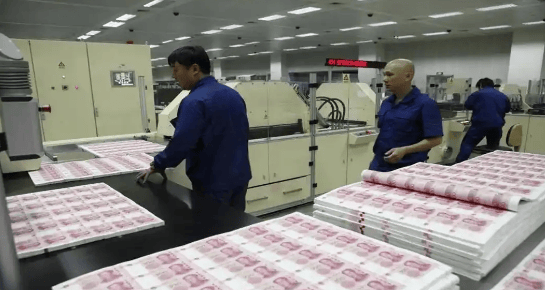
为啥人民币的最大面值只有100,而别的国家却有更大的面值?
Sou Hu Cai Jing· 2025-10-06 00:18
Core Viewpoint - The maximum denomination of the Chinese currency, RMB, is 100 yuan, which has sparked discussions online regarding why it is lower compared to other countries that have larger denominations [1][3]. Group 1: Comparison with Other Countries - Japan's maximum denomination is 10,000 yen, South Korea's is 50,000 won, and Vietnam's is 500,000 dong, while Zimbabwe has an extreme maximum denomination of 10 billion [3]. - Zimbabwe's currency situation is highlighted as an example of excessive denomination, illustrating the absurdity of such high values in practical use [3]. Group 2: Economic Context of Currency Denominations - Large currency denominations are often linked to hyperinflation and historical economic conditions. Countries experiencing severe inflation must issue higher denominations to facilitate market transactions [5]. - Zimbabwe's economic struggles led to a vicious cycle of inflation and the issuance of larger currency notes, which further exacerbated the inflation problem [5]. - Japan and South Korea have also faced inflation at different stages of their economic development, influencing their currency denomination decisions [5]. Group 3: Historical Changes in China's Currency Denominations - China's currency denomination design has undergone several adjustments, with the maximum denomination previously being 50,000 yuan in 1948, which was later reduced to 10 yuan in 1955 due to improved economic stability [7]. - The maximum denomination was raised to 100 yuan in 1987, reflecting significant economic growth and increased consumer purchasing power during the reform era [9]. Group 4: Current Economic Stability and Payment Trends - China's stable economic development since the reform era has maintained price stability, making the 100 yuan denomination sufficient for everyday transactions [11]. - The rise of mobile payment methods, such as WeChat Pay and Alipay, has reduced reliance on cash, making the need for higher denominations less pressing [11]. - Increasing the maximum denomination could introduce complications, such as counterfeit risks and difficulties in making change, rather than providing convenience [11].
央行:10月9日将开展11000亿元买断式逆回购操作期限为3个月
Jing Ji Guan Cha Wang· 2025-10-02 18:12
Core Viewpoint - To maintain ample liquidity in the banking system, the People's Bank of China will conduct a 1.1 trillion yuan reverse repurchase operation on October 9, 2025, with a term of 3 months (91 days) [1] Group 1 - The operation will be conducted using a fixed quantity, interest rate bidding, and multiple price level bidding methods [1] - The total amount for the reverse repurchase operation is set at 1.1 trillion yuan [1]