
长安汽车

Search documents
2025年1-10月中国运动型多用途乘用车(SUV)产量为1161.2万辆 累计增长8.5%
Chan Ye Xin Xi Wang· 2025-12-27 03:02
Core Viewpoint - The report highlights the growth of China's SUV market, with a production increase projected for 2025, indicating a positive trend in the automotive industry [1] Group 1: Industry Overview - In October 2025, China's SUV production reached 1.46 million units, reflecting a year-on-year growth of 6.3% [1] - From January to October 2025, the cumulative production of SUVs in China totaled 11.612 million units, marking an 8.5% increase compared to the previous year [1] Group 2: Companies Mentioned - The report references several key players in the automotive sector, including BYD (002594), Great Wall Motors (601633), Changan Automobile (000625), GAC Group (601238), and SAIC Motor (600104) [1] Group 3: Research and Consulting - The insights are derived from a report by Zhiyan Consulting, which specializes in in-depth industry research and provides comprehensive consulting services for investment decisions [1]


2025年1-10月中国基本型乘用车(轿车)产量为1042.2万辆 累计增长10.9%
Chan Ye Xin Xi Wang· 2025-12-27 02:55
数据来源:国家统计局,智研咨询整理 知前沿,问智研。智研咨询是中国一流产业咨询机构,十数年持续深耕产业研究领域,提供深度产业研 究报告、商业计划书、可行性研究报告及定制服务等一站式产业咨询服务。专业的角度、品质化的服 务、敏锐的市场洞察力,专注于提供完善的产业解决方案,为您的投资决策赋能。 根据国家统计局数据显示:2025年10月中国基本型乘用车(轿车)产量为125万辆,同比增长12.6%;2025 年1-10月中国基本型乘用车(轿车)累计产量为1042.2万辆,累计增长10.9%。 2020-2025年1-10月中国基本型乘用车(轿车)产量统计图 上市企业:比亚迪(002594),上汽集团(600104),长城汽车(601633),长安汽车(000625),广汽集团 (601238),一汽解放(000800),东风汽车(600006),北汽蓝谷(600733) 相关报告:智研咨询发布的《2026-2032年中国插电式混合动力(含增程式)客车行业投资机会分析及 市场前景趋势报告》 ...

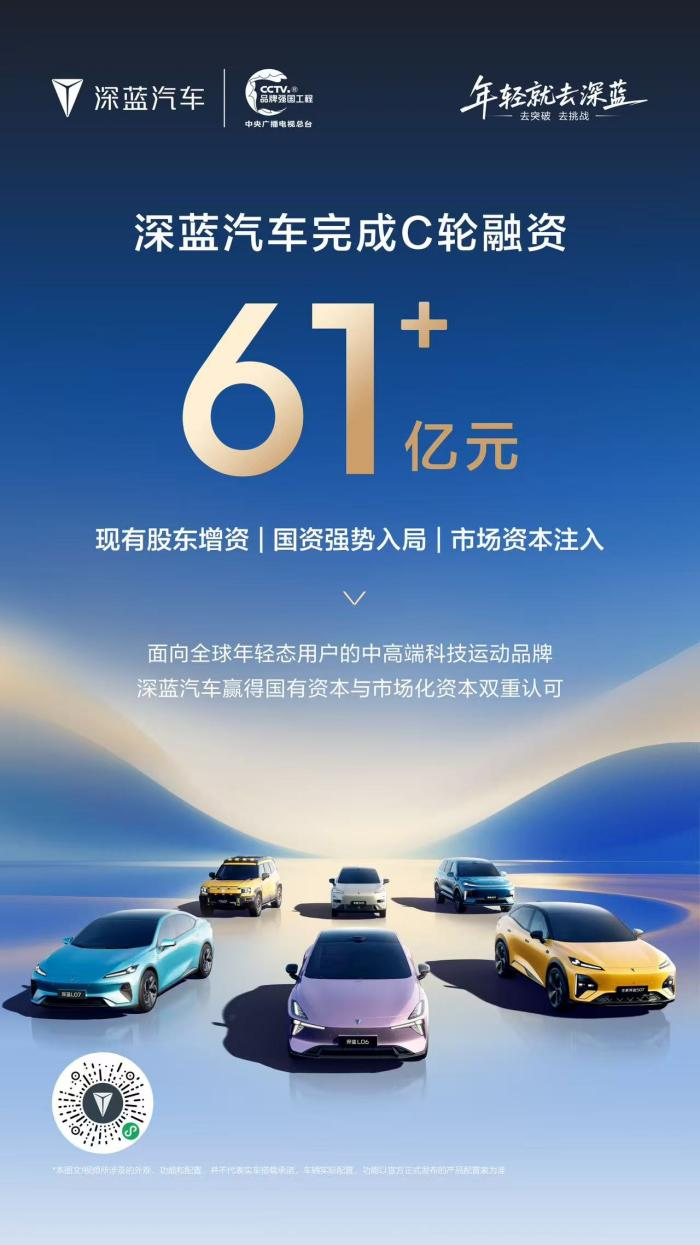
深蓝汽车科技有限公司获“C轮”融资,金额61.22亿人民币
Sou Hu Cai Jing· 2025-12-27 02:25
天眼查信息显示,深蓝汽车科技有限公司的股东为:重庆长安汽车股份有限公司、南京润科产业投资有 限公司、交银博裕一号(苏州)债转股投资基金(有限合伙)、重庆两江新区承为私募股权投资基金合 伙企业(有限合伙)、南方工业资产管理有限责任公司。 来源:市场资讯 12月26日,天眼查融资历程显示,深蓝汽车科技有限公司近日获得"C轮"融资,涉及融资金额61.22亿人 民币,投资机构为长安汽车,渝富控股,招银投资。 资料显示,深蓝汽车科技有限公司法定代表人为邓承浩,成立于2018年,位于重庆市,是一家以从事科 技推广和应用服务业为主的企业。企业注册资本32810.8278万人民币,并已于2025年完成了C轮,交易 金额61.22亿人民币。 通过天眼查大数据分析,深蓝汽车科技有限公司共对外投资了8家企业,知识产权方面有商标信息105 条,专利信息4215条,此外企业还拥有行政许可11个。 ...
经济日报:自动驾驶“准入许可”不等于大规模量产
Xin Lang Cai Jing· 2025-12-27 02:14
Core Viewpoint - The issuance of the first L3-level highway autonomous vehicle special license plates in Beijing marks a significant milestone in China's autonomous driving development, transitioning from technical validation to mass production application [1][4]. Group 1: L3-Level Autonomous Driving Overview - L3-level autonomous driving represents a critical transition from "driving assistance" to "autonomous driving," allowing the system to perform driving tasks under certain conditions without continuous driver monitoring [2]. - The first three quarters of this year saw a 21.2% year-on-year increase in new car sales with L2-level driving assistance features, achieving a penetration rate of 64% [2]. Group 2: Regulatory Framework and Testing - The Ministry of Industry and Information Technology (MIIT) has issued strict limitations on the operational scenarios, road types, urban areas, and speed limits for the two approved models, emphasizing a cautious regulatory approach [3]. - There is a distinction between "road test licenses" issued by local authorities and "product access licenses" from national departments, with the latter being significantly more challenging to obtain [3]. Group 3: Future Implications and Challenges - The successful implementation of L3-level autonomous driving requires not only technological advancements but also supportive policies, industry ecosystems, and infrastructure [4]. - The current pilot approach is characterized by "small-scale initiation and conditional implementation," indicating that mass production is not imminent despite the recent approvals [4].


忠阳车评“准入许可”不等于大规模量产
Jing Ji Ri Bao· 2025-12-27 00:18
Core Viewpoint - The issuance of the first L3-level autonomous driving vehicle license plates in Beijing marks a significant milestone in China's autonomous driving industry, transitioning from technology validation to mass production application [2][3]. Group 1: Regulatory Developments - The Ministry of Industry and Information Technology has officially granted the first L3-level conditional autonomous driving vehicle permits, allowing specific models from Changan Automobile and BAIC Group to conduct pilot tests on designated highways in Beijing and Chongqing [2][3]. - The L3-level autonomous driving is a critical transition from "driving assistance" to "autonomous driving," where the system can perform driving tasks under certain conditions without continuous driver monitoring [3]. Group 2: Market Context - In the first three quarters of the year, the sales of new passenger cars equipped with L2-level driving assistance features increased by 21.2%, achieving a penetration rate of 64% [3]. - The approval of these two autonomous driving models is seen as a recognition of technological maturity and a response to societal expectations for future smart mobility [3]. Group 3: Implementation and Limitations - The permits come with strict limitations regarding operational scenarios, road types, urban areas, and speed limits, indicating a cautious approach to the rollout of L3-level autonomous driving [4][5]. - The current pilot program does not open these vehicles to the general public but is limited to specific organizations conducting trial operations, emphasizing a careful regulatory framework to ensure safety [4][5]. Group 4: Future Outlook - The true commercialization of L3-level autonomous driving requires not only technological breakthroughs but also supportive policies, industry ecosystems, and infrastructure [5]. - The current approach of "small-scale initiation with conditional implementation" reflects the complexity and safety risks associated with autonomous driving systems, indicating that widespread adoption is still a long way off [5].

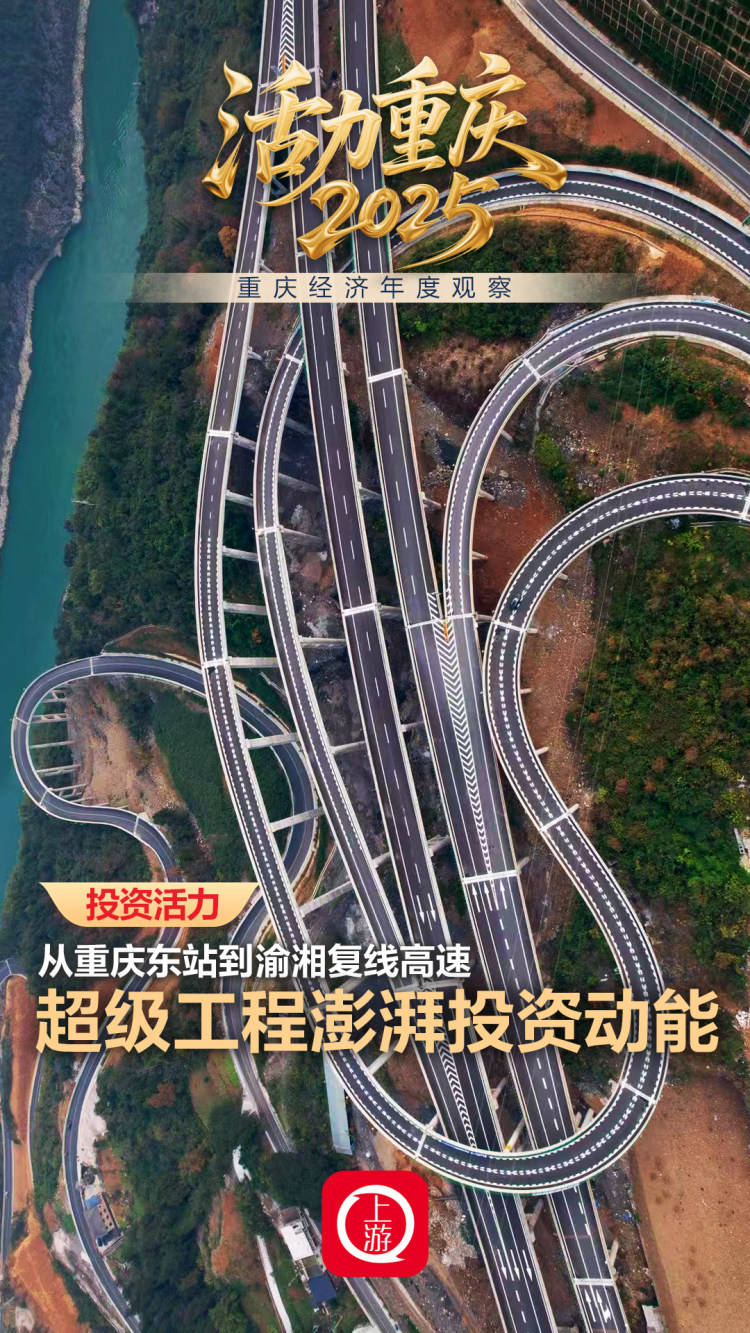
活力重庆2025丨从重庆东站到渝湘复线高速 超级工程澎湃投资动能
Sou Hu Cai Jing· 2025-12-26 23:25
Core Viewpoint - Chongqing has achieved significant economic milestones, becoming the first city in Central and Western China to surpass a GDP of 3 trillion yuan, with plans to reach 4 trillion yuan by 2025 and an aim for per capita GDP of 140,000 yuan during the "15th Five-Year Plan" period [1] Investment and Infrastructure Development - The total investment of 640 billion yuan in the Yuxiang Expressway marks a record for transportation investment in Chongqing, with the expressway fully operational as of December 18, 2025 [3][7] - The Chongqing East Railway Station, the largest high-speed rail hub in Western China, has been inaugurated, enhancing connectivity and supporting the "2-hour Chongqing" transportation circle [7] - From January to October 2025, investment in key municipal projects reached 419.58 billion yuan, achieving 87.4% of the annual target, with a total of 1,568 key projects planned for the year [7][8] Technological Innovation - The first phase of the Super Transient Experimental Device, with a total investment of 3 billion yuan, is 90% complete, aimed at advancing research in new materials and biomedicine [8][10] - Investment in technology innovation projects reached 2.85 billion yuan from January to October 2025, with significant projects like the Changan Automobile Global R&D Center and Chongqing Bank Technology Innovation Center set to launch [8] Economic Growth and Employment - The manufacturing sector saw an investment of 84.19 billion yuan in key projects, achieving 94.4% of the planned investment, focusing on smart connected vehicles, semiconductors, and new materials [8] - Nearly 30 billion yuan has been allocated to education, healthcare, and cultural facilities, enhancing public welfare and quality of life [11] Future Plans - Chongqing plans to implement 1,568 key municipal projects with a total investment of approximately 4.4 trillion yuan, aiming for an annual investment of 480 billion yuan, reflecting a year-on-year growth of 5.8% [11]
【忠阳车评】“准入许可”不等于大规模量产
Jing Ji Ri Bao· 2025-12-26 22:55
Core Viewpoint - The issuance of the first L3-level autonomous driving vehicle license plates in Beijing marks a significant milestone in China's autonomous driving industry, transitioning from technology validation to mass production applications [2][3]. Group 1: Regulatory Developments - The Ministry of Industry and Information Technology has officially granted conditional access permits for the first L3-level autonomous driving models, allowing specific electric vehicles from Changan Automobile and BAIC Group to operate on designated highways in Beijing and Chongqing [2][3]. - The L3-level autonomous driving is a critical transition from "driving assistance" to "autonomous driving," allowing the system to perform driving tasks under certain conditions without continuous driver monitoring [3]. Group 2: Market Dynamics - In the first three quarters of the year, the sales of new passenger cars equipped with L2-level driving assistance features increased by 21.2%, achieving a penetration rate of 64% [3]. - The trial implementation of L3-level autonomous driving vehicles is expected to enhance consumer experience and drive improvements in traffic management, insurance claims, liability recognition, and regulatory frameworks [3][4]. Group 3: Safety and Regulation - The permits for the two models come with strict limitations on operational scenarios, road types, urban areas, and speed limits, emphasizing a cautious regulatory approach to ensure safety [4][5]. - There is a distinction between "road test licenses" issued by local authorities and "product access permits" issued by national departments, with the latter being significantly more challenging to obtain [5]. Group 4: Future Outlook - The true commercialization of L3-level autonomous driving requires not only technological breakthroughs but also supportive policies, industry ecosystems, and infrastructure [5]. - The current pilot approach of "small-scale initiation with conditional implementation" indicates that widespread mass production of autonomous vehicles is still a long way off, despite the symbolic significance of the recent developments [5].

“准入许可”不等于大规模量产
Jing Ji Ri Bao· 2025-12-26 22:07
Core Viewpoint - The issuance of the first L3-level autonomous driving vehicle license plates in Beijing marks a significant milestone in China's autonomous driving industry, transitioning from technology validation to mass production applications [1][2]. Group 1: Industry Development - The L3-level autonomous driving represents a critical transition from "driving assistance" to "autonomous driving," allowing the system to perform driving tasks under certain conditions without continuous driver monitoring [2][3]. - The approval of two L3-level autonomous models by the Ministry of Industry and Information Technology (MIIT) is a recognition of technological maturity and a response to societal expectations for smart mobility [2][3]. - The sales of new passenger cars equipped with L2-level driving assistance features have increased by 21.2% year-on-year, with a penetration rate of 64% in the first three quarters of the year, indicating a growing market for advanced driving technologies [2]. Group 2: Regulatory Framework - The MIIT has imposed strict limitations on the operational scenarios, road types, urban areas, and speed limits for the approved models, ensuring a cautious approach to the deployment of autonomous driving technology [3][4]. - The distinction between "road testing licenses" issued by local authorities and "product access licenses" from national departments is crucial, with the latter being significantly more challenging to obtain, highlighting the rigorous standards for L3-level vehicles [3]. - The current pilot approach for L3-level autonomous driving is characterized by "small-scale initiation and conditional implementation," emphasizing that obtaining a license does not equate to immediate mass production capabilities [4]. Group 3: Future Outlook - The true widespread adoption of L3-level autonomous driving requires not only technological breakthroughs but also supportive policies, regulatory frameworks, and infrastructure development [4]. - The symbolic significance of the recent approvals extends beyond the two models, indicating that the industry still faces a long journey before achieving large-scale commercialization of L3-level autonomous driving [4].
2025年汽车行业最后一笔融资,凭什么花落深蓝汽车?
Xin Jing Bao· 2025-12-26 13:25
Core Viewpoint - Deep Blue Automotive has successfully completed its C round financing, raising a total of 6.122 billion yuan, marking a significant milestone for the company and indicating strong market and capital recognition during a critical period of transformation in the automotive industry [1][3][4]. Financing Details - The C round financing was backed by Changan Automobile, Chongqing Yufu Holding Group, and Zhuhai Financial Asset Investment, with contributions of 3.122 billion yuan, 2.5 billion yuan, and 500 million yuan respectively [4]. - This financing round was completed in just one month, highlighting the efficiency and appeal of Deep Blue Automotive's business model [4]. Strategic Implications - The funds raised will be utilized for new vehicle research and development, core technology innovation in intelligence and electrification, and enhancing global brand strength [5]. - Deep Blue Automotive aims to focus on core technological innovations in intelligence and electrification, positioning itself for high-quality development [5]. Market Position and Growth - Deep Blue Automotive has established a clear and rich product matrix, with multiple significant products launched in the second half of 2025, contributing to a strong sales trajectory [6][8]. - The company achieved a cumulative global delivery of 700,000 vehicles by December 9, 2025, with sales exceeding 30,000 units for three consecutive months [8]. Technological Advancements - Deep Blue Automotive is advancing its technology with innovations such as the new generation of electric drive systems and the DEEPAL OS 4.0, enhancing its competitive edge in the market [9]. - The company has also introduced the first mass-produced vehicle in China equipped with magnetorheological suspension technology, showcasing its commitment to technological leadership [9]. Future Goals - Deep Blue Automotive has set an ambitious target of achieving one million vehicle sales by 2026, indicating a strong commitment to sustainable and high-quality growth [11]. - The company is also recognized as a pioneer in the application of L3-level autonomous driving technology, having received the first official license plate for such vehicles in China [11][12].
航天智造(300446) - 投资者关系活动记录表
2025-12-26 12:15
Group 1: Automotive Parts Business Performance - The company's automotive parts business achieved a revenue growth of 25% year-on-year, surpassing the passenger car sales growth rate of 13.7% [3] - Key advantages driving this growth include strong customer resources and brand partnerships with major manufacturers like Geely, Changan, and BYD [3] - The company has established a comprehensive industrial layout with over 20 production bases, ensuring rapid response to customer demands [3] Group 2: Research and Development Collaboration - The company collaborates closely with vehicle manufacturers, where the manufacturers lead the vehicle definition and design, while the company focuses on high-quality component production [4] - The company possesses a national recognized laboratory and four provincial technology centers, with a total of 587 patents, including 67 invention patents [3][4] Group 3: Weather-Resistant Materials - The company’s weather-resistant materials, including light stabilizers and antioxidants, are primarily exported to Europe, America, and the Middle East, with a sales revenue of 39.52 million yuan in the first half of 2025 [6] - These materials are used in various applications, including agricultural films and modified products, targeting mid-to-high-end markets [6] Group 4: Market and Value Management - The company aims to enhance its core competitiveness and long-term investment value through focused market development and technological innovation [6] - Plans for capital management include increasing cash dividends and improving investor relations to enhance market recognition [6] Group 5: Future Development Strategy - The company has proposed a "1334" development strategy aimed at becoming a world-class aerospace intelligent equipment manufacturer [7] - It will leverage capital operations and industrial development to achieve growth and optimization [8]
