龙湖集团

Search documents
2025年7月中资离岸债发行规模约225亿美元,世茂重组成功推动地产板块融资转正
Sou Hu Cai Jing· 2025-08-04 18:32
Summary of Key Points Core Viewpoint - In July, the total issuance scale of offshore Chinese bonds was approximately $22.5 billion, reflecting a 10% month-on-month decline, with significant contributions from various sectors including real estate and local government financing [2][3]. Group 1: Issuance Details - The actual total issuance scale of offshore Chinese bonds, excluding the restructuring bonds from Shimao Group, was $15.7 billion in July [3]. - The issuance of offshore RMB-denominated bonds amounted to about $5.1 billion, while USD-denominated bonds reached approximately $13.3 billion, with an average financing cost of 5.25% for fixed-rate bonds [5]. - The issuance of offshore Euro-denominated bonds surged to about $2.1 billion, with notable contributions from China Development Bank and Bright Food International [5]. Group 2: Sector Performance - Excluding sovereign and government bonds, 72 Chinese enterprises issued 97 offshore bonds totaling $20.1 billion in July, with the average bond size increasing to $2.07 million [7]. - The real estate sector's issuance, excluding Shimao Group's restructuring bonds, was $0.8 billion, primarily from Hong Kong enterprises [10]. - Local government financing platforms saw a significant increase, with 49 platforms issuing 55 offshore bonds totaling $6 billion, marking an 89% month-on-month growth [10]. Group 3: Financial Sector Insights - The financial sector's issuance decreased by 32% to approximately $4.2 billion, with 11 financial institutions issuing 20 offshore bonds [15]. - Notably, China Development Bank successfully issued dual-currency bonds in the international market, achieving a record subscription rate [15]. - The issuance of sustainable development bonds by various enterprises, including Zhengzhou Urban Construction and Jiangxi Jiulong Group, highlighted the growing trend towards sustainable financing [11][12]. Group 4: Market Trends and Economic Indicators - The net financing amount for the real estate sector turned positive for the first time this year, reaching approximately $15.2 billion in July, largely due to Shimao Group's debt restructuring [18]. - Central banks, including the Federal Reserve and the European Central Bank, maintained interest rates, influencing market expectations and bond issuance strategies [21]. - Positive developments in the real estate sector were noted, with several companies successfully restructuring debts and obtaining financing [22].



河北房企明芳地产进京拿地,13.69亿元拍下昌平一地块,龙湖将提供代建
Hua Xia Shi Bao· 2025-08-04 06:13
底价成交 《华夏时报》记者了解到,新城东区二期地块位于昌平南邵镇北六环区域外,距离地铁昌平线北邵洼站 步行约800米。该宗地块的土地面积为6.27万平米,总建筑规模为9.03万平米,起始价为13.69亿元。 房地产土拍市场出现了一个有趣现象,央国企持续担任主力军的角色,而一些"名不见经传"的民企也开 始在市场上扫货。 7月31日,北京昌平的新城东区二期地块成功出让,而拿地的房企为成立不久的北京新恩祥睿泽置业有 限公司(下称:新恩祥睿泽),其背后为河北武安市明芳房地产开发有限公司(下称:明芳地产)。 《华夏时报》记者了解到,龙湖集团控股有限公司(00960.HK)(下称:龙湖集团)旗下的龙湖龙智 造将参与地块项目的代建。 8月1日,关于此次拿地以及未来一段时间的拿地计划,《华夏时报》记者在太行钢铁官网进行了采访需 求留言,但截至发稿未得到回复。 《华夏时报》记者注意到,近期,许多民营房企新身影现身土拍市场。7月底,位于上海徐汇的横复地 块成交,成交价约12.25亿元,溢价率为22.38%,成交楼面价达到20.03万元/平米,而将这一明星地块收 入囊中的是上海祺祥旺宇置业有限公司,在今年1月份才成立,唯一股东是自 ...

7月百强房企销售表现如何?
Tianfeng Securities· 2025-08-03 14:15
Investment Rating - Industry Rating: Outperform the market (maintained rating) [4] Core Viewpoints - In July 2025, the top 100 real estate companies achieved a sales turnover of 211.16 billion yuan, a month-on-month decrease of 37.7% and a year-on-year decrease of 24.3% [1][9] - The cumulative sales turnover for the first seven months of 2025 was 1,863.84 billion yuan, reflecting a year-on-year decline of 12.5% [1][9] - The sales performance shows a divergence trend, with the top 10 companies experiencing a year-on-year change of -14.4%, while companies ranked 31-50 saw a decline of -47.1% [10][11] - The report indicates that the weak sales growth in July is attributed to seasonal factors, the pace of inventory release by developers, and a cautious demand awaiting policy changes [11] Summary by Sections Sales Performance Overview - In July 2025, the top 100 real estate companies' sales decreased by 40.3% month-on-month and 24.6% year-on-year [1][9] - The sales performance of state-owned enterprises, local state-owned enterprises, and private enterprises showed year-on-year changes of -24.2%, -34.7%, and -32.0% respectively [10] - The sales figures for companies in default and those not in default were -45.5% and -27.8% year-on-year [10] Market Dynamics - The new housing market saw a transaction volume of 2.31 million square meters in the week of July 26 to August 1, with a year-on-year decline of 19.93% [2][17] - The second-hand housing market recorded a transaction volume of 1.63 million square meters, with a year-on-year decline of 5.37% [2][24] Investment Recommendations - The report suggests focusing on non-state-owned enterprises benefiting from debt relief and policy support, as well as leading companies with product advantages [13][14] - Specific companies to watch include Longfor Group, Gemdale Corporation, and New Town Holdings among non-state-owned enterprises, and China Overseas Development and China Resources Land among state-owned enterprises [14]
前7月百强房企卖了2万多亿元,“千亿房企”增至5家
Mei Ri Jing Ji Xin Wen· 2025-08-03 14:03
Core Insights - The real estate market in July experienced a seasonal decline in supply and demand, reflected in the sales performance of real estate companies [2][4] - The total sales amount of the top 100 real estate companies from January to July was 20,730.1 billion yuan, a year-on-year decrease of 13.3% [4] - The sales performance of leading real estate companies remained stable, with the top 10 companies showing a sales threshold increase of 5% year-on-year [2][4] Sales Performance - In July, the sales amount of the top 100 real estate companies decreased by 18.2% year-on-year [2][6] - The top three companies by sales in the first seven months were Poly Developments (1,632 billion yuan), Greentown China (1,368 billion yuan), and China Overseas Land & Investment (1,319 billion yuan) [3][4] - The number of "billion-dollar" real estate companies increased to five this year, with an average sales amount of 1,320.1 billion yuan [11] Market Trends - The overall transaction volume of new homes in 30 key cities was 836 million square meters in July, down from 1,034 million square meters in June [14] - The cumulative transaction volume for the first seven months remained roughly flat compared to the previous year [14] - The market is expected to see a low-level fluctuation in new home transactions, with a projected year-on-year decline of less than 5% [14] Policy and Future Outlook - The Central Political Bureau meeting emphasized the need for stable and flexible macroeconomic policies to boost market confidence [15] - Various cities have introduced new policies to enhance supply quality and meet diverse housing needs, including optimizing public housing loan policies [15] - The real estate market is still in a phase of adjustment, with structural opportunities in "good cities + good houses" expected to emerge [15]





债市止跌信用跟随利率下行,二永利差普遍压缩2-4BP
Xinda Securities· 2025-08-02 11:47
1. Industry Investment Rating No industry investment rating is provided in the report. 2. Core Viewpoints - The bond market has stopped falling, and credit has followed the decline in interest rates. Short - duration and low - grade varieties have shown strong performance. Credit spreads have mostly increased, with some short - duration and low - grade varieties declining [2][5]. - Urban investment bond spreads have generally remained stable, with differentiation among different regions [2][9]. - Industrial bond spreads have slightly declined, and the spreads of mixed - ownership real estate bonds have also decreased [2][17]. - The yields of Tier 2 and perpetual bonds have all declined, and the spreads have generally compressed by 2 - 4BP, outperforming ordinary credit bonds [2][24]. - The excess spreads of perpetual bonds have generally increased, with a relatively large increase in the spreads of 3Y industrial perpetual bonds [2][27]. 3. Summary by Directory 3.1 Bond Market Stabilization and Credit Spread Changes - Interest - rate bond yields first rose and then fell, with the yields of 1Y, 3Y, 5Y, 7Y, and 10Y China Development Bank bonds declining by 3BP, 4BP, 3BP, 3BP, and 5BP respectively. Credit bond yields generally followed the decline in interest rates but underperformed interest - rate bonds. The yield changes of 7Y varieties with a small previous adjustment were limited [2][5]. - Credit spreads mostly increased, with some short - duration and low - grade varieties declining. Rating spreads and term spreads showed significant differentiation [5]. 3.2 Urban Investment Bond Spreads - Overall, urban investment bond spreads remained stable, with differentiation among different regions. The credit spreads of external - rated AAA and AA platforms remained flat, while those of AA + platforms increased by 1BP [2][9]. - By administrative level, the credit spreads of provincial, municipal, and county - level platforms generally remained flat [16]. 3.3 Industrial Bond Spreads - Industrial bond spreads slightly declined, and the spreads of mixed - ownership real estate bonds also decreased. The spreads of central and local state - owned enterprise real estate bonds remained flat, those of mixed - ownership real estate bonds declined by 4BP, and those of private - enterprise real estate bonds increased by 8BP [2][17]. - The spreads of coal bonds of each grade declined by 1BP; the spreads of AAA - rated steel bonds remained flat, while those of AA + - rated steel bonds declined by 3BP; the spreads of AAA - rated chemical bonds remained flat, while those of AA + - rated chemical bonds declined by 1BP [17]. 3.4 Tier 2 and Perpetual Bonds - The yields of Tier 2 and perpetual bonds all declined, and the spreads generally compressed by 2 - 4BP, outperforming ordinary credit bonds, with high - grade varieties performing slightly better [2][24]. 3.5 Perpetual Bond Excess Spreads - The excess spreads of perpetual bonds generally increased, with a relatively large increase in the spreads of 3Y industrial perpetual bonds. The excess spreads of 3Y industrial AAA perpetual bonds increased by 3.34BP to 7.16BP, and those of 5Y industrial AAA perpetual bonds remained flat at 7.65BP [2][27]. 3.6 Credit Spread Database Compilation - The overall market credit spreads, commercial bank Tier 2 and perpetual bond spreads, and urban investment/industrial perpetual bond credit spreads are calculated based on ChinaBond medium - and short - term note and ChinaBond perpetual bond data. The historical quantiles are since the beginning of 2015 [31]. - The credit spreads of urban investment and industrial bonds are compiled and statistically analyzed by the R & D center of Cinda Securities, and the historical quantiles are also since the beginning of 2015 [31].
中华交易服务内房股指数下跌0.46%,前十大权重包含中国海外发展等
Jin Rong Jie· 2025-08-01 14:18
Core Points - The Shanghai Composite Index decreased by 0.37%, while the China Trading Service Real Estate Index (CESCPD) fell by 0.46%, closing at 1332.63 points with a trading volume of 2.6 billion yuan [1] - Over the past month, the CESCPD has increased by 3.11%, by 1.96% over the last three months, and has risen by 9.02% year-to-date [1] - The CESCPD aims to track the overall performance of publicly listed companies in the mainland real estate development, service, management, and park industries within the Hong Kong Stock Connect [1] Index Composition - The top ten weighted stocks in the CESCPD are: China Resources Land (10.51%), China Overseas Development (9.47%), Beike-W (8.9%), Longfor Group (8.36%), China Resources Mixc Lifestyle (7.8%), Country Garden Services (4.73%), China Jinmao (4.56%), Sunac China (4.4%), Wanwu Cloud (4.03%), and Poly Property (3.76%) [1] - The CESCPD's holdings are entirely composed of stocks listed on the Hong Kong Stock Exchange, with a 100% allocation [1] - The index's holdings are exclusively in the real estate sector, also accounting for 100% [1]
中证港股通地产指数报1634.65点,前十大权重包含贝壳-W等
Jin Rong Jie· 2025-08-01 12:24
Core Viewpoint - The China Securities Hong Kong Stock Connect Real Estate Index has shown positive performance over the past month, three months, and year-to-date, indicating a strong recovery in the real estate sector [2]. Group 1: Index Performance - The China Securities Hong Kong Stock Connect Real Estate Index increased by 3.04% over the past month, 9.88% over the past three months, and 13.08% year-to-date [2]. - The index is based on a sample of up to 50 eligible Hong Kong-listed companies that reflect the overall performance of the real estate sector [2]. Group 2: Index Composition - The top ten weighted companies in the index are: Sun Hung Kai Properties (14.11%), Beike-W (12.73%), China Resources Land (10.83%), Cheung Kong Property (7.94%), China Overseas Land & Investment (6.28%), Wharf Real Estate Investment (4.72%), Sino Land (4.39%), Henderson Land Development (4.22%), Longfor Group (2.85%), and Wharf Holdings (2.83%) [2]. - The index is composed entirely of real estate companies, with 100% of its holdings in the real estate sector [3]. Group 3: Index Adjustment Mechanism - The index samples are adjusted semi-annually, with adjustments occurring on the next trading day after the second Friday of June and December [3]. - In special circumstances, the index may undergo temporary adjustments, such as when a sample company is delisted or when new companies meet the criteria for inclusion [3].



销售探底但地王频现,百强房企7月遭遇“冰火两重天”
Feng Huang Wang· 2025-08-01 11:27
Group 1 - The core viewpoint indicates that the performance of the top 100 real estate companies in July 2025 showed a significant decline, with sales amounting to 236.6 billion yuan, a year-on-year decrease of 18.2% [1] - Only about 30% of the top 100 real estate companies achieved positive year-on-year sales growth in July [1] - Cumulative sales for the top 100 real estate companies from January to July 2025 reached 2,073.01 billion yuan, reflecting a year-on-year decline of 13.3% [1] Group 2 - Among the top real estate companies, only five surpassed 100 billion yuan in sales, with Poly Developments leading at 163.2 billion yuan [2] - The land market in core cities remains active, with total land acquisition by the top 100 companies reaching 578.3 billion yuan from January to July 2025, a year-on-year increase of 34.3% [2] - The competition for quality land in core cities is intense, with record-breaking land prices, such as a plot in Shanghai's Xuhui District selling for 200,000 yuan per square meter [2] Group 3 - Fitch Ratings emphasizes that actively acquiring land is crucial for Chinese rated real estate companies to maintain competitiveness, as new land sales typically outpace old inventory [3] - The supply of residential land in first-tier cities has increased significantly this year, with varying trends in land prices across cities [3] - The central government's macro policy aims to enhance stability and flexibility, with a focus on high-quality urban renewal as a key development strategy [3]

销售探底但地王频现 百强房企7月遭遇“冰火两重天”
Xin Lang Cai Jing· 2025-08-01 10:17
智通财经8月1日讯(记者 李洁)随着房地产行业进入传统淡季,百强房企7月业绩出现幅度不小的回 落。 中指院数据显示,2025年7月单月,TOP100房企销售额2366亿元,同比下降18.2%。另据国泰海通证券 数据,7月仅有近3成百强房企单月销售同比实现正增长。 "在止跌回稳政策组合拳催化下,2025年以来新房销售市场呈反复波动态势,经历2月改善后,3-4月边 际回落,5月销售有所改善后,6月热度又开始回落,7月则延续保持低位。"申万宏源分析师袁豪表示。 从新增货值来看,绿城中国、中海地产和保利发展位列前三,其中绿城中国以1116亿元新增货值占据榜 单第一,中海地产以935亿元新增货值位列第二,保利发展新增货值规模为907亿元,位列第三。 "2025年7月,核心城市优质地块竞争依旧激烈,一方面,企业竞拍热情高涨,数十轮竞价争夺优质地 块。另一方面,拿地楼面价屡破纪录,如上海徐汇区一地块以20万元/平方米的成交楼面价刷新了全国 成交楼面价纪录,进一步说明房企对优质地块争夺的激烈程度。"陶淑茹称。 惠誉评级亚太区企业评级董事石露露认为,积极拿地仍是中国受评房企保持竞争力的关键因素。由于新 地块的销售速度通常快于旧 ...
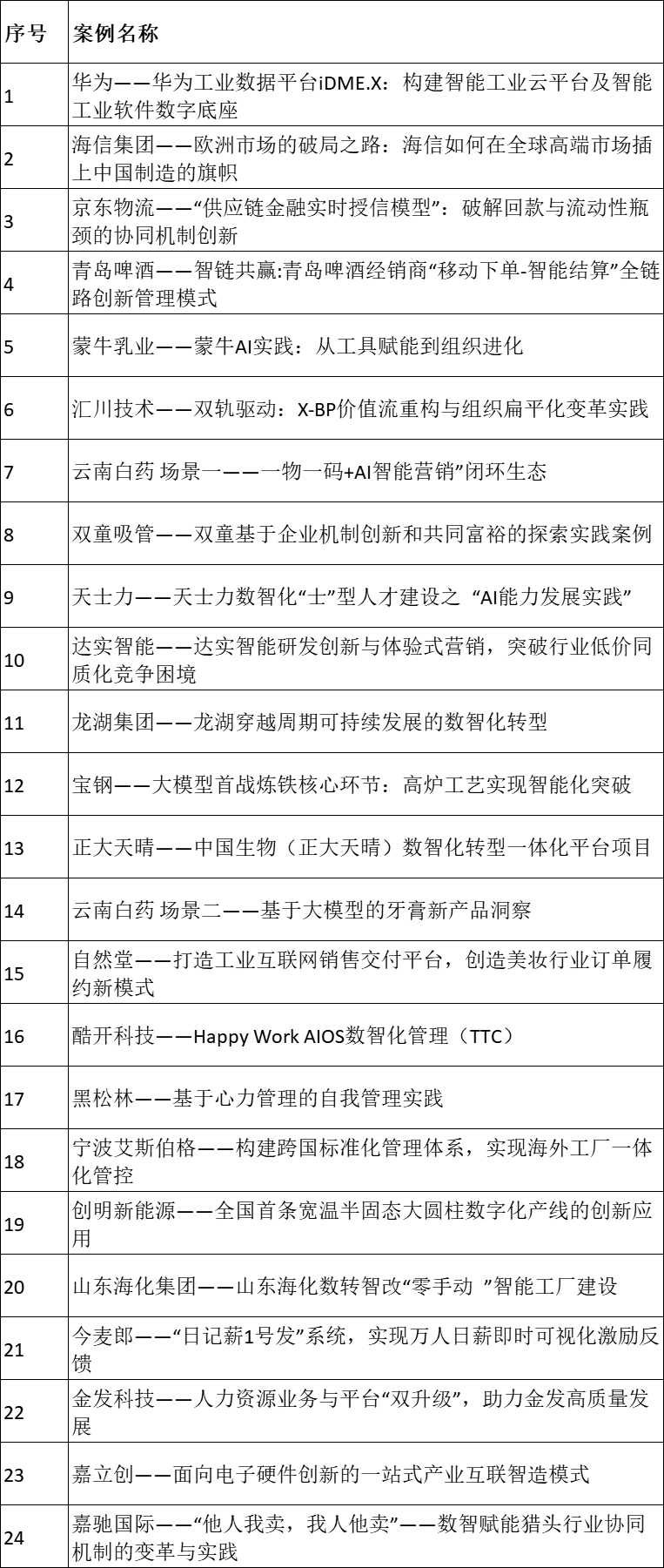
以实践为师,从场景出发 | 中国企业管理最佳实践榜入围名单公布
Sou Hu Wang· 2025-08-01 09:29
Core Insights - The article emphasizes the transformative era in management, highlighting the disconnect between traditional management theories and current realities, leading to increased uncertainty for managers [1] - It suggests that this challenging period for Chinese enterprises may also be a golden age for paradigm breakthroughs through innovative practices [1] - The focus on scenario-based management is presented as a key approach to effectively address complex organizational challenges [2] Group 1: Scenario-Based Management - Scenario-based management shifts the focus from predefined institutional frameworks to specific, complex, and dynamic management scenarios, ensuring the identification and resolution of real issues [2] - This approach promotes cross-functional collaboration, breaking down traditional functional barriers, and fostering organizational agility and innovation [2][4] - The integration of AI with scenario-based management is becoming a prevalent strategy among leading companies, with over 60% of management scenarios in a recent study applying AI technology [3] Group 2: AI Integration - AI enhances the efficiency of problem-solving within individual scenarios and reshapes the value connections between management scenarios, driving human-machine collaboration [4] - In production, AI has significantly reduced costs and improved efficiency by optimizing real-time scheduling of equipment and materials [4] - The competitive advantage for enterprises is shifting towards the ability to identify high-value scenarios and continuously optimize resource responses, redefining management boundaries and possibilities [4][6] Group 3: Best Practices Recognition - The inaugural "China Enterprise Management Best Practices List" aims to create a platform for sharing innovative practices that effectively manage complexity through scenario thinking [6] - The evaluation process for the list involves a rigorous three-stage review to ensure professionalism and authority, culminating in the announcement of ten leading case studies [6] - The list serves as a reference for enterprises of various sizes and industries, providing insights into effective management solutions and fostering continuous evolution in the integration of technology and management [6] Group 4: Notable Case Studies - The article lists several notable case studies that exemplify innovative management practices, including Huawei's industrial data platform and JD Logistics' supply chain financial model [7][8] - These cases illustrate how companies are responding to contemporary management challenges and leveraging technology for operational improvements [7][8]