华硕

Search documents
苹果谷歌挤爆当地酒店?韩国存储双雄被曝涨价70%
Guan Cha Zhe Wang· 2026-01-06 10:07
Core Viewpoint - South Korean memory manufacturers Samsung and SK Hynix have proposed a price increase of 60% to 70% for server DRAM compared to Q4 of last year, driven by anticipated supply shortages and increased demand from major cloud service providers like Microsoft and Google [1][3]. Group 1: Price Increase and Market Dynamics - Samsung and SK Hynix are currently negotiating with clients to raise server DRAM prices significantly due to expected supply shortages [1]. - The focus of memory chip manufacturers has shifted towards producing HBM3E for AI acceleration cards, limiting the supply of server DRAM [1]. - The demand for DRAM is surging as companies like Google and Microsoft expand their AI inference businesses, contributing to the price increase [1]. Group 2: Competition Among Tech Giants - A "DRAM supply war" has erupted among major tech companies, with procurement officials from firms like Amazon and Google actively seeking long-term supply agreements in South Korea [3]. - Apple is reportedly in intense negotiations with Samsung and SK Hynix to secure DRAM supplies for its products, as its existing long-term supply agreement is set to expire [3]. - The cost of 12GB LPDDR5X DRAM for Apple has risen to $70, marking a 230% increase since early 2025 [3]. Group 3: Impact on Consumer Electronics - The price hike in DRAM is significantly increasing costs for smartphone and PC manufacturers, with the share of storage chips in smartphone costs rising from approximately 15% to over 20% [4]. - As a result of rising storage costs, companies like Xiaomi, OPPO, and Vivo have raised prices for new models by 100 to 600 yuan [4]. - The PC market is also facing challenges, with manufacturers like Dell announcing price increases of 10% to 30% for commercial PCs [6]. Group 4: Market Forecasts - Market research firm Counterpoint Research predicts a 2.1% decline in global smartphone shipments in 2026 [4]. - TrendForce has revised its forecast for global laptop shipments in 2026 to a decrease of 5.4%, with potential for a larger decline [6]. - Citibank forecasts Samsung Electronics' operating profit to reach 150 trillion won in 2026, a 253% increase from last year [7].


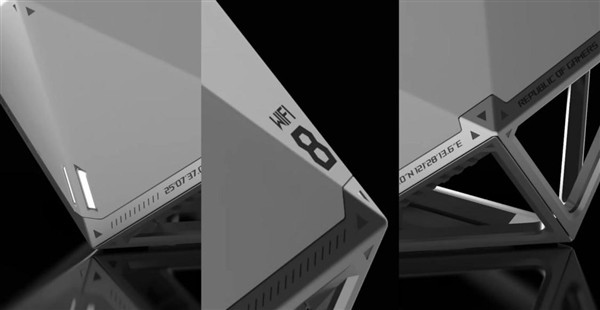
华硕抢先发布Wi-Fi 8路由器,引领下一代无线技术革新
Xin Lang Cai Jing· 2026-01-06 01:12
Core Viewpoint - ASUS is set to showcase its first Wi-Fi 8 router at the upcoming International Consumer Electronics Show, indicating the brand's forward-looking strategy in wireless networking technology, despite the current Wi-Fi 7 not being fully adopted yet [2][6]. Product Design and Features - The new product features a gray-white color scheme and a polygonal design, emphasizing a simple yet technological aesthetic, with a clear "Wi-Fi 8" label highlighting its core technological positioning [4][6]. - Wi-Fi 8 corresponds to the IEEE 802.11bn technical standard, which is still in the drafting phase, with an expected official release date in September 2028 [4][6]. Industry Response and Development - Several chip manufacturers, including Broadcom, have already introduced Wi-Fi 8 platform solutions, and some device manufacturers have completed connectivity tests and prototype developments, showcasing the industry's proactive investment in next-generation technology [4][6]. Market and Technical Risks - The launch of such products currently faces market and technical risks, as the protocol details are not fully finalized, which may lead to early devices lacking compatibility with all features of the future official standard [4][6]. - The current ecosystem for Wi-Fi 8 is extremely limited, with almost no smartphones or laptops on the market supporting Wi-Fi 8, thus restricting practical application scenarios [4][6]. Historical Context - Reflecting on the development of Wi-Fi 7, similar issues have been observed, where initial products only supported 160MHz bandwidth instead of the standard's 320MHz, resulting in a gap between theoretical performance and actual user experience [7].
2025电商榜单价值及影响力洞察报告
艾瑞咨询· 2026-01-06 00:03
Core Insights - The article emphasizes the evolving role of e-commerce rankings, highlighting their transition from simple recommendation tools to comprehensive business components that enhance user decision-making efficiency, build platform trust, leverage brand growth, and promote industry quality ecosystems [1]. Group 1: User Behavior and Trust - Over 90% of consumers pay attention to ranked products, with 50% prioritizing clicks on items marked with rankings, indicating that rankings are crucial decision-making touchpoints in the purchasing process [6][4]. - Approximately 30% of consumers have started to focus on e-commerce rankings while shopping, and this trend is on the rise, with over 40% believing that ranked products are worth considering [4][6]. - 75.6% of consumers view rankings as a decisive factor in their purchasing decisions, reflecting their significant influence on consumer trust and decision-making [6][15]. Group 2: Ranking Mechanism and Consumer Experience - The rankings are built on a data-driven model that ensures objectivity and transparency, addressing consumer concerns about potential marketing biases [23][25]. - The rankings utilize a comprehensive evaluation system based on sales, popularity, reputation, growth, and brand strength, which helps consumers navigate the overwhelming product choices available [43]. - 61% of consumers express high satisfaction with products recommended by rankings, and 96.9% plan to maintain or increase their usage of e-commerce rankings in the future [6]. Group 3: Brand and Industry Impact - E-commerce rankings serve as a trust-building infrastructure for platforms, providing fair exposure opportunities for quality products and brands, thus enhancing the platform's influence [8][30]. - The rankings reflect consumer trend changes and provide essential guidance for product innovation, driving a positive development cycle in the quality consumption ecosystem [30][32]. - Case studies, such as the success of Hai Lan Zhi Jia's jeans and the collaboration with SHOKZ for exclusive earphones, illustrate how rankings can significantly boost product visibility and sales, creating a virtuous cycle of exposure and consumer trust [32][33]. Group 4: Future Trends and Innovations - The future of e-commerce rankings is expected to see advancements in AI technology, leading to more personalized and intelligent ranking systems that enhance user experience and brand engagement [37][40]. - The article suggests that the evolution of rankings will focus on maintaining objectivity and enhancing user experience, which are critical for meeting consumer needs in a competitive market [35][46].


业内预测:今年手机、电脑将迎来涨价
Mei Ri Shang Bao· 2026-01-05 23:21
Group 1 - The core viewpoint of the articles highlights a significant increase in the prices of storage products, particularly memory modules and solid-state drives, driven by the growing demand in the market due to the AI boom [1][4]. - The price of memory modules has seen a dramatic rise, with reports indicating that prices have surged from around 200 yuan to over 700 yuan within three years, leading to consumers delaying purchases [2][3]. - Major manufacturers like ASUS, Lenovo, and Dell are adjusting their product prices due to structural fluctuations in the global supply chain and rising costs of key components, with 2026 predicted to be a challenging year for memory shortages [3][5]. Group 2 - The prices of mobile solid-state drives have also increased significantly, with a 1TB SanDisk drive rising from over 300 yuan to nearly 700 yuan in a year, and many brands experiencing similar price hikes [4]. - Online platforms are facing stock shortages for 1TB and larger mobile solid-state drives, with prices for some brands reaching as high as 1200 yuan, comparable to the prices of 2TB drives [4]. - The rising costs of storage products are impacting the pricing strategies of consumer electronics, with brands like Xiaomi and Vivo increasing their product prices by 500-700 yuan and 200-300 yuan respectively due to higher memory costs [5].
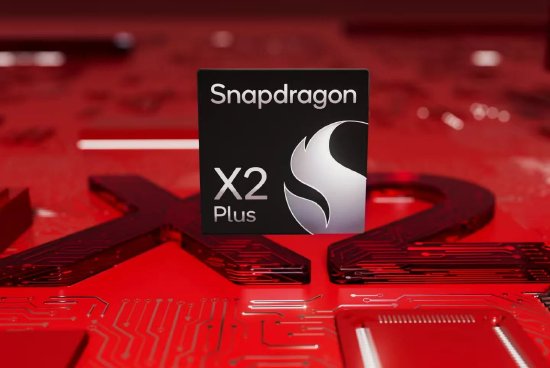
高通发布骁龙X2 Plus 瞄准主流笔记本市场|直击CES
Xin Lang Cai Jing· 2026-01-05 19:47
专题:2026年度国际消费电子展(CES) 新浪科技讯,高通在CES 2026上正式发布Snapdragon X2 Plus处理器,这是继去年9月发布旗舰级X2 Elite和X2 Elite Extreme之后的中端产品线补充。新芯片提供6核和10核两个版本,采用第三代Oryon CPU架构,搭配80 TOPS算力的Hexagon NPU和全新Adreno X2-45 GPU。 高通表示搭载X2 Plus的笔记本将在2026年上半年正式出货,联想、惠普、华硕等主要OEM厂商都将在 CES期间发布相关产品。 责任编辑:李桐 这款芯片定位于中高端Windows笔记本市场,旨在为主流用户带来Elite级别的AI加速能力、更强的图形 性能和更高的能效比,同时保持更具竞争力的价格。 根据高通公布的数据,10核版本的X2 Plus在Geekbench 6测试中单核性能相比上一代X Plus提升35%,多 核性能提升17%;而6核版本的多核性能也有10%的提升。 在CES现场的参考设计测试中,10核版本跑出了单核3323分、多核15084分的成绩,明显领先于英特尔 Core Ultra 7 256V和AMD Ryzen A ...

性能怪兽登场:1500元以上主板谁更值得入手?
Xin Lang Cai Jing· 2026-01-05 10:44
Core Insights - The selection of a motherboard is crucial for building a high-performance and highly expandable main machine, impacting the overall system capabilities [5][6][9] - High-end motherboards priced above 1500 yuan incorporate advanced technologies such as Wi-Fi 7, PCIe 5.0, and DDR5 high-frequency support, catering to professional development and high-performance computing needs [5] Group 1: Product Summaries - MSI MPG X870I EDGE TI EVO WIFI, priced at 2499 yuan, is a high-performance AMD platform motherboard in an ITX form factor, designed for Ryzen 9000 series processors, featuring a 12-layer PCB structure for reduced signal interference and enhanced stability [6][7] - GIGABYTE B760 AORUS MASTER DDR4, priced at 1899 yuan, targets the mid-to-high-end Intel platform with a robust power supply configuration, supporting DDR4 memory up to 5333MHz and offering extensive storage flexibility with multiple M.2 slots [7][8] - MSI X870E MEG X870E GODLIKE X EDITION, priced at 8888 yuan, is a limited edition flagship motherboard with an E-ATX form factor, featuring an extreme power supply system and support for high-speed storage options, appealing to hardcore developers seeking performance and aesthetics [8] - ASUS ROG STRIX Z790-A GAMING WIFI, priced at 2899 yuan, combines performance and aesthetics with support for DDR5 memory and multiple M.2 interfaces, making it suitable for AI training and high-performance computing simulations [9] Group 2: Market Trends - The increasing complexity of development environments and growing computational demands necessitate the selection of high-spec motherboards for longer lifespan, better compatibility, and higher system stability [5][9] - The four highlighted products cater to various user needs, from compact ITX builds to mainstream ATX platforms and flagship E-ATX configurations, ensuring options for both performance enthusiasts and practical users [5][9]
去年12月中国CPI、PPI数据将公布;CES2026将开幕丨一周前瞻
2 1 Shi Ji Jing Ji Bao Dao· 2026-01-05 00:40
Economic Data and Events - China will release December CPI and foreign exchange reserve data in the week of January 5 to January 11, 2026 [1] - The People's Bank of China will have a total of 13,236 billion yuan in reverse repos maturing [1] - The 16th China Internet Industry Annual Conference will be held in Beijing from January 7 to 8, 2026 [1] - The Eurozone will release December CPI and PMI data, while the US will publish the December non-farm payroll report [1] Stock Market Developments - Over 1,600 billion yuan in market value of restricted stocks will be unlocked this week, with 36 stocks involved, totaling over 4.3 billion shares [5][6] - Notable stocks include Baili Tianheng with a market value of 963.19 billion yuan, Guolian Minsheng at 180.08 billion yuan, and Jianshe Industrial at 168.95 billion yuan [6] New Stock Offerings - Two new stocks will be available for subscription: Zhixin Co., Ltd. on January 6 with a subscription limit of 180,000 shares at 21.88 yuan per share, and Kema Materials on the same day with a limit of 9,414,000 shares at 11.66 yuan per share [22][23] Policy and Regulatory Updates - The State Council has issued a comprehensive action plan for solid waste management, aiming for significant improvements by 2030, including a target of 4.5 billion tons of annual comprehensive utilization of solid waste [9] - The plan emphasizes a full-chain management approach across various sectors, including industrial and urban waste [9] Industry Insights - The low-altitude economy in Shanghai is projected to reach a core industry scale of around 80 billion yuan by 2028, with a complete industrial chain for new low-altitude aircraft [11][12] - The commercial aerospace sector is expected to see significant growth, with multiple new rocket launches planned and advancements in reusable rocket technology [13][19] Pharmaceutical Sector Developments - In 2025, China approved 76 innovative drugs, surpassing the previous year's total and achieving a record high, with over 1,300 billion USD in licensing transactions [14][15] - The focus for 2026 will be on next-generation ADCs, dual/multi-antibodies, small nucleic acids, and CAR-T therapies [15][16]

手机市场再无“小而美”?华硕暂停手机业务,小众品牌集体逼近「斩杀线」
3 6 Ke· 2026-01-05 00:05
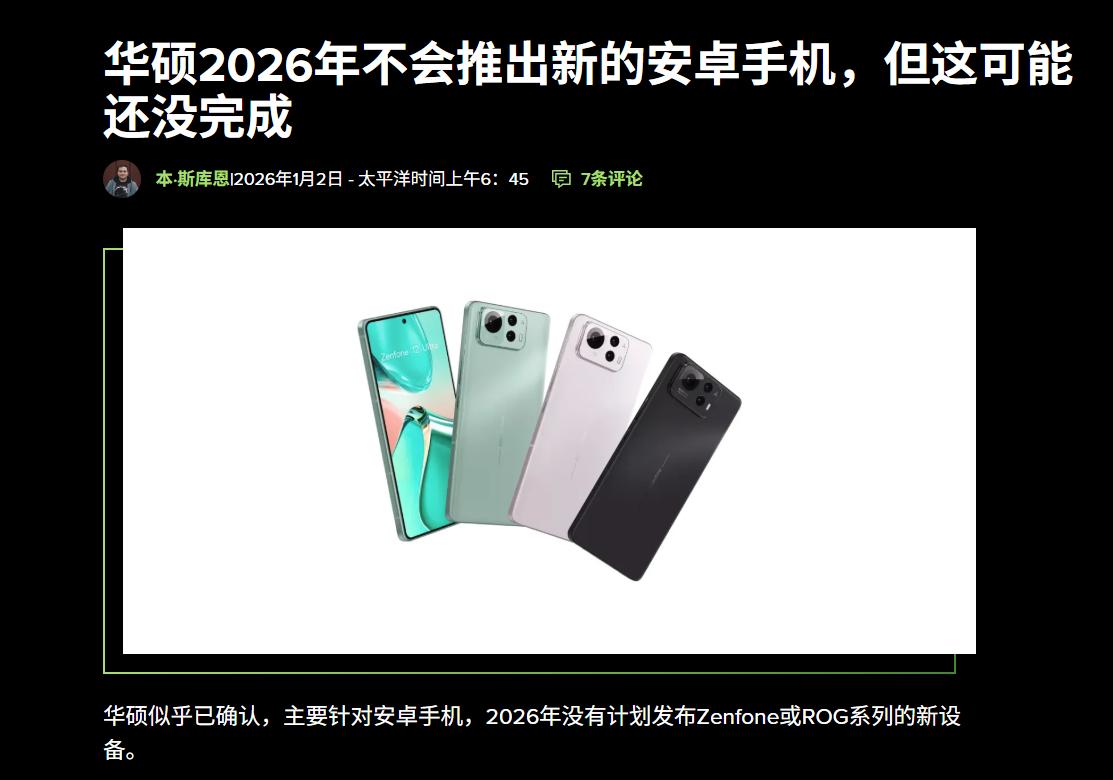
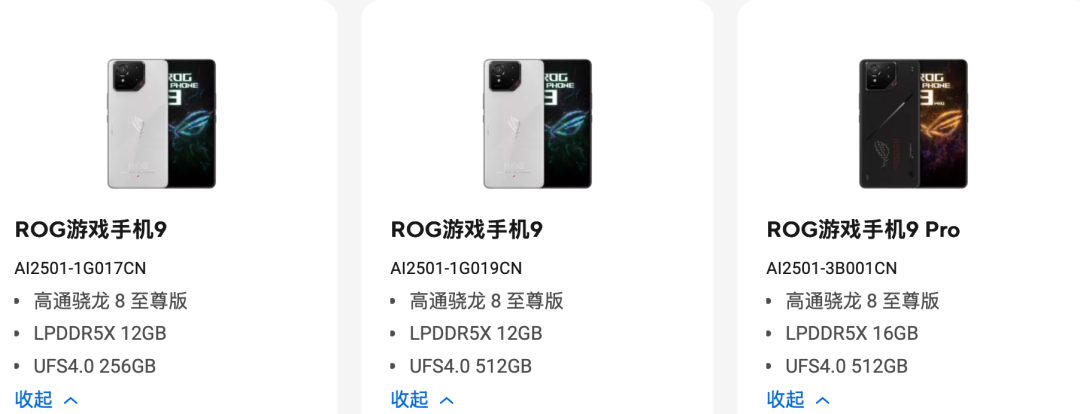
Core Viewpoint - ASUS has announced that it will suspend the launch of new smartphones, including the Zenfone and ROG Phone series, in 2026, marking a significant shift in the smartphone market and signaling the end of an era for small-sized flagship devices [1][3][15]. Company Overview - ASUS has historically focused on unique innovations rather than following mainstream trends, exemplified by products like the Padfone and ZenFone Zoom, which showcased its commitment to creativity [5][8]. - The Zenfone series targeted small-sized smartphone enthusiasts, with models like ZenFone 8, 9, and 10 receiving positive reviews for their compact design and flagship specifications [10][14]. - The ROG Phone series was designed specifically for gamers, featuring unique functionalities such as side charging ports and AirTriggers, catering to a niche market [11][13]. Market Challenges - The smartphone industry is facing rising costs, with a projected 25% increase in material costs by 2026 due to supply chain dependencies, which disproportionately affects smaller brands like ASUS [16][18]. - The competitive landscape is dominated by giants like Apple and Samsung at the high end, and Chinese brands like Xiaomi and OPPO at the mid to low end, leaving ASUS in a challenging position [19][22]. - ASUS's smartphone business has been a financial burden, with significant losses reported in previous years, and its market share in Taiwan dwindling to approximately 1.2% by 2025 [23][25]. Industry Implications - The exit of ASUS from the smartphone market reflects a broader trend where unique, niche products struggle to survive in an increasingly saturated and mature market [26][28]. - The success in the smartphone industry now hinges on supply chain management, cost control, and extensive distribution channels, rather than solely on product uniqueness [28].
网传又一个玩家离场,华硕为何搞不定手机?
Feng Huang Wang Cai Jing· 2026-01-04 15:22
Core Viewpoint - ASUS is reportedly planning to exit the smartphone market, with no new smartphone releases planned for 2026, although the mobile division's operations will continue for now [1][2]. Group 1: Historical Context and Market Position - ASUS entered the mobile phone market in 2002, initially focusing on ODM for European operators, but struggled to establish brand recognition [2]. - The company launched its first self-branded phone, the J101, in 2003, marking the beginning of its branding journey [2]. - In 2008, ASUS acquired Garmin's smartphone business to differentiate itself in the market, but this partnership ended unsuccessfully due to the rise of the iPhone [2][3]. Group 2: Product Development and Strategy - ASUS attempted to penetrate the smartphone market with the ZenFone series in 2014, targeting high cost-performance ratios, which gained popularity in emerging markets [3]. - The launch of the ROG gaming phone in 2017 established a dual strategy for ASUS, focusing on mainstream with ZenFone and high-end with ROG [3]. Group 3: Challenges and Decline - After 2018, the smartphone market became increasingly competitive, with Chinese brands like Huawei and Xiaomi dominating [7]. - ASUS faced challenges in both cost-effectiveness and innovation, leading to a slowdown in product iterations and market presence [7]. - The mobile division has been a financial burden, with revenue from mobile devices consistently below 10% of total revenue and ongoing losses [8][9]. Group 4: Future Outlook - ASUS has indicated that the mobile division will see minimal activity by 2025, with a focus shifting back to its core PC business [7]. - The company is expected to concentrate on its main business areas, including AI, cloud computing, and smart ecosystems, while potentially exiting the smartphone market [10]. - ASUS's market share in the global PC market remains low, with the company ranking fifth behind Lenovo, HP, Dell, and Apple [11].
网传又一个玩家离场,华硕为何搞不定手机?
凤凰网财经· 2026-01-04 13:46
Core Viewpoint - ASUS is reportedly planning to exit the smartphone market, with no new smartphone releases planned for 2026, although the company has not officially confirmed this decision [1][3][4]. Group 1: ASUS's Smartphone History - ASUS entered the mobile phone market as early as 2002, initially focusing on ODM for European operators [3]. - The company launched its first self-branded phone, the J101, in 2003, marking the beginning of its brand recognition efforts [4]. - In 2008, ASUS acquired Garmin's smartphone business, launching the "Garmin-Asus" brand, but this partnership ended unsuccessfully due to the rise of the iPhone [4][5]. - The ZenFone series was introduced in 2014, targeting the budget market with high specifications, achieving significant popularity in emerging markets [5]. Group 2: Challenges and Decline - After 2018, the smartphone market became increasingly competitive, with Chinese brands like Huawei and Xiaomi dominating [7]. - ASUS struggled to compete in both the budget and innovation segments, leading to a decline in market presence and product iteration [7][9]. - The company faced significant losses in its mobile division, which accounted for less than 10% of total revenue and had been a financial burden for years [8][9]. Group 3: Current Situation and Future Outlook - ASUS's mobile division has been in a state of decline, with no new products planned and a focus on its core PC business [7][12]. - The company is shifting its strategy towards AI, cloud computing, and smart ecosystems, with plans to enter the memory module production sector in 2026 [12]. - The global PC market is showing growth, with ASUS ranking fifth in market share, indicating a stronger focus on its primary business [12].