西部超导

Search documents
东方证券:商业航天近期调整不改中长期产业趋势
Xin Lang Cai Jing· 2026-01-19 09:18
Core Viewpoint - The recent report from Dongfang Securities highlights that the recent adjustments in the commercial aerospace sector do not alter the long-term industry trends, with the C919 large aircraft's international certification process accelerating, and the military industry sector showing a resonance of internal and external demand, emphasizing its investment value [1][7]. Group 1: C919 Aircraft Development - The C919 has received flight test recognition from the European Union Aviation Safety Agency (EASA), which is crucial for its entry into European and international markets [2][8]. - EASA's certification is considered a key pass for the C919, which has already completed passenger transport for millions domestically, validating its market potential [2][8]. Group 2: Commercial Aerospace and Technological Advancements - The China Aerospace Science and Technology Corporation's 2026 annual meeting emphasized the need to advance major projects like manned moon landings and deep space exploration, while also focusing on breakthroughs in reusable rocket technology [3][9]. - Recent technological breakthroughs in the commercial aerospace sector include successful static fire tests and suborbital flight tests, indicating a rapid development trajectory for the industry [3][9]. - The competition for near-Earth orbital resources is intensifying, with low Earth orbit satellite constellations becoming a new arena for major powers, prompting China to accelerate the large-scale and systematic construction of these constellations [3][9]. Group 3: Military Industry Investment Opportunities - Dongfang Securities indicates that the "14th Five-Year Plan" has commenced, with new equipment construction plans soon to be clarified, highlighting the military sector's investment value [4][10]. - In the short term, attention should be given to areas related to unmanned and counter-unmanned equipment, deep-sea technology, and operational information technology following the implementation of the "14th Five-Year Plan" [4][10]. - In the long term, military enterprises have significant growth potential in civil aviation and commercial aerospace, with the acceleration of high-end Chinese equipment exports likely to expand the military trade market [4][10]. - Investment targets include various fields such as commercial aerospace, aerospace engines and turbines, new domains, military electronics, and military trade/main equipment [4][10].

小金属概念反转拉升,稀有金属ETF(562800)近期获资金持续流入
Xin Lang Cai Jing· 2026-01-19 02:52
Group 1 - The core viewpoint of the articles highlights a significant increase in the demand and prices for rare metals, particularly in the context of strong export growth and strategic reserves [1][2]. - The China Rare Metal Theme Index (930632) saw a rise of 0.81%, with notable increases in stocks such as Zhangyuan Tungsten Industry (up 4.94%) and Yahua Group (up 4.57%) [1]. - In November, China's rare earth permanent magnet exports increased by 28% year-on-year, reaching a historical high for the month, indicating robust downstream demand [1]. Group 2 - Tungsten prices have remained strong due to rising overseas strategic reserve demands, with a proposed $2.5 billion "Strategic Resilience Reserve" by U.S. lawmakers [1]. - The prices of tungsten concentrate and ammonium paratungstate have both seen double-digit month-on-month increases, reflecting a smooth destocking process in the industry [1]. - The top ten weighted stocks in the China Rare Metal Theme Index account for 59.54% of the index, with companies like Luoyang Molybdenum and Northern Rare Earth being key players [2]. Group 3 - Investors can also explore investment opportunities in the rare metals sector through the Rare Metal ETF (562800), which tracks the China Rare Metal Theme Index [2][3]. - There is an option for off-market investors to consider the Rare Metal ETF linked fund (014111) for exposure to the rare metals sector [3].
西部超导涨2.00%,成交额8.90亿元,主力资金净流出924.02万元
Xin Lang Cai Jing· 2026-01-19 02:37
Core Viewpoint - Western Superconducting Technologies Co., Ltd. has shown significant stock price fluctuations, with a year-to-date increase of 22.35% but a recent decline of 14.09% over the last five trading days [2]. Financial Performance - For the period from January to September 2025, the company achieved a revenue of 3.989 billion yuan, representing a year-on-year growth of 23.30%, and a net profit attributable to shareholders of 650 million yuan, which is a 7.62% increase compared to the previous year [2]. - Cumulative cash dividends since the company's A-share listing amount to 2.179 billion yuan, with 1.406 billion yuan distributed over the last three years [3]. Shareholder Information - As of September 30, 2025, the number of shareholders increased by 37.95% to 37,100, while the average circulating shares per person decreased by 27.51% to 17,508 shares [2]. - The top ten circulating shareholders include notable funds such as E Fund's SSE STAR 50 ETF and Huaxia's SSE STAR 50 Component ETF, with some holdings decreasing while others, like Huaxia Military Industry Security Mixed A, saw an increase [3]. Market Activity - On January 19, the stock price rose by 2.00% to 91.25 yuan per share, with a trading volume of 890 million yuan and a turnover rate of 1.53%, leading to a total market capitalization of 59.282 billion yuan [1]. - The net outflow of main funds was 9.2402 million yuan, with significant buying and selling activity observed in large orders [1].

可控核聚变产业化迎黄金发展期,产业链企业迎新机遇
Zheng Quan Shi Bao Wang· 2026-01-18 12:20
Group 1 - The 2026 Nuclear Fusion Energy Technology and Industry Conference successfully concluded in Hefei, Anhui, marking a key transition of controllable nuclear fusion from laboratory research to large-scale industrialization [1] - The commercialization of controllable nuclear fusion is accelerating, with significant breakthroughs in domestic projects such as EAST achieving 1 million degrees Celsius for 1066 seconds, and the CRAFT project nearing completion [2] - The industry is expected to enter a capital expenditure expansion cycle from 2025 to 2028, with projected total investments in major domestic projects reaching 146.5 billion yuan [2] Group 2 - The explosive growth of the controllable nuclear fusion industry is creating vast development opportunities for upstream and downstream enterprises, with companies like Western Superconducting and Shanghai Electric leading in their respective fields [3] - Capital participation is providing sustained momentum for the development of the industry chain, with companies like Zhongyou Capital investing heavily in fusion energy projects [4] - The conference is expected to further accelerate resource integration and collaborative innovation within the industry chain, enhancing the growth potential of quality enterprises [4]
可控核聚变行业系列专题三:美国聚变产业整合加速,技术突破频出,“工程化”逻辑持续加强
ZHESHANG SECURITIES· 2026-01-18 10:06
Investment Rating - The industry investment rating is "Positive" (maintained) [6] Core Insights - The report highlights accelerated integration in the US fusion industry, with frequent technological breakthroughs and a continuous strengthening of the "engineering" logic [1] - International cooperation is advancing, with significant policy support at both national and international levels, emphasizing the strategic urgency of major economies in seizing future energy dominance [1][13][17] - The report notes substantial progress in various technological pathways, particularly in Tokamak device construction and other fusion technology routes, indicating a robust trajectory towards commercialization [2][19][25] Policy Insights - National policies are increasingly supportive of fusion energy, with the Chinese government explicitly including fusion technology in its "14th Five-Year Plan" [1][11] - A cooperation agreement between China and France has been established, marking a new phase in international collaboration on fusion technology [13][14] - South Korea has advanced its fusion energy goals by moving the timeline for fusion power generation from the 2050s to the 2030s, highlighting the urgency among global economies [17][18] Industry Developments - Significant advancements in Tokamak devices include the completion of key plasma control coils for the JT-60SA, which is set to facilitate high-parameter experiments in 2026 [2][19] - The CRAFT facility has successfully passed its first performance test, confirming that its core components meet design specifications [21] - China's ITER project has officially commenced mass production of its first wall components, a critical step in the development of fusion reactors [22] Capital Market Activity - The US fusion industry is experiencing rapid consolidation, with notable mergers such as Trump Media and Technology Group's acquisition of TAE Technologies, which is set to launch the world's largest commercial fusion power plant [3][27][29] - Initial public offerings and significant funding rounds for startups in the fusion sector are on the rise, indicating growing investor confidence in fusion technology [3][33][36] Investment Recommendations - The report suggests focusing on midstream equipment companies such as Lianchuang Optoelectronics, Xuguang Electronics, and others, as well as upstream material suppliers like Yongding Co. and West Superconducting [4][37]
财经聚焦|“人造太阳”照进现实还有多远?
Xin Hua Wang· 2026-01-18 03:38
Core Insights - Controlled nuclear fusion is transitioning from laboratory research to engineering and commercialization, with expectations to see the first operational fusion energy by around 2030 [1] - The core of fusion commercialization lies in finding a technically feasible and economically viable path [1] - China's fusion sector is characterized by a unique collaboration model involving state-owned enterprises, private companies, and diverse partnerships [1] Group 1: Technological Developments - Advanced tokamak devices like the "East" (EAST) and "China Fusion Engineering Test Reactor" (CFETR) are leading the scientific exploration in fusion technology [2] - The construction of key systems for fusion reactor research facilities aims to support the development and verification of critical fusion technologies [2] - The next-generation "artificial sun" experimental device (BEST) aims to demonstrate power generation by 2030 [2] Group 2: Industry Collaboration - Private enterprises are emerging as key players in exploring diverse technological routes in the fusion sector [2] - Companies like Xinghuan Energy and Xinneng Xuanguang are innovating with spherical tokamaks and AI-powered energy solutions [2] - The collaboration between state-owned and private enterprises enhances the efficiency of technological iterations and accelerates the commercialization process [2] Group 3: Supply Chain and Material Demand - Major scientific advancements are driving demand for superconducting materials, vacuum equipment, and specialized power sources [3] - The successful development of extreme low-temperature heat exchange technology and ultra-high temperature radiation materials indicates significant progress in the supply chain [5] Group 4: Talent Development and Education - The establishment of fusion science and engineering programs in universities aims to cultivate interdisciplinary talent for the fusion industry [5] - Companies are enhancing practical engineering capabilities through major projects and initiatives like the Xiyuan Fusion Innovation Fund to support young researchers [5] Group 5: Financial Support and Investment - The establishment of a fusion financial institution alliance aims to align financial services with industry needs, injecting capital into the fusion sector [8] - A new investment evaluation system tailored to the characteristics of the fusion industry is being developed to support the growth of this sector [8]

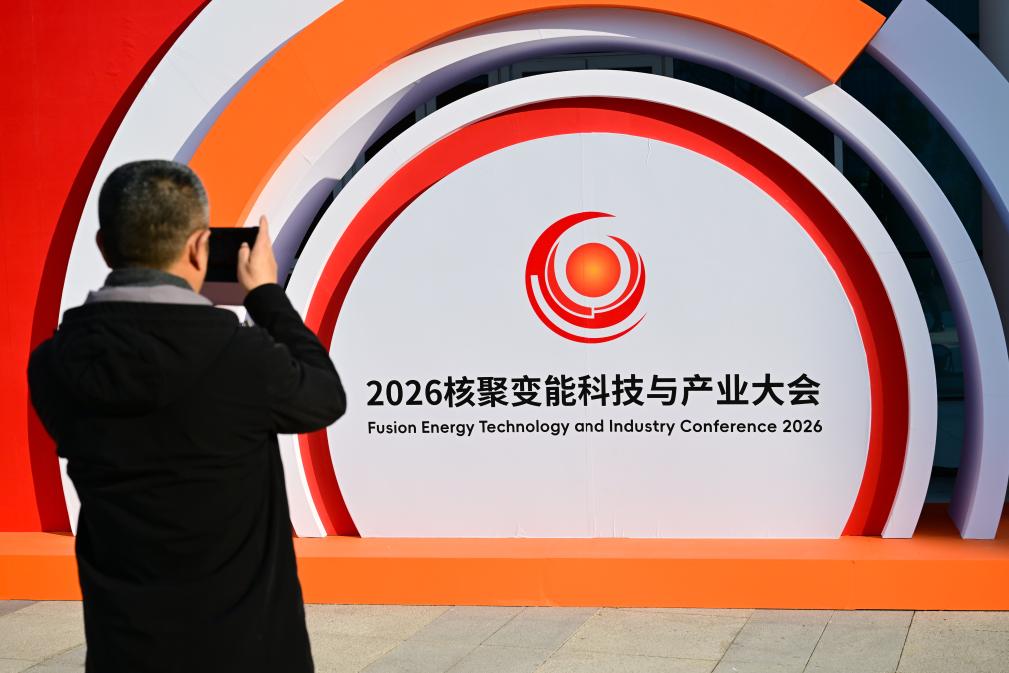
【财经分析】 “人造太阳”照进现实还有多远?
Zhong Guo Jin Rong Xin Xi Wang· 2026-01-18 01:51
Core Insights - Controlled nuclear fusion is transitioning from laboratory research to engineering and commercialization, with expectations to see the first operational fusion energy by around 2030 [1][10] - The core of fusion commercialization lies in finding a feasible and economically viable technological path, with a unique collaborative structure in China's fusion sector involving state-owned enterprises and private companies [1][3] Group 1: Technological Developments - Advanced Tokamak devices like the "East" (EAST) and "China Fusion Engineering Test Reactor" (CFETR) are leading the scientific exploration in China's fusion energy sector [3] - The construction of key facilities for fusion technology research and verification is underway, aiming for operational demonstration by 2030 [3] - Private enterprises are diversifying technological routes in fusion, with companies like Xinghuan Energy and Xineng Xuanguang focusing on innovative solutions [3] Group 2: Industry Collaboration - The collaboration between state-owned and private enterprises is enhancing the efficiency of technological iterations and advancing the fusion industry chain from sporadic research to systematic construction [3][4] - Major scientific advancements are driving demand in upstream industries such as superconducting materials and vacuum equipment [4] - Cross-domain collaboration is effectively integrating research resources and industrial needs, significantly improving engineering progress [6] Group 3: Talent Development - The establishment of specialized educational institutions, such as the Fusion Science and Engineering College at Hefei University of Technology, is fostering a diverse talent pool for the fusion industry [7] - Companies are enhancing practical capabilities through major projects, while innovation funds are being set up to support young researchers [7] Group 4: Financial Support - Financial institutions are increasingly supporting the fusion industry, with the establishment of a fusion financial alliance and investment funds aimed at aligning financial services with industry needs [9] - A tailored investment evaluation system is being developed to support the unique characteristics of the fusion industry [9]
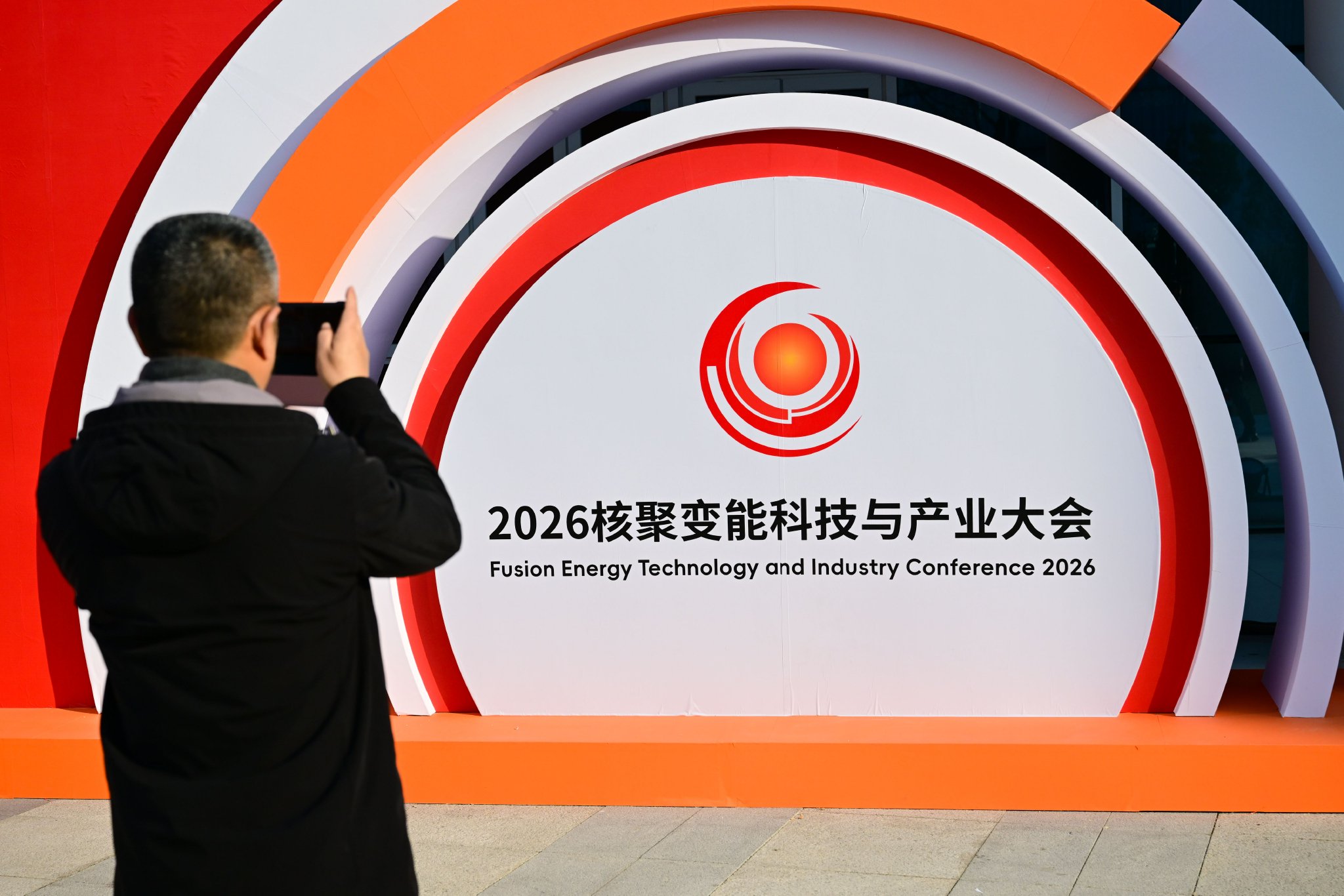
财经聚焦:“人造太阳”照进现实还有多远?
Xin Hua She· 2026-01-18 01:20
Group 1 - Controlled nuclear fusion is transitioning from laboratory experiments to engineering and commercialization, with expectations to see the first demonstration of fusion energy by around 2030 [1] - The core of fusion commercialization lies in finding a technically feasible and economically viable path, with a unique structure in China's fusion sector characterized by collaboration between state-owned enterprises and private companies [1][2] - Major advanced tokamak devices like EAST and the China Fusion Engineering Test Reactor are leading scientific exploration, supported by the construction of key research facilities for fusion technology development [2] Group 2 - The demand for upstream industries such as superconducting materials and vacuum equipment is being driven by significant advancements in large scientific devices [3] - Collaborative models, such as joint laboratories, are effectively breaking through technical bottlenecks in the supply chain, enhancing the efficiency of engineering advancements [6] - The establishment of educational institutions focused on fusion science and engineering is diversifying talent cultivation pathways, with universities like Hefei University of Technology and Lanzhou University setting up relevant programs [6][7] Group 3 - Financial institutions are increasingly supporting the fusion industry, with the establishment of a fusion financial alliance and a venture capital fund aimed at aligning financial services with industry needs [8] - The transition of fusion energy from basic research to large-scale application represents a significant opportunity for technological innovation to drive manufacturing upgrades and cultivate new productive forces [8]
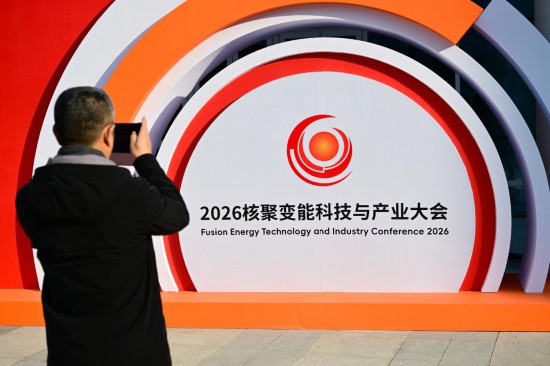
“人造太阳”照进现实还有多远?
Xin Lang Cai Jing· 2026-01-17 15:37
Core Insights - Controlled nuclear fusion is transitioning from laboratory research to engineering and commercialization, with expectations to see the first operational fusion energy by around 2030 [1] - The core of fusion commercialization lies in finding a technically feasible and economically viable path [1] - China's fusion sector is characterized by a unique collaboration model involving state-owned enterprises, private companies, and diverse partnerships [1] Group 1: Technological Developments - Advanced Tokamak devices like the "EAST" and "China Fusion Engineering Test Reactor" are leading the scientific exploration in China [3] - The construction of key facilities for fusion technology research aims to provide essential support for engineering implementation [3] - The "BEST" facility is expected to demonstrate power generation by 2030, serving as a platform for the next generation of fusion energy [3] Group 2: Industry Collaboration - Private enterprises are emerging as key players in exploring diverse technological routes in the fusion sector [3] - Companies like Xinghuan Energy and Xin'ao Group are innovating in areas such as spherical Tokamaks and safer fusion fuels [3] - A collaborative model is effectively breaking through supply chain bottlenecks, enhancing engineering efficiency [7] Group 3: Talent Development - The establishment of specialized institutes and programs in universities is aimed at cultivating a diverse talent pool for the fusion industry [8] - Initiatives like the "Xiyuan Fusion Innovation Fund" are designed to support young researchers in tackling core technologies [8] Group 4: Financial Support - The establishment of a fusion financial institution alliance aims to align financial services with industry needs [10] - A venture capital fund focused on fusion energy has been launched to provide necessary capital for industry growth [10] - The development of a tailored investment evaluation system is intended to support the unique characteristics of the fusion industry [10]
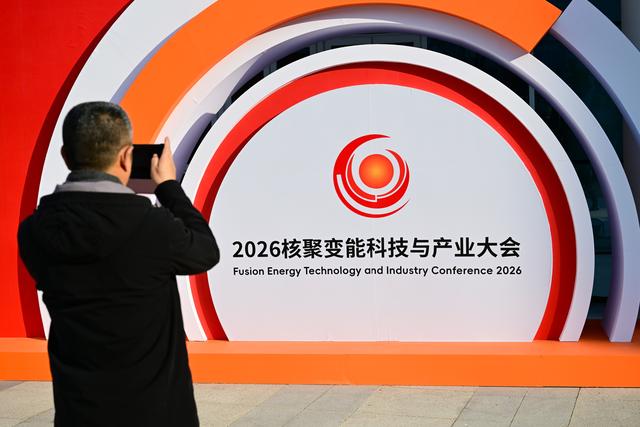
财经聚焦丨“人造太阳”照进现实还有多远?
Xin Hua Wang· 2026-01-17 15:13
Core Insights - Controlled nuclear fusion is transitioning from laboratory research to engineering and commercialization, with expectations to see the first operational fusion energy by around 2030 [1] - The core of fusion commercialization lies in finding a technically feasible and economically viable path [1] - China's fusion sector is characterized by a unique collaboration model involving state-owned enterprises, private companies, and diverse partnerships [1] Group 1: Technological Developments - Advanced tokamak devices like the "EAST" and "China Fusion Engineering Test Reactor" are leading the scientific exploration in China's fusion research [3] - The construction of key facilities for fusion technology research and verification is underway, aiming for operational demonstration by 2030 [3] - Private enterprises are diversifying technological approaches in fusion, with companies like Xinghuan Energy and Xineng Xuanguang focusing on innovative solutions [3] Group 2: Industry Collaboration - The collaboration between state-owned and private enterprises enhances the efficiency of technological iterations in fusion energy [3] - Major scientific advancements are driving demand for upstream industries such as superconducting materials and vacuum equipment [4] - Cross-domain collaboration is effectively integrating research resources and industry needs, significantly improving engineering progress [6] Group 3: Talent Development - The establishment of specialized educational institutions, such as the Fusion Science and Engineering College at Hefei University, is aimed at cultivating interdisciplinary talent [6][7] - Companies are enhancing practical capabilities through major projects and initiatives like the Xiyuan Fusion Innovation Fund to support young researchers [7] Group 4: Financial Support - Financial institutions are increasingly supporting the fusion industry, with the establishment of a Fusion Financial Alliance to align financial services with industry needs [9] - A new venture capital fund focused on fusion energy aims to create an investment evaluation system tailored to the industry's characteristics [9]