Nestle

Search documents
雀巢大中华区高管集体东南亚化
3 6 Ke· 2025-12-05 13:17
Core Viewpoint - Nestlé is restructuring its operations in the Greater China region by merging its Wyeth and Nestlé infant nutrition businesses into a new unit called "Nestlé Nutrition," effective January 1, 2026, under the leadership of Southeast Asian executive, Xie Guoyao [1][4]. Group 1: Leadership Changes - The leadership of key growth areas in Nestlé's Greater China region, including coffee, nutrition, and pet care, has been taken over by executives with Southeast Asian backgrounds, indicating a strategic shift towards leveraging their experience in emerging markets [1][4][5]. - Xie Guoyao, the new head of the merged nutrition unit, has over 20 years of experience in the fast-moving consumer goods sector and has successfully led the infant nutrition business in China, contributing significantly to growth [4][6]. Group 2: Market Challenges - Nestlé's sales in the Greater China region reached approximately 44.5 billion yuan in 2024, with an organic growth rate of 2.1%, which is considered unsatisfactory compared to previous performance [6][7]. - The company faces negative growth in its seasoning and dairy product segments, indicating a shift from broad growth to more differentiated performance across categories [6][7]. Group 3: Strategic Response - The merger of Wyeth and Nestlé infant nutrition aims to reduce costs and improve efficiency by consolidating resources and enhancing market responsiveness [8][9]. - Xie Guoyao's previous success in launching a new product line in the infant nutrition sector demonstrates a strategic pivot towards innovative product offerings rather than competing directly in saturated high-end markets [9][12]. Group 4: Broader Market Context - The challenges faced by Nestlé in China mirror those encountered in Southeast Asian markets, such as increased competition from local brands and changing consumer preferences [12][13]. - The company is adapting to a new market environment characterized by digital transformation and evolving consumer behaviors, necessitating a shift in strategy and management approach [14][15]. Group 5: Future Outlook - The ongoing leadership changes and strategic realignment signify a deeper organizational transformation within Nestlé, aiming to better align with the realities of the Chinese market and leverage successful strategies from Southeast Asia [16].

Borough Broth获投资;雀巢创建科技中心;Gucci任命CFO
Sou Hu Cai Jing· 2025-12-05 09:05
Investment Dynamics - Borough Broth Company, a UK organic bone broth producer, secured £7.5 million (approximately ¥70.08 million) in new funding from consumer brand investment firm Piper [3] - The company, founded in 2015 and based in London, currently generates annual revenue of about £11 million, with projections to exceed £20 million by 2026 [3] - The investment will be used to relocate to a new factory, doubling production capacity, strengthening the management team, and expanding into adjacent organic categories such as soups and broths [3] Acquisition Dynamics - Tetra Pak acquired Bioreactors.net, a Latvian bioreactor company with nearly 30 years of experience in bioreactor system design and manufacturing [6] - Bioreactors.net specializes in providing biomass fermentation and precision fermentation solutions for the new food sector, serving clients from laboratories to large-scale commercial production [6] - This acquisition will enhance Tetra Pak's processing technology capabilities and expand its product portfolio in the new food sector [6] - Royal FrieslandCampina N.V. announced the acquisition of Wisconsin Whey Protein, a well-known US whey protein producer [8] - The acquisition will integrate Wisconsin Whey Protein into FrieslandCampina's global leading protein and prebiotic supplier, enhancing its capabilities in sports nutrition and medical nutrition markets [8] - The Wisconsin facility is currently expanding, with whey protein production capacity expected to more than double [8] - Imlek's CEO Bojan Radun is collaborating with entrepreneur Andrej Jovanović's family office AJFH to acquire Serbia's leading dairy producer, mlek, from private equity investor MidEuropa [10] - The transaction is expected to complete in Q1 2026, pending regulatory approval [10] - Imlek processes nearly 400 million liters of milk annually from over 3,500 dairy farmers and owns well-known brands [10] Brand Dynamics - Xiangpiaopiao opened its first offline stores in Hangzhou, including a brand experience store and a takeaway outlet [13] - The experience store focuses on customer interaction and covers five product series, with prices ranging from ¥7.9 to ¥16 [13] - The move aims to establish a second growth curve amid increasing competition in the market [13] - Nestlé announced the establishment of a new deep technology center to enhance its expertise in biotechnology and optimize innovation processes [16] - The center aims to develop new nutritional solutions and support emerging growth platforms in maternal nutrition, early life nutrition, and medical nutrition [16] - The scientific solutions will also be applied to Nestlé's pet care business, including the pet treatment sector [16] Personnel Dynamics - Valentino's Greater China employees reported CEO Janice Lam for alleged performance fraud and workplace bullying [18] - The allegations include unconventional sales tactics to boost performance metrics and creating a fear-based atmosphere in team meetings [18] - This is the third report submitted by employees since early this year, with the outcome pending further decisions from the parent company [18] - Rocco Basilico, Chief Wearable Devices Officer and President of Oliver Peoples at EssilorLuxottica, will leave the company next month after six years [20] - Basilico has extensive experience and led the development of smart glasses during his tenure [20] - His departure may impact the company's growth in smart glasses and high-end sunglasses if a suitable successor is not found [20] - Francesca Leoni is rumored to join Fendi as Global Chief Communications Officer, succeeding Cristiana Monfardini [22] - Leoni has 25 years of experience in the fashion and luxury goods industry and previously worked with Fendi's new Chief Creative Officer [22] - Her collaboration with the new creative leadership may bring fresh energy to Fendi [22] - Gucci appointed Gianluca De Ficchy as Chief Financial Officer, reporting to the brand's President and CEO [25] - De Ficchy previously held executive roles in the automotive industry and banking [25] - The appointment aims to streamline costs and stabilize profits, allowing time for creative transformation [25]



雀巢中国以绿色创新驱动全价值链减碳
Zheng Quan Ri Bao Wang· 2025-12-05 07:47
Core Insights - Sustainable development has become a core theme for corporate transformation in response to global climate change pressures, with Nestlé committing to achieve net-zero carbon emissions by 2050 and planning to reduce emissions by 20% by 2025 and 50% by 2030 [1][2] Group 1: Green Logistics - Nestlé China has established a dedicated project team to oversee its green logistics initiative, which includes clear emission reduction targets and performance assessment systems to ensure efficient project execution [2] - The green logistics project is divided into three phases: a pilot phase focusing on testing new energy vehicles and multimodal transport, a promotion phase for scaling up these initiatives, and a deepening phase that enhances efficiency through resource collaboration and the use of new energy trucks [2] - The introduction of a smart scheduling system has improved vehicle load rates by 7%, addressing challenges related to low load rates due to varying packaging sizes across different products [2][3] Group 2: Sustainable Packaging - Sustainable packaging is a key focus within Nestlé's net-zero plan, with a commitment to reduce the use of virgin plastic by one-third by 2025 through various strategies including reducing material usage and enhancing recyclability [4] - Nestlé China has achieved a significant innovation by reducing the thickness of its single-layer polypropylene cold seal film from 28 microns to 26 microns, setting a global record for this type of packaging [4][5] - This innovation has led to a 6% reduction in overall plastic packaging consumption, saving 35 tons of virgin plastic annually, and has been recognized with the Nestlé Greater China Innovation Award for Sustainable Development [5]
San Francisco is suing Coca-Cola, Nestlé, and other makers of ultraprocessed foods. Here's why
Fastcompany· 2025-12-03 18:41
Core Viewpoint - The city of San Francisco has initiated a lawsuit against major food manufacturers, including Coca-Cola and Nestle, claiming that ultraprocessed foods are contributing to public health issues [1] Group 1: Lawsuit Details - The lawsuit targets some of the nation's leading food manufacturers, alleging that their ultraprocessed products are responsible for health problems [1] - The city argues that these companies have a responsibility for the negative health impacts associated with their products [1] Group 2: Implications for the Food Industry - This legal action may set a precedent for other cities to follow suit, potentially leading to increased scrutiny and regulation of ultraprocessed foods [1] - The lawsuit highlights growing concerns over public health and the role of food manufacturers in contributing to health crises [1]

雀巢拟出售Blue Bottle,高端咖啡“抛售潮”来了?
Guo Ji Jin Rong Bao· 2025-12-03 12:57
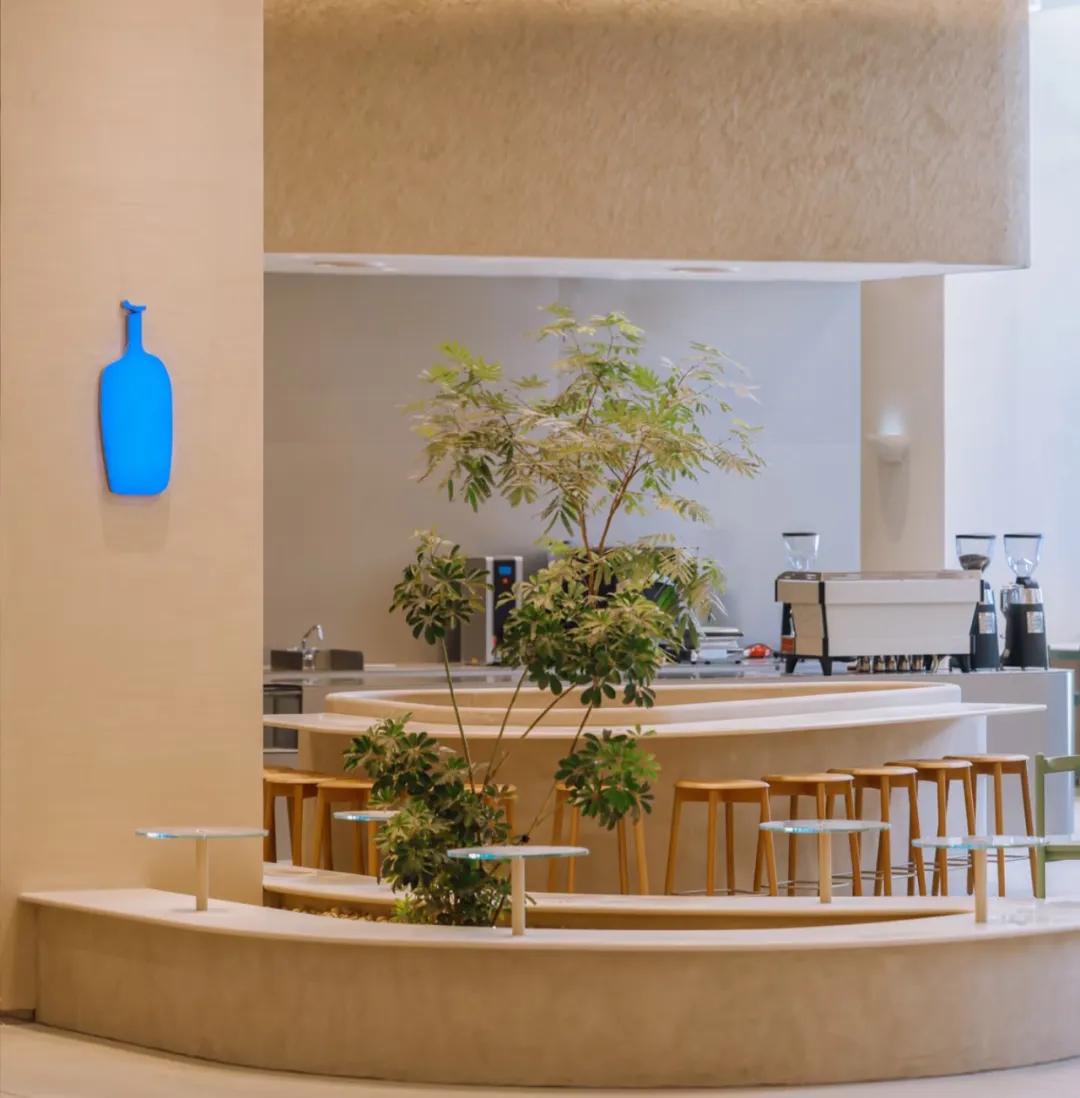
Group 1 - Nestlé is reportedly considering the sale of its high-end coffee chain Blue Bottle Coffee, collaborating with Morgan Stanley for this potential transaction [1] - Blue Bottle Coffee, founded in 2002, has over 100 locations globally, with 14 in mainland China, and is known for its premium pricing, with coffee priced around 40 yuan per cup [1] - Nestlé acquired 68% of Blue Bottle for $425 million in 2017, with an initial valuation of approximately $700 million, but the current valuation may be lower than this figure [1][2] Group 2 - The sale plan is part of Nestlé's strategic contraction, as the company faces significant growth challenges and aims to streamline operations under new CEO Philipp Navratil [2] - Nestlé plans to divest from physical retail operations and intends to lay off 16,000 employees globally over the next two years [2] - Other high-end coffee brands, including Costa Coffee and Peet's, are also reportedly considering sales, reflecting broader challenges in the premium coffee market [3] Group 3 - The premium coffee sector is under pressure due to rising raw material costs, exacerbated by extreme weather in coffee-producing regions like Brazil and Vietnam [3] - The global premium coffee market is projected to grow at about 10% this year, while budget coffee brands, particularly in China, are expanding rapidly with a growth rate of 40% [3]
八年“联姻”走到十字路口,雀巢或剥离蓝瓶咖啡
Guan Cha Zhe Wang· 2025-12-03 10:29
Core Viewpoint - Nestlé is collaborating with JPMorgan to conduct a strategic assessment of its premium coffee brand, Blue Bottle Coffee, with the potential sale of the brand being a central topic of discussion [1] Group 1: Company Background - Blue Bottle Coffee, founded in 2002 by James Freeman, emerged from a desire for fresher coffee and quickly gained popularity, leading to its first physical store opening in San Francisco in 2005 [3] - The brand is known for its strict quality control and minimalist aesthetic, which has drawn comparisons to Apple in the coffee industry, attracting the attention of Nestlé [3] Group 2: Acquisition and Performance - In September 2017, Nestlé acquired a 68% stake in Blue Bottle Coffee for $500 million, valuing the company at over $700 million at that time [5] - Following the acquisition, Blue Bottle Coffee was expected to maintain operational independence while expanding its store count from 29 to 55 by the end of 2017 [5] - Despite initial optimism, Blue Bottle Coffee has not achieved the anticipated growth, with only about 140 stores globally as of August this year, indicating slow expansion [5] Group 3: Market Challenges - The trajectory of Blue Bottle Coffee in the Chinese market exemplifies its challenges, where initial excitement has waned, and competition from local brands has intensified [7] - The brand's first store in mainland China opened in February 2022, generating significant initial interest, but has since struggled to maintain customer traffic [7] Group 4: Strategic Review and Future Outlook - The potential sale of Blue Bottle Coffee is part of a broader strategic review under Nestlé's new CEO, aimed at simplifying the company's business portfolio and moving away from capital-intensive retail operations [11] - The estimated valuation for the potential sale of Blue Bottle Coffee is expected to be lower than the $700 million valuation at the time of acquisition, with a possibility of separating the brand from its physical café operations [11] - The future of Blue Bottle Coffee remains uncertain, marking a significant turning point in its eight-year relationship with Nestlé [11]

雀巢婴儿营养与惠氏营养品在华合并,意在重拾增长势头
Xin Jing Bao· 2025-12-03 09:43
Core Viewpoint - Nestlé's Greater China region will establish a new nutrition business unit starting January 1, 2026, merging its infant nutrition business with Wyeth, aiming to enhance organizational efficiency and regain growth momentum in the competitive market [1][2]. Group 1: Business Merger Announcement - Nestlé confirmed the merger of its infant nutrition and Wyeth nutrition units on December 1, 2023, with the new unit set to launch in 2026 [2]. - The merger aims to combine the brand influence of Wyeth's products with Nestlé's industry and channel advantages for sustainable development in a competitive market [2][3]. - The integration will not disrupt existing operations, as Wyeth will continue to operate independently during the transition [2]. Group 2: Historical Context and Market Position - Wyeth has operated independently since its acquisition by Nestlé for $11.85 billion in 2012, which was intended to enhance Nestlé's infant nutrition portfolio [2][3]. - In 2019, Nestlé and Wyeth together held a 17% market share in China's infant formula market, making them the leading company at that time [3]. - The market dynamics have shifted due to declining birth rates and the rise of domestic brands, impacting Wyeth's sales and market position [4][5]. Group 3: Recent Performance and Market Trends - After a decline in sales from 2019 to 2021, Nestlé's infant nutrition business showed signs of recovery in 2022 and 2023, although it faced another downturn in 2024 [6][7]. - As of 2024, Nestlé and Wyeth's combined market share in China's infant formula market is approximately 9.3%, ranking them behind leading brands like Feihe and Danone [7]. - The merger is expected to consolidate their market presence and improve competitive strength amid a challenging environment characterized by high market concentration and strategic competition among brands [7].
新帅在华“动刀”:雀巢、惠氏营养品合并
2 1 Shi Ji Jing Ji Bao Dao· 2025-12-02 23:08
Core Viewpoint - Nestlé is undergoing a significant top-down reform, merging its Wyeth Nutrition and Nestlé Infant Nutrition business units into a single Nestlé Nutrition business starting January 1, 2026, to enhance growth and consolidate its leadership in the Chinese infant nutrition market [1][2]. Group 1: Business Strategy and Market Position - The merger aims to leverage the strong brand influence of Wyeth and S-26 with Nestlé's industry and channel advantages to achieve sustainable growth in a competitive market [5]. - The infant formula market in China is transitioning to a mature phase, with a reported growth rate of only 0.6% in Q2 2025, as the new baby boom is expected to decline [3]. - The ultra-premium segment is becoming mainstream, with a 13.3% year-on-year growth in the ultra-premium+ market, while other segments are experiencing declines [4]. Group 2: Competitive Landscape - The competition in the ultra-premium market is intensifying, as evidenced by Feihe's revenue decline of 9.36% to 9.151 billion yuan in the first half of the year, highlighting the challenges faced by brands in this segment [5]. - Domestic brands like Feihe and Yili have surpassed foreign brands in market share, indicating a shift in the competitive landscape of the infant formula market [5]. Group 3: Organizational Changes and Leadership - Nestlé has recently undergone significant leadership changes, with a new CEO, Frits van Paasschen, appointed in September 2025, emphasizing a performance-driven culture and a focus on growth [7][8]. - The restructuring in Nestlé China, led by CEO Mark Schneider, includes key personnel changes in the coffee and finance sectors, indicating a strategic shift towards more agile management [10]. - The new head of the infant nutrition business, Joel Seah, has a background in the Southeast Asian market, suggesting a strategic inclination towards leveraging regional expertise [11][12].
雀巢,联合作战
Sou Hu Cai Jing· 2025-12-02 17:07
Core Insights - Nestlé is restructuring its operations in the Greater China market by merging its Wyeth Nutrition and Nestlé Infant Nutrition businesses, effective January 1, 2026, with Joel Seah appointed as the head of the new unit [1][10] - This merger is seen as a strategic response to the changing dynamics of the Chinese market, aiming to enhance competitiveness and drive sustainable growth [3][7] - The integration is expected to create significant synergies, leveraging brand strength, product development, and channel resources to capture growth opportunities [12][9] Company Strategy - The merger aligns with Nestlé's broader strategy to simplify its organizational structure and respond more flexibly to market competition, as emphasized by the new CEO, Phil Navratil [3][9] - The integration aims to combine the strong brand influence of Wyeth in the mid-to-high-end market with Nestlé's penetration in the mass market, allowing for comprehensive coverage across different consumer segments [12][10] - Nestlé plans to continue investing in brand and channel development to regain growth momentum and maintain its leadership position in the infant nutrition market in China [10][12] Market Context - The infant formula market in China is undergoing structural adjustments due to declining birth rates and rising costs, with market growth slowing to 0.6% by Q2 2025 [7][9] - The competitive landscape is shifting from "incremental sharing" to "market share acquisition," making resource integration essential for enhancing competitiveness [7][9] - Analysts suggest that the merger will consolidate resources, allowing for more effective competition against other brands in a highly concentrated market [9][12] Leadership and Execution - Joel Seah, with over 20 years of experience in the fast-moving consumer goods sector, is seen as a key figure in ensuring a smooth transition and maximizing the merger's potential [5][14] - The successful integration will depend on addressing cultural differences and ensuring talent retention while fostering innovation tailored to local market needs [14][12] - The new unit is expected to focus on developing customized products that cater to the specific needs of Chinese consumers, enhancing collaboration with local supply chains to reduce costs [14][12]
雀巢被指考虑出售蓝瓶咖啡,在中国内地市场门店已拓展到三个城市
3 6 Ke· 2025-12-02 03:56
Core Viewpoint - Nestlé is reportedly considering the sale of Blue Bottle Coffee as part of a broader strategic evaluation led by its new CEO, Philipp Navratil, aimed at streamlining the company's asset portfolio and exiting physical retail operations [6][9]. Acquisition and Current Status - Nestlé acquired a 68% stake in Blue Bottle Coffee in 2017 for approximately $425 million, with the overall valuation of the company at around $700 million at that time [3][6]. - Blue Bottle Coffee currently operates over 100 stores in the U.S. and Asia, including more than 10 locations in China, with the latest opening in Hangzhou [7][9]. Strategic Evaluation and Potential Sale - The evaluation of Blue Bottle Coffee's options includes the possibility of selling its store operations while retaining the brand's intellectual property to continue selling related products [6][9]. - The anticipated sale price is expected to be below the original valuation of $700 million [6]. Market Trends and Company Strategy - The decision to consider the sale aligns with industry trends, as other companies like Coca-Cola are also exploring divestitures of their coffee brands [6]. - Nestlé has previously announced strategic evaluations of several vitamin brands and plans to sell part of its water business, indicating a shift in focus [6]. Operational Independence and Collaboration - Despite being under Nestlé's ownership, Blue Bottle Coffee operates independently, making its own decisions regarding store openings and management appointments [9][12]. - The collaboration between Blue Bottle Coffee and Nestlé has provided additional resources for innovation, with Blue Bottle leading its own projects while benefiting from Nestlé's research and development capabilities [12][14]. Growth Potential in China - Blue Bottle Coffee views China as a significant and growing market, with its cautious expansion strategy reflecting its brand philosophy [9][10]. - The company has positioned itself as a premium brand in the coffee market, competing for market share against mid-range brands [10][14].